



Why Choose Horizon Health Institute?
Trusted Health Education
We provide clear, practical health guides to help U.S. readers better understand symptoms, conditions, prevention, screening, and everyday wellness decisions.
Evidence-Based Approach
Our content focuses on reliable sources, responsible wording, and useful information that supports more informed health and wellness choices.
Clear & Easy to Understand
We explain complex health topics in simple language, making our guides helpful for adults, families, middle-aged readers, and seniors.
Responsible Product Reviews
We review supplements, wellness tools, health apps, and home health products with transparency, safety considerations, and reader trust in mind.
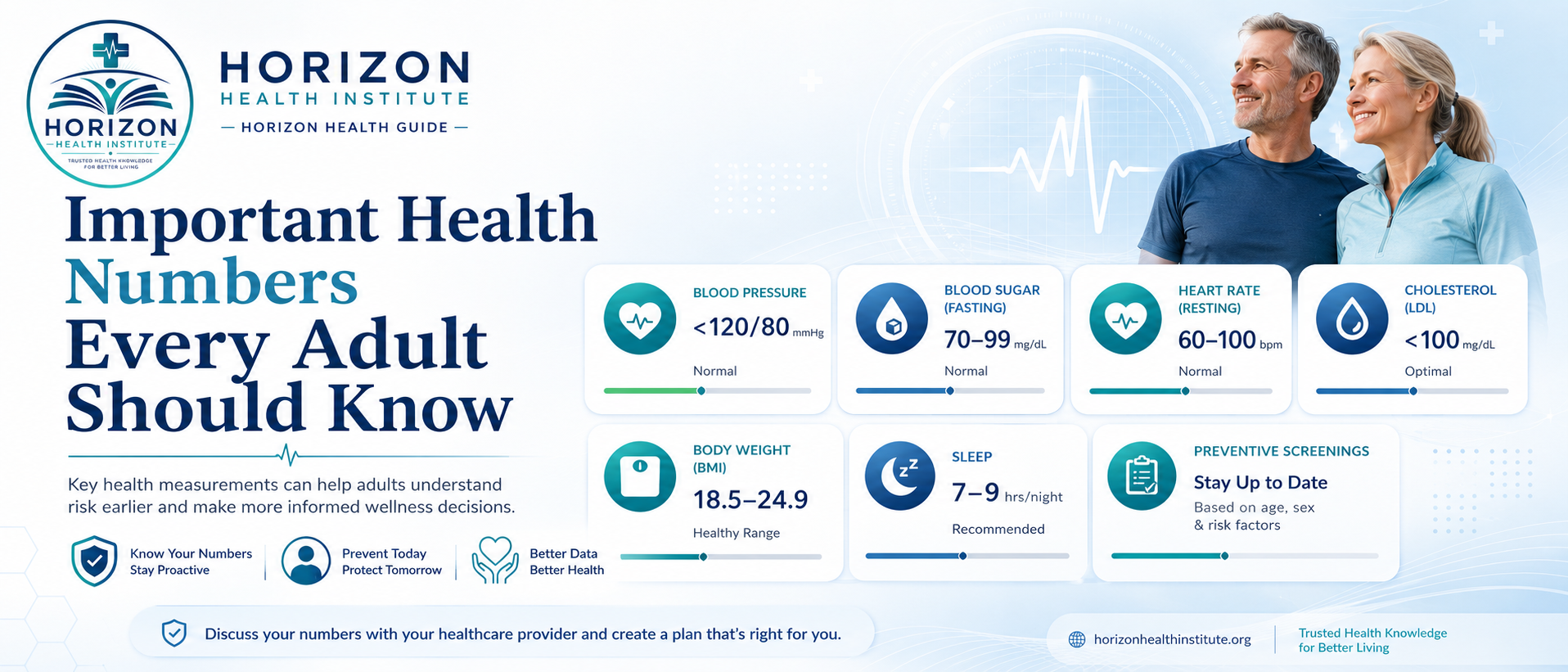
Important Health Numbers Every Adult Should Know
Chronic diseases, heart disease, diabetes, and high blood pressure affect millions of adults in the United States. Knowing the risks early can help people ask better questions, schedule timely checkups, and take preventive action sooner.
Adults With Chronic Disease
About 6 in 10 U.S. adults live with at least one chronic disease, making prevention and regular monitoring important.
Source: CDC Chronic Disease, 2026Heart Disease Impact
In the U.S., one person dies from cardiovascular disease about every 34 seconds.
Source: CDC Heart Disease Facts, 2024Diabetes Cases
An estimated 40.1 million people in the United States had diagnosed or undiagnosed diabetes in 2023.
Source: CDC National Diabetes Statistics Report, 2026High Blood Pressure
Nearly half of U.S. adults had hypertension during August 2021–August 2023.
Source: NCHS Data Brief No. 511, 2024Small Checks Can Prevent Bigger Problems
Routine screening, blood pressure checks, blood sugar testing, cholesterol monitoring, cancer screening, and early conversations with healthcare professionals can help detect risks before they become more serious.
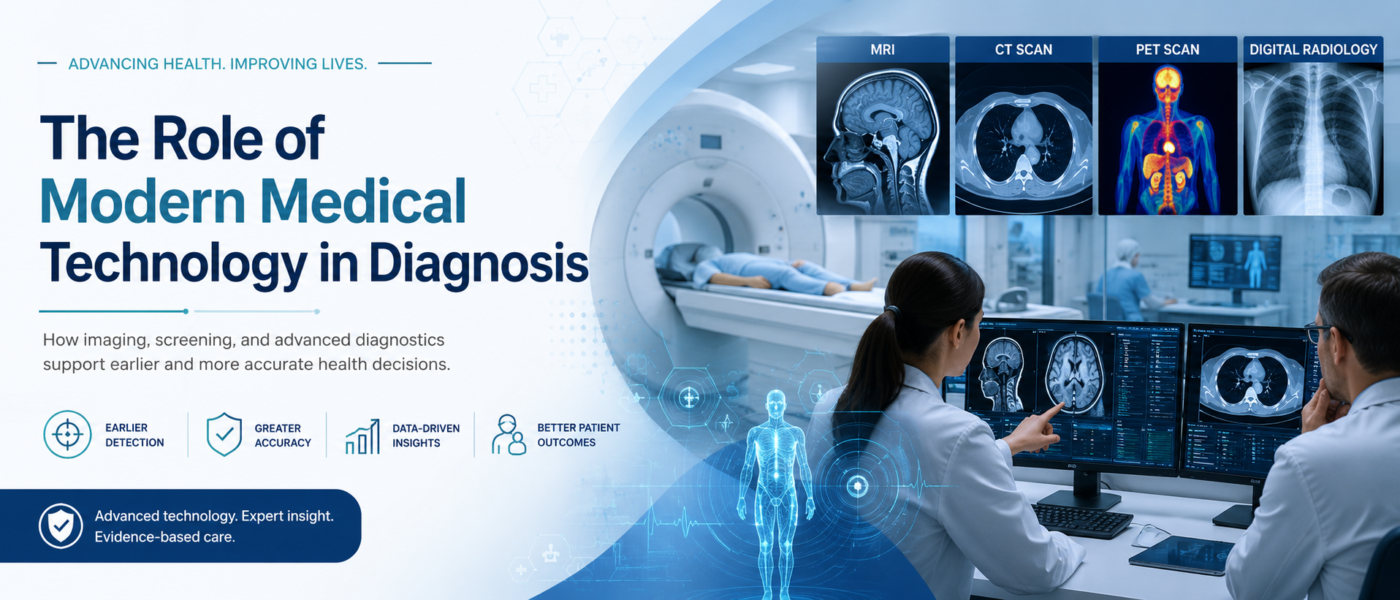
The Role of Modern Medical Technology in Diagnosis
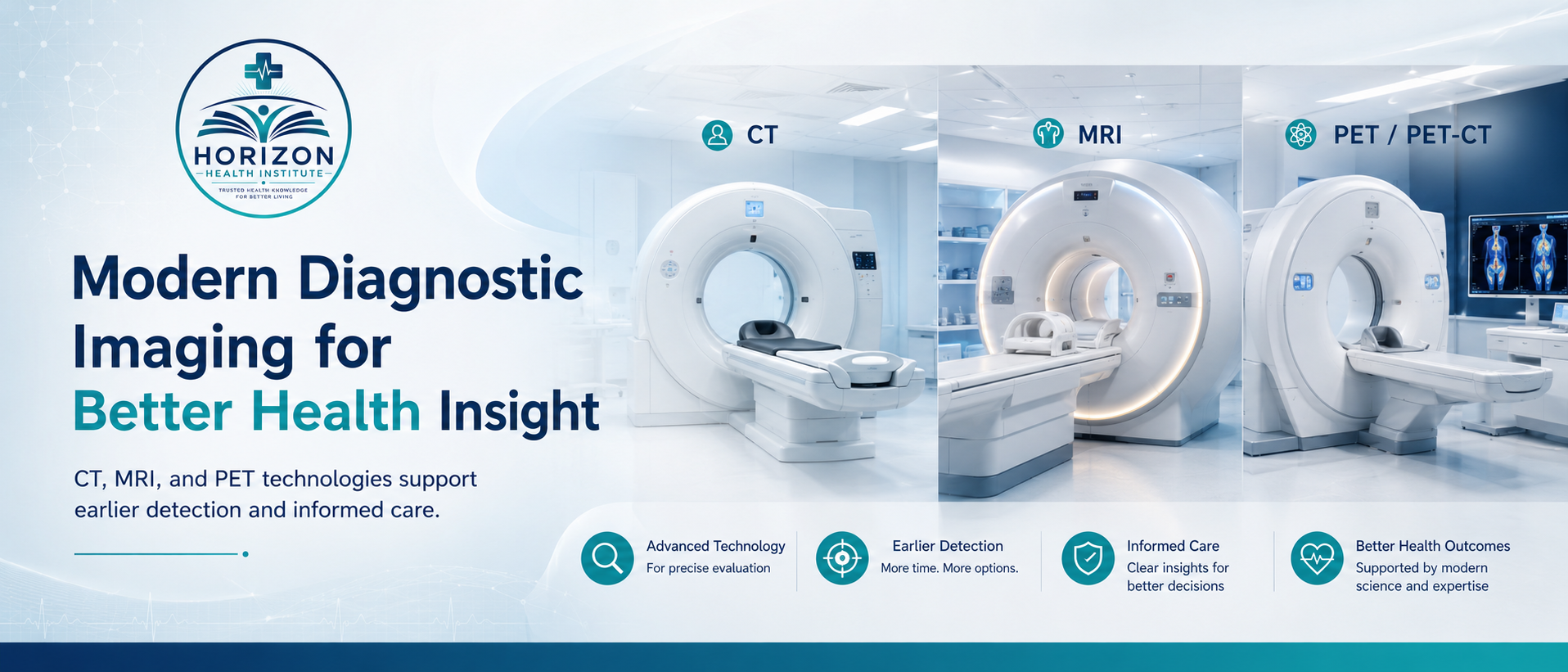
Modern medicine relies on a combination of clinical examination, laboratory testing, medical imaging, pathology, and specialist interpretation. These tools help healthcare professionals evaluate symptoms, identify hidden abnormalities, monitor disease progression, and make more informed clinical decisions.
Magnetic Resonance Imaging
MRI provides detailed images of soft tissues, the brain, spine, joints, blood vessels, and internal organs. It is commonly used when doctors need high-resolution structural information without ionizing radiation.
Computed Tomography
CT imaging creates cross-sectional views of the body and is often used in evaluating trauma, tumors, lung disease, abdominal conditions, vascular problems, and emergency medical situations.
PET Imaging
PET scans assess metabolic activity in tissues and organs. They may be used in oncology, cardiology, and neurology to support disease staging, treatment planning, and follow-up evaluation.
Diagnostic Ultrasound
Ultrasound uses sound waves to evaluate organs, blood flow, thyroid nodules, abdominal findings, pregnancy, soft tissue changes, and many conditions without ionizing radiation.
Laboratory Medicine
Blood tests, urine tests, biomarkers, liver enzymes, kidney function markers, blood glucose, cholesterol, inflammatory markers, and tumor markers can provide important clinical signals.
Pathology & Biopsy
Pathology examines tissue, cells, and biopsy samples under laboratory conditions. It plays a critical role in confirming many diagnoses, including cancer and inflammatory or infectious diseases.
Technology Supports Diagnosis — It Does Not Replace Medical Judgment
Imaging and laboratory results must be interpreted together with symptoms, physical examination, medical history, risk factors, and physician assessment. A test result is only one part of the clinical picture. Timely consultation with qualified healthcare professionals remains essential when symptoms or abnormal findings appear.
Early Diagnosis Can Change the Course of Disease
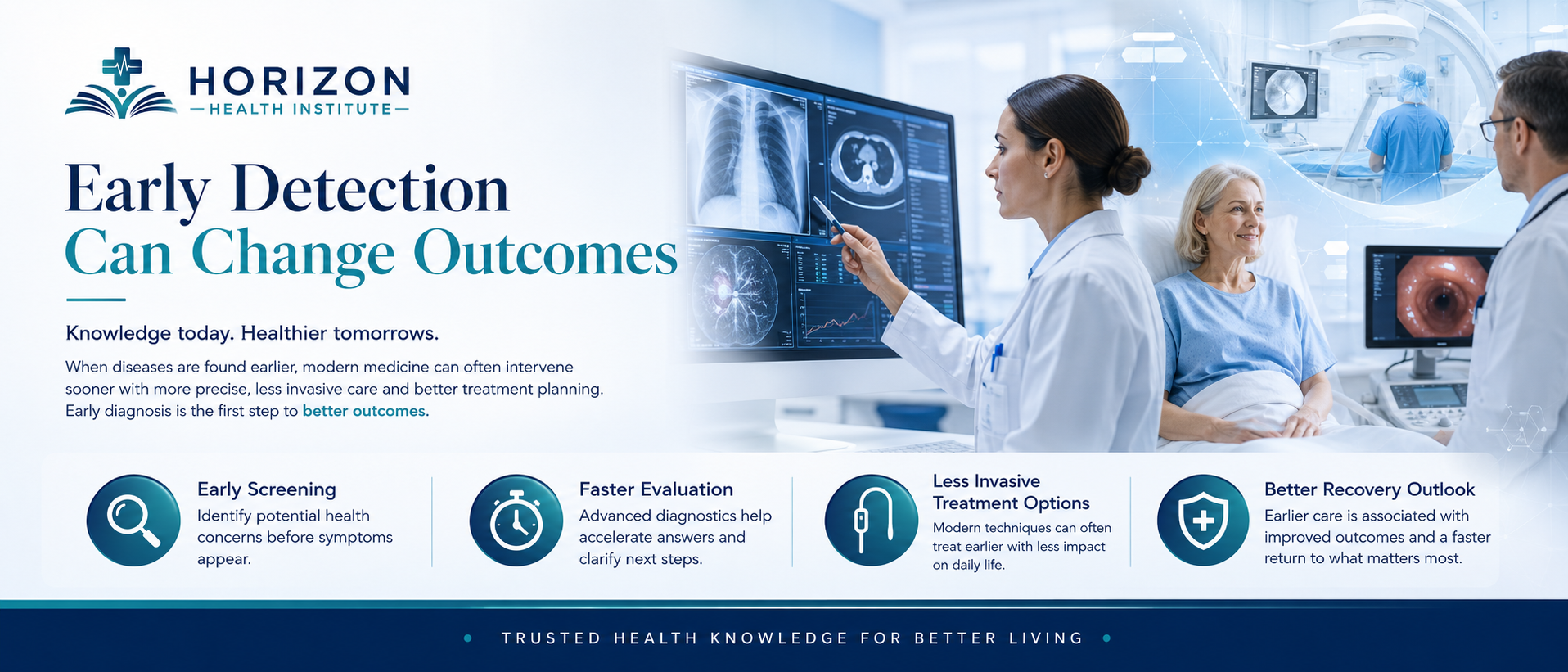
In modern clinical medicine, early screening helps detect disease before serious complications appear. For conditions such as cancer, cardiovascular disease, diabetes, kidney disease, liver disease, and chronic inflammation, earlier detection gives physicians more time to evaluate risk, monitor changes, and apply appropriate clinical intervention.
When Disease Is Detected Early
Early findings allow healthcare professionals to confirm risk, order targeted tests, track changes over time, and begin evidence-based management before major organ damage develops.
- More clinical options may be available.
- Disease progression can often be monitored more closely.
- Medication, lifestyle therapy, or procedures may begin earlier.
- Complications may be reduced with timely management.
- Follow-up plans can be built before the disease becomes severe.
When Disease Is Found Late
Late-stage disease may already affect organs, blood vessels, nerves, metabolism, immune function, or physical strength. At this point, treatment often becomes more complex and places greater stress on the body.
- Symptoms may become stronger, persistent, or harder to control.
- Organs such as the heart, kidneys, liver, or lungs may be affected.
- Treatment may require more intensive medical care.
- Recovery may take longer and become less predictable.
- Quality of life may decline due to complications.
Earlier Detection Supports Better Treatment Planning
Cancer found at an earlier stage may still be localized, allowing clinicians to consider surgery, radiation, medication, surveillance, or combined treatment strategies based on cancer type and stage. Advanced cancer may spread to nearby tissues or distant organs, making treatment more difficult.
Early Risk Control Helps Protect Blood Vessels
Early detection of high blood pressure, cholesterol disorders, rhythm abnormalities, or vascular disease can help reduce strain on the heart and arteries. Late detection may increase the risk of heart attack, stroke, heart failure, kidney injury, or poor circulation.
Early Blood Sugar Control Reduces Long-Term Damage
Detecting prediabetes or diabetes early allows clinical monitoring of glucose, A1C, weight, blood pressure, kidney function, vision, and nerve health. Poorly controlled diabetes over time may damage blood vessels, nerves, kidneys, eyes, and cardiovascular function.
Lab Markers Can Reveal Silent Organ Stress
Kidney and liver disease may progress quietly. Blood tests, urine tests, imaging, and risk assessment can help identify abnormalities earlier. Late-stage organ disease may lead to swelling, fatigue, toxin buildup, fluid imbalance, bleeding risk, or advanced specialist care.
A Clinical Screening Pathway Connects Symptoms to Action
Early screening is not about unnecessary testing. It is about using the right medical tools at the right time: medical history, physical examination, blood tests, imaging, pathology, risk scoring, specialist referral, and follow-up. When warning signs are found early, modern medicine can often act before disease causes greater damage.
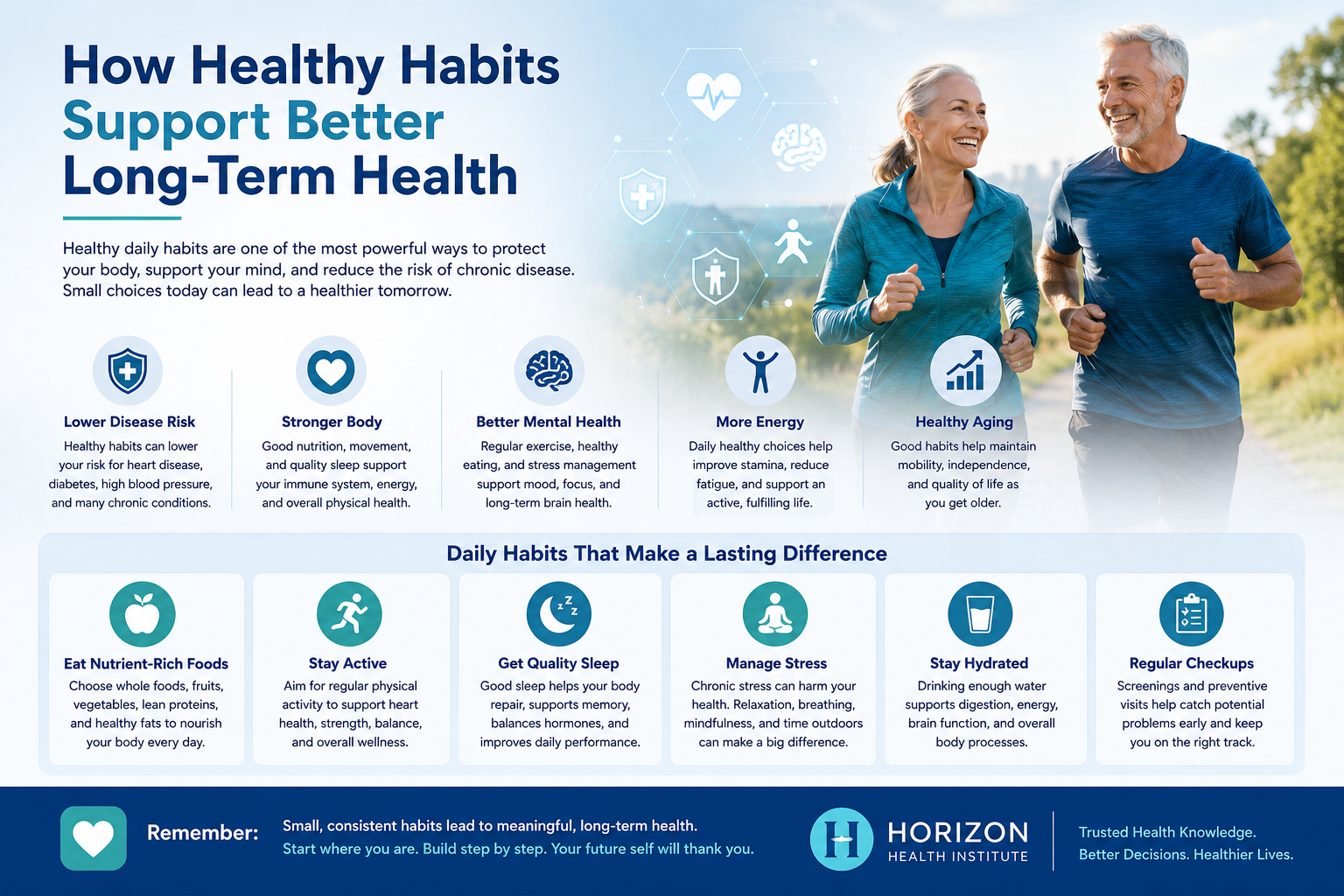
How Healthy Habits Support Better Long-Term Health
Small daily choices can have a powerful effect on your long-term wellness. Eating well, staying active, sleeping enough, managing stress, and getting regular checkups may help support heart health, blood sugar balance, immune function, energy, and healthy aging.
Balanced Nutrition
A nutrient-rich diet with vegetables, fruits, whole grains, lean protein, healthy fats, and enough fiber can support metabolism, digestion, heart health, and daily energy.
Regular Movement
Walking, stretching, strength training, and light daily activity may help improve circulation, joint mobility, weight control, blood pressure, and overall physical function.
Quality Sleep
Good sleep helps the body recover, supports memory, mood, immune function, hormone balance, and better decision-making throughout the day.
Stress Management
Managing stress through breathing, relaxation, time outdoors, social support, and healthy routines may support mental wellness and reduce strain on the body.
Hydration & Daily Care
Drinking enough water, limiting excess sugar, reducing alcohol, and building consistent self-care habits can support kidney function, digestion, skin health, and focus.
Preventive Checkups
Routine screenings, blood pressure checks, blood sugar tests, cholesterol monitoring, and early conversations with healthcare professionals can help detect risks sooner.
Healthy Living Is Not About Perfection
Better health often comes from simple actions repeated consistently. Even small improvements in food choices, movement, sleep, stress control, and preventive care can help build a stronger foundation for long-term wellness.