
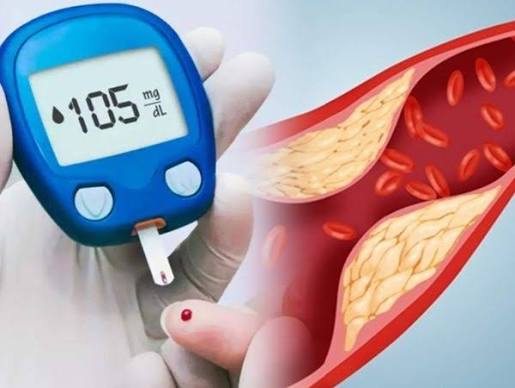
Diabetic Dyslipidemia: The Cholesterol Pattern Unique to Diabetes
The relationship between diabetes and cholesterol is not simply about having a high total cholesterol reading — it is about a specific pattern of lipid abnormalities that is directly driven by insulin resistance and that dramatically elevates cardiovascular risk even when total cholesterol appears normal. This pattern is called diabetic dyslipidemia, and understanding it is essential for anyone with Type 2 diabetes or metabolic syndrome who is trying to protect their cardiovascular health. Our guide on what is diabetes provides the foundational context; this article focuses on how diabetes affects cholesterol, what the lipid targets are, and how to manage cholesterol in diabetes through both medications and lifestyle.
Diabetic dyslipidemia is characterized by three simultaneous lipid abnormalities that frequently occur together:
- Elevated triglycerides: Triglycerides above 150 mg/dL are common in insulin-resistant states. Insulin resistance impairs the liver’s ability to suppress its own triglyceride production, and promotes free fatty acid release from adipose tissue that the liver converts into very-low-density lipoprotein (VLDL) particles — which are triglyceride-rich. Elevated triglycerides are both a cardiovascular risk marker and a driver of the dangerous small dense LDL particles described below.
- Low HDL cholesterol: HDL (high-density lipoprotein) cholesterol is the “good” cholesterol that reverse-transports cholesterol from arterial walls back to the liver for excretion. Low HDL — below 40 mg/dL in men and below 50 mg/dL in women — is nearly universal in Type 2 diabetes and metabolic syndrome, driven by the same VLDL overproduction that raises triglycerides. Elevated VLDL particles exchange triglycerides for cholesterol esters with HDL particles through a cholesterol ester transfer protein (CETP) mechanism, depleting HDL of its cholesterol content and causing it to be cleared more rapidly from circulation.
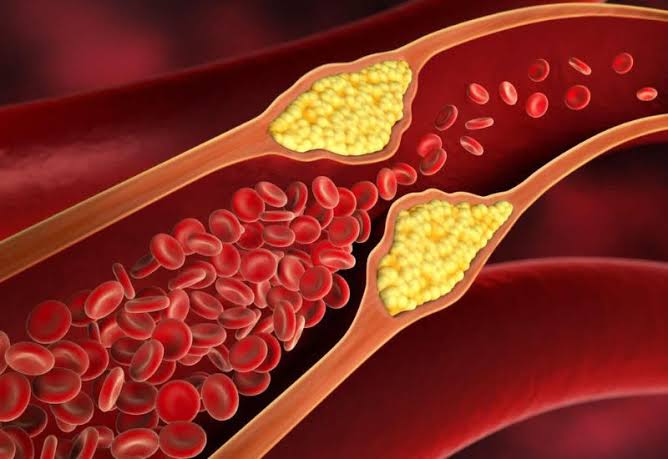
- Small, dense LDL particles: Even when LDL cholesterol (the “bad” cholesterol) is numerically normal on a standard lipid panel, people with diabetic dyslipidemia tend to have a higher proportion of small, dense LDL particles — which are more atherogenic (more capable of penetrating arterial walls, more prone to oxidation, and more likely to initiate plaque formation) than the large, buoyant LDL particles more common in people without insulin resistance. Standard lipid panels measure LDL concentration but do not distinguish between large buoyant and small dense subtypes — meaning the cardiovascular risk of diabetic dyslipidemia can be underestimated on a standard cholesterol test.
LDL Cholesterol Targets in Diabetes
Despite the limitation of LDL measurement in capturing the full cardiovascular risk of diabetic dyslipidemia, LDL remains the primary target of pharmacological cholesterol management in diabetes because statins primarily lower LDL and have the strongest evidence base for cardiovascular event reduction. The LDL targets recommended by the American Diabetes Association and major cardiology societies for people with diabetes are:
- Below 70 mg/dL for people with diabetes who have one or more major cardiovascular risk factors (hypertension, smoking, family history of early cardiovascular disease, chronic kidney disease, or age over 55 for women, age over 45 for men) — i.e., most people with Type 2 diabetes
- Below 55 mg/dL for people with diabetes who have established cardiovascular disease (prior heart attack, stroke, coronary revascularization, or peripheral arterial disease)
- Below 100 mg/dL for people with diabetes who have no additional cardiovascular risk factors beyond diabetes itself
These targets are substantially lower than the general population targets for people without diabetes, reflecting the enhanced cardiovascular risk that diabetes confers. Our guides on diabetes and heart disease and diabetes and high blood pressure cover the cardiovascular risk context within which these cholesterol targets are set.
Statin Therapy in Diabetes: Who Needs It and Which One
Statin therapy is one of the most well-supported interventions in all of medicine for cardiovascular risk reduction, and the evidence specifically in diabetes is particularly compelling. The ADA recommends:
- High-intensity statin therapy (atorvastatin 40–80 mg or rosuvastatin 20–40 mg) for all adults with diabetes aged 40–75 who have established cardiovascular disease or multiple risk factors — regardless of baseline LDL level
- Moderate-intensity statin therapy (atorvastatin 10–20 mg, rosuvastatin 5–10 mg, simvastatin 20–40 mg, or equivalent) for adults with diabetes aged 40–75 without established cardiovascular disease and with relatively lower overall risk
- Consideration of statins for adults with diabetes under age 40 or over age 75 on an individualized basis, weighing cardiovascular risk, statin side effect risk, and patient preferences
A common misconception is that statin therapy requires a high LDL cholesterol to be warranted in diabetes. Multiple large trials — including the Heart Protection Study and the Collaborative Atorvastatin Diabetes Study (CARDS) — showed that statin therapy reduced cardiovascular events in people with diabetes even when baseline LDL was below 130 mg/dL or even below 100 mg/dL. The benefit comes not just from LDL lowering but from statins’ pleiotropic effects — anti-inflammatory properties, stabilization of existing plaques, and improvement in endothelial function — that reduce cardiovascular events independently of LDL reduction. Statin side effects (muscle aches being the most common) affect approximately 5–10% of people and are usually manageable by switching to a different statin or adjusting the dose. Severe muscle disease (rhabdomyolysis) is rare. Statins can cause a modest increase in blood glucose (approximately 0.12% A1C rise on average), but this is far outweighed by the cardiovascular mortality benefit in people with diabetes, and does not justify avoiding statin therapy.
Non-Statin Therapies for Cholesterol Management in Diabetes
For people with diabetes who cannot tolerate statins, who do not achieve their LDL target on maximum statin doses, or who have specific lipid abnormalities (very high triglycerides or very low HDL) that statins do not adequately address, several non-statin options are available:
- Ezetimibe: Ezetimibe reduces LDL by approximately 20% by blocking cholesterol absorption in the intestine. The IMPROVE-IT trial demonstrated that adding ezetimibe to statin therapy further reduced cardiovascular events in high-risk patients. It is safe, well-tolerated, and available as a generic — making it a practical add-on for people who need additional LDL lowering beyond what their statin achieves.
- PCSK9 inhibitors (evolocumab, alirocumab): These injectable monoclonal antibodies reduce LDL by 50–60% and have demonstrated cardiovascular event reduction in trials. They are extremely effective but expensive and currently reserved for people with diabetes and established cardiovascular disease who cannot achieve their LDL target with statins and ezetimibe. Biosimilar versions entering the market are expected to reduce costs significantly.
- Fibric acid derivatives (fenofibrate, gemfibrozil): These medications specifically target the hypertriglyceridemia and low HDL of diabetic dyslipidemia — reducing triglycerides by 30–50% and modestly raising HDL by 10–15%. They are the preferred agents for people with very high triglycerides (above 500 mg/dL) where pancreatitis risk becomes a concern. Fenofibrate is often combined with statins (gemfibrozil increases statin muscle toxicity risk and should generally not be combined with statins).
- Omega-3 fatty acids at prescription doses: Icosapentaenoic acid (EPA) at 4 g/day (Vascepa) has been shown in the REDUCE-IT trial to reduce cardiovascular events by 25% in people with elevated triglycerides already on statin therapy. It is appropriate for people with diabetes and triglycerides above 150 mg/dL despite statin therapy who have established cardiovascular disease or significant cardiovascular risk.
Lifestyle Strategies That Improve Cholesterol in Diabetes
The dietary and physical activity changes that improve blood glucose also improve the diabetic dyslipidemia pattern — particularly the triglyceride and HDL components:
- Reducing refined carbohydrates and sugars: Dietary carbohydrate — particularly refined carbohydrates and sugars — is converted to triglycerides in the liver through de novo lipogenesis. Reducing dietary simple carbohydrates is the most effective dietary intervention for lowering triglycerides. Our guide on what foods raise blood sugar covers which carbohydrate sources have the most pronounced triglyceride-raising effects.
- Replacing saturated fat with monounsaturated and polyunsaturated fats: Replacing saturated fats (from red meat, dairy fat, tropical oils) with monounsaturated fats (olive oil, avocado, nuts) and omega-3 polyunsaturated fats (fatty fish, flaxseed) reduces LDL and modestly improves HDL while also providing anti-inflammatory benefits relevant to atherosclerosis prevention.
- Aerobic exercise: Regular moderate-intensity aerobic exercise raises HDL (the strongest lifestyle intervention for increasing HDL), reduces triglycerides, and modestly reduces LDL. Our guide on sedentary lifestyle and blood sugar covers exercise and metabolic improvement.
- Alcohol limitation: Alcohol is one of the strongest dietary triggers for hypertriglyceridemia — heavy drinking can dramatically raise triglycerides in susceptible individuals. Limiting alcohol is a particularly high-impact intervention for people with diabetes and elevated triglycerides.
How Insulin Resistance Drives Abnormal Cholesterol in Diabetes
To understand why diabetes and cholesterol problems occur together so consistently, it helps to trace the underlying mechanism: insulin resistance. In people with Type 2 diabetes or prediabetes, the body’s cells — particularly liver cells, muscle cells, and fat cells — become less responsive to insulin’s signals. This has direct consequences for how the liver handles fat and cholesterol.
Under normal conditions, insulin suppresses the liver’s production of very-low-density lipoprotein (VLDL) particles — which are essentially the liver’s packaging system for shipping triglycerides into the bloodstream. When liver cells are insulin-resistant, this suppression fails: the liver continues producing VLDL at high rates even after meals, flooding the bloodstream with triglyceride-rich particles. The cascade that follows directly produces the three-pronged cholesterol disorder of diabetic dyslipidemia:
- Excess VLDL elevates triglycerides directly — VLDL particles are triglyceride-rich by definition, so high VLDL production means high circulating triglycerides.
- Excess VLDL depletes HDL — in the bloodstream, a protein called cholesterol ester transfer protein (CETP) mediates exchanges between VLDL particles and HDL particles: triglycerides flow from VLDL into HDL, while cholesterol flows from HDL into VLDL. This makes HDL particles more triglyceride-rich and cholesterol-poor, and these triglyceride-enriched HDL particles are cleared from the bloodstream more rapidly by an enzyme called hepatic lipase. The net result is that high VLDL production systematically drains HDL from the circulation.
- Excess VLDL produces small dense LDL — the same CETP-mediated exchange that depletes HDL also affects LDL particles: triglycerides exchange into LDL from VLDL, producing triglyceride-rich LDL particles that hepatic lipase then partially digests, converting them into small, dense LDL particles that are more atherogenic than the large buoyant LDL that predominates in people without insulin resistance.
This entire cascade flows from a single source: insulin resistance causing excess hepatic VLDL production. This is why treatments that improve insulin sensitivity — weight loss, aerobic exercise, metformin, SGLT-2 inhibitors, GLP-1 receptor agonists — tend to produce improvements in all three components of diabetic dyslipidemia simultaneously, not just blood glucose. Our guide on what is insulin resistance covers these mechanisms in detail.
Understanding Your Cholesterol Test Results With Diabetes
Standard lipid panel tests measure four values: total cholesterol, LDL cholesterol, HDL cholesterol, and triglycerides. For people with diabetes, interpreting these values requires some nuance that goes beyond the simple “LDL under 130 is fine” benchmarks that apply to the general population without risk factors.
Total Cholesterol
Total cholesterol is the sum of LDL + HDL + VLDL cholesterol. It is the least useful number for assessing cardiovascular risk in diabetes because it does not distinguish between the beneficial HDL component and the harmful LDL and VLDL components. A person with low HDL and moderate LDL may have the same total cholesterol as a person with high HDL and low LDL — but very different cardiovascular risk. Total cholesterol below 200 mg/dL is often cited as “desirable” but this threshold was established for the general population and does not capture the diabetic dyslipidemia pattern. Focus on the individual components rather than total cholesterol.
LDL Cholesterol
Standard lipid panels calculate LDL using the Friedewald equation: LDL = Total Cholesterol − HDL − (Triglycerides ÷ 5). This formula becomes unreliable when triglycerides are above 400 mg/dL — at very high triglycerides, the calculation can substantially underestimate true LDL. In these cases, direct LDL measurement (a separate test) or non-HDL cholesterol (Total Cholesterol − HDL, which captures all atherogenic lipoproteins and does not depend on the Friedewald equation) should be used. Non-HDL cholesterol is increasingly preferred by cardiologists for people with diabetes and elevated triglycerides: a non-HDL target of below 100 mg/dL corresponds to LDL below 70 mg/dL (adding 30 mg/dL for VLDL).
HDL Cholesterol
Low HDL in people with diabetes is not just a passive marker — it represents an actively compromised reverse cholesterol transport system. The reverse cholesterol transport process is the body’s primary mechanism for clearing excess cholesterol from arterial walls: HDL particles collect cholesterol from macrophages in arterial plaques, transport it back to the liver, and the liver excretes it in bile. When HDL is low, this clearance process is impaired and cholesterol accumulates in arterial walls more rapidly. HDL below 40 mg/dL in men or below 50 mg/dL in women is considered low; raising HDL through lifestyle (particularly aerobic exercise and smoking cessation) is valuable, though medications specifically targeting HDL have not yet demonstrated cardiovascular event reduction in trials.
Triglycerides
Fasting triglycerides above 150 mg/dL are classified as borderline high; above 200 mg/dL as high; above 500 mg/dL as very high (with associated risk of pancreatitis). For people with diabetes, the triglyceride target is below 150 mg/dL — ideally below 100 mg/dL for those with established cardiovascular disease. Importantly, triglycerides are very sensitive to acute dietary intake: a non-fasting triglyceride measurement after a recent meal can be falsely elevated. Fasting lipid panels (9–12 hours without eating) are required for accurate triglyceride assessment in diabetes management. Our guide on what foods raise blood sugar covers the dietary carbohydrates that have the most direct impact on triglyceride elevation.
The Role of Blood Glucose Control in Improving Cholesterol
One of the most powerful — and most underappreciated — tools for improving the cholesterol abnormalities of diabetes is simply achieving better blood glucose control. This is because the same insulin resistance that drives hyperglycemia also drives diabetic dyslipidemia. As glycemic control improves, particularly in the early stages of Type 2 diabetes, lipid profiles often improve simultaneously:
- Weight loss achieved through caloric restriction reduces hepatic fat content, improves hepatic insulin sensitivity, and reduces VLDL overproduction — lowering triglycerides and allowing HDL to recover. Even a 5–10% reduction in body weight can produce substantial improvements in the diabetic dyslipidemia triad.
- GLP-1 receptor agonists (liraglutide, semaglutide, dulaglutide) improve glycemic control and, in part through their weight-reducing effects, also reduce triglycerides by 15–20% and modestly raise HDL. They are particularly valuable for people with diabetes, obesity, and cardiovascular disease or high cardiovascular risk.
- SGLT-2 inhibitors (empagliflozin, dapagliflozin, canagliflozin) improve glycemic control by causing urinary glucose excretion, and also produce modest reductions in triglycerides and small improvements in HDL. Their cardiovascular and kidney-protective effects are partly mediated by lipid improvements and partly through other mechanisms (reduced blood pressure, weight loss, reduced inflammation).
- Metformin has a modest favorable effect on lipids — it slightly reduces LDL and triglycerides while modestly raising HDL — beyond its primary glycemic action, and is generally recommended as first-line therapy in Type 2 diabetes partly for these lipid benefits.
The takeaway is that cholesterol management in diabetes is not a separate project from glucose management — it is part of the same integrated metabolic effort. Our guides on Type 2 diabetes: causes and diagnosis and prediabetes causes and prevention cover the glycemic management context within which cholesterol improvement often naturally occurs.
Frequency of Cholesterol Testing in Diabetes
The American Diabetes Association recommends the following lipid monitoring schedule for people with diabetes:
- At diagnosis: A baseline fasting lipid panel should be obtained at the time of diabetes diagnosis to assess the starting lipid profile and identify any severe abnormalities (very high triglycerides, familial hypercholesterolemia) that require immediate treatment.
- Every 5 years for adults under age 40 with normal lipids who are not on statin therapy — unless risk factors change.
- Annually for adults on statin therapy or lipid-lowering medications — to verify that the LDL target is being achieved and to monitor for any medication-related changes.
- More frequently when starting or changing lipid-lowering therapy (typically 4–12 weeks after initiation to assess response), when adherence is uncertain, or when triglycerides are very high and require close monitoring.
People with diabetes who have never had a lipid panel, or whose last panel was more than two years ago, should request one at their next diabetes appointment. Given that most people with Type 2 diabetes have some degree of diabetic dyslipidemia, and given that statin therapy is recommended for most adults with diabetes aged 40–75 regardless of baseline lipid levels, a current lipid panel is foundational to complete diabetes care.
Sources: American Diabetes Association. “Cardiovascular Disease and Risk Management.” Diabetes Care 2024. | American Heart Association — About Cholesterol. | NIDDK — Heart Disease and Cholesterol in Diabetes. | Mayo Clinic — Statin Side Effects. | Bhatt DL, et al. “Cardiovascular Risk Reduction with Icosapentaenoic Acid for Hypertriglyceridemia.” NEJM 2019.
This is one of the clearest explanations of diabetes and cholesterol I have found. The specific numbers and thresholds mentioned are exactly what I needed to understand my results. Will definitely be coming back to this site for more health information.
My doctor recommended I look into diabetes and cholesterol and this article covered it perfectly. I appreciated how the article addressed both the clinical side and the practical adjustments. Keep up this kind of thorough health journalism — it genuinely helps patients like me.
Finally a resource that explains diabetes and cholesterol in plain language. The specific numbers and thresholds mentioned are exactly what I needed to understand my results. Thank you for making complex medical information accessible without dumbing it down.