
How Diabetes Affects the Digestive System
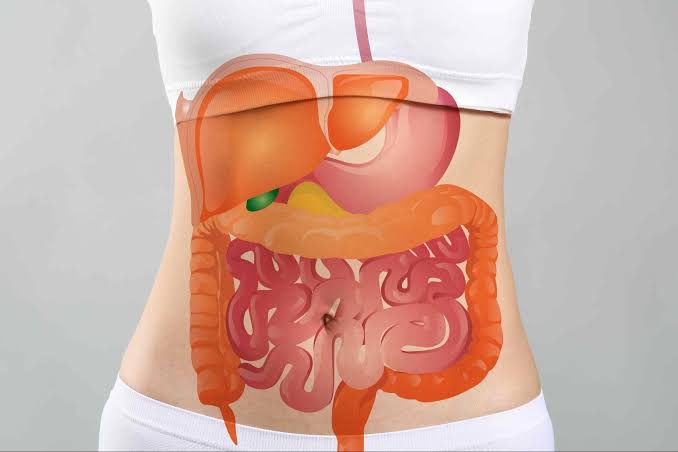
The relationship between diabetes and digestive health is one of the most underappreciated connections in diabetes management. Gastrointestinal problems affect approximately 75% of people with diabetes at some point, and for many, these digestive symptoms — nausea, bloating, constipation, diarrhea, or unpredictable bowel habits — significantly impair quality of life and complicate blood glucose management. The digestive consequences of diabetes are predominantly driven by diabetic autonomic neuropathy affecting the enteric nervous system and the vagus nerve — the same nerve damage that causes cardiovascular, bladder, and sexual dysfunction in other body systems. When the nerves that coordinate the complex motility of the gastrointestinal tract are damaged by chronic hyperglycemia, virtually every segment of the GI tract from the esophagus to the rectum can be affected. Our guide on diabetes and nerve damage covers the autonomic neuropathy mechanisms in detail; this article focuses on the full spectrum of GI manifestations and their management.
The enteric nervous system — sometimes called the “second brain” — contains approximately 500 million neurons embedded in the walls of the GI tract that coordinate the rhythmic muscular contractions (peristalsis) that move food from the mouth through the intestines to the colon. These enteric neurons receive signals from the vagus nerve (the main autonomic nerve connecting the brain to the gut), hormones like GLP-1 and ghrelin, and local sensory neurons in the gut wall. Chronic hyperglycemia damages these enteric neurons through the same mechanisms of oxidative stress, AGE accumulation, and vascular supply compromise that damage peripheral nerves — producing the slowed, disorganized, or exaggerated GI motility that characterizes diabetic GI disease.
Gastroparesis: When the Stomach Stops Emptying
Gastroparesis — delayed gastric emptying — is the most clinically significant and most studied GI complication of diabetes. Defined as delayed emptying of the stomach in the absence of mechanical obstruction, gastroparesis results from damage to the vagus nerve (which drives gastric peristalsis and relaxes the pyloric sphincter to allow food to pass into the small intestine) and to the interstitial cells of Cajal — the pacemaker cells of the stomach wall that generate the electrical rhythms driving gastric motility.
Symptoms of Diabetic Gastroparesis
The cardinal symptoms are nausea, vomiting (often occurring hours after meals), early satiety (feeling full after only a few bites), postprandial bloating and distension, upper abdominal pain or discomfort, and erratic blood glucose levels (characteristically rising hours after a meal rather than within the expected 1–2 hours). Symptoms are often worse with solid foods — particularly high-fat, high-fiber foods that slow gastric emptying in anyone — and may improve temporarily with liquid or pureed diets. In severe gastroparesis, repeated vomiting leads to dehydration, electrolyte imbalances, malnutrition, and hospitalizations.
Diagnosing Gastroparesis
The gold standard for diagnosing gastroparesis is gastric emptying scintigraphy — a nuclear medicine scan in which the patient eats a standardized radiolabeled meal and the rate of stomach emptying is measured by gamma camera imaging over 4 hours. More than 10% retained gastric contents at 4 hours confirms delayed emptying. Alternative testing methods include wireless motility capsules (SmartPill) that measure gastric emptying time as they pass through the GI tract, and 13C-labeled breath tests that quantify gastric emptying without radiation. Upper endoscopy is typically performed first to exclude mechanical obstruction (the main alternative diagnosis).
Treatment of Diabetic Gastroparesis
Management of gastroparesis is multifaceted and requires attention to both GI motility and blood glucose control simultaneously:
- Dietary modifications: Small, frequent meals (4–6 per day instead of 3 large meals); low-fat, low-fiber content (fat and fiber both delay gastric emptying); liquid or pureed textures for severe cases; eating slowly and chewing thoroughly; and avoiding lying down for 2 hours after eating to allow gravity to assist gastric emptying.
- Blood glucose optimization: Hyperglycemia itself impairs gastric motility — acutely elevated blood glucose above 200 mg/dL directly delays gastric emptying, creating a vicious cycle where gastroparesis causes erratic glucose, and hyperglycemia further worsens gastroparesis. Improving glycemic control — with particular attention to reducing postprandial glucose spikes — can meaningfully improve gastroparesis symptoms alongside any prokinetic medication.
- Prokinetic medications: Metoclopramide (the only FDA-approved medication for gastroparesis) accelerates gastric emptying through dopamine D2 receptor antagonism, but is associated with tardive dyskinesia (irreversible involuntary movements) with prolonged use, limiting its use to short-term or low-dose intermittent therapy. Domperidone (not FDA-approved but available in other countries) has a more favorable side effect profile. Erythromycin (a macrolide antibiotic used at low doses for its motilin receptor agonist effects) can effectively stimulate gastric emptying but loses efficacy with regular use due to tachyphylaxis.
- Gastric electrical stimulation: The Enterra device — a surgically implanted gastric pacemaker that delivers high-frequency electrical stimulation to the gastric wall — is FDA-approved for refractory gastroparesis and reduces nausea and vomiting in patients who do not respond to medications. It does not consistently improve gastric emptying rates but significantly improves symptom burden and quality of life.
- Nutritional support: Severe gastroparesis may require enteral nutrition via jejunal feeding tube (which bypasses the stomach) or parenteral nutrition to maintain adequate caloric intake when oral intake is insufficient.
Other GI Complications of Diabetes
Diabetic Diarrhea
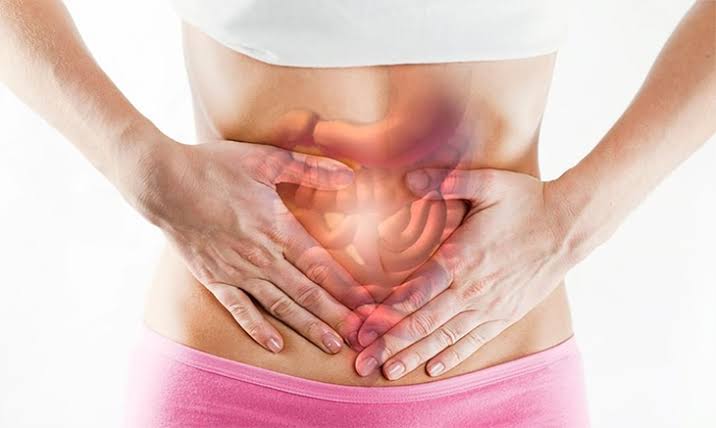
Diabetic diarrhea — frequent, watery, often nocturnal diarrhea in people with long-standing diabetes — affects approximately 20% of people with established diabetic autonomic neuropathy. It results from multiple mechanisms: accelerated small intestinal transit from damaged enteric inhibitory neurons; impaired anal sphincter function from pudendal nerve damage (leading to fecal incontinence); bacterial overgrowth in the small intestine from impaired intestinal motility (the normal clearing motion of the intestine, the migrating motor complex, requires intact vagal innervation); and bile acid malabsorption from impaired ileal function. Management includes dietary modification, antidiarrheal agents (loperamide for symptom control), antibiotics for confirmed small intestinal bacterial overgrowth (rifaximin is the preferred agent), bile acid sequestrants, and — importantly — improved blood glucose control which reduces autonomic neuropathy burden. Our guide on what is insulin resistance covers the metabolic background that drives autonomic nerve damage.
Diabetic Constipation
Constipation is the most common GI complaint in people with diabetes, affecting approximately 60% of those with autonomic neuropathy at some point. Damage to the enteric cholinergic neurons that drive colonic peristalsis slows transit through the large bowel. Management includes dietary fiber increase (gradually, to avoid bloating), adequate hydration, regular physical activity, and osmotic laxatives (polyethylene glycol, lactulose) for persistent constipation. Stimulant laxatives can be used intermittently but should not be relied upon chronically.
Esophageal Dysmotility
Autonomic neuropathy affecting the esophagus causes impaired peristalsis, delayed esophageal emptying, and reduced lower esophageal sphincter tone — leading to symptoms of dysphagia (difficulty swallowing), heartburn, and gastroesophageal reflux. People with diabetes already have elevated rates of GERD (gastroesophageal reflux disease) from delayed gastric emptying pushing acid back into the esophagus; esophageal dysmotility adds an additional layer of motility dysfunction. Management follows standard GERD treatment protocols (proton pump inhibitors, dietary and lifestyle modifications) supplemented by prokinetic agents for the gastroparesis component.
Non-Alcoholic Fatty Liver Disease (NAFLD)
People with Type 2 diabetes and insulin resistance are at markedly elevated risk for non-alcoholic fatty liver disease (NAFLD) — the accumulation of excess fat in liver cells driven by the same insulin resistance and dyslipidemia that characterizes Type 2 diabetes. NAFLD can progress to non-alcoholic steatohepatitis (NASH — fatty liver with inflammation), fibrosis, cirrhosis, and liver failure. Approximately 70% of people with Type 2 diabetes have some degree of fatty liver on imaging. NAFLD itself worsens insulin resistance, creating a bidirectional cycle analogous to the diabetes-periodontitis relationship. Management focuses on weight loss (even 5–10% body weight reduction significantly reduces liver fat), blood glucose optimization, and avoidance of hepatotoxic medications and alcohol. Our guide on diabetes and cholesterol covers the dyslipidemia that co-drives NAFLD alongside hyperglycemia and insulin resistance.
Diabetes Medications and Digestive Side Effects
Several commonly used diabetes medications have notable GI side effects that affect digestive health:
- Metformin: The most common GI side effects of metformin — nausea, diarrhea, abdominal cramping, and metallic taste — affect approximately 25% of users and are the most common reason for discontinuation. These effects are dose-dependent and typically improve over weeks as the body adapts. Taking metformin with food, starting at low doses and increasing gradually, and using the extended-release formulation (which releases metformin more slowly and causes less GI distress) all reduce GI side effects significantly.
- GLP-1 receptor agonists (semaglutide, liraglutide, dulaglutide): Nausea and vomiting are the most common side effects, affecting 15–40% of users when initiating treatment. These GI effects are largely mechanism-based — GLP-1 receptors in the brainstem activate nausea pathways and delay gastric emptying as part of the appetite-suppressing effect that makes these medications effective for weight loss. Starting at low doses and titrating slowly over weeks to months reduces GI side effects substantially. For people with known gastroparesis, GLP-1 receptor agonists should be used with caution, as further delayed gastric emptying may worsen gastroparesis symptoms.
- Alpha-glucosidase inhibitors (acarbose, miglitol): These medications slow carbohydrate absorption in the small intestine, causing undigested carbohydrates to reach the colon where they are fermented by gut bacteria — producing gas, bloating, flatulence, and diarrhea in most users. These effects are predictable and dose-dependent; many people find the GI side effects intolerable, limiting the clinical use of these agents despite their glucose-lowering efficacy.
Recognizing that GI symptoms in people with diabetes may reflect either the disease itself (autonomic neuropathy), medication effects, or the interaction of both is important for appropriate management. A systematic approach — assessing medication timing, dose adjustments, dietary patterns, and GI symptom chronology relative to when diabetes medications were started or dose-changed — helps identify the most likely contributors. Our guide on Type 2 diabetes: causes and diagnosis covers the medication landscape in which these GI considerations arise. Our guide on diabetes and high blood pressure covers the broader complication context within which digestive health management sits.
Managing Blood Glucose When You Have GI Problems
One of the most challenging aspects of diabetes and digestive health management is that GI complications — particularly gastroparesis — fundamentally disrupt the predictable relationship between food consumption and blood glucose that insulin dosing and oral medication timing depend on. When stomach emptying is delayed by hours or varies unpredictably from meal to meal, the glucose that was supposed to arrive in the bloodstream within 1–2 hours of eating may instead arrive 3–6 hours later — well after the rapid-acting insulin given at the meal has peaked and begun to wane. This timing mismatch creates postprandial hypoglycemia (early, while insulin is peaking but food hasn’t absorbed yet) followed by late hyperglycemia (when food finally absorbs and insulin effect has worn off). Managing insulin in this context requires individualized strategies discussed with a diabetes care team experienced in gastroparesis.
Insulin Timing Adjustments for Gastroparesis
Several strategies can reduce the postprandial glucose chaos of gastroparesis:
- Inject rapid-acting insulin after eating rather than before: Traditional rapid-acting insulin (lispro, aspart, glulisine) is typically injected 10–15 minutes before meals. In gastroparesis, injecting immediately after eating — when it is clear how much was consumed — reduces the risk of pre-meal hypoglycemia from insulin peaking before food has absorbed.
- Use ultra-rapid insulin: Faster-acting insulins (Fiasp, Lyumjev) that peak earlier may better match the occasionally delayed gastric emptying pattern, though in severe gastroparesis even ultra-rapid insulins may peak before significant glucose absorption has occurred.
- Consider insulin pump therapy with extended or dual-wave boluses: Insulin pumps allow bolus insulin to be delivered in a combination of immediate and extended doses — mimicking the drawn-out glucose absorption pattern of gastroparesis more closely than a single injection. People with Type 1 diabetes and severe gastroparesis often benefit significantly from pump therapy with extended bolusing.
- Continuous glucose monitoring (CGM): CGM provides real-time glucose trends that allow people with gastroparesis to see when glucose is actually rising (despite the expected meal timing) and respond accordingly. The ability to detect delayed glucose rises — which would otherwise go undetected by fingerstick glucose testing — makes CGM particularly valuable in gastroparesis management.
The Gut Microbiome, Diabetes, and Digestive Health
Emerging research has established a bidirectional relationship between the gut microbiome — the trillions of bacteria, fungi, and other microorganisms residing in the colon — and metabolic health in diabetes. People with Type 2 diabetes have characteristically altered gut microbiome compositions (dysbiosis) compared to people without diabetes: reduced diversity, depleted populations of beneficial short-chain fatty acid (SCFA)-producing bacteria like Faecalibacterium prausnitzii and Akkermansia muciniphila, and increased populations of pro-inflammatory bacteria. This dysbiosis contributes to insulin resistance through several mechanisms:
- Reduced SCFA production (butyrate, propionate) that normally stimulates GLP-1 secretion, enhances insulin sensitivity, and maintains gut barrier integrity
- Increased gut permeability (“leaky gut”) allowing bacterial lipopolysaccharide (LPS) to translocate into the systemic circulation, driving systemic inflammation and insulin resistance — the same inflammatory mechanism by which periodontal disease worsens blood glucose
- Altered bile acid metabolism that affects GLP-1 secretion and glucose homeostasis
Several diabetes interventions also affect the gut microbiome — and the microbiome changes may partly explain their metabolic effects. Metformin significantly shifts the gut microbiome composition, increasing Akkermansia muciniphila and altering bile acid metabolism; some researchers believe these microbiome effects contribute substantially to metformin’s glucose-lowering efficacy. GLP-1 receptor agonists similarly alter gut motility and microbiome composition alongside their direct receptor-mediated effects. Bariatric surgery (particularly Roux-en-Y gastric bypass) produces profound gut microbiome changes that are thought to contribute to its remarkable efficacy in Type 2 diabetes remission, beyond the effects of caloric restriction and weight loss alone.
While probiotic and prebiotic interventions for diabetes management remain an active research area, the evidence is not yet strong enough to make specific microbiome-targeted recommendations beyond the well-established dietary advice of a high-fiber, plant-rich diet that naturally supports a diverse gut microbiome. Our guide on what foods raise blood sugar covers the dietary carbohydrates that most directly affect gut microbiome composition and blood glucose simultaneously.
When to Seek Specialist Care for GI Problems in Diabetes
While many GI symptoms in people with diabetes — mild nausea with GLP-1 receptor agonists, occasional constipation, or minor post-meal bloating — can be managed with lifestyle adjustments and communication with the diabetes care team, certain situations warrant gastroenterology referral:
- Persistent nausea or vomiting: Nausea that interferes with eating, causes weight loss, or prevents adequate oral medication intake requires formal gastroenterological evaluation including gastric emptying testing
- Significant unexplained weight loss: In people with diabetes, weight loss can reflect gastroparesis with inadequate caloric intake, malabsorption, or underlying malignancy — all requiring gastroenterological evaluation
- Bloody diarrhea or rectal bleeding: These symptoms should always be evaluated urgently to exclude inflammatory bowel disease, infectious colitis, or colorectal cancer
- Fecal incontinence: Loss of bowel control — a source of significant stigma and quality of life impairment — is treatable with pelvic floor physiotherapy, biofeedback, and in some cases sphincter repair or sacral nerve stimulation; referral to a colorectal surgeon or continence specialist is appropriate
- Liver enzyme abnormalities: Elevated ALT or AST suggesting NAFLD or NASH warrant hepatology evaluation and consideration of a liver fibroscan to assess the degree of liver fibrosis
- Refractory gastroparesis: Gastroparesis that has not responded to dietary modification and prokinetic medications over 3–6 months warrants referral to a gastroparesis center where gastric electrical stimulation, pyloric botulinum toxin injection, or gastric peroral endoscopic myotomy (G-POEM) can be evaluated
Dietary Strategies for Better GI Health With Diabetes
For people managing both diabetes and digestive health challenges, dietary choices must serve two goals simultaneously: maintaining blood glucose stability and reducing GI symptom burden. The following principles align both objectives:
- Eat smaller, more frequent meals: Three smaller meals plus one to two snacks reduce the gastric volume load at any one time, which improves gastric emptying rate and reduces postprandial glucose peaks simultaneously. This is particularly important in gastroparesis but benefits GI comfort across all diabetes-related GI conditions.
- Prioritize low-glycemic, moderate-fiber foods at meals: Soluble fiber (oats, legumes, psyllium) slows glucose absorption and feeds beneficial gut bacteria. Excessive insoluble fiber (bran, raw vegetables) can worsen gastroparesis symptoms and should be moderated in people with known delayed gastric emptying.
- Stay well hydrated: Adequate fluid intake softens stool and supports normal GI transit, reducing constipation risk. Aim for 8 or more cups of water daily, adjusting for activity level and any kidney function limitations. Our guide on diabetes and kidney health covers the fluid management considerations when kidney disease coexists with digestive health problems.
- Limit alcohol: Alcohol relaxes the lower esophageal sphincter (worsening reflux), delays gastric emptying, causes hypoglycemia in people taking insulin or sulfonylureas, and damages the enteric nervous system over time with chronic heavy use — all making it doubly problematic for people with both diabetes and GI complications.
Sources: American Diabetes Association. “Standards of Medical Care in Diabetes.” Diabetes Care 2024. | NIDDK — Gastroparesis. | American Gastroenterological Association — Gastroparesis. | Mayo Clinic — Gastroparesis. | Marathe CS, et al. “Relationships Between Gastric Emptying, Postprandial Glycemia, and Incretin Hormones.” Diabetes Care 2013.
As someone dealing with this personally, the diabetes and digestive health section was very helpful. The section on managing this condition day-to-day was especially useful for planning. Will definitely be coming back to this site for more health information.
Thank you for covering diabetes and digestive health so thoroughly without being overly technical. The specific numbers and thresholds mentioned are exactly what I needed to understand my results. Will definitely be coming back to this site for more health information.
My doctor recommended I look into diabetes and digestive health and this article covered it perfectly. It is refreshing to see an article that acknowledges individual variation rather than one-size-fits-all advice. Shared this with three friends who are dealing with related issues. Very useful resource.