
Supporting Liver Function and Digestive Health Through Early Awareness
The liver and digestive system work together to process nutrients, remove toxins, support metabolism, and keep the body’s internal balance stable. Conditions such as fatty liver disease, hepatitis, cirrhosis, acid reflux, ulcers, gallbladder disease, and inflammatory bowel problems may begin quietly but can become serious when ignored for too long.
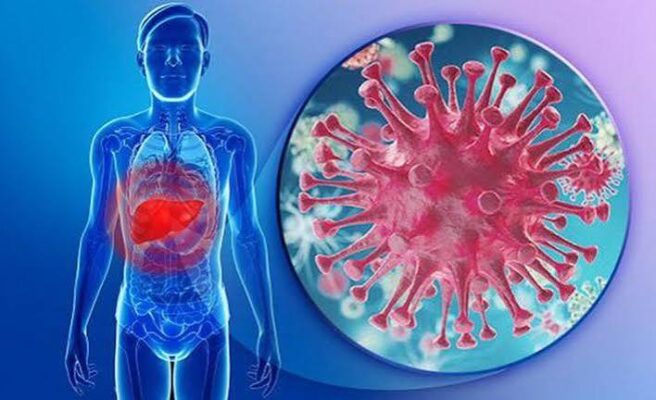
Hepatitis B: What Adults Should Know
Hepatitis B is one of the most consequential infectious diseases in the world — yet [...]
3 Comments
Sep

Hepatitis A: Symptoms, Causes, and Prevention
Hepatitis A is the most common form of viral hepatitis in terms of global new [...]
3 Comments
Sep
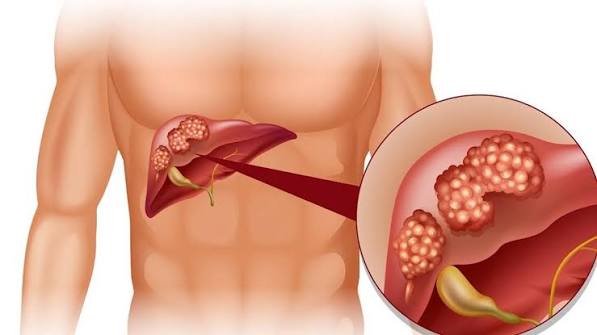
What Is Hepatitis?
Hepatitis means inflammation of the liver — a broad term that describes a condition rather [...]
3 Comments
Sep

Hepatitis Blood Tests Explained
Hepatitis blood tests are a distinct category of liver-related testing that goes beyond the standard [...]
3 Comments
Sep

Fatty Liver Diet: A Practical Guide
Diet is the most immediate and most powerful lever patients with fatty liver disease can [...]
3 Comments
Sep

How to Support Liver Health With Lifestyle
The liver is one of the few organs in the body with genuine regenerative capacity [...]
3 Comments
Sep
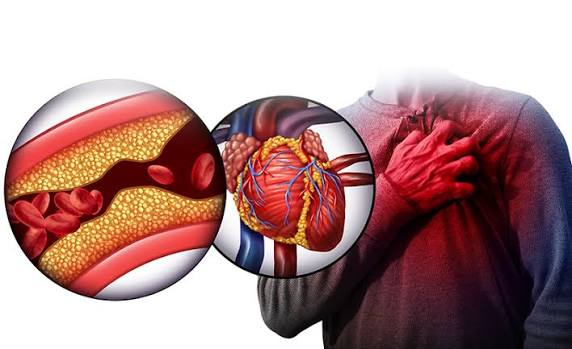
Fatty Liver and Heart Health
Fatty liver disease is now recognised as an independent cardiovascular risk factor — not merely [...]
3 Comments
Sep

GGT Test and Liver Health
Gamma-glutamyl transferase — universally abbreviated as GGT — is a liver enzyme that appears on [...]
3 Comments
Sep
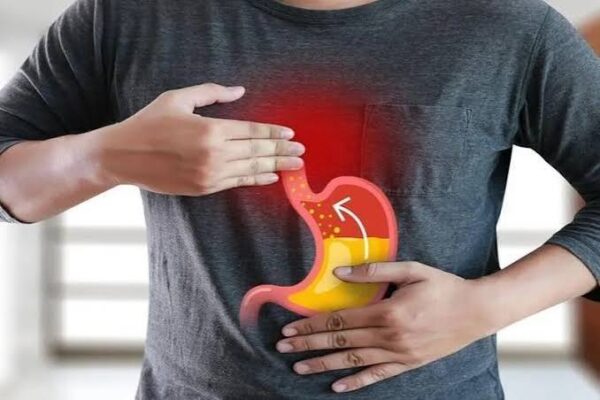
GERD: A Simple Guide for Adults
Sources: National Institute of Diabetes and Digestive and Kidney Diseases (NIDDK); American College of Gastroenterology [...]
3 Comments
Sep

Nausea After Eating: Possible Causes
Sources: Rome IV Functional Gastrointestinal Disorders Criteria; National Institute of Diabetes and Digestive and Kidney [...]
3 Comments
Sep

Stomach Pain After Eating
Sources: Rome IV Functional Gastrointestinal Disorders Criteria; National Institute of Diabetes and Digestive and Kidney [...]
3 Comments
Sep
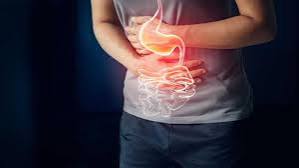
Upper Abdominal Pain: Digestive and Liver Causes
Sources: National Institute of Diabetes and Digestive and Kidney Diseases (NIDDK); American College of Gastroenterology [...]
3 Comments
Sep
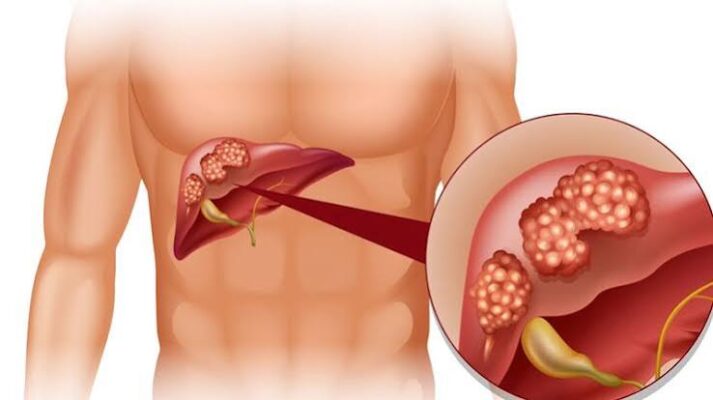
Right Upper Abdominal Pain and Liver Health
Sources: National Institute of Diabetes and Digestive and Kidney Diseases (NIDDK); American College of Gastroenterology [...]
1 Comment
Sep

Alkaline Phosphatase Test Explained
Alkaline phosphatase — commonly abbreviated ALP — is an enzyme measured as part of the [...]
3 Comments
Sep
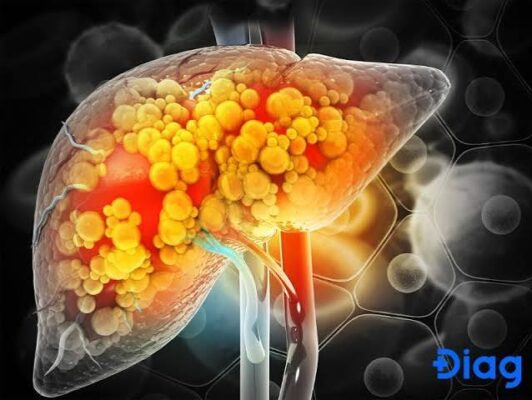
Fatty Liver and High Cholesterol
Fatty liver disease and high cholesterol frequently occur together, and the relationship between them is [...]
3 Comments
Sep
Hepatitis B vs Hepatitis C: Key Differences Explained
Test primarily for HBV in: Unvaccinated adults (test before offering vaccination — if already exposed, [...]
3 Comments
Sep

Albumin and Liver Function
Albumin is the most abundant protein in human blood plasma, and the measurement of serum [...]
3 Comments
Sep
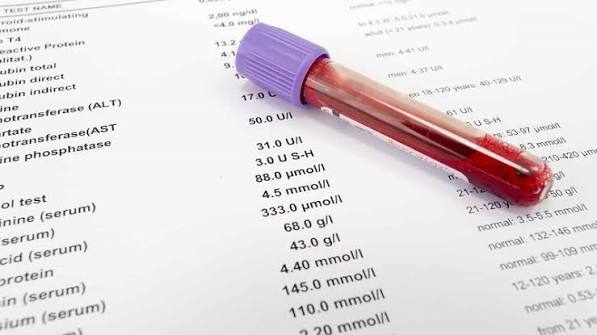
Bilirubin Test: What Adults Should Know
The bilirubin test measures the amount of bilirubin — a yellow-orange waste product produced by [...]
3 Comments
Sep
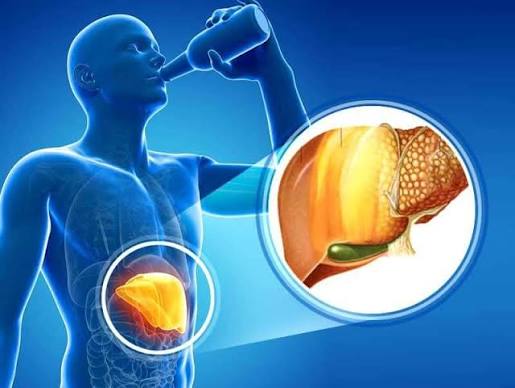
Fatty Liver and Diabetes
Fatty liver disease and type 2 diabetes are among the most closely linked chronic conditions [...]
3 Comments
Sep
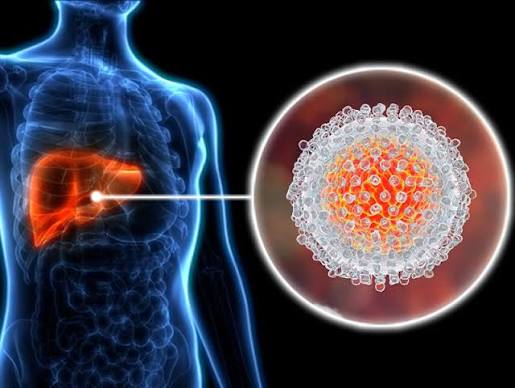
Hepatitis C: Symptoms, Testing, and Treatment
The two most widely used pangenotypic (effective for all HCV genotypes) regimens currently are: Sofosbuvir/velpatasvir [...]
3 Comments
Sep
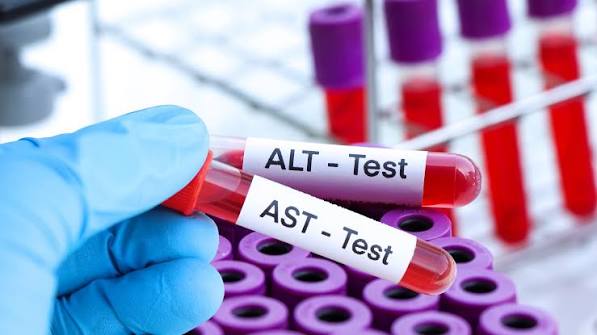
ALT and AST Blood Tests: What They Mean
ALT and AST are the two most commonly measured liver enzymes in routine blood panels, [...]
3 Comments
Sep
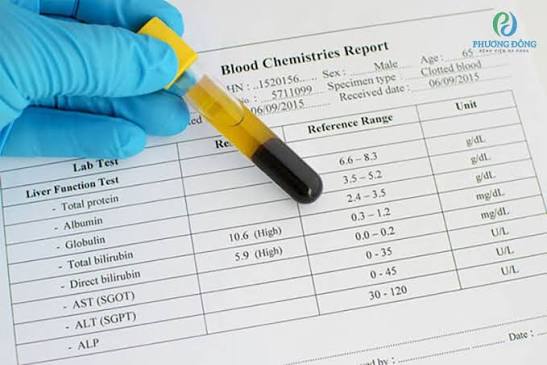
Liver Function Tests Explained
Liver function tests — often called LFTs — are a panel of blood tests that [...]
3 Comments
Sep
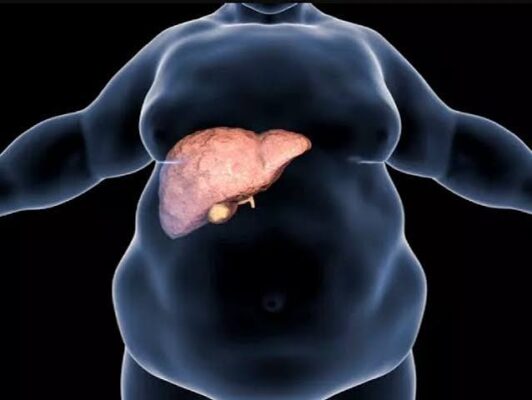
Fatty Liver and Obesity
Fatty liver disease and obesity are two of the most closely linked conditions in medicine. [...]
3 Comments
Sep

When Digestive Symptoms Need Medical Attention
Digestive symptoms are among the most common reasons adults seek medical care — and among [...]
1 Comment
Sep

Persistent Hiccups and Digestive Health
Hiccups are involuntary, reflex contractions of the diaphragm and intercostal muscles followed by sudden closure [...]
1 Comment
Sep
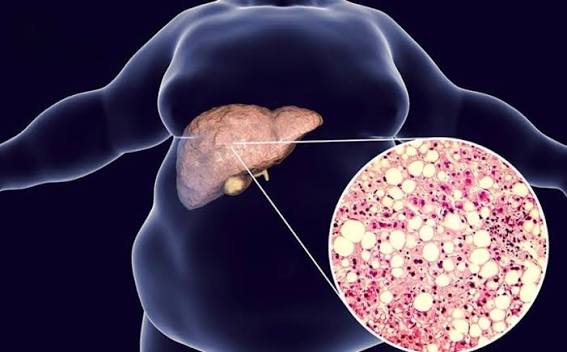
Fatty Liver Causes and Risk Factors
Fatty liver disease does not arise randomly — it develops in the context of specific [...]
3 Comments
Sep

Trouble Swallowing: What Adults Should Know
Trouble swallowing — medically termed dysphagia — is a symptom that warrants prompt medical evaluation [...]
1 Comment
Sep

Vomiting Blood: A Digestive Warning Sign
Vomiting blood — medically called hematemesis — is one of the most alarming symptoms a [...]
1 Comment
Sep
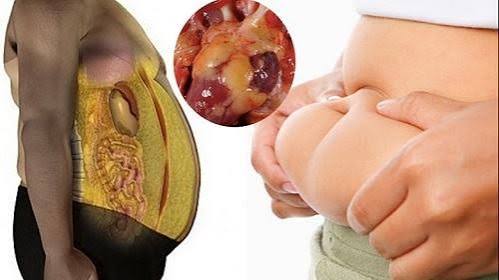
Fatty Liver Symptoms: Why Testing Matters
Fatty liver disease is often described as a “silent” condition — and this description is [...]
3 Comments
Sep

Easy Bruising and Liver Function
Bruising more easily than usual — noticing bruises that appear from minor contact, develop in [...]
1 Comment
Sep

Swollen Belly and Liver Disease
A swollen belly — abdominal distension or bloating — has many causes ranging from the [...]
1 Comment
Sep
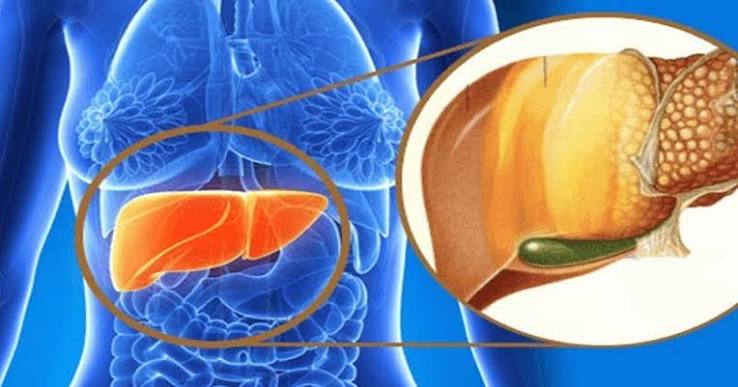
Nonalcoholic Fatty Liver Disease Explained
Nonalcoholic fatty liver disease — widely known by its abbreviation NAFLD — was for decades [...]
3 Comments
Sep

Dark Urine and Liver Health
Dark urine — urine that is brown, tea-colored, cola-colored, or orange rather than pale yellow [...]
1 Comment
Sep
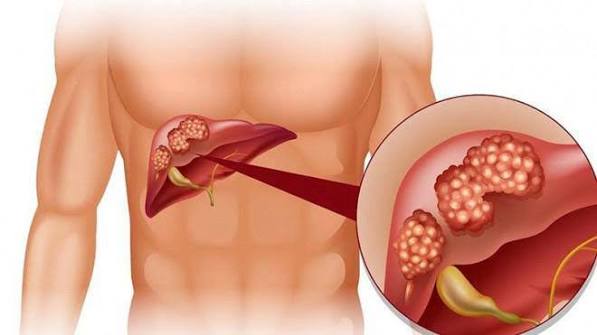
Itchy Skin and Liver Problems
Persistent itching without a visible rash — a symptom known medically as pruritus — is [...]
1 Comment
Sep
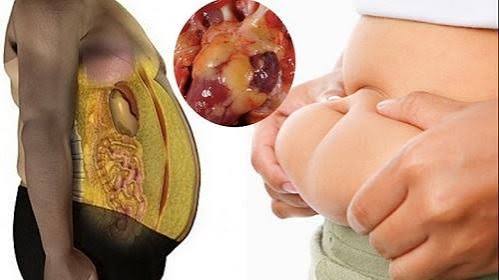
What Is Fatty Liver Disease?
Fatty liver disease is a condition in which fat accumulates within the cells of the [...]
3 Comments
Sep
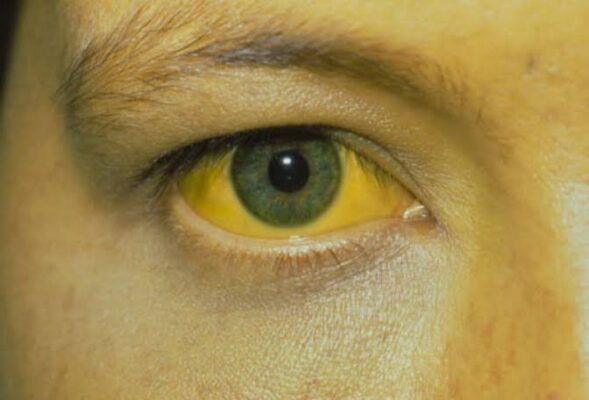
Yellow Skin or Eyes: What It May Mean
Yellowing of the skin or the whites of the eyes — medically called jaundice — [...]
1 Comment
Sep

Fatigue and Liver Health
Fatigue is one of the most common and most frequently overlooked symptoms of liver disease. [...]
1 Comment
Sep

Unexplained Weight Loss and Digestive Symptoms
Unexplained weight loss — defined as a loss of five percent or more of body [...]
1 Comment
Sep

Loss of Appetite and Digestive Health
Loss of appetite — medically termed anorexia (not to be confused with the eating disorder [...]
1 Comment
Sep

Mucus in Stool: Possible Causes
Mucus is a normal component of the digestive tract. The cells lining the colon continuously [...]
1 Comment
Sep

Greasy Stool: What Adults Should Know
Greasy, oily, or fatty stools — medically termed steatorrhea — are a sign that dietary [...]
1 Comment
Sep

Pale Stool and Liver or Bile Problems
Pale, clay-colored, or chalky white stools are unusual enough to notice but unfamiliar enough that [...]
1 Comment
Sep

Black Stool: What It May Mean
Black stool can be alarming to discover, but it does not always indicate a serious [...]
1 Comment
Sep

Blood in Stool: Possible Causes and Warning Signs
Blood in the stool is a symptom that should never be dismissed, yet many adults [...]
1 Comment
Sep

Changes in Bowel Habits: What Adults Should Know
A change in bowel habits is one of the most important symptoms a clinician will [...]
1 Comment
Sep
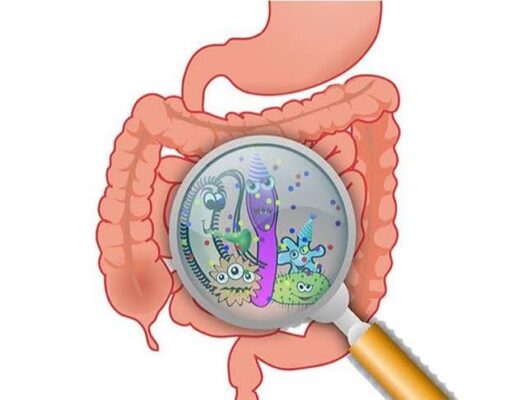
Diarrhea: Causes and When It May Be Serious
Diarrhea is among the most common reasons adults visit a primary care clinic or urgent [...]
1 Comment
Sep
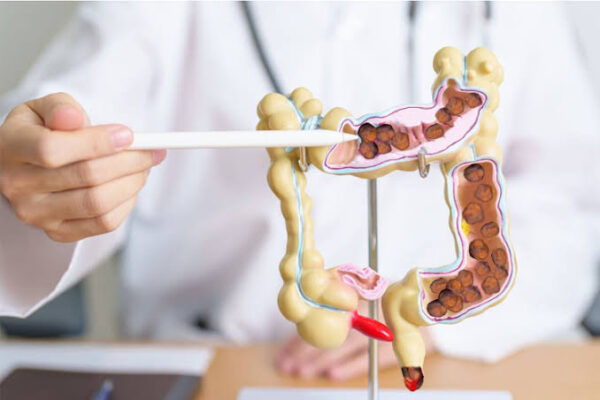
Constipation: Symptoms, Causes, and Prevention
Constipation is one of the most common digestive complaints among adults, yet it is also [...]
1 Comment
Sep

How Doctors Diagnose Digestive and Liver Problems
Understanding how doctors diagnose digestive and liver problems — the clinical process by which symptoms [...]
3 Comments
Sep
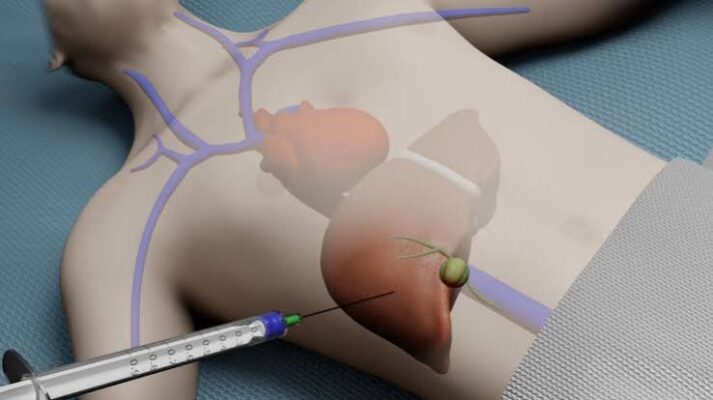
Liver Biopsy: Why It May Be Needed
Liver biopsy is a procedure in which a small sample of liver tissue — typically [...]
3 Comments
Sep
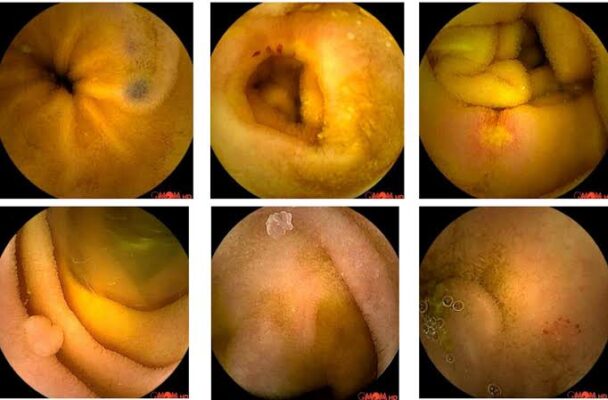
Capsule Endoscopy Explained
Capsule endoscopy is a non-invasive imaging technique in which a patient swallows a pill-sized wireless [...]
3 Comments
Sep
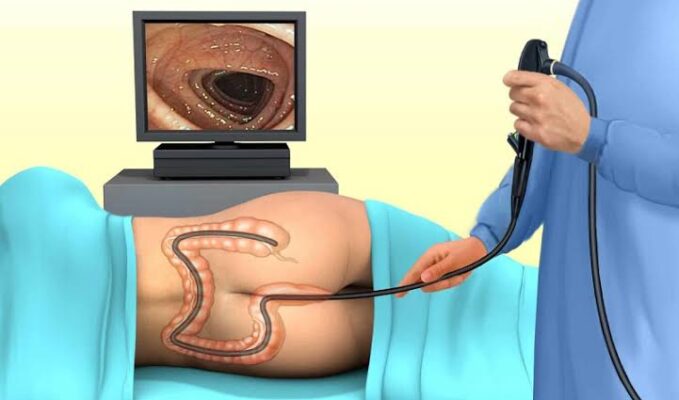
Colonoscopy: What Adults Should Know
Colonoscopy is a procedure in which a gastroenterologist or colorectal surgeon passes a long, flexible [...]
3 Comments
Sep
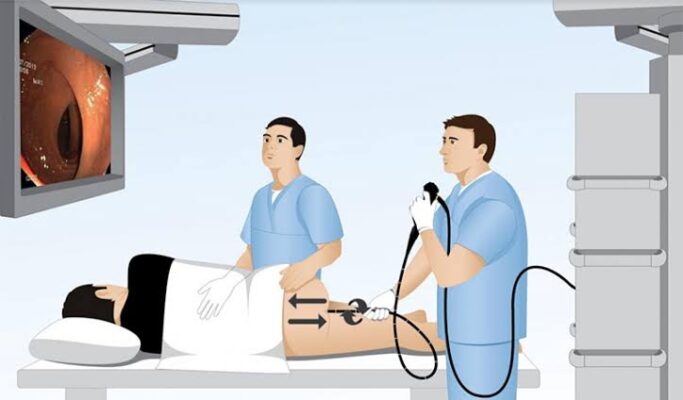
Endoscopy: What Patients Should Know
Upper gastrointestinal endoscopy — also called oesophago-gastro-duodenoscopy (OGD), gastroscopy, or simply an endoscopy — is [...]
3 Comments
Sep
FibroScan: A Simple Guide
FibroScan is a non-invasive medical device that measures liver stiffness and liver fat content using [...]
3 Comments
Sep
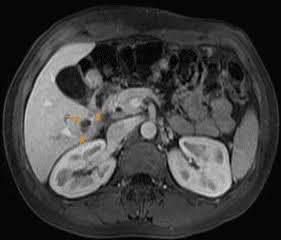
MRI for Liver Evaluation
Magnetic resonance imaging (MRI) of the liver uses a powerful magnetic field and radiofrequency pulses [...]
3 Comments
Sep
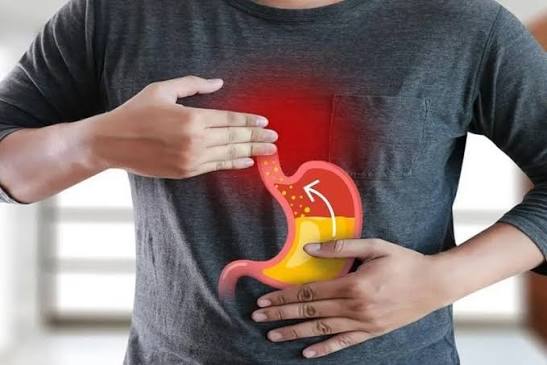
Acid Reflux: Symptoms, Causes, and Prevention
Sources: National Institute of Diabetes and Digestive and Kidney Diseases (NIDDK); American College of Gastroenterology [...]
3 Comments
Sep
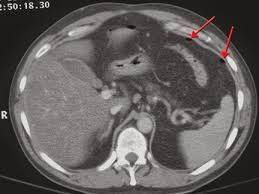
CT Scan for Digestive and Liver Problems
A CT scan (computed tomography scan, also called a CAT scan) uses X-rays combined with [...]
3 Comments
Sep

Heartburn: What Adults Should Know
Sources: National Institute of Diabetes and Digestive and Kidney Diseases (NIDDK); American College of Gastroenterology [...]
3 Comments
Sep
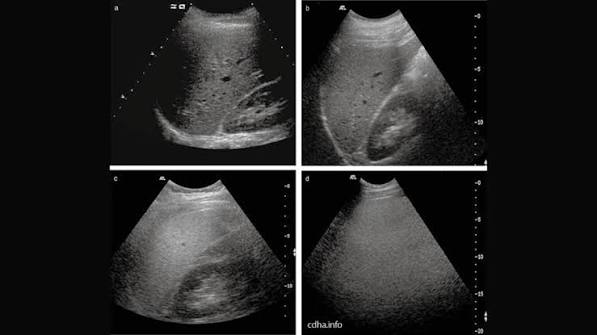
Liver Ultrasound: When It May Be Used
A liver ultrasound is a targeted ultrasound examination focused specifically on the liver — its [...]
3 Comments
Sep

Indigestion: Symptoms, Causes, and Relief Options
Sources: National Institute of Diabetes and Digestive and Kidney Diseases (NIDDK); American College of Gastroenterology [...]
3 Comments
Sep
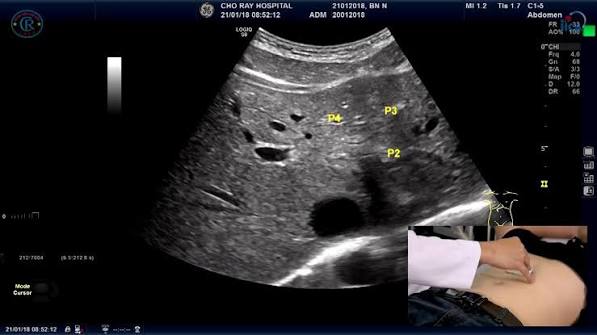
Abdominal Ultrasound: What It Can Show
An abdominal ultrasound is one of the most commonly performed diagnostic imaging investigations in medicine [...]
3 Comments
Sep

Gas and Digestive Health
Sources: National Institute of Diabetes and Digestive and Kidney Diseases (NIDDK); American Gastroenterological Association (AGA); [...]
3 Comments
Sep
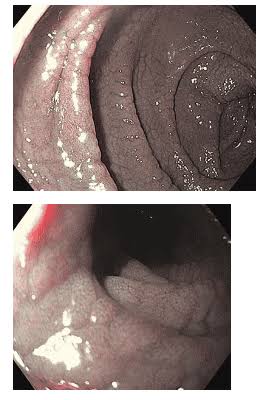
Celiac Disease Testing Explained
Celiac disease is an autoimmune condition triggered by gluten — a protein found in wheat, [...]
3 Comments
Sep

Bloating: Common Causes and When to Seek Care
Sources: National Institute of Diabetes and Digestive and Kidney Diseases (NIDDK); American Gastroenterological Association (AGA); [...]
3 Comments
Sep
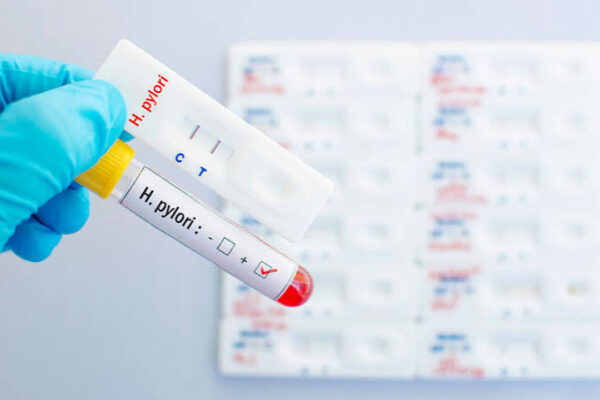
H. pylori Test: What It Shows
Helicobacter pylori (H. pylori) is a spiral-shaped bacterium that colonises the gastric mucosa — the [...]
3 Comments
Sep

Stool Tests for Digestive Health
Stool tests — laboratory examinations of faecal samples — are among the most valuable and [...]
3 Comments
Sep
Liver and Digestive Health Numbers Every Adult Should Know
Sources: American Gastroenterological Association (AGA); American Association for the Study of Liver Diseases (AASLD) Practice [...]
3 Comments
Sep
Signs of Healthy Liver Function
Sources: American Association for the Study of Liver Diseases (AASLD) Practice Guidelines; National Institute of [...]
3 Comments
Sep
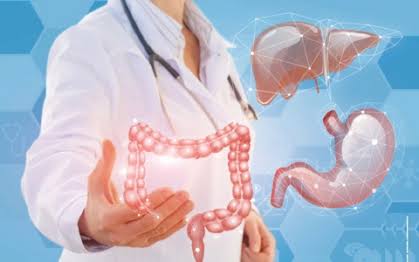
Signs of a Healthy Digestive System
Sources: American Gastroenterological Association (AGA); Rome IV Diagnostic Criteria for Functional Gastrointestinal Disorders; National Institute [...]
3 Comments
Sep
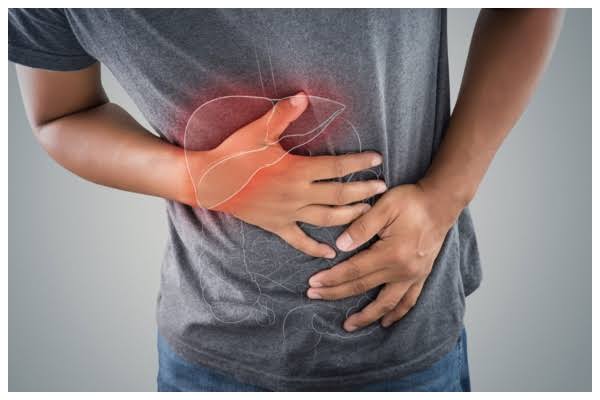
Common Liver Problems in Adults
Sources: American Liver Foundation (liverfoundation.org); American Association for the Study of Liver Diseases (AASLD) Practice [...]
3 Comments
Sep
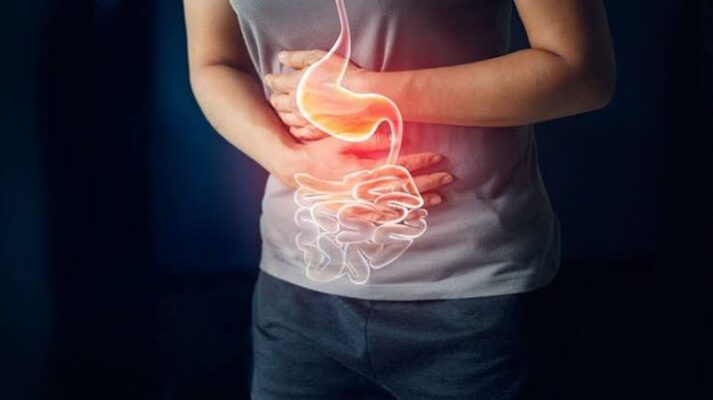
Common Digestive Problems in Adults
Sources: National Institute of Diabetes and Digestive and Kidney Diseases (NIDDK); American Gastroenterological Association (AGA); [...]
3 Comments
Sep

Why Liver and Digestive Health Matter After Age 40
Sources: National Institute of Diabetes and Digestive and Kidney Diseases (NIDDK), Liver and Digestive Disease [...]
3 Comments
Sep
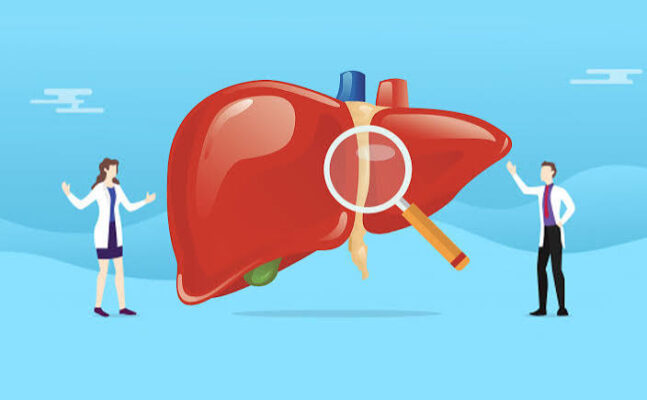
How the Liver Works
Sources: National Institute of Diabetes and Digestive and Kidney Diseases (NIDDK), Cirrhosis; American Liver Foundation, [...]
3 Comments
Sep
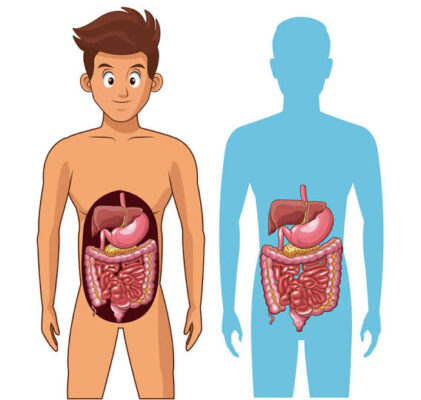
How the Digestive System Works
Sources: National Institute of Diabetes and Digestive and Kidney Diseases (NIDDK), Your Digestive System and [...]
3 Comments
Sep
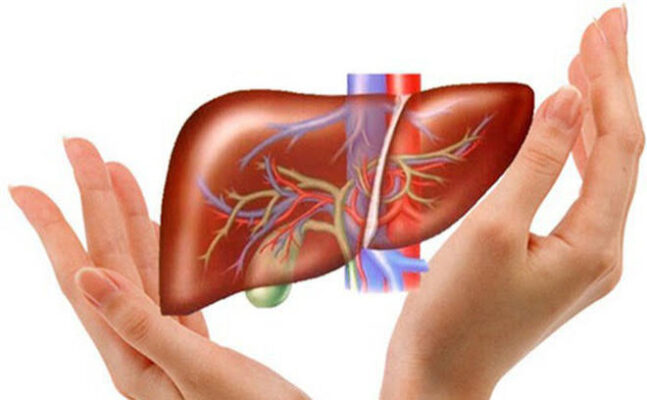
What Is Liver Health?
Sources: National Institute of Diabetes and Digestive and Kidney Diseases (NIDDK), Liver Disease; American Association [...]
3 Comments
Sep

What Is Digestive Health?
Sources: National Institute of Diabetes and Digestive and Kidney Diseases (NIDDK), Digestive Diseases; American College [...]
3 Comments
Sep