
High blood pressure (hypertension) and kidney disease exist in a bidirectional, self-reinforcing relationship that is one of the most important in all of medicine. Hypertension is the second leading cause of kidney failure in the United States — after diabetes — and is present in more than 80% of people with chronic kidney disease. At the same time, kidney disease is one of the most important causes of hypertension: the damaged kidney is less able to regulate fluid volume and blood pressure, creating a cycle in which kidney disease drives blood pressure higher, and elevated blood pressure accelerates kidney damage. This cycle, left unmanaged, leads to progressive kidney failure and dramatically elevated cardiovascular risk. The good news is that the cycle is also breakable: with effective, evidence-based blood pressure management, the rate of CKD progression can be reduced substantially, and kidney failure can be delayed or prevented in many patients. This guide covers the mechanism of the hypertension–CKD relationship, what blood pressure targets are recommended in kidney disease, which medications are most effective, and how patients can monitor and manage their blood pressure at home. For related context on the other major CKD comorbidities, see the companion articles on kidney disease and diabetes and kidney disease and heart health.
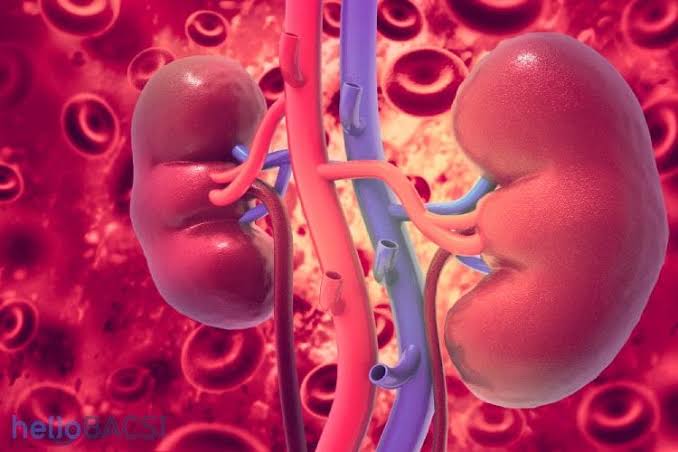
How Kidney Disease Causes High Blood Pressure
The kidneys are the primary regulators of long-term blood pressure in the human body, and when they are damaged, blood pressure regulation is compromised in several important ways. Understanding these mechanisms clarifies why blood pressure is so difficult to control in CKD and why multiple medications are often needed. Impaired sodium and water excretion: the healthy kidney finely regulates sodium and water balance by adjusting how much is excreted in the urine based on blood pressure and circulating hormones. Damaged kidneys lose this precision — they retain sodium and water inappropriately, expanding blood volume, increasing cardiac output, and elevating blood pressure. This is the primary mechanism of CKD-related hypertension, and it is why sodium restriction and diuretics are such important management tools in this population. Renin-angiotensin-aldosterone system (RAAS) overactivation: reduced renal perfusion (from damaged glomeruli or reduced cardiac output) stimulates juxtaglomerular cells in the kidney to release renin, which triggers a cascade ending in increased angiotensin II and aldosterone production. Angiotensin II is a potent vasoconstrictor (narrows blood vessels) that raises blood pressure; aldosterone promotes further sodium and water retention. This RAAS overactivation is a central driver of hypertension in CKD and is why ACE inhibitors and ARBs — which block this pathway — are so effective. Endothelial dysfunction and reduced nitric oxide: the healthy endothelium (inner lining of blood vessels) produces nitric oxide, which causes blood vessel relaxation and helps maintain normal blood pressure. In CKD, oxidative stress, uremic toxins, and chronic inflammation impair nitric oxide production, reducing vasodilatory capacity and increasing peripheral vascular resistance. This structural vascular change is partly responsible for why hypertension in advanced CKD is often difficult to control with medications. Sympathetic nervous system activation: diseased kidneys generate afferent nerve signals that activate the sympathetic nervous system, increasing heart rate, cardiac output, and peripheral vascular resistance. This contributes to nocturnal hypertension — elevated blood pressure during sleep — which is common in CKD and associated with higher cardiovascular risk. Secondary hyperaldosteronism and aldosterone escape: even patients started on ACE inhibitors or ARBs for their kidney-protective effects often experience “aldosterone escape” — a phenomenon where aldosterone levels, initially suppressed by RAAS blockade, rise again over time due to non-ACE/ARB pathways of aldosterone production. This is one reason why adding a mineralocorticoid receptor antagonist (like spironolactone or the newer finerenone) to an ACE inhibitor or ARB provides additional benefit in some patients. The NIDDK overview of high blood pressure in CKD is at the NIDDK CKD and high blood pressure page.
Blood Pressure Targets in CKD: What the Evidence Says
Setting the right blood pressure target in CKD requires balancing the evidence from clinical trials, the individualized risk profile of each patient, and the potential harms of overly aggressive treatment (particularly hypotension, acute kidney injury from reduced renal perfusion, and electrolyte disturbances). General CKD blood pressure target — below 130/80 mmHg: the SPRINT trial (Systolic Blood Pressure Intervention Trial) demonstrated that intensive blood pressure control to systolic below 120 mmHg reduced cardiovascular events and mortality compared to the standard target of below 140 mmHg in high-risk patients including those with CKD. The KDIGO 2021 CKD guidelines recommend a target systolic blood pressure below 120 mmHg in adults with CKD and hypertension who tolerate treatment, citing the SPRINT evidence. However, many clinical guidelines and practice guidelines use a target of below 130/80 as a practical goal, recognizing that the below-120 target may not be achievable or safe for all patients. Higher albuminuria — lower targets: patients with significant proteinuria (UACR above 300 mg/g) derive additional kidney-protective benefit from lower blood pressure targets, because elevated glomerular filtration pressure — which is directly related to systemic blood pressure in damaged kidneys — is a major driver of progressive glomerulosclerosis. For patients with significant albuminuria, targets closer to 125/75 or below 130 mmHg systolic are often recommended. Individualization in elderly and frail patients: the evidence for intensive blood pressure control is strongest in younger patients with CKD and fewer comorbidities. In elderly patients (typically above 75–80) or those who are frail, orthostatic hypotension (blood pressure drops when standing) and fall risk are serious concerns. For these patients, a systolic target in the 130–140 mmHg range may be more appropriate. Shared decision-making with the patient and their care team determines the right target. White-coat hypertension and masked hypertension: blood pressure measured in a clinical setting (white-coat effect) is often higher than blood pressure at home, while some patients have higher blood pressure outside the clinic than their clinic readings suggest (masked hypertension). Both phenomena are common and clinically significant. Home blood pressure monitoring and ambulatory blood pressure monitoring (ABPM) provide a more accurate picture of a patient’s true blood pressure profile and allow for better-informed treatment decisions. The KDIGO blood pressure guidelines for CKD are at the KDIGO blood pressure in CKD page.
Antihypertensive Medications in CKD: First-Line and Add-On Agents
Blood pressure management in CKD typically requires multiple medications, because the drivers of hypertension in kidney disease are multiple and synergistic. A structured approach — starting with the most kidney-protective agents and adding others as needed — achieves better control and better organ protection than any single drug. First-line: ACE inhibitors or ARBs: in any patient with CKD and proteinuria (UACR above 30 mg/g), the first antihypertensive medication should be an ACE inhibitor (lisinopril, ramipril, perindopril) or an ARB (losartan, irbesartan, valsartan, candesartan). These agents block the renin-angiotensin-aldosterone system, reducing both systemic blood pressure and intraglomerular pressure — the latter effect reduces albuminuria and slows CKD progression independently of blood pressure. They should not be combined (dual RAAS blockade with both an ACE inhibitor and an ARB increases hyperkalemia and acute kidney injury risk without additional benefit). After starting or dose-adjusting, check creatinine and potassium 1–2 weeks later; a creatinine rise of up to 30% from baseline is expected and acceptable. SGLT2 inhibitors: in patients with type 2 diabetes and CKD, SGLT2 inhibitors (empagliflozin, dapagliflozin, canagliflozin) provide blood pressure reduction (typically 3–5 mmHg systolic) through their osmotic diuretic effect and have been added to guidelines as important agents in this population for their combined cardiorenal benefits. Diuretics: thiazide diuretics (hydrochlorothiazide, chlorthalidone) are effective antihypertensives in CKD stages 1–3 (eGFR above 30). As eGFR declines below 30–45, loop diuretics (furosemide, torsemide) are more effective because thiazides lose efficacy at lower GFR. Adequate diuretic therapy addresses the volume-mediated component of hypertension and synergizes with RAAS blockade. Calcium channel blockers (CCBs): non-dihydropyridine CCBs (diltiazem, verapamil) reduce proteinuria and are kidney-protective in addition to lowering blood pressure. Dihydropyridine CCBs (amlodipine, nifedipine) are effective antihypertensives but without the additional antiproteinuric effect — they are useful as add-on therapy. CCBs are safe across all CKD stages and have no dose adjustment requirements. Mineralocorticoid receptor antagonists: spironolactone and eplerenone reduce aldosterone’s effects, lowering blood pressure and reducing albuminuria. They are particularly useful in resistant hypertension (blood pressure not controlled on three agents). Potassium monitoring is essential because hyperkalemia is a significant risk, particularly in advanced CKD or in combination with RAAS blockade. Finerenone (a newer, more selective mineralocorticoid receptor antagonist) is approved for CKD with type 2 diabetes. Beta-blockers and centrally acting agents: beta-blockers are generally not first-line antihypertensives in CKD (except in patients with concomitant heart failure, atrial fibrillation, or post-myocardial infarction) because they do not reduce proteinuria and may worsen insulin resistance. Centrally acting agents (clonidine) can be used as add-on therapy but have significant side effects (sedation, rebound hypertension on discontinuation). The NKF provides patient resources on blood pressure management in kidney disease at the NKF kidney health page.
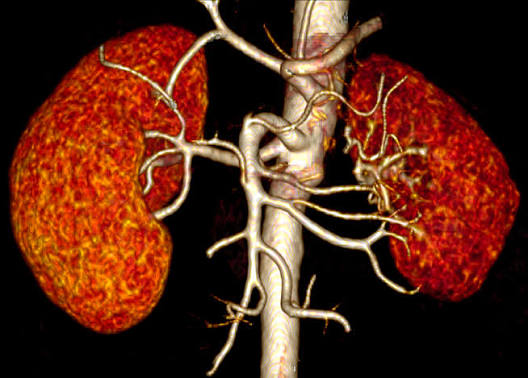
Home Blood Pressure Monitoring: Why It Matters and How to Do It
Home blood pressure monitoring (HBPM) is one of the most impactful self-management tools available to CKD patients with hypertension, and it is underutilized in most clinical practices. Regular home monitoring provides far more data than the 1–2 clinic readings taken every few months, detects white-coat and masked hypertension, allows assessment of nocturnal blood pressure patterns (which have high prognostic significance in CKD), and enables more responsive medication adjustment. Equipment: a validated, upper-arm automated blood pressure monitor is recommended. Wrist devices are less accurate, particularly in people with obesity or irregular heart rhythms. The European Society of Hypertension and British Hypertension Society maintain lists of clinically validated devices. Avoid manual sphygmomanometers for home use unless properly trained in technique. Technique: sit quietly for 5 minutes before measuring. Sit with back supported, feet flat on the floor, arm supported at heart level. Do not smoke, drink caffeine, or exercise within 30 minutes of measuring. Take two readings 1–2 minutes apart and record both. Morning (before medications) and evening readings provide the most clinically useful information. Recording and sharing: record every reading with the date and time in a log — most modern blood pressure monitors have memory or companion apps. Bring or send the log to every medical appointment. A pattern of readings over 2–4 weeks is far more informative to the care team than individual values. Understanding the numbers: a home blood pressure average above 130/80 mmHg on repeated measurements generally indicates inadequate control in CKD. Readings that vary widely from day to day — more than 15–20 mmHg systolic — may indicate medication timing issues, dietary sodium excess, or other factors worth discussing with the care team. Nocturnal blood pressure: blood pressure normally dips by 10–20% during sleep (“dipping”). Non-dipping or reverse-dipping patterns (blood pressure higher at night than during the day) are associated with faster CKD progression and higher cardiovascular event rates. Ambulatory blood pressure monitoring (ABPM), which automatically records blood pressure every 20–30 minutes over 24 hours, is the gold standard for detecting these patterns and is available through most nephrology and cardiology practices. The StatPearls hypertension management reference is at the StatPearls resource.
Lifestyle Strategies for Blood Pressure Control in CKD
Lifestyle modification is an essential complement to medication in blood pressure management in CKD — several interventions have direct evidence for blood pressure reduction and some also provide independent kidney-protective effects. Sodium restriction: reducing dietary sodium to less than 2 grams per day (approximately 5 grams of salt) is one of the most effective non-pharmacological interventions for blood pressure in CKD. The blood-pressure-lowering effect of sodium restriction is amplified in CKD because the kidney cannot compensate for sodium excess as efficiently. Sodium restriction also reduces albuminuria and enhances the kidney-protective effect of ACE inhibitors and ARBs. The majority of dietary sodium in Western diets comes from processed, packaged, and restaurant foods — significant reduction requires attention to food labels and cooking patterns. The DASH diet: the Dietary Approaches to Stop Hypertension (DASH) diet — high in potassium, magnesium, calcium, fruits, and vegetables; low in saturated fat and sodium — consistently reduces blood pressure by 4–11 mmHg systolic in clinical trials. It has additional cardiovascular-protective effects and is broadly consistent with a kidney-healthy diet (with the caveat that potassium restriction may be needed in advanced CKD). Alcohol moderation: alcohol consumption above 2 standard drinks per day raises blood pressure through multiple mechanisms and reduces the effectiveness of antihypertensive medications. Reducing intake to no more than 1–2 drinks per day (or ideally less) has a meaningful blood pressure-lowering effect in regular drinkers. Weight management: obesity drives hypertension through multiple pathways including RAAS activation, sympathetic activation, and insulin resistance. Even modest weight loss (5–10 kg) reduces systolic blood pressure by approximately 5–10 mmHg in overweight individuals. Physical activity: regular aerobic exercise (at least 150 minutes per week of moderate-intensity activity) reduces systolic blood pressure by approximately 5–8 mmHg through improved cardiac efficiency, reduced peripheral vascular resistance, and lower sympathetic tone. Exercise is safe and beneficial across all CKD stages. For comprehensive guidance on kidney disease management, see the article on slowing kidney disease progression. For patients with kidney disease affecting bone health, which is linked to blood pressure management through the RAAS and mineral metabolism pathways, see the companion article on kidney disease and bone health.
Sources: NIDDK CKD and High Blood Pressure · KDIGO Blood Pressure in CKD · National Kidney Foundation · StatPearls: Nephrology
Resistant Hypertension in CKD: When Blood Pressure Won’t Respond
Resistant hypertension — defined as blood pressure that remains above target despite adequate doses of three antihypertensive medications from different classes (including a diuretic) — is significantly more common in CKD than in the general population and represents one of the most challenging management problems in nephrology. Approximately 20–30% of patients with advanced CKD have resistant hypertension. Before labeling hypertension as resistant, several pseudo-resistance causes should be excluded: medication non-adherence (the most common reason for apparent resistance), white-coat hypertension (clinic blood pressure elevated but home readings controlled), subtherapeutic medication doses, volume overload from excessive sodium intake or inadequate diuretic therapy, and use of medications that raise blood pressure (NSAIDs, oral contraceptives, stimulants, decongestants, licorice). Diuretic optimization: the most common treatable cause of resistant hypertension in CKD is inadequate diuretic therapy. As eGFR declines, thiazide diuretics become less effective; switching from a thiazide to a loop diuretic (furosemide, torsemide), or adding a loop diuretic to a thiazide for patients with eGFR between 30–45, frequently improves blood pressure control substantially. Twice-daily dosing of loop diuretics is more effective than once-daily in resistant hypertension. Mineralocorticoid receptor antagonist addition: adding spironolactone to a regimen of ACE inhibitor/ARB, diuretic, and CCB is supported by evidence from the PATHWAY-2 trial (in non-CKD resistant hypertension) and clinical experience in CKD. It is highly effective for blood pressure reduction but requires careful potassium monitoring, as hyperkalemia is a significant risk in CKD patients already on RAAS blockade. Secondary hypertension evaluation: in patients with resistant hypertension or hypertension that is disproportionate to CKD severity, secondary causes beyond CKD itself should be considered: primary hyperaldosteronism (excess aldosterone production from the adrenal gland — the most common cause of secondary hypertension overall), renal artery stenosis, obstructive sleep apnea, pheochromocytoma, and thyroid disorders. Referral to a hypertension specialist may be appropriate for patients with genuinely resistant hypertension after excluding pseudo-resistance and secondary causes. The NIDDK clinical overview of CKD hypertension management is at the NIDDK CKD and high blood pressure page.
Blood Pressure and Kidney Disease: Key Points for Patients
For patients managing high blood pressure alongside kidney disease, the following practical points summarize the most important evidence-based priorities. Know your blood pressure target: in most CKD patients, the target is below 130/80 mmHg, and often lower (below 130 systolic) for those with significant proteinuria. Ask your nephrologist what your specific target is and whether your current readings are meeting it. Take home blood pressure readings: measure at home in the morning (before medications) and evening, 2 readings each session, 1–2 minutes apart. Record them and bring the log to every appointment. Home readings are often more reliable than clinic readings for treatment decisions. Take your antihypertensive medications consistently: the most common cause of inadequate blood pressure control is inconsistent medication adherence. If your medications are difficult to take or have side effects, tell your care team — dose adjustment, timing changes, or alternative medications may solve the problem. Minimize sodium intake: reducing sodium to below 2 grams per day amplifies the blood-pressure-lowering effect of every medication you take. Read food labels (aim for below 150 mg sodium per serving in packaged foods), avoid processed and fast foods, and use herbs and spices instead of salt when cooking. Expect to need more than one medication: most patients with CKD and hypertension require two or more medications to reach target. Needing multiple antihypertensives is not a failure — it reflects the multiple mechanisms driving blood pressure up in kidney disease. Report symptoms of low blood pressure: dizziness, lightheadedness, or fainting — particularly when standing — may indicate that blood pressure is being lowered too aggressively. Report these symptoms promptly so your care team can reassess the regimen. For comprehensive context on managing kidney disease progression, see the article on slowing kidney disease progression. For patients whose kidney disease is advancing, information on treatment options is available in the kidney failure treatment options guide.
The bottom line: the hypertension–kidney disease cycle is one of the most important and modifiable drivers of kidney failure progression and cardiovascular risk. Effective treatment requires the right medication choice (starting with an ACE inhibitor or ARB for most patients with albuminuria), adequate sodium restriction, regular home blood pressure monitoring, and consistent long-term engagement with the care team. The relationship between hypertension and kidney disease is addressed throughout nephrology guidelines as an integrated problem — not as two separate conditions managed independently — and patients who understand this integration make better treatment decisions. The companion article on kidney disease and anemia covers another major comorbidity that, like hypertension, contributes to cardiovascular risk in CKD and requires proactive monitoring and management.
I’ve been taking amlodipine and lisinopril for years and my blood pressure at the clinic is usually around 145/90. My nephrologist just told me I have stage 3a CKD with a UACR of 180 mg/g. After reading this I realize my blood pressure is not actually at target for someone with CKD and albuminuria — it should probably be below 130. I’m also now wondering if the amlodipine dose is as high as it should be, or whether I need a third agent. Bringing this to my next appointment.
The section on resistant hypertension was exactly what I needed. I’m on four medications and my blood pressure is still 148/92 at home. The article’s point about sodium being a common hidden driver made me look at my diet more carefully — I realized I’m eating probably 4-5g of sodium per day from processed foods without realizing it. I also didn’t realize loop diuretics are more effective than thiazides at lower eGFR. My eGFR is 28 and I’m on a thiazide — I’m going to ask whether switching to a loop diuretic might help.
Susan, you’re right that a blood pressure of 145/90 is above target for CKD with albuminuria — the evidence supports a target below 130/80 (and some guidelines below 130 systolic) for patients in your situation. Asking your nephrologist specifically whether your current regimen is at the right doses and whether a third agent might be indicated is exactly the right question. A third agent could be a thiazide-type diuretic (if you’re not already on one), an increased dose of your current agents, or another class. Michael, the thiazide vs loop diuretic point at eGFR 28 is clinically important — at that level of kidney function, thiazide diuretics lose much of their blood pressure-lowering potency, and switching to or adding a loop diuretic is a well-established next step. Mentioning that specifically at your next appointment is likely to get a useful response. The sodium insight is also significant — 4–5g per day is double the recommended intake and will substantially blunt the effect of every antihypertensive you take.