
Health information is most useful when it is concrete. General advice to “eat more fiber” or “get your liver checked” is less actionable than knowing exactly what number to aim for, what range is considered normal, and at what threshold a result moves from reassuring to requiring attention. Liver and digestive health have well-established numerical benchmarks — laboratory reference ranges, dietary targets, screening ages, and risk thresholds — that are consistent across major clinical guidelines and that every adult benefits from knowing in practical terms.
This article compiles the key numbers across liver function, digestive health, nutrition, and screening in one organized reference. For context on what these numbers mean within the larger picture of liver health, see signs of healthy liver function and signs of a healthy digestive system.
Liver Function Test Reference Ranges
The standard metabolic panel includes several tests that collectively reflect different aspects of liver health. These reference ranges are widely used across clinical laboratories, though individual lab values may vary slightly by laboratory and patient population.
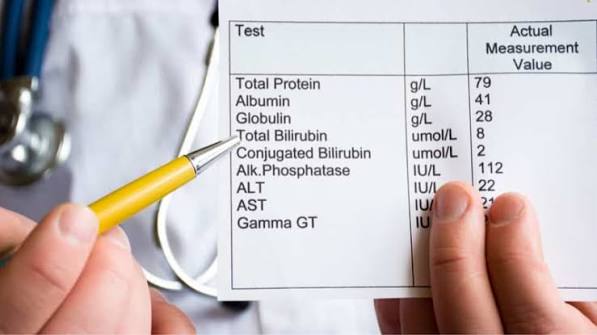
ALT (alanine aminotransferase): 7 to 56 U/L in men; 7 to 45 U/L in women. ALT is the most liver-specific enzyme in the standard panel. Elevation indicates hepatocellular injury — from any cause including NAFLD, viral hepatitis, alcohol, or medications. Persistent mild elevation (1.5 to 3 times the upper limit of normal) in the presence of metabolic risk factors warrants investigation rather than repeat testing alone.
AST (aspartate aminotransferase): 10 to 40 U/L. Less liver-specific than ALT; also found in cardiac and skeletal muscle. An AST:ALT ratio greater than 2:1 is characteristic of alcoholic liver injury. Isolated AST elevation with normal ALT is more likely to reflect muscle or cardiac injury than liver disease.
ALP (alkaline phosphatase): 44 to 147 U/L. A cholestatic marker that rises when bile flow is impaired. Also elevated in bone disease and pregnancy, so GGT is used to confirm hepatic origin. GGT (gamma-glutamyl transferase): 8 to 61 U/L in men; 5 to 36 U/L in women. Highly sensitive to alcohol and long-term PPI use. Isolated GGT elevation with normal ALT and ALP is often attributable to alcohol rather than structural liver disease.
Total bilirubin: 0.1 to 1.2 mg/dL. Values above 2.5 to 3 mg/dL typically produce visible jaundice (yellowing of the skin and whites of the eyes). Elevated direct bilirubin (above 0.3 mg/dL) indicates impaired biliary excretion — bile duct obstruction or liver disease. Albumin: 3.5 to 5.0 g/dL. A synthetic function marker produced exclusively by the liver. Low albumin in the absence of malnutrition or acute illness indicates impaired hepatic synthesis — a finding of significant liver disease. INR: below 1.1 is normal. Elevated INR in the context of liver disease reflects declining clotting factor synthesis and is one of the most reliable markers of impaired hepatic function. Platelet count: 150,000 to 400,000 per μL. Thrombocytopenia (below 150,000) in the context of liver risk factors can be an indirect marker of portal hypertension and cirrhosis, caused by platelet sequestration in an enlarged spleen.
Digestive Health Benchmarks
Digestive function has specific measurable benchmarks that define normal from abnormal. These numbers help adults distinguish normal variation from patterns that warrant attention.
Normal bowel frequency: 3 times per day to 3 times per week. This is the clinically validated range from both the American Gastroenterological Association and the Rome IV criteria. Frequency within this range is normal regardless of where you fall — once per day is not more “healthy” than every third day. What matters is consistency, ease of passage, and stool quality.
Bristol Stool Scale types 3 and 4 are considered optimal — sausage-shaped with surface cracks, or smooth and soft. Types 1 and 2 (hard, lumpy) indicate slow transit and constipation. Types 5 through 7 (loose, watery) indicate fast transit or impaired absorption. Normal transit time ranges from 12 to 72 hours, with a mean of approximately 33 hours. Transit outside this range — particularly consistently faster or slower — warrants dietary and clinical assessment. Post-meal discomfort window: mild bloating or fullness that resolves within 1 to 2 hours after eating is normal. Persistent discomfort beyond 2 hours, or pain, nausea, or distension after ordinary meals, is not normal variation.
Nutritional Targets for GI and Liver Health
Dietary targets for liver and digestive health are well-established by clinical guidelines and population research. The gap between current intake and recommended intake in these categories is consistently large in the US adult population, making these among the most modifiable health parameters available.
Dietary fiber: 25 grams per day for women; 38 grams per day for men (Institute of Medicine recommendations). The current average American adult consumes 10 to 15 grams per day — approximately 40 percent of the recommended amount. Fiber supports colon health, gut microbiome diversity, constipation prevention, diverticular disease risk reduction, and colorectal cancer risk reduction. Both soluble fiber (oats, psyllium, legumes, fruit) and insoluble fiber (wheat bran, vegetable skins, whole grains) contribute to these benefits through different mechanisms.
Plant species diversity: 30 or more different plant species per week. This target, supported by the American Gut Project and research by the Sonnenburg lab at Stanford, is the single dietary behavior most consistently associated with gut microbiome diversity in healthy adults. The 30-species target is not difficult to reach — it counts any plant food (vegetable, fruit, grain, legume, nut, seed, herb, spice) as one species, and eating the same plant food multiple times per week still counts once. Most adults eating varied meals can reach this target within two to three weeks of intentional variety-building. The AGA patient center provides accessible resources on dietary approaches to gut health.
Acetaminophen limits: the standard maximum dose is 4 grams (4,000 mg) per 24 hours for healthy adults. For adults with regular alcohol use (more than 3 drinks per day), the safe threshold is reduced to 2 grams per 24 hours — regular alcohol depletes the hepatic glutathione needed to safely metabolize acetaminophen’s toxic intermediate, NAPQI. For adults with established liver disease, the threshold may be lower still — 2 grams per day is a common clinical recommendation, and some hepatologists advise avoiding it entirely in advanced cirrhosis. Unintentional acetaminophen overdose, from taking multiple products that each contain it simultaneously, is the leading cause of acute liver failure in the United States.
Screening Ages and Surveillance Intervals
Screening and surveillance intervals are among the most clinically important numbers in preventive health — they define when tests should happen, not just whether they should happen at all.
Colorectal cancer screening: age 45 for average-risk adults (American Cancer Society 2018 guideline update, reflecting rising colorectal cancer rates in adults under 50). A normal colonoscopy is repeated in 10 years. A colonoscopy finding of one or two small tubular adenomas (low-risk polyps) requires repeat colonoscopy in 5 years. An advanced adenoma (large polyp, high-grade dysplasia, villous features, or 3+ adenomas) requires repeat in 3 years. Adults with a first-degree relative diagnosed with colorectal cancer or advanced polyp before age 60 should begin screening 10 years before that relative’s diagnosis age, or at age 40 — whichever is earlier.
Hepatitis C (HCV): one-time testing for all adults aged 18 to 79, recommended by both the CDC and the US Preventive Services Task Force, regardless of risk factors. Adults born between 1945 and 1965 — the baby boomer cohort with the highest undiagnosed HCV burden — should prioritize this if not yet tested. A positive HCV antibody test triggers confirmatory HCV RNA testing, and a positive RNA result indicates active infection that is currently curable in over 95 percent of cases. Hepatitis B (HBV): immune status (surface antigen, surface antibody, core antibody) should be documented for all adults. Unvaccinated adults without prior infection should complete the HBV vaccine series. The AASLD practice guidelines provide detailed recommendations for HBV management in infected adults.
Hepatocellular carcinoma (HCC) surveillance: liver ultrasound plus alpha-fetoprotein (AFP) every 6 months for all adults with established cirrhosis, regardless of cause. This interval is based on the doubling time of hepatocellular carcinoma — surveillance at 6-month intervals achieves significantly better early-stage detection rates than annual intervals. Liver function panels: annual comprehensive metabolic panel (including ALT, AST, ALP, bilirubin, albumin) for adults with metabolic syndrome, obesity, significant alcohol use, NAFLD diagnosis, HBV or HCV infection, or family history of liver disease.
Risk Thresholds Worth Knowing
Several numerical thresholds help translate abstract risk into actionable categories. These are not bright lines — individual risk is continuous, not binary — but they represent clinically meaningful inflection points used in guidelines and risk stratification tools.
Alcohol and liver risk: more than 14 standard drinks per week for men and more than 7 per week for women is the threshold at which hepatotoxic risk increases substantially, per AASLD guidance. One standard drink is defined as 14 grams of pure alcohol — equivalent to 12 oz of regular beer (5%), 5 oz of wine (12%), or 1.5 oz of spirits (40%). Below these thresholds, liver risk from alcohol is low for most adults, though no level is entirely without risk from a cancer standpoint per WHO. NAFLD weight loss target: sustained weight loss of 7 to 10 percent of body weight produces measurable improvements in liver fat, ALT levels, and histological NASH scores in clinical trials — this is the target used in NAFLD management guidelines as the minimum effective intervention.
ALT elevation severity thresholds: ALT 1 to 3 times the upper limit of normal is “mild elevation” — common, often attributable to NAFLD, alcohol, or medications, and investigated over 3 to 6 months. ALT 3 to 10 times ULN is “moderate” — requires more urgent investigation. ALT greater than 10 times ULN is “severe” and usually indicates acute hepatitis, ischemic hepatopathy, or significant drug toxicity requiring immediate evaluation. Unintentional weight loss: 5 percent or more of body weight over 6 to 12 months is the threshold at which GI malignancy, malabsorption, and other serious conditions should be evaluated. This equals approximately 7–8 pounds for a 150-pound adult — a meaningful but not dramatic amount.
Nutrient Absorption Reference Values
Normal serum levels of key nutrients reflect both adequate dietary intake and effective intestinal absorption. When serum levels fall below normal despite ostensibly adequate dietary intake, malabsorption — rather than diet alone — is often the explanation, particularly in adults with known GI conditions or risk factors.
Serum ferritin: 12 to 300 ng/mL in men; 12 to 150 ng/mL in women. Ferritin below 30 ng/mL in women is associated with iron depletion even when hemoglobin is still technically normal. Iron-deficiency anemia unresponsive to oral supplementation, or ferritin below the normal range without a dietary explanation, should prompt GI evaluation for occult GI bleeding (particularly in adults over 45) or malabsorption. Vitamin B12: 200 to 900 pg/mL. Values below 200 pg/mL indicate deficiency; the range 200–300 pg/mL is considered borderline and may warrant further testing (methylmalonic acid or homocysteine). B12 deficiency is common in adults over 50, particularly those on long-term PPIs, metformin, or plant-based diets without supplementation. 25-hydroxyvitamin D: 30 to 100 ng/mL is the sufficient range per the Endocrine Society. Levels below 20 ng/mL indicate deficiency; 20 to 29 ng/mL is insufficient. Vitamin D deficiency impairs calcium absorption and may reflect both reduced dietary intake and impaired hepatic 25-hydroxylation in significant liver disease. For adults concerned about their GI health numbers in the context of their age and risk factors, the NIDDK digestive disease resources provide detailed guidance on when specific testing is appropriate. For related context on liver-specific numbers and what they indicate, see common liver problems in adults and why liver and digestive health matter after age 40.
Frequently Asked Questions
What liver enzyme levels are considered dangerous?
ALT greater than 10 times the upper limit of normal (approximately 450–560 U/L in men) indicates severe hepatocellular injury and requires urgent evaluation. ALT 3 to 10 times ULN is moderate elevation and warrants prompt investigation. ALT 1 to 3 times ULN is mild and most commonly caused by NAFLD, alcohol, or medications — requiring investigation if persistent, but not necessarily urgent.
How much fiber do I actually need?
The Institute of Medicine recommends 25 grams per day for adult women and 38 grams per day for adult men. Most Americans consume 10 to 15 grams per day. Increasing fiber intake gradually — adding about 5 grams per week rather than doubling intake overnight — avoids the gas, bloating, and cramps that rapid fiber increases produce while gut bacteria adapt to higher fermentable substrate.
At what age should I have my first colonoscopy?
Age 45 for average-risk adults, per the 2018 American Cancer Society guideline. Age 40 (or 10 years before the youngest affected relative’s diagnosis) for adults with a first-degree relative with colorectal cancer or advanced polyp before age 60. Earlier still for adults with inflammatory bowel disease affecting the colon (typically 8 years after IBD diagnosis), known hereditary colorectal cancer syndromes (Lynch syndrome, familial adenomatous polyposis), or prior colorectal cancer.
What is a normal albumin level, and when is it concerning?
Normal albumin is 3.5 to 5.0 g/dL. Low albumin (below 3.5 g/dL) has several possible explanations: impaired liver synthesis (cirrhosis, acute liver failure), malnutrition (inadequate protein intake), protein-losing conditions (nephrotic syndrome, protein-losing enteropathy), and acute inflammation (albumin is a negative acute-phase reactant). In the context of known liver disease, low albumin indicates that synthetic function is declining. The interpretation requires clinical context — albumin alone does not diagnose liver disease.
How many drinks per week is safe for the liver?
AASLD guidance identifies more than 14 drinks per week for men and more than 7 per week for women as the threshold at which hepatotoxic risk increases substantially. Below these levels, liver-specific risk is low for most adults. However, the WHO has stated there is no entirely safe level of alcohol from a cancer-risk perspective. For adults with any liver condition — NAFLD, viral hepatitis, early fibrosis — any regular alcohol use carries additive risk because it adds hepatotoxic stress to an already injured organ.
What is the maximum safe dose of acetaminophen?
4 grams (4,000 mg) per 24 hours for healthy adults who do not regularly consume alcohol. For adults who drink 3 or more alcoholic beverages per day, the recommended maximum is 2 grams per day because alcohol depletes hepatic glutathione, which is necessary to safely metabolize acetaminophen’s toxic intermediate. The key practical risk is combining multiple acetaminophen-containing products (prescription pain medications, OTC cold and flu remedies, sleep aids) without recognizing that total daily intake has exceeded the threshold.
Sources: American Gastroenterological Association (AGA); American Association for the Study of Liver Diseases (AASLD) Practice Guidelines; National Institute of Diabetes and Digestive and Kidney Diseases (NIDDK); American Cancer Society Colorectal Cancer Screening Guidelines (2018); Institute of Medicine Dietary Reference Intakes for Fiber; US Preventive Services Task Force (USPSTF); American Gut Project (Knight et al.).
Numbers That Signal When to Seek Care
Reference ranges become clinically useful only when they are connected to action thresholds — the specific values at which continuing to monitor is less appropriate than seeking evaluation. The following numbers represent points at which a finding moves from “worth watching” to “worth investigating now.”
ALT persistently greater than 3 times the upper limit of normal for more than 6 months should prompt liver disease evaluation, not continued monitoring alone. Persistent mild elevation (1 to 3 times ULN) over 3 to 6 months warrants investigation into the likely cause — NAFLD, alcohol, medications, viral hepatitis — rather than repeat blood work without workup. The longer elevated enzymes persist without explanation, the greater the likelihood that the underlying cause is advancing.
Total bilirubin above 2.5 to 3 mg/dL typically produces visible jaundice — yellowing of the skin or sclera (whites of the eyes). New jaundice in an adult should be evaluated urgently. Possible causes range from self-limited conditions (acute viral hepatitis, drug reactions) to serious ones (bile duct obstruction, acute liver failure, hemolysis). Jaundice with dark urine and pale stools suggests biliary obstruction — a finding that warrants prompt imaging. Jaundice without pain is more associated with hepatocellular disease or malignancy than with gallstone obstruction, which typically presents with right upper quadrant pain.
Albumin below 3.5 g/dL in the context of known or suspected liver disease is a finding that warrants specialist evaluation. Isolated low albumin can reflect malnutrition, nephrotic syndrome, or acute illness — but when it occurs alongside other liver-related abnormalities (elevated INR, low platelet count, elevated bilirubin, or clinical findings such as ascites or spider angiomata), it indicates impaired synthetic function and significant liver disease. This combination should prompt hepatology referral rather than nutritional supplementation alone.
INR above 1.5 in the context of liver disease — not explained by warfarin use or other anticoagulants — indicates significantly impaired clotting factor synthesis and should prompt evaluation of liver disease severity. INR elevation in liver disease has prognostic implications: it is a component of both the Child-Pugh score and the MELD score, which are used to determine prognosis in cirrhosis and prioritize liver transplant candidacy.
Unintentional weight loss of 5 percent or more of body weight over 6 to 12 months — roughly 7 to 8 pounds in a 150-pound adult — should trigger investigation for underlying cause. In the GI context, this threshold is associated with malignancy (colorectal cancer, gastric cancer, pancreatic cancer), significant malabsorption (celiac disease, IBD, short bowel syndrome), and advanced liver disease with muscle wasting and metabolic dysregulation. The investigation should include GI evaluation if no non-GI cause (hyperthyroidism, diabetes, depression) is identified promptly.
Bowel habit change that persists beyond 4 to 6 weeks — particularly new constipation, new looser stools, or narrowing of stool caliber in adults over 45 — should prompt GI evaluation for colorectal pathology. A change in bowel habits is one of the American Cancer Society’s listed warning signs for colorectal cancer. This is distinct from normal variation within the 3-times-per-day to 3-times-per-week frequency range; it means a change from that individual’s established baseline to a new, persistent pattern.
Blood in the stool — either visible (red blood, maroon blood) or detected by fecal occult blood test (FOBT) — always warrants investigation in adults. Bright red rectal bleeding most commonly has a benign cause (hemorrhoids, anal fissure), but in adults over 45, it requires colonoscopy to rule out colorectal cancer and polyps. Positive FOBT or FIT (fecal immunochemical test) requires follow-up colonoscopy regardless of symptom status — a positive non-invasive screen is not a result to repeat with another non-invasive test. Tarry black stool (melena) indicates upper GI bleeding and requires urgent evaluation.
The broader principle underlying these thresholds is that numerical findings in liver and digestive health carry more information as patterns than as single points. An ALT of 55 U/L at one lab visit is mildly elevated. An ALT of 55 U/L across five lab visits over three years, consistently trending from 32 to 38 to 45 to 51 to 55, is a trend worth evaluating now. A platelet count of 155,000 is normal. A platelet count that has declined from 220,000 to 190,000 to 155,000 over four years in a patient with metabolic risk factors is a signal — even though no single value crossed a threshold. Monitoring trends in your own results, and sharing them explicitly with your physician at each visit, is one of the most practical uses of these reference numbers for any adult who has had regular labs over time.
I had albumin of 3.2 g/dL for nearly two years before anyone explained to me that it was not just ‘low-normal’ but a sign of impaired liver synthesis. My gastroenterologist had ordered the labs, but the conversation about what the number meant never happened — I was given a copy of my results and told to follow up if I felt worse. When I eventually saw a hepatologist, the complete picture — albumin 3.2, INR 1.4, platelet count 98,000, moderate esophageal varices on endoscopy — indicated decompensated cirrhosis that had been present for a significant period. The albumin explanation in this article is one of the clearest I have read: that it reflects synthetic function, not nutrition, in the absence of malnutrition or acute illness, and that low albumin alongside liver disease means the organ is losing its ability to manufacture what the body needs. Understanding that distinction earlier might have accelerated my diagnosis significantly.
Sandra, the albumin + INR + platelet triad you describe — all below the normal threshold simultaneously — forms the basis of several validated cirrhosis risk scoring systems, including the Child-Pugh score and MELD-Na. Each marker alone has modest specificity, but the convergence of all three significantly raises the probability of advanced fibrosis or cirrhosis. The AASLD now recommends the FIB-4 index (a formula using age, ALT, AST, and platelet count, calculable from a standard metabolic panel plus CBC) as the first-line non-invasive fibrosis assessment in primary care — this would have flagged advanced risk much earlier than the individual values did in isolation. Marcus, your experience illustrates why the USPSTF iron deficiency anemia guidelines recommend GI evaluation for iron deficiency anemia in adults over 50 who do not have an obvious non-GI cause: the prevalence of GI blood loss and malabsorption syndromes (IBD, celiac, microscopic colitis) as the underlying etiology in this population is high enough to warrant investigation rather than empirical supplementation alone.
I want to second the point about ferritin below 30 ng/mL indicating iron depletion even when hemoglobin is technically normal. I had ferritin of 18 ng/mL for three years while my hemoglobin stayed at the lower end of normal. Multiple physicians described this as ‘mild iron deficiency, not clinically significant.’ I was finally referred to gastroenterology after persistent fatigue and two failed courses of oral iron supplementation — turns out I had a section of the small intestine affected by Crohn’s disease that was impairing iron absorption. The GI evaluation revealed the source. The article’s framing that iron deficiency unresponsive to oral supplementation should prompt GI evaluation for occult bleeding or malabsorption — not just more supplementation — was exactly what should have happened in year one of my care. That nuance about ferritin below 30 versus hemoglobin normal is frequently missed in primary care.