
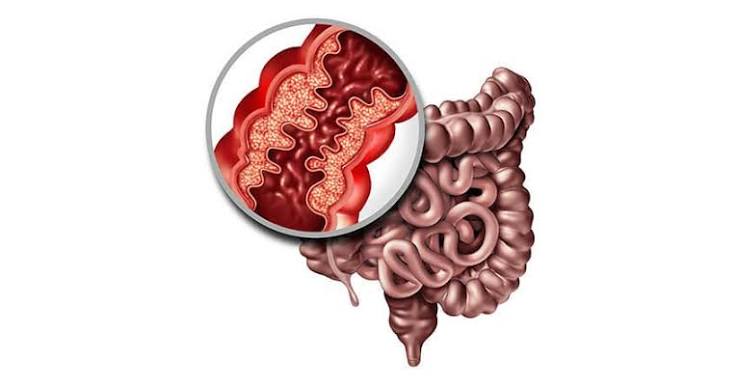
Crohn’s disease is a chronic autoimmune inflammatory disease of the gastrointestinal tract that can affect any segment from the mouth to the anus, though it most commonly targets the terminal ileum (the last part of the small intestine) and the right colon. It is one of the two main forms of inflammatory bowel disease (IBD), alongside ulcerative colitis. Understanding Crohn’s disease as an adult — whether newly diagnosed, living with a long-standing condition, or supporting someone close to you — means understanding its mechanism, recognising its warning signs, and knowing what the treatment landscape looks like today.
What Is Crohn’s Disease?
Crohn’s disease is a chronic, relapsing-remitting autoimmune inflammatory disease. “Relapsing-remitting” describes a clinical pattern in which periods of active disease (flares) alternate with periods of remission. The disease does not follow a predictable schedule — some people have infrequent mild flares over many years; others experience more severe, frequent, or progressive disease.
The defining pathological feature of Crohn’s is transmural inflammation — inflammation that penetrates the full thickness of the gut wall, not just the innermost mucosal lining as in ulcerative colitis. This full-thickness involvement directly causes the complications specific to Crohn’s: strictures (scarring and narrowing), fistulas (abnormal channels through the wall), and abscesses (pus collections). The transmural pattern also explains why surgery cannot cure Crohn’s the way it cures ulcerative colitis.
Another defining feature is skip lesions — patches of inflamed bowel separated by normal, healthy bowel tissue. This non-continuous distribution contrasts with the continuous spreading inflammation from the rectum that characterises UC.
Crohn’s affects approximately 0.1–0.3% of the population globally. It typically first presents in people aged 15–35, with a smaller second peak in those over 60. Unlike conditions that can be confused with it, such as IBS, Crohn’s disease produces visible structural damage and elevated inflammatory markers. For a direct comparison of symptoms and tests between these conditions, see our article on IBS vs IBD: What Is the Difference?
Symptoms of Crohn’s Disease in Adults
Crohn’s symptoms depend substantially on which part of the GI tract is affected and how active the inflammation is.
Terminal ileal and ileocolonic Crohn’s (the most common pattern, ~50% of cases):
- Abdominal pain in the right lower quadrant — the location of the terminal ileum — often worsening after eating (post-prandial pain as food passes through a narrowed or inflamed segment)
- Diarrhoea: frequent loose stools, which may or may not contain blood (blood is less common in pure small bowel disease than in colonic involvement)
- Weight loss: often significant; driven by both reduced food intake (eating triggers pain) and malabsorption from inflamed small bowel
- Fatigue: from anaemia (iron, B12, folate deficiency), malnutrition, and the systemic inflammatory burden
- Fever in active disease or when an abscess is developing
Perianal Crohn’s (affects approximately 25–30% of people with Crohn’s disease):
- Pain, swelling, and discharge around the anus
- Visible fistula openings on the perianal skin
- Acute severe pain and fever from perianal abscesses
Because right lower quadrant pain is the typical presentation of terminal ileal Crohn’s, it is sometimes initially mistaken for appendicitis — and some patients have appendectomies before Crohn’s is diagnosed. Pure small bowel Crohn’s without rectal involvement may produce no blood in the stool, making early presentation resemble IBS or a functional condition in young adults.
Complications: Strictures, Fistulas, and Abscesses
The transmural nature of Crohn’s inflammation is responsible for a set of complications that do not occur in functional IBS and are rare in ulcerative colitis.
Strictures: Repeated cycles of inflammation followed by healing cause fibrous scar tissue to accumulate in the gut wall, narrowing the lumen over time. When narrowing becomes significant, it causes mechanical obstruction. Typical symptoms are post-prandial colicky abdominal pain — pain that comes in waves, often 30–90 minutes after eating, sometimes with bloating, distension, nausea, or vomiting. Strictures can be inflammatory (oedema and active inflammation — may respond to anti-inflammatory treatment), fibrotic (fixed scar tissue — requires dilation or surgery), or mixed.
Fistulas: When transmural inflammation erodes through the gut wall entirely, it creates an abnormal channel — a fistula — connecting the bowel to an adjacent structure. The consequence depends on what structure the bowel connects to:
- Enteroenteric fistulas (bowel-to-bowel): may cause malabsorption by bypassing the normal digestive route
- Enterovesical fistulas (bowel to bladder): cause pneumaturia — gas in the urine, producing bubbles during urination — and recurrent urinary tract infections; a distinctive symptom that should always prompt investigation for Crohn’s
- Enterovaginal fistulas: faeculent vaginal discharge — profoundly quality-of-life-limiting
- Enterocutaneous fistulas: a visible opening discharging bowel contents onto the abdominal skin surface
- Perianal fistulas: the most common type — connecting the rectal or anal canal to the perianal skin, often via complex branching tracts
Abscesses: When inflamed tissue penetrates through the gut wall but cannot drain externally, pus accumulates in an abscess. Intra-abdominal abscesses cause fever, localised pain, and sometimes a palpable mass — and may progress to sepsis if untreated. Management requires drainage (by interventional radiology or surgery) plus antibiotics.
How Is Crohn’s Disease Diagnosed?
No single test confirms Crohn’s disease — diagnosis requires combining clinical assessment, endoscopy, imaging, and laboratory data.
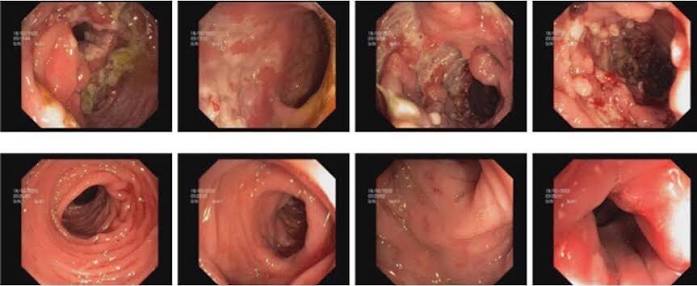
Colonoscopy with biopsies: The primary diagnostic tool. Crohn’s has characteristic endoscopic features — aphthous ulcers (the earliest finding), cobblestoning (deep ulcers surrounding islands of oedematous mucosa), skip lesions, and often rectal sparing (unlike UC, which always starts at the rectum). Biopsy may show non-caseating granulomas — pathognomonic for Crohn’s when present, though found in only approximately 30% of biopsies.
MRI enterography (MRE): Essential for evaluating the small bowel — the segment colonoscopy cannot directly visualise. MRE identifies disease location, extent, stricture type (inflammatory vs fibrotic), fistulas, and abscesses without radiation exposure. It is the gold standard investigation for obstructive symptoms or perianal disease.
Blood and stool tests: CRP and ESR are elevated in active disease and normal in remission. Full blood count identifies anaemia (iron deficiency from bleeding or malabsorption; B12 deficiency from terminal ileal disease). Albumin is low in severe disease. Stool calprotectin is elevated in active IBD (above 150–200 µg/g) and is particularly useful for monitoring disease activity and predicting relapse.
Medical Treatment for Crohn’s Disease
Crohn’s disease treatment is tailored to disease location, severity, and complication type. Modern management targets mucosal healing — confirmed by colonoscopy or normalised calprotectin — not just symptom control. (Torres et al., Lancet 2017)
Induction of remission:
- Budesonide: first-line for mild-to-moderate ileocaecal disease; topical steroid with minimal systemic effects; 9mg/day for 8–16 weeks
- Prednisolone: for moderate-to-severe disease; effective but not suitable for long-term use; always requires a plan for steroid-sparing maintenance therapy
- Exclusive enteral nutrition (EEN): liquid formula diet as the sole nutritional source for 6–8 weeks; first-line in paediatric Crohn’s; used in adults for nutritional support pre-operatively and as an adjunct
Maintenance therapy:
- Azathioprine and 6-mercaptopurine: thiopurines that suppress lymphocyte proliferation; the most widely used maintenance medications; slow onset (3–4 months to full effect); require regular blood count and liver function monitoring
- Methotrexate: alternative to thiopurines; weekly subcutaneous injection; teratogenic — requires strict contraception in both sexes
Biologic therapy: The most significant advance in Crohn’s management. (Colombel JF et al., SONIC trial, N Engl J Med 2010)
- Anti-TNF agents (infliximab, adalimumab): block TNF-α, the central pro-inflammatory cytokine. Infliximab is given as an IV infusion every 8 weeks; adalimumab is a home self-injection every 2 weeks. The landmark SONIC trial showed combination infliximab + azathioprine was superior to either agent alone for mucosal healing in moderate-severe Crohn’s.
- Vedolizumab: gut-selective anti-integrin; blocks lymphocyte entry specifically to the gut; fewer systemic side effects than anti-TNFs — preferred in older patients and those with comorbidities or high infection risk
- Ustekinumab: anti-IL-12/23; excellent safety profile; particularly effective for perianal Crohn’s disease
Top-down approach: Current evidence supports earlier biologic use (“top-down”) in high-risk patients: young age at diagnosis, perianal disease, extensive small bowel involvement, previous surgery, and elevated CRP at diagnosis. Top-down therapy has demonstrated superior mucosal healing compared to traditional step-up approaches in these patients.
Surgery for Crohn’s Disease
More than 50% of people with Crohn’s disease will require surgery at some point. Understanding what surgery can and cannot achieve is important.
What surgery achieves in Crohn’s: removal of complications (strictured segments, fistulas, abscesses), restoration of bowel function, and symptomatic relief after failed medical therapy. What surgery cannot achieve: cure — Crohn’s can recur at any anastomosis or at new sites.
Common surgical procedures:
- Ileocaecal resection: the most common Crohn’s operation; removes the terminal ileum and right colon; typically performed laparoscopically; excellent symptomatic relief, but without post-operative prophylaxis, endoscopic recurrence occurs in 70–80% within 12 months
- Stricturoplasty: widens a stricture without removing the bowel segment — important for preserving small bowel length in patients who have had multiple prior resections
- Perianal surgery: seton placement (a thread through the fistula tract providing drainage); examination under anaesthesia (EUA) to map fistula anatomy; stem cell therapy (darvadstrocel/Alofisel) is approved in Europe for complex refractory perianal fistulas
- Diverting ileostomy: temporarily diverts stool away from the perianal area to allow severe perianal disease to heal, often as a bridge to biologic therapy
Post-operative recurrence prevention: Every patient undergoing elective Crohn’s surgery should have: colonoscopy at 6–12 months post-operatively to assess for endoscopic recurrence; and prophylactic therapy started early post-operatively (metronidazole for 3 months, thiopurines for moderate-risk patients, anti-TNF biologics for high-risk: young age, smoking, perianal disease, prior resection). (Gionchetti P et al., J Crohns Colitis 2017)
Nutrition and Crohn’s Disease
Nutritional status is frequently compromised in Crohn’s disease, particularly when the small bowel is involved, with direct implications for quality of life, surgical risk, and drug efficacy.
Key malabsorption deficiencies:
- Vitamin B12: absorbed exclusively in the terminal ileum — Crohn’s disease with terminal ileal involvement or resection causes B12 deficiency; untreated, this causes megaloblastic anaemia and neurological damage; requires lifelong B12 injections after terminal ileal resection
- Iron: from chronic colonic bleeding (colonic Crohn’s) or duodenal inflammation impairing absorption
- Calcium and Vitamin D: from small bowel malabsorption and steroid use — contributes to osteopenia and osteoporosis
- Zinc: commonly low in active disease; important for wound healing and immune function
Diet during flares: low-fibre, low-residue foods reduce mechanical irritation. Low-fat diet in ileal Crohn’s reduces steatorrhoea (fat malabsorption causing pale, offensive, floating stools).
Diet in remission: A Mediterranean-style diet — rich in vegetables, legumes, whole grains, olive oil, and fish — supports gut microbiome diversity and has favourable data in IBD research. Avoiding ultra-processed foods and food emulsifiers (polysorbate-80, carboxymethylcellulose — common in processed products) is increasingly supported by mucosal barrier and microbiome research. A specialist IBD dietitian provides the most useful personalised dietary guidance.
The Emotional and Social Impact
Crohn’s disease significantly affects quality of life in ways extending well beyond gut symptoms. The emotional and social dimensions of the disease deserve the same clinical attention as the gastroenterological management.
Approximately 30–40% of people with Crohn’s disease have clinically significant anxiety or depression. Anxiety is largely driven by unpredictability — not knowing when the next flare will occur. Psychological stress reliably worsens Crohn’s disease through neuroimmune pathways — the gut-brain axis is bidirectional, and stress system activation triggers mucosal immune responses that can precipitate or amplify flares. Understanding how stress worsens digestive symptoms helps frame why psychological interventions are part of comprehensive Crohn’s management, not an optional add-on.
Perianal Crohn’s and quality of life: People with perianal Crohn’s — fistulas, abscesses, perianal skin tags — score significantly lower on quality of life measures than those with intestinal-only disease. Sexuality, intimacy, and body image are affected. Incontinence risk from aggressive surgical treatment adds further burden.
Young adults: Because Crohn’s disease most commonly presents between ages 15 and 35, it strikes at a time when people are entering education, beginning careers, and establishing relationships. Structured psychological support and peer groups (Crohn’s & Colitis UK; Crohn’s & Colitis Foundation in the US) are valuable resources for young adults newly diagnosed with Crohn’s disease. (Lamb et al., BSG Guidelines, Gut 2019)
Monitoring and Long-term Management
Crohn’s disease is not managed reactively — the modern standard of care is proactive, treat-to-target monitoring that aims to prevent complications before they develop rather than responding after they occur.
Treat-to-target: The current treatment goal in Crohn’s is “deep remission” — defined as clinical remission (no symptoms) combined with mucosal healing (confirmed by colonoscopy or calprotectin normalisation). Monitoring tools include:
- Stool calprotectin: a non-invasive way to assess gut inflammation at regular intervals — rising calprotectin in a patient in apparent clinical remission is an early warning of mucosal relapse, often predicting a flare 2–3 months before symptoms appear
- CRP: a blood marker of systemic inflammation; elevated in active disease; normal in remission; less sensitive than calprotectin for low-grade mucosal activity
- Colonoscopy: the definitive assessment of mucosal healing; typically repeated at intervals determined by disease extent and response to therapy
- MRI enterography: for monitoring small bowel disease, particularly when strictures or fistulas are present, to assess whether inflammation is responding to treatment or whether fibrotic strictures are developing
Drug monitoring: Thiopurines (azathioprine, 6-MP) require 3-monthly blood counts and liver function tests for the duration of use. Biologics do not require routine blood tests but require monitoring for infections and tuberculosis reactivation. All patients on biologics should be up to date with vaccinations before starting — live vaccines (MMR, yellow fever, varicella, BCG) are contraindicated once biologic therapy is initiated.
Bone health: Cumulative steroid exposure, small bowel malabsorption of calcium and vitamin D, and the chronic inflammatory state all contribute to osteopenia and osteoporosis in Crohn’s disease. Dual-energy X-ray absorptiometry (DEXA) scanning to assess bone mineral density is recommended in patients with significant steroid history, and calcium plus vitamin D supplementation should be standard alongside steroids.
Cancer surveillance: People with Crohn’s colitis affecting substantial portions of the colon have an increased colorectal cancer risk comparable to long-standing ulcerative colitis. Colonoscopic cancer surveillance — typically every 1–2 years after 8–10 years of extensive colonic disease — is recommended by gastroenterology guidelines. Small bowel adenocarcinoma is a rare but recognised complication of long-standing Crohn’s disease affecting the small bowel.
Fertility and pregnancy: Women with Crohn’s disease in remission have fertility rates close to the general population — active disease reduces fertility. Most maintenance medications, including azathioprine and biologics, are considered acceptable during pregnancy when disease control outweighs medication risk. Methotrexate is absolutely contraindicated before conception and during pregnancy for both sexes. Flares during pregnancy carry greater fetal risk than the medications used to control them — a principle that should guide shared decision-making with gastroenterology and obstetrics.
Frequently Asked Questions
What is Crohn’s disease?
Crohn’s disease is a chronic autoimmune inflammatory disease that can affect any segment of the gastrointestinal tract from the mouth to the anus, though it most commonly targets the terminal ileum and right colon. It causes transmural (full-thickness) inflammation, leading to a distinct set of complications — strictures, fistulas, and abscesses — specific to Crohn’s. It is one of the two forms of inflammatory bowel disease (IBD), alongside ulcerative colitis. It is not the same as IBS, which is a functional condition with no structural damage or inflammation.
What does Crohn’s disease feel like?
In terminal ileal disease — the most common pattern — it typically feels like recurrent right lower abdominal pain that worsens after eating, loose stools, progressive weight loss despite eating, and significant fatigue. During a flare, the pain is often cramp-like or colicky, sometimes severe enough to prevent eating. In remission, many people are completely symptom-free. Perianal Crohn’s causes persistent discomfort, pain, and discharge around the anus. Obstructive Crohn’s feels like severe abdominal distension and cramping after eating, sometimes with vomiting.
Is Crohn’s disease curable?
No — Crohn’s disease cannot currently be cured. Surgery removes complications and diseased segments but does not cure the disease; it can recur after resection. Medical therapy with biologics and immunosuppressants can achieve deep sustained remission including mucosal healing, and many people on effective treatment are in long-term remission with a good quality of life. The goal of treatment is deep, sustained remission with prevention of structural damage and complications — and this is an achievable and realistic goal for most people with Crohn’s disease on appropriate therapy.
What foods should I avoid with Crohn’s disease?
There is no universal Crohn’s disease diet. During flares, low-fibre, low-residue foods reduce mechanical irritation. In ileal disease with fat malabsorption, a low-fat diet reduces diarrhoea. Insoluble fibre (skins, seeds, nuts, raw vegetables) may worsen obstructive symptoms in stricturing disease. Ultra-processed foods and high-emulsifier products worsen gut permeability and microbiome health. Common individual triggers include high-FODMAP foods, spicy foods, alcohol, and caffeine — but these vary substantially between people. A structured assessment with an IBD dietitian provides more useful personalised guidance than self-imposed broad food restriction.
Does Crohn’s disease affect life expectancy?
In most cases, Crohn’s disease does not significantly reduce life expectancy when managed with modern treatment. Complications of severe, uncontrolled disease — accumulated steroid exposure, repeated surgical risk, sepsis from abscesses, and a small increased intestinal cancer risk — can affect long-term health when disease is poorly controlled. However, people with Crohn’s disease managed with contemporary therapies (biologics, regular monitoring, appropriate surgery) have near-normal life expectancy. Quality of life, rather than length of life, is the dominant concern in most people living with Crohn’s disease.
Can Crohn’s disease go into remission?
Yes — remission is an achievable and realistic goal for most people with Crohn’s disease. Clinical remission means absence of symptoms; deep remission (the current treatment target) means absence of symptoms plus mucosal healing confirmed on colonoscopy or by normalised stool calprotectin. Modern biologic therapies achieve deep remission in a substantial proportion of patients. Remission is not a cure — the disease can flare, particularly if medications are stopped. Most people in deep remission on continuous maintenance therapy remain stable for years.
What is the difference between Crohn’s disease and ulcerative colitis?
Both are forms of inflammatory bowel disease, but they differ fundamentally. Ulcerative colitis is confined to the mucosa of the colon and rectum, always involves the rectum, and extends continuously upward; its hallmark is bloody diarrhoea, and colectomy cures it. Crohn’s disease can affect any GI segment (mouth to anus), causes transmural (full-thickness) inflammation, often involves the terminal ileum, and presents with skip lesions; its distinct complications are strictures, fistulas, and abscesses; and surgery does not cure Crohn’s. For a full comparison, see our guide to inflammatory bowel disease explained.
This article is for educational purposes only and does not constitute medical advice. People experiencing possible Crohn’s disease symptoms — particularly right lower quadrant pain, unintentional weight loss, or blood in the stool — should seek prompt medical assessment.
References:
1. Torres J et al. Crohn’s disease. Lancet. 2017;389(10080):1741–55.
2. Lamb CA et al. BSG consensus guidelines on IBD in adults. Gut. 2019;68(Suppl 3):s1–s106.
3. Colombel JF et al. Infliximab, azathioprine, or combination therapy for Crohn’s disease (SONIC trial). N Engl J Med. 2010;362(15):1383–95.
4. Gionchetti P et al. 3rd European Evidence-based Consensus on the Diagnosis and Management of Crohn’s Disease. J Crohns Colitis. 2017;11(1):3–25.
The section on post-operative recurrence was really eye-opening. I had an ileocaecal resection 8 months ago and have been symptom-free, so I assumed everything was fine and hadn’t thought much about follow-up colonoscopy or prophylactic medication. Reading that endoscopic recurrence happens in 70-80% of patients within 12 months without prophylaxis — even when they feel well — has made me realise I need to be much more proactive about my follow-up appointments. I’ve now booked to see my gastroenterologist specifically to discuss this.
Claire — you’ve identified something genuinely important. The 70–80% endoscopic recurrence figure within 12 months without prophylaxis reflects how quickly Crohn’s can re-establish at the ileocolic anastomosis — and the critical point is that this endoscopic recurrence (visible on colonoscopy) almost always precedes symptomatic recurrence by months. By the time symptoms return, the inflammatory process is already well established in the new segment. The standard recommendation is a colonoscopy 6–12 months post-operatively, and if endoscopic recurrence is found (Rutgeerts score i2 or above), starting or intensifying prophylactic therapy at that point. If the colonoscopy is clear (i0 or i1), you monitor with calprotectin and a repeat colonoscopy 12–18 months later. The conversation to have at your appointment is: when should my post-operative colonoscopy be, and should I be on any prophylactic medication now while we wait for that result? Tom — you’ve understood the rationale exactly right. Perianal Crohn’s disease is one of the clearest indications for a top-down approach because it predicts a more aggressive overall disease course — patients with perianal disease are more likely to need surgery, more likely to have penetrating complications, and less likely to respond adequately to conventional immunomodulators alone. The SONIC trial data, and subsequent real-world cohort data, consistently show that for moderate-to-severe Crohn’s with high-risk features like yours, starting with biologic therapy (particularly combination infliximab + azathioprine) produces superior mucosal healing rates and better long-term outcomes than the traditional step-up approach. It is entirely appropriate to understand the reasoning behind your treatment plan — and asking your gastroenterologist to explain it is always the right thing to do.
Recently diagnosed with Crohn’s at 27 and this article helped me understand why my gastroenterologist suggested starting infliximab rather than trying milder treatments first. The explanation of the top-down approach — that high-risk patients do better starting with biologics rather than stepping up slowly — makes the recommendation make sense. My doctor mentioned I have perianal involvement, which apparently puts me in the high-risk category. Having the reasoning explained rather than just being told what to take was genuinely helpful.