
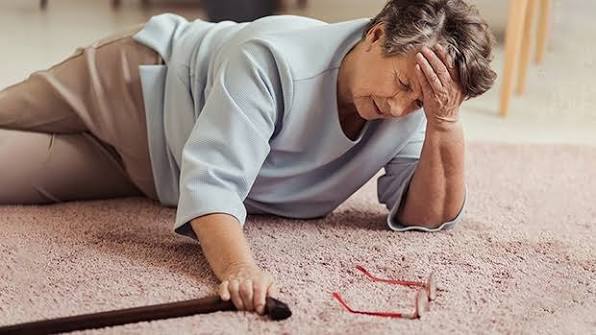
Balance problems and fall risk are among the most serious and preventable health concerns for adults over 65 — falls are the leading cause of injury-related death in this age group in high-income countries, and their consequences extend far beyond the physical injury. Approximately one-third of community-dwelling adults over 65 fall at least once each year; by age 80, half do. Of those who fall, 10–15% sustain a serious injury — hip fracture, head injury, or wrist fracture. A hip fracture carries a 30% one-year mortality in older adults, and only half of those who sustain one regain their pre-fracture level of independent mobility — many require long-term care. Balance problems are multifactorial: they arise from failures of the vestibular system, vision, proprioception, muscle strength, nervous system function, and medication side effects — often in combination. Understanding each contributing factor is essential to addressing them.
How Balance Works
Upright balance is maintained by the continuous integration of three sensory systems. The vestibular system — housed in the inner ear — detects head position, angular acceleration (via the semicircular canals), and linear acceleration including gravity (via the otolith organs). The visual system provides spatial orientation relative to the environment. The proprioceptive system — peripheral nerves, muscle spindles, and joint mechanoreceptors — detects body position, joint angles, and ground surface contact. The cerebellum integrates these three inputs and coordinates the motor responses needed to keep the centre of gravity over the base of support.
When the three systems conflict — in reduced light, on an unstable surface, or after sudden head movement — balance becomes challenging. Older adults rely more heavily on visual cues and are more vulnerable to falls when lighting is poor (getting up at night without turning on a light) or on uneven ground. The vestibuloocular reflex (VOR) keeps vision stable during head movement; its deterioration in older adults contributes to the blurred vision and unsteadiness experienced during head turns. Loss of any one sensory input (e.g., peripheral neuropathy removing proprioceptive feedback) places greater demand on the remaining systems, reducing the margin of safety.
Balance Problems and Fall Risk: Vestibular Causes
Benign Paroxysmal Positional Vertigo (BPPV)
Benign paroxysmal positional vertigo is the most common cause of vertigo in adults and one of the most important causes of falls. It results from displacement of calcium carbonate crystals (otoconia) from the utricular macula into one of the semicircular canals — usually the posterior canal. When the affected canal is moved into a gravity-dependent position, the otoconia move and create an abnormal endolymph flow signal, producing an intense sensation of spinning. The vertigo is characteristically brief (seconds to under a minute), intense, triggered by specific head positions (rolling over in bed, looking up at a high shelf, bending forward to pick something up), and accompanied by nystagmus that can be provoked on the Dix-Hallpike manoeuvre.
BPPV is highly treatable: the Epley manoeuvre — a sequence of head and body position changes designed to move the displaced otoconia out of the semicircular canal and back into the utricle — has a cure rate exceeding 90% and can be performed in a clinical appointment. It is arguably one of the most effective treatments in all of medicine relative to the effort required. Any older adult presenting with positional vertigo and a history of falls should be evaluated for BPPV and offered the Epley manoeuvre. Falls from BPPV typically occur during the triggering movement — bending, rolling over — and can produce serious injury.
Vestibular Neuritis and Ménière’s Disease
Vestibular neuritis — presumed viral inflammation of the vestibular nerve — produces acute, severe, continuous vertigo lasting days to weeks, with spontaneous nystagmus beating away from the affected side, nausea, and inability to walk. The acute phase carries extreme fall risk; the patient typically cannot stand without support. Recovery occurs through central compensation over weeks to months, with vestibular rehabilitation physiotherapy accelerating recovery. Ménière’s disease produces episodic attacks of vertigo (lasting 20 minutes to several hours), fluctuating hearing loss, tinnitus, and ear fullness. Drop attacks — Tumarkin crises — are sudden falls without warning from acute otolith dysfunction; these carry high injury risk. See our article on difficulty walking and musculoskeletal health for related discussion of balance in gait disorders.
Central Neurological Causes
Cerebellar disorders — from stroke, multiple sclerosis, chronic alcohol excess, or hereditary degeneration — impair the cerebellum’s ability to integrate balance signals and coordinate corrective muscle responses. The cerebellar ataxia they produce is wide-based, lurching, and worsened in all lighting conditions (unlike sensory ataxia, which specifically worsens with eyes closed). Intention tremor (tremor that increases as the hand approaches its target) and dysdiadochokinesia (inability to make rapid alternating movements smoothly) are additional cerebellar signs. The Romberg test — standing with feet together, eyes open then closed — differentiates cerebellar from sensory ataxia: cerebellar ataxia is present with both eyes open and closed; sensory ataxia worsens significantly on eye closure (positive Romberg).
Parkinson’s disease impairs balance through loss of postural reflexes — the righting reactions that normally prevent a fall when the body is displaced. Backward falls are characteristic, often occurring when the patient walks into furniture, steps back, or is bumped. Freezing of gait — the sudden inability to initiate or continue walking, particularly at doorways or on turning — causes falls when the upper body continues to move while the feet are stuck. See our article on difficulty walking for full detail on Parkinson’s gait.
Peripheral Neuropathy and Proprioceptive Loss
Peripheral neuropathy — from diabetes, B12 deficiency, or other causes — reduces the proprioceptive input from the feet and ankles that the balance system relies upon for spatial orientation. Patients describe the floor feeling “spongy” or “unreliable,” and find that unsteadiness is worse in the dark (when visual backup is removed) or on uneven ground (where the feet need to communicate complex positional information). Removing footwear can paradoxically improve balance in some patients by enhancing the sensory input from the plantar surface. See our article on muscle weakness: possible causes for a full discussion of peripheral neuropathy causes.

Medications: The Leading Modifiable Risk Factor
Medication side effects are the most important modifiable contributor to falls in older adults, and medication review is the single most impactful population-level falls prevention intervention. The key categories of high-risk medications:
- Benzodiazepines and Z-drugs: sedation, impaired balance, slowed reaction time; the risk persists with regular use, not only in the first weeks; falls risk increases by approximately 40% with benzodiazepine use in older adults
- Antihypertensives and diuretics: orthostatic hypotension (drop in blood pressure on standing) produces near-syncope on rising from a chair or bed, particularly first thing in the morning or after meals
- Antipsychotics and antihistamines: sedation, extrapyramidal effects (drug-induced parkinsonism), orthostatic hypotension
- Opioids: sedation, cognitive impairment, postural hypotension; consistent independent predictor of falls in older adults
- Tricyclic antidepressants: orthostatic hypotension, sedation, anticholinergic effects impairing cognition and vision
Polypharmacy — taking four or more medications — is independently associated with falls, beyond the effect of any individual drug. A structured medication review by a pharmacist or GP, with deprescribing of inappropriate medications, produces significant falls risk reduction in high-risk older adults. Orthostatic hypotension specifically should be screened for in older adults on antihypertensive therapy: it is defined as a drop of ≥20 mmHg in systolic or ≥10 mmHg in diastolic blood pressure within three minutes of standing, and its management includes medication adjustment, adequate hydration, compression stockings, and graded position change from bed to chair to standing.
Falls Risk Assessment
Identifying who is at highest risk of falling allows targeted, proactive intervention before a serious injury occurs — the best time to address fall risk is before the first injurious fall, not after. The NICE guideline CG161 recommends that any adult over 65 presenting to a healthcare professional after a fall, and any older adult with balance or gait impairment, should receive a multifactorial falls risk assessment. Standard tools include the Timed Up and Go (TUG) test — rising from a chair, walking 3 metres, returning, and sitting down; a time of 12 seconds or more indicates significantly increased falls risk — and the Berg Balance Scale (a 14-item observational balance assessment; a score below 45/56 predicts fall risk). The single most predictive question is: “Have you fallen in the past 12 months?” Two or more falls in the past year, or one fall with injury, triggers formal multifactorial assessment. Fear of falling — present in approximately 50% of older adults who have fallen — creates a self-reinforcing cycle: activity restriction → deconditioning → greater instability → higher subsequent fall rate. Addressing fear of falling is an explicit component of falls prevention programmes; the evidence-based approach includes both targeted exercise (which builds confidence alongside physical capacity) and psychological components such as cognitive behavioural strategies.
Musculoskeletal Weakness, Vision, and Sarcopenia
Lower limb muscle weakness — particularly quadriceps weakness, reduced hip extensor strength, and weakness of the ankle dorsiflexors — reduces the ability to recover from a stumble (the “reactive stepping” response). Sarcopenia doubles the risk of falls; grip strength below the EWGSOP2 thresholds predicts fall risk independently of other factors. See our article on loss of grip strength for detail. Foot problems — bunions, hammertoes, poorly fitting footwear, toenail deformities — alter the foot’s base of support and reduce plantar sensory input.
Visual impairment doubles falls risk. Uncorrected refractive error is one of the most readily correctable risk factors; first-eye cataract surgery significantly reduces falls rate, and second-eye surgery provides additional benefit. Annual vision screening in older adults, with prompt referral for correction, is an effective and underused falls prevention measure. Multifocal glasses — though helpful for daily vision — increase falls risk in community-dwelling older adults due to distortion of the lower visual field during walking; separate distance glasses for outdoor walking is a practical recommendation for those using multifocals.
Evidence-Based Falls Prevention
Falls prevention in older adults is one of the best-evidenced areas of geriatric medicine. A multifactorial assessment and intervention — addressing each of the risk factors present for an individual patient — reduces fall rate by approximately 25–30% in high-risk populations. The key components with the best evidence:
- Exercise: balance-focused exercise (Tai Chi, balance training, the OTAGO home exercise programme) reduces fall rate by approximately 24%; the effect is sustained with ongoing practice. Tai Chi is particularly well-studied and reduces both falls and fall-related injuries. See our article on muscle stiffness causes and prevention for exercise strategies
- Vitamin D supplementation: 800–1000 IU/day reduces falls risk in deficient older adults, most effectively when combined with adequate calcium intake
- Medication review: discontinuing or reducing benzodiazepines, opioids, and antihypertensives where appropriate
- Home hazard assessment and modification: removing loose rugs, improving lighting (particularly night lights to the bathroom), adding grab rails and handrails, securing loose cables; reduces falls in community-dwelling older adults by approximately 26%
- Vision correction: cataract surgery, up-to-date glasses prescription, use of separate distance glasses outdoors
- Hip protectors: reduce hip fracture risk from falls in nursing home residents; compliance (adherence to wearing them) is the primary barrier to effectiveness
The strongest evidence supports combining several of these interventions simultaneously rather than addressing only one risk factor. For example, addressing medications alone without improving balance, or improving balance without correcting vision, leaves significant residual risk. The NICE CG161 falls guideline recommends a structured multifactorial intervention for all older adults who have fallen or who have identified risk factors — including a medication review, exercise referral, visual assessment, and home hazard evaluation conducted as a coordinated programme rather than isolated single interventions. GP practices and hospital trusts in the UK increasingly run dedicated falls prevention clinics offering comprehensive assessment and referral to the relevant components (physiotherapy, pharmacy, ophthalmology, community occupational therapy for home hazard assessment).
Red Flags and Warning Signs
- Fall resulting in hip pain and inability to bear weight — possible hip fracture; ambulance and emergency orthopaedic assessment
- Fall with head injury + any of: loss of consciousness, confusion, severe headache, vomiting — possible intracranial haemorrhage; emergency assessment
- Sudden onset severe vertigo + neurological symptoms (double vision, facial numbness, limb weakness, dysphagia) — possible posterior circulation stroke; emergency services immediately
- Sudden unexpected fall without preceding dizziness or trip — possible cardiac syncope (arrhythmia); 12-lead ECG urgently
- Two or more falls in the past 12 months, or one fall that caused injury
- Positional vertigo (triggered by rolling over in bed, looking up) — BPPV; Epley manoeuvre is highly effective
- Light-headedness on standing — orthostatic hypotension; medication review and hydration assessment
- Taking ≥4 medications, particularly benzodiazepines, antihypertensives, or opioids — medication review
- Progressive balance impairment limiting outdoor walking — multifactorial assessment
Related Articles on Horizon Health Guide
- Difficulty Walking and Musculoskeletal Health
- Muscle Weakness: Possible Causes
- Loss of Grip Strength: What Adults Should Know
- Muscle Stiffness: Causes and Prevention
- Hip Pain: Common Causes
Frequently Asked Questions
What is the most common cause of balance problems in older adults?
Balance problems in older adults are almost always multifactorial — multiple contributing factors coexist. The most common individual contributors are: sarcopenia and lower limb muscle weakness (reducing the reactive stepping response to a stumble); medication side effects (particularly benzodiazepines, antihypertensives, and opioids causing sedation and orthostatic hypotension); vestibular disorders — particularly BPPV — causing positional vertigo; peripheral neuropathy reducing proprioceptive input; and visual impairment. In any individual older adult, a falls risk assessment should identify which combination of factors is present, because each is separately addressable.
What is the Epley manoeuvre and does it work?
The Epley manoeuvre is a sequence of head and body position changes designed to move displaced calcium carbonate crystals (otoconia) from the affected semicircular canal back into the utricle of the inner ear, where they cause no symptoms. It is the treatment of choice for the most common form of BPPV (posterior canal). The patient is moved through four positions, holding each for 30 seconds while the provider monitors for nystagmus. The cure rate on the first attempt exceeds 80%; after a repeat manoeuvre the rate exceeds 90%. The effect is immediate — many patients are relieved within the appointment. Home Epley manoeuvres (self-administered or guided by a partner) are also effective for recurrent BPPV. Given how common BPPV is and how effective the manoeuvre is, any older adult with positional vertigo should be offered this assessment and treatment promptly.
How do medications cause falls?
Medications cause falls through several mechanisms: sedation and impaired reaction time (benzodiazepines, opioids, antihistamines, antipsychotics) — reducing the speed and accuracy of the balance correction response; orthostatic hypotension (antihypertensives, diuretics, alpha-blockers, tricyclic antidepressants) — causing dizziness or near-syncope on standing; extrapyramidal effects causing a drug-induced parkinsonism with shuffling gait and impaired postural reflexes (antipsychotics, metoclopramide); and cognitive impairment reducing spatial awareness and attention to the environment. The risk is greatest in the first weeks after starting a new medication, when the patient is not yet adapted to its effects, and when multiple high-risk drugs are combined (polypharmacy).
Can exercise really reduce the risk of falling?
Yes — exercise is the single most evidence-based intervention for falls prevention. A Cochrane systematic review of over 100 trials found that balance and functional exercise programmes reduce the rate of falls by approximately 24%. Tai Chi — which combines balance training, lower limb strengthening, slow controlled movement, and mindfulness — has particularly strong evidence, reducing both the rate of falls and the risk of fall-related injury. The OTAGO exercise programme, a home-based strength and balance programme delivered by physiotherapists, reduces falls by approximately 35% in high-risk older adults. The key is that the exercise must include a balance component — walking alone is not sufficient and may not reduce falls risk, because it does not specifically challenge postural stability.
What is orthostatic hypotension and why does it cause falls?
Orthostatic hypotension is a drop of at least 20 mmHg in systolic blood pressure (or 10 mmHg diastolic) within three minutes of standing from a sitting or lying position. This drop in cerebral perfusion produces light-headedness, visual dimming (“grey out”), or near-syncope, and can cause a fall at the moment of standing — typically first thing in the morning, after a meal, or after prolonged sitting. It is common in older adults taking antihypertensive medications, in those with autonomic neuropathy (diabetes, Parkinson’s), and in those who are dehydrated. Management: review and adjust antihypertensives; ensure adequate hydration; advise the patient to rise slowly (sit at the edge of the bed, pause before standing); compression stockings for daytime lower limb venous pooling; and fludrocortisone in refractory cases.
When is dizziness a sign of something serious?
Most dizziness in adults is benign — BPPV, vestibular neuritis, or orthostatic hypotension — and responds to targeted treatment. However, certain features require emergency evaluation: sudden onset of severe vertigo accompanied by any neurological symptoms (double vision, facial or limb weakness or numbness, slurred speech, swallowing difficulty, sudden severe headache) suggests a posterior circulation stroke — call emergency services. Vertigo with new hearing loss could indicate a labyrinthine infarction. Recurrent unexplained falls without prior warning, particularly without any dizzy sensation, raise the possibility of cardiac syncope — an arrhythmia causing a brief loss of output — which requires an urgent 12-lead ECG and cardiac monitoring. Any dizziness with chest pain, palpitations, or extreme pallor warrants emergency assessment.
Should I see a physiotherapist for balance problems?
Yes — physiotherapy is one of the most effective interventions for balance problems and falls prevention. A physiotherapist can assess your balance formally (Timed Up and Go test, Berg Balance Scale, standing balance tests), identify specific impairments (ankle proprioception, hip abductor strength, postural sway), and prescribe a targeted exercise programme. Vestibular physiotherapy — specialist physiotherapy for vestibular disorders — is the first-line treatment for chronic dizziness from vestibular hypofunction and significantly accelerates recovery from vestibular neuritis. A GP referral to a falls prevention programme (where these exist) typically includes physiotherapy, medication review, vision assessment, and home hazard evaluation — the evidence-based multifactorial approach that achieves the best outcomes.
References
- Gillespie LD, et al. Interventions for preventing falls in older people living in the community. Cochrane Database Syst Rev. 2012;9:CD007146.
- Epley JM. The canalith repositioning procedure: for treatment of benign paroxysmal positional vertigo. Otolaryngol Head Neck Surg. 1992;107(3):399-404.
- Tinetti ME, Williams CS. The effect of falls and fall injuries on functioning in community-dwelling older persons. J Gerontol A Biol Sci Med Sci. 1998;53(2):M112-M119.
- Peeters G, et al. Medication-related falls in the elderly. Drugs Aging. 2008;25(6):461-471.
- Campbell AJ, Robertson MC. Rethinking individual and community fall prevention strategies. Age Ageing. 2007;36(5):506-508.
This article is for educational purposes only and does not constitute medical advice. Always consult a qualified healthcare professional for evaluation of balance problems and falls risk.
I had BPPV for three months and didn’t know what it was — every morning when I rolled out of bed the room spun violently and I fell twice. My GP finally did the Dix-Hallpike test and immediately performed the Epley manoeuvre. It worked within a week. I wish someone had explained this to me sooner — I was terrified I had a brain tumour.
Hi Anne — BPPV is so commonly misdiagnosed or missed entirely, and the anxiety it causes (particularly the fear of a serious neurological cause) is significant. The Epley manoeuvre is so effective and so quick that every GP and emergency doctor should be confident performing it. If you have any recurrence, the same manoeuvre is equally effective for subsequent episodes. Recurrence is common — approximately 15–20% of patients will have a further episode within a year — but it is just as treatable each time.
The medication section is important. My father-in-law was on amlodipine, bendroflumethiazide, and a sleeping tablet — he was falling every few weeks. The pharmacist at his GP practice did a medication review and stopped the sleeping tablet and reduced the diuretic dose. He’s had no falls in six months. It sounds obvious in hindsight but nobody had looked at his whole medication list together before.