
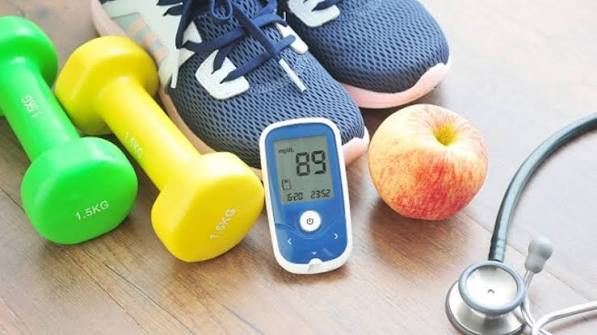
Starting an exercise program with diabetes feels overwhelming for many adults. Concerns about low blood sugar, uncertainty about safe activities, and no clear roadmap stop many people before they begin. A beginner exercise plan for blood sugar removes that uncertainty. It provides a progressive framework that starts conservatively, builds safely over 8–12 weeks, and targets the 150 minutes of weekly activity that research links to meaningful A1C reduction.
This guide provides a complete beginner exercise plan for blood sugar support. It includes weekly schedules, safe glucose thresholds, blood sugar monitoring guidance, and the progression strategy most adults with diabetes can follow.

Why a Beginner Plan Differs From General Exercise Guidelines
Standard public health guidelines recommend 150 minutes per week of moderate activity. This describes the target for a conditioned adult — not the starting point for someone sedentary for months or years.
Sedentary adults who jump to 150 minutes often experience muscle soreness, joint pain, fatigue, and blood sugar disruption. Most quit within two to three weeks. A beginner plan for blood sugar differs in three critical ways.
Progressive Volume Build
A beginner plan starts at 10–20 minutes per session and 3 days per week. Volume increases by 10–15% each week. This rate allows muscles and joints to adapt without injury. It also gives the body’s insulin signaling mechanisms time to adjust gradually. Unpredictable glucose responses are much less likely with a slow, steady volume increase.
Glucose Monitoring Integration
A beginner plan includes explicit blood sugar check protocols. Check before exercise, optionally during longer sessions, and 1–2 hours afterward. These checks let you identify your personal glucose response pattern before reaching full exercise volume. You can adjust carbohydrate intake or timing with confidence — not guesswork. Our safe exercise with diabetes guide covers activity selection across fitness levels.
Activity Selection for Your Starting Fitness Level
A beginner plan recommends low-impact, joint-friendly activities: walking, chair exercises, water walking, and cycling. These carry the lowest injury risk for deconditioned adults. They also protect the large proportion of adults with Type 2 diabetes who have osteoarthritis. High-impact activities like running and jump rope can worsen joint pain and are not appropriate starting points for most beginners.
Blood Sugar Safety Before Every Exercise Session
Checking blood glucose before exercise gives you the data you need to exercise confidently. The American Diabetes Association establishes clear thresholds for when to exercise, when to eat a small snack first, and when to postpone.
Safe to Exercise — 100 to 180 mg/dL
This is the ideal pre-exercise glucose range for most adults with diabetes. Exercise can begin without any adjustment. For beginners doing 10–20 minute sessions, glucose is unlikely to fall below 70 mg/dL starting in this range.
Eat a Snack First — 80 to 100 mg/dL
A pre-exercise glucose below 100 mg/dL (but above 70) is not a contraindication. But it calls for a small 15-gram carbohydrate snack 15 minutes before exercise. A small piece of fruit, 4 crackers, or half a cup of juice work well. After several sessions of data collection, many beginners find they can exercise at 90–100 mg/dL without a snack for short sessions.
Postpone Exercise — Below 70 or Above 250 mg/dL
Below 70 mg/dL: treat hypoglycemia first. Eat 15 grams of fast carbohydrate, wait 15 minutes, recheck. Do not exercise until glucose returns to a safe level. Above 250 mg/dL with ketones present: postpone exercise. High-intensity exercise can temporarily worsen hyperglycemia in this situation. Our exercise and hypoglycemia prevention guide covers the full pre-exercise glucose protocol. The ADA’s exercise and blood sugar guidance provides the clinical basis for these thresholds.
The 12-Week Beginner Exercise Plan for Blood Sugar
This 12-week plan builds from 30 minutes of activity in Week 1 to 150+ minutes in Week 12. It follows the 10% weekly volume increase principle. Walking is the primary activity — it needs no equipment, has the strongest blood sugar evidence base, and carries the lowest injury risk. Any low-impact aerobic activity can substitute at equivalent intensity.
Weeks 1–2: Foundation Phase (30–40 Minutes Total Weekly)
Exercise 3 days per week, 10 minutes each session, at a comfortable pace. You should hold a conversation with slight breathlessness — not gasping. Check glucose before each session. The goal in these first two weeks is not fitness improvement. It is establishing the habit and collecting glucose data.
Most beginners see fasting glucose fall 5–10 mg/dL within the first 10–14 days. This early signal confirms the program is working — before any fitness change is noticeable. Our walking after meals for blood sugar guide covers timing strategies that maximize post-meal glucose reduction even for 10-minute sessions.
Weeks 3–4: Build Phase (50–60 Minutes Weekly)
Move to 3–4 sessions per week, 15–20 minutes each. Increase pace slightly if Week 1–2 felt very comfortable. At 50–60 minutes per week, research documents A1C reduction of 0.2–0.3% after 4–6 weeks in adults who were previously sedentary.
Add 5 minutes of gentle stretching at the end of each session. Seated hip circles, ankle rolls, and calf stretches prepare the body for the volume increases ahead. Our stretching and mobility for diabetes guide covers the complete flexibility protocol for adults with diabetes.
Weeks 5–8: Development Phase (90–120 Minutes Weekly)
Four sessions per week, 20–30 minutes each. One session can run 30–35 minutes if time allows. At this phase, consider adding one resistance training session per week. Bodyweight squats, wall push-ups, and resistance band rows all work. They begin building muscle mass that expands resting glucose disposal capacity.
The evidence for adding resistance training from Week 6–8 onward is strong. Combined aerobic-plus-resistance programs produce significantly greater A1C reduction at 24 weeks than aerobic exercise alone. Our strength training for Type 2 diabetes guide covers the beginner resistance program that complements this walking plan.
Weeks 9–12: Target Phase (140–160 Minutes Weekly)
Five sessions per week, 28–35 minutes each. Pace should produce moderate breathlessness — the “somewhat hard” zone. You can still speak in short sentences but need effort. At 150 minutes per week, the program reaches the ADA-recommended minimum exercise volume for blood sugar management.
Adults who complete a 12-week progressive program at this pace typically achieve A1C reduction of 0.6–0.9% compared to baseline. This is equivalent to a modest diabetes medication adjustment. Our how much exercise helps blood sugar guide covers the dose-response relationship at this volume. The CDC’s physical activity and diabetes resources cover the 150-minute weekly target and how to maintain it.
Chair Exercises for Adults With Joint or Mobility Limitations
Some adults with diabetes also have knee or hip arthritis, significant peripheral neuropathy, or obesity that makes sustained walking painful. Chair-based exercises provide a fully accessible entry point. They deliver genuine cardiovascular and glucose benefit without joint impact.
Seated Marching
Sit upright in a sturdy chair with feet flat on the floor. Alternate lifting each knee toward the chest at a brisk pace. Aim for mild breathlessness within 2–3 minutes. Seated marching activates the quadriceps, hip flexors, and core — the primary muscles for exercise-mediated glucose uptake. Start with 5 minutes and build to 10–15 minutes over 3–4 weeks.
Adults with peripheral neuropathy who have balance concerns during standing exercise find seated marching eliminates fall risk completely while maintaining cardiovascular intensity. Our diabetes and nerve damage guide covers the neuropathy context that makes chair exercises the preferred modality for many adults.
Seated Arm Circles and Upper Body Movement
Continuous seated arm circles for 5 minutes — 30 seconds forward, 30 seconds backward — maintains heart rate elevation between lower-body chair exercise sets. Upper body aerobic activity produces proportionally less glucose uptake than lower body exercise. But it still contributes meaningfully to the total weekly exercise dose.
This matters for adults with lower-extremity limitations that prevent any leg-based exercise. Combining seated arm exercise with seated leg exercise allows reaching the 150-minute weekly exercise target through chair-only sessions.
Seated Resistance Exercises
Chair exercises can include light resistance training. Use two cans as hand weights or a resistance band looped under the chair. Seated bicep curls, overhead presses, and resistance band rows develop arm and upper body muscle mass. This expands resting glucose disposal capacity alongside the cardiovascular benefit from marching.
Adults who perform a combined seated aerobic-plus-resistance circuit for 20–30 minutes, 3–4 times per week, achieve glucose improvement approaching standing combined exercise programs. Our strength training for Type 2 diabetes guide covers the full resistance framework for all mobility levels. The CDC’s physical activity and diabetes resources cover chair and seated exercise as a valid entry point for adults with diabetes and mobility limitations.
Common Beginner Mistakes That Slow Blood Sugar Progress
Adults starting a beginner exercise plan for blood sugar often encounter predictable obstacles. Most are preventable with the right adjustments.
Starting Too Fast and Getting Injured
The most common reason beginners quit is starting at too high a volume or intensity. Significant soreness or joint pain makes exercise feel unpleasant for several days. The momentum needed to resume is lost. Beginning at 10 minutes per session — even when it feels too easy — and adding volume in small weekly increments prevents this pattern.
Soreness should be mild: a “good tired” feeling after 10–15 minutes of gentle walking. Significant joint pain, sharp muscle pain, or soreness lasting more than 48 hours signals the volume or intensity is too high. Reduce it.
Compensating With Larger Meals
Exercise that burns 100–200 calories commonly triggers appetite increases of 200–400 extra calories. This fully offsets the glucose benefit of the session. It explains why some beginners see no glucose improvement despite consistent exercise.
Being aware of this compensation pattern helps prevent it. Avoid increasing meal size during the first 4–6 weeks while the exercise habit establishes. The dietary framework that maximizes glucose improvement alongside exercise is in our best foods for blood sugar control guide.
Skipping the Post-Exercise Glucose Check
The 1–2 hour post-exercise glucose check is the most informative data point for calibrating your beginner plan. It reveals how much glucose falls during and after each activity type. This data allows snack and timing adjustments that prevent hypoglycemia and maximize glucose reduction.
Adults who skip this check miss the opportunity to build individualized glucose response data. That data is what allows confident, self-directed exercise management over time. The NIDDK’s diabetes management overview covers the monitoring framework that supports exercise progress tracking. Our blood sugar and exercise guide provides the full glucose monitoring protocol for exercise sessions.
Tracking Progress — How to Know Your Plan Is Working
A beginner exercise plan for blood sugar produces measurable, trackable improvements. Monitoring the right metrics prevents discouragement and builds motivation to continue.
Fasting Glucose as the Early Signal
Fasting morning glucose responds to consistent exercise within 2–4 weeks. Most beginners see fasting glucose fall 5–15 mg/dL before any A1C change is measurable. This early reduction reflects the 24–48 hour post-exercise insulin sensitization effect. Exercise on Monday lowers Tuesday morning glucose. Exercise on Wednesday lowers Thursday morning glucose.
Track fasting glucose on a simple paper log or phone app. Look for a downward trend over 2–3 weeks. If fasting glucose does not trend downward after 3–4 weeks of consistent exercise, dietary adjustments, stress management, or medication review may also be needed. Our blood sugar log and tracking guide covers the tracking approach that supports progress monitoring.
Session Duration Milestone
One of the most motivating early progress markers is completing a longer session than was possible at program start. Walking 20 minutes at the same perceived effort that caused breathlessness at 10 minutes in Week 1 signals real cardiovascular fitness improvement.
Log session duration weekly. Note when previously challenging durations feel comfortable. This is permission — and encouragement — to increase weekly volume. Most adults completing a 12-week progressive plan find that 30-minute sessions at mild breathlessness pace feel sustainable by Week 10–12.
A1C at 12 Weeks
The 12-week A1C check confirms whether the exercise program has produced the expected cumulative glucose reduction. Adults completing 8–12 weeks of consistent exercise at 100–150 minutes per week typically achieve A1C reduction of 0.4–0.8% compared to baseline. Greater reductions occur in those with higher baseline A1C (above 8.0%) and those who add resistance training.
If the 12-week A1C has not changed meaningfully despite consistent exercise, review possible limiting factors with your diabetes care team: diet, medication adjustments, sleep quality, and stress levels. The A1C monitoring framework and target interpretation is in our A1C testing schedule guide. The blood sugar and exercise overview that explains the mechanism behind these A1C changes is in our blood sugar and exercise guide. The NIDDK’s diabetes management overview integrates exercise tracking with the broader diabetes care monitoring approach that supports long-term glucose management.
Water Exercise — The Joint-Friendly Option for Overweight Beginners
Water walking, pool aerobics, and swimming provide cardiovascular exercise at equivalent intensity to land-based walking. But they reduce joint loading by 50–75%. This makes aquatic exercise the optimal entry point for adults with diabetes who carry excess weight that makes sustained land walking painful.
Why Water Walking Works for Blood Sugar
Water buoyancy offloads approximately 60–75% of body weight in chest-deep water. This allows brisk walking pace without knee or hip impact. Heart rate rises to moderate-intensity levels. Large leg muscles activate fully and drive glucose uptake. The result: equivalent cardiovascular and blood sugar benefit to land walking, with minimal joint pain.
Adults who begin with 15–20 minutes of pool walking 3 times per week can typically progress to 30-minute sessions within 3–4 weeks. This is faster progression than land-based programs. Consistent exercise without joint pain soreness means no recovery gaps that interrupt the habit-building period. Most YMCAs, community recreation centers, and hotel pools accommodate water walking without formal instruction.
Transitioning From Water to Land Exercise
Adults who start in a pool can progressively shift to land-based walking as fitness and body composition improve. This typically becomes possible at 8–12 weeks into the program. Weight loss from consistent exercise reduces the joint loading that made land walking painful at baseline.
The transition strategy: alternate water sessions and land sessions initially. Start with 2 water days and 1 land day per week. Gradually reverse the ratio over 4–6 weeks. This allows the body to adapt to increased land-based joint loading without pain spikes that disrupt the exercise habit. Our heart-healthy exercise for people with diabetes guide covers the cardiovascular risk reduction benefits of sustained exercise throughout this transition. The NIDDK’s 4 steps to managing diabetes include physical activity as a core component alongside monitoring and medication management.
What to Do When You Miss Exercise Sessions
Life interrupts exercise programs. Illness, travel, family demands, and work pressures cause missed sessions for every adult who exercises. Knowing how to respond to missed sessions prevents one skip from becoming two weeks of inactivity.
Missing 1–2 Sessions — Resume Without Adjustment
Missing one or two sessions within a week does not require any program adjustment. Resume the next scheduled session at the same duration and intensity. The body does not lose meaningful fitness or glucose management benefit from a 2–3 day exercise gap. Research confirms that the 24–48 hour post-exercise insulin sensitization effect persists even with occasional gaps. Simply resume where you left off.
Missing 1–2 Weeks — Return at 80% Volume
Missing a full week or two (from illness, travel, or a life disruption) requires a brief recalibration. Return at 80% of previous session duration and intensity for the first week back. If you were doing 25-minute sessions before the gap, start the return week with 20-minute sessions. Resume full volume in week two. This prevents the overexertion soreness that comes from jumping back to full intensity after a detraining gap.
Missing 3+ Weeks — Restart at Phase 1
A gap of 3 or more weeks causes measurable fitness detraining. Jumping back to the volume you left off at commonly causes injury or excessive soreness. Restart at the Phase 1 volume (10 minutes per session, 3 days per week) for one to two weeks. Progress back through the phases more quickly — most adults return to previous fitness levels faster than the initial build, typically in 3–4 weeks rather than 8–12 weeks. The habit-building strategies that prevent extended gaps are in our building healthy habits with diabetes guide. Our safe exercise with diabetes guide covers the return-to-exercise approach after illness and other interruptions. The ADA’s physical activity resources for diabetes cover how to maintain and resume exercise programs across common life disruptions.
Beyond 12 Weeks — Continuing to Progress
Completing the 12-week beginner plan is a significant achievement. At this point, exercise is an established habit and 150 minutes of weekly aerobic activity is achievable. The question becomes: what comes next?
Maintaining 150 Minutes Per Week
The first priority after completing the beginner plan is maintaining the 150-minute weekly volume consistently for at least 3–6 months. Consistency at this volume produces cumulative cardiovascular and glucose improvements that build over time. A1C reduction accumulates gradually with each additional month of consistent exercise. The largest gains appear at months 3–6 of continuous exercise, not at week 12.
Adding Intensity Gradually
After 2–3 months at 150 minutes per week of moderate intensity, adding short intervals of slightly higher intensity (brisk walking sections within a steady-pace walk) produces further cardiovascular and glucose improvement. Start with 1-minute brisk intervals every 5 minutes of walking. Build to 2-minute intervals. This approach produces vigorous-intensity cardiovascular benefit without the full HIIT risk profile. Our how much exercise helps blood sugar guide covers the dose-response evidence at 150+ minutes per week. The sedentary break strategy that complements the full exercise program is in our sedentary breaks and blood sugar control guide. The heart-healthy exercise framework that integrates the complete weekly program is in our heart-healthy exercise for people with diabetes guide. The CDC’s diabetes physical activity resources cover progression beyond the initial 150-minute weekly target for adults seeking greater cardiovascular and metabolic benefit.
Adding Resistance Training to the Program
Adding 2 resistance training sessions per week from Week 8 onward produces the combined aerobic-plus-resistance glucose benefit documented in multiple clinical trials. Resistance training builds muscle mass that permanently expands resting glucose disposal capacity. This benefit accumulates over months and persists even during brief exercise gaps. The full resistance exercise protocol for adults with diabetes is in our strength training for Type 2 diabetes guide. The walking after meals timing strategy that maximizes daily blood sugar benefit alongside the structured exercise program is in our walking after meals for blood sugar guide. The exercise and hypoglycemia prevention framework that supports confident exercise as intensity increases is in our exercise and hypoglycemia prevention guide. The NIDDK’s diabetes management overview covers the integrated lifestyle approach that combines physical activity with diet and monitoring for optimal glucose control.
Sources: American Diabetes Association Standards of Care in Diabetes 2024; CDC Physical Activity Guidelines for Americans; NIDDK Physical Activity and Diabetes overview; Colberg SR et al. Exercise and Type 2 Diabetes: The American College of Sports Medicine and the American Diabetes Association Joint Position Statement. Diabetes Care 2010.
As someone dealing with this personally, the beginner exercise plan for blood sugar section was very helpful. The section on managing this condition day-to-day was especially useful for planning. Looking forward to reading more articles from this website.
Came across this while researching beginner exercise plan for blood sugar for a family member. The section on managing this condition day-to-day was especially useful for planning. Forwarding this to others in my support group who are dealing with similar issues.
I shared this article on beginner exercise plan for blood sugar with my doctor and they appreciated the level of detail. It is refreshing to see an article that acknowledges individual variation rather than one-size-fits-all advice. Appreciate the effort that went into researching and writing this — it shows.