

The Postprandial Glucose Problem
Understanding exercise after meals and blood sugar begins with understanding what happens to blood glucose in the 2 hours after eating — and why managing this postprandial period is central to diabetes prevention and glucose control. When carbohydrates are consumed, they are digested and absorbed into the bloodstream as glucose, causing blood sugar to rise. In metabolically healthy adults, this postprandial glucose peak is modest (typically peaking at 120–140 mg/dL) and quickly resolved by insulin-stimulated glucose uptake into muscle, liver, and fat cells. In adults with prediabetes or Type 2 diabetes, insulin resistance impairs this uptake, allowing the postprandial glucose peak to reach 160–200+ mg/dL and persist for 2–3 hours before returning to baseline — exposing the entire body to prolonged hyperglycemia that damages blood vessel walls, accelerates atherosclerosis, promotes protein glycation, and stresses the beta cells required to produce the excess insulin needed to eventually resolve the spike. Our guide on what is insulin resistance explains the cellular mechanisms that allow postprandial glucose to remain elevated for extended periods in people with insulin resistance.
Postprandial hyperglycemia is not merely a marker of poor glucose control — it is an independent risk factor for cardiovascular disease, even in people whose fasting glucose is normal or only mildly elevated. The DECODE study, a large European epidemiological analysis, found that postprandial glucose was a stronger predictor of cardiovascular mortality than fasting glucose in adults without diagnosed diabetes — meaning that the glucose spikes that occur after meals carry risk that fasting glucose measurements alone miss. This is why interventions specifically targeting the postprandial period, including the timing of exercise, have received increasing research attention as tools for cardiovascular risk reduction in adults with prediabetes and those at elevated metabolic risk. Our guide on diabetes and cholesterol covers the cardiovascular risk factors that frequently accompany postprandial dysglycemia in people with metabolic syndrome.
How Post-Meal Exercise Lowers Blood Sugar
The mechanism by which exercise after meals reduces blood sugar is straightforward but powerful: walking muscles contracting during the postprandial period act as a glucose sink, pulling circulating glucose from the bloodstream directly into active muscle cells for use as fuel. This occurs through two pathways operating simultaneously:
- Insulin-independent glucose uptake: Muscle contractions trigger GLUT4 glucose transporter translocation to muscle cell surfaces through AMPK and calcium signaling — pathways entirely separate from insulin signaling. This means that post-meal walking drives glucose into muscle cells even in the presence of significant insulin resistance, bypassing the primary metabolic defect in prediabetes and Type 2 diabetes. The glucose absorbed by contracting muscles during a 10–20 minute post-meal walk reduces the circulating glucose that would otherwise remain elevated for hours.
- Increased hepatic glucose clearance: Exercise after meals also signals the liver to reduce its glucose output (through reduced glucagon signaling and increased insulin signaling during exercise) and to begin converting circulating glucose into liver glycogen for storage. This hepatic glucose clearance complements muscle uptake in reducing postprandial glucose peaks.
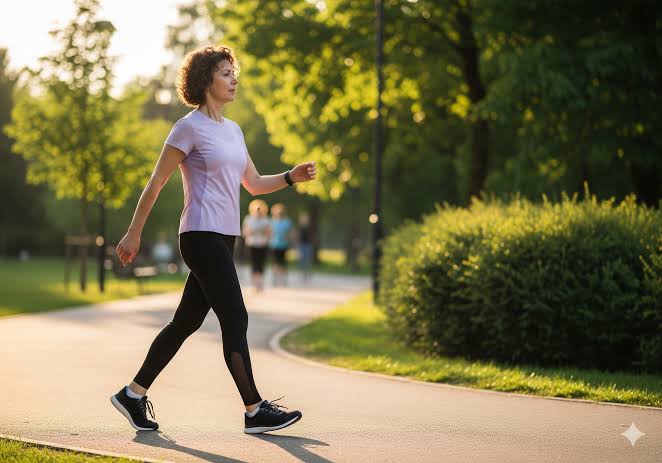
The timing sensitivity of this mechanism is what makes exercise after meals uniquely effective compared to exercise at other times. Exercising 30–60 minutes after eating intercepts the glucose rise as it is occurring — the meal-derived glucose is still being absorbed from the gut and entering the bloodstream when exercise begins. This perfect timing means that the glucose arriving from the gut is immediately directed into contracting muscle rather than accumulating in the circulation, producing a flatter, lower postprandial glucose curve compared to either pre-meal exercise (which cannot intercept a glucose peak that hasn’t yet occurred) or late post-meal exercise (which arrives after the glucose peak has already reached its maximum).
Optimal Timing: When to Exercise After Eating
The window for post-meal exercise and its blood sugar benefits is not infinitely flexible — the timing relative to the meal significantly influences the magnitude of glucose reduction achieved:
The 15–30 Minute Post-Meal Window
Beginning exercise 15–30 minutes after finishing a meal provides the optimal timing for intercepting the postprandial glucose peak in most adults. Glucose absorption from the gut typically begins within 15–20 minutes of eating and reaches its peak rate of entry into the bloodstream at 30–60 minutes post-meal. Starting exercise at 15–30 minutes means that active muscle glucose uptake is occurring precisely as the highest rate of meal glucose absorption is occurring, producing the greatest possible attenuation of the postprandial peak. Beginning exercise immediately after eating (within 5–10 minutes of finishing the meal) may cause digestive discomfort, particularly for activities with significant mechanical impact — a brief 10–15 minute rest after eating before beginning post-meal exercise is generally recommended.
The 60-Minute Boundary
Beginning exercise more than 60–75 minutes after eating significantly reduces the blood glucose benefit, because the postprandial glucose peak has already occurred and begun resolving by the time exercise begins. Exercise at this point can still lower blood glucose (through the ongoing insulin-sensitizing and GLUT4 effects of any aerobic activity), but it no longer intercepts the peak — missing the window of greatest post-meal glucose vulnerability. For the specific goal of peak reduction and improved postprandial glucose control, the 15–60 minute post-meal window is the target.
Which Meal Timing Matters Most?
Post-dinner exercise produces the largest absolute 24-hour glucose benefit in most studies because dinner is typically the largest meal of the day, producing the highest postprandial glucose peak — and because the evening period in most adults is characterized by the lowest physical activity of the day (sedentary television watching, desk work), meaning that exercise after dinner substitutes for what would otherwise be completely sedentary postprandial behavior. Post-lunch exercise provides the second-largest benefit, particularly for office workers whose lunch is followed by return to desk work. Post-breakfast exercise provides smaller benefits because breakfast is typically smaller and earlier walking or commuting often follows naturally. The most impactful practice for most adults is post-dinner walking — 10–20 minutes after finishing dinner, sustained consistently, has been shown to produce the greatest individual-meal glucose reduction available through exercise timing.
Exercise Type After Meals: Walking vs Other Activities
Walking is the most studied and most practical form of post-meal exercise for blood sugar control, but other exercise modalities have also been evaluated:
- Brisk walking (most evidence, most practical): 10–20 minutes of brisk walking after meals produces the blood glucose reductions documented in clinical research. The pace should be moderate — brisk enough to elevate heart rate modestly but not so vigorous as to cause breathlessness or discomfort after eating. Our guide on walking and blood sugar control covers walking intensity optimization in detail.
- Resistance exercise after meals: A 2018 study compared post-meal walking with post-meal resistance training (bodyweight squats, calf raises, resistance band rows) and found that both produced comparable postprandial glucose reductions — with resistance training producing slightly greater reductions at 45 minutes post-meal, and walking producing slightly greater reductions at 60 minutes. Resistance exercise after meals is an effective alternative or complement to walking, particularly for adults already engaged in home resistance training routines. Our guide on strength training and insulin sensitivity covers resistance training protocols that can be adapted to post-meal timing.
- Standing versus walking: Simply standing after meals (rather than sitting) provides modest blood glucose benefit compared to sitting — approximately 43% lower postprandial glucose area under the curve in one study of office workers — but is substantially less effective than actual walking. Standing is a useful minimum for adults who cannot walk after eating due to work constraints, but should not be considered equivalent to post-meal walking.
- Yoga and tai chi after meals: Light yoga and tai chi performed after meals produce some postprandial glucose benefit through gentle muscle engagement, improved circulation, and stress reduction that reduces cortisol-driven glucose elevation. These modalities may be particularly suitable for older adults or those with mobility limitations that prevent brisk walking.
Practical Strategies for Post-Meal Movement
Knowing that exercise after meals benefits blood sugar is not sufficient — building the consistent habit of post-meal movement is the behavioral challenge that determines long-term metabolic outcomes:
- Set a timer after each meal: A simple smartphone reminder set for 20 minutes after dinner completion prompts the transition from table to walkway that post-meal exercise requires. Environmental cuing (keeping walking shoes by the door, planning a standard route) reduces the activation energy required to begin the post-meal walk on nights when motivation is lower.
- Make it social: A post-dinner walk with a partner, family member, or neighbor transforms a health behavior into a social connection — improving adherence and making the walk enjoyable rather than purely instrumental. Many adults find that post-dinner walking becomes a cherished daily routine when it is shared.
- Use a CGM for feedback: For adults with access to a continuous glucose monitor (increasingly available through consumer-grade devices like Dexterity or Abbott Libre Sense for non-diabetics), watching blood glucose curve in real time after post-meal walking provides immediate motivating feedback and personalizes the experience of seeing exercise lower blood sugar in real time.
- Adapt to weather and schedule: Post-meal indoor alternatives — walking in place, stepping on a mini-stepper, home resistance band exercises, or walking on an indoor treadmill — maintain the post-meal exercise habit when outdoor walking is impractical due to weather, time, or location constraints. The metabolic benefit of post-meal exercise comes from the timing and muscle activation, not the outdoor environment.
Exercise after meals and blood sugar control is one of the most accessible and time-efficient metabolic health interventions available — requiring as little as 10 minutes after each major meal, no equipment, and no special fitness level, while producing blood glucose reductions that significantly reduce daily hyperglycemic exposure and long-term cardiovascular and diabetes risk. For additional guidance on comprehensive exercise planning for glucose management, our guides on exercise and diabetes prevention and diabetes prevention: a practical guide provide the broader framework. The ADA fitness resources and the NIDDK prevention guide provide additional clinical context for post-meal exercise as part of evidence-based glucose management. For adults with prediabetes seeking to reverse or prevent diabetes progression, our guide on prediabetes reversal through lifestyle changes covers how post-meal exercise integrates with dietary and weight management strategies for comprehensive metabolic improvement.
Post-Meal Exercise and the Glycemic Index Connection
An important nuance in the research on exercise after meals and blood sugar is that the magnitude of post-meal exercise benefit varies based on the glycemic composition of the preceding meal. After a high-glycemic meal (white rice, white bread, sugary beverages, pastries) that produces a sharp, rapid glucose peak, post-meal exercise intercepts a larger and steeper glucose rise — potentially reducing the postprandial peak by 30–40 mg/dL in adults with prediabetes or Type 2 diabetes. After a low-glycemic meal (legumes, vegetables, whole grains, protein-rich foods) that produces a slower, more modest glucose rise, post-meal exercise intercepts a smaller peak but still provides meaningful reduction. The clinical implications are twofold: post-meal exercise is most important after high-glycemic meals, where it can dramatically reduce an otherwise dangerous glucose spike; and combining low-glycemic eating with post-meal exercise produces additive benefits — the low-glycemic meal reduces the peak, and post-meal exercise further lowers the already-moderated postprandial glucose response, creating a combined effect far superior to either intervention alone. Our guide on prediabetes reversal through lifestyle changes covers the integration of low-glycemic dietary change with post-meal exercise as part of the comprehensive lifestyle intervention that produces the most reliable and large glucose improvements in prediabetes. For adults monitoring their postprandial glucose response through continuous glucose monitoring or home glucometer testing, the additive effects of meal composition and post-meal activity become directly visible — reinforcing both dietary and exercise behaviors through the immediate feedback of seeing blood glucose respond to these combined lifestyle choices.
Post-Meal Exercise for Special Populations
The benefits and implementation of post-meal exercise for blood sugar control vary across specific populations whose metabolic characteristics or life circumstances require adaptation:
- Adults with Type 2 diabetes on insulin: Post-meal exercise is particularly beneficial for reducing postprandial glucose spikes in insulin-requiring patients — but requires awareness of the risk of hypoglycemia if rapid-acting insulin was dosed for the meal and exercise then further lowers glucose beyond the intended correction. Checking glucose before post-meal exercise and carrying fast-acting carbohydrates (glucose tablets, small juice box) is advisable for insulin-using adults. Insulin dose adjustment for planned post-meal exercise (using a “correction factor” reduction) should be discussed with the diabetes care team to avoid hypoglycemia risk while still capturing the glucose control benefit of post-meal activity.
- Older adults: Post-dinner walking is particularly beneficial for older adults with prediabetes or Type 2 diabetes — the evening is typically the most sedentary period of the day, and post-dinner postprandial glucose peaks are often the largest of the day after the typically largest meal. Even light post-dinner walking (15 minutes at a moderate pace) produces meaningful glucose reduction in older adults, and the additional benefits of improved sleep onset, reduced evening sedentary behavior, and weight management support make post-dinner walking an especially high-return habit for the older adult population. Our guide on diabetes and healthy aging covers exercise adaptations including post-meal walking for older adults managing glucose safely within the constraints of multiple chronic conditions.
- Shift workers and irregular schedules: Adults with non-standard eating schedules — night shift workers, people with highly variable meal times — can still capture post-meal exercise benefits by applying the post-meal timing principle to their actual meal schedule regardless of clock time. A walk 15–30 minutes after the largest meal of any shift — whether that meal occurs at 2 PM, 2 AM, or any other time — provides the same postprandial glucose benefits observed in standard morning-evening schedules.
- People with limited walking tolerance: Adults with mobility limitations that prevent brisk walking can capture post-meal movement benefits through seated exercises — seated leg raises, seated marching in place, resistance band exercises from a chair — that contract large muscle groups and activate glucose disposal mechanisms without weight-bearing. Any muscle activation in the post-meal window provides some glycemic benefit compared to completely sedentary post-meal behavior.
The overwhelming message from the research on exercise after meals and blood sugar is that the postprandial period represents the most impactful daily window for exercise intervention — a period when the muscles’ glucose-consuming activity directly displaces dangerous glucose accumulation that would otherwise stress blood vessels, beta cells, and organ systems throughout the body. Building a consistent post-meal walking or movement habit — even 10 minutes, even at light intensity, even in an indoor environment — provides one of the highest-return blood glucose management strategies available in the daily routine of anyone seeking to prevent or manage Type 2 diabetes. For the complete exercise and lifestyle framework in which post-meal exercise fits, our guides on exercise and diabetes prevention and how to lower type 2 diabetes risk provide the full evidence-based foundation for comprehensive metabolic health improvement.
Building Post-Meal Exercise Into Daily Life
The greatest challenge with post-meal exercise is not understanding why it works — it is creating the environmental and behavioral conditions that make it happen consistently, despite the competing pull of post-meal fatigue, social obligations, work demands, and the natural human tendency to rest after eating. Several behavioral science-informed strategies improve post-meal exercise adherence specifically:
Implementation intentions — specific “when-then” plans (“When I finish dinner, then I will put on my shoes and walk around the block”) — dramatically outperform vague intentions to exercise more in producing actual behavior change. Research on implementation intentions shows that people who specify when, where, and how they will perform a desired behavior are 200–300% more likely to follow through than those with equally strong but nonspecific intentions. For post-meal exercise, the implementation intention is straightforward: deciding in advance the specific meal after which you will walk (dinner is the highest-impact choice for most people), the route or activity, and the duration, removes the decision-making friction that derails most new exercise habits. Removing barriers — keeping walking shoes at the dinner table rather than in the bedroom, leaving a resistance band on the kitchen counter, or having a playlist prepared for post-meal walks — reduces the transition time between finishing a meal and beginning movement, before the window of post-meal energy and motivation closes. The first two minutes of any exercise session are the hardest; making those two minutes require minimal logistics ensures that the inertia of post-meal rest does not prevent the exercise from beginning. Tracking post-meal glucose with a home glucometer before and 60 minutes after walking provides the immediate feedback that most powerfully reinforces post-meal exercise habits — seeing a concrete 20–30 mg/dL blood glucose reduction directly attributed to a 15-minute walk is a more powerful motivator than abstract knowledge that exercise benefits blood sugar over time. For adults with prediabetes who are not yet using a glucometer, asking their healthcare provider for a prescription (often covered by insurance with a prediabetes diagnosis) or purchasing a basic over-the-counter model provides the real-time feedback tool that transforms post-meal exercise from a health recommendation into a personally verified, motivating daily practice. The Mayo Clinic’s blood sugar monitoring guide provides practical guidance on using home glucose monitoring effectively for diabetes prevention and management, and the NIDDK’s four steps to managing diabetes positions exercise — including post-meal activity — within the comprehensive self-management framework recommended for all adults with diabetes or prediabetes.
Sources: Reynolds AN, et al. “Advice to walk after meals is more effective for lowering postprandial glycaemia in type 2 diabetes than advice that does not specify timing.” Diabetologia 2016. | Bellini A, et al. “The effects of post-meal exercise on postprandial blood glucose: a meta-analysis.” Sports Medicine 2022. | American Diabetes Association — Physical Activity Resources. | Tielemans SM, et al. “Associations of sugar-intake and dietary glycemic index with risk of death from cardiovascular diseases.” European Journal of Preventive Cardiology 2013. | American Diabetes Association. “Standards of Medical Care in Diabetes 2024.” Diabetes Care 2024.
I have been reading about exercise after meals and blood sugar for weeks and this is the most thorough guide I found. I have tried following advice from several sources but this is most consistent with what my specialist told me. I wish I had found this article earlier — would have saved a lot of confusion.
My doctor recommended I look into exercise after meals and blood sugar and this article covered it perfectly. I appreciate that the article is careful about distinguishing between what is known and what is still being researched. Will definitely be coming back to this site for more health information.
Finally a resource that explains exercise after meals and blood sugar in plain language. I have tried following advice from several sources but this is most consistent with what my specialist told me. Forwarding this to others in my support group who are dealing with similar issues.