
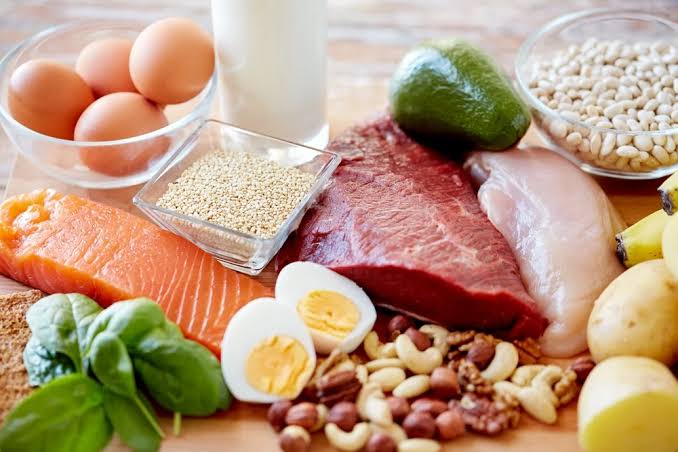
Foods that help lower cholesterol are a common search topic — and a frequently misunderstood one. Some foods have strong, consistent, replicated evidence for LDL reduction. Others have modest effects. A few have more hype than data. This article covers the specific foods with the strongest clinical evidence for supporting healthy cholesterol levels, the mechanisms that explain how each food works, and realistic expectations for how much each is likely to lower LDL in practice.
It also covers the equally important question of what to reduce — because diet affects cholesterol through both subtraction (removing foods that raise LDL) and addition (adding foods that lower it), and the most effective dietary approaches combine both.
How Food Affects Cholesterol — The Basic Mechanisms
Before listing specific foods, it helps to understand the three core mechanisms by which diet influences LDL cholesterol. All the evidence-backed cholesterol-lowering foods work through one or more of these pathways.
Bile acid sequestration by soluble fiber. The liver produces bile acids from cholesterol — secreted into the gut to aid fat digestion and normally reabsorbed and recycled. When viscous soluble fiber (such as beta-glucan in oats) is present, it forms a gel that binds bile acids and prevents reabsorption. The liver, short of bile acid precursors, pulls more LDL cholesterol from the blood to synthesize new bile — lowering circulating LDL.
Cholesterol absorption competition by plant sterols. Plant sterols and stanols are structural analogs of cholesterol. Because they are chemically similar, they compete with dietary and biliary cholesterol for intestinal absorption. More plant sterols → less cholesterol absorbed → lower circulating LDL.
Replacement of saturated fat with unsaturated fat. Saturated fatty acids suppress LDL receptor expression in the liver, meaning the liver clears less LDL from the blood. Replacing saturated fat with unsaturated fat restores LDL receptor activity. Each 1 percent of total calories shifted from saturated to unsaturated fat reduces LDL by approximately 2 mg/dL.
A realistic expectation: dietary changes typically reduce LDL by 10 to 20 percent in compliant individuals. Medications can reduce LDL by 30 to 60 percent. Diet works best as a complement to medication in high-risk individuals and as a primary tool in lower-risk individuals with mildly elevated LDL.
Oats and Beta-Glucan — The Best-Documented Foods That Help Lower Cholesterol
Oats are the most extensively studied individual food for cholesterol reduction, with more than 50 randomized controlled trials documenting the effect of oat beta-glucan on LDL cholesterol. Beta-glucan is a viscous soluble fiber that forms a thick gel in the intestine, binds bile acids, and forces the liver to synthesize new bile from circulating LDL — lowering LDL as a result.
The evidence is strong enough that the FDA approved a qualified health claim in 1997 stating that 3 grams of beta-glucan per day from oat products may reduce the risk of heart disease. Meta-analyses consistently show that 3 grams per day reduces LDL by approximately 5 to 10 percent — roughly 5 to 7 mg/dL in most starting ranges.
To reach 3 grams of beta-glucan daily: 1.5 cups of cooked oatmeal provides about 3 grams; or roughly three packets of instant oatmeal. Steel-cut and rolled oats have similar beta-glucan content; highly processed instant varieties may have slightly less. Barley is less commonly eaten but contains even higher concentrations of beta-glucan than oats — it can be substituted for rice or added to soups and stews.
Legumes — Beans, Lentils, and Chickpeas
Legumes — including beans (black, kidney, pinto, navy), lentils, chickpeas, and soybeans — have strong multi-mechanism evidence for cholesterol reduction. They are high in soluble fiber (particularly pectin and resistant starch), they contain plant protein that partially replaces animal protein, and they have a low glycemic index that reduces post-meal triglyceride spikes.
A meta-analysis of 26 randomized controlled trials found that consuming approximately three-quarters of a cup of cooked legumes per day was associated with a mean LDL reduction of approximately 5 percent. When legumes replace red meat or processed meats as a protein source — as they do in Mediterranean and plant-based dietary patterns — the combined benefit is substantially larger, because removing saturated fat from meat compounds with the direct fiber benefit.
Practical approaches: adding canned beans to salads, soups, and grain bowls; replacing half the meat in chili and stews with lentils or chickpeas; using hummus as a snack or spread instead of cheese or processed dips.
Nuts — Almonds, Walnuts, and Pistachios
Tree nuts — particularly almonds, walnuts, and pistachios — have strong and consistent randomized controlled trial evidence for supporting healthy cholesterol levels. The mechanism is multiple: nuts are rich in unsaturated fats that replace saturated fat; they contain plant sterols and fiber; and walnuts specifically are rich in alpha-linolenic acid (ALA, a plant omega-3) and polyphenols that reduce LDL oxidation — making remaining LDL less atherogenic.
A meta-analysis of 61 controlled trials found that approximately 28 grams (one ounce) of nuts per day was associated with a mean LDL reduction of approximately 4.7 mg/dL. The FDA issued a qualified health claim for nuts and heart disease in 2003. In the PREDIMED trial, participants randomized to a Mediterranean diet supplemented with 30 grams of mixed nuts per day experienced cardiovascular event reductions similar to the olive oil supplementation group — both significantly better than the control group.
Practical consideration: nuts are calorie-dense (approximately 160–180 calories per ounce). The most effective approach is using nuts as a replacement for less healthy snacks or saturated fat sources — replacing butter with almond butter, or replacing a cheese serving with walnuts — rather than simply adding them to an unchanged diet.
Plant Sterols and Stanols
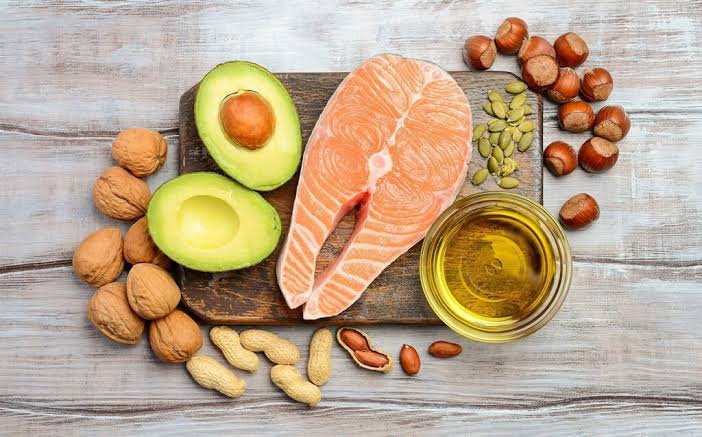
Plant sterols and stanols are the most potent individual dietary intervention for LDL reduction. At 2 grams per day — the FDA health claim threshold — they reduce LDL by approximately 10 percent (roughly 10 to 14 mg/dL). They work by competing with cholesterol for intestinal absorption, reducing both dietary and biliary cholesterol reaching the liver → the liver compensates by pulling more LDL from the blood.
Crucially, the effect of plant sterols is additive to statin therapy. Someone on a statin who also consumes 2 grams of plant sterols per day typically achieves an additional 10 percent LDL reduction. This makes plant sterols particularly valuable for patients who need further LDL lowering beyond their statin dose.
Plant sterols are found naturally in vegetable oils, nuts, seeds, and whole grains — but in amounts too small to produce significant reduction. To reach 2 grams per day, fortified foods are necessary: fortified margarines (Benecol, Flora ProActiv), fortified orange juice, fortified dairy alternatives, and some fortified yogurts. Two tablespoons of a sterol-fortified spread typically provides 2 grams.
Fatty Fish and Omega-3s
Fatty fish — salmon, mackerel, sardines, herring, and trout — are important in heart-healthy dietary patterns, but their primary lipid benefit is triglyceride reduction rather than direct LDL lowering. EPA and DHA (long-chain omega-3s) reduce hepatic triglyceride production significantly — at doses of 2 to 4 grams per day, triglycerides typically fall by 20 to 30 percent. This is beneficial because elevated triglycerides are an independent cardiovascular risk factor and are associated with more atherogenic small dense LDL particles.
The AHA recommends at least two servings per week of fatty fish. The REDUCE-IT trial — using 4 grams per day of highly purified EPA — demonstrated a 25 percent reduction in major cardiovascular events in statin-treated patients with elevated triglycerides, establishing high-dose EPA as a medically recognized intervention at doses far above what diet alone can provide.
Olive Oil and the Mediterranean Dietary Pattern
Extra-virgin olive oil’s cholesterol benefit operates primarily through fat replacement and antioxidant effects. Replacing butter and animal fats with EVOO displaces saturated fat and substitutes oleic acid (monounsaturated), which restores LDL receptor activity. The direct LDL reduction from olive oil substitution is modest in isolation (roughly 3 to 5 mg/dL) but is amplified when part of a complete Mediterranean dietary pattern.
Extra-virgin olive oil is uniquely rich in polyphenols compared to refined olive oil. These reduce oxidative modification of LDL — making circulating LDL less atherogenic even without dramatically changing LDL concentration. The PREDIMED trial showed that supplementation with EVOO produced a 30 percent reduction in major cardiovascular events compared to a low-fat control diet.
The Portfolio Diet — Combining Multiple Food Strategies
The Portfolio Diet combines four evidence-backed components daily: plant sterols (2g), viscous soluble fiber (20g from oats, barley, psyllium, and legumes), soy protein (50g replacing animal protein), and nuts (30g). In controlled metabolic ward studies, the combination produced LDL reductions of approximately 28 percent — comparable to low-dose statin therapy. In a free-living randomized trial, highly compliant participants achieved approximately 13 to 15 percent LDL reduction.
The principle is that the individual food effects are additive: oats (5–7% reduction) + legumes (5%) + nuts (4%) + plant sterols (10%) consumed simultaneously approaches 20 to 25 percent combined LDL reduction — substantially more than any single food alone.
What to Reduce Alongside the Positive Foods
Saturated fat is the single most impactful dietary change for LDL reduction. Found primarily in fatty red meat, butter, full-fat dairy, coconut oil, and palm oil, it raises LDL by suppressing LDL receptor expression in the liver. Each 1 percent of total calories shifted from saturated to unsaturated fat reduces LDL by approximately 2 mg/dL. For a detailed look at this relationship, see our guide to saturated fat and cholesterol.
Trans fat simultaneously raises LDL and lowers HDL — the most atherogenic dietary fat per gram. Partially hydrogenated oils were the main source; largely eliminated from the US food supply since 2018. Checking ingredient lists for “partially hydrogenated oils” remains worthwhile for processed foods.
Refined carbohydrates and added sugars primarily raise triglycerides and promote small dense LDL. Reducing sugary beverages, white bread, pastries, and processed snacks and replacing them with whole grains, legumes, and vegetables improves atherogenic dyslipidemia associated with high refined carbohydrate intake.
For more on understanding your cholesterol numbers and how diet interacts with them, see our guides to what is cholesterol, LDL vs HDL cholesterol, what is a lipid panel, and causes of high cholesterol.
Sources: American Heart Association — Healthy Eating (heart.org) | National Heart, Lung, and Blood Institute — Heart-Healthy Eating (nhlbi.nih.gov) | Centers for Disease Control and Prevention — Preventing Heart Disease (cdc.gov) | Jenkins DJ et al. (Portfolio Diet). JAMA 2003;290:502–10 | Del Gobbo LC et al. (Nut meta-analysis). Am J Clin Nutr 2015;102:1347–56 | Bhatt DL et al. (REDUCE-IT). NEJM 2018
Avocado — Monounsaturated Fat in Whole Food Form
Avocado has earned a well-supported place in the cholesterol-lowering food conversation. Unlike most sources of monounsaturated fat (olive oil, nuts), avocado delivers the fat in whole-food matrix form — alongside fiber, potassium, folate, and B vitamins — which may enhance its cardiovascular benefit beyond what the fat content alone would predict.
The most direct evidence comes from a small but carefully controlled randomized crossover trial (Dreher and Davenport, 2013, and subsequent work from Penn State) that found adding one avocado per day to a moderate-fat diet reduced LDL by approximately 13.5 mg/dL compared to a similar moderate-fat diet without avocado. The benefit was attributed primarily to oleic acid replacing saturated fat, with additional contributions from the fiber, plant sterols naturally present in avocado, and potassium (which also supports blood pressure control).
Avocado’s practical advantage is its versatility: it can replace cheese on sandwiches, butter on toast, or sour cream on tacos — substitutions that simultaneously add the unsaturated fat benefit and remove saturated fat. Half an avocado provides approximately 5 grams of monounsaturated fat, 3 grams of fiber, and a small amount of plant sterols. For people who find nuts or olive oil insufficient to create the saturated fat substitution needed for meaningful LDL change, avocado offers another effective vehicle.
Soy Protein and Its Role in Cholesterol Management
Soy protein — from edamame, tofu, tempeh, soy milk, and miso — has a history in cholesterol management that illustrates the evolution of nutritional science. In 1999, the FDA approved a health claim stating that 25 grams per day of soy protein, as part of a diet low in saturated fat and cholesterol, may reduce the risk of coronary heart disease. In 2017, the FDA reviewed the evidence and downgraded this to a “qualified” health claim — meaning the evidence no longer met the threshold for a definitive approved claim.
The reason for the downgrade: when meta-analyses focused specifically on high-quality randomized controlled trials (excluding weaker study designs), the LDL-lowering effect of soy protein was approximately 3 to 5 mg/dL — meaningful but modest, and the studies showed some inconsistency. The benefit appears largest when soy protein directly replaces animal protein (particularly high-saturated-fat sources like red meat) — because in that context, you’re getting both the modest soy isoflavone effect and the larger saturated fat removal effect. When soy protein is added to an unchanged diet without displacing another food, the benefit is smaller.
From a practical standpoint: soy foods are valuable in a cholesterol-lowering diet not primarily because of a specific soy isoflavone effect but because they represent high-quality, low-saturated-fat protein that effectively replaces animal protein. Tofu stir-fried with vegetables in olive oil instead of beef stir-fried in butter delivers multiple cholesterol benefits simultaneously — including the soy effect, the saturated fat removal effect, and the vegetable fiber effect.
Soluble Fiber Beyond Oats: Psyllium, Pectin, and Other Sources
While oats are the most studied source of cholesterol-lowering soluble fiber, beta-glucan is not the only viscous soluble fiber with strong evidence. The cholesterol-lowering effect of bile acid sequestration is achievable through multiple fiber types, and diversifying soluble fiber sources makes it easier to reach the quantities needed for meaningful benefit.
Psyllium husk (the primary ingredient in Metamucil and similar fiber supplements) is one of the most concentrated dietary sources of viscous soluble fiber. At 10 to 12 grams per day (roughly one tablespoon twice daily), psyllium reduces LDL by approximately 5 to 10 percent in meta-analyses of randomized controlled trials. The FDA approved a health claim for psyllium and heart disease in 1998. Because psyllium is a concentrated supplement, it can be added to smoothies, yogurt, or water and is one of the most convenient ways to reach cholesterol-lowering fiber doses.
Pectin is a soluble fiber found in high concentrations in apples, citrus peel, and some berries. Pectin supplementation at 15 grams per day has been shown to reduce LDL by approximately 7 percent in controlled trials. Consuming whole apples, pears, and citrus fruits adds pectin to the diet along with flavonoids and other cardiovascular-protective compounds.
Okra and eggplant are vegetables with unusually high soluble fiber content — both are specifically included in the Portfolio Diet’s soluble fiber component. A serving of cooked okra or eggplant provides 2 to 3 grams of viscous fiber; including these regularly as side dishes or in Mediterranean-style cooking adds meaningful fiber to total daily intake.
Legume fiber (already covered in the beans and lentils section) is a significant contributor to viscous soluble fiber through pectin and resistant starch content. A cup of cooked lentils provides approximately 4 grams of soluble fiber, making legumes one of the most efficient single-food sources for reaching the 10 to 20 grams per day associated with meaningful LDL lowering when combined with other sources.
The practical target for cholesterol reduction through soluble fiber: approximately 10 to 20 grams per day of total soluble fiber — achievable through a combination of oats or barley (3g), legumes (4–5g), fruits (2–4g), psyllium if needed (5–10g), and vegetables including okra and eggplant (2–3g). Few people eat in a way that reaches this target, which explains why most people with high LDL who make general “eat more fiber” changes see only modest results — the quantity matters as much as the fiber type.
Dark Chocolate and Green Tea — Modest Evidence Worth Mentioning
Two foods frequently appear on cholesterol-lowering food lists that deserve honest assessment: dark chocolate and green tea. Both have genuine research behind them — but the effect sizes are modest and the evidence comes with important qualifications.
Dark chocolate (70 percent cacao or higher) contains flavanols — polyphenolic compounds that have demonstrated antioxidant effects and modest cardiovascular benefits in clinical studies. Some randomized trials show that 20 to 30 grams per day of dark chocolate reduces LDL oxidation and may modestly lower total cholesterol (approximately 5 to 10 mg/dL in some studies), with additional benefits on blood pressure and insulin sensitivity. The evidence is real but not consistent across all trials, and the caloric density of dark chocolate means that adding it without displacing other foods can contribute to weight gain that partially offsets lipid benefits. The best framing: dark chocolate is a better choice than milk chocolate or processed candy as part of a heart-healthy dietary pattern, but it is not a meaningful primary cholesterol management tool.
Green tea contains catechins — another class of polyphenols with antioxidant properties. A meta-analysis of randomized controlled trials found that green tea catechin supplementation reduced LDL by approximately 2 to 5 mg/dL on average — a genuine but small effect. Regular consumption of 3 to 5 cups of green tea per day appears to provide most of the available catechin benefit; green tea extract supplements provide higher concentrated doses but with less consistent evidence and occasional reports of hepatotoxicity at very high doses.
Both dark chocolate and green tea are worth including in a heart-healthy diet as replacements for less nutritious choices (processed sweets, sugary beverages) — but neither belongs in the same category as oats, nuts, legumes, and plant sterols when ranked by the strength and magnitude of their cholesterol-lowering evidence.
Building a Practical Cholesterol-Lowering Meal Pattern
Knowing which individual foods lower cholesterol is valuable, but the most practical question is how to construct a day of eating that combines multiple benefits simultaneously. The following framework integrates the highest-evidence foods into a realistic daily pattern.
Breakfast: Oatmeal (1.5 cups cooked) with a small handful of walnuts (30g) and sliced berries. This combination provides approximately 3 grams of beta-glucan, 3 to 4 grams of additional soluble fiber from the berries, 2 to 3 grams of plant sterols, and ALA from the walnuts. Using a fortified sterol spread on whole-grain toast alongside adds the plant sterol contribution needed to approach 2 grams per day.
Lunch: A large salad with mixed greens, canned chickpeas or lentils (three-quarters cup), avocado (half), dressed with extra-virgin olive oil and lemon juice. This provides approximately 5 grams of soluble fiber from the legumes and avocado, monounsaturated fat from both the avocado and olive oil, and a meaningful reduction in saturated fat compared to a lunch built around processed meat and cheese.
Dinner: Grilled salmon or mackerel (one serving, ~140g) with a side of barley or lentil-based grain dish and a roasted vegetable including eggplant or okra. The fatty fish provides EPA and DHA for triglyceride reduction; the barley or lentils provide additional beta-glucan or legume fiber; the vegetables add soluble fiber and micronutrients.
Snacks: A small handful of almonds or pistachios (28g) as an afternoon snack replaces a processed snack food and contributes to the daily nut allotment. A piece of fresh fruit (apple, pear, citrus) adds pectin-rich soluble fiber.
A day built around this framework consistently delivers approximately 10 to 15 grams of soluble fiber, 2 grams of plant sterols (if a fortified spread is included), 30 grams of nuts, substantial legume intake, and 2 servings of heart-healthy fat sources — achieving multiple cholesterol-lowering mechanisms simultaneously. Combined with reduced saturated fat from eliminating butter, fatty processed meats, and full-fat dairy, this dietary pattern is capable of producing LDL reductions in the 15 to 25 percent range in motivated adherent individuals.
Bookmarked this article on foods that help lower cholesterol: what immediately — going to reference it regularly. The section on managing this condition day-to-day was especially useful for meal planning. Forwarding this to others in my support group who are dealing with similar issues.
Finally a resource that explains foods that help lower cholesterol: what in plain language. The article answered questions I didn’t even know I had until I started reading. Exactly the kind of evidence-based information that is hard to find in one place.
Bookmarked this article on foods that help lower cholesterol: what immediately — going to reference it regularly. I appreciated how the article addressed both the clinical side and the practical lifestyle adjustments. Appreciate the effort that went into researching and writing this — it shows.
I never fully understood foods that help lower cholesterol: what until I read this. What I liked most was that the article didn’t just say what to avoid — it also gave alternatives. Keep up this kind of thorough health journalism — it genuinely helps patients like me.
This is one of the clearest explanations of foods that help lower cholesterol: what I have found. I appreciated how the article addressed both the clinical side and the practical adjustments. Will definitely be coming back to this site for more health information.
Finally a resource that explains foods that help lower cholesterol: what in plain language. I appreciated how the article addressed both the clinical side and the practical adjustments. Forwarding this to others in my support group who are dealing with similar issues.