

Liver Health
Liver Health After Age 60
How the liver changes with age, what conditions become more common after 60, and the evidence-based steps that best protect liver function in later life.
The liver is often described as the body’s silent organ — it performs over 500 essential functions without any sensation of effort, and it does not typically signal distress until its capacity to compensate has been substantially exceeded. After age 60, this silence takes on additional significance. Age-related changes in liver structure and function are well documented, yet most adults have no idea their liver’s processing capacity has changed, or that the medications, supplements, and lifestyle habits that were fine at 45 may carry different implications at 65.
This article explains what actually changes in the liver with aging, which conditions are significantly more common in adults over 60, how liver function tests should be interpreted in an older adult context, and which lifestyle strategies have the strongest evidence for protecting liver health in later life. For related reading on the broader digestive system, see our guide to digestive health after age 60.
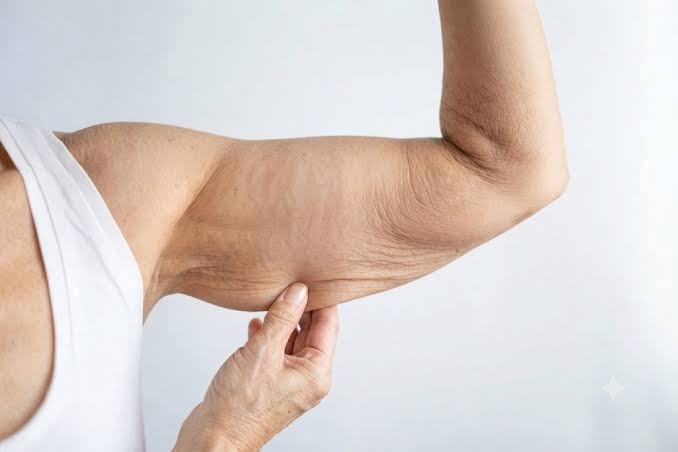
How the Liver Changes Structurally With Age
The liver undergoes several measurable age-related changes independent of disease:
Reduced liver volume: Liver mass decreases by approximately 20–40% between ages 30 and 80 in most studies. This reduction in hepatocyte (liver cell) mass directly reduces the organ’s total processing capacity — both for metabolising drugs and for producing proteins, clotting factors, and bile acids. The reduction is gradual and rarely clinically significant in isolation, but it becomes relevant when the liver is under additional stress from disease, medications, or toxic exposures.
Reduced hepatic blood flow: Blood flow through the liver declines by approximately 25–40% between young adulthood and age 75. This reduced perfusion directly slows the rate at which substances are delivered to hepatocytes for processing — this is particularly relevant for drugs that undergo high first-pass hepatic extraction, where reduced blood flow slows clearance regardless of the enzymatic capacity of the liver cells themselves.
Changes in sinusoidal structure: The liver sinusoids — specialised blood vessels through which blood flows in close contact with hepatocytes — undergo age-related changes including pseudocapillarisation (thickening of the sinusoidal endothelium and loss of the fenestrations that allow efficient exchange of substances between blood and liver cells). These changes reduce the efficiency of lipid metabolism and lipoprotein processing, contributing to age-associated rises in LDL cholesterol and triglycerides.
Mitochondrial dysfunction: Hepatocyte mitochondria — the energy-producing organelles within liver cells — accumulate oxidative damage with age, reducing their efficiency. This contributes to impaired fatty acid oxidation (one reason older livers are more prone to fat accumulation), reduced capacity for energy-intensive hepatic processes, and increased vulnerability to drug-induced liver injury.
Reduced regenerative capacity: The liver retains remarkable regenerative capacity throughout life, but the speed and completeness of regeneration after injury decline with age. This means that recovery from conditions such as acute hepatitis, drug-induced liver injury, or post-surgical liver stress takes longer in older adults.
Age-Related Changes in Drug Metabolism: Why Medication Doses Matter More After 60
One of the most clinically significant consequences of liver aging is altered drug metabolism. The liver is responsible for metabolising most medications through cytochrome P450 (CYP) enzyme systems, and this capacity declines with age through several mechanisms:
Phase I metabolism slowdown: Phase I hepatic metabolism — primarily oxidation, reduction, and hydrolysis reactions carried out by CYP enzymes — decreases with age. CYP3A4, the most abundant CYP enzyme and responsible for metabolising approximately 50% of prescription medications, shows reduced activity with aging. The practical consequence is that drugs primarily cleared by CYP3A4 — including many statins, calcium channel blockers, benzodiazepines, opioids, and some anticoagulants — have longer half-lives in older adults, increasing the risk of accumulation and toxicity at standard adult doses.
Phase II metabolism: Phase II conjugation reactions (glucuronidation, sulfation, acetylation) that prepare metabolites for excretion are generally better preserved with aging than Phase I reactions, though some variability exists.
Drug-drug interaction risk: Polypharmacy — taking multiple medications simultaneously — is more common in older adults and multiplies the complexity of hepatic drug metabolism. Drugs that inhibit or induce CYP enzymes can dramatically alter the effective doses of co-administered medications. Adults over 60 on five or more medications should have their medication list reviewed by a pharmacist for CYP interaction risk at least annually.
Supplement and herbal product interactions: Many commonly used supplements also inhibit CYP enzymes. St. John’s Wort is the most potent CYP3A4 inducer in common supplement use. Grapefruit juice, goldenseal, and high-dose berberine also affect CYP activity meaningfully. Our article on supplements for digestive health covers the evidence and safety profile of common digestive supplements, including liver-specific interactions.
Nonalcoholic Fatty Liver Disease After 60: The Fastest-Growing Liver Concern
Nonalcoholic fatty liver disease (NAFLD) — fat accumulation in the liver in the absence of significant alcohol use — is now the most common liver condition globally and disproportionately affects adults over 60. Its more aggressive form, nonalcoholic steatohepatitis (NASH), involves liver inflammation in addition to fat accumulation and can progress to fibrosis, cirrhosis, and liver cancer.
NAFLD prevalence increases with the components of metabolic syndrome: obesity (particularly central/abdominal adiposity), type 2 diabetes, hypertension, and dyslipidaemia. All of these become more common after 60, driving the elevated NAFLD rates in this age group. Estimates suggest that 30–40% of adults over 60 in Western countries have hepatic steatosis (fat accumulation) detectable on imaging.
Several features of NAFLD are particularly relevant in older adults:
- Silent presentation: Most adults with NAFLD have no symptoms. Fatigue and mild right upper quadrant discomfort are occasionally reported but are non-specific. The condition is most often identified incidentally on abdominal imaging performed for other reasons, or through elevated liver enzymes (ALT, AST) on routine blood tests.
- Fibrosis assessment matters more than steatosis alone: Fat in the liver is common and may not progress. The critical question is whether fibrosis (scarring) is present, since significant fibrosis (stage F3–F4) is what drives the risk of cirrhosis and liver cancer. Non-invasive fibrosis assessment tools — the FIB-4 index (calculated from age, ALT, AST, and platelet count) or elastography (FibroScan) — can identify those at higher risk without liver biopsy.
- NASH-related HCC risk without cirrhosis: Unlike most other liver disease aetiologies, NASH can cause hepatocellular carcinoma even without established cirrhosis, though this is less common. Adults with confirmed NASH should discuss the appropriateness of liver cancer surveillance with their gastroenterologist, as detailed in our guide to liver cancer screening awareness.
- Weight loss is the most effective treatment: A sustained 7–10% reduction in body weight consistently reduces hepatic steatosis, inflammation, and in some studies reverses early fibrosis. For adults over 60, weight loss should be pursued with attention to muscle mass preservation, since sarcopenia (muscle loss) also increases with age and excessively rapid weight loss accelerates it.
Alcohol and the Aging Liver
The aging liver metabolises alcohol less efficiently than the younger liver, primarily because of reduced alcohol dehydrogenase activity and the reduction in hepatic blood flow and hepatocyte mass described earlier. This means the same amount of alcohol produces higher blood alcohol concentrations and greater liver stress in a 65-year-old than the same amount would have produced in the same person at 40.
Current standard guidelines on alcohol consumption — moderate drinking as up to 1 drink per day for women and 2 for men — were derived primarily from studies in middle-aged adults. There is growing expert consensus that these limits are too high for adults over 65, and some major health organisations now recommend lower thresholds or abstinence for older adults, particularly those with any underlying liver condition, taking hepatotoxic medications, or with reduced renal function that affects alcohol clearance. For adults with established liver disease of any cause, alcohol abstinence is the recommendation regardless of age.
Alcohol also interacts with many medications more commonly used by older adults: sedative-hypnotics, antihistamines, opioid pain medications, some diabetes medications, and warfarin all have significant interactions with alcohol that are amplified by the reduced hepatic processing capacity of the aging liver.
Interpreting Liver Function Tests in Adults Over 60
Standard liver function tests — ALT, AST, alkaline phosphatase (ALP), gamma-glutamyl transferase (GGT), bilirubin, and albumin — are commonly used but interpreted differently in older adults:
Albumin: Albumin is produced by the liver and its level reflects synthetic function. Albumin levels typically decline slightly with normal aging (partly due to reduced synthesis, partly due to dilution from lower total body water concentration changes). A level that would be considered borderline low in a younger adult may be normal for an older one, but progressive hypoalbuminaemia in an older adult warrants evaluation for malnutrition, chronic illness, or liver disease.
ALP: Alkaline phosphatase rises with normal bone turnover and can be significantly elevated in older adults with bone conditions (osteoporosis, Paget’s disease) or after fractures, independent of liver pathology. An isolated ALP elevation in an older adult should prompt fractionation into liver and bone isoforms before concluding hepatic disease is present.
GGT: GGT is particularly sensitive to alcohol use and to induction by a wide range of medications. In older adults on multiple medications, a mildly elevated GGT may reflect medication-related enzyme induction rather than liver damage — though it warrants attention if trending upward or accompanied by other abnormalities.
ALT and AST in NASH: Many adults with NASH — including those with significant fibrosis — have normal or near-normal ALT levels. Normal ALT does not exclude significant liver disease in older adults with metabolic risk factors. If NAFLD or NASH is suspected, a FIB-4 score provides better fibrosis risk stratification than ALT alone.
Protecting Liver Health After 60: Evidence-Based Strategies
While the liver’s age-related structural changes cannot be reversed, the conditions most likely to accelerate liver damage in older adults — NAFLD, alcohol-related injury, drug-induced liver injury — are significantly modifiable:
Dietary pattern: The Mediterranean diet has the best evidence for liver health among older adults — it reduces hepatic steatosis, lowers liver enzyme levels, and is associated with reduced progression to NASH-related fibrosis in multiple clinical trials. Key components include olive oil as the primary fat source, high vegetable and legume intake, moderate fish consumption, limited red meat, and avoidance of ultra-processed foods and added sugars. Fructose, particularly from sugar-sweetened beverages, is directly lipogenic (fat-producing) in the liver and should be minimised.
Coffee consumption: Caffeinated coffee has the most consistent epidemiological evidence for liver-protective effects of any dietary component, with a dose-dependent inverse relationship with cirrhosis risk and HCC risk across multiple large cohort studies. The mechanism involves caffeine’s inhibition of hepatic fibrogenesis and its antioxidant effects. Two to three cups per day is the quantity most consistently associated with benefit in the literature, though this should be balanced against cardiovascular effects in those with arrhythmia or hypertension.
Physical activity: Regular aerobic exercise reduces hepatic steatosis independently of weight change, through increased hepatic fat oxidation. Both moderate-intensity continuous training (e.g., 150 minutes of brisk walking per week) and resistance training have evidence for liver fat reduction. For older adults, resistance training has the additional benefit of preserving muscle mass, which counteracts the sarcopenia risk associated with dietary calorie restriction for weight loss.
Medication review: Regular review of all medications, supplements, and herbal products for hepatotoxic potential and CYP interaction risk is one of the most impactful and underutilised liver health strategies in older adults. Drug-induced liver injury (DILI) is more common and more severe in older adults. The LiverTox database (NIH) provides detailed hepatotoxicity profiles for thousands of medications and supplements.
Hepatitis B and C status: Adults over 60 who do not know their hepatitis B and C status — particularly those born before 1992 for HBV vaccination availability or between 1945 and 1965 for HCV birth cohort risk — should be tested. Effective treatments exist for both: antiviral therapy for chronic hepatitis B suppresses viral replication and reduces fibrosis progression and HCC risk; direct-acting antivirals (DAAs) for hepatitis C achieve sustained virologic response (cure) in over 95% of treated patients. Testing is inexpensive and a one-time intervention that can prevent significant liver disease. For ongoing liver monitoring recommendations, see our guide on the long-term liver health plan.
Liver Health After 60: Key Monitoring and Action Points
- Liver enzymes (ALT, AST, GGT, ALP): Check annually; note medications as a cause before diagnosing disease ✓
- FIB-4 score: Calculate if metabolic risk factors present (diabetes, obesity, elevated ALT) ✓
- Hepatitis B and C status: Test once if status unknown; treat if positive ✓
- Alcohol: Review intake; reduce or eliminate if any liver abnormality is present ✓
- Medication review: Annual pharmacist review for hepatotoxic and CYP-interacting drugs ✓
- HCC surveillance: Six-monthly ultrasound if cirrhosis or qualifying hepatitis B ✓
- Mediterranean diet + coffee + exercise: Most evidence-supported modifiable factors ✓
Symptoms that warrant prompt liver evaluation: Jaundice (yellowing of skin or eyes), dark urine, pale or clay-coloured stools, right upper abdominal pain or fullness, progressive fatigue with weight loss, swollen abdomen (ascites), and easy bruising or prolonged bleeding. These symptoms suggest significant hepatic dysfunction and require prompt evaluation — they do not resolve with lifestyle changes alone and should not be attributed to normal aging without a doctor’s assessment.
Frequently Asked Questions
My doctor says my liver enzymes are “mildly elevated” but nothing to worry about. Should I be concerned?
The answer depends on which enzyme, by how much, for how long, and in what clinical context. Mild, isolated ALT elevations in the context of NAFLD risk factors (obesity, type 2 diabetes, metabolic syndrome) warrant follow-up and fibrosis risk assessment — a FIB-4 score and/or FibroScan is more informative than just watching the ALT. Isolated ALP elevation in an older adult with bone disease may be bone-derived rather than hepatic. GGT elevation is frequently medication-induced. A trending upward enzyme, multiple enzyme abnormalities, or enzymes elevated alongside symptoms of liver disease (fatigue, right upper quadrant discomfort, jaundice) warrant more urgent investigation. Ask your doctor specifically: what is the likely cause, should we investigate further, and what would a worsening result prompt us to do?
I have fatty liver (NAFLD). Does this mean I will develop cirrhosis?
Not necessarily. NAFLD is common and most people with simple hepatic steatosis (fat in the liver without significant inflammation) do not progress to cirrhosis. The subset at higher risk of progression is those with NASH — the inflammatory form — and particularly those who already have early fibrosis. The FIB-4 score provides a practical non-invasive risk stratification: a score below 1.30 in adults under 65 (or below 2.0 in adults over 65) suggests low fibrosis probability and can be monitored with periodic liver function tests and repeat FIB-4. A score above 2.67 (or above 3.25 in older adults) suggests higher risk and warrants referral for FibroScan or specialist hepatology evaluation. The most impactful steps to reduce NAFLD progression are weight loss (7–10% body weight reduction), regular aerobic exercise, Mediterranean diet, and optimising metabolic risk factors (blood glucose, lipids, blood pressure).
Can liver damage from alcohol be reversed after quitting?
It depends on the stage. Alcohol-related hepatic steatosis (fatty liver from alcohol) fully reverses with abstinence over several weeks. Alcoholic hepatitis (acute inflammation) can partially reverse with abstinence, though severe alcoholic hepatitis carries significant short-term mortality. Early fibrosis from alcohol-related liver disease can show meaningful regression with sustained abstinence, particularly in the first one to two years. Established cirrhosis does not reverse, though its complications and progression can be substantially slowed by abstinence. The liver’s ability to recover from alcohol-related damage is reduced in older adults due to the reduced regenerative capacity and hepatocyte mass described earlier, which makes earlier intervention more impactful than later intervention.
Which common supplements are hardest on the liver in older adults?
Drug-induced liver injury from supplements is significantly underreported, but several categories warrant particular caution in older adults with reduced hepatic processing capacity. High-dose vitamin A (retinol, as opposed to beta-carotene) is directly hepatotoxic at doses above 10,000 IU/day and causes chronic liver injury with prolonged high-dose use. Anabolic supplements and testosterone precursors are associated with cholestatic liver injury. Kava (used for anxiety) has well-documented hepatotoxicity at standard doses. Green tea extract in concentrated supplement form (as opposed to drinking green tea) has been associated with acute hepatitis. High-dose niacin (nicotinic acid form, as opposed to nicotinamide) can cause hepatotoxicity at doses used for lipid management. Comfrey, pyrrolizidine alkaloid-containing herbal products, and certain Chinese herbal preparations contain direct hepatotoxins. Discuss all supplements with your doctor if you have any liver condition or elevated liver enzymes.
Is there a specific diet that protects liver health after 60?
The Mediterranean diet has the strongest evidence for liver health in older adults: it reduces hepatic fat, lowers liver enzymes, and is associated with reduced fibrosis progression in multiple clinical trials. The key liver-specific elements are: high olive oil consumption (which reduces hepatic inflammation), high vegetable and fibre intake (which improves insulin sensitivity and gut-liver axis function), reduced refined carbohydrate and added sugar intake (which reduces de novo lipogenesis in the liver), moderate fish consumption, and limited red and processed meat. Avoiding sugar-sweetened beverages is particularly important — fructose from liquid sources is processed almost entirely by the liver and is directly converted to hepatic fat. Coffee (2–3 cups/day of filtered caffeinated coffee) has consistent epidemiological support as a hepatoprotective beverage.
At what point should someone with liver disease see a hepatologist rather than just a GP?
A hepatologist (liver specialist) adds value in several situations: confirmed or suspected cirrhosis of any cause; NAFLD with a high FIB-4 score or FibroScan result suggesting significant fibrosis (F3–F4); unexplained significant liver enzyme elevation that has not resolved after common causes have been addressed; autoimmune liver disease (autoimmune hepatitis, primary biliary cholangitis, primary sclerosing cholangitis); hereditary liver conditions (haemochromatosis, Wilson’s disease, alpha-1 antitrypsin deficiency); active viral hepatitis requiring treatment decisions; and any patient with cirrhosis who needs enrolment in HCC surveillance. For straightforward NAFLD with mild enzyme elevation and low FIB-4, management by a GP with gastroenterology guidance is often appropriate — but the threshold for specialist referral should be low in older adults, where liver disease progresses more quickly and treatment decisions are more complex.
I’ve been told my liver is “enlarged” on an ultrasound. What does this mean?
An enlarged liver (hepatomegaly) on ultrasound requires clinical context to interpret. Common benign causes in older adults include hepatic steatosis (fatty infiltration of the liver, which increases liver size and echogenicity on ultrasound), right heart failure (which causes hepatic venous congestion), and certain medications. More concerning causes include infiltrative processes (lymphoma, metastatic cancer, amyloidosis) and congestion from cardiac or venous causes. An ultrasound report of hepatomegaly should always be followed up with your ordering clinician, who can assess it in the context of your symptoms, medications, metabolic history, and physical examination. It is not a diagnosis in itself, but it is a finding that deserves explanation rather than observation alone.
References
- Schmucker DL. Age-related changes in liver structure and function: Implications for disease? Experimental Gerontology. 2005;40(8-9):650-659.
- Le Couteur DG, et al. Old age and the hepatic sinusoid. Anatomical Record. 2008;291(6):672-683. Link
- Chalasani N, et al. The diagnosis and management of nonalcoholic fatty liver disease. Hepatology. 2018;67(1):328-357.
- Trépo E, et al. Non-alcoholic fatty liver disease: a comprehensive review of metabolic risk factors and preventive treatments. Digestion. 2019;100(1):1-21.
- Kennedy OJ, et al. Coffee, including caffeinated and decaffeinated coffee, and the risk of liver cirrhosis. Alimentary Pharmacology & Therapeutics. 2016;43(5):562-574. Link
- Chalasani N, et al. Features and outcomes of 899 patients with drug-induced liver injury: The DILIN Prospective Study. Gastroenterology. 2015;148(7):1340-1352.
The section on drug metabolism and CYP enzymes was genuinely eye-opening. I’m 67 and take six medications: two statins were tried before we found one that didn’t cause muscle aches, metoprolol, a calcium channel blocker, a low-dose benzodiazepine for sleep that I’ve been on for three years, and omeprazole. Reading your article I now understand why my GP has been cautious about adding anything new and why the benzodiazepine seems to hit me harder than it used to compared to when I first started it. I asked my GP about the CYP interaction risk at my last appointment and she referred me to a clinical pharmacist for a comprehensive medication review — the review identified that my benzodiazepine and calcium channel blocker were both CYP3A4 substrates and were likely interacting at my liver’s reduced metabolic capacity. We are now slowly tapering the benzodiazepine. I think every older adult should ask for a medication review specifically asking about liver metabolism, not just drug-drug interactions in the traditional sense.
Your experience illustrates exactly why comprehensive medication reviews are one of the most impactful and underutilised interventions in older adult healthcare. The CYP3A4 interaction problem you describe is genuinely common — benzodiazepines (particularly long-acting ones like diazepam and clonazepam) are metabolised almost entirely via CYP3A4, as are many calcium channel blockers (particularly diltiazem, verapamil, and to a lesser extent amlodipine). When these compete for the same enzyme in a liver with reduced CYP3A4 activity due to aging, the practical result is higher circulating concentrations of both drugs than either drug’s labelled dosing was designed for. The longer half-lives in older adults compound this further. The three-year duration of your benzodiazepine use is also notable: benzodiazepine dependence risk is well-documented and tapering is often more complex the longer the duration of use, so the earlier this is addressed the better the outcome. The American Geriatrics Society Beers Criteria specifically lists benzodiazepines as potentially inappropriate medications for older adults and recommends avoiding them when possible, exactly because of the interaction and accumulation risks you’ve described.
The coffee section surprised me. I stopped drinking coffee three years ago because someone told me it was bad for the liver — I had elevated GGT at the time and assumed I should eliminate anything that ‘stressed’ the liver. Your article cites the opposite: filtered caffeinated coffee appears to be hepatoprotective and the evidence from multiple large cohort studies is reasonably consistent. I looked up the Kennedy 2016 paper you referenced and the data is compelling — both caffeinated and decaffeinated coffee showed an inverse relationship with cirrhosis risk. I also checked my GGT elevation at the time — it was almost certainly medication-induced, as your article explains. I’ve since reintroduced coffee and my follow-up GGT six months later was normal. Not claiming the coffee is responsible for the GGT normalisation, but I no longer feel I was protecting my liver by avoiding it.