
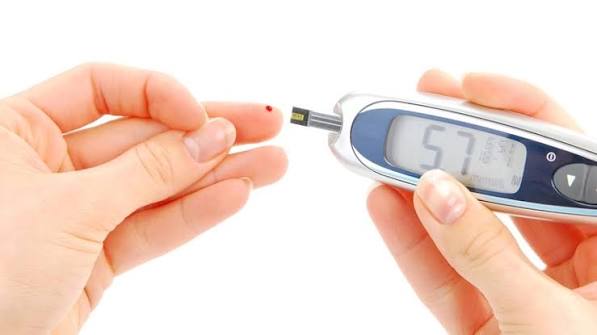
What Is Blood Sugar? A Simple Guide for Adults
Understanding what is blood sugar is the starting point for anyone managing their metabolic health, reducing their risk of type 2 diabetes, or living with a diagnosis. Blood sugar — also called blood glucose — is the concentration of glucose circulating in your bloodstream at any given moment. Glucose is the primary energy source for every cell in your body, from your brain to your muscles, and maintaining it within a healthy range is one of the most fundamental tasks your body performs every minute of the day. When this balance is disrupted — either by consistently high levels or sudden drops — the consequences affect nearly every organ system, often developing slowly without obvious symptoms until significant damage has occurred. This guide explains how blood sugar works, what the numbers mean, and what influences those numbers throughout the day.
What Is Blood Sugar, Exactly?
Blood sugar refers to glucose dissolved in the plasma portion of your blood. Glucose is a simple sugar — the most basic form of carbohydrate — and it is the preferred fuel for virtually every cell in your body. The brain, which accounts for roughly 20 percent of your total daily energy consumption, runs almost exclusively on glucose and has virtually no ability to store it, making a continuous, steady supply essential for cognitive function and consciousness.
The glucose in your blood comes from two main sources: the food you eat and your liver. When you consume carbohydrates — whether bread, rice, fruit, or any other food — your digestive system breaks those carbohydrates down into glucose molecules, which are absorbed through the wall of your small intestine into the bloodstream. Between meals and overnight, your liver continuously releases glucose from its stored glycogen reserves to maintain baseline blood sugar levels and keep your brain and other organs fueled during fasting periods.
Blood sugar is measured in milligrams per deciliter (mg/dL) in the United States. At rest and between meals, a healthy adult’s blood sugar typically sits between 70 and 99 mg/dL. After eating, blood sugar rises as glucose from food enters the circulation, reaching a peak within one to two hours before returning to baseline as the body’s regulatory systems bring it back down. This constant cycle is managed automatically by a precisely coordinated hormonal system centered on the pancreas.
It is worth noting that blood sugar and blood glucose are identical terms. Both describe the same measurement — the concentration of glucose in the bloodstream. The word “sugar” is used colloquially because glucose is a sugar molecule, though it is quite different from the table sugar (sucrose) you might stir into coffee. Glucose is the fundamental cellular fuel; sucrose is a compound that must first be broken down by digestion into glucose and fructose before either can be used by the body.
How Glucose Gets Into the Bloodstream
The journey from food to blood sugar begins in the digestive system. When you eat anything containing carbohydrates, digestion starts immediately: enzymes in your saliva begin breaking complex carbohydrates (starches) into shorter sugar chains while you chew. This process continues in your stomach and reaches completion in the small intestine, where specialized enzymes break starches and disaccharides into simple glucose molecules ready for absorption.
These glucose molecules pass through the intestinal wall via specific transport proteins and enter the portal vein, which carries nutrient-rich blood directly from the digestive tract to the liver. The liver acts as a critical gatekeeper: it takes up a portion of the incoming glucose for its own energy needs, converts some into glycogen for storage, and releases the remainder into the general circulation where it becomes available to all body tissues.
Different foods produce very different glucose absorption patterns. Foods high in fiber — such as legumes, non-starchy vegetables, and whole grains — slow digestion and produce gradual, modest glucose rises over one to two hours. Foods composed primarily of refined carbohydrates or added sugars — white bread, sugary beverages, pastries — are digested rapidly, producing sharp blood sugar peaks within 30 to 60 minutes of eating. Fat and protein have much smaller direct effects on blood glucose but influence the rate of gastric emptying, which blunts and delays the glucose peak when consumed alongside carbohydrates.
This is why a piece of white bread eaten alone produces a different blood sugar response than the same bread eaten with eggs, olive oil, and vegetables. The total carbohydrate content is the same, but the accompanying fat, protein, and fiber slow the rate of glucose absorption, resulting in a more gradual and lower peak — a distinction that matters enormously for people managing blood sugar conditions.
The Role of Insulin in Blood Sugar Regulation
Insulin is the central hormone controlling what happens to glucose once it reaches the bloodstream. Produced by beta cells in the islets of Langerhans within the pancreas, insulin acts as a molecular key that unlocks the doors of most cells, allowing glucose to enter and be used for energy or stored for later use. Without insulin, glucose accumulates in the blood while cells are starved of fuel — the fundamental problem in type 1 diabetes, where insulin-producing beta cells are destroyed by the immune system.
When blood sugar rises after a meal, pancreatic beta cells detect this change through specialized glucose-sensing mechanisms and respond within minutes by secreting insulin. This insulin surge signals several tissues simultaneously:
- Muscle cells open their glucose transporters and absorb large amounts of glucose for immediate energy use or storage as glycogen, lowering blood sugar efficiently
- Fat cells take up glucose for long-term energy storage, while insulin simultaneously halts the breakdown of existing fat stores
- The liver shifts from releasing glucose (its role between meals) to absorbing and converting glucose to glycogen, further reducing post-meal blood sugar
Together, these actions clear glucose from the blood and distribute it to where it is needed, bringing blood sugar back down toward the normal fasting range within one to two hours of a meal.
A second hormone, glucagon, works in the opposite direction. Produced by alpha cells in the pancreas, glucagon signals the liver to break down glycogen and release glucose when blood sugar falls — during fasting, exercise, or stress. The balance between insulin and glucagon keeps blood sugar remarkably stable in healthy people across widely varying circumstances.
When cells become resistant to insulin’s signal — a condition called insulin resistance — the pancreas compensates by producing more insulin to achieve the same glucose-lowering effect. Over time, if the pancreas cannot sustain this extra demand, blood sugar begins rising chronically, first into the prediabetes range, then into the diabetes range. Understanding this progression is key to early intervention.
- Normal fasting blood sugar: 70–99 mg/dL
- Prediabetes (fasting): 100–125 mg/dL
- Diabetes (fasting): 126 mg/dL or higher on two separate tests
- Normal post-meal (2 hours after eating): below 140 mg/dL
- Normal A1C: below 5.7% | Prediabetes: 5.7–6.4% | Diabetes: 6.5%+
What Normal Blood Sugar Levels Look Like
Blood sugar is assessed through several standardized tests, each reflecting a different window of glucose regulation:
Fasting blood sugar is measured after at least eight hours without eating. It reflects the liver’s overnight glucose output and baseline insulin sensitivity. A normal fasting result in a healthy adult falls between 70 and 99 mg/dL. Values between 100 and 125 mg/dL indicate prediabetes; values of 126 mg/dL or higher on two separate tests confirm diabetes, according to American Diabetes Association diagnostic criteria.
Post-meal blood sugar — also called postprandial glucose — is typically measured approximately two hours after eating. In a healthy adult, this value should fall below 140 mg/dL. Values between 140 and 199 mg/dL indicate impaired glucose tolerance (a form of prediabetes); values at or above 200 mg/dL are diagnostic for diabetes when accompanied by classic symptoms.
The A1C test provides a longer-term perspective by measuring the percentage of hemoglobin proteins in red blood cells that have glucose attached to them. Because red blood cells live approximately three months, A1C reflects average blood sugar over that period — unlike a fasting or random glucose test, which captures a single moment in time. A normal A1C is below 5.7%; prediabetes is diagnosed at 5.7–6.4%; and diabetes at 6.5% or above. For a full explanation of this test, see our guide on the A1C test.
These thresholds are not arbitrary lines. They come from large observational studies showing that the risk of diabetes complications — including kidney disease, nerve damage, retinal damage, and cardiovascular disease — begins rising meaningfully above these cut points. Even values in the upper-normal range are associated with higher long-term risk compared to lower-normal values.
How Blood Sugar Changes Throughout the Day
Blood sugar is not a fixed number. It moves through a predictable range across 24 hours, influenced by meals, physical activity, stress, sleep, and hormonal fluctuations.
The dawn phenomenon causes blood sugar to rise naturally in the early morning hours — typically between 3 and 8 AM — as counter-regulatory hormones including cortisol, growth hormone, and glucagon prepare the body for the demands of the day. These hormones signal the liver to release glucose into the bloodstream. In healthy people, a modest insulin response manages this release without blood sugar rising noticeably. In people with insulin resistance or diabetes, this morning glucose rise can be more pronounced and is a common source of elevated fasting readings.
After meals, blood sugar rises as absorbed glucose enters the circulation. The magnitude and duration of this rise depends on what was eaten (type and amount of carbohydrate), how quickly digestion occurred, and the individual’s insulin sensitivity. In a healthy person, blood sugar peaks below 140 mg/dL and returns to near-fasting levels within two hours. Understanding how different foods affect this pattern is a cornerstone of blood sugar management — for more detail, see our guide on blood sugar after meals.
During exercise, working muscles absorb glucose directly from the bloodstream, often independently of insulin. This is one of the most powerful natural regulators of post-meal blood sugar. Research published in Diabetes Care found that three brief 15-minute walks after breakfast, lunch, and dinner reduced 24-hour blood glucose significantly more effectively than a single 45-minute walk at another time of day.
Overnight, blood sugar stabilizes in the lower normal range as the liver releases glucose at a slow, steady rate to fuel the brain and other organs. For most healthy adults, blood sugar neither climbs dangerously high nor drops into hypoglycemia during sleep.
When Blood Sugar Stays Too High
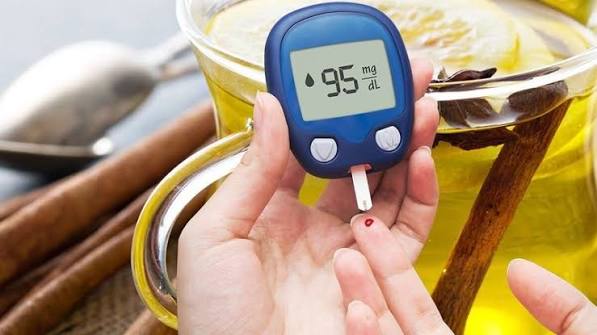
Persistently elevated blood sugar — hyperglycemia — is the defining feature of both prediabetes and diabetes. In the short term, high blood sugar produces symptoms that are easy to dismiss: increased thirst and dry mouth (as the body draws fluid to dilute concentrated blood), frequent urination (as the kidneys try to filter excess glucose), fatigue, and mildly blurry vision from fluid shifts in the eye’s lens. Many people with prediabetes and early type 2 diabetes have no symptoms at all, which is why routine screening is essential.
Over years and decades, however, the damage from sustained hyperglycemia accumulates in structures throughout the body:
Blood vessels: Excess glucose reacts chemically with proteins in blood vessel walls through a process called glycation, producing advanced glycation end products that stiffen and damage the vascular lining. This accelerates atherosclerosis (arterial plaque buildup) and significantly raises the risk of heart attack and stroke. Adults with diabetes face two to four times the cardiovascular risk of those without the condition.
Kidneys: The kidneys’ tiny filtering units are damaged over time by a combination of high glucose concentrations and the high blood pressure that frequently accompanies diabetes. This leads to diabetic nephropathy — the leading cause of end-stage kidney disease requiring dialysis in the United States. Approximately 20 to 40 percent of people with diabetes develop some degree of kidney disease over a lifetime without adequate blood sugar control.
Eyes: The retina depends on a network of delicate capillaries. Hyperglycemia causes these vessels to leak, swell, and eventually grow abnormally in an attempt to compensate — a progressive condition called diabetic retinopathy. It is the leading cause of new blindness among adults aged 20 to 74 in the United States, yet is largely preventable with early detection and treatment.
Nerves: Peripheral nerves — especially those supplying the feet and legs — are vulnerable to sustained glucose toxicity. Diabetic peripheral neuropathy causes tingling, numbness, burning pain, and eventually loss of protective sensation. When people with advanced neuropathy can no longer feel wounds on their feet, minor injuries can escalate to serious infections before they are noticed.
Immune function: High blood sugar impairs the function of neutrophils and other immune cells, making the body slower to respond to infections and slower to heal wounds. People with poorly controlled diabetes have significantly higher rates of bacterial and fungal infections and longer recovery times following illness or surgery.
When Blood Sugar Drops Too Low
Low blood sugar — hypoglycemia — is defined as blood glucose below 70 mg/dL. Because the brain depends almost entirely on circulating glucose for energy and cannot store meaningful reserves, hypoglycemia produces rapid and sometimes dramatic effects on brain function: shakiness, sweating, rapid heartbeat, anxiety, irritability, difficulty concentrating, and hunger. These symptoms reflect both the brain’s distress and the body’s adrenaline response to signal the liver to urgently release glucose.
If blood sugar continues falling without treatment, more severe symptoms emerge: confusion, slurred speech, impaired coordination, and, in extreme cases, loss of consciousness or seizures. Severe hypoglycemia is a medical emergency.
Hypoglycemia is most common in people using insulin or sulfonylurea medications for diabetes, where the glucose-lowering dose may exceed the body’s available glucose supply — particularly if a meal is skipped, exercise is more intense than anticipated, or alcohol is consumed without food. Reactive hypoglycemia, occurring two to four hours after a high-carbohydrate meal in people without diabetes, reflects an exaggerated insulin response that overshoots the glucose peak and can cause mild hypoglycemic symptoms.
Mild hypoglycemia is treated by consuming 15 to 20 grams of fast-acting carbohydrates — glucose tablets, fruit juice, or regular soda — then rechecking blood sugar after 15 minutes. Understanding and recognizing hypoglycemia symptoms is an essential skill for anyone monitoring their glucose or managing a blood sugar condition.
Who Should Pay Attention to Blood Sugar?
While blood sugar management is essential for people with diagnosed diabetes or prediabetes, broader awareness of glucose health is relevant for many adults:
- Adults over 45 face increased risk of prediabetes and type 2 diabetes due to age-related changes in insulin sensitivity and pancreatic beta cell function. The American Diabetes Association recommends testing all adults at age 45, with repeat testing every three years if results are normal.
- Adults with risk factors — including overweight or obesity, a family history of type 2 diabetes, physical inactivity, high blood pressure, abnormal cholesterol, or prior gestational diabetes — should be tested earlier regardless of age.
- Adults with symptoms suggesting blood sugar problems — persistent unusual thirst, frequent urination, unexplained fatigue, blurry vision, slow-healing wounds, or tingling in the feet — warrant testing regardless of age or known risk factors.
- People with prediabetes already diagnosed benefit enormously from lifestyle monitoring. The landmark Diabetes Prevention Program showed that structured lifestyle intervention reduced progression to type 2 diabetes by 58 percent — a result more effective than medication alone.
Home blood sugar monitoring using a glucose meter is appropriate for people with diagnosed conditions or specific clinical indications. For guidance on home monitoring, see our guide on home blood sugar monitoring.
Practical Ways to Support Healthy Blood Sugar
For most adults, maintaining blood sugar within a healthy range comes down to consistent habits supported by a strong evidence base:
Choose fiber-rich carbohydrates over refined ones: Soluble fiber — found in legumes, oats, non-starchy vegetables, and many fruits — slows glucose absorption and significantly blunts post-meal blood sugar spikes. Replacing white bread, white rice, and sugary cereals with high-fiber alternatives is one of the most impactful dietary changes available for blood sugar control, and it does not require eliminating carbohydrates entirely.
Move after meals: Even a 10 to 15-minute walk after eating can meaningfully reduce the post-meal glucose peak by directing working muscles to absorb glucose directly from the bloodstream. Over time, regular physical activity improves insulin sensitivity, making the entire regulatory system more efficient and resilient.
Eat at consistent times: Maintaining regular meal timing helps the body’s hormonal systems anticipate glucose intake and respond more efficiently. Skipping meals — especially breakfast — is associated with larger glucose swings later in the day and may worsen insulin resistance over time. Large, infrequent meals produce more extreme blood sugar fluctuations than smaller, evenly spaced meals.
Prioritize sleep quality and duration: Even a single night of poor sleep has been shown to reduce insulin sensitivity by up to 25 percent. Chronic sleep deprivation raises cortisol and other stress hormones that impair glucose tolerance. Consistently sleeping fewer than six hours per night is independently associated with increased risk of type 2 diabetes. Most adults require seven to nine hours of quality sleep to support optimal metabolic function.
Manage chronic stress: Sustained psychological stress elevates cortisol and adrenaline, which raise blood sugar by stimulating glycogen breakdown in the liver. People with high levels of chronic stress consistently show worse glycemic control than those with lower stress levels, even when diet and exercise are similar. Regular physical activity, adequate sleep, time in nature, and mindfulness-based practices all contribute to a more regulated stress hormone response.
Stay hydrated with water: Dehydration concentrates glucose in the blood, artificially raising measured levels. Staying well hydrated throughout the day supports stable blood sugar readings and reduces the likelihood of reaching for sugar-sweetened beverages — which directly spike blood glucose and offer no nutritional benefit.
Limit added sugars and refined carbohydrates: Added sugars, particularly in liquid form (sodas, juices, sweetened coffees), produce the most rapid and dramatic blood sugar spikes of any food category. They also promote visceral fat accumulation and insulin resistance over time. Reducing added sugar intake is one of the most universally recommended dietary changes across diabetes, cardiovascular disease, and metabolic health guidelines.
Sources: American Diabetes Association. Standards of Medical Care in Diabetes — 2024. Diabetes Care. 2024;47(Suppl 1):S20–S42. • National Institute of Diabetes and Digestive and Kidney Diseases. Diabetes Tests & Diagnosis. NIDDK; 2023. • DiPietro L, et al. Three 15-min bouts of moderate postmeal walking significantly improves 24-h glycemic control in older people at risk for impaired glucose tolerance. Diabetes Care. 2013;36(10):3262–3268.
I never fully understood what is blood sugar? a simple until I read this. The section on managing this condition day-to-day was especially useful for planning. Forwarding this to others in my support group who are dealing with similar issues.
Came across this while researching what is blood sugar? a simple for a family member. The section on managing this condition day-to-day was especially useful for planning. Looking forward to reading more articles from this website.
This breakdown of what is blood sugar? a simple is exactly what patients need before a specialist appointment. I especially valued the explanation of why these recommendations exist, not just what they are. This gave me real confidence going into my next specialist appointment.