

When Bladder Symptoms Need Evaluation: A Guide to Knowing When to Seek Care
Bladder symptoms occupy an unusual position in healthcare: many of the most prevalent urinary conditions — overactive bladder, stress incontinence, benign prostatic hyperplasia, recurrent urinary tract infections, interstitial cystitis/bladder pain syndrome — are underdiagnosed and undertreated because patients normalize their symptoms, attribute them to aging or stress, feel embarrassed to discuss them, or delay seeking care until symptoms have significantly impaired their quality of life. At the same time, bladder symptoms that appear to be mild or common can occasionally represent serious underlying pathology — bladder cancer, kidney disease, diabetes, neurological disease, or other systemic conditions — that requires prompt evaluation rather than watchful waiting. The clinical challenge, both for patients deciding whether to seek care and for clinicians triaging symptom severity, is distinguishing the common, benign-trajectory bladder symptoms that warrant behavioral modification and scheduled evaluation from the symptoms that require urgent or emergency assessment. This guide provides a comprehensive framework for making that distinction, covering the red flag symptoms that require immediate or same-day attention, the concerning symptoms that warrant prompt (within days to weeks) clinical evaluation, the common symptoms appropriate for scheduled primary care evaluation, and the symptoms that can be reasonably managed initially with self-care while monitoring for change.
The decision to seek medical evaluation for bladder symptoms depends on multiple factors: the nature of the symptom (pain, bleeding, versus frequency/urgency), its acuity (sudden onset vs. gradual progression), its severity (does it wake from sleep? does it prevent daily activities?), its trajectory (getting worse, stable, improving?), its associated features (fever, flank pain, neurological symptoms), and the patient’s background (age, sex, prior urological history, medical comorbidities). A symptom that is reassuringly common and typically benign in a 35-year-old woman with no medical history may warrant urgent evaluation in a 65-year-old male smoker with the same presentation. Understanding the contextual factors that raise or lower clinical urgency allows patients to triage their own symptoms more accurately and to communicate relevant history to clinicians in a way that accelerates appropriate evaluation.
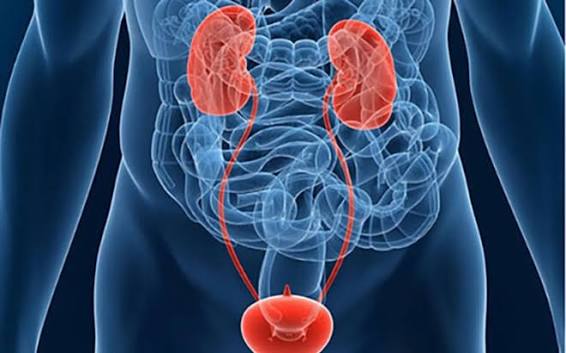
Red Flag Symptoms: Seek Emergency or Same-Day Care
The following bladder symptoms warrant emergency department evaluation or same-day urgent care without delay. These symptoms either directly indicate a potentially serious or life-threatening condition, or represent a clinical presentation that cannot be safely managed with watchful waiting.
Acute urinary retention — complete inability to urinate. Complete inability to urinate despite urgency and significant bladder distension (felt as a painful lower abdominal mass) is a urological emergency requiring immediate catheterization to decompress the bladder. In men, acute urinary retention is most commonly caused by benign prostatic hyperplasia (BPH) with a precipitating trigger (certain medications, constipation, alcohol, infection), urethral stricture, or prostate cancer. In women, it is less common but can arise from pelvic organ prolapse, pelvic mass, or neurological disease. Prolonged untreated urinary retention causes bladder wall damage, hydronephrosis, and renal injury — go to the emergency department without delay, do not wait to see if voiding becomes possible. Gross hematuria — visible blood in urine. Urine that is visibly red, pink, or brown with blood discoloration, particularly in the absence of obvious explanation (menstrual contamination, certain foods or medications), requires same-day or urgent evaluation. In adults over 35, gross hematuria without infection is the classic presentation of bladder cancer and must be evaluated with urine cytology, cystoscopy, and upper tract imaging until bladder or upper tract urothelial malignancy is excluded. Even a single episode of gross hematuria warrants evaluation — it does not need to be recurrent to justify urgent assessment. A urinary tract infection (UTI) can cause microscopic or occasionally visible hematuria, but if hematuria persists after the UTI resolves, further evaluation for other causes (including malignancy) is necessary. Bladder symptoms with high fever (above 38.5°C/101.3°F), rigors, flank pain, or confusion. This constellation suggests upper urinary tract infection (pyelonephritis) or sepsis of urinary origin — a potentially life-threatening infection requiring immediate evaluation, blood and urine cultures, intravenous antibiotics, and hospital admission if systemic signs are present. Lower urinary tract infections (uncomplicated cystitis) do not typically cause fever above 38°C; high fever in the setting of urinary symptoms strongly suggests upper tract or systemic involvement. Sudden new-onset neurological symptoms alongside bladder symptoms. Acute urinary retention or new-onset incontinence combined with lower extremity weakness, numbness, saddle area (perineal and inner thigh) anesthesia, or bowel dysfunction suggests cauda equina syndrome — spinal cord compression at the level of the cauda equina — which requires emergency MRI of the lumbar spine and urgent neurosurgical or orthopedic consultation. Cauda equina syndrome is a surgical emergency; irreversible neurological damage occurs if decompression is delayed.
Concerning Symptoms: Prompt Evaluation Within Days to 2 Weeks
The following symptoms warrant prompt (non-emergency but timely) clinical evaluation, typically within days to 2 weeks. These symptoms are not emergencies but have a higher probability of indicating pathology that benefits from early diagnosis and treatment than common benign urinary conditions.
Microscopic hematuria (blood detected on urinalysis but not visible). The significance of asymptomatic microscopic hematuria — defined as 3 or more red blood cells per high-power field on properly collected urinalysis — depends strongly on age and risk factors. In adults over 35 without a clear benign cause (UTI, vigorous exercise, menstrual contamination), the AUA guidelines recommend evaluation for urothelial malignancy with cystoscopy and upper tract imaging. Younger adults with microscopic hematuria and no risk factors for malignancy (no smoking history, no occupational chemical exposure, no pelvic radiation) have a lower malignancy probability and may be managed with repeat urinalysis after benign causes are excluded, but should not have hematuria normalized without at least a structured follow-up plan. New or significantly worsening urinary urgency or frequency without obvious trigger. A meaningful new change in voiding pattern in an adult over 45 — particularly urgency or frequency that develops over weeks rather than hours (which suggests infection) — warrants clinical evaluation to exclude pathological causes including bladder tumor, BPH progression, diabetes (urinary frequency is the classic presenting symptom of poorly controlled diabetes mellitus), hypercalcemia, and neurological disease. Urgency and frequency of gradual onset are most commonly OAB, but a new symptom pattern without an obvious trigger (no new medication, no recent UTI, no new caffeine excess) benefits from clinical evaluation to exclude secondary causes before attributing to primary OAB. Recurrent UTIs (two or more in 6 months, or three or more per year). Recurrent UTI warrants evaluation for predisposing anatomical or functional abnormalities: significant post-void residual (incomplete bladder emptying from BPH, neurogenic bladder, or other voiding dysfunction), bladder or kidney stones acting as nidi for bacterial persistence, vesicoureteral reflux (in younger women), an immune-compromised state (diabetes, immunosuppressive medications), and in postmenopausal women, urogenital atrophy amenable to vaginal estrogen therapy. Treating each UTI episode without investigating for predisposing factors perpetuates the recurrence cycle and increases cumulative antibiotic exposure and resistance risk. Pelvic pain or bladder pain lasting more than 6 weeks without improvement. Bladder or pelvic pain that persists beyond the resolution time of an acute UTI, or that develops without a UTI, requires evaluation for interstitial cystitis/bladder pain syndrome (IC/BPS), pelvic inflammatory disease, endometriosis (in women), chronic prostatitis (in men), and other causes of chronic pelvic pain. For the full differential diagnosis of bladder and pelvic pain, the bladder pain causes guide on Horizon Health Guide covers the spectrum of conditions that produce chronic bladder and pelvic pain.
Common Symptoms Appropriate for Scheduled Primary Care Evaluation
The following urinary symptoms are common, typically represent benign conditions with well-established management pathways, and are appropriate for a scheduled primary care or urology appointment rather than urgent evaluation — provided none of the red flag features above are also present. These symptoms significantly impact quality of life and deserve attention, but do not require emergency or same-day assessment.
Stress urinary incontinence — leakage with coughing, sneezing, laughing, lifting, or impact exercise — is the most common incontinence type in women and is highly amenable to pelvic floor muscle training, which produces 60 to 80% improvement in properly performed 3-month programs. A primary care evaluation confirms the diagnosis, excludes contributing factors (chronic cough from asthma or smoking, obesity, constipation), initiates pelvic floor physiotherapy referral, and establishes a management plan. Overactive bladder with urgency and frequency — discussed in detail in the overactive bladder guide on Horizon Health Guide — is appropriate for primary care evaluation and initial behavioral management with bladder training, pelvic floor training, and dietary modification before specialist referral. Nocturia (waking to void at night, 1 or more times) is the most prevalent lower urinary tract symptom in older adults and appropriate for primary care evaluation to distinguish OAB-related nocturia, nocturnal polyuria (most common cause in older adults), reduced nocturnal bladder capacity from BPH or OAB, and sleep disorders — covered in detail in the frequent nighttime urination guide. Symptoms of urinary incontinence in men — any new urinary incontinence in a man is worth evaluating, as it may indicate BPH, post-prostatectomy sphincter weakness, OAB, or overflow incontinence from a poorly emptying bladder. The evaluation in men includes assessment of post-void residual to exclude urinary retention before bladder training or antimuscarinic medications are prescribed, since these treatments can worsen retention.
When Self-Care Is Appropriate — and When to Upgrade
Many common, mild bladder symptoms can be reasonably managed initially with evidence-based self-care strategies before seeking clinical evaluation: caffeine reduction, adequate but not excessive hydration, dietary modification (elimination of bladder irritants), pelvic floor exercises, voiding schedule adjustment, and constipation management. Self-care is appropriate for mild to moderate urgency, frequency, or stress incontinence without red flag features, without significant quality-of-life impairment, and when the symptom has a plausible modifiable explanation (recent increase in caffeine, new high-impact exercise program, recent pregnancy). The evidence base for these self-care strategies and how to implement them is covered in the bladder health tips guide on Horizon Health Guide, the pelvic floor exercises guide, and the caffeine and bladder symptoms guide.
Self-care should be upgraded to clinical evaluation when: symptoms have not improved after 4 to 6 weeks of consistent behavioral modification; symptoms are worsening despite self-care; symptoms are significantly impacting daily activities, work, sleep, or social participation; any red flag or concerning symptom develops at any point; the patient is a man with new urinary symptoms (who warrants prostate assessment); the patient is over 50 with new-onset urinary urgency or frequency without obvious cause; or the patient is concerned and wants professional assessment regardless of symptom severity. There is no clinical penalty for seeking evaluation of bladder symptoms that turn out to be benign — the evaluation typically consists of a history, urinalysis, and physical examination, and the reassurance of a negative workup is valuable in itself. The more significant risk is delayed evaluation of a symptom that appears common but represents serious underlying pathology: bladder cancer presenting as intermittent hematuria that is attributed to UTIs for months; neurogenic bladder from multiple sclerosis presenting as urgency without urgency incontinence; or overflow incontinence from BPH presenting as apparent “stress incontinence” in a man. For guidance on the specific symptoms and urgency patterns of overactive bladder — the most common condition presenting for bladder evaluation — the OAB symptoms guide provides detailed clinical context. The AUA and NIDDK provide authoritative clinical guidance for patients and clinicians: the AUA OAB guideline and the NIDDK bladder control resource are the primary evidence-based references. The StatPearls OAB review covers the clinical evidence for evaluation and management of OAB and related conditions.
Sources: NIDDK — Bladder Control · AUA OAB Guidelines · StatPearls — OAB
What to Expect at a First Bladder Evaluation
Understanding what happens at a first clinical evaluation for bladder symptoms helps patients prepare relevant information and reduces the anxiety that can delay care. A standard initial evaluation for lower urinary tract symptoms in primary care or urology typically includes the following components:
History and symptom characterization: The clinician will ask about the nature, onset, duration, and severity of symptoms; the voiding pattern (frequency, volume, urgency, nocturia); the presence of incontinence (stress, urgency, mixed, or continuous); associated symptoms (pelvic pain, hematuria, hesitancy, weak stream, sense of incomplete emptying); fluid and caffeine intake; bowel function; and sexual function. Relevant medical history including prior urological conditions, surgeries (particularly pelvic surgery, prostatectomy, or hysterectomy), neurological conditions, diabetes, and current medications will be reviewed. A medication review is particularly important because many common drugs affect bladder function: diuretics (increase urine volume and frequency), antimuscarinics (can cause urinary retention), alpha-1 blockers (can worsen stress incontinence in women), calcium channel blockers (can reduce detrusor contractility and worsen emptying), and opioids (can reduce bladder sensation and cause retention). A validated symptom questionnaire — the Overactive Bladder Symptom Score (OABSS), the International Prostate Symptom Score (IPSS) for men with lower urinary tract symptoms, or the Pelvic Floor Distress Inventory (PFDI) — may be completed before or at the appointment and provides standardized baseline documentation for monitoring treatment response.
Voiding diary: Many clinicians ask patients to complete a 3 to 5-day voiding diary before their appointment, recording the time, volume (measured with a graduated container), and associated urgency of each void, as well as fluid intake. A voiding diary provides objective evidence of voiding frequency, functional bladder capacity (the largest volume voided comfortably), total daily urine output, and nocturnal urine production — information that cannot be reliably estimated from history alone and that changes clinical assessment significantly. If you are preparing for a bladder evaluation, asking the clinician’s office in advance whether a diary is requested can accelerate the consultation. Urinalysis: A dipstick urinalysis (and if positive, a urine culture) is standard in all bladder evaluations to exclude urinary tract infection, identify blood (microscopic hematuria), detect glucose (suggesting uncontrolled diabetes), and check for proteinuria (suggesting renal disease). The urinalysis result helps direct the subsequent evaluation — a positive nitrite and leukocyte esterase in a symptomatic patient suggests UTI requiring culture and treatment; blood on dipstick requires confirmation with microscopy and further workup; glucose warrants diabetes assessment. Post-void residual measurement: Bladder ultrasound to measure the urine remaining in the bladder after voiding is standard in men with lower urinary tract symptoms (to exclude significant retention from BPH) and recommended in any patient with symptoms suggesting incomplete emptying (weak stream, hesitancy, sense of incomplete bladder emptying, recurrent UTI). A post-void residual above 150 to 200 mL is clinically significant and changes management — patients with elevated residuals should not receive antimuscarinic medications (which reduce detrusor contractility and can worsen retention) without careful monitoring and close follow-up.
Specialist Referral: When Primary Care Is Not Enough
Many bladder conditions can be diagnosed and initially managed in primary care — uncomplicated OAB, stress incontinence, uncomplicated recurrent UTI, and mild BPH symptoms are all within the scope of primary care management with appropriate guidelines. Specialist referral to urology (for surgical and procedural evaluation) or urogynecology (for women with pelvic floor dysfunction and incontinence combined) is appropriate when: the diagnosis is uncertain after initial evaluation; symptoms fail to respond to first-line behavioral and pharmacological treatment; hematuria is confirmed and requires cystoscopy and upper tract imaging; the patient has a significantly elevated post-void residual suggesting outlet obstruction or neurogenic bladder; the patient is considering or requires procedural intervention (cystoscopy, urodynamics, sacral neuromodulation, bladder Botox injection, or surgery for BPH or prolapse); there is pelvic organ prolapse contributing to incontinence; or the patient has a history of pelvic malignancy, radiation, or neurological disease affecting bladder function. Urodynamic testing — measuring bladder filling pressures, detrusor activity, urethral closure pressures, and voiding dynamics in a specialized laboratory setting — is not required for initial OAB or incontinence evaluation but is recommended before surgical intervention for incontinence, in cases where the diagnosis is unclear after initial evaluation, or in patients with complex mixed incontinence where the predominant mechanism needs to be established. The pathway from symptom recognition to specialist evaluation is most efficient when the patient brings a completed voiding diary, urinalysis results, and a list of current medications to their primary care appointment, enabling referral with adequate documentation for specialist triage. For a comprehensive overview of the most common bladder condition prompting specialist evaluation, the overactive bladder guide on Horizon Health Guide provides detailed clinical context, and the urinary incontinence overview covers the full spectrum of incontinence types and management pathways from primary care through specialist intervention.
Special Considerations for Older Adults
Bladder symptom evaluation in older adults requires specific attention to several factors that are more prevalent or more clinically significant in this population. First, the threshold for hematuria evaluation should not be raised in older adults — on the contrary, the probability of bladder cancer associated with a given episode of hematuria increases significantly with age, and the index of suspicion for malignancy should be proportionally higher in adults over 60, particularly those with a smoking history. Hematuria in older adults should be evaluated urgently rather than attributed to benign causes without investigation. Second, polypharmacy — the use of multiple medications simultaneously — is extremely common in older adults and a major contributor to urinary symptoms: diuretics taken for heart failure or hypertension significantly worsen nocturia and frequency; calcium channel blockers can impair bladder emptying; certain antidepressants have both antimuscarinic (reducing detrusor contractility) and diuretic properties; opioid analgesics reduce bladder sensation and can cause retention; and some antihistamines, decongestants, and cough/cold preparations contain sympathomimetics or antimuscarinics that affect bladder function. A medication review at every bladder symptom evaluation in older adults is clinically essential, as adjusting or substituting medications may resolve bladder symptoms without additional treatment. Third, cognitive impairment — even mild cognitive impairment short of dementia — can cause functional incontinence through impaired recognition of voiding signals, impaired ability to initiate and complete a toilet trip independently, and reduced ability to perform or remember pelvic floor exercises. Distinguishing functional incontinence from other incontinence types requires attention to the cognitive context during clinical evaluation. Fourth, fall risk from nocturia deserves specific assessment in all older adults reporting nocturia — any reduction in nighttime voiding frequency through behavioral, pharmacological, or medical management directly reduces fall risk and is a meaningful safety intervention independent of comfort or quality-of-life considerations. The urgency to evaluate and treat nocturia in older adults is therefore higher than in younger populations, not lower, despite the common assumption that nighttime voiding is simply an expected part of aging. The comprehensive approach to nocturia including age-specific management is covered in the frequent nighttime urination guide on Horizon Health Guide, and the assessment of bladder pain patterns that may indicate conditions requiring specialist evaluation is detailed in the bladder pain causes guide.
This is the article I needed 18 months ago. I had intermittent episodes of blood-tinged urine over about 6 months and kept attributing it to minor UTIs — I’d take a course of antibiotics my GP prescribed over the phone based on symptoms, feel better, and move on. It wasn’t until my wife insisted I get a proper evaluation that I went in and eventually had cystoscopy. The diagnosis was early-stage bladder cancer that was fully resectable. The framing in this article — a single episode of gross hematuria warrants evaluation until malignancy is excluded — is exactly what needed to be communicated to me years earlier. I don’t say this to frighten people; early-stage bladder cancer has excellent outcomes. But the delays from repeated antibiotic courses without investigation were unnecessary and could have allowed progression.
A clinically accurate and very practical triage framework that addresses a significant gap in patient health literacy around bladder symptoms. The hematuria section is appropriately emphatic — the single-episode rule for gross hematuria evaluation is important and frequently not communicated to patients who are told by non-specialist clinicians that one episode of blood in urine ‘might just be from dehydration’ or ‘probably an infection.’ Any visible hematuria in an adult over 35 without confirmed urological cause should trigger cystoscopy and upper tract imaging; this is the AUA guideline recommendation and the standard of care. The cauda equina section is important — the combination of new bladder or bowel dysfunction with saddle anesthesia and lower extremity weakness is a neurosurgical emergency and delays in recognition produce the greatest proportion of permanent neurological deficits of any spinal emergency.
Dr. Moreau, the cauda equina point is one of the most important red flags to communicate clearly, both because the consequences of delayed recognition are severe and permanent and because the bladder symptoms (acute retention or new incontinence) can be the presenting feature before lower extremity symptoms fully develop — making the bladder symptoms the initial clue that should trigger neurological assessment. Any patient presenting with acute urinary retention who also has any perineal or lower extremity sensory change should have emergency MRI, not a routine urology referral. Thomas, your experience illustrates the most preventable bladder cancer tragedy pattern — hematuria attributed to UTI for months without cystoscopy — and your point about the excellent prognosis for early-stage disease is equally important: the urgency for evaluation exists precisely because catching bladder cancer at stage I versus stage III is the difference between a day-surgery resection and a potentially life-limiting illness. No episode of visible hematuria should be attributed to benign cause without at minimum a urine cytology and cystoscopy.