
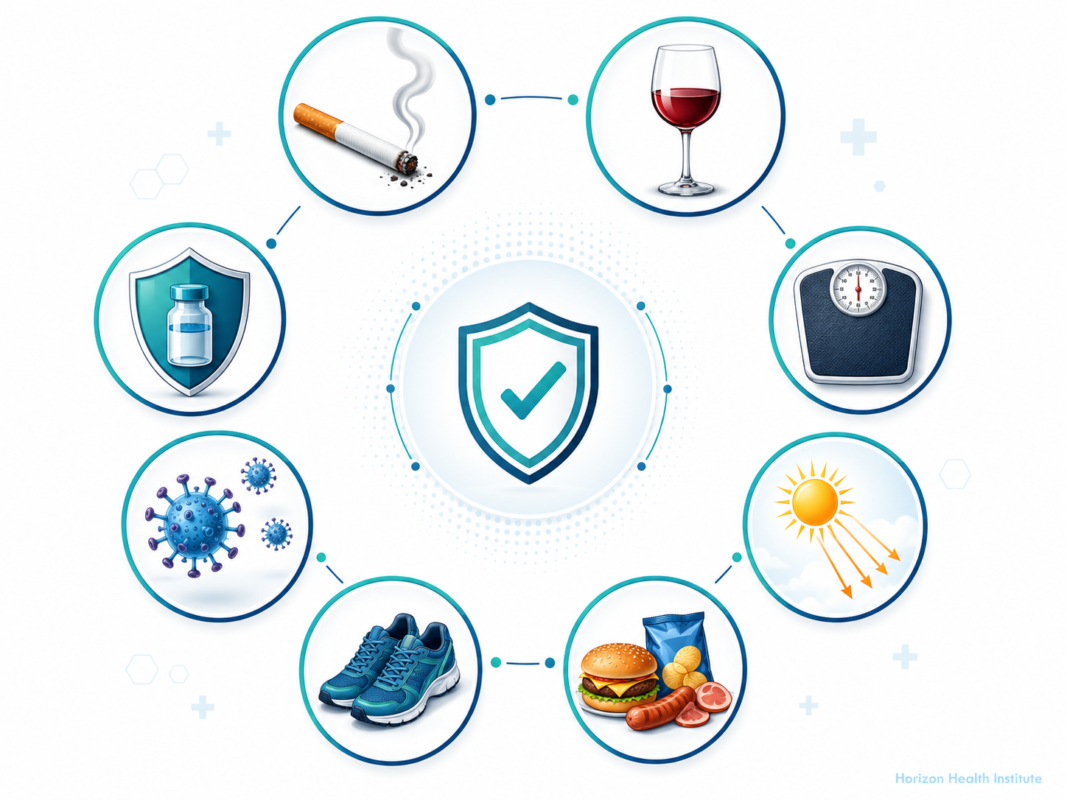
Causes of Cancer and Risk Factors: What Increases Your Cancer Risk?
Cancer rarely has one single cause. Most cancers develop through a combination of DNA changes, lifestyle exposures, inherited traits, aging, infections, and environmental factors. Understanding those risks can help people make smarter prevention and screening decisions.
Why Understanding Cancer Risk Matters
Cancer begins when cells develop genetic changes that allow them to grow, divide, or survive in ways they normally should not. These changes may happen gradually over many years. Some are linked to avoidable exposures, such as tobacco smoke or ultraviolet radiation. Others are tied to factors a person cannot control, such as age, inherited gene changes, or family history.
In the United States, cancer remains one of the most significant public health challenges. The American Cancer Society projects approximately 2.1 million new cancer cases and more than 626,000 cancer deaths in the U.S. in 2026. These numbers do not mean cancer is unavoidable. They show why prevention, earlier detection, and better awareness are important parts of long-term health.
Sources: American Cancer Society Cancer Statistics 2026; CDC Cancer Risk Factors and Obesity and Cancer.
Horizon Health Institute perspective: A risk factor does not guarantee that cancer will develop. It simply means the chance may be higher. Likewise, people with few obvious risk factors can still develop cancer. The goal is not fear; the goal is informed prevention.
What Actually Causes Cancer?
At the biological level, cancer is driven by changes in DNA. DNA is the instruction system that helps cells know when to grow, repair damage, divide, or die. When enough errors accumulate in the wrong genes, a cell may stop following normal controls. Over time, this can lead to uncontrolled growth, tumor formation, and in some cases spread to other parts of the body.
These DNA changes can come from several pathways. Some happen naturally as cells divide. Some are triggered by carcinogens, such as chemicals in tobacco smoke or radiation from excessive sun exposure. Some are caused by long-lasting infections, including HPV or hepatitis viruses. A smaller share comes from inherited gene changes passed through families.
Major Cancer Risk Factors You Can Influence
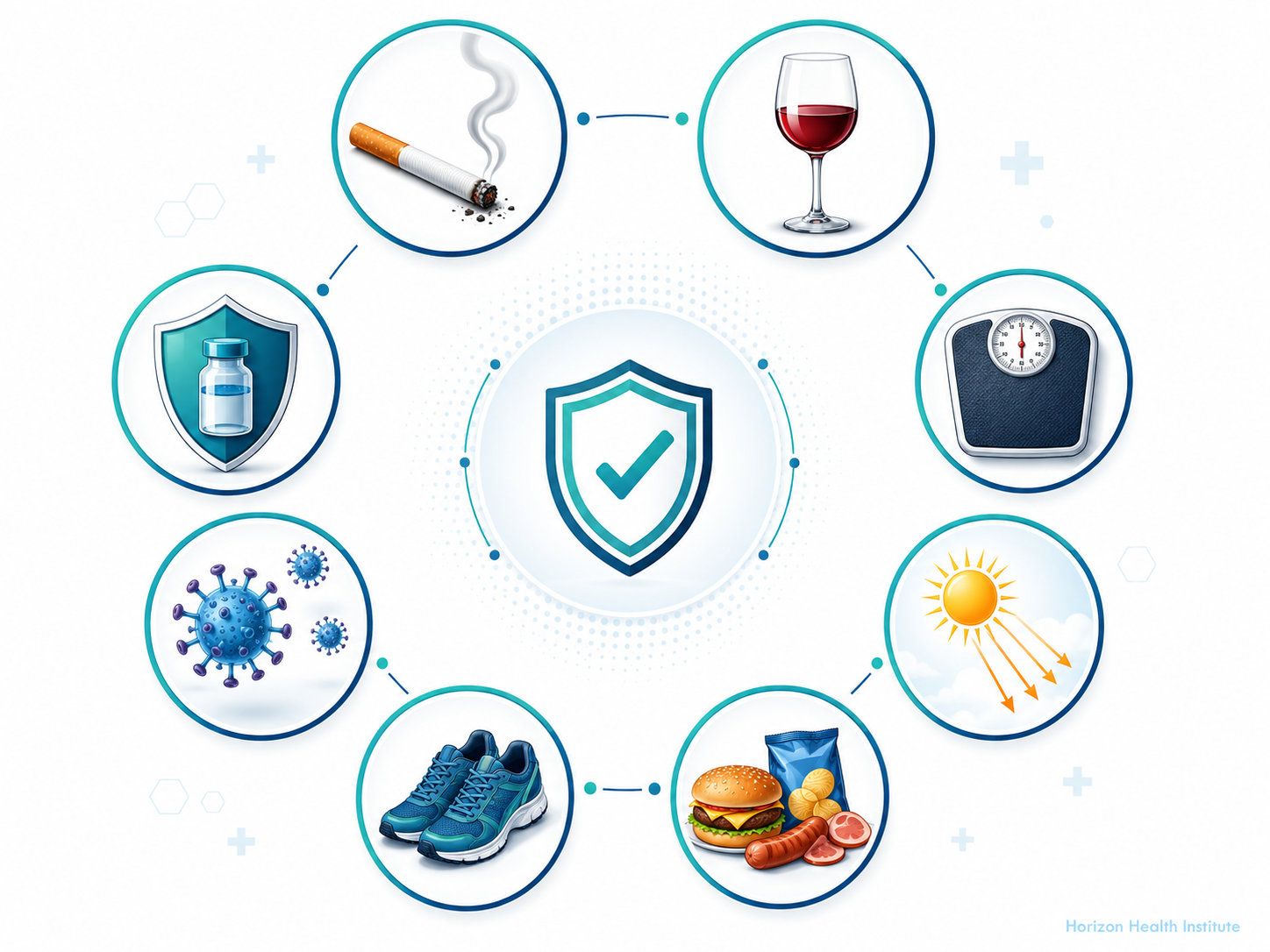
Some cancer risk factors are considered modifiable, meaning people can often reduce exposure or make lifestyle changes that lower risk over time. These choices do not create perfect protection, but they can meaningfully shift long-term risk.
1. Tobacco Use and Secondhand Smoke
Tobacco remains one of the most important preventable causes of cancer. Cigarette smoke contains many chemicals that can damage DNA and interfere with normal cell repair. Smoking is strongly linked to lung cancer, but it is also associated with cancers of the mouth, throat, esophagus, bladder, kidney, pancreas, stomach, cervix, colon and rectum, and other sites.
Secondhand smoke also matters. People who do not smoke can still inhale cancer-causing chemicals when they live, work, or spend time around tobacco smoke. Quitting tobacco at any age can improve health, and avoiding secondhand smoke can reduce unnecessary exposure.
2. Alcohol Use
Alcohol can increase cancer risk even when a person does not smoke. The risk generally rises with the amount consumed. Alcohol is linked with cancers of the mouth, throat, voice box, esophagus, liver, breast, colon, and rectum. One reason is that the body breaks alcohol down into acetaldehyde, a chemical that can damage DNA.
For cancer prevention, drinking less is better than drinking more. For some people, not drinking at all is the simplest risk-reduction choice.
3. Excess Body Weight, Physical Inactivity, and Metabolic Health
Being overweight or having obesity is associated with a higher risk of multiple cancers. The CDC notes that obesity-associated cancers include cancers of the colon and rectum, breast after menopause, uterus, kidney, liver, pancreas, ovary, thyroid, gallbladder, upper stomach, esophagus, meningioma, and multiple myeloma.
Excess body fat can influence cancer risk through chronic inflammation, insulin resistance, changes in hormone levels, and altered immune function. Regular physical activity may help improve insulin sensitivity, support weight management, reduce inflammation, and improve overall cardiometabolic health.
Practical takeaway: Cancer prevention does not require extreme routines. A realistic approach may include walking more often, reducing long periods of sitting, choosing fiber-rich foods, limiting sugary drinks, and building sustainable eating patterns.
4. Diet Patterns and Processed Foods
No single food causes or prevents cancer by itself. However, long-term eating patterns can influence risk. Diets high in processed meats, frequent red meat intake, low fiber intake, excess calories, and low intake of fruits, vegetables, beans, and whole grains may contribute to higher risk for some cancers, especially colorectal cancer.
A cancer-conscious eating pattern is usually simple: more plant-forward meals, more fiber, more whole foods, and fewer heavily processed foods. This is not about perfection. It is about what people do most days.
5. Ultraviolet Radiation From the Sun or Tanning Beds
Ultraviolet radiation can damage skin cell DNA and increase the risk of skin cancers, including melanoma. Sunburns, tanning beds, and repeated unprotected sun exposure all add to cumulative risk.
Helpful habits include using broad-spectrum sunscreen, wearing protective clothing, seeking shade during high-UV hours, and avoiding indoor tanning. For people with many moles, fair skin, a history of sunburns, or family history of melanoma, regular skin checks may be especially important.
6. Cancer-Related Infections
Some infections can increase cancer risk by causing long-term inflammation or direct changes in cells. Human papillomavirus, known as HPV, is linked to cervical cancer and several other cancers, including anal, throat, penile, vaginal, and vulvar cancers. Hepatitis B and hepatitis C can increase liver cancer risk. Helicobacter pylori infection is associated with stomach cancer in some people.
Vaccination, safer sex practices, testing, and treatment can reduce infection-related cancer risk. HPV vaccination and hepatitis B vaccination are especially important public health tools.
| Risk factor | Why it matters | Risk-reduction idea |
|---|---|---|
| Tobacco | Contains carcinogens that can damage DNA and affect many organs. | Quit smoking, avoid secondhand smoke, seek cessation support. |
| Alcohol | Can damage DNA and increase risk for several cancers. | Drink less or avoid alcohol. |
| Obesity | May affect inflammation, hormones, insulin, and immune function. | Build sustainable nutrition, movement, and sleep habits. |
| UV exposure | Can damage skin cell DNA and increase skin cancer risk. | Use sun protection and avoid tanning beds. |
| Infections | HPV, hepatitis viruses, and other infections can raise risk. | Ask about vaccines, testing, and treatment options. |
Sources: CDC Cancer Risk Factors; CDC Obesity and Cancer; National Cancer Institute Risk Factors for Cancer; WHO Cancer Fact Sheet.
Cancer Risk Factors You Cannot Fully Control
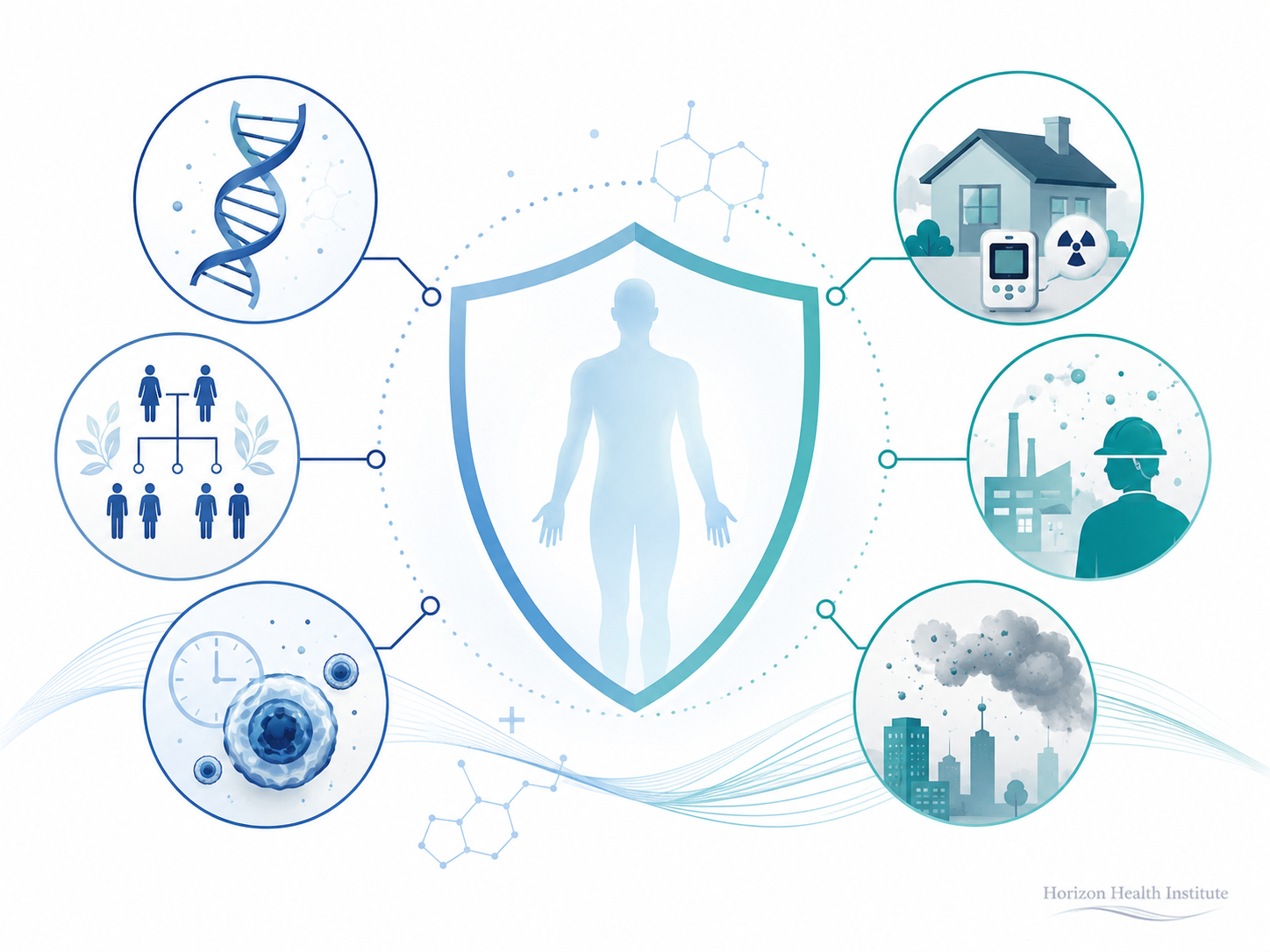
Not every cancer risk factor is a lifestyle choice. Some risks are tied to biology, family history, or exposures that may be difficult to avoid completely. Understanding these factors helps people make better decisions about screening, genetic counseling, and conversations with healthcare professionals.
Age
Cancer risk generally increases with age because cells have had more time to accumulate DNA changes. This is one reason many cancer screening programs begin at certain ages, even for people who feel healthy.
Family History
A family history of cancer can sometimes suggest shared genes, shared environments, or both. Multiple relatives with the same cancer type, cancers diagnosed at younger ages, or rare cancer patterns may deserve a more detailed medical review.
Inherited Gene Changes
Some people inherit gene changes that increase the risk of certain cancers. Examples include some inherited risks for breast, ovarian, colorectal, pancreatic, prostate, and other cancers. Genetic counseling can help clarify whether testing is appropriate.
Personal Medical History
Previous cancer, certain immune conditions, chronic inflammatory diseases, or prior radiation treatment may affect future cancer risk. These situations often require individualized screening guidance.
Environmental and Occupational Cancer Risks
Some cancer risks come from the places people live, work, or spend time. These exposures may include radon gas, asbestos, air pollution, certain industrial chemicals, diesel exhaust, arsenic in drinking water, and radiation exposure. The level of risk depends on the type of exposure, dose, duration, and individual susceptibility.
Radon and Lung Cancer Risk
Radon is a radioactive gas that can enter homes through cracks in floors, walls, and foundations. It is invisible and odorless, so testing is the only reliable way to know whether a home has elevated radon levels. Long-term exposure to high radon levels increases lung cancer risk, especially among people who smoke.
Workplace Exposures
Some jobs may involve exposure to carcinogens such as asbestos, benzene, formaldehyde, silica dust, diesel exhaust, or certain metals and solvents. Workers in construction, manufacturing, transportation, agriculture, healthcare, laboratories, and industrial settings may need proper ventilation, protective equipment, exposure monitoring, and safety training.
Air Pollution
Air pollution is recognized as a cancer-related risk factor and can also contribute to heart and lung disease. While individuals cannot fully control outdoor air quality, reducing indoor smoke exposure, improving ventilation, using protective workplace standards, and supporting clean-air policies can help lower exposure.
Horizon Health Institute note: Environmental risk is not only a personal issue. It is also a community health issue. Safer workplaces, cleaner air, quality housing, and access to prevention resources all influence cancer risk across the population.
Sources: National Cancer Institute Radiation Risk Factors; National Cancer Institute Risk Factors for Cancer; WHO Cancer Fact Sheet.
How to Lower Cancer Risk in Everyday Life
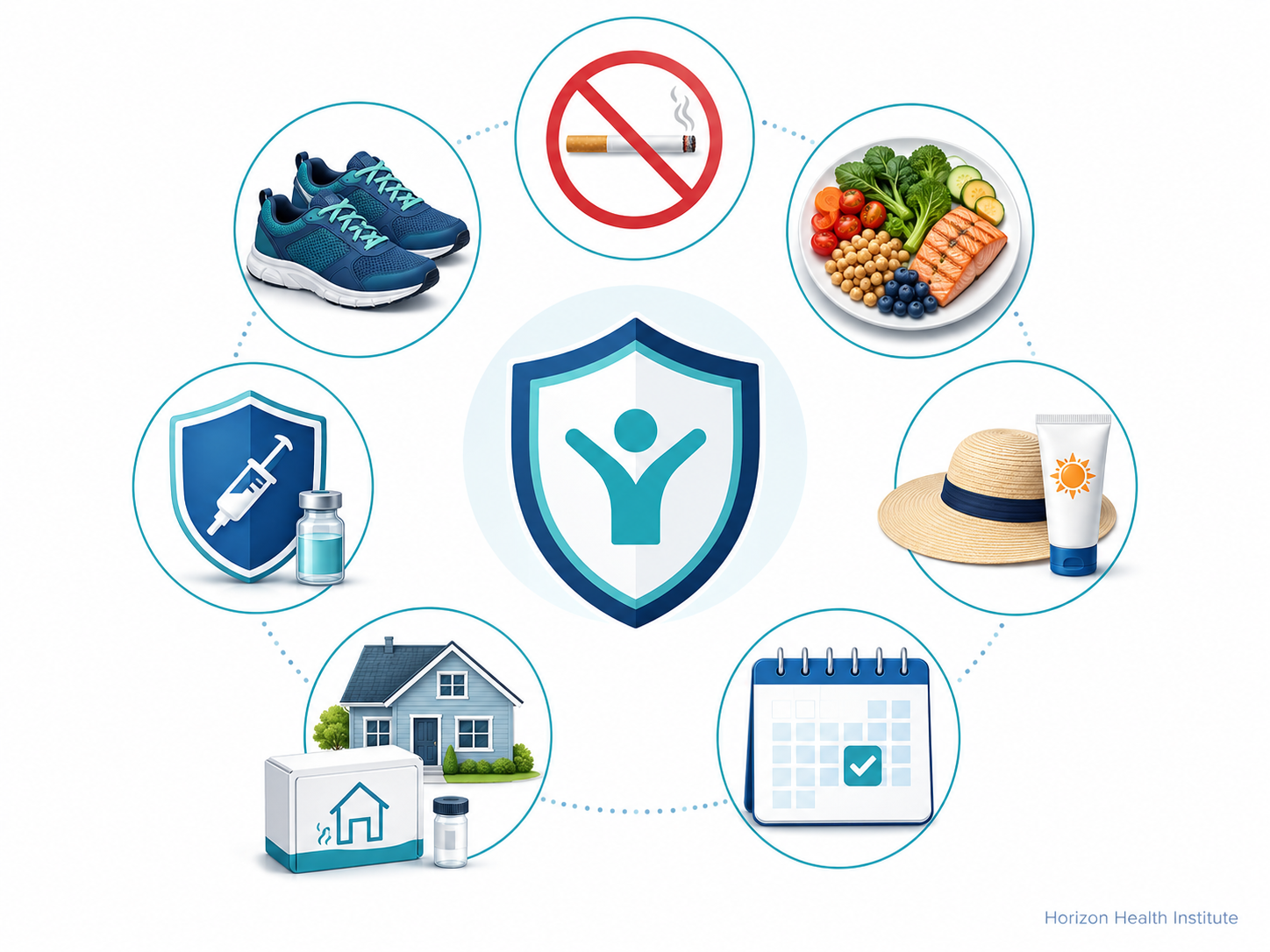
Cancer prevention is strongest when it is practical. People do not need a perfect lifestyle to reduce risk. The most useful strategy is to focus on repeatable habits that reduce exposure to known risks and support earlier detection.
- Avoid tobacco: If you smoke, quitting is one of the most powerful cancer-prevention steps.
- Limit alcohol: Less alcohol generally means lower alcohol-related cancer risk.
- Protect your skin: Use sunscreen, protective clothing, shade, and avoid tanning beds.
- Move regularly: Walking, strength training, and reducing sitting time can support metabolic health.
- Build a fiber-rich diet: Emphasize vegetables, fruits, beans, lentils, whole grains, nuts, and seeds.
- Maintain a healthy weight: Small, consistent improvements can matter over time.
- Consider vaccines: HPV and hepatitis B vaccines can reduce infection-related cancer risk.
- Test for radon: Home radon testing is especially important in areas where elevated radon is common.
- Follow screening guidance: Screening can find certain cancers early, before symptoms appear.
Screening Is Different From Prevention — But Both Matter
Prevention aims to reduce the chance that cancer develops. Screening aims to find cancer or precancerous changes earlier, when treatment may be more effective. Common cancer screening programs in the United States may include breast, cervical, colorectal, lung, and prostate cancer discussions depending on age, sex, personal history, family history, and risk level.
A person with a strong family history, inherited gene risk, previous cancer, heavy smoking history, or certain medical conditions may need a different screening plan than someone at average risk. That is why risk awareness is useful: it helps guide better questions.
Questions worth asking a healthcare professional: What cancer screenings are recommended for my age? Does my family history change my risk? Should I consider genetic counseling? Do I need HPV, hepatitis B, or hepatitis C testing? Should my home be tested for radon?
Common Myths About Cancer Causes
Myth: Cancer is always inherited.
Most cancers are not caused only by inherited genes. Family history matters, but many cancers develop from acquired DNA changes that build up over time.
Myth: If you live healthy, you cannot get cancer.
Healthy habits can lower risk, but they cannot remove risk completely. Age, biology, random cell changes, inherited factors, and environmental exposures can still play a role.
Myth: Only smoking causes lung cancer.
Smoking is the leading risk factor, but radon, secondhand smoke, air pollution, workplace exposures, and inherited susceptibility can also contribute.
Myth: Cancer prevention is too complicated.
The basics are clear: avoid tobacco, reduce alcohol, protect your skin, stay active, eat more plant-forward foods, prevent infections, and follow screening guidance.
Frequently Asked Questions
What is the biggest preventable cause of cancer?
Tobacco use is one of the most important preventable cancer risks. Avoiding tobacco and secondhand smoke can reduce the risk of several cancers, especially lung cancer.
Can stress cause cancer?
Stress itself has not been proven to directly cause cancer in the same way tobacco smoke or ultraviolet radiation can damage cells. However, chronic stress may influence sleep, alcohol use, diet, smoking, physical activity, and other behaviors that affect long-term health.
Does sugar cause cancer?
Sugar does not directly “feed cancer” in the simple way often claimed online. However, frequent excess calories, sugary drinks, weight gain, insulin resistance, and obesity can contribute to higher risk for some cancers. The better goal is a balanced eating pattern, not fear of one nutrient.
Can cancer risk be reduced after years of unhealthy habits?
Yes. Risk reduction can still matter later in life. Quitting smoking, reducing alcohol, improving physical activity, managing weight, protecting skin, and staying current with screenings can all support better long-term health.
When should someone ask about genetic counseling?
Genetic counseling may be worth discussing when several relatives have the same cancer, cancer occurs at unusually young ages, a person has multiple primary cancers, or there is a known inherited cancer mutation in the family.
Key Takeaway
Cancer risk is shaped by many forces: DNA changes, aging, tobacco, alcohol, body weight, infections, ultraviolet radiation, family history, environmental exposures, and access to screening. Some risks can be reduced. Some cannot be changed. The most useful approach is to focus on what can be controlled while using family history and personal risk factors to guide smarter screening conversations.
Horizon Health Institute creates evidence-informed health education for people who want clear, practical, and trustworthy explanations about prevention, early awareness, and long-term wellness.
Sources and References
- American Cancer Society. Cancer Facts & Figures 2026. View source
- Siegel RL, et al. Cancer statistics, 2026. CA: A Cancer Journal for Clinicians. View source
- Centers for Disease Control and Prevention. Cancer Risk Factors. View source
- Centers for Disease Control and Prevention. Obesity and Cancer. View source
- National Cancer Institute. Risk Factors for Cancer. View source
- National Cancer Institute. Radiation Risk Factors: Radon. View source
- World Health Organization. Cancer Fact Sheet. View source
I shared this article on causes of cancer and risk factors: with my doctor and they appreciated the level of detail. The article answered questions I didn’t even know I had until I started reading. I wish I had found this article when I was first diagnosed — would have saved a lot of confusion.
As someone dealing with this personally, the causes of cancer and risk factors: section was very helpful. I have tried following advice from several sources but this is the most consistent with what my specialist told me. Appreciate the effort that went into researching and writing this — it shows.
This is one of the clearest explanations of causes of cancer and risk factors: I have found. The article answered questions I didn’t even know I had until I started reading. This is going into my health binder that I bring to every doctor’s visit.
Came across this while researching causes of cancer and risk factors: for a family member. It is refreshing to see an article that acknowledges individual variation rather than one-size-fits-all advice. Appreciate the effort that went into researching and writing this — it shows.
Bookmarked this article on causes of cancer and risk factors: immediately — going to reference it regularly. The specific numbers and thresholds mentioned are exactly what I needed to understand my results. I wish I had found this article earlier — would have saved a lot of confusion.
Finally a resource that explains causes of cancer and risk factors: in plain language. I especially valued the explanation of why these recommendations exist, not just what they are. Thank you for making complex medical information accessible without dumbing it down.