
When a doctor prescribes blood pressure medication, many patients leave the appointment with a prescription but without a clear understanding of how it works, why that specific type was chosen, or what to expect. This gap between prescribing and understanding is significant — patients who understand their blood pressure medications are more likely to take them consistently, recognize side effects early, and engage effectively with their care team when adjustments are needed.
Blood pressure medications work through several different physiological mechanisms, targeting different pathways that contribute to elevated blood pressure. The main classes — ACE inhibitors, ARBs, calcium channel blockers, thiazide diuretics, beta blockers, and aldosterone antagonists — each have distinct mechanisms, side effect profiles, and clinical niches. Most patients will be started on one medication and may eventually require two or more to achieve adequate control.
Why Blood Pressure Medication May Be Recommended
Not everyone with elevated blood pressure is immediately placed on medication. The decision to start medication depends on both the blood pressure level and the overall cardiovascular risk picture.
For people with Stage 1 hypertension (130–139/80–89 mmHg) and low cardiovascular risk, clinical guidelines recommend a trial of lifestyle modification — diet, exercise, weight loss, sodium reduction — for three to six months before considering medication. For people in the same Stage 1 range but with diabetes, chronic kidney disease, established heart disease, or high cardiovascular risk, medication is typically recommended alongside lifestyle changes from the start.
For Stage 2 hypertension (140/90 mmHg or higher), medication is generally recommended immediately alongside lifestyle changes, because the blood pressure level is high enough that waiting carries meaningful risk.
The goal of blood pressure medication is not to treat a number — it is to reduce the long-term risk of heart attack, stroke, kidney damage, heart failure, and other complications that sustained blood pressure elevation causes. Understanding this purpose helps explain why medication is taken every day indefinitely, not just until blood pressure looks normal on the monitor.
The Main Classes of Blood Pressure Medications
ACE Inhibitors
ACE inhibitors — such as lisinopril, enalapril, and ramipril — work by blocking an enzyme called angiotensin-converting enzyme. This enzyme is responsible for producing angiotensin II, a hormone that causes blood vessels to constrict and the kidneys to retain sodium and water. Blocking its production allows blood vessels to relax and the kidneys to excrete more sodium.
ACE inhibitors are particularly well-suited for people with diabetes, chronic kidney disease, or heart failure, because they have protective effects on the kidneys and heart beyond blood pressure lowering alone.
The most notable side effect is a dry, persistent cough that affects 5 to 20 percent of users. This cough is caused by accumulation of bradykinin — a chemical that ACE also normally breaks down — and will resolve after stopping the medication. It is not a reason to push through; a straightforward switch to an ARB achieves the same blood pressure and organ-protective effects without the cough.
Angiotensin Receptor Blockers (ARBs)
ARBs — including losartan, valsartan, and olmesartan — achieve the same endpoint as ACE inhibitors through a different mechanism. Instead of blocking the production of angiotensin II, they block the receptor it binds to. The effect on blood vessels and kidneys is essentially identical, but ARBs do not cause the cough because they do not affect bradykinin metabolism.
ARBs are the preferred alternative for anyone who develops ACE inhibitor-associated cough. Both ACE inhibitors and ARBs can raise potassium levels. Blood tests to check kidney function and potassium are typically ordered within two to four weeks of starting either class or increasing the dose.
Calcium Channel Blockers
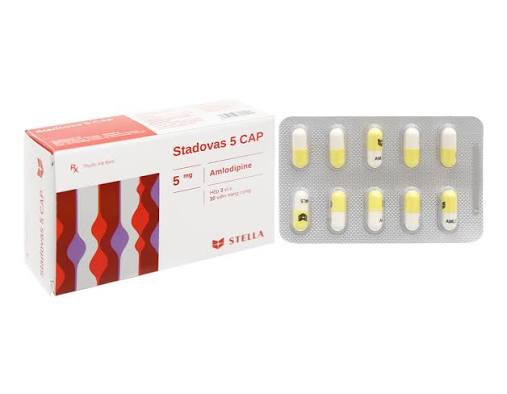
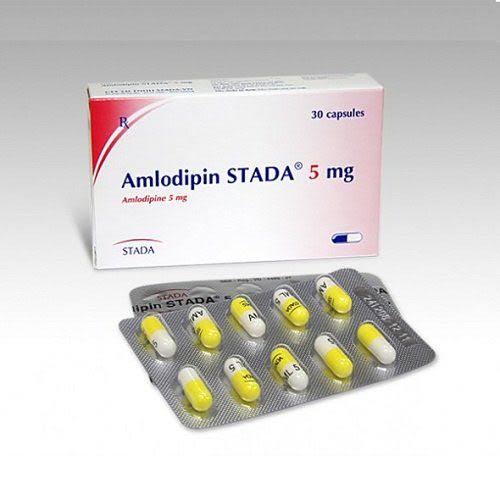
Calcium channel blockers (CCBs) — such as amlodipine, nifedipine, and diltiazem — work by preventing calcium from entering the smooth muscle cells of blood vessel walls. Calcium is needed for muscle contraction; blocking its entry causes the muscles to relax and the vessels to widen.
The most common side effect of amlodipine is ankle swelling (peripheral edema), which occurs because vasodilation in the lower extremities causes fluid to pool in tissues. This side effect is dose-dependent and can often be managed by dose reduction or adding an ACE inhibitor or ARB.
An important drug interaction: grapefruit and grapefruit juice significantly increase the blood levels of many CCBs by blocking the intestinal enzyme that normally breaks them down. People taking CCBs should avoid grapefruit products.
Thiazide and Thiazide-like Diuretics
Thiazide diuretics — primarily hydrochlorothiazide (HCTZ) and chlorthalidone — lower blood pressure by increasing the kidneys’ excretion of sodium and water, reducing blood volume. Chlorthalidone is generally preferred in current evidence-based guidelines because it has a longer duration of action and stronger cardiovascular outcome data.
Common side effects include low potassium (causing muscle cramps and fatigue), increased uric acid levels (raising the risk of gout in susceptible individuals), and mild increases in blood sugar. Electrolyte monitoring is recommended when starting or adjusting diuretic doses.
Beta Blockers and Other Blood Pressure Medications
Beta Blockers
Beta blockers — metoprolol, atenolol, carvedilol, bisoprolol, and others — work by blocking the effect of adrenaline on beta-adrenergic receptors in the heart. This reduces heart rate and cardiac output, lowering blood pressure.
Beta blockers are not typically first-line therapy for uncomplicated hypertension in current guidelines but remain first-line for people with heart failure, those who have had a heart attack, and those with certain arrhythmias. Common side effects include fatigue, cold extremities, weight gain, and sexual dysfunction.
Beta blockers should never be stopped abruptly. Sudden discontinuation can trigger dangerous rebound increases in heart rate and blood pressure. If stopping is necessary, dose should be tapered gradually over one to two weeks under medical supervision.
Aldosterone Antagonists
Spironolactone and eplerenone block aldosterone, causing the kidneys to excrete sodium and water. Spironolactone is frequently used in resistant hypertension and in heart failure. Its main side effects are elevated potassium (requiring monitoring) and, in men, gynecomastia due to anti-androgenic effects. Eplerenone is more selective and does not cause gynecomastia.
Why More Than One Medication Is Often Needed
Blood pressure has multiple regulatory pathways — the renin-angiotensin system, the sympathetic nervous system, salt and water balance, and vascular tone. Targeting only one pathway often produces partial blood pressure control; combining medications that target different mechanisms produces a larger and more sustained reduction.
Clinical guidelines note that many patients with Stage 2 hypertension will require two or more medications from the outset to achieve target blood pressure. For patients already on one medication who are not at goal, adding a second from a complementary class is usually more effective than doubling the dose of the first.
The combination of an ACE inhibitor (or ARB) with a calcium channel blocker has strong evidence. The ACCOMPLISH trial found that this combination produced fewer cardiovascular events than ACE inhibitor plus diuretic despite similar blood pressure control. Being on two blood pressure medications is not a sign of failure — it is a sign that your treatment plan is being optimized.
Common Side Effects and What to Do About Them
Dry cough (ACE inhibitors). This is the most common class-specific side effect. It is real, persistent, and does not resolve with time on the same medication. Switching to an ARB achieves the same therapeutic goal without the cough. Do not discontinue ACE inhibitors for this reason without immediately discussing a switch with your doctor.
Ankle swelling (calcium channel blockers). The swelling is due to peripheral vasodilation causing fluid to pool in lower extremities, not fluid retention from kidney effects. Options include dose reduction, adding an ACE inhibitor or ARB, or switching medication class.
Fatigue (beta blockers). Switching to a more cardioselective beta blocker (bisoprolol or metoprolol succinate) or one with vasodilating properties (carvedilol or nebivolol) can reduce this effect. In some cases, a different medication class entirely is more appropriate.
Low potassium (thiazide diuretics). Symptoms include muscle cramps, weakness, and fatigue. Dietary potassium intake can help; sometimes a potassium supplement or class switch is needed. Pairing a diuretic with an ACE inhibitor or ARB helps offset diuretic-related potassium loss.
Elevated potassium (ACE inhibitors, ARBs, spironolactone). Blood potassium can rise to dangerous levels. Symptoms may be subtle or absent until severely elevated. This is why kidney function and potassium are checked shortly after starting these medications.
Important Drug Interactions to Know
NSAIDs (ibuprofen, naproxen). Non-steroidal anti-inflammatory drugs blunt the effectiveness of most blood pressure medications by causing sodium and water retention. Regular use can raise blood pressure by 3 to 5 mmHg. For people on blood pressure medication, acetaminophen is the preferred over-the-counter pain reliever.
Grapefruit and grapefruit juice. Grapefruit blocks intestinal enzymes responsible for metabolizing several calcium channel blockers, significantly increasing drug blood levels. People taking CCBs should avoid grapefruit products.
Potassium supplements and ACE inhibitors/ARBs. Both classes raise potassium levels. Adding potassium supplements can cause dangerous hyperkalemia. Electrolyte levels should be monitored if dietary potassium is significantly increased.
Beta blockers plus verapamil or diltiazem. Both slow the heart rate. Combining them can produce dangerous bradycardia or heart block. This combination should only be used with close medical supervision.
Clonidine and abrupt discontinuation. Clonidine can cause severe rebound hypertension if stopped suddenly. Always taper clonidine slowly and under medical supervision.
What Monitoring Is Required
ACE inhibitors and ARBs: kidney function (creatinine, eGFR) and potassium within one to four weeks of starting or increasing the dose. A mild rise in creatinine (up to 30 percent above baseline) is expected and acceptable; larger rises warrant dose reduction or medication change.
Thiazide diuretics: electrolytes — particularly potassium and sodium — and kidney function after starting and periodically thereafter. Diuretics can lower sodium (causing confusion in older adults) and raise blood sugar modestly.
Beta blockers: heart rate should be monitored. A resting rate below 55 to 60 beats per minute with symptoms warrants a call to your doctor.
Spironolactone: potassium and kidney function require close monitoring, especially in older adults and those with any degree of CKD. High potassium often requires a dose reduction or discontinuation.
Medication Adherence — The Biggest Obstacle to Blood Pressure Control
Approximately half of all patients prescribed blood pressure medication stop taking it within the first year. Non-adherence is driven by specific, addressable barriers.
Side effects are the most common reason. Many people stop medication because of a side effect that could have been managed with a simple dose adjustment or class switch. Contacting your prescriber about the side effect is the right response — there are enough medication options that most people can find a regimen that is both effective and tolerable.
Feeling better. Blood pressure medication works by controlling blood pressure, which is symptomless in most people. Feeling well on medication is evidence it is working, not evidence it is no longer needed. Stopping when blood pressure normalizes will cause it to rise again.
Forgetting. Practical strategies that improve adherence include taking medication at the same time each day linked to an established routine, using a pill organizer, setting a phone reminder, or using blister packs that make it visually clear whether that day’s dose was taken.
Cost. Most first-line blood pressure medications are available as generic formulations at very low cost — under $10 per month in many cases. If medication cost is a barrier, asking specifically about generic alternatives and discount programs can dramatically reduce out-of-pocket expense.
Pill burden. Combination pills that contain two blood pressure medications in a single tablet are available for many common pairings and can significantly simplify regimens.
Questions to Ask When Starting a New BP Medication
How does this medication work and why was this class chosen for me specifically? Understanding the rationale — whether because of CKD, diabetes, heart failure, or demographic response patterns — makes the prescription feel more individualized and the purpose clearer.
What side effects should I watch for and which ones require me to call you? Distinguishing between common manageable side effects versus rare but serious ones helps you respond appropriately when something unexpected happens.
When should I expect to see results? Most blood pressure medications produce measurable effects within days to two weeks, with full effect appearing in four to six weeks. Knowing this prevents premature discontinuation.
Are there foods, supplements, or other medications I should avoid? Grapefruit with CCBs, NSAIDs with most classes, potassium supplementation with ACE inhibitors and ARBs — knowing these interactions upfront prevents problems.
What happens if I need to stop taking it? Some medications (beta blockers, clonidine) require a gradual taper to stop safely. Knowing the stopping protocol prevents dangerous abrupt discontinuation.
Blood pressure medications are among the most widely prescribed drugs in the world, and they have contributed to substantial reductions in heart attack, stroke, and kidney disease over the past 50 years. Patients who understand how their medication works, what side effects to expect, and how to engage with their care team when problems arise are more likely to stay on therapy, achieve adequate blood pressure control, and avoid the cardiovascular complications that make hypertension dangerous.
For related reading, see our articles on when to talk to a doctor about blood pressure, common causes of high blood pressure, DASH diet for high blood pressure, and high blood pressure and kidney health.
How Blood Pressure Medications Are Chosen for Individual Patients
A common question from patients is: why was I prescribed this specific medication rather than another? The choice of blood pressure medication is not random — it reflects a combination of guideline recommendations, individual health conditions, demographic factors, and clinical experience.
Compelling indications. Certain health conditions make specific medication classes strongly preferred. These are called “compelling indications” in cardiology guidelines:
- Diabetes or chronic kidney disease: ACE inhibitors or ARBs are preferred because they protect the kidneys beyond their blood pressure effects. Multiple studies have shown these classes slow progression of diabetic kidney disease even when blood pressure is similar across classes.
- Heart failure with reduced ejection fraction: ACE inhibitors or ARBs plus beta blockers plus aldosterone antagonists form the core treatment. This combination has strong mortality benefit evidence beyond blood pressure control.
- Post-myocardial infarction (after a heart attack): Beta blockers plus ACE inhibitors or ARBs are preferred. Beta blockers reduce the risk of sudden cardiac death and recurrent heart attack in this setting.
- Atrial fibrillation requiring rate control: Beta blockers or non-dihydropyridine CCBs (diltiazem, verapamil) are preferred.
- Angina (chest pain from coronary artery disease): Beta blockers and long-acting CCBs provide symptom relief alongside blood pressure control.
Demographic response patterns. Clinical trials have identified response differences across demographic groups that inform initial prescribing. Black patients respond particularly well to CCBs and thiazide diuretics but tend to have a smaller response to ACE inhibitors and ARBs as monotherapy. Older adults often respond well to thiazide diuretics and CCBs. Younger patients with high renin states may respond better to ACE inhibitors or ARBs as initial therapy.
Co-existing conditions and side effect concerns. A patient with gout is less likely to be started on a thiazide diuretic (which raises uric acid) than an ACE inhibitor or ARB. A patient with an enlarged prostate may benefit from the urinary effects of alpha blockers alongside blood pressure control. A patient with severe anxiety may benefit from the heart-rate-slowing effects of a beta blocker alongside blood pressure control, even if beta blockers are not first-line for uncomplicated hypertension.
This personalization is one reason why blood pressure management benefits from an ongoing relationship with a medical provider rather than a one-time prescription. As your health circumstances change — a new diagnosis, a surgery, a change in lifestyle — your optimal blood pressure medication regimen may change as well.
Starting Blood Pressure Medication: What to Expect in the First Few Weeks
The first weeks on a new blood pressure medication involve a period of adjustment. Understanding what is normal during this period prevents unnecessary anxiety or premature discontinuation.
When will blood pressure start to fall? Most blood pressure medications produce measurable blood pressure reduction within 24 to 48 hours of the first dose. The full effect typically builds over two to four weeks as the medication reaches steady state in the body. At the six-week mark, your doctor can assess whether the current dose and class are achieving the target.
Initial dizziness. Some people experience dizziness or lightheadedness in the first days on blood pressure medication, particularly when standing up from sitting or lying down (orthostatic hypotension). This is most common with alpha blockers and some diuretics and usually resolves within one to two weeks as the body adapts. Rising slowly from seated and lying positions helps during this period.
First-dose effect. Alpha blockers (doxazosin, terazosin) are specifically associated with a first-dose hypotension effect — a significant drop in blood pressure after the very first dose. For this reason, these medications are typically started at a low dose and taken at bedtime, so any dizziness occurs while the patient is already lying down.
Monitoring in the first month. For many medication classes, a follow-up blood test is required two to four weeks after starting. This monitoring exists to catch kidney function changes or electrolyte imbalances before they become significant. Attending this follow-up is an important part of starting any new blood pressure medication safely.
Symptoms that warrant an early call. While most initial reactions are minor and resolve, some warrant contacting your prescriber: persistent severe headache, significant dizziness or fainting, swelling of the face or throat (angioedema with ACE inhibitors — requires emergency care), difficulty breathing, or an irregular heartbeat noticed for the first time. These are uncommon but important to recognize.
Long-Term Blood Pressure Medication: What Patients Often Wonder About
Taking blood pressure medication indefinitely raises questions that many patients think but do not ask. Addressing these directly helps patients make more informed decisions and feel more confident about their treatment.
Will I have to take this forever? For most people, blood pressure medication is a long-term commitment. Blood pressure returns to its previous elevated level when medication is stopped, because the underlying mechanisms that elevated it — genetics, arterial stiffness, kidney salt handling — remain unchanged. However, there are exceptions: people who make significant lifestyle changes (substantial weight loss, dramatic reduction in alcohol and sodium, regular intense exercise) sometimes achieve enough reduction in blood pressure that medication can be reduced or stopped under medical supervision. This is possible but should always be managed with a doctor, not attempted independently.
Will the medication stop working over time? Blood pressure medications do not typically lose their effectiveness over time in the way that some other drugs do. However, blood pressure can rise again as a result of aging, weight gain, new health conditions, or changes in other medications — making it appear as though the medication “stopped working.” When blood pressure rises after a period of good control, the appropriate response is to investigate what has changed rather than assume medication failure.
Can I take blood pressure medication at the same time as other drugs? Most blood pressure medications can be taken safely alongside a wide range of other medications, but drug interactions exist and should be reviewed with your pharmacist or doctor whenever a new drug is added to your regimen. This applies to prescription medications, over-the-counter drugs, herbal supplements, and vitamins. The most important interactions — NSAIDs, grapefruit with CCBs, potassium supplementation with ACE inhibitors and ARBs — are described earlier in this article.
Does it matter what time of day I take blood pressure medication? For most medications, timing consistency matters more than which specific time of day is chosen — taking medication at the same time each day maintains stable blood levels. Some evidence (from the Hygia Chronotherapy Trial and others) suggests that evening dosing of certain blood pressure medications may produce slightly better cardiovascular outcomes than morning dosing, though this remains an area of active research and clinical debate. If you have questions about optimal timing for your specific medication, ask your doctor.
What if I miss a dose? For most blood pressure medications, taking a missed dose as soon as you remember — unless it is nearly time for the next dose — is the right approach. Do not double-dose. For medications with rebound effects on sudden discontinuation (beta blockers, clonidine), missing multiple doses requires a call to your prescriber rather than simply catching up. A weekly pill organizer is the most reliable way to prevent missed doses from becoming a pattern.
Blood pressure medication management is one of the most evidence-rich areas of medicine, with decades of large clinical trials showing clear mortality and morbidity benefits from adequate blood pressure control. The medications available today are safer, better tolerated, and more affordable than those available even 20 years ago. The biggest remaining gap is not the availability of effective treatments — it is ensuring that people who need them take them consistently and communicate openly with their care team about their experience. Understanding your medications is the first step in that direction. For additional context on living with high blood pressure, see our articles on when to talk to a doctor about blood pressure and common causes of high blood pressure.
Really well-written article on blood pressure medications: what patients should. I appreciated how the article addressed both the clinical side and the practical lifestyle adjustments. Forwarding this to others in my support group who are dealing with similar issues.
This is one of the clearest explanations of blood pressure medications: what patients should I have found. The article answered questions I didn’t even know I had until I started reading. I wish I had found this article when I was first diagnosed — would have saved a lot of confusion.
Finally a resource that explains blood pressure medications: what patients should in plain language. The section on managing this condition day-to-day was especially useful for meal planning. Exactly the kind of evidence-based information that is hard to find in one place.
As someone dealing with this personally, the blood pressure medications: what patients should section was very helpful. The practical tips made this immediately actionable, not just theoretical. This is going into my health folder that I bring to every doctor’s visit.
As someone dealing with this personally, the blood pressure medications: what patients should section was very helpful. It is refreshing to see an article that acknowledges individual variation rather than one-size-fits-all advice. This is exactly why I prefer this website over generic health platforms.
As someone dealing with this personally, the blood pressure medications: what patients should section was very helpful. The practical tips made this immediately actionable, not just theoretical. Appreciate the effort that went into researching and writing this — it shows.