
Smoking and Stroke Risk: How Tobacco Damages Blood Vessels
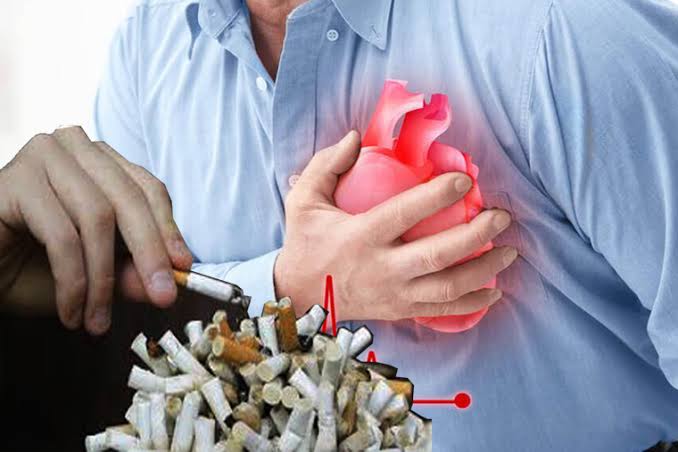
Smoking and stroke risk share one of the most powerful and well-documented causal relationships in preventive medicine. Cigarette smoking doubles to quadruples the risk of ischemic stroke compared to never-smokers — a 2 to 4-fold increase that is dose-dependent (higher cigarette consumption per day confers higher risk), present at all ages (the relative risk is actually larger in younger smokers, whose baseline stroke risk is low and for whom smoking represents a disproportionate contribution to absolute risk), and fully reversible with cessation. The WHO Global Burden of Disease analysis estimates that smoking is responsible for approximately 12 to 20 percent of all strokes globally — making it one of the largest single modifiable causes of stroke at the population level.
What makes smoking’s relationship with stroke particularly important clinically is the speed and magnitude of risk reduction after cessation. Within 5 years of quitting, former smokers’ stroke risk approaches that of never-smokers — a recovery of vascular health that has no equivalent among most other risk factors, where years of accumulated damage (atherosclerotic plaque, cardiac structural remodeling, hypertensive small vessel disease) cannot be reversed as completely. Smoking cessation is therefore the single highest-impact intervention for stroke prevention available to any smoker — exceeding, on an absolute risk reduction basis, almost any medication intervention in stroke prevention.
Tobacco Smoke Components and Their Cerebrovascular Effects
Tobacco smoke contains over 7,000 chemical compounds. The three classes of components most directly relevant to stroke risk are:
Carbon monoxide (CO): Produced by incomplete combustion of tobacco, CO binds to hemoglobin with 200 times greater affinity than oxygen, forming carboxyhemoglobin and directly reducing the oxygen-carrying capacity of blood. Chronic CO exposure causes compensatory polycythemia (elevated hematocrit and red blood cell mass) — the body’s attempt to restore oxygen delivery by producing more red blood cells. This polycythemia significantly increases blood viscosity, which slows cerebral blood flow through the microcirculation and increases the tendency for thrombus formation in stenosed or atherosclerotic vessels. Carboxyhemoglobin levels in heavy smokers (20 percent or more of hemoglobin bound to CO) are associated with measurable reduction in maximum exercise performance, cognitive test performance, and cerebral oxygen delivery.
Nicotine: The primary addictive component of tobacco has multiple direct cerebrovascular effects. Nicotine activates the sympathoadrenal axis — stimulating catecholamine release from the adrenal medulla, raising heart rate and blood pressure acutely with each cigarette. This repeated blood pressure surging, occurring dozens of times daily in heavy smokers, chronically damages the endothelium at shear-stress hotspots (vessel bifurcations) where turbulent flow already makes the endothelium vulnerable. Nicotine also directly activates platelet nicotinic acetylcholine receptors, promoting platelet aggregation and the thrombotic response to endothelial injury — increasing the risk that a ruptured atherosclerotic plaque will result in complete vessel occlusion rather than partial thrombus that may spontaneously recanalize. Importantly, nicotine replacement therapy (NRT — patches, gums, lozenges) for smoking cessation does not carry the stroke risk of cigarette smoking — the dose and delivery profile of NRT produces far lower peak nicotine levels than cigarettes, and NRT provides none of the CO, oxidants, and combustion products that drive the majority of tobacco’s vascular toxicity.
Oxidants and free radicals: Tobacco smoke is one of the most potent sources of oxidative stress exposure — each puff delivers approximately 10¹⁵ free radicals in the gas phase and 10¹⁷ in the tar phase. These oxidants deplete endogenous antioxidant defenses (superoxide dismutase, catalase, glutathione peroxidase), oxidize LDL to the more atherogenic oxLDL form, damage endothelial cell membranes, impair eNOS (endothelial nitric oxide synthase) activity reducing NO production, and promote macrophage foam cell formation in the arterial wall. The systemic oxidative stress of chronic smoking is measurable in plasma and urine as elevated markers of lipid peroxidation (F₂-isoprostanes) and protein oxidation — and these markers normalize substantially within weeks to months of cessation, partly explaining the rapid initial stroke risk reduction after quitting.
Dose-Response and Passive Smoking — No Safe Level of Tobacco Exposure
The relationship between cigarette smoking and stroke risk is dose-dependent: heavier smoking (more cigarettes per day, earlier age of smoking initiation, longer pack-year history) confers higher stroke risk than lighter smoking. Heavy smokers (25 or more cigarettes per day) have 3 to 4-fold elevated stroke risk compared to never-smokers; light smokers (fewer than 10 cigarettes per day) still have approximately 1.5 to 2-fold elevated risk. There is no safe level of cigarette smoking for stroke prevention — even very light or occasional smoking causes measurable vascular harm, and the common patient belief that “I only smoke socially” or “I’ve cut down to just a few per day” represents adequate harm reduction is not supported by the evidence.
Passive smoking (secondhand smoke exposure) also increases stroke risk — a finding that has important public health implications for non-smoking household members and coworkers of smokers. The INTERSTROKE study, a large international case-control study of stroke risk factors, estimated that passive smoking exposure increased stroke risk by approximately 30 percent. This risk is thought to arise from the same mechanisms as active smoking — CO, nicotine (absorbed through respiratory mucosa), and oxidant exposure — at lower doses. Population-level smoking bans in workplaces and public spaces have been associated with measurable reductions in stroke hospitalization rates in multiple natural experiment analyses, confirming that reducing passive smoking exposure reduces population stroke incidence.
Smoking Cessation — The Most Impactful Stroke Prevention Intervention
For smokers, quitting is the single most impactful stroke prevention intervention available — exceeding, in terms of absolute stroke risk reduction, virtually any medication or lifestyle change. The magnitude of benefit from cessation is remarkable:
Within 2 weeks of quitting, blood viscosity decreases as carboxyhemoglobin clears and the polycythemia of chronic CO exposure begins to resolve. Platelet reactivity starts to normalize. Within 1 to 3 months, endothelial function begins to recover — flow-mediated dilation (a measure of endothelial NO production) increases by 15 to 20 percent in the first months after cessation. At 1 year post-cessation, excess stroke risk is reduced by approximately 50 percent compared to continued smoking. At 5 years, former smokers’ stroke risk is comparable to never-smokers for most individuals, though those with established atherosclerotic disease retain some residual elevated risk from the accumulated plaque burden that cannot fully regress.
These rapid improvements in cerebrovascular function occur even in patients who have smoked for decades and even in patients who have already experienced a stroke or TIA — making cessation absolutely indicated as a secondary prevention measure for all smokers with established cerebrovascular disease. Post-stroke smokers who successfully quit have significantly lower recurrent stroke rates than those who continue smoking, despite the pre-existing vascular damage from prior stroke.
Evidence-Based Cessation Treatments — What Actually Works
Smoking cessation is a medical treatment, not a willpower contest — and like other chronic conditions, it responds to evidence-based pharmacological and behavioral therapy. Unaided quit attempts have approximately 3 to 7 percent 12-month abstinence rates; combination pharmacotherapy plus behavioral counseling achieves 25 to 35 percent 12-month abstinence rates — a 4 to 8-fold improvement over willpower alone.
Nicotine replacement therapy (NRT): Available as patches (delivering steady-state nicotine to manage cravings between uses), gums and lozenges (faster-acting, useful for managing acute breakthrough cravings), inhalers, and nasal sprays. Combination NRT (patch plus a short-acting form) is more effective than single-product NRT, achieving approximately 2-fold higher abstinence rates than placebo. NRT is safe for most patients including those with cardiovascular disease — the nicotine dose and delivery profile of NRT are far less harmful than cigarette smoking, and multiple trials have confirmed safety in post-MI and post-stroke patients.
Varenicline (Chantix/Champix): A partial agonist at the nicotinic acetylcholine receptor that both reduces craving and reduces the reward of any cigarettes smoked during the cessation attempt. Varenicline is the most effective single cessation pharmacotherapy, with 12-month abstinence rates approximately 3-fold higher than placebo and significantly higher than NRT alone in head-to-head comparisons. Early concerns about neuropsychiatric side effects (depression, suicidal ideation) were evaluated in the EAGLES trial (a large randomized trial in over 8,000 smokers with and without psychiatric comorbidities) and found to be no more common with varenicline than placebo — the neuropsychiatric warning label was subsequently removed from most regulatory filings. Varenicline is preferred pharmacotherapy for most patients who can tolerate it.
Bupropion SR: An antidepressant that inhibits dopamine and norepinephrine reuptake, reducing withdrawal symptoms and the reward associated with smoking. Approximately 2-fold more effective than placebo for 12-month abstinence, and can be combined with NRT for additional benefit. Particularly useful for smokers with comorbid depression.
Behavioral support: Brief physician advice to quit smoking (even 3 minutes of non-judgmental advice) increases 12-month abstinence rates by 1 to 3 percentage points — small but meaningful given that millions of smokers have physician contact annually. Intensive behavioral counseling (individual or group sessions, telephone quitlines, digital interventions) adds to pharmacotherapy benefit in a dose-dependent manner: more sessions and longer follow-up produce higher abstinence rates. Physician-initiated prescription of cessation pharmacotherapy, combined with a referral to a state telephone quitline (1-800-QUIT-NOW in the US) for behavioral support, is the most practical evidence-based approach in clinical practice.
The American Stroke Association smoking and stroke page covers the direct relationship between tobacco use and stroke incidence, with guidance on cessation. The CDC tobacco health effects page documents the evidence on smoking as a cause of stroke, heart attack, and other cardiovascular events. The NHLBI smoking and heart health guide explains cessation treatments and their cardiovascular benefits.
Related reading: High Blood Pressure and Stroke | Cholesterol and Stroke Risk | What Is a Stroke? | Stroke Prevention for Adults | Atrial Fibrillation and Stroke Risk
Sources
- Feigin VL, et al. Global Burden of Stroke and Risk Factors in 188 Countries. Lancet Neurol. 2016;15(9):913-924.
- Hackshaw A, et al. Low Cigarette Consumption and Risk of Coronary Heart Disease and Stroke. BMJ. 2018;360:j5855.
- Cahill K, et al. Pharmacological Interventions for Smoking Cessation: An Overview and Network Meta-analysis. Cochrane Database Syst Rev. 2013;5:CD009329.
- Anthonisen NR, et al. The Effects of a Smoking Cessation Intervention on 14.5-Year Mortality (Lung Health Study). Ann Intern Med. 2005;142(4):233-239.
- Rigotti NA, et al. Smoking Cessation in Patients with Cardiovascular Disease: A Scientific Statement. Circulation. 2022;145(14):e1028-e1053.
E-Cigarettes, Vaping, and Stroke Risk — What the Evidence Shows
Electronic cigarettes (e-cigarettes, vapes) have been promoted by some as harm-reduction tools for smokers transitioning away from combustible cigarettes, and relative to continued cigarette smoking, they likely do reduce some exposures. However, the evidence on e-cigarettes and stroke risk specifically is concerning and growing:
E-cigarettes deliver nicotine — often at higher concentrations than combustible cigarettes, particularly with pod-based systems and recent-generation devices — through aerosol inhalation. The nicotine-mediated mechanisms of stroke risk (sympathoadrenal activation, platelet aggregation, endothelial dysfunction) are present with e-cigarette use as they are with combustible cigarettes. Additionally, e-cigarette aerosols contain fine and ultrafine particles, volatile organic compounds (acetaldehyde, formaldehyde, acrolein), heavy metals (from heating coil elements), and flavoring chemicals (diacetyl, cinnamon compounds) with established respiratory and vascular toxicity — though the overall toxic burden is generally considered lower than combustible tobacco smoke.
Epidemiological data from the PATH (Population Assessment of Tobacco and Health) study showed that current e-cigarette users had significantly higher odds of stroke, heart attack, and coronary artery disease compared to non-users, even after adjusting for combustible cigarette use — suggesting a stroke risk contribution from e-cigarettes independent of any residual cigarette smoking. The 2019 National Inpatient Sample analysis found that e-cigarette users had significantly higher rates of stroke hospitalization compared to non-tobacco users. These findings should be interpreted cautiously given confounding challenges (e-cigarette users often also smoke or have smoked, and may have other cardiovascular risk factors at higher rates), but they do not support the narrative that e-cigarettes are cardiovascularly safe.
The current evidence basis is insufficient to recommend e-cigarettes as a first-line cessation aid — varenicline, NRT, and bupropion have far stronger randomized trial evidence for cessation efficacy and cardiovascular safety. For smokers who have failed multiple evidence-based cessation attempts, e-cigarettes may be considered as a harm-reduction step toward complete tobacco and nicotine cessation, but complete cessation of all nicotine products remains the goal for optimal cerebrovascular risk reduction.
Smokeless Tobacco and Stroke Risk
Smokeless tobacco products — chewing tobacco, snuff, snus, and oral nicotine pouches — are often perceived as safer alternatives to cigarettes because they eliminate combustion and the associated CO and oxidant exposure. For certain outcomes (lung cancer, chronic obstructive pulmonary disease), smokeless tobacco does carry substantially lower risk than combustible tobacco. For stroke specifically, the evidence is more concerning.
Smokeless tobacco delivers high peak nicotine concentrations — often higher than cigarettes — because nicotine absorption through the oral mucosa bypasses pulmonary first-pass metabolism. The resulting sympathoadrenal activation, platelet aggregation, and blood pressure surging from each use occasion creates repeated acute hemodynamic stress that may be comparable to or exceed that of cigarettes per nicotine dose. Several Scandinavian cohort studies (where snus use is culturally prevalent) have found significantly elevated rates of fatal stroke in snus users compared to non-tobacco users, even though snus users have lower rates of lung cancer than smokers — challenging the concept that smokeless tobacco represents a cardiovascularly safe nicotine delivery system.
Smoking and Hemorrhagic Stroke — A Different Mechanism
While smoking’s most prominent effect is on ischemic stroke risk through atherosclerosis and thrombosis, smoking also significantly increases hemorrhagic stroke risk — particularly subarachnoid hemorrhage (SAH). Current smokers have approximately 3-fold higher risk of SAH compared to never-smokers in large meta-analyses, with a strong dose-response relationship (heavier smoking confers higher SAH risk). The mechanism relates to smoking’s effects on intracranial aneurysm formation and rupture: smoking promotes aneurysm development through metalloproteinase activation and matrix metalloproteinase-induced degradation of the arterial media, thins the aneurysm wall, impairs aneurysm repair mechanisms, and creates acute hemodynamic spikes with each cigarette (from nicotine-mediated sympathoadrenal activation) that may trigger rupture of a vulnerable aneurysm.
Smoking cessation reduces SAH risk as well as ischemic stroke risk — former smokers’ SAH risk progressively decreases toward never-smoker levels over years of abstinence. For patients known to have unruptured intracranial aneurysms (identified incidentally on imaging), smoking cessation is one of the most important management recommendations alongside blood pressure control — the combination of smoking and hypertension creates multiplicatively elevated aneurysm rupture risk.
For intracerebral hemorrhage (ICH) — bleeding directly into the brain parenchyma — the relationship with smoking is less straightforward than for ischemic stroke or SAH. Some studies show modestly increased ICH risk in smokers; others do not demonstrate a significant association. Smoking may increase ICH risk indirectly through its association with hypertension (the dominant ICH risk factor) and through polycythemia-related blood viscosity changes, but the direct effect of smoking on ICH risk is smaller than its effect on ischemic stroke or SAH.
Addressing Common Barriers to Cessation
Smoking is a chronic, relapsing addiction maintained by nicotine dependence and reinforced by powerful behavioral and environmental cues. Understanding and addressing the most common barriers to successful cessation improves the probability of durable abstinence:
Weight gain fear: Many smokers — particularly women — cite fear of post-cessation weight gain as a barrier to quitting. Average weight gain after cessation is 4 to 5 kilograms over the first year, reflecting recovery of taste and appetite suppression and changes in metabolic rate from nicotine withdrawal. This weight gain is associated with marginally elevated cardiovascular risk — but the stroke risk reduction from cessation far exceeds any cardiovascular risk increase from the modest weight gain. Combination NRT (which modestly attenuates post-cessation weight gain) and increased physical activity during cessation can minimize weight gain without compromising cessation success.
Mood and depression concern: Nicotine withdrawal reliably causes irritability, anxiety, and dysphoria in the first days to weeks after cessation — and many smokers interpret these withdrawal symptoms as evidence that smoking helps their mood rather than that withdrawal has temporarily worsened it. This cycle of nicotine dependence (using cigarettes to relieve withdrawal-induced low mood) is broken by pharmacotherapy (varenicline, bupropion, NRT) that prevents withdrawal symptom severity. For smokers with true comorbid depression, bupropion provides cessation benefit while also treating depressive symptoms. The EAGLES trial demonstrated that varenicline does not significantly worsen mood or precipitate depression even in patients with current psychiatric illness — providing reassurance for cessation pharmacotherapy in this population.
Prior failed quit attempts: Most smokers require multiple quit attempts before achieving sustained abstinence — average lifetime attempts before permanent cessation is 8 to 12 in heavy smokers. Each failed attempt should be reviewed to identify what contributed to relapse (high-stress triggers, social smoking contexts, inadequate pharmacotherapy dose or duration, concurrent alcohol use) and addressed in the next attempt. Failed attempts are not evidence that cessation is impossible; they are evidence that the particular approach used was insufficient. Adding or switching pharmacotherapy, extending the planned duration of NRT use, or adding intensive behavioral counseling to previous medication-only attempts provides meaningful additional cessation benefit.
Smoking After Stroke — The Urgent Case for Post-Stroke Cessation
Patients who have experienced an ischemic stroke or TIA and continue smoking face dramatically elevated recurrent stroke risk compared to those who successfully quit. In the INTERSTROKE study, current smoking in the context of prior stroke was associated with a relative risk of recurrent stroke of approximately 2 to 3-fold compared to former smokers — an absolute risk difference that translates to several additional strokes per 100 patient-years of continued smoking versus cessation.
Despite this evidence, smoking cessation rates among post-stroke patients are remarkably low: studies consistently show that fewer than 40 percent of smokers who experience a stroke have quit by 6 months after the event. The hospitalization for acute stroke represents a powerful “teachable moment” — patients are acutely aware of their stroke vulnerability, motivated by the frightening experience of acute neurological deficit, and connected with healthcare providers who can initiate cessation pharmacotherapy before discharge. Yet this window is consistently underutilized: most studies show that fewer than half of post-stroke smokers receive cessation pharmacotherapy prescriptions before hospital discharge, and structured cessation counseling is provided to fewer than a third.
Effective post-stroke cessation programs that combine inpatient counseling (initiated during the acute hospitalization), discharge prescription of cessation pharmacotherapy (varenicline preferred, with NRT as an alternative), and outpatient follow-up (telephone quitline referral, structured follow-up calls) achieve 6-month abstinence rates of 30 to 40 percent — substantially better than the unstructured approach that characterizes most current practice. The absolute stroke risk reduction from successful cessation in post-stroke patients is likely larger than in primary prevention, because the baseline recurrent stroke risk in untreated post-stroke patients is substantially higher than the primary prevention baseline.
For post-stroke patients and their families: asking the physician or neurologist explicitly about smoking cessation treatment before discharge from the stroke unit or rehabilitation facility — requesting a prescription for varenicline or NRT and a referral to a cessation counseling program — is one of the most impactful actions a patient can take to reduce their risk of a second, potentially more disabling stroke. The urgency of cessation is proportional to the absolute risk, and in post-stroke patients, that absolute risk is high enough that every day of continued smoking represents a meaningful increase in the probability of recurrence.
Really well-written article on smoking and stroke risk: how tobacco. I especially valued the explanation of why these recommendations exist, not just what they are. Thank you for making complex medical information accessible without dumbing it down.
I have been reading about smoking and stroke risk: how tobacco for weeks and this is the most thorough guide I have found. What I liked most was that the article didn’t just say what to avoid — it also gave alternatives. Forwarding this to others in my support group who are dealing with similar issues.
Came across this while researching smoking and stroke risk: how tobacco for a family member. I appreciated how the article addressed both the clinical side and the practical lifestyle adjustments. Forwarding this to others in my support group who are dealing with similar issues.
I have been reading about smoking and stroke risk: how tobacco for weeks and this is the most thorough guide I found. The section on managing this condition day-to-day was especially useful for planning. Exactly the kind of evidence-based information that is hard to find in one place.
Finally a resource that explains smoking and stroke risk: how tobacco in plain language. I especially valued the explanation of why these recommendations exist, not just what they are. Will definitely be coming back to this site for more health information.
I shared this article on smoking and stroke risk: how tobacco with my doctor and they appreciated the level of detail. I appreciated how the article addressed both the clinical side and the practical adjustments. This is going into my health folder that I bring to every doctor’s visit.