
The kidneys and the heart are among the most interdependent organ systems in the human body. The heart pumps blood to the kidneys for filtration; the kidneys regulate fluid volume, blood pressure, and electrolyte balance that the heart depends on to function effectively. When one organ is damaged, the other almost always suffers consequences — a relationship so consistent and clinically significant that medicine has a specific term for it: cardiorenal syndrome. Chronic kidney disease (CKD) is one of the strongest independent risk factors for cardiovascular disease in existence: people with even mildly reduced kidney function (eGFR 60–75 mL/min) have significantly higher rates of heart attack, heart failure, stroke, and cardiovascular death than people with normal kidney function, and the risk escalates substantially as kidney function declines. Conversely, heart failure and reduced cardiac output are among the most common causes of acute kidney injury and accelerated CKD progression. Understanding this bidirectional relationship — what it means clinically, why it happens, and what evidence-based strategies can protect both organs — is essential for anyone living with kidney disease, diabetes, high blood pressure, or cardiovascular conditions. For related topics see the companion articles on kidney disease and high blood pressure and kidney disease and diabetes, which cover the major drivers of the cardiorenal risk most patients face.
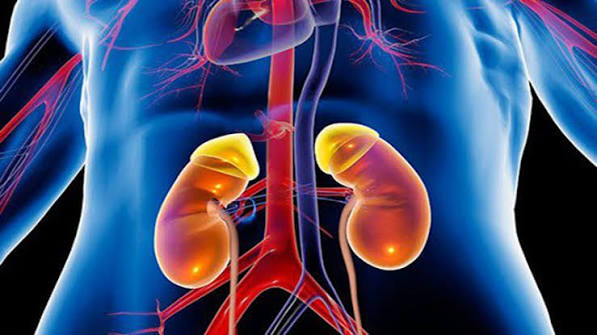
How Kidney Disease Increases Cardiovascular Risk
Chronic kidney disease increases cardiovascular risk through multiple simultaneous mechanisms, many of which act independently of traditional cardiovascular risk factors like smoking or high LDL cholesterol. This is why CKD patients have cardiovascular event rates that are strikingly high even after adjusting for conventional risk factors — the kidney disease itself is generating additional cardiovascular pathology that standard risk calculators do not capture. Hypertension and volume overload: the failing kidney retains sodium and water less efficiently, and is often less responsive to circulating hormones that regulate sodium excretion. The result is volume expansion and persistent hypertension — both of which increase cardiac preload and afterload, drive left ventricular hypertrophy (thickening of the heart wall), and accelerate atherosclerosis. Left ventricular hypertrophy (LVH) is present in over 70% of patients reaching end-stage kidney disease and is an independent predictor of cardiovascular death. Anemia: declining kidney function reduces erythropoietin production — the hormone that stimulates red blood cell production — leading to anemia. Anemia forces the heart to work harder (higher cardiac output) to deliver adequate oxygen to tissues, a sustained compensatory mechanism that accelerates LVH and increases the risk of heart failure. The connection between anemia and cardiovascular disease in CKD is explored in more detail in the companion article on kidney disease and anemia. Mineral dysregulation and vascular calcification: as the kidneys fail, they cannot properly regulate phosphorus excretion or activate vitamin D. Elevated phosphorus levels drive secondary hyperparathyroidism (excess parathyroid hormone production) and promote calcium-phosphate deposits in vessel walls — vascular calcification — which stiffens arteries, impairs vasodilation, and dramatically increases cardiovascular event risk. Calcification of the coronary arteries and heart valves is far more common and severe in CKD and dialysis patients than in the general population. The companion article on kidney disease and bone health covers mineral metabolism dysregulation in detail. Uremic toxin accumulation: as kidney function declines, waste products that the kidney normally clears — including urea, indoxyl sulfate, p-cresyl sulfate, and asymmetric dimethylarginine (ADMA) — accumulate in the blood. Many of these uremic toxins have direct pro-inflammatory and pro-atherosclerotic effects: they promote endothelial dysfunction (impaired function of the inner lining of blood vessels), increase platelet aggregation, and accelerate the formation of atherosclerotic plaques. Chronic inflammation: CKD is associated with persistent low-grade systemic inflammation, driven by oxidative stress, impaired immune regulation, and retained inflammatory mediators. Elevated C-reactive protein and interleukin-6 levels in CKD patients are associated with accelerated atherosclerosis and higher cardiovascular event rates. Electrolyte disturbances: hyperkalemia (elevated blood potassium), which is common in advanced CKD, directly increases the risk of cardiac arrhythmias — a major cause of sudden cardiac death in dialysis patients. The NIDDK provides clinical context for CKD and cardiovascular risk at the NIDDK CKD complications page.
Cardiorenal Syndrome: When the Heart Harms the Kidneys
The relationship between heart and kidney disease is not unidirectional. Heart failure and other cardiac conditions are major causes of kidney injury, a phenomenon formalized as cardiorenal syndrome — a pathophysiological relationship in which acute or chronic dysfunction in one organ induces acute or chronic dysfunction in the other. Five subtypes of cardiorenal syndrome are recognized clinically, covering scenarios from acute heart failure causing acute kidney injury (type 1) to chronic kidney disease directly contributing to chronic cardiac dysfunction (type 4). Reduced cardiac output and renal hypoperfusion: in heart failure with reduced ejection fraction, the failing heart cannot pump sufficient blood to the kidneys, reducing renal perfusion pressure. The kidneys respond by activating the renin-angiotensin-aldosterone system (RAAS) and the sympathetic nervous system — mechanisms that retain sodium and water to try to restore perfusion, but which in the process increase cardiac preload and perpetuate the vicious cycle of worsening heart failure and progressive kidney injury. Venous congestion: in addition to reduced forward flow, heart failure causes venous congestion — elevated central venous pressure that is transmitted backward to the renal veins, increasing renal venous pressure and impairing glomerular filtration. Clinical studies have established that renal venous pressure elevation correlates more strongly with kidney dysfunction in heart failure than reduced cardiac output alone. Medication-related nephrotoxicity in cardiac patients: many medications used to manage heart failure and cardiovascular disease have renal effects that require careful dose management in CKD. ACE inhibitors and ARBs — among the most important protective medications for both heart and kidney — can cause an acute rise in creatinine (expected and usually acceptable) and are associated with hyperkalemia that requires monitoring. Diuretics, commonly used for volume management in heart failure, can precipitate volume depletion and acute kidney injury if overused. NSAIDs, often used for pain management in cardiovascular patients, are nephrotoxic and should be avoided or minimized in CKD. Atrial fibrillation and kidney disease: atrial fibrillation (AF) — the most common cardiac arrhythmia — is significantly more prevalent in CKD patients than in the general population, driven by the structural cardiac changes, electrolyte disturbances, and uremic toxin burden described above. AF in turn increases the risk of stroke and thromboembolic events; managing anticoagulation in AF patients with CKD is complex because both under-treatment (increased stroke risk) and over-treatment (increased bleeding risk) are concerns, and many anticoagulants require dose adjustment in kidney disease. The KDIGO CKD guidelines address cardiovascular risk management at the KDIGO CKD guidelines page.
Shared Risk Factors: Why Diabetes and High Blood Pressure Drive Both
The three most important contributors to both kidney disease and cardiovascular disease share the same roots: diabetes, high blood pressure, and obesity frequently occur together and each independently damages both the kidneys and the cardiovascular system. Understanding these shared risk factors is essential for prevention and management, because the actions that protect the kidneys and the actions that protect the heart almost entirely overlap. Diabetes: diabetic nephropathy (kidney disease caused by diabetes) and diabetic cardiovascular disease share the same primary driver — chronically elevated blood glucose that damages blood vessel walls through glycation, oxidative stress, and inflammation. People with type 2 diabetes have cardiovascular disease rates 2–4 times higher than non-diabetic individuals; they also have dramatically higher CKD rates. The combination of CKD and diabetes further amplifies cardiovascular risk beyond either condition alone. The companion article on kidney disease and diabetes covers this relationship in detail, including how blood sugar control and newer diabetes medications protect both organs. High blood pressure: hypertension is both a cause and consequence of CKD and is a major independent risk factor for heart attack, stroke, heart failure, and cardiovascular death. The kidneys regulate blood pressure through the RAAS and pressure natriuresis; CKD disrupts both mechanisms, making blood pressure harder to control. At the same time, uncontrolled hypertension directly damages glomeruli (the kidney’s filtering units) and accelerates CKD progression — creating a bidirectional, reinforcing cycle that requires active management. The companion article on kidney disease and high blood pressure provides detailed guidance on blood pressure targets and treatment in CKD. Obesity: excess adipose tissue drives insulin resistance, hypertension, dyslipidemia, and systemic inflammation — all of which contribute independently to both kidney disease and cardiovascular disease. Obesity is also associated with a specific form of kidney disease (obesity-related glomerulopathy) even in the absence of diabetes or hypertension. Weight loss — even modest amounts of 5–10% of body weight — improves blood pressure, blood sugar, lipids, and kidney function markers in overweight individuals with CKD. Dyslipidemia: CKD alters lipid metabolism, typically producing elevated triglycerides, low HDL cholesterol, and elevated small dense LDL particles — a profile associated with high cardiovascular risk. Statin therapy, which reduces LDL cholesterol and has anti-inflammatory effects, is recommended for cardiovascular risk reduction in CKD patients, though its benefit on slowing CKD progression itself is less established. The NKF provides patient education resources on kidney and cardiovascular health at the NKF kidney health page.
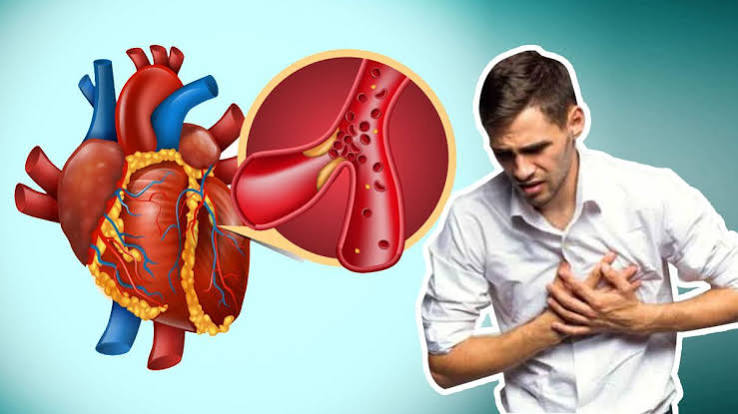
Evidence-Based Strategies to Protect Both Heart and Kidneys
The overlap in risk factors between kidney disease and cardiovascular disease creates an important opportunity: interventions that protect the kidneys also protect the heart, and vice versa. The following evidence-based strategies address the shared pathology of cardiorenal disease and have demonstrated benefit for both organ systems in clinical trials. Blood pressure control to target: in patients with CKD, blood pressure should generally be managed to below 130/80 mmHg (or lower in patients with significant proteinuria), based on evidence from major trials including SPRINT and multiple CKD-specific studies. Reaching this target reduces both the rate of CKD progression and the rate of cardiovascular events. ACE inhibitors and ARBs are the preferred first-line antihypertensive agents in CKD patients with proteinuria because they reduce intraglomerular pressure, decrease proteinuria, and slow kidney disease progression beyond their blood pressure effects. Blood glucose control in diabetes: maintaining HbA1c near target (typically around 7%, with individualization for patient circumstances) substantially reduces the risk of developing and progressing both diabetic nephropathy and diabetic cardiovascular disease. Newer glucose-lowering medications — particularly SGLT2 inhibitors (such as empagliflozin, canagliflozin, and dapagliflozin) and GLP-1 receptor agonists (such as semaglutide and liraglutide) — have demonstrated independent cardiovascular and kidney-protective effects in landmark trials, making them essential parts of the treatment regimen for patients with CKD and type 2 diabetes. SGLT2 inhibitors beyond diabetes: clinical trials including DAPA-CKD and CREDENCE have demonstrated that SGLT2 inhibitors reduce the risk of CKD progression (composite of 40% eGFR reduction, kidney failure, or kidney/cardiovascular death) by approximately 30–45% even in patients without diabetes — establishing them as kidney-protective medications in their own right, not just glucose-lowering agents. SGLT2 inhibitors also reduce the risk of heart failure hospitalization by approximately 30%, making them one of the most important medications for patients at the intersection of kidney and cardiovascular disease. Statin therapy for LDL reduction: statins are recommended for cardiovascular risk reduction in CKD patients based on extensive evidence from trials including SHARP (Study of Heart and Renal Protection), which showed significant reductions in major atherosclerotic events in CKD patients treated with simvastatin/ezetimibe. Statins do not appear to slow CKD progression significantly, but their cardiovascular protective effects are clinically important given the very high cardiovascular event rates in this population. Dietary modification: a diet low in sodium (less than 2 grams per day) reduces blood pressure and cardiovascular risk while also reducing proteinuria and slowing CKD progression. A Mediterranean-style diet or DASH diet pattern — high in vegetables, fruits, legumes, whole grains, and fish while limiting red meat and processed foods — has demonstrated both cardiovascular and kidney-protective effects in observational and intervention studies. Phosphorus restriction and protein moderation are also relevant in later CKD stages. Physical activity: regular moderate-intensity aerobic exercise reduces blood pressure, improves lipids, reduces insulin resistance, lowers cardiovascular event risk, and in CKD patients is associated with slower kidney disease progression and improved quality of life. Exercise is safe and beneficial across all CKD stages, including for patients on dialysis. The StatPearls reference on CKD cardiovascular complications is at the StatPearls resource.
Medications That Protect Both Heart and Kidneys in CKD
The pharmacological management of cardiorenal disease has evolved substantially over the past decade, with multiple drug classes now having demonstrated dual organ protection in rigorous clinical trials. Understanding the evidence base for each class helps patients and their care teams make informed treatment decisions. ACE inhibitors and ARBs: agents like lisinopril, ramipril (ACE inhibitors) and losartan, valsartan (ARBs) reduce intraglomerular pressure through their effects on efferent arteriolar tone, decrease proteinuria, slow CKD progression, and provide cardiovascular protection in high-risk patients. They should not be combined (dual RAAS blockade increases the risk of hyperkalemia and acute kidney injury without additional benefit). Patients starting these medications should have creatinine and potassium checked 1–2 weeks after initiation or dose change; a modest creatinine rise of up to 30% from baseline is expected and acceptable and should not trigger discontinuation. SGLT2 inhibitors: now established as kidney-protective and heart failure-protective medications with clear evidence in both diabetic and non-diabetic CKD, SGLT2 inhibitors (empagliflozin, dapagliflozin, canagliflozin) are increasingly part of the standard treatment regimen for CKD patients with or without diabetes who are at high risk of CKD progression or cardiovascular events. They work partly by reducing intraglomerular hyperfiltration through a tubuloglomerular feedback mechanism that reduces sodium delivery to the proximal tubule. Finerenone (a non-steroidal mineralocorticoid receptor antagonist): approved for CKD with type 2 diabetes, finerenone has demonstrated reductions in CKD progression and cardiovascular events in the FIDELIO-DKD and FIGARO-DKD trials. Unlike older mineralocorticoid receptor antagonists (spironolactone, eplerenone), finerenone has a more selective mechanism and lower risk of gynecomastia, though hyperkalemia monitoring is still required. GLP-1 receptor agonists: semaglutide and liraglutide have demonstrated cardiovascular outcome benefits in major trials (LEADER, SUSTAIN-6, SOUL) and emerging kidney-protective effects, particularly reduction in proteinuria and CKD progression events. They also promote weight loss, which independently benefits both cardiorenal outcomes. Beta-blockers and antihypertensives: in patients with heart failure and CKD, evidence-based heart failure therapies (beta-blockers, ACE inhibitors/ARBs, mineralocorticoid receptor antagonists, SGLT2 inhibitors — the “four pillars”) continue to apply, though dose adjustment and potassium monitoring are essential. For patients with CKD and atrial fibrillation requiring anticoagulation, direct oral anticoagulants (DOACs) are preferred over warfarin in most circumstances, with dose adjustment for kidney function. Medications to avoid or minimize in CKD: NSAIDs (ibuprofen, naproxen, diclofenac) should be avoided or used only briefly at lowest effective doses because they reduce renal prostaglandin synthesis, constrict afferent arterioles, and can precipitate acute kidney injury, particularly in the context of heart failure, dehydration, or diuretic use. Gadolinium-containing MRI contrast agents carry risks of nephrogenic systemic fibrosis in severe CKD; iodinated CT contrast is safer than historically feared but should be used judiciously with pre- and post-procedure hydration in moderate-to-severe CKD.
Coordinated Cardiorenal Care: Working With Both Specialists
Patients with both kidney disease and cardiovascular conditions typically see multiple specialists — a nephrologist for kidney management, a cardiologist (and often an electrophysiologist, interventional cardiologist, or heart failure specialist) for cardiac management, and a primary care physician coordinating overall care. The management decisions in this population are complex: medications that benefit one system can stress the other, blood pressure and fluid targets may need to be individualized, and many of the newest evidence-based therapies sit at the interface of nephrology and cardiology. Coordinated vs fragmented specialty care: outcomes are better when the nephrologist and cardiologist communicate directly and share a treatment plan, rather than managing their respective organ systems independently. Patients at the intersection of kidney and heart disease benefit from having a primary physician who actively facilitates communication between specialists and resolves conflicting recommendations. eGFR thresholds for treatment decisions: many cardiology guidelines and trials were conducted in populations with relatively preserved kidney function; the applicability of certain interventions at lower eGFR levels (below 30 or 20 mL/min) is less certain and requires specialist judgment. Conversely, dialysis patients face a dramatically different cardiovascular risk profile than non-dialysis CKD patients — sudden cardiac death is the leading cause of death in hemodialysis patients, often related to the hemodynamic stress of the dialysis session, electrolyte shifts, and accumulated volume load between sessions. Patients who are approaching kidney failure and considering treatment options can read more in the kidney failure treatment options guide. Cardiovascular monitoring in CKD: patients with CKD should have regular monitoring of blood pressure (at every visit), electrocardiogram (to screen for LVH and arrhythmias), echocardiogram (to assess cardiac structure and function, particularly LV size and function), and lipids. Those with advanced CKD have a particularly high burden of subclinical cardiovascular disease and benefit from proactive cardiovascular monitoring even in the absence of symptoms. Patient self-monitoring: home blood pressure monitoring is highly recommended for CKD patients with hypertension — it allows detection of white-coat hypertension, masked hypertension, and overnight blood pressure patterns that clinic readings miss. Many patients with CKD also benefit from regular daily weight monitoring at home to detect early fluid retention, which can signal both worsening heart failure and CKD-related volume overload before symptoms become overt. For guidance on what kidney function tests to monitor and how often, see the article on how often kidney function should be checked.
Sources: NIDDK CKD Complications · KDIGO CKD Guidelines · National Kidney Foundation · StatPearls: Nephrology
Key takeaways for patients: kidney disease and cardiovascular disease are inseparably linked, and managing one without actively managing the other leaves major risk unaddressed. Every patient with CKD should have blood pressure treated to target, lipids assessed, cardiovascular risk discussed with their care team, and — if diabetes is present — glucose-lowering therapy optimized with agents that protect both organs. The evidence base for integrated cardiorenal management has expanded enormously in the past decade, and the treatment options available today — particularly SGLT2 inhibitors and finerenone — offer protection for both the heart and the kidney in a single medication. Patients with both conditions benefit most from a coordinated care team that shares information, aligns on treatment goals, and monitors both organ systems systematically over time. For information on kidney disease progression and long-term monitoring, see the article on slowing kidney disease progression.
My nephrologist and my cardiologist each manage their part but I’ve always felt like they don’t talk to each other. After reading this I finally understand why that’s a problem — the section on cardiorenal syndrome explains exactly the overlap that I see in my own treatment. I’m on an ACE inhibitor for blood pressure, a diuretic for fluid, and a beta-blocker for my heart, and every appointment feels like one doctor adjusting things without full awareness of what the other changed. I’m going to ask my primary care doctor to take a more active coordinating role.
The section on SGLT2 inhibitors was new information for me. My cardiologist recently added empagliflozin for my heart failure and mentioned it also helps the kidneys — I didn’t fully understand why until reading this article. The explanation of how it reduces intraglomerular hyperfiltration is actually quite clear. I’m at CKD stage 3b and my nephrologist had mentioned it as a possibility too. It’s reassuring that this medication can help both conditions at once.
Linda, asking your primary care physician to take an active coordinating role between your nephrologist and cardiologist is exactly the right step — particularly for patients managing medications that affect both organ systems simultaneously. The combination of an ACE inhibitor, diuretic, and beta-blocker is common in heart failure with CKD and genuinely requires someone keeping an eye on the complete picture, especially potassium levels and volume status. Robert, empagliflozin is one of the most important developments in cardiorenal medicine in the past decade — it’s genuinely rare to have a medication with such strong evidence for protecting both the heart and the kidneys simultaneously. Your cardiologist and nephrologist are both correct about its relevance to your situation, and having that medication doing double duty at CKD stage 3b while also protecting your heart is a real advantage.