

One in three people with diabetes will develop kidney disease. That statistic is startling — but it is not a sentence. Diabetic kidney disease progresses slowly, often silently, and responds directly to the actions you take: the medications you take, the foods you eat, the blood pressure you maintain, and how closely you monitor your kidney function over time.
Diabetes is currently the leading cause of kidney failure in the United States, responsible for nearly half of all new cases of end-stage renal disease. But the damage that leads to dialysis or transplant doesn’t happen overnight. It accumulates over years, through mechanisms that are now well understood — and increasingly, well interrupted by evidence-based treatment.
This guide covers what actually works: from blood sugar and blood pressure targets to newer medications that have changed the prognosis for diabetic kidney disease, along with the diet and lifestyle changes that compound those benefits.
How Diabetes Damages the Kidneys
The kidneys filter about 200 liters of blood every day through tiny clusters of capillaries called glomeruli. Each kidney contains roughly one million of them. In diabetes, these filters come under sustained attack from multiple directions simultaneously.
The first injury is mechanical. High blood glucose causes the kidneys to work harder — early in the disease, the glomerular filtration rate actually increases as the kidneys compensate. This state, called glomerular hyperfiltration, raises pressure inside the capillaries. Sustained high pressure slowly tears the delicate filtration membrane.
The second injury is structural. Chronically elevated glucose triggers the buildup of collagen in the mesangium — the structural tissue that supports the glomeruli. Over time this creates scarring that reduces the filtering surface. In advanced diabetic nephropathy, pathologists identify Kimmelstiel-Wilson nodules: discrete deposits of collagen that mark irreversible glomerular damage.
The third injury is inflammatory. High glucose activates inflammatory pathways — including TNF-alpha, interleukin-6, and reactive oxygen species — that damage tubular cells, impair their ability to reabsorb nutrients, and worsen glomerular scarring. Hypertension, which develops in most people with long-standing diabetes, compounds all three mechanisms by adding more mechanical pressure to an already-stressed system.
The result: glomeruli scar, filtration declines, waste products accumulate. From the first sign of kidney involvement to dialysis typically takes 10 to 20 years — a long window for intervention that far too many people miss because there are no symptoms until late.
Warning Signs and Monitoring Tests
Diabetic kidney disease is a silent disease for most of its course. By the time a person notices swelling, fatigue, or reduced urine output, kidney function has often declined significantly. This is why regular monitoring — not symptom monitoring — is the cornerstone of early detection.
The two essential tests are the urine albumin-to-creatinine ratio (UACR) and the estimated glomerular filtration rate (eGFR). The UACR measures how much albumin (a blood protein) is leaking into the urine. Healthy kidneys retain albumin; damaged ones let it through. A UACR below 30 mg/g is normal. Between 30 and 300 is microalbuminuria — an early warning. Above 300 is macroalbuminuria — a signal that significant damage has occurred.
The eGFR estimates how much blood the kidneys filter per minute, adjusted for body size. An eGFR of 90 or above is considered normal. Values below 60, especially if persistent, indicate chronic kidney disease. Below 30 is severe CKD; below 15 typically requires dialysis or transplant evaluation.
The American Diabetes Association recommends annual UACR and eGFR testing for all people with Type 2 diabetes starting at diagnosis, and for Type 1 diabetes starting five years after diagnosis. If either test is abnormal, testing should occur every three to six months to track the trend. Rising UACR — even if still in the microalbuminuria range — is a clinically significant finding that should prompt medication adjustment, not watchful waiting.
Blood Sugar Control: The Foundation of Kidney Protection
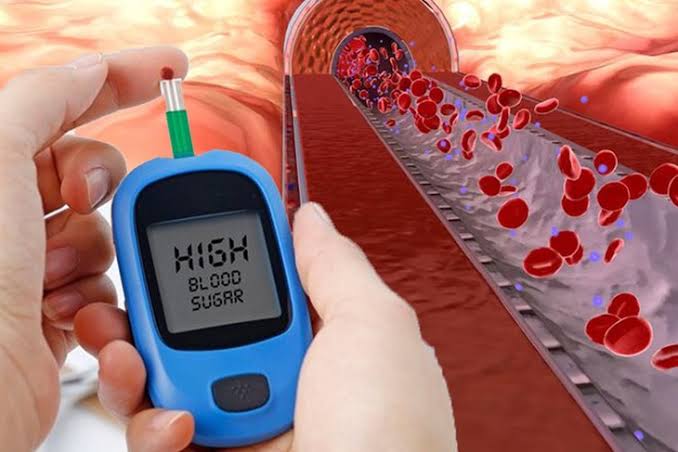
The most powerful long-term protection against diabetic kidney disease begins with controlling blood glucose. The landmark DCCT/EDIC trial in Type 1 diabetes demonstrated that intensive blood sugar control reduced the risk of microalbuminuria by 39% and macroalbuminuria by 54% compared to conventional treatment. The UKPDS showed similar benefits in Type 2 diabetes, with tight glucose control reducing microvascular complications including kidney disease by approximately 25%.
The standard target is an HbA1c below 7%, which reflects an average blood glucose of approximately 154 mg/dL over the preceding three months. This target applies to most adults with diabetes who can achieve it without frequent hypoglycemia. For people with advanced CKD, older adults, those with hypoglycemia unawareness, or those with limited life expectancy, a target of 7.5% to 8% is often more appropriate and safer.
Postprandial glucose spikes — the rapid rises after meals — contribute independently to glomerular stress. Low-glycemic-index foods, smaller and more frequent meals, and timed physical activity after eating all blunt these spikes. Hypoglycemia matters too: severe episodes trigger stress hormone release that raises blood pressure and increases cardiovascular risk, both of which harm the kidneys.
Blood Pressure Management With Diabetes and CKD
High blood pressure and diabetic kidney disease are locked in a damaging cycle. CKD raises blood pressure by impairing the kidneys’ ability to regulate sodium and fluid. High blood pressure then accelerates kidney damage by increasing intraglomerular pressure. Breaking this cycle requires aggressive blood pressure management.
The target for people with diabetes and CKD is below 130/80 mmHg — lower than the general hypertension guideline of 130/80 that applies to most adults. The National Institute of Diabetes and Digestive and Kidney Diseases notes that every 10 mmHg reduction in systolic blood pressure reduces the risk of serious kidney events by approximately 10 to 20 percent.
ACE inhibitors (like lisinopril, ramipril) and ARBs (like losartan, valsartan) are the first-line medications for people with diabetes and kidney disease, regardless of whether blood pressure is elevated. Both classes reduce intraglomerular pressure by dilating the efferent arteriole, and both independently reduce albuminuria — a benefit that goes beyond blood pressure control alone.
One critical caution: ACE inhibitors and ARBs should not be used together. The VA-NEPHRON-D trial found that dual blockade increases the risk of hyperkalemia (dangerous high potassium) and acute kidney injury without additional benefit. Use one class, not both.
Home blood pressure monitoring — twice daily, at the same time each day — is more informative than clinic readings alone. White-coat hypertension (elevated readings only in the clinic) is common; masked hypertension (normal clinic readings, elevated at home) is also common in CKD and often more dangerous.
SGLT2 Inhibitors — A Kidney-Specific Breakthrough
The most significant shift in diabetic kidney disease treatment in the past decade has been the emergence of SGLT2 inhibitors as kidney-protective agents — not just blood sugar medications. These drugs (empagliflozin, dapagliflozin, canagliflozin) work by blocking glucose reabsorption in the kidney’s proximal tubule, causing excess glucose to be excreted in the urine.
Their kidney-protective mechanism, however, operates separately from glucose lowering. SGLT2 inhibitors reduce glomerular hyperfiltration by constricting the afferent arteriole — the opposite of what happens in early diabetic nephropathy. This lowers intraglomerular pressure, reduces albuminuria, and slows the structural damage that leads to scarring.
The trial evidence is compelling. The CREDENCE trial with canagliflozin enrolled people with Type 2 diabetes and established CKD and found a 30% relative reduction in kidney failure (ESRD, doubling of serum creatinine, or death from kidney or cardiovascular causes). The EMPA-REG OUTCOME and DAPA-CKD trials showed similar kidney and cardiovascular benefits.
Both the American Diabetes Association and the Kidney Disease: Improving Global Outcomes (KDIGO) guidelines now recommend SGLT2 inhibitors for people with Type 2 diabetes and CKD who have an eGFR of 20 or above — regardless of HbA1c level. The kidney benefit is enough justification even when glucose control is already adequate.
Common side effects include increased genital yeast infections and, rarely, diabetic ketoacidosis — particularly in people who fast for procedures or become acutely ill. Patients should be counseled to hold SGLT2 inhibitors before major surgery or during severe illness.
Diet Strategies That Protect Diabetic Kidneys
No single diet reverses diabetic kidney disease. But the wrong diet accelerates it — and the right choices compound the benefit of every medication and lifestyle intervention.
Protein: High protein intake increases glomerular filtration pressure, which worsens hyperfiltration in diabetic kidneys. Most kidney-disease guidelines recommend moderating protein to 0.6 to 0.8 grams per kilogram of body weight per day for non-dialysis CKD. A 70-kg person would target 42 to 56 grams of protein daily — roughly half the intake many Americans consume. Plant protein (beans, lentils, tofu) may be preferable to animal protein, as it produces less acid load and less intraglomerular pressure.
Sodium: Restricting sodium to below 2,300 mg/day supports blood pressure control, reduces fluid retention, and enhances the effectiveness of ACE inhibitors and ARBs. Processed, packaged, and restaurant foods are the primary sources of excess sodium; cooking at home with herbs rather than salt is one of the most impactful practical changes a patient can make.
Carbohydrates: Low-glycemic-index foods — legumes, non-starchy vegetables, steel-cut oats, whole grains — reduce postprandial glucose spikes that contribute to glomerular stress. Refined carbohydrates and sugar-sweetened beverages raise glucose rapidly and should be minimized.
Potassium and Phosphorus: In early CKD, potassium and phosphorus levels may be normal and dietary restriction is not necessary. As eGFR falls below 45, phosphorus management becomes important; below 30, potassium monitoring is critical, especially when using ACE inhibitors or ARBs. People at that stage should work with a renal dietitian to balance these minerals safely.
Overall, a Mediterranean-style dietary pattern — abundant vegetables, legumes, olive oil, moderate fish, limited red meat — has shown benefit in CKD populations and maps well onto both diabetes management and kidney health.
Lifestyle Changes With Real Impact
Medication gets most of the attention in DKD management, but lifestyle modifications produce changes in kidney function markers that no pill can fully replicate — and they strengthen the effect of everything else.
Exercise: The American Diabetes Association recommends at least 150 minutes per week of moderate-intensity aerobic activity. In CKD, exercise reduces insulin resistance, lowers blood pressure, improves cardiovascular fitness, and has been associated with slower eGFR decline in observational studies. Resistance training — two to three sessions per week — further improves metabolic control. People with eGFR below 30 should discuss exercise intensity with their nephrologist, but physical activity is generally encouraged at all CKD stages.
Weight management: A 10% reduction in body weight in overweight individuals with Type 2 diabetes can reduce urine albumin excretion by approximately 30%. Bariatric surgery has produced DKD remission in a subset of severely obese patients — a finding that underscores the metabolic driver of kidney damage in many cases. Even modest weight loss that improves insulin sensitivity matters.
Smoking cessation: Smoking is an independent accelerant of CKD progression. It damages renal vasculature directly, reduces kidney blood flow, and compounds the hypertensive injury to glomeruli. Smoking cessation is one of the highest-value interventions a person with DKD can make — and it has benefits that appear within months of quitting.
Alcohol: Moderate alcohol intake (no more than one drink per day for women, two for men) is compatible with CKD management for most people. Heavier drinking raises blood pressure, disrupts medication adherence, and can cause acute kidney injury in dehydrated states.
Additional Medications — Finerenone and GLP-1 Agonists
Beyond the ACE/ARB and SGLT2 inhibitor backbone, two additional medication classes are changing the landscape for diabetic kidney disease.
Finerenone is a non-steroidal mineralocorticoid receptor antagonist (MRA) approved by the FDA in 2021 specifically for the treatment of CKD in Type 2 diabetes. Unlike the older steroidal MRAs (spironolactone, eplerenone), finerenone has tissue-specific selectivity that reduces kidney and cardiac inflammation without the hormonal side effects. The FIDELIO-DKD and FIGARO-DKD trials demonstrated that finerenone, added on top of ACE/ARB therapy, significantly reduced CKD progression and cardiovascular events. Potassium monitoring is required, as hyperkalemia can occur.
GLP-1 receptor agonists — semaglutide, liraglutide, dulaglutide — primarily treat diabetes and reduce cardiovascular risk, but have secondary kidney-protective effects. The LEADER trial with liraglutide found reduction in new macroalbuminuria and the composite kidney endpoint. Semaglutide trials (SUSTAIN-6, FLOW) showed kidney benefit as well. GLP-1 agonists are not the primary kidney protection agent — SGLT2 inhibitors are — but they play an important supporting role, particularly for patients who also need weight loss or cardiovascular risk reduction.
The evolving standard of care for high-risk DKD now involves combination therapy: an ACE inhibitor or ARB as the foundation, an SGLT2 inhibitor for kidney and cardiovascular protection, and finerenone for additional anti-inflammatory kidney protection. This triple approach addresses diabetic kidney disease from multiple mechanisms simultaneously.
When to See a Nephrologist
Primary care physicians and endocrinologists manage most diabetic kidney disease in early to moderate stages. But certain thresholds signal the need for nephrology co-management — and referral often happens later than it should.
Nephrology referral is indicated when:
- eGFR falls below 45 and remains there on repeat testing
- eGFR is declining faster than 5 mL/min/year
- UACR exceeds 300 mg/g (macroalbuminuria) despite maximal ACE/ARB therapy
- Blood pressure cannot be controlled with multiple medications (resistant hypertension)
- The clinical picture is atypical for diabetic nephropathy (e.g., rapid onset without retinopathy, active urine sediment suggesting another diagnosis)
A nephrologist appointment is not a signal that dialysis is imminent — it is an opportunity to optimize the treatment plan, evaluate for additional causes of kidney injury, discuss future planning, and potentially slow progression enough to avoid dialysis altogether. Early referral is associated with better outcomes.
For comprehensive guidance on protecting kidney health beyond diabetes, the Kidney Disease Prevention: A Practical Guide covers the full spectrum of prevention strategies applicable across CKD risk populations.
Frequently Asked Questions
Can diabetes-related kidney damage be reversed?
Early microalbuminuria can normalize with aggressive blood sugar and blood pressure control — especially in Type 1 diabetes. Once significant structural damage occurs (macroalbuminuria, reduced eGFR), full reversal is unlikely, but progression can be substantially slowed with the right medication and lifestyle approach. Reversal becomes less likely as eGFR drops below 60.
Is a low-protein diet always necessary with diabetic kidney disease?
No. Protein restriction is recommended for non-dialysis CKD patients, but the threshold matters. People with early CKD (eGFR above 60) and normal albumin levels do not need strict restriction. Restriction becomes important as eGFR declines. A renal dietitian can provide individualized guidance rather than a one-size-fits-all rule.
What’s the best medication for kidney protection in Type 2 diabetes?
SGLT2 inhibitors (canagliflozin, dapagliflozin, empagliflozin) have the strongest evidence base for direct kidney protection and are now recommended by both the ADA and KDIGO for Type 2 diabetes with CKD. They work best in combination with an ACE inhibitor or ARB, which should already be the first-line blood pressure medication for most people with DKD.
How often should I get my kidneys checked if I have diabetes?
At minimum, once per year — for both UACR and eGFR. If either test is abnormal, or if you have other risk factors like poorly controlled hypertension or a strong family history of kidney disease, testing every three to six months is appropriate. Ask your doctor to include both tests at each annual visit; neither requires fasting.
Can I exercise if I have both diabetes and kidney disease?
Yes. Exercise is recommended at all stages of CKD and diabetes. Moderate-intensity aerobic exercise (walking, cycling, swimming) 150 minutes per week is the target. In later CKD stages (eGFR below 30), consult a nephrologist about safe intensity limits, but physical activity should not be eliminated — it is beneficial for cardiovascular health, blood pressure, and quality of life in kidney disease.
Protecting your kidneys when you have diabetes is not about any single intervention — it is about combining blood sugar control, blood pressure management, the right medications, and lifestyle habits into a consistent, long-term practice. The window for meaningful protection is wider than most people realize, and the tools now available are more effective than they have ever been.
Understanding Your CKD Stage With Diabetes
Chronic kidney disease is classified into five stages based on eGFR, and where you fall in that staging affects every decision about medications, diet restrictions, and monitoring frequency. For people with diabetes, CKD stage also determines which medications are safe to use — and which ones need to be paused or avoided as kidney function declines.
Stage 1 (eGFR ≥90): Kidney function is normal, but markers of kidney damage are present — typically microalbuminuria. This is the most actionable stage: interventions here have the greatest potential to prevent progression. Most medications, including metformin and SGLT2 inhibitors, are fully safe. Annual monitoring is appropriate.
Stage 2 (eGFR 60–89): Mildly reduced kidney function. Often asymptomatic. Blood pressure and blood sugar control become even more important. SGLT2 inhibitors remain recommended down to eGFR of 20 per current guidelines. Monitoring every 6 months if albuminuria is present.
Stage 3a (eGFR 45–59) and 3b (eGFR 30–44): Moderate decline. This is where dietary adjustments often begin in earnest — protein moderation, sodium restriction, phosphorus awareness. Nephrology referral is appropriate at eGFR below 45. Metformin may need dose reduction or discontinuation at Stage 3b. Monitoring every 3–6 months.
Stage 4 (eGFR 15–29): Severely reduced kidney function. Dialysis planning should begin — not because it’s imminent, but because preparation (vascular access creation, evaluation for transplant listing) takes time and is best done before crisis. Dietary restrictions intensify: potassium and phosphorus monitoring becomes critical. Most oral diabetes medications require adjustment or discontinuation. Insulin becomes the primary glucose management tool for many patients.
Stage 5 (eGFR below 15): Kidney failure. Dialysis or transplant is required for survival. At this point, diabetes management is restructured entirely around dialysis schedules and residual kidney function. Earlier prevention of reaching this stage is the goal of every intervention described in this article.
Knowing your stage is not about receiving a label — it is about calibrating the right actions at the right time. A patient in Stage 2 who starts an SGLT2 inhibitor and reaches a HbA1c of 6.8% with a controlled blood pressure of 125/78 may never progress beyond Stage 2. That outcome is achievable, documented in trials, and worth pursuing actively.
Building a Kidney Protection Routine
The interventions discussed in this article are most effective when structured into a consistent routine rather than addressed reactively when test results worsen. A practical kidney protection routine for a person with diabetes and CKD might look like this:
- Daily: Take ACE inhibitor or ARB and SGLT2 inhibitor as prescribed; monitor blood pressure at home; follow sodium-controlled diet; aim for 30 minutes of moderate activity
- Weekly: Review blood glucose logs or CGM data; adjust diet based on weekly trends; track weight (fluid retention is an early CKD complication signal)
- Every 3–6 months: HbA1c test; kidney function panel (eGFR + UACR); potassium check if on ACE/ARB or finerenone; medication review with prescribing physician
- Annually: Full metabolic panel; ophthalmology exam (diabetic eye disease and kidney disease share risk factors and often progress together); nephrology visit if eGFR is below 45
This routine is not complicated, but it requires consistency. The patients who do best with diabetic kidney disease are typically not the ones who make dramatic lifestyle changes for a month — they are the ones who make moderate, sustainable changes and maintain them for years. Blood pressure controlled to 128/76 every day for five years is worth more than an aggressive intervention for six months followed by drift back to 145/90.
For additional strategies on protecting kidney health across all risk populations, see the Kidney Disease Prevention: A Practical Guide — a companion resource covering the full spectrum of prevention tools applicable whether or not diabetes is present.
Sources: ADA Standards of Medical Care in Diabetes · NIDDK — Diabetic Kidney Disease · KDIGO Diabetes in CKD Guidelines 2022
Pingback: How to Protect Your Kidneys With High Blood Pressure - Horizon Health Guide
Pingback: Blood Sugar Control and Kidney Protection - Horizon Health Guide
Pingback: Blood Pressure Control and Kidney Protection - Horizon Health Guide
As someone dealing with this personally, the how to protect your kidneys with section was very helpful. I especially valued the explanation of why these recommendations exist, not just what they are. This is exactly why I prefer this website over generic health platforms.
I have been reading about how to protect your kidneys with for weeks and this is the most thorough guide I found. It is refreshing to see an article that acknowledges individual variation rather than one-size-fits-all advice. Appreciate the effort that went into researching and writing this — it shows.
I never fully understood how to protect your kidneys with until I read this. The connection between lifestyle choices and long-term outcomes is explained clearly here. Forwarding this to others in my support group who are dealing with similar issues.