
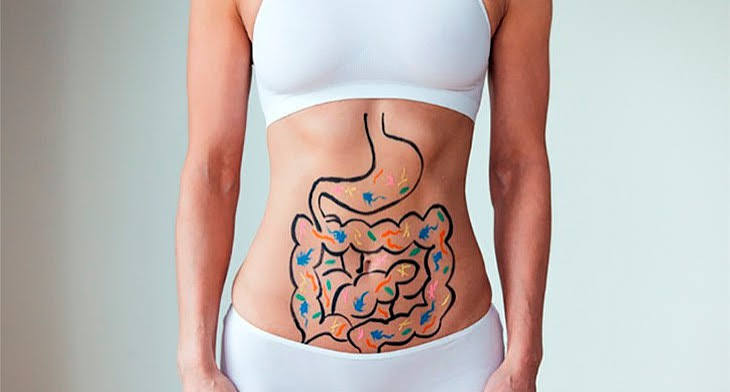
Digestive health is one of those terms that appears everywhere — on supplement labels, in wellness articles, in your doctor’s waiting room — yet rarely gets a clear definition. Most people assume it means “not having stomach problems,” but that framing misses most of what the digestive system actually does. Digestive health refers to the complete, coordinated functioning of every organ involved in breaking down food, absorbing nutrients, protecting the body from harmful substances, and removing waste. When those processes work together efficiently, the effects extend far beyond the gut itself — influencing energy, immunity, mental health, skin, and long-term disease risk.
This article explains what digestive health means in practical terms, how the system works, what good and poor function look like, and what the evidence says about protecting it over time.
What Digestive Health Actually Means
The clinical definition of digestive health goes beyond symptom absence. The National Institute of Diabetes and Digestive and Kidney Diseases (NIDDK) defines a healthy digestive system as one that adequately digests and absorbs nutrients, maintains appropriate gut barrier function, sustains a balanced microbial community, and supports normal immune responses within the GI tract. A person can have normal-seeming digestion while still experiencing micronutrient deficiencies, chronic low-grade inflammation, or gut barrier disruption — none of which produce obvious short-term symptoms.
This distinction matters for adults making decisions about diet, medications, and screening. Many digestive conditions — fatty liver disease, early IBD, H. pylori infection, colorectal polyps — are silent for years before causing symptoms. Treating digestive health as a proactive concern, not just a reactive one when symptoms appear, is the framework that most gastroenterology guidelines now recommend.
Digestive health also exists on a spectrum. Having occasional bloating after a rich meal is not a digestive health problem. Having bloating, abdominal pain, irregular stools, fatigue after eating, and frequent nausea — even without a confirmed diagnosis — signals that something in the system is not functioning optimally. The Rome IV criteria, the leading diagnostic framework for functional GI disorders, recognize that meaningful digestive dysfunction can exist and warrant treatment even when standard tests show nothing structurally wrong.
The Digestive Tract — Key Organs and What They Do
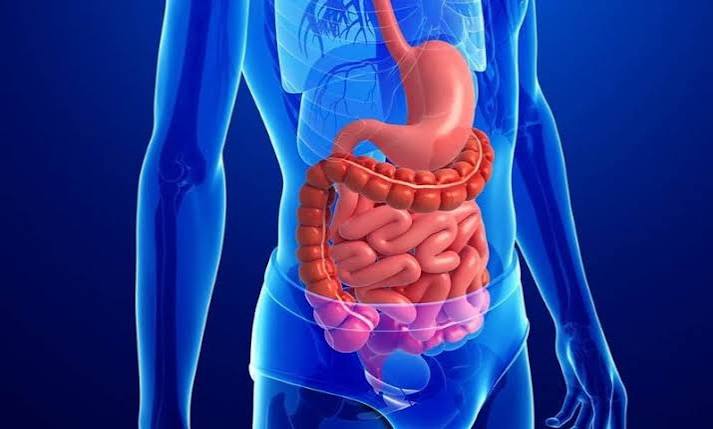
The digestive system is approximately 9 meters (30 feet) long, running from the mouth to the anus. Understanding its structure helps clarify why symptoms in different locations feel different and why different conditions affect different parts of the tract. A more detailed look at each organ’s function is covered in the companion article on how the digestive system works, but a functional overview is useful here.
Mouth and esophagus. Digestion begins in the mouth with chewing and salivary enzymes that start breaking down carbohydrates. The esophagus — a muscular tube about 25 centimeters long — carries food to the stomach via coordinated muscular contractions called peristalsis. The lower esophageal sphincter, a valve at the bottom of the esophagus, prevents stomach acid from flowing upward. When this valve weakens, acid reflux and GERD result.
Stomach. The stomach is a muscular organ that holds food for 2 to 5 hours, mixing it with hydrochloric acid and digestive enzymes to create a semi-liquid called chyme. Stomach acid has a pH of 1.5 to 3.5 — acidic enough to kill most bacteria — and activates pepsin, the enzyme that begins protein digestion. The stomach also produces intrinsic factor, which is required for vitamin B12 absorption. Conditions that impair stomach acid production (including long-term PPI use) can therefore affect B12 status and nutrient absorption more broadly.
Small intestine. At roughly 6 meters long, the small intestine is where the majority of nutrient absorption occurs. Its inner lining is covered with finger-like projections called villi and even smaller microvilli, which together create a surface area of roughly 30 square meters — the size of half a tennis court. Digestive enzymes from the pancreas and bile from the liver and gallbladder complete the breakdown of carbohydrates, proteins, and fats, which are then absorbed through the intestinal wall into the bloodstream and lymphatic system. The small intestine also houses a significant portion of the gut-associated immune tissue.
Large intestine. The large intestine (colon) is approximately 1.5 meters long. Its main roles are absorbing water and electrolytes from indigestible food matter, housing the gut microbiome, and forming and excreting stool. Transit time through the colon is highly variable — from 10 to 59 hours in healthy adults — explaining why “normal” bowel frequency ranges from three times a day to three times a week.
Liver, gallbladder, and pancreas. These accessory organs do not form part of the main digestive tube but are essential to its function. The liver produces bile, processes absorbed nutrients, detoxifies substances, and performs hundreds of other metabolic functions. The gallbladder stores and concentrates bile, releasing it into the small intestine when fat is detected. The pancreas produces digestive enzymes and secretes insulin and glucagon to regulate blood sugar. Liver and gallbladder health is explored more fully in the article on what is liver health.
What Good Digestive Health Looks Like
Clinical signs of a well-functioning digestive system are specific enough to be used as benchmarks. Knowing what normal looks like makes it easier to recognize when something is changing. A detailed guide to these signs is covered in the article on signs of a healthy digestive system, but the core indicators are the following.
Regular, comfortable bowel movements. The Bristol Stool Scale classifies stool consistency from type 1 (hard, separate lumps) to type 7 (entirely liquid). Types 3 and 4 — sausage-shaped, smooth, and easy to pass — are considered the healthiest. Types 1 and 2 suggest slow transit (constipation); types 5 through 7 suggest fast transit or incomplete absorption. Frequency is less important than consistency: once a day is not more “healthy” than three times a week, provided stool consistency and effort are in the normal range.
No chronic post-meal discomfort. Some gas and mild bloating after a large or high-fiber meal is normal — it reflects fermentation by colonic bacteria, which is a healthy process. What is not normal is persistent bloating, pain, nausea, or distension that disrupts daily life or occurs after ordinary meals. These symptoms suggest a functional or structural issue that warrants evaluation.
Stable appetite and energy after eating. A healthy digestive system absorbs macronutrients and micronutrients efficiently. Chronic fatigue after meals, persistent hunger despite adequate food intake, or unexplained weight loss can each signal malabsorption — the failure to adequately absorb nutrients even when food intake appears sufficient.
Normal stool color. Stool color reflects bile pigments, transit time, and what you’ve eaten. Medium to dark brown is the healthy standard. Pale, gray, or clay-colored stool suggests reduced bile flow, which can indicate liver or bile duct problems. Black, tarry stool may indicate bleeding in the upper GI tract. Red stool may reflect bleeding in the lower colon or rectum. Green stool is often dietary but can reflect fast intestinal transit.
Common Digestive Conditions and How Widespread They Are
Digestive conditions are among the most prevalent health problems in adults. Understanding their prevalence helps put individual symptoms in context — and underscores why proactive digestive health awareness is worthwhile. The following figures come from population-based research and national health surveys.
The American College of Gastroenterology (ACG) estimates that GI-related conditions account for approximately 100 million physician visits annually in the United States — more than cardiovascular disease and diabetes combined. Despite this, digestive conditions are frequently undertreated, partly because many people consider GI symptoms embarrassing or assume they are inevitable parts of getting older.
The most clinically significant digestive conditions for adults include:
- Gastroesophageal reflux disease (GERD): Chronic acid reflux that damages the esophageal lining and raises the risk of Barrett’s esophagus and esophageal cancer if untreated.
- Irritable bowel syndrome (IBS): A functional disorder characterized by abdominal pain and altered bowel habits without structural damage. Has subtypes — IBS-C (constipation-predominant), IBS-D (diarrhea-predominant), and IBS-M (mixed).
- Inflammatory bowel disease (IBD): Encompasses Crohn’s disease and ulcerative colitis — chronic autoimmune conditions that cause structural damage to the GI tract, require ongoing medical management, and carry elevated colorectal cancer risk.
- Celiac disease: An autoimmune condition triggered by gluten that causes small intestinal damage and malabsorption; affects approximately 1% of the population, with many cases undiagnosed.
- Diverticular disease: Outpouchings of the colon wall (diverticula) that are present in roughly 50% of adults over 60; can become inflamed (diverticulitis).
- Colorectal cancer: The second leading cause of cancer death in the US; largely preventable with appropriate screening, which is why colonoscopy guidelines recommend starting at age 45.
What Shapes Your Digestive Health
Digestive function is not fixed at birth. The habits, exposures, and conditions of daily life continuously shape how the GI tract functions — and understanding what those influences are gives adults meaningful leverage over their long-term digestive health.
Diet. Dietary fiber is the most consistently supported dietary factor for digestive health. Fiber feeds beneficial gut bacteria, adds bulk to stool, speeds transit time, and reduces the risk of constipation, diverticular disease, and colorectal cancer. The recommended intake is 25–38 grams per day, but average American consumption is around 15 grams. Ultra-processed foods, which displace fiber-rich whole foods in many diets, are associated with increased gut permeability, dysbiosis (microbial imbalance), and a higher prevalence of IBS and IBD in population studies.
Hydration. Water is essential for normal stool formation and colonic motility. Inadequate fluid intake is a common and frequently overlooked driver of constipation, particularly in older adults whose thirst sensation is reduced. The effect of hydration on bowel regularity is most pronounced in people who are already mildly dehydrated — additional water above normal intake in well-hydrated individuals does not provide additional benefit.
Physical activity. Regular physical activity accelerates gastrointestinal transit — the time it takes for food to move through the digestive tract. Studies consistently show that sedentary behavior slows colonic motility, contributing to constipation, bloating, and discomfort. Even moderate walking for 30 minutes per day measurably improves bowel regularity. For people with IBS, exercise has been shown in randomized trials to reduce symptom severity independently of diet changes.
Stress and sleep. The gut-brain connection (discussed below) means that psychological stress directly affects gut motility, secretion, and sensation. Stress can accelerate transit (causing loose stools or diarrhea) or slow it (causing constipation), depending on the individual. Chronic sleep deprivation alters gut microbiome composition within days, with changes in the proportion of beneficial bacteria measurable even after a single night of significant sleep disruption.
Medications. Many commonly used medications affect the digestive tract in ways that are under-recognized by patients. NSAIDs (ibuprofen, naproxen, aspirin) damage the stomach lining and increase peptic ulcer risk. Antibiotics disrupt the gut microbiome, sometimes causing months-long changes in bacterial populations. Opioids dramatically slow GI motility, causing opioid-induced constipation in the majority of patients who use them regularly. Proton pump inhibitors, while essential for GERD management, reduce stomach acid in ways that affect calcium absorption, magnesium levels, and B12 status with long-term use. Reviewing medications with a gastroenterologist or pharmacist is worthwhile whenever digestive symptoms coincide with starting a new drug.
Age. Normal aging changes digestive function in several ways. Gastric emptying slows. The composition of the gut microbiome shifts, with reduced diversity and lower populations of beneficial bacteria. Colonic motility decreases, explaining why constipation is more common in older adults. The liver’s ability to metabolize medications changes with age, affecting drug safety in ways that are particularly relevant to adults taking multiple medications. These age-related changes are covered in detail in the companion article on why liver and digestive health matter after age 40.
Your Gut Microbiome and Why It Matters
The gut microbiome — the community of approximately 100 trillion microorganisms living in the digestive tract — is one of the most active areas of medical research in the past two decades. The microbiome is not a passive bystander; it is a functional organ in its own right, with roles in digestion, immune regulation, hormone metabolism, and neurological function.
The majority of the gut microbiome lives in the large intestine, where bacteria ferment dietary fiber that the human body cannot digest on its own. This fermentation produces short-chain fatty acids (SCFAs) — particularly butyrate, propionate, and acetate — which serve as the primary energy source for colonocytes (the cells lining the colon), reduce inflammation, strengthen the gut barrier, and influence insulin sensitivity and appetite regulation. A diet low in fiber starves the bacteria that produce SCFAs, reducing their population and the protective effects they generate.
Dysbiosis — an imbalance in the microbiome’s composition — has been associated in research with a growing list of conditions beyond the gut: obesity, type 2 diabetes, cardiovascular disease, depression, anxiety, autoimmune conditions, and colorectal cancer. The causal relationships are still being mapped out, but the consistency of these associations across study populations is compelling. More practically for the average adult: a diverse gut microbiome — supported by a varied, fiber-rich diet, fermented foods, limited antibiotic use, and avoidance of unnecessary dietary restriction — correlates with better digestive and systemic health outcomes across multiple population studies.
Probiotics — live bacteria taken as supplements or present in fermented foods like yogurt, kefir, kimchi, and sauerkraut — have demonstrated benefit for specific conditions, including antibiotic-associated diarrhea, some forms of IBS, and C. difficile prevention. Their benefit in healthy adults without GI symptoms is less clear, and strain specificity matters significantly: the lactobacillus strain in one yogurt product is not equivalent to the strain studied in a clinical trial. Probiotics are discussed in more detail in the article on gut health: what it really means.
The Gut-Brain Connection
The gut contains approximately 500 million neurons — more than the spinal cord — forming what is known as the enteric nervous system (ENS). The ENS can operate independently of the central nervous system, regulating gut motility, secretion, and blood flow without requiring input from the brain. This is why the gut is often called “the second brain.”
The gut and the brain communicate continuously through the vagus nerve, the immune system, and shared hormonal pathways. This bidirectional communication — the gut-brain axis — means that the gut’s state directly influences mood, cognition, and stress response, and vice versa. Approximately 90–95% of the body’s serotonin — a neurotransmitter central to mood regulation — is produced in the gut, not the brain. Gut bacteria influence serotonin production, which may partly explain why microbiome disruption is associated with depression and anxiety in some studies.
Clinically, the gut-brain axis explains why stress commonly triggers or worsens digestive symptoms. Psychological stress activates the hypothalamic-pituitary-adrenal (HPA) axis and increases gut motility, permeability, and visceral sensitivity — making sensations more intense even without any new structural change. IBS, in particular, is now understood as a condition of altered gut-brain communication, not simply a structural bowel problem, which is why stress management and cognitive behavioral therapy (CBT) are effective first-line treatments alongside dietary modification.
Warning Signs That Need Medical Attention
Many digestive symptoms are benign and self-limited. Others require prompt evaluation. The NIH MedlinePlus digestive diseases resource and ACG guidelines both identify specific red-flag symptoms that should not be managed with self-care or dismissed as “just stress.” These include:
- Blood in stool — either bright red (lower GI bleeding) or black and tarry (upper GI bleeding). Both require evaluation to rule out polyps, cancer, ulcers, or vascular abnormalities.
- Unexplained weight loss — losing more than 5% of body weight over 6–12 months without intentional dietary change. Can indicate malabsorption, cancer, or serious inflammatory disease.
- Persistent vomiting — particularly if it includes blood or bile, or is accompanied by severe abdominal pain.
- Jaundice — yellowing of the skin or whites of the eyes, indicating bilirubin accumulation. Almost always reflects a liver, gallbladder, or bile duct problem requiring prompt workup.
- Severe or worsening abdominal pain — particularly pain that wakes you from sleep, is localized in one quadrant, or is accompanied by fever, which can indicate appendicitis, gallbladder disease, bowel obstruction, or diverticulitis.
- Dysphagia — difficulty swallowing that is progressive or accompanied by pain. Can indicate esophageal stricture, motility disorder, or esophageal cancer.
- New digestive symptoms after age 45 — any significant change in bowel habits, new rectal bleeding, or unexplained abdominal discomfort in a person over 45 warrants evaluation, as it falls within the colorectal cancer screening window.
Symptoms that have been present for years, are predictably triggered by specific foods or stress, and do not include any of the red flags above are more likely to reflect a functional disorder like IBS or GERD — conditions that are real and may significantly affect quality of life, but that generally do not carry the same urgency as the warning signs above.
Practical Steps to Support Digestive Health
The evidence base for digestive health is clearer on the lifestyle side than on the supplement side. The following steps are supported by consistent evidence across population studies and randomized controlled trials:
Increase dietary fiber gradually. Rapid increases in fiber intake cause significant gas and bloating; increasing intake by 3–5 grams per week while increasing fluid intake proportionally gives the gut microbiome time to adapt. Target sources: legumes, whole grains, vegetables, and fruit (with the skin). Soluble fiber (oats, barley, beans, psyllium) feeds beneficial bacteria and softens stool; insoluble fiber (wheat bran, vegetables) adds bulk and speeds transit.
Eat varied, minimally processed food. Gut microbiome diversity — measured by the number of different bacterial species present — correlates with digestive and systemic health. Dietary variety is the single most consistently associated lifestyle factor. People who eat 30 or more different plant foods per week have measurably greater microbiome diversity than those eating fewer than 10, regardless of whether they identify as vegan, vegetarian, or omnivore.
Move after meals. A 10–15 minute walk after eating measurably reduces postprandial blood glucose, accelerates gastric emptying, and decreases bloating. This is particularly relevant for adults with GERD (lying down shortly after eating promotes acid reflux) and those with IBS (post-meal walking reduces cramping).
Manage stress proactively. Because the gut-brain axis is bidirectional, stress management is digestive health management. Evidence-supported approaches include regular moderate exercise, adequate sleep (7–9 hours in most adults), diaphragmatic breathing exercises, and CBT for anxiety — all of which have been shown in trials to reduce IBS and functional dyspepsia symptoms independently of diet.
Use antibiotics only when necessary. Broad-spectrum antibiotics cause measurable gut microbiome disruption — reducing bacterial diversity by 25–50% acutely, with recovery taking weeks to months. This disruption is sometimes unavoidable, but taking antibiotics for viral infections (which they cannot treat) or demanding them for mild infections that would resolve without treatment causes microbiome harm without benefit. When antibiotics are necessary, taking a probiotic during and for 4 weeks after the course reduces the risk of antibiotic-associated diarrhea.
Attend screening when recommended. Colorectal cancer screening starting at age 45 (or earlier with family history or symptoms) is one of the most evidence-supported preventive health actions an adult can take. Colonoscopy detects and removes polyps before they become cancerous — it does not just detect cancer, it prevents it. Similarly, hepatitis C screening for all adults 18–79, recommended by both the CDC and ACG, identifies a curable infection that causes no symptoms for decades while silently damaging the liver.
Frequently Asked Questions
What does it mean to have good digestive health?
Good digestive health means the digestive system is breaking down food efficiently, absorbing nutrients adequately, maintaining a balanced gut microbiome, and moving waste through the tract at a normal pace — without chronic pain, significant bloating, or irregular stools. It also includes the absence of structural problems like ulcers, polyps, or significant inflammation, which is why some screening is part of maintaining digestive health even when you feel well.
How do I know if my digestion is normal?
Normal digestion produces stools that are soft, formed, and easy to pass (Bristol types 3–4) between three times per day and three times per week. Mild gas and occasional bloating are normal; chronic daily discomfort is not. If you have persistent symptoms — especially any of the red flags listed above — evaluation by a gastroenterologist is appropriate.
Can stress cause digestive problems?
Yes, and the mechanism is well-established. Stress activates the autonomic nervous system in ways that directly alter gut motility, increase intestinal permeability, and heighten visceral pain sensitivity. People under chronic psychological stress consistently report more IBS-type symptoms even without any structural GI changes. Addressing stress is a legitimate and effective component of managing functional GI conditions.
What foods are best for digestive health?
The strongest evidence supports: dietary fiber (from a variety of whole plant foods), fermented foods (yogurt, kefir, kimchi, sauerkraut, miso), adequate hydration, and variety across food groups. There is no single “best” food — diversity of plant foods is more consistently associated with gut health than any particular superfood.
When should I see a gastroenterologist about digestive symptoms?
Any red-flag symptom — blood in stool, unexplained weight loss, persistent vomiting, jaundice, or severe abdominal pain — warrants prompt evaluation. Beyond red flags, symptoms that significantly affect daily life for more than 4 weeks, new GI symptoms after age 45, or digestive symptoms that accompany systemic symptoms like joint pain or skin changes (which can indicate IBD or celiac disease) are all appropriate reasons to see a gastroenterologist rather than managing symptoms independently.
Is it normal to have different bowel habits day to day?
Yes. Bowel frequency and consistency vary with diet, hydration, activity, travel, and stress. What matters more than daily consistency is the absence of persistent change in either direction — ongoing constipation, persistent loose stools, or a clear change from your personal baseline that lasts more than a few weeks.
Does the gut microbiome really affect overall health?
The research is strong enough to take seriously, though the exact causal relationships are still being established. The gut microbiome demonstrably influences immune function, inflammation, neurotransmitter production, metabolic health, and drug metabolism. The clearest practical takeaway from current evidence is that a diverse gut microbiome — supported by varied dietary fiber intake, fermented foods, and limited unnecessary antibiotic use — is associated with better health outcomes across multiple organ systems.
Sources: National Institute of Diabetes and Digestive and Kidney Diseases (NIDDK), Digestive Diseases; American College of Gastroenterology (ACG), Patient Resources; NIH MedlinePlus, Digestive System; American Gastroenterological Association (AGA), Clinical Guidelines; Sender R et al., Cell 2016 (microbiome cell counts); Mayer EA, Nature Reviews Neuroscience 2011 (gut-brain axis); Tap J et al., Gut 2015 (microbiome diversity).
I wish something like this had existed when I was first trying to understand what was going on with my digestion. I spent years thinking that my symptoms — the bloating after most meals, the unpredictable bowel habits, the fatigue — were just part of being a busy adult in my forties. It took a gastroenterologist visit to get a proper IBS diagnosis, and even then I had to ask a lot of questions before I understood that IBS is a real condition with real mechanisms rather than just stress or ‘sensitivity.’ The section here on the gut-brain axis explains in plain language what my doctor described, and I think having this level of understanding earlier would have helped me advocate for myself more effectively instead of dismissing my own symptoms for so long.
James, that’s an important clarification. The gastroprotective effect of taking NSAIDs with food is modest — it reduces immediate irritation but does not prevent the prostaglandin-mediated mucosal damage that is the primary mechanism of NSAID-induced ulcers. For anyone taking NSAIDs more than occasionally, the conversation with their prescriber or pharmacist about gastroprotection is genuinely worthwhile. The ACG guidelines on NSAID use and GI risk stratification are a useful reference for patients who want to understand their individual risk level based on age, NSAID dose, concomitant aspirin use, and prior ulcer history.
As a retired pharmacist I appreciate the section on how medications affect the digestive system — this is genuinely underexplained to patients. The note about NSAIDs and stomach lining damage is important, but I’d add that patients often don’t realize that over-the-counter ibuprofen and naproxen carry the same GI risks as prescription NSAIDs. The erosive effect on the gastric mucosa is pharmacological, not dose-dependent in the way patients assume — taking ‘just two’ ibuprofen regularly over months can cause the same peptic ulcer risk as higher doses. Taking NSAIDs with food helps, but does not eliminate the risk. A PPI or misoprostol for gastric protection is appropriate for anyone taking NSAIDs regularly, which is something most patients don’t know to ask about.