

Peppermint oil is one of the most evidence-supported herbal interventions in gastroenterology, yet it remains systematically underutilised — partly because it sits in the supplement aisle rather than behind the pharmacy counter, and partly because the critical distinction between enteric-coated peppermint oil capsules (the formulation with clinical trial evidence) and non-enteric-coated peppermint oil products (which primarily cause heartburn) is rarely communicated clearly at the point of sale. For adults with irritable bowel syndrome experiencing abdominal pain, spasm, and bloating, the evidence for enteric-coated peppermint oil is comparable to — and in some populations stronger than — the evidence for commonly used low-dose antidepressants and antispasmodic drugs.
This article covers the mechanism of peppermint oil in IBS, the clinical evidence for enteric-coated formulations, how to use peppermint oil correctly to maximise benefit and avoid the principal side effect (heartburn), the populations most likely to respond, and the broader context of IBS management in which peppermint oil fits. The broader landscape of digestive supplements is covered in the overview article on supplements for digestive health. The evidence for probiotics specifically in IBS is explored in the article on probiotic supplements: benefits and safety.
How Peppermint Oil Works: L-Menthol and Smooth Muscle Relaxation
The active component of peppermint oil relevant to IBS is L-menthol, which constitutes 35–55% of peppermint oil by weight. L-menthol exerts its effects in the GI tract through multiple well-characterised mechanisms:
Calcium channel antagonism: L-menthol blocks L-type calcium channels in smooth muscle cells of the GI tract, reducing intracellular calcium availability and thereby reducing smooth muscle contractility. This is the same class of mechanism as some pharmaceutical antispasmodics (calcium channel blockers), making peppermint oil a pharmacologically rational antispasmodic agent rather than a nonspecific herbal remedy. The smooth muscle relaxation reduces spasm, cramping, and the colonic hypermotility that characterises diarrhoea-predominant IBS.
TRPM8 channel activation: L-menthol activates the transient receptor potential melastatin 8 (TRPM8) channel, a cold and menthol receptor expressed in the gut epithelium. TRPM8 activation in the GI tract reduces visceral pain signalling — a particularly relevant mechanism given that visceral hypersensitivity (the experience of pain at intestinal pressures and volumes that are not painful in people without IBS) is a central feature of IBS pathophysiology. This analgesic mechanism on visceral sensation is distinct from peripheral smooth muscle relaxation and contributes independently to IBS symptom relief.
5-HT3 receptor antagonism: L-menthol has partial antagonism at serotonin 5-HT3 receptors in the gut, reducing gut motility and visceral hypersensitivity. This mechanism is shared by alosetron, a prescription 5-HT3 antagonist approved for severe IBS-diarrhoea in women. The contribution of this mechanism to peppermint oil’s clinical effects is less certain than the calcium channel and TRPM8 mechanisms, but it provides additional mechanistic support for the IBS evidence.
Antimicrobial and microbiome effects: Peppermint oil has antimicrobial properties against several gut bacteria in vitro, and limited evidence suggests it may modestly affect the composition of the gut microbiome. The clinical relevance of this effect for IBS symptoms is unclear, but it has been proposed as a mechanism relevant to IBS subsets related to small intestinal bacterial overgrowth (SIBO).
The Clinical Evidence: What the Trials Show
The clinical evidence for peppermint oil in IBS is genuinely strong by herbal supplement standards:
The landmark meta-analysis (Ford et al., 2014): A meta-analysis of 9 RCTs published in the Journal of Clinical Gastroenterology found a relative risk for failure of 0.54 (95% CI 0.43–0.69) with peppermint oil compared to placebo for global IBS symptoms — a statistically and clinically meaningful treatment effect. The number needed to treat (NNT) for global IBS improvement was approximately 3, meaning roughly one additional patient in three benefits meaningfully from peppermint oil compared to placebo. This NNT is comparable to low-dose tricyclic antidepressants in IBS (NNT ~4) and antispasmodic drugs (NNT ~5).
More recent evidence: A 2019 double-blind RCT by Cash et al. using a specific triple-coated small-intestinal release peppermint oil formulation (IBgard) found significant improvement in total IBS symptom scores at 4 weeks compared to placebo. The small-intestinal release formulation was designed to target delivery more precisely than older enteric-coated formulations. A 2022 systematic review and meta-analysis by Weerts et al. confirmed benefit across multiple peppermint oil formulations, with the most consistent evidence in IBS with pain as the predominant complaint.
What peppermint oil does and does not help: The evidence is strongest for abdominal pain and cramping in IBS. Evidence for bloating and gas reduction is present but less consistent across trials. Evidence for improving stool consistency (constipation or diarrhoea) is modest — peppermint oil is primarily an antispasmodic and visceral analgesic rather than a gut motility modifier. Patients whose dominant IBS symptoms are pain and cramping are more likely to respond than those whose dominant symptom is altered bowel habit without significant pain.
Why Formulation Matters: Enteric Coating Is Essential
The single most important practical point about peppermint oil for IBS is that only enteric-coated formulations have the clinical evidence, and the reason is mechanistically clear:
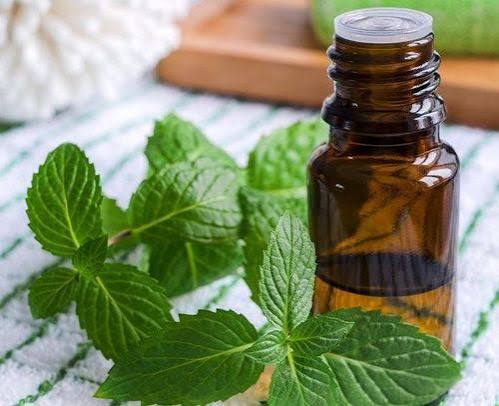
Non-enteric-coated peppermint oil (including peppermint tea, non-coated capsules, and peppermint oil added to foods) is released in the oesophagus and stomach. L-menthol relaxes the lower oesophageal sphincter (LES) — the muscular valve between the oesophagus and stomach — which causes gastro-oesophageal reflux and heartburn. In people with existing GORD (gastro-oesophageal reflux disease) or a hiatus hernia, non-enteric-coated peppermint products can cause significant and prolonged heartburn. Additionally, peppermint oil released in the stomach does not reach the small intestine and colon in the concentrations needed to produce the antispasmodic and visceral analgesic effects relevant to IBS.
Enteric-coated capsules are designed to resist dissolution in the acid environment of the stomach (pH 1–3) and release their contents in the small intestine (pH 6–7) and colon. This targeted delivery means that L-menthol reaches the smooth muscle of the small intestine and colon — the sites where its antispasmodic and visceral analgesic mechanisms are relevant — at therapeutic concentrations. The enteric coating also largely eliminates the heartburn side effect that limits non-coated formulations, though patients with significant GORD may still experience some reflux symptoms.
Checking your product: Look for labels that specify “enteric-coated” or “delayed-release.” Products labelled only as “peppermint oil softgels” or “peppermint oil capsules” without specifying enteric coating are likely non-coated. Brand names with established enteric-coated formulations include Colpermin (UK), IBgard (US), and various pharmacy-own-brand enteric-coated peppermint oil products. The dose used in most positive trials is 0.1–0.2ml of peppermint oil per capsule (typically stated as 180–200mg), taken three times daily, 30–60 minutes before meals.
Who Is Most Likely to Benefit From Peppermint Oil
Not all IBS patients respond equally to peppermint oil, and understanding the clinical profile of likely responders helps with realistic expectations:
Strongest evidence for benefit: IBS patients with abdominal pain and cramping as the dominant complaint, regardless of IBS subtype (IBS-C, IBS-D, or IBS-M). The visceral analgesic and antispasmodic mechanisms are relevant across subtypes, whereas stool-normalising interventions (like psyllium) are more subtype-specific. Evidence also supports benefit in patients with functional abdominal pain that does not fully meet IBS diagnostic criteria.
May have reduced benefit: Patients with significant GORD or hiatus hernia, where heartburn from L-menthol effects on the LES may limit tolerability even with enteric coating. Patients whose primary IBS complaint is altered bowel habit rather than pain. Patients with IBS secondary to specific underlying conditions (post-infectious IBS from a recent severe gastroenteritis may have a different response profile than chronic IBS).
Concurrent use with other IBS treatments: Peppermint oil works through mechanisms that are largely distinct from those of low-dose antidepressants (pain modulation via central sensitisation pathways), antispasmodics (which include anticholinergics like hyoscine), and probiotics (microbiome modulation). There is no pharmacological reason these interventions cannot be combined, and some guidelines suggest a stepwise approach: psyllium fibre for bowel habit normalisation, peppermint oil for pain, and low-dose antidepressants for refractory pain with significant psychological symptom burden. Discussing the combination of digestive supplement approaches with medications used for digestive complaints — including the interaction between IBS management and medications used for related liver and digestive conditions — is covered in the article on liver safety and medications.
Peppermint Oil Versus Other IBS Treatments: Placing the Evidence
IBS has a substantial evidence base across multiple treatment categories, and understanding where peppermint oil sits in this hierarchy helps with treatment sequencing:
Dietary interventions (first line): The low-FODMAP diet has the strongest evidence base for IBS symptom reduction (NNT approximately 2–3) and is recommended as a first-line dietary modification in current gastroenterological guidelines. It requires dietitian involvement to implement safely. Psyllium fibre supplementation is supported by strong evidence specifically for bowel habit normalisation in IBS. Both are appropriate as initial management before pharmaceutical or supplement approaches. The specific evidence for fiber supplements in IBS is explored in the article on fiber supplements and digestion.
Peppermint oil (strong evidence, particularly for pain): After dietary modification, peppermint oil is one of the most evidence-supported non-prescription options for IBS pain. Its NNT of approximately 3 for global IBS improvement puts it in the same evidence tier as low-dose antidepressants and above most other herbal and supplement interventions.
Probiotics (moderate evidence): Specific probiotic strains (Bifidobacterium infantis 35624, VSL#3, L. plantarum 299v) have consistent RCT evidence for global IBS symptom improvement. Effect sizes are generally smaller than peppermint oil for pain specifically, but probiotics are complementary — acting on microbiome composition rather than smooth muscle physiology.
Prescription treatments: Antispasmodics (hyoscine, mebeverine, dicyclomine) have NNTs of 4–5, comparable to or slightly weaker than peppermint oil. Low-dose tricyclic antidepressants (amitriptyline 10–30mg) have NNT approximately 4 for global IBS improvement, with particularly good evidence for pain reduction. These are appropriate for patients who do not respond adequately to dietary modification, peppermint oil, and probiotic approaches. Anti-diarrheal medications such as loperamide also have a specific role in IBS-D symptom management — their role alongside these other interventions is addressed in the article on anti-diarrheal medications: what to know.
Peppermint Oil as Part of a Broader IBS Management Strategy
IBS is a biopsychosocial condition — its symptoms arise from the interaction of gut physiology, gut microbiome composition, visceral sensitivity, and psychological factors including stress, anxiety, and depression. No single intervention addresses all of these dimensions, which is why the most effective IBS management typically involves a layered approach rather than seeking a single solution.
Peppermint oil addresses the visceral pain and smooth muscle spasm component of IBS — one of the most distressing and function-limiting aspects of the condition for many people. Dietary modification (low-FODMAP diet, psyllium supplementation) addresses the gut fermentation and bowel habit components. Probiotic supplementation with evidence-supported strains addresses microbiome composition. Psychological interventions — cognitive behavioural therapy, gut-directed hypnotherapy, and mindfulness-based approaches — address central sensitisation and the gut-brain axis dysregulation that amplifies visceral pain signals. The evidence for gut-directed hypnotherapy specifically is strong in IBS, with NNTs comparable to low-dose antidepressants.
For people with mild to moderate IBS pain who have not previously tried targeted interventions, starting with enteric-coated peppermint oil (for pain) alongside dietary modification (for bowel habit) and a specific probiotic strain (for global symptom reduction) covers three independent pathways simultaneously and is well-supported by the evidence base for each component. This three-component approach is accessible without prescription, well-tolerated, and represents a reasonable first-line trial before escalating to prescription antispasmodics or antidepressants. Considering the full picture of gut health — including how antibiotic-related microbiome disruption can worsen IBS and how to manage recovery after antibiotic courses — is addressed in the article on antibiotics and digestive side effects.
- Use enteric-coated capsules only — non-coated products cause heartburn and don’t reach the right site
- Take 180–200mg (one capsule) 30–60 minutes before meals, three times daily
- Give it at least 4 weeks before assessing effectiveness
- Best evidence for abdominal pain and cramping — less evidence for stool habit changes alone
- Avoid if you have significant GORD or hiatus hernia without discussing with your clinician first
- Can be combined with psyllium (for bowel habit) and probiotics (for microbiome support) — different mechanisms
- If pain is severe or bowel habit changes are new or significant, see a clinician before self-treating
Frequently Asked Questions
Most positive clinical trials used 4 weeks as the primary assessment timepoint, with some trials extending to 8–12 weeks. In practice, many patients notice symptom improvement within 1–2 weeks of starting enteric-coated peppermint oil at three times daily dosing. If there is no improvement after 4 weeks of consistent use at the correct dose, it is reasonable to conclude that peppermint oil is not a responder for that individual’s IBS symptom profile and to consider alternative approaches. Peppermint oil does not need to be taken indefinitely — some patients use it episodically during flares rather than continuously, with comparable symptom control for flare management.
There is an evidence base for peppermint oil in functional abdominal pain in children, including a Cochrane review (Huertas-Ceballos et al.) that found suggestive benefit for peppermint oil in paediatric IBS and recurrent abdominal pain. Paediatric enteric-coated peppermint oil products (Colpermin and equivalents) are available, and doses are weight-adjusted. The heartburn risk profile is similar in children. Paediatric IBS management should involve a clinician — particularly for new or changing bowel symptoms in children, which warrant evaluation to exclude inflammatory bowel disease, coeliac disease, and other conditions before starting any supplement approach.
Peppermint tea is widely used for digestive comfort and has genuine antispasmodic properties — the warm liquid and low-dose menthol absorbed through the gastric and small intestinal mucosa can reduce mild GI spasm and discomfort. However, the L-menthol concentration in peppermint tea is far below the therapeutic concentrations delivered by enteric-coated capsules, and the absorption profile is entirely different (much of the menthol is absorbed in the stomach rather than delivered to the distal small intestine and colon). Peppermint tea also relaxes the lower oesophageal sphincter, which worsens reflux in susceptible individuals. For mild GI comfort, peppermint tea is reasonable and well-tolerated in most people. As a substitute for enteric-coated peppermint oil capsules for IBS pain management, it is not equivalent.
Peppermint oil can generally be combined with other IBS treatments. Its mechanism (calcium channel antagonism in gut smooth muscle, TRPM8 activation) does not significantly overlap with antispasmodic drugs, low-dose antidepressants, or probiotic supplements. One relevant interaction: peppermint oil can reduce the absorption of felodipine and other dihydropyridine calcium channel blockers used for hypertension or cardiovascular conditions, by inhibiting CYP3A4-mediated metabolism — patients on these medications should discuss peppermint oil use with their clinician. The general rule is to discuss any new supplement with a prescribing clinician when multiple prescription medications are in use.
With enteric-coated formulations, side effects are generally mild. The most reported is a menthol sensation around the anus (a cooling or mild burning sensation) as the capsule contents are expelled — this is harmless and is a sign the enteric-coated product is working. Some patients notice a peppermint taste in belching or a mild menthol sensation in the rectum. Allergic reactions to peppermint are rare but reported — anyone with known sensitivity to menthol or peppermint family plants (Lamiaceae) should avoid peppermint oil supplements. At standard doses, enteric-coated peppermint oil has a very favourable safety profile compared to pharmaceutical antispasmodics, which carry anticholinergic side effects (dry mouth, urinary retention, constipation, drowsiness) not associated with peppermint oil.
Peppermint oil’s evidence is primarily for abdominal pain, cramping, and global IBS symptom scores rather than specifically for constipation. Its antispasmodic mechanism relaxes gut smooth muscle, which could theoretically aid transit in spasm-related constipation, but it is not a primary laxative agent. For IBS-C, the combination of psyllium fibre (for stool softening and transit normalisation) plus peppermint oil (for pain and cramping) is mechanistically rational and targets the two dominant symptoms of IBS-C through independent pathways. The evidence for this combination specifically, as distinct from each component individually, is limited but the approach is widely used clinically and supported by the separate evidence bases for each component.
You have new or worsening bowel symptoms you have not had previously investigated; you are over 50 with new onset of bowel habit changes; you have unexplained weight loss, rectal bleeding, or nocturnal symptoms; or you have significant gastro-oesophageal reflux disease (GORD) or a hiatus hernia. These presentations require clinical evaluation to exclude inflammatory bowel disease, colorectal cancer, coeliac disease, and other conditions before starting any supplement programme.
- Ford AC, Quigley EMM, Lacy BE, et al. (2014). Effect of antidepressants and psychological therapies, including hypnotherapy, in irritable bowel syndrome. American Journal of Gastroenterology, 109(9), 1350–1365.
- Weerts ZZRM, Masclee AAM, Witteman BJM, et al. (2022). Efficacy and safety of peppermint oil in a randomized, double-blind trial of patients with irritable bowel syndrome. Gastroenterology, 163(1), 203–215.
- Cash BD, Epstein MS, Shah SM. (2016). A novel delivery system of peppermint oil is an effective therapy for irritable bowel syndrome symptoms. Digestive Diseases and Sciences, 61(2), 560–571.
- Merat S, Khalili S, Mostajabi P, et al. (2010). The effect of enteric-coated, delayed-release peppermint oil on irritable bowel syndrome. Digestive Diseases and Sciences, 55(5), 1385–1390.
- NHS. (2023). Irritable bowel syndrome (IBS). National Health Service. Available at: nhs.uk/conditions/irritable-bowel-syndrome-ibs
- NIH NIDDK. (2024). Irritable bowel syndrome. National Institute of Diabetes and Digestive and Kidney Diseases. Available at: niddk.nih.gov
- Alammar N, Wang L, Saberi B, et al. (2019). The impact of peppermint oil on the irritable bowel syndrome. BMC Complementary and Alternative Medicine, 19(1), 21.
The enteric coating distinction completely explains why my previous attempts at peppermint oil for IBS failed. About two years ago my gastroenterologist suggested I try peppermint oil, so I bought a bottle of standard peppermint oil softgels from the health food shop — not enteric-coated. I got severe heartburn within about 20 minutes of taking them and gave up after three days, concluding that peppermint oil was not for me and that my IBS was probably not going to respond to supplements. Reading this article, I now understand that I was using the wrong formulation. The non-coated product relaxes the lower oesophageal sphincter and releases peppermint oil in the stomach, which does nothing for the IBS-relevant mechanisms in the small intestine and colon. I’ve just ordered Colpermin, which is explicitly enteric-coated, and I’ll trial it properly at 3 times daily, 30 minutes before meals, for 4 weeks as you recommend. I’m genuinely hopeful about this given that my dominant symptoms are cramping and abdominal pain, which is apparently the IBS symptom pattern that responds best.
Your experience with the non-coated product is very common — it’s the most frequent reason people conclude they ‘tried peppermint oil and it didn’t work’ when what they actually tried was an inappropriate formulation. Colpermin is an excellent choice — it’s the product used in several of the positive IBS trials and uses a pH-sensitive polymer coat that dissolves at approximately pH 6.8, delivering the peppermint oil into the lower small intestine and proximal colon rather than the stomach. One practical tip: some people find that taking Colpermin 30 minutes before the meal works better than taking it immediately before eating — the capsule has time to travel past the stomach before the meal stimulates gastric acid secretion, reducing the theoretical risk of the coating dissolving too early in a meal-acidified stomach. Most people find this timing works well. If you continue to experience any heartburn even on the enteric-coated product, check that you are not lying down within 30 minutes of taking it, as this can contribute. Given that your dominant symptoms are cramping and pain, you are in the patient group with the strongest predicted response — the TRPM8 visceral analgesic mechanism and the calcium channel antispasmodic mechanism are both highly relevant to that symptom profile. Four weeks of consistent use should give you a clear indication of whether you are a responder.
The calcium channel antagonist mechanism for peppermint oil explained something I had noticed but couldn’t account for. I take amlodipine 10mg for hypertension and I also have IBS-M. A few months ago I tried peppermint tea daily — not enteric-coated capsules, just tea — and my blood pressure was noticeably more variable at my next GP check, with some lower readings than usual. My GP put it down to a good few weeks of exercise but your article mentions that peppermint oil inhibits CYP3A4 and can affect the metabolism of calcium channel blockers including dihydropyridines like amlodipine. I’m going to mention this to my GP before I try the enteric-coated capsule version, because if even peppermint tea had some pharmacokinetic effect on my amlodipine, a more concentrated enteric-coated product might have a more significant one. I appreciate that this interaction was specifically mentioned — it’s not something that comes up in most discussions of peppermint oil for IBS.