

Sleep is not passive time. During the hours you spend unconscious, your immune system performs its most intensive cancer surveillance, your cells repair DNA damage accumulated during the day, and your body resets the hormonal rhythms that keep cancer growth in check. Disrupt sleep night after night, and each of these protective systems degrades.
The numbers make the stakes concrete. A single night of sleeping only four hours reduces natural killer (NK) cell activity by approximately 70%. NK cells are the immune system’s primary cancer-surveillance cells — the patrollers that detect and destroy nascent cancer cells before they can establish themselves. One bad night cuts their effectiveness by nearly three-quarters.
Extrapolate this across years of chronic poor sleep, and the biology is no longer theoretical. The International Agency for Research on Cancer (IARC) classified shift work involving circadian disruption as a Group 2A carcinogen — “probably carcinogenic to humans” — in 2007, based primarily on breast cancer evidence from long-term night shift workers.
This article covers the biological mechanisms connecting sleep and cancer risk, what the human evidence shows by cancer type, the underrecognized cancer risk of sleep apnea, and practical steps to protect sleep quality at any stage of a cancer journey.
6 Mechanisms: How Poor Sleep Promotes Cancer
Poor sleep does not promote cancer through a single pathway. It simultaneously disrupts six interconnected biological systems that normally hold cancer risk in check.
1. Melatonin Suppression
Melatonin — produced by the pineal gland during darkness, peaking between 2 and 4 AM — is far more than a sleep hormone. It is a direct antioxidant, a DNA-protective molecule, an inhibitor of estrogen signaling, and a stimulant of NK cell and T cell activity. In short, it is one of the body’s most multifunctional anti-cancer molecules.
Light at night — including blue light from phones, tablets, LED lighting, and televisions — suppresses melatonin production within minutes of exposure. Night shift workers exposed to bright indoor light throughout the night may produce little or no melatonin during their working hours. Short sleep duration also reduces total nocturnal melatonin production, even in people sleeping in complete darkness, simply by cutting short the hours during which the pineal gland is active. For those who sleep in a lit room or check their phones before bed, these effects compound.
Lower melatonin means reduced suppression of estrogen signaling, reduced NK cell stimulation, and higher rates of oxidative DNA damage. This is the primary biological reason that night shift work is classified as a probable carcinogen.
2. Circadian Clock Disruption
Every cell in the body contains its own molecular clock — a feedback loop of circadian genes (CLOCK, BMAL1, PER1/2/3, CRY1/2) that oscillates on a roughly 24-hour cycle. These clocks directly regulate cell cycle checkpoints, DNA damage response, and tumor suppressor activity. Circadian genes control the timing of p21 (a cell cycle brake), WEE1 (which prevents premature cell division), ATM and CHK1 (DNA damage sensors), and the pro-apoptotic functions of p53.
When circadian rhythms are disrupted — by shift work, irregular sleep schedules, or chronic partial sleep deprivation — the timing of these checkpoints becomes uncoupled, and cells can proliferate without the normal degree of surveillance and correction. CLOCK gene mutations and BMAL1 suppression have been found in breast, colon, prostate, and lung cancers. Sleep fragmentation — waking frequently, even briefly — can disrupt circadian rhythms even when total sleep hours are adequate.
3. Immune System Impairment
The immune system does not run at the same intensity around the clock. NK cell activity, T cell proliferation, and key cytokine production (IL-2, IL-12, interferon-gamma) all peak during slow-wave sleep — the deepest stage of non-REM sleep, concentrated in the first half of the night.
Irwin et al. (1994, Psychosomatic Medicine) measured NK cell cytotoxic activity in healthy volunteers after sleeping only four hours. NK cell activity fell by approximately 70% compared to after a full night’s sleep. With chronic sleep restriction, this immune impairment does not fully recover even with partial catch-up sleep. Regular short sleepers also show chronically elevated CRP, IL-6, and TNF-α — the same pro-inflammatory markers that promote cancer development and progression.
4. Cortisol Dysregulation
Normal cortisol peaks sharply in the early morning, falls steeply through the afternoon, and reaches its lowest point overnight. This rhythm gates NK cell activity — morning cortisol mobilizes NK cells, while evening low cortisol allows peak NK cytotoxic activity during sleep. Chronic sleep deprivation flattens this curve, producing elevated evening cortisol that continuously suppresses NK cells at the times when they should be most active.
Sephton et al. (2000, Journal of the National Cancer Institute) measured cortisol diurnal slopes in 104 metastatic breast cancer patients and followed them for survival. Patients with a flatter cortisol slope had mean survival of 14.2 months; those with a normal cortisol rhythm survived a mean of 32.6 months. Cortisol slope — a direct reflection of circadian health — was an independent predictor of survival duration.
5. DNA Repair
The major DNA repair pathways — base excision repair, nucleotide excision repair, and double-strand break repair — are most active during sleep, when reduced metabolic activity allows energy to be redirected toward cellular maintenance. A 2023 study in Nature Communications found that mild sleep restriction (six hours per night for six consecutive days) measurably reduced expression of DNA repair genes including OGG1 and NEIL3, and increased DNA strand breaks in human blood cells compared to a normal sleep condition.
Accumulated unrepaired DNA damage is the substrate for mutation and cancer initiation. Years of chronic poor sleep may contribute to cancer risk through the quiet accumulation of DNA lesions that would otherwise be corrected during a properly timed night’s sleep.
6. Obesity and Metabolic Pathways
Chronic short sleep disrupts appetite-regulating hormones: ghrelin (hunger) rises, leptin (satiety) falls. The result is increased appetite, stronger cravings for calorie-dense foods, and progressive weight gain. Obesity is an independent risk factor for at least 13 cancer types — including breast, colorectal, endometrial, kidney, and esophageal cancers. The metabolic consequences of poor sleep — elevated fasting insulin, visceral fat accumulation, adipokine imbalance — are mechanistically identical to the metabolic risk factors for these cancers.
Cancer Risk by Sleep Duration and Quality
Breast Cancer: Short Sleep and Shift Work
Breast cancer has the most extensively studied sleep-cancer relationship. Multiple prospective cohort studies find 30–62% higher breast cancer risk in shortest sleepers. Xiao et al. (2014, Breast Cancer Research and Treatment) found that women sleeping fewer than six hours per night had 62% higher risk of hormone receptor-negative breast cancer — the more aggressive subtype — compared to those sleeping seven to eight hours. For night shift workers, the IARC Group 2A classification was based on multiple European cohort studies showing 30–50% higher breast cancer risk in long-term night shift nurses, flight attendants, and factory workers. The 2019 IARC review reaffirmed this classification.
Colorectal Cancer: Elevated Risk with Night Work
Multiple meta-analyses examining shift work and colorectal cancer risk find approximately 30–40% higher CRC risk in long-term night workers. The mechanism includes disruption of bowel motility (which is circadian-regulated), reduced melatonin effects on colonic cells, and chronic inflammation from sleep disruption.
Prostate Cancer: 2.1× Higher Risk with Severe Insomnia
Sigurdardottir et al. (2013, Cancer Epidemiology, Biomarkers & Prevention) followed a cohort of Icelandic men for four years. Those with the most severe insomnia symptoms had 2.1 times the prostate cancer risk compared to men with no insomnia. The mechanism likely involves disrupted testosterone and melatonin rhythms — both of which are tightly circadian-regulated and both of which influence prostate cancer biology.
Cancer Risk Summary
| Cancer Type | Sleep Risk Factor | Elevated Risk | Key Evidence |
|---|---|---|---|
| Breast | Short sleep (<6 hrs/night) | ~62% higher (HR-negative) | Xiao et al. 2014 |
| Breast | Night shift work | 30–50% higher | IARC 2007 Group 2A |
| Colorectal | Night shift work | ~30–40% higher | Multiple meta-analyses |
| Prostate | Severe insomnia | 2.1× higher | Sigurdardottir et al. 2013 |
| Multiple types | Severe OSA | 4.8× cancer mortality | Nieto et al. 2012 |
Sleep Apnea and Cancer: An Underrecognized Risk
Obstructive sleep apnea (OSA) affects an estimated one billion people worldwide and remains dramatically underdiagnosed. Beyond its cardiovascular consequences, emerging evidence links severe OSA to substantially elevated cancer risk — and the mechanism is biologically compelling.
The defining feature of OSA is repeated airway obstruction during sleep, causing drops in blood oxygen saturation followed by arousal and reoxygenation. This pattern — intermittent hypoxia — activates HIF-1α, the master regulator of cellular response to low oxygen. HIF-1α upregulates VEGF (vascular endothelial growth factor), the primary driver of tumor angiogenesis, and promotes genes involved in cancer cell survival and invasion. In OSA patients, this cycle may repeat dozens to hundreds of times per night, chronically priming the cellular environment for cancer-promoting angiogenesis. Each reoxygenation burst also generates reactive oxygen species (ROS), adding oxidative DNA damage.
Nieto et al. (2012, American Journal of Respiratory and Critical Care Medicine) analyzed the Wisconsin Sleep Cohort — a population-based cohort with objective polysomnography data. Participants with severe OSA had 4.8 times higher cancer mortality than those without OSA, after adjusting for BMI, smoking, age, and sex. Martinez-Garcia et al. (2013, Chest) found that the percentage of sleep time with oxygen saturation below 90% independently predicted cancer incidence in an OSA patient cohort.
If you snore loudly, gasp during sleep, wake unrefreshed despite adequate time in bed, or have been told you stop breathing at night, a sleep study is warranted — not just for cardiovascular health, but for cancer risk.
How Much Sleep Do You Actually Need?
The National Sleep Foundation recommends 7–9 hours per night for adults. Cancer epidemiology consistently shows elevated risk at fewer than six hours. Some studies show elevated risk at more than nine to ten hours — but this almost certainly reflects reverse causality: illness causes oversleeping rather than oversleeping causing cancer.
The target is 7–9 hours of consolidated, uninterrupted sleep, aligned with natural light-dark cycles. The single most important behavioral anchor for this is a consistent wake time — the same time every day, including weekends. The circadian system is set primarily by wake time; varying it widely on weekends disrupts the circadian rhythm and impairs melatonin production and immune cycling.
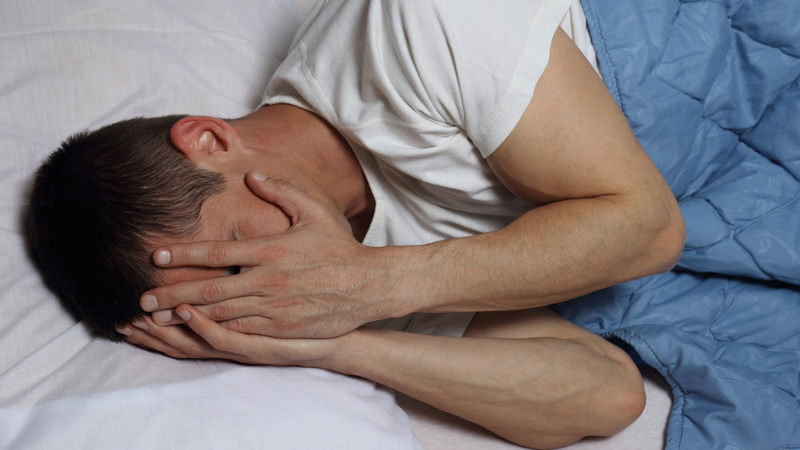
Sleep During Cancer Treatment
Insomnia affects 30–50% of cancer patients at the time of diagnosis — before any treatment begins. During active chemotherapy and radiation, prevalence rises to 50–70%. The causes are multiple: anxiety and depression, corticosteroids (dexamethasone is a powerful stimulant given with many chemotherapy regimens), pain, nausea, hot flashes from hormone-suppressing therapies, hospitalization, and the direct neurological effects of some chemotherapy agents.
Poor sleep during treatment worsens cancer-related fatigue — the bidirectional relationship between fatigue and insomnia is one of the most important dynamics in oncology care. It also further impairs immune function at precisely the time when immune activity matters most, and is associated with worse depression, worse quality of life, and in some studies, reduced chemotherapy completion rates.
Evidence-Based Treatments for Cancer Insomnia
Cognitive Behavioral Therapy for Insomnia (CBT-I) is the first-line treatment, recommended over sleep medications by oncology and sleep medicine guidelines. Savard et al. (2005, Journal of Clinical Oncology) demonstrated in a randomized trial that CBT-I produced significant, durable improvements in sleep quality in breast cancer patients, with gains maintained at 12-month follow-up. Garland et al. (2014, JCO) found MBSR (Mindfulness-Based Stress Reduction) comparable to CBT-I for insomnia severity in cancer patients.
Exercise — even 10–15 minutes of daily walking — reduces insomnia severity in cancer patients. Melatonin (1–5 mg at bedtime) is safe and well-tolerated; evidence for cancer insomnia specifically is modest but the safety profile makes it a reasonable adjunct. Pharmacological options have a role for short-term management but should not replace CBT-I as the primary intervention. CBT-I can be delivered via validated digital programs (Sleepio, SomRyst) now accessible without a clinic referral.
Sleep for Cancer Survivors
After treatment ends, insomnia persists in 20–30% of survivors alongside fatigue. Hot flashes and joint pain from aromatase inhibitors and androgen deprivation therapy disrupt sleep architecture. Chemotherapy-induced peripheral neuropathy causes tingling and burning that impairs sleep initiation. Fear of recurrence and cancer-related PTSD elevate nighttime arousal. And cognitive changes (“chemobrain”) strongly correlate with sleep quality — improving sleep often improves cognitive function.
The Sephton et al. (2000) cortisol slope data remains the most striking prognostic finding: cortisol diurnal slope — a direct biomarker of circadian health — predicted more than a twofold difference in mean survival in metastatic breast cancer patients. Sustained immune suppression from chronically dysregulated cortisol rhythms reduces cancer surveillance over months and years, with measurable survival consequences.
Practical survivorship targets: 7–9 hours per night consistently; consistent wake time every day; screen for sleep apnea if risk factors are present; seek CBT-I for persistent insomnia via digital programs or oncology referral.
10 Sleep Hygiene Practices for Cancer Prevention
- Prioritize 7–9 hours per night consistently — chronic short sleep is an independent cancer risk factor
- Keep a fixed wake time every day — including weekends; this is the most powerful circadian anchor
- Make your bedroom completely dark — blackout curtains or a sleep mask; any light during sleep suppresses melatonin
- Avoid screens 60–90 minutes before bed — blue-wavelength light acutely suppresses melatonin production
- Keep the bedroom cool — 65–68°F (18–20°C) facilitates the temperature drop that triggers sleep onset
- Cut caffeine after 2 PM — caffeine’s half-life is 5–7 hours; afternoon coffee is partially active at midnight
- Minimize alcohol before bed — alcohol suppresses deep slow-wave sleep and REM despite helping with sleep onset
- Get morning sunlight within the first hour of waking — daylight is the primary circadian synchronizer
- Use CBT-I for persistent insomnia, not sleeping pills — CBT-I produces durable improvements; medications produce tolerance
- Screen for sleep apnea if you snore loudly, gasp during sleep, or wake chronically unrefreshed — OSA is underdiagnosed and carries substantial cancer risk
Frequently Asked Questions
How many hours of sleep do I need to reduce cancer risk?
Does night shift work increase cancer risk?
Can melatonin supplements protect against cancer?
Does sleep apnea increase cancer risk?
What is the best treatment for insomnia during cancer treatment?
Does sleeping too much increase cancer risk?
Does poor sleep quality matter even if I sleep 7–8 hours?
- IARC Working Group (2007). Painting, Firefighting, and Shiftwork. IARC Monographs on the Evaluation of Carcinogenic Risks to Humans, Volume 98.
- Irwin M, Mascovich A, Gillin JC, et al. (1994). Partial Night Sleep Deprivation Reduces Natural Killer and Cellular Immune Responses in Humans. Psychosomatic Medicine, 56(6), 493–498.
- Sephton SE, Sapolsky RM, Kraemer HC, Spiegel D (2000). Diurnal Cortisol Rhythm as a Predictor of Breast Cancer Survival. Journal of the National Cancer Institute, 92(12), 994–1000.
- Sigurdardottir LG, Valdimarsdottir UA, Fall K, et al. (2013). Insomnia and Risk of Prostate Cancer: A Prospective Cohort Study. Cancer Epidemiology, Biomarkers & Prevention, 22(5), 872–879.
- Nieto FJ, Peppard PE, Young T, et al. (2012). Sleep-Disordered Breathing and Cancer Mortality: Results from the Wisconsin Sleep Cohort Study. American Journal of Respiratory and Critical Care Medicine, 186(2), 190–194.
- Xiao Q, Signorello LB, Brinton LA, et al. (2014). Sleep Duration and Breast Cancer Risk among Black and White Women. Breast Cancer Research and Treatment, 143(3), 597–606.
- Martinez-Garcia MA, Campos-Rodriguez F, Duran-Cantolla J, et al. (2013). Obstructive Sleep Apnea Is Associated with Cancer Incidence in a Large Multicenter Spanish Cohort. American Journal of Respiratory and Critical Care Medicine.
- Savard J, Simard S, Ivers H, Morin CM (2005). Randomized Study on the Efficacy of Cognitive-Behavioral Therapy for Insomnia Secondary to Breast Cancer. Journal of Clinical Oncology, 23(25), 6083–6096.
- Garland SN, Carlson LE, Stephens AJ, et al. (2014). Mindfulness-Based Stress Reduction Compared with Cognitive Behavioral Therapy for Insomnia in Cancer. Journal of Clinical Oncology, 32(5), 449–457.
- Susa ST, Naidoo N (2023). Sleep Restriction Reduces DNA Repair Capacity. Nature Communications.
Finally a resource that explains cancer and sleep: how sleep quality in plain language. I appreciated how the article addressed both the clinical side and the practical lifestyle adjustments. Thank you for making complex medical information accessible without dumbing it down.
Thank you for covering cancer and sleep: how sleep quality so thoroughly without being overly technical. The connection between diet, lifestyle, and long-term outcomes is explained clearly here. Exactly the kind of evidence-based information that is hard to find in one place.
Thank you for covering cancer and sleep: how sleep quality so thoroughly without being overly technical. The connection between diet, lifestyle, and long-term outcomes is explained clearly here. Keep up this kind of thorough health journalism — it genuinely helps patients like me.
Thank you for covering cancer and sleep: how sleep quality so thoroughly without being overly technical. The specific numbers and thresholds mentioned are exactly what I needed to understand my results. Will definitely be coming back to this site for more health information.
Came across this while researching cancer and sleep: how sleep quality for a family member. What I liked most was that the article didn’t just say what to avoid — it also gave alternatives. This is going into my health folder that I bring to every doctor’s visit.
This is one of the clearest explanations of cancer and sleep: how sleep quality I have found. What I liked most was that the article didn’t just say what to avoid — it also gave alternatives. This is going into my health folder that I bring to every doctor’s visit.