
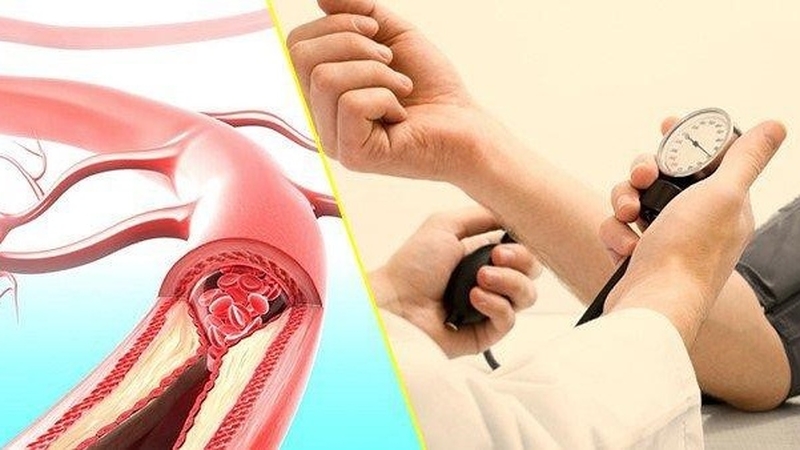
Blood pressure is measured more than 400 million times per day in healthcare settings worldwide. It appears on nearly every medical visit, every pharmacy kiosk, and now on millions of smartwatch wrists. Yet despite how familiar the reading is — 120 over 80, 130 over 90 — most people have only a vague sense of what the numbers actually mean, what determines them, and why the difference between a reading of 115 and 145 matters enormously over the course of a lifetime.
Blood pressure is not simply a number that predicts disease risk. It is a measurable expression of how hard the circulatory system is working, how efficiently the heart is pumping, how open or constricted the blood vessels are, and how well the kidneys are regulating blood volume. Understanding what blood pressure is and what drives it turns a passive data point into actionable information about cardiovascular health.
What Is Blood Pressure?
Blood pressure is the force that blood exerts against the inner walls of the arteries as it flows through the circulatory system. Every heartbeat creates a cycle of two distinct pressure phases.
Systolic pressure is the pressure in the arteries at the moment the heart contracts and ejects blood into the aorta and the systemic circulation. It is the higher of the two numbers. When someone reads “120,” that is the systolic measurement — 120 millimeters of mercury of pressure against the arterial wall at the peak of each heartbeat.
Diastolic pressure is the pressure in the arteries between heartbeats, when the heart is relaxing and refilling with blood. It is the lower number — the “80” in 120/80 mmHg. Even between beats, arterial pressure does not fall to zero; the elasticity of the large arteries stores kinetic energy from the systole and releases it during diastole, maintaining continuous forward blood flow.
The unit of measurement — mmHg, millimeters of mercury — refers to the height of a column of mercury that the blood pressure could support. It is a legacy unit from early sphygmomanometry and remains universal in clinical practice.
Blood Pressure Categories and What They Mean
The American Heart Association revised blood pressure categories in 2017, lowering the threshold for hypertension from 140/90 to 130/80 mmHg. This change was based on large prospective data showing that cardiovascular risk increases substantially beginning around 130/80.
- Normal: systolic below 120 AND diastolic below 80 mmHg — associated with lowest cardiovascular risk
- Elevated: systolic 120–129 AND diastolic below 80 mmHg — not yet hypertension; lifestyle intervention appropriate
- Stage 1 Hypertension: systolic 130–139 OR diastolic 80–89 mmHg — management depends on overall cardiovascular risk
- Stage 2 Hypertension: systolic 140+ OR diastolic 90+ mmHg — lifestyle changes and medication typically indicated
- Hypertensive Crisis: systolic above 180 AND/OR diastolic above 120 mmHg — requires immediate medical evaluation
Hypertensive crisis is further categorized as hypertensive urgency (no acute end-organ damage) or hypertensive emergency (active damage — stroke, MI, aortic dissection, acute kidney injury, hypertensive encephalopathy). The distinction determines urgency and route of treatment.
What Determines Blood Pressure — The Physiology
Blood pressure is determined by the relationship between two variables: how much blood the heart pumps per minute and how much resistance the blood vessels provide to that flow.
The equation: Blood Pressure = Cardiac Output × Total Peripheral Resistance
Cardiac output is the volume of blood the heart pumps per minute: heart rate multiplied by stroke volume. Anything that increases heart rate or stroke volume — exercise, anxiety, stimulants, fever, anemia — raises cardiac output and tends to raise blood pressure.
Total peripheral resistance is the resistance offered by the vascular bed, primarily the small arterioles. Arteriolar tone is regulated by the autonomic nervous system (sympathetic stimulation causes vasoconstriction), circulating hormones (angiotensin II, aldosterone, catecholamines), and local vasodilatory factors (nitric oxide, prostaglandins).
The kidneys play a central role in long-term blood pressure regulation through the renin-angiotensin-aldosterone system (RAAS). When blood pressure or renal perfusion falls, the kidneys release renin, which triggers a cascade that produces angiotensin II — a potent vasoconstrictor that also stimulates aldosterone release. Aldosterone causes the kidneys to retain sodium and water, expanding blood volume and raising pressure. This system is the target of two of the most important antihypertensive medication classes: ACE inhibitors and ARBs.
Baroreceptors in the aortic arch and carotid sinus provide minute-to-minute feedback control. When blood pressure rises suddenly, baroreceptors trigger rapid autonomic adjustment. This short-term control is why blood pressure fluctuates significantly throughout the day and why a single reading is rarely diagnostic.
Why Blood Pressure Matters — What Elevated Readings Do to the Body
Hypertension is called the “silent killer” because it typically produces no symptoms while quietly damaging the cardiovascular system, kidneys, brain, and eyes over years and decades. More than half of people with hypertension are either unaware they have it or have uncontrolled disease despite knowing their diagnosis.
The heart is the first organ to feel the consequences of chronic pressure overload. The left ventricle must pump against chronically elevated resistance; over time it compensates by growing thicker (left ventricular hypertrophy). This initially maintains cardiac output but eventually impairs filling (diastolic dysfunction) and predisposes to heart failure. High blood pressure also accelerates atherosclerosis in the coronary arteries, increasing risk of myocardial infarction.
The brain is acutely vulnerable because cerebral blood vessels have less smooth muscle than systemic vessels and can rupture under sustained high pressure. Hypertension is the single most important modifiable risk factor for stroke — both ischemic (clot-based) and hemorrhagic (vessel rupture). It also damages small cerebral arterioles supplying white matter, contributing to vascular dementia and cognitive decline independently of stroke.
The kidneys have an intimate, bidirectional relationship with blood pressure. Hypertension damages glomerular capillaries, reducing filtration capacity and causing proteinuria. As kidney function declines, the kidneys become less able to excrete sodium and regulate volume, which raises blood pressure further. This cycle — hypertension causes CKD, CKD worsens hypertension — is one of the main pathways to end-stage renal disease.
The eyes can show signs of hypertensive damage in the retinal arterioles — narrowing, nicking, flame hemorrhages, and in severe cases papilledema. Hypertensive retinopathy is both a consequence of hypertension and an independent indicator of overall cardiovascular risk.
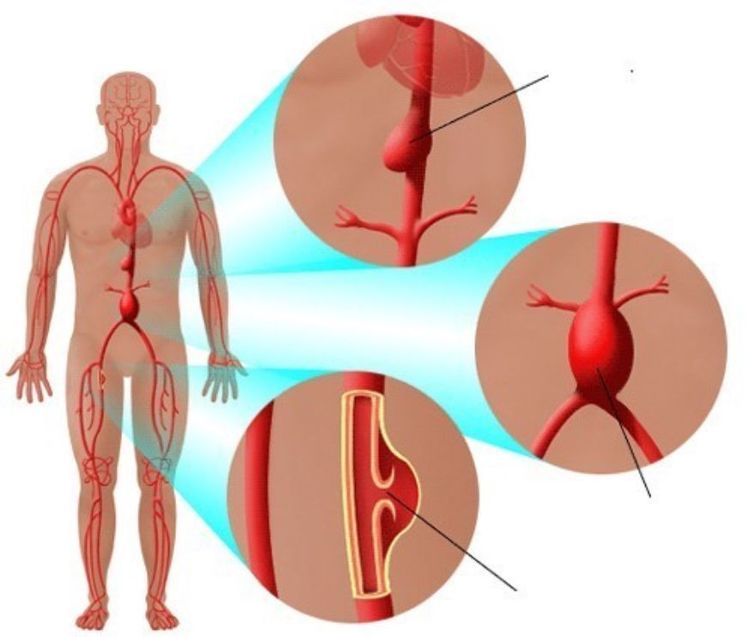
Large arteries are damaged by mechanical stress at high pressure and accelerated atherosclerosis. Aortic aneurysm is significantly more common in hypertensive individuals. Peripheral artery disease affecting the leg arteries is similarly more prevalent and severe with hypertension.
Primary vs. Secondary Hypertension
Primary hypertension (essential hypertension) accounts for 90 to 95 percent of all cases. It has no single identifiable cause, emerging instead from the interaction of genetic predisposition with modifiable risk factors accumulated over years: excess sodium intake, weight gain, physical inactivity, aging-related arterial stiffening, and chronic stress.
Secondary hypertension is caused by an identifiable underlying condition. Common causes include:
- Chronic kidney disease: impaired sodium excretion drives volume expansion
- Primary aldosteronism: overproduction of aldosterone causes sodium and water retention; estimated to cause 5–10% of all hypertension, making it the most common secondary cause — and often missed because screening is not routine
- Obstructive sleep apnea: repeated hypoxia activates the sympathetic nervous system, producing nocturnal and daytime hypertension
- Renal artery stenosis: reduced renal perfusion activates RAAS
- Thyroid disorders: hypothyroidism raises diastolic; hyperthyroidism raises systolic
- Medications: NSAIDs, oral contraceptives, stimulants, decongestants (pseudoephedrine)
Risk Factors for Developing Hypertension
Age is the strongest demographic predictor. Fewer than 10% of adults under 30 have hypertension; more than 65% of adults over 65 have it. Arterial stiffening — an inevitable consequence of aging — raises systolic pressure even as diastolic pressure begins to plateau in older age, producing isolated systolic hypertension.
Race and ethnicity: Black adults in the United States develop hypertension at earlier ages, reach higher blood pressure levels, and experience greater hypertension-related complications (stroke, kidney disease, heart failure) than white adults of the same age and body weight.
Obesity and overweight: Excess weight increases cardiac output and activates the RAAS and sympathetic nervous system. The risk of hypertension is 2 to 3 times higher in adults with BMI ≥30 compared to normal weight.
High sodium intake: Most US adults consume approximately 3,400 mg of sodium per day — more than double the 1,500 mg target for higher-risk individuals. Sodium increases plasma volume and, in sodium-sensitive individuals (approximately half of people with hypertension), drives blood pressure elevation.
How to Measure Blood Pressure Correctly
Accurate blood pressure measurement requires attention to conditions frequently ignored in practice:
- Preparation: no caffeine or exercise for 30 minutes before measurement; empty bladder; seated quietly for at least 5 minutes; back supported; feet flat on the floor; arm at heart level; no talking during measurement
- Cuff size: an improperly sized cuff produces systematically incorrect readings; the cuff bladder should encircle 75–80% of arm circumference
- Multiple readings: take two readings per visit at least 1–2 minutes apart; use the average of multiple visits for treatment decisions
- Home blood pressure monitoring: essential for identifying white-coat hypertension (elevated only in clinic) and masked hypertension (normal in clinic, elevated at home)
- 24-hour ambulatory BP monitoring (ABPM): gold standard for diagnosis; identifies nocturnal hypertension, which is often missed with office readings alone
Lifestyle Approaches to Blood Pressure Management
Lifestyle modification is the foundation of blood pressure management and can produce meaningful reductions even in Stage 1 hypertension:
- DASH diet: rich in fruits, vegetables, whole grains, and low-fat dairy; limits sodium, saturated fat, and added sugars; produces 8–14 mmHg systolic reduction in hypertensive individuals when adhered to rigorously
- Sodium reduction: cutting from ~3,400 mg/day to below 2,300 mg/day reduces systolic BP by approximately 5–6 mmHg; combined DASH plus low sodium produces the largest lifestyle-mediated reductions
- Weight loss: approximately 1 mmHg systolic reduction per kilogram of body weight lost
- Regular aerobic exercise: 150 minutes or more per week reduces systolic BP by 4–9 mmHg; both endurance and resistance training contribute
- Alcohol reduction: limiting to ≤1 drink/day for women and ≤2 for men reduces systolic BP by approximately 4 mmHg
- Smoking cessation: removes chronic endothelial damage and vasoconstriction; eliminates the multiplicative cardiovascular risk of hypertension plus smoking
Medications for Hypertension
When lifestyle changes are insufficient or initial BP is substantially elevated, antihypertensive medications provide reliable blood pressure reduction. Current guidelines favor starting with combination therapy rather than monotherapy, as most patients require more than one agent:
- Thiazide diuretics (chlorthalidone, HCTZ): reduce blood volume by promoting sodium excretion; chlorthalidone has longer half-life and better outcome data
- ACE inhibitors (lisinopril, ramipril): block angiotensin II production; preferred in diabetes with proteinuria and CKD; main side effect is a dry cough in 10–20% of patients
- Angiotensin receptor blockers (losartan, valsartan): block the angiotensin II receptor; similar efficacy and indications to ACE inhibitors but better tolerated (no cough)
- Calcium channel blockers (amlodipine): relax arterial smooth muscle; effective and well tolerated across most patient populations
- Beta-blockers (metoprolol, carvedilol): not first-line for primary hypertension, but indicated when hypertension coexists with coronary artery disease, prior heart attack, heart failure, or atrial fibrillation
When to Seek Medical Evaluation
Hypertensive crisis (>180/120 mmHg): seek emergency evaluation immediately. If accompanied by chest pain, severe headache, vision changes, or neurological symptoms, call emergency services.
Newly detected Stage 2 hypertension (≥140/90): confirm with home readings over 1–2 weeks, then schedule a clinical appointment promptly. Stage 2 typically requires medication.
Resistant hypertension: blood pressure that remains above target despite 3 antihypertensive agents at maximally tolerated doses (one of which is a diuretic) warrants specialist evaluation for secondary causes.
For a broader overview of the numbers that define cardiovascular health, visit our article on heart health numbers every adult should know. For context on what a healthy cardiovascular profile looks like overall, see our guide to signs of a healthy heart. If you are also tracking heart rate, our article on what is resting heart rate explains how that metric complements blood pressure monitoring.
The American Heart Association provides comprehensive patient resources on blood pressure, including tracking tools. The NIH National Heart, Lung, and Blood Institute offers evidence-based guidelines on high blood pressure management. The CDC publishes prevalence data and prevention resources for adults at all risk levels.
Blood pressure is one of the most modifiable cardiovascular risk factors in medicine. Understanding what it measures, what drives it, and what sustained elevation does to the body is the necessary foundation for taking it seriously — and for making the lifestyle decisions that keep it in a healthy range across a lifetime.
Home Blood Pressure Monitoring: Why It Changes Everything
Home blood pressure monitoring transforms passive receipt of clinical readings into an active, longitudinal self-monitoring practice. Clinic readings are taken in a single environment under specific conditions that may not reflect real-world blood pressure patterns. Home monitoring over multiple days captures variability that a single office reading misses entirely.
White-coat hypertension — blood pressure that is elevated in the clinic but normal outside it — affects approximately 20 to 30 percent of adults diagnosed with hypertension in office settings. In these individuals, initiating antihypertensive medication based on clinic readings alone would be overtreatment. Home monitoring identifies white-coat responders and avoids unnecessary medication.
Masked hypertension — blood pressure that is normal in the clinic but elevated outside it — is clinically more dangerous than white-coat hypertension because it may go undetected and untreated. Masked hypertension is associated with cardiovascular risk approaching that of sustained hypertension. It is more common in younger adults and those with established cardiovascular risk factors.
To measure home blood pressure correctly: use a validated upper-arm cuff (not a wrist monitor, which is less accurate); measure at the same time each morning before medication and coffee; take two readings one minute apart and record the average; continue for seven days to establish a representative baseline. This seven-day average is far more diagnostically useful than any individual reading from a clinic or pharmacy kiosk.
How Blood Pressure Interacts with Other Cardiovascular Metrics
Blood pressure does not operate in isolation. It interacts bidirectionally with most other cardiovascular health markers, and understanding these interactions helps explain why treating blood pressure in isolation — without addressing the broader risk profile — is often insufficient.
Blood pressure and resting heart rate: Both are determined in part by autonomic nervous system balance. Chronically elevated sympathetic tone raises both heart rate and blood pressure simultaneously. Lifestyle interventions that lower sympathetic tone — aerobic exercise, stress management, adequate sleep — tend to reduce both markers together. This is why a falling resting heart rate is often a confirming signal that blood pressure-lowering lifestyle changes are working.
Blood pressure and cholesterol: Together, hypertension and elevated LDL cholesterol are the two strongest modifiable risk factors for atherosclerosis. They are synergistic, not merely additive — the damage that elevated blood pressure does to arterial walls (mechanical stress on endothelium) creates precisely the conditions that make those walls more vulnerable to cholesterol deposition and plaque formation. Controlling blood pressure without addressing cholesterol (and vice versa) leaves a significant portion of cardiovascular risk unaddressed.
Blood pressure and blood glucose: Insulin resistance and type 2 diabetes are strongly associated with hypertension. Hyperinsulinemia increases sodium retention, sympathetic activity, and smooth muscle proliferation. Many people with diabetes have hypertension as a comorbidity; in these individuals, blood pressure targets are set lower (below 130/80 mmHg is the ADA recommendation) and ACE inhibitors or ARBs are preferred because they also provide kidney protection.
Frequently Asked Questions About Blood Pressure
Is 130/80 really hypertension? My doctor used to say 140/90 was the threshold.
The 2017 ACC/AHA guidelines lowered the diagnostic threshold based on data showing substantially increased cardiovascular risk beginning at 130/80, not 140/90. Both thresholds identify real risk; the newer one identifies it earlier, when intervention has more time to prevent damage. Some European guidelines still use 140/90 — the threshold varies by country and professional society, though the underlying risk data is consistent.
Can stress permanently raise blood pressure?
Acute stress causes transient BP elevation through sympathetic activation. Chronic stress — from work demands, financial strain, relationship conflict, or structural social stressors — is associated with modestly elevated resting BP and suppressed vagal tone. However, the direct effect size is smaller than that of sodium intake, weight, or physical activity. Stress management contributes to blood pressure control but rarely eliminates hypertension without other lifestyle changes.
Should I be concerned if only one number is high?
Both numbers matter independently. Isolated systolic hypertension (systolic ≥140, diastolic <90) is the most common hypertension pattern in older adults and carries the same organ damage risks as combined elevation. Isolated diastolic hypertension (diastolic ≥90, systolic <140) is less common but also warrants management. Neither form of single-number elevation should be dismissed because the other number is normal.
How quickly can lifestyle changes lower blood pressure?
Some interventions produce rapid effects: sodium reduction can lower blood pressure within days to weeks; alcohol reduction shows measurable effects within 1–2 weeks. Exercise-induced blood pressure reduction typically becomes evident within 4–8 weeks of consistent aerobic training. Weight loss effects accumulate more slowly but are sustained. The most effective approach combines multiple interventions simultaneously, which produces additive reductions that can rival medication in Stage 1 hypertension.
Key Takeaways
- Blood pressure = the force of blood against arterial walls; expressed as systolic (heart contracting) over diastolic (heart relaxing) in mmHg
- Normal is below 120/80; hypertension is defined as 130/80 or above by current ACC/AHA guidelines
- Blood pressure is determined by cardiac output (heart rate × stroke volume) and total peripheral resistance; both are modifiable
- The kidneys are central to long-term blood pressure regulation via the RAAS — the target of ACE inhibitors and ARBs
- Hypertension is the leading modifiable risk factor for stroke and a major driver of heart failure, kidney disease, and vascular dementia
- Most hypertension (90–95%) is primary — no single cause; managed through lifestyle changes and medications targeting multiple physiological pathways
- Lifestyle changes with the strongest evidence: DASH diet, sodium reduction, weight loss, aerobic exercise, alcohol reduction
- Most patients with Stage 2 hypertension require combination medication therapy rather than a single agent
- Home blood pressure monitoring over 7 days provides far more diagnostic value than any single clinic reading
Blood pressure is ultimately a measure of physiological stress on the arterial system. Maintaining readings in the normal range — below 120/80 mmHg — across a lifetime is one of the most powerful things a person can do to reduce risk of stroke, heart attack, kidney disease, and cognitive decline. The tools for achieving that are available to most people: a changed diet, more movement, better sleep, and where needed, well-tolerated medications that work. The obstacle is rarely the treatment; it is the invisibility of the condition itself. That invisibility ends with knowing your numbers, understanding what they mean, and taking consistent action in response to what they show.
Came across this while researching what is blood pressure and why for a family member. I especially valued the explanation of why these recommendations exist, not just what they are. Forwarding this to others in my support group who are dealing with similar issues.
Finally a resource that explains what is blood pressure and why in plain language. I especially valued the explanation of why these recommendations exist, not just what they are. I wish I had found this article when I was first diagnosed — would have saved a lot of confusion.
As someone dealing with this personally, the what is blood pressure and why section was very helpful. I have tried following advice from several sources but this is the most consistent with what my specialist told me. Thank you for making complex medical information accessible without dumbing it down.
My doctor recommended I look into what is blood pressure and why and this article covered it perfectly. The specific numbers and thresholds mentioned are exactly what I needed to understand my results. Forwarding this to others in my support group who are dealing with similar issues.
This breakdown of what is blood pressure and why is exactly what patients need before a specialist appointment. It is refreshing to see an article that acknowledges individual variation rather than one-size-fits-all advice. This is going into my health folder that I bring to every doctor’s visit.
This breakdown of what is blood pressure and why is exactly what patients need before a specialist appointment. What I liked most was that the article didn’t just say what to avoid — it also gave alternatives. This is going into my health folder that I bring to every doctor’s visit.