
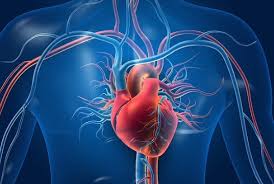
Most writing about the heart focuses on what can go wrong — the symptoms of a heart attack, the warning signs of heart failure, the risk factors to reduce. What receives far less attention is the opposite question: what does a heart that is working well actually look like? What are the measurable, observable, and experiential markers that tell you your cardiovascular system is functioning as it should?
This matters for several reasons. Knowing the signs of a healthy heart gives you a baseline against which to measure change. It tells you whether your lifestyle habits are translating into actual physiological benefit. It allows you to recognize early, subtle shifts before they progress into clinical problems. And it reframes cardiovascular health as something to actively achieve and maintain, not merely something to avoid losing.

Resting Heart Rate — A Window Into Your Heart’s Efficiency
Resting heart rate (RHR) is one of the simplest and most informative markers of cardiovascular health. The normal adult range is 60 to 100 beats per minute, but optimal cardiovascular health is associated with a resting rate in the lower portion of that range — typically 50 to 70 bpm. Well-trained endurance athletes often have resting rates of 40 to 55 bpm, reflecting extraordinary cardiac efficiency.
A lower resting heart rate reflects two things simultaneously: a stronger heart (specifically, a larger stroke volume — the amount of blood pumped per beat) and a healthier autonomic nervous system (specifically, higher parasympathetic tone, meaning the “rest and digest” branch of the nervous system is dominating when the body is at rest). Both are signs of good cardiovascular conditioning.
Research consistently shows that resting heart rate is inversely associated with cardiovascular outcomes. Each 10 beats per minute increase in resting heart rate is associated with approximately a 20 percent increase in all-cause mortality risk, independent of traditional cardiovascular risk factors. This association holds even within the “normal” range — a resting rate of 90 bpm carries meaningfully higher risk than a resting rate of 65 bpm, even though both are technically normal.
To measure accurately: take your RHR first thing in the morning, before getting out of bed, after lying still for five minutes. Count beats for a full 60 seconds. Wearable devices with optical heart rate sensors now provide continuous RHR tracking, which captures trends over time — more informative than single readings.
Healthy Blood Pressure
A blood pressure reading below 120/80 mmHg is defined as normal by the American Heart Association. The first number (systolic) reflects arterial pressure when the heart contracts and ejects blood. The second number (diastolic) reflects pressure when the heart is relaxed and filling between beats.
Healthy blood pressure indicates that the heart is generating adequate cardiac output without pushing against excessive vascular resistance. It reflects arterial walls that are elastic and compliant, kidneys that are regulating fluid balance appropriately, and a renin-angiotensin system that is not chronically activated.
Pulse pressure — the difference between systolic and diastolic — is an underappreciated marker. In young, healthy adults, pulse pressure is typically 30 to 40 mmHg. As arteries stiffen with age, hypertension, or diabetes, systolic pressure rises while diastolic pressure may plateau or fall, widening the pulse pressure. An elevated pulse pressure (above 60 mmHg) is an independent marker of arterial stiffness and cardiovascular risk.
Blood pressure also naturally dips during sleep — a pattern called nocturnal dipping. The healthy cardiovascular system shows a 10 to 20 percent drop in blood pressure overnight. Absence of this dipping is associated with target organ damage and elevated cardiovascular risk.
A Healthy Lipid Profile
A healthy lipid panel reflects a balance between lipoproteins that deliver cholesterol to tissues and those that return it to the liver for processing.
An optimal LDL cholesterol level for most adults is below 100 mg/dL; for adults with established cardiovascular disease, targets of below 70 or even 55 mg/dL are increasingly recommended. LDL is the primary driver of atherosclerosis — it penetrates arterial walls, becomes oxidized, and triggers the inflammatory cascade that builds plaque. Lower LDL, within physiologically normal ranges, is consistently better from a cardiovascular risk standpoint.
HDL cholesterol at 60 mg/dL or above is associated with lower cardiovascular risk. An HDL below 40 mg/dL in men or 50 mg/dL in women is considered a cardiovascular risk factor. Triglycerides below 150 mg/dL are normal; elevated triglycerides often reflect insulin resistance, excess refined carbohydrate intake, or physical inactivity. Non-HDL cholesterol — total cholesterol minus HDL — captures LDL plus VLDL and is considered a better overall predictor than LDL alone in some patients.
Normal Blood Glucose and Metabolic Health
Fasting blood glucose below 100 mg/dL and an HbA1c below 5.7 percent indicate normal glucose metabolism and healthy insulin sensitivity. These numbers reflect that the body is efficiently converting glucose into cellular energy without requiring excessive insulin, and that blood glucose is not chronically elevated in ways that damage blood vessel walls.
Insulin sensitivity is a direct marker of metabolic and vascular health. When cells respond well to insulin, glucose uptake is efficient, triglyceride synthesis is moderated, and the inflammatory signals associated with insulin resistance are suppressed. The improvement in insulin sensitivity from regular aerobic exercise is one of the primary mechanisms through which exercise benefits the cardiovascular system.
Waist circumference — a proxy for visceral fat — completes the picture. A waist below 40 inches in men and 35 inches in women indicates lower abdominal adiposity and lower metabolic cardiovascular risk. The combination of normal glucose, normal lipids, normal blood pressure, and a healthy waist is the profile of metabolically healthy cardiovascular function.
Good Exercise Capacity
Exercise capacity is arguably the single most powerful objective marker of cardiovascular health, and it is dramatically underused in routine clinical assessment. Measured as VO2max (maximal oxygen consumption in mL/kg/min) or METs (metabolic equivalents), exercise capacity directly reflects how efficiently the heart, lungs, and skeletal muscles work together to generate and sustain physical effort.
The clinical significance is substantial. Each 1-MET increase in measured exercise capacity is associated with approximately a 13 percent reduction in all-cause mortality risk — a magnitude comparable to major risk factor interventions.
For practical self-assessment: being able to climb four flights of stairs without stopping or becoming severely breathless suggests a functional exercise capacity above 4 METs — a reasonable minimum threshold for daily activities. Being able to sustain a brisk walk, light jogging, or cycling for 20 to 30 minutes without chest pain, dizziness, or disproportionate breathlessness reflects significantly better cardiovascular fitness.
Heart rate recovery — the drop in heart rate during the first minute after stopping maximal exercise — is a closely related marker. A healthy heart recovers quickly, with heart rate falling by 12 beats per minute or more within the first minute after exercise cessation. Slower heart rate recovery reflects impaired vagal reactivation and is associated with autonomic dysfunction and increased cardiovascular mortality.
Heart Rate Variability (HRV)
Heart rate variability refers to the natural variation in the time interval between successive heartbeats. A healthy heart is not perfectly metronomic — its beat-to-beat timing fluctuates millisecond by millisecond in response to breathing, autonomic tone, and physiological demands. Greater variability is better: higher HRV reflects a cardiovascular system that is flexible, responsive, and predominantly under parasympathetic control at rest.
Low HRV is a marker of sympathetic dominance — associated with chronic stress, poor recovery, poor sleep, and increased cardiovascular risk. High HRV is associated with better recovery from exercise, better stress resilience, and lower inflammatory markers.
Consumer wearable devices now routinely measure overnight HRV, which is more stable and informative than spot measurements. HRV declines naturally with age, but lifestyle factors significantly modulate it: regular aerobic exercise, adequate sleep, stress reduction, and limited alcohol all improve HRV. A rising overnight HRV trend is a meaningful sign of improving cardiovascular autonomic health, even if absolute numbers are lower than published averages for younger cohorts.
Functional Signs in Daily Life
Beyond numbers, a healthy heart is reflected in how you feel and function day to day.
Exercise tolerance without alarm symptoms: A healthy cardiovascular system allows you to sustain moderate physical activity — brisk walking, climbing stairs, recreational sports — without chest pain or pressure, without breathlessness disproportionate to the level of effort, without palpitations or irregular heartbeat sensations, and without dizziness or near-fainting. Mild breathlessness during vigorous effort is expected and normal. Breathlessness at rest or with minimal activity is not.
Consistent energy throughout the day: Fatigue out of proportion to your level of activity can be an early signal of reduced cardiac output. This pattern is subtle and gradual, easy to attribute to aging or stress. A healthy heart maintains adequate tissue oxygenation through normal daily demands without generating disproportionate fatigue.
Good sleep quality: During sleep, the healthy cardiovascular system enters a lower-demand state characterized by parasympathetic dominance and nocturnal BP dipping. Waking feeling refreshed after adequate sleep, without orthopnea (the need to sleep upright to avoid breathlessness), is a functional sign of normal cardiac filling pressures.
Absence of unexplained edema: Bilateral dependent edema that is present first thing in the morning or worsens progressively is a sign that venous pressure is elevated — not a sign of a healthy heart.
No significant palpitations at rest: Occasional awareness of the heartbeat is common and usually benign. Persistent palpitations at rest, the sensation of an irregular or racing heartbeat without provocation, or palpitations associated with dizziness deserve evaluation.
The AHA Life’s Essential 8 Framework
The American Heart Association’s Life’s Essential 8, updated in 2022, provides a structured scoring framework for cardiovascular health across eight domains: diet quality, physical activity, nicotine exposure, sleep health, body weight, blood pressure, blood glucose, and blood lipids. Each metric is scored from 0 to 100, and the eight scores are averaged to produce an overall cardiovascular health score.
A score of 80 or above represents high cardiovascular health and is associated with substantially lower rates of cardiovascular events, lower all-cause mortality, and longer healthy life expectancy. Studies using this framework find that only a minority of American adults reach this threshold — which underscores both the prevalence of suboptimal cardiovascular health and the realistic opportunity for improvement.
The framework is particularly useful as a self-assessment tool because it translates “cardiovascular health” from a vague aspiration into eight specific, measurable, actionable metrics. Rather than asking “is my heart healthy?” it asks concrete questions with concrete answers that point to concrete interventions.
What to Do With This Information
The signs of a healthy heart are knowable and measurable. Taking advantage of them requires modest investment in self-monitoring:
- Home blood pressure cuff: a validated upper-arm device used consistently in the morning; aim for below 120/80
- Wearable device: modern smartwatches measure resting heart rate, HRV, and sleep duration continuously — three of the most informative cardiovascular markers available without a lab test
- Annual blood panel: fasting lipid panel and glucose or HbA1c; request at your annual preventive visit
- Informal exercise test: note how you feel climbing four flights of stairs or walking briskly for 10 minutes; significant change from six months ago is meaningful data
For a broader view of what heart health means across a lifetime, see our guide to what heart health is. To understand which risk factors can disrupt these healthy signs, visit our article on what affects heart and blood vessel health. And for a reference guide to the specific numbers that matter most, see our article on heart health numbers every adult should know.
Signs of a healthy heart are achievable, trackable, and modifiable markers that reflect what the cardiovascular system is actually doing. The American Heart Association’s Life’s Essential 8 provides the most current framework for assessing and improving these signs in everyday life. The NIH National Heart, Lung, and Blood Institute offers science-backed guidance on building the habits that support cardiovascular health. The CDC tracks population-level cardiovascular health and provides resources for individuals at all risk levels. The goal is not perfection in every metric simultaneously — it is awareness of where you stand and deliberate progress toward better.
Using These Signs to Track Progress Over Time
One of the most valuable aspects of knowing the signs of a healthy heart is that they give you a longitudinal picture — a way to track whether your cardiovascular health is moving in the right direction over months and years, not just whether it is good or bad at a single point in time.
Resting heart rate is particularly useful for tracking cardiovascular adaptation to exercise. When someone begins a consistent aerobic exercise program, resting heart rate typically begins to decline within four to eight weeks — often by 5 to 10 bpm in the first few months. This decline is a direct physiological sign that the heart is becoming more efficient: each beat is pumping more blood, so fewer beats are needed to maintain the same cardiac output at rest. Conversely, an unexplained increase in resting heart rate over weeks (outside the context of illness or significant life stress) can be an early signal of overtraining, sleep deprivation, or the early stages of a systemic process that warrants investigation.
Blood pressure trends are equally important. A single reading of 125/82 may not require treatment, but three consecutive readings over three months showing the same pattern tell a more reliable story. Home monitoring is more informative than occasional clinic readings precisely because it captures real-life variability and allows trends to emerge clearly.
Exercise capacity is the most sensitive long-term indicator of cardiovascular health trajectory. Studies following adults over decades find that functional decline in exercise capacity — the gradual reduction in what activities feel manageable — often precedes any clinical cardiovascular diagnosis by years. People who maintain or improve their exercise capacity as they age are doing something fundamentally protective. People whose exercise capacity is silently declining while they remain symptom-free are on a different trajectory that may require attention before symptoms become obvious.
When the Signs of a Healthy Heart Begin to Change
A critical part of understanding what a healthy heart looks and feels like is knowing how to recognize when that picture is starting to shift — often well before any dramatic symptom appears.
The most common pattern of subtle change includes: resting heart rate that has been gradually increasing over months without explanation; blood pressure that has been creeping from 115/75 a year ago to 128/82 today; exercise tolerance that has become noticeably more limited — tasks that used to feel easy now feel effortful; or fatigue that has become a persistent background feature of daily life rather than an occasional occurrence after exceptional effort.
None of these changes individually requires emergency action. But together, or in the context of risk factors (family history, age, metabolic markers trending in the wrong direction), they constitute a meaningful signal that the cardiovascular system is under greater stress than before. The appropriate response is investigation and intervention — lifestyle optimization, medical evaluation if needed — not reassurance based on the absence of dramatic symptoms.
Symptoms that do warrant prompt evaluation include: new chest pain or pressure, particularly with exertion; new breathlessness with activities that previously felt easy; palpitations that are sustained, recurrent, or accompanied by dizziness; and any episode of near-fainting or fainting. These are not subtle changes — they are signals that require medical attention within days to weeks, not months.
The Role of Genetics and Baseline Cardiovascular Health
A frequently asked question is: if you do everything right — exercise regularly, eat well, maintain a healthy weight, never smoke — can you still develop cardiovascular disease? The honest answer is yes, in some cases. Familial hypercholesterolemia, hypertrophic cardiomyopathy, long QT syndrome, and other genetic conditions can produce significant cardiovascular disease in people whose lifestyle is excellent.
This is why the signs of a healthy heart are complementary to, not replacements for, appropriate medical screening. A person who exercises regularly, has a resting heart rate of 58 bpm, feels energetic, and has no symptoms might still have an LDL of 215 mg/dL due to familial hypercholesterolemia — and that number would only be discovered with a blood test. Conversely, someone with well-controlled hypertension, managed cholesterol, no diabetes, and good exercise habits has genuinely low residual cardiovascular risk even if their resting heart rate is 72 bpm rather than 58.
The signs of a healthy heart are most useful when interpreted in context — not as a checklist where failing one item means cardiovascular catastrophe, but as a composite picture of how well the cardiovascular system is functioning, where the opportunities for improvement are, and what to monitor more closely given individual risk factors and history. Used this way, they are one of the most practical tools available for engaged, proactive cardiovascular health management.
Building Toward a Healthier Cardiovascular Profile
The signs of a healthy heart described in this article are not static benchmarks that you either have or don’t. They are dynamic markers that respond to how you live — over weeks, months, and years. The cardiovascular system is among the most adaptable systems in the human body, and the physiological changes produced by consistent healthy habits are measurable, meaningful, and in many cases reversible.
Regular aerobic exercise reliably lowers resting heart rate, improves heart rate recovery, raises HRV, lowers resting blood pressure, improves insulin sensitivity, reduces fasting triglycerides, and improves exercise capacity. These are not hypothetical benefits — they are documented, quantifiable changes that occur within weeks of starting a consistent exercise program and continue to accumulate over months and years. A person who goes from sedentary to walking 30 minutes per day five days a week will see measurable improvements in multiple signs of cardiovascular health within 8 to 12 weeks.
Dietary change, when meaningful and sustained, lowers LDL cholesterol within 4 to 6 weeks through reduced saturated fat intake, improves fasting glucose through reduced refined carbohydrate consumption, and lowers resting blood pressure through sodium reduction. These dietary effects are independent of weight loss — though the two together produce larger improvements than either alone.
Sleep optimization — consistently achieving 7 to 9 hours per night and addressing conditions like sleep apnea — improves both resting heart rate and HRV, lowers blood pressure (by restoring nocturnal dipping), and reduces the cortisol-driven sympathetic activation that impairs multiple markers of cardiovascular health simultaneously.
The practical implication is that tracking the signs of a healthy heart is not just a diagnostic exercise — it is a feedback system. When you begin an exercise program and watch your resting heart rate decline from 76 to 64 bpm over three months, that number is confirming that something real has changed in your cardiovascular physiology. When your morning blood pressure readings shift from averaging 128/84 to averaging 118/76 over six months of dietary change and exercise, that trend is telling you that your arterial system is healthier than it was. These signals matter, not because they are impressive statistics to share, but because they represent genuine biological improvements in the function of the system that keeps every other organ in your body alive.
Came across this while researching signs of a healthy heart: what for a family member. The connection between diet, lifestyle, and long-term outcomes is explained clearly here. Exactly the kind of evidence-based information that is hard to find in one place.
Came across this while researching signs of a healthy heart: what for a family member. What I liked most was that the article didn’t just say what to avoid — it also gave alternatives. Looking forward to reading more articles from this website.
Came across this while researching signs of a healthy heart: what for a family member. The article answered questions I didn’t even know I had until I started reading. Appreciate the effort that went into researching and writing this — it shows.
Bookmarked this article on signs of a healthy heart: what immediately — going to reference it regularly. I appreciated how the article addressed both the clinical side and the practical adjustments. Appreciate the effort that went into researching and writing this — it shows.
As someone dealing with this personally, the signs of a healthy heart: what section was very helpful. The article answered questions I didn’t even know I had until I started reading. Thank you for making complex medical information accessible without dumbing it down.
As someone dealing with this personally, the signs of a healthy heart: what section was very helpful. I appreciate that the article is careful about distinguishing between what is known and what is still being researched. I wish I had found this article earlier — would have saved a lot of confusion.