
Heart health is not simply the absence of a heart attack. It is a measurable, dynamic spectrum of how well the heart, blood vessels, electrical conduction system, and the metabolic processes that support them are functioning — right now, and across a lifetime. Most adults do not think seriously about heart health until something forces the issue: a high blood pressure reading at a routine checkup, a family member’s diagnosis, or a symptom that briefly alarmed them. Understanding what heart health actually means, what numbers define it, and how it changes as we age is the foundation of meaningful cardiovascular prevention.
Defining Heart Health — Beyond the Absence of Disease
The most useful modern framework for defining heart health comes from the American Heart Association, which updated its cardiovascular health model in 2022 with a concept called Life’s Essential 8. Rather than defining heart health by the presence or absence of disease, this framework defines it by eight measurable factors — each scored from 0 to 100 — whose combination predicts an individual’s risk of developing cardiovascular disease, experiencing a stroke, developing dementia, and dying prematurely.
The key insight is that heart health exists on a continuum. A person is not simply “healthy” or “sick” in their cardiovascular system. A 45-year-old with blood pressure of 128/82, LDL of 118 mg/dL, and BMI of 27 who has never smoked and exercises moderately has meaningful — but not optimal — cardiovascular health. Identifying where on this continuum a person sits, and which factors are pulling their score down, allows targeted interventions that can meaningfully shift their long-term risk. People with high Life’s Essential 8 scores have substantially lower rates of heart disease, stroke, cardiovascular death, and cognitive decline.
Cardiovascular disease is the number one cause of death globally, responsible for approximately 18 million deaths per year. In the United States, one person dies from cardiovascular disease every 33 seconds. Yet up to 80 percent of cardiovascular disease deaths are preventable through lifestyle modification and risk factor control.
How the Heart Sustains Life
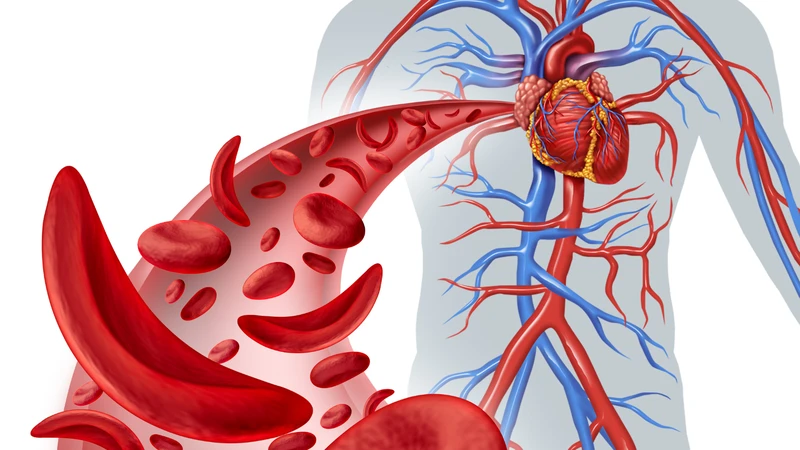
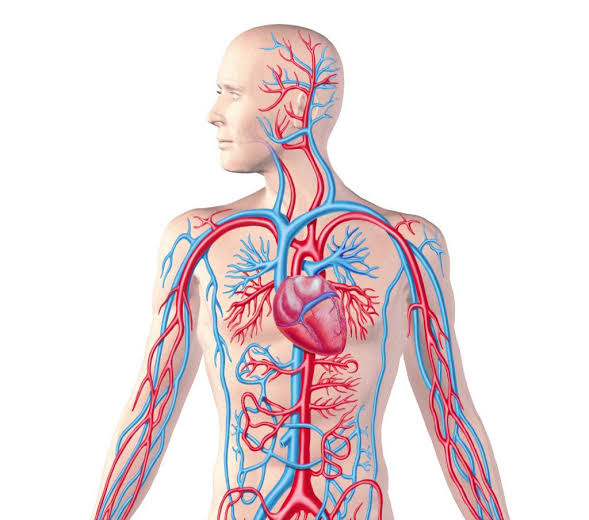
The heart is a muscular pump — roughly the size of a fist — that beats approximately 100,000 times per day, over 2.5 billion times in a typical lifetime, without a single break. It operates as two pumps working in parallel. The right side receives deoxygenated blood from the body and pumps it to the lungs. The left side receives oxygenated blood from the lungs and pumps it through the aorta to every organ in the body. The left ventricle does the heaviest work, generating pressure to drive blood through the entire systemic circulation.
At rest, the heart pumps approximately 5 liters of blood per minute. During intense exercise in a fit adult, this output can reach 20 liters or more per minute. The ability to increase cardiac output during exertion — and to recover efficiently afterward — is one of the most reliable functional indicators of cardiovascular health.
The heart’s electrical system, originating in the sinoatrial (SA) node in the right atrium, coordinates the contraction sequence. When this system malfunctions — as in atrial fibrillation or heart block — pumping efficiency drops and blood clot risk rises. The heart muscle itself is supplied by the coronary arteries; when these are narrowed by atherosclerosis, the result is coronary artery disease. When they become acutely blocked, the result is a heart attack.
The Eight Pillars of Cardiovascular Health
1. Blood Pressure
Optimal is below 120/80 mmHg. Chronically elevated blood pressure damages artery walls, accelerates atherosclerosis, enlarges the heart, and dramatically increases stroke risk. Blood pressure is controllable through sodium reduction, physical activity, weight management, alcohol limitation, stress management, and medications when lifestyle measures are insufficient.
2. Blood Cholesterol
LDL cholesterol drives atherosclerotic plaque buildup. The lower the LDL, the lower the cardiovascular risk — no established lower threshold exists at which LDL becomes harmful. Optimal LDL is below 100 mg/dL for most adults and below 70 mg/dL for those with existing cardiovascular disease or diabetes.
3. Blood Glucose and A1C
Chronically elevated blood glucose damages artery walls and accelerates atherosclerosis. Diabetes more than doubles cardiovascular disease risk. Even prediabetes (fasting glucose 100–125 mg/dL or A1C 5.7–6.4%) elevates cardiovascular risk. Optimal is fasting glucose below 100 mg/dL and A1C below 5.7%.
4. Body Weight
Excess visceral (abdominal) fat promotes insulin resistance, inflammation, elevated blood pressure, and dyslipidemia. BMI below 25 kg/m² and waist circumference below 35 inches in women and 40 inches in men are the standard thresholds for optimal cardiovascular weight health.
5. Physical Activity
At least 150 minutes of moderate-intensity aerobic activity per week (brisk walking, cycling, swimming) or 75 minutes vigorous activity. Resistance training at least two days per week adds additional cardiovascular and metabolic benefit. Physical activity directly reduces blood pressure, improves cholesterol balance, lowers blood glucose, reduces inflammation, and strengthens the heart muscle.
6. Diet Quality
Emphasize vegetables, fruits, whole grains, legumes, nuts, fish, and lean protein. Limit processed foods, sodium, added sugars, saturated fats, and trans fats. Mediterranean and DASH dietary patterns have the most robust evidence for cardiovascular risk reduction.
7. Nicotine Exposure
Smoking damages artery walls, reduces HDL, accelerates atherosclerosis, and raises blood pressure. It is the most preventable single cause of cardiovascular disease death in the US. Risk begins declining after cessation and approaches never-smoker levels after approximately 15 years of abstinence.
8. Sleep Health (Added 2022)
Adults need 7–9 hours per night. Short sleep (<6 hours) is associated with higher blood pressure, elevated inflammatory markers, weight gain, and increased heart attack and stroke rates. Sleep apnea — intermittent nocturnal oxygen drops — independently raises cardiovascular risk through multiple pathways.
Key Numbers Every Adult Should Know
- Blood pressure: Below 120/80 mmHg = normal; 130/80 or above = hypertension
- LDL cholesterol: Below 100 mg/dL desirable; below 70 for high-risk patients
- HDL cholesterol: Above 40 mg/dL (men) / 50 mg/dL (women); above 60 = protective
- Triglycerides: Below 150 mg/dL normal; above 200 elevated
- Fasting glucose: Below 100 mg/dL normal; 100–125 prediabetes; 126+ diabetes
- A1C: Below 5.7% normal; 5.7–6.4% prediabetes; 6.5%+ diabetes
- Resting heart rate: 60–100 bpm normal; 50–70 in aerobically conditioned adults
- BMI: 18.5–24.9 normal weight; waist <35 in (women), <40 in (men)
These numbers interact — high blood pressure compounds the damage from elevated LDL; insulin resistance elevates triglycerides and lowers HDL; smoking worsens hypertension effects. Assessing all factors together provides a more accurate cardiovascular risk picture than any single value in isolation.
Signs of a Healthy Heart
- Resting heart rate consistently 60–80 bpm
- Blood pressure below 120/80 on multiple measurements at different times
- Good exercise tolerance without unusual breathlessness or chest discomfort during moderate activity
- Heart rate recovery: HR begins falling within the first minute after stopping exercise (a decrease of fewer than 12 bpm in the first minute post-exercise is associated with increased cardiovascular mortality)
- No chest pain, palpitations, or syncope at rest or during normal activity
- Able to lie flat without breathlessness; no waking at night short of breath
Warning Signs That Should Not Be Ignored
- Chest pain, pressure, tightness, or heaviness: Especially if radiating to the arm, jaw, neck, or back; associated with sweating, nausea, or shortness of breath
- Shortness of breath at rest or minimal exertion: Not explained by respiratory illness
- Palpitations: Racing, skipping, or fluttering heartbeat — particularly prolonged, with dizziness, or at rest
- Leg or ankle swelling: Classic sign of heart failure
- Unexplained fatigue: Disproportionate exhaustion with normal activities
- Dizziness, lightheadedness, or fainting: May signal inadequate cardiac output or rhythm disorder
- Difficulty breathing when lying flat (orthopnea): Specific sign of increased pulmonary venous pressure from left-sided heart failure
How Heart Health Changes With Age
Arterial walls progressively stiffen with age — arteriosclerosis — raising systolic blood pressure without necessarily raising diastolic pressure. This explains why isolated systolic hypertension is common in older adults. Maximum heart rate achievable during exercise declines approximately 1 beat per year (208 − 0.7 × age). Heart valves may gradually calcify, and left ventricular filling becomes slightly less efficient (diastolic dysfunction), raising the risk of heart failure with preserved ejection fraction — a form increasingly common in older adults.
Age 40 is a clinically important threshold: most guidelines recommend formal 10-year cardiovascular disease risk assessment at this age using the Pooled Cohort Equations, incorporating age, blood pressure, cholesterol, smoking, diabetes, and family history to determine whether preventive medications are warranted alongside lifestyle changes.
Heart Health and the Rest of the Body
Brain: The same atherosclerosis that narrows coronary arteries also narrows cerebral arteries. Chronic hypertension damages small brain vessels, contributing to white matter disease, cognitive impairment, and vascular dementia. Optimizing cardiovascular health is among the most evidence-based strategies for reducing dementia risk.
Kidneys: Hypertension damages kidney blood vessels, progressively impairing function. Chronic kidney disease (CKD) in turn raises blood pressure. This bidirectional relationship means blood pressure control simultaneously protects both organs.
Mental health: Depression and anxiety activate the sympathetic nervous system, raise cortisol and inflammatory markers, and independently increase cardiovascular event risk. People with depression have approximately 40% higher rates of cardiovascular disease than matched non-depressed populations.
Sexual function: Erectile dysfunction in men is a potential early warning sign of generalized endothelial dysfunction — the same pathophysiology underlying coronary artery disease — often preceding overt cardiovascular symptoms by 3–5 years. A formal cardiovascular risk assessment is warranted in any man who develops ED without another obvious explanation in his 40s or 50s.
To understand the full picture of cardiovascular disease, see our guide to what is cardiovascular disease. For a closer look at how the heart and circulation work, see how the heart works. And for why your 40s are the most important decade for cardiovascular assessment, see our article on why heart health matters after age 40.
Sources: American Heart Association — Life’s Essential 8 | CDC — Heart Disease Facts | National Heart, Lung, and Blood Institute
Measuring Cardiovascular Health: From Clinic to Home
Cardiovascular health assessment has traditionally happened once a year at a physician’s office. This model has significant limitations: blood pressure measured in a clinical setting can be elevated due to “white coat hypertension” — anxiety about being in a medical environment — producing readings that overestimate real-world blood pressure. Cholesterol is typically checked fasting, at a single point in time, and may not reflect typical post-meal lipid patterns. Body weight is measured but the distribution of fat (which matters more than total weight for cardiovascular risk) is rarely assessed precisely.
Modern cardiovascular health monitoring is increasingly moving toward continuous and home-based assessment:
Home blood pressure monitoring using an upper-arm cuff validated for accuracy (not a wrist or finger device) provides the most accurate picture of real-world blood pressure. Current guidelines from the AHA recommend home BP monitoring for anyone with elevated blood pressure or hypertension, and for anyone on antihypertensive medication. A morning and evening reading for seven days, averaged, provides the most reproducible estimate of true blood pressure. The target for home readings is below 135/85 mmHg (slightly lower than the clinic threshold because home readings are naturally a few points lower than office readings in normotensive individuals).
Ambulatory blood pressure monitoring (ABPM) — a device worn for 24 hours that automatically measures blood pressure every 20–30 minutes throughout the day and night — is the most comprehensive method and is considered the gold standard for diagnosing white coat hypertension and identifying nocturnal hypertension (high blood pressure during sleep, which carries particularly high cardiovascular risk).
Wearable heart rate monitors (smartwatches with optical photoplethysmography sensors) can detect resting heart rate trends, heart rate variability (HRV), and in some devices, atrial fibrillation. While these are not medical-grade diagnostic tools, they can flag patterns — such as a persistently elevated resting heart rate or irregular rhythm — that warrant formal evaluation.
Coronary artery calcium (CAC) scoring is a CT-based test that quantifies calcium deposits in the coronary arteries, expressed as an Agatston score. A CAC score of 0 in someone over 45 with intermediate risk carries a very low near-term cardiovascular event risk and can inform the decision to defer statin therapy. A CAC score above 300 or above the 75th percentile for age/sex indicates high-risk disease burden and strongly supports intensive preventive treatment. CAC scoring requires a low-dose CT scan (no contrast), takes about 10 minutes, and is increasingly available as a preventive screening tool in high-volume imaging centers.
Heart Health Across the Life Course
Cardiovascular health is not a concern that begins at age 65 or even 50. The biological processes that eventually lead to heart attack — primarily atherosclerosis, the accumulation of cholesterol-laden plaque in artery walls — begin in childhood and adolescence. Autopsy studies of young adults who died from accidents in their 20s consistently find evidence of early atherosclerotic lesions in the coronary arteries. The lifestyle behaviors established in adolescence and early adulthood shape the pace at which these early lesions progress or remain stable.
In the 20s and 30s, the focus should be on establishing the habits that sustain cardiovascular health: regular physical activity, a primarily whole-food diet, maintaining a healthy weight, not starting to smoke (or quitting), and getting adequate sleep. These decades are when prevention is cheapest — small course corrections carry outsized long-term returns because they alter decades of subsequent cardiovascular aging.
In the 40s, the pace of cardiovascular risk accumulation typically accelerates: blood pressure tends to rise, LDL cholesterol may rise (especially in women after menopause), visceral fat accumulates even without significant weight gain, and pre-diabetes becomes more common. This is the decade during which the Pooled Cohort Equations become most clinically useful — calculating a 10-year cardiovascular event risk and identifying who benefits from preventive statin therapy or blood pressure treatment beyond lifestyle intervention.
In the 50s and 60s, the cumulative effects of risk factor exposure begin to express as structural cardiovascular changes — measurable increases in arterial stiffness, early left ventricular hypertrophy in those with hypertension, early coronary calcium deposition. Prevention remains effective and important at every age, but the benefit-to-intervention ratio for medications like statins and antihypertensives becomes clearest in this age group because absolute cardiovascular risk (which determines absolute risk reduction) is highest.
Building a Personal Heart Health Action Plan
Understanding heart health is most valuable when it translates into specific, actionable steps. A practical heart health action plan for adults includes:
- Know your numbers: Get a fasting lipid panel, blood glucose, and blood pressure checked at least every 5 years in your 30s and 40s, and every 1–2 years if any value is borderline or elevated. Know your results and understand what they mean.
- Calculate your 10-year risk: Ask your primary care provider to calculate your 10-year ASCVD risk using the Pooled Cohort Equations. This number should inform your conversation about whether lifestyle changes alone are sufficient or whether preventive medications are appropriate.
- Prioritize blood pressure: If your blood pressure is above 120/80, reduce sodium intake to below 2,300 mg/day, increase physical activity, and monitor at home to understand your real-world pattern — not just your clinic readings.
- Move more, every day: Aim for 150 minutes of moderate activity per week minimum. Regular movement is arguably the single most effective broad-spectrum intervention for cardiovascular health: it lowers blood pressure, improves cholesterol balance, reduces blood glucose, reduces inflammatory markers, and improves heart rate variability.
- Do not use family history as an excuse or a reason to give up: Family history of early heart disease is a risk factor, not a destiny. People with strong genetic predispositions to cardiovascular disease who maintain excellent lifestyle habits consistently have better cardiovascular outcomes than those with average genetic risk who have poor lifestyle habits.
- Get screened for sleep apnea if you snore, wake unrefreshed, or have been told you stop breathing during sleep. Untreated obstructive sleep apnea is a significant and underappreciated cardiovascular risk factor.
Common Misconceptions About Heart Health
“If I have no symptoms, my heart must be fine.” This is the most dangerous misconception in cardiovascular medicine. Most cardiovascular risk factors — high blood pressure, elevated LDL cholesterol, prediabetes, early atherosclerosis — produce no symptoms until they have been present for years or decades. A person can have a blood pressure of 155/95, an LDL of 160 mg/dL, and a 10-year cardiovascular event risk of 20 percent without feeling any different than someone with optimal numbers. This is why regular laboratory and blood pressure screening matters even when — especially when — someone feels completely well.
“Heart disease is a men’s problem.” Cardiovascular disease is the leading cause of death in women as well as men. Women tend to develop coronary artery disease approximately 10 years later than men (likely due to the protective effect of estrogen), but after menopause, their risk rises steeply. Women with heart disease are also more likely to present atypically — with fatigue, jaw pain, nausea, or back pain rather than classic crushing chest pressure — making diagnosis more challenging and potentially more delayed.
“Heart disease runs in my family, so there’s nothing I can do.” Genetics contribute to cardiovascular risk, but they are not destiny. Research consistently shows that people with high polygenic risk for cardiovascular disease who maintain optimal lifestyle habits have lower absolute event rates than those with average genetic risk who have poor lifestyle habits. Family history raises the urgency of prevention — it does not make prevention futile.
“I’m too young to worry about this.” Atherosclerosis begins in childhood. Risk factors established in the 20s and 30s — untreated high blood pressure, chronically elevated LDL, insulin resistance, sedentary lifestyle — compound over decades. Every decade of controlled risk factors measurably reduces lifetime cardiovascular event probability. The earlier prevention starts, the more lifetime benefit it generates.
Heart health is ultimately not a medical subject reserved for cardiologists and patients over 60. It is a daily reality for every adult — reflected in the food choices made at every meal, the decision to move or to sit, the blood pressure that rises or stays controlled, and the sleep that either restores or impairs cardiovascular function overnight. Understanding what heart health is, what shapes it, and what changes it makes the information that matters most accessible.
As someone dealing with this personally, the what is heart health? a clear section was very helpful. I appreciated how the article addressed both the clinical side and the practical lifestyle adjustments. Appreciate the effort that went into researching and writing this — it shows.
As someone dealing with this personally, the what is heart health? a clear section was very helpful. I have tried following advice from several sources but this is the most consistent with what my specialist told me. Thank you for making complex medical information accessible without dumbing it down.
Bookmarked this article on what is heart health? a clear immediately — going to reference it regularly. I have tried following advice from several sources but this is the most consistent with what my specialist told me. Thank you for making complex medical information accessible without dumbing it down.
Thank you for covering what is heart health? a clear so thoroughly without being overly technical. The section on managing this condition day-to-day was especially useful for planning. I wish I had found this article earlier — would have saved a lot of confusion.
Finally a resource that explains what is heart health? a clear in plain language. The article answered questions I didn’t even know I had until I started reading. Thank you for making complex medical information accessible without dumbing it down.
Bookmarked this article on what is heart health? a clear immediately — going to reference it regularly. The specific numbers and thresholds mentioned are exactly what I needed to understand my results. Looking forward to reading more articles from this website.