

Most people know they’re supposed to get a “cancer checkup.” Fewer people could tell you what that actually means. Is it a blood test? A physical exam? An imaging scan? The honest answer: a cancer checkup is all of those things — depending on your age, health history, family history, and the type of visit you’re having.
This article covers the three main forms: the primary care visit where cancer surveillance is part of a complete physical; the specialty screening visit (colonoscopy, mammography, LDCT, dermatology skin exam); and the oncology follow-up visit for cancer survivors. Knowing what to expect at each one — and what questions to ask — turns a passive medical experience into a useful one.
What Is a Cancer Checkup?
The term “cancer checkup” does not refer to a single standardized test. It encompasses three distinct types of visits:
Type 1 — Primary care cancer surveillance. Part of your annual physical or well-person visit with your primary care provider. Includes a health history review, physical exam with cancer-relevant components (lymph node palpation, skin inspection, breast exam, rectal exam, oral cavity check), standard blood work, and coordination of overdue cancer screening tests. This is what most people mean when they say “cancer checkup.”
Type 2 — Specialty cancer screening visit. A dedicated appointment for a specific screening modality: colonoscopy, mammography, low-dose CT lung scan (LDCT), dermatology full-body skin exam, or gynecologic visit with Pap smear. These are either ordered by your PCP at the primary care checkup or initiated directly by the patient.
Type 3 — Oncology follow-up (surveillance) visit. For patients who have completed cancer treatment, regular follow-up appointments detect recurrence, monitor treatment side effects, manage survivorship issues, and screen for secondary cancers. Frequency and content depend on cancer type and stage.
The Primary Care Cancer Checkup
Medical History Review
A cancer checkup begins before the physical exam — with questions. Your provider will review and update:
- New symptoms since last visit. Persistent cough, unexplained weight loss, change in bowel habits, blood in urine, new lumps. This is your opportunity to raise anything that has been bothering you, even if you’ve been attributing it to something benign.
- Family history updates. A new cancer diagnosis in a first-degree relative since your last visit can change your screening eligibility for breast cancer (BRCA-related), colorectal cancer (Lynch syndrome), and ovarian cancer.
- Tobacco and alcohol history. Smoking pack-year history determines eligibility for low-dose CT lung cancer screening. Alcohol affects colorectal, liver, esophageal, and breast cancer risk.
- Occupational and environmental exposures. Asbestos, radon, benzene, certain pesticides — all relevant to cancer risk.
- Prior abnormal findings. Prior abnormal Pap smears, prior colon polyps, prior atypical breast findings, or prior cancer history all affect the current visit’s focus.
- Medications. Hormone therapy affects breast and endometrial cancer risk. Immunosuppressants increase lymphoma and skin cancer risk.
Physical Examination — What Your Provider Is Checking
A complete primary care physical includes several components with direct cancer detection value. Here is what your provider is looking for at each step:
Skin. Visual inspection of accessible skin areas for: moles with ABCDE features (asymmetry, irregular borders, multiple colors, diameter >6mm, evolving appearance); non-healing sores; rough, scaly patches (actinic keratoses — precancerous lesions from sun damage); and unusual or rapidly growing skin growths. A full-body skin exam — including scalp, between toes, and genital area — is typically performed by a dermatologist.
Lymph nodes. Palpation of lymph node chains in the neck (cervical), under the arms (axillary), above the collarbones (supraclavicular), and in the groin (inguinal). A node that is enlarged, firm or rubbery, non-tender, or in the supraclavicular location is a red flag for cancer. Supraclavicular lymphadenopathy carries a malignancy rate of 50–72% in adults — it is always investigated promptly.
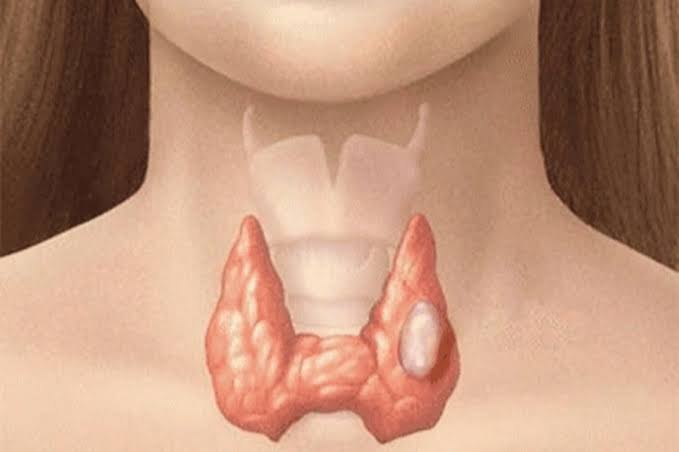
Thyroid. Palpation of the thyroid for nodules or enlargement. Nodules over 1–1.5 cm, or those with suspicious features on ultrasound, warrant fine needle aspiration (FNA) biopsy.
Breast exam (clinical breast exam, CBE). Manual palpation of each breast and axillary lymph nodes. USPSTF has found insufficient evidence to recommend CBE as a standalone screening tool, but it is included in most complete physicals and can detect abnormalities not seen on mammography.
Abdominal exam. Palpation to feel the liver edge (enlargement may suggest liver disease or malignancy), spleen (enlargement is associated with lymphoma and leukemia), and detection of abdominal masses.
Testicular exam (men). Examination for asymmetry, lumps, firmness, or masses. Testicular cancer is the most common cancer in men aged 15–35.
Digital rectal exam (DRE). Examination of the rectum for rectal masses, blood, and — in men — prostate irregularity. DRE for prostate cancer screening as a standalone test is no longer routinely recommended, but is part of the shared decision-making conversation about prostate cancer screening in men who elect it.
Pelvic exam (women). Speculum exam for cervical visualization (and Pap smear collection if due); bimanual exam to assess uterus and ovaries for size, shape, and masses. Adnexal masses found on bimanual exam are not normal and require imaging.
Oral cavity. Inspection of lips, tongue, gums, floor of mouth, and soft palate for: white patches (leukoplakia), red patches (erythroplakia — higher malignant potential), non-healing sores, or unusual lumps. Oral cancer is strongly associated with tobacco, alcohol, and HPV. Oral exams are often more thorough at dental visits.
Blood Work with Cancer-Detection Value
Standard blood work at a cancer checkup is not cancer screening per se — but several tests provide clinically useful information:
Complete Blood Count (CBC). Low hemoglobin may indicate anemia from chronic GI blood loss — a red flag for colorectal cancer in appropriate age groups. Abnormal white cell counts or differential may suggest leukemia. Platelet abnormalities are associated with hematologic malignancies.
Comprehensive Metabolic Panel (CMP). Liver enzyme elevations may suggest hepatic involvement from metastatic disease or primary liver cancer. Hypercalcemia (elevated calcium) is associated with multiple myeloma, bone metastases, and parathyroid tumors.
PSA (Prostate-Specific Antigen). Not a routine automatic test — a shared decision-making conversation in men aged 55–69 (USPSTF Grade C). Your provider will discuss the potential benefit of early detection against the risk of overdiagnosis and overtreatment. Men aged 40–54 with African American heritage, BRCA2 mutation, or strong family history may discuss earlier testing.
Screening Coordination
A key function of the primary care cancer checkup is ensuring your age-appropriate screening is up to date. Your provider will check whether you are due for colonoscopy, mammography, LDCT lung screening, Pap smear, or HPV testing — and order them if overdue. If your family history or risk factors warrant additional specialized screening (breast MRI for BRCA carriers, earlier colonoscopy for Lynch syndrome), this is when that conversation happens.
If you leave a primary care cancer checkup without knowing which tests are due and when, ask before you leave.
When Your Provider Refers You to a Specialist
Some findings require specialist evaluation before a next step can be determined. Receiving a referral does not mean your provider suspects cancer — it means a finding requires more specialized tools to evaluate. Most referral evaluations conclude with a benign explanation.
| Finding | Specialist | Next Step |
|---|---|---|
| Fixed, non-tender lymph node >1 cm lasting >3–4 weeks | Hematology-oncology | CT imaging + lymph node biopsy |
| Thyroid nodule >1–1.5 cm or suspicious features | Endocrinology or thyroid surgery | Thyroid ultrasound + TSH; FNA if indicated |
| Suspicious breast finding (lump, skin change, nipple change) | Radiology, surgical oncology | Diagnostic mammogram + ultrasound; core needle biopsy if needed |
| PSA elevation or abnormal DRE | Urology | Prostate MRI; prostate biopsy if warranted |
| Rectal bleeding + stool change in adult ≥45 | Gastroenterology | Colonoscopy |
| Suspicious skin lesion (ABCDE features) | Dermatology | Dermoscopy; punch or shave biopsy |
| Non-healing oral sore or white/red patch >2 weeks | ENT or oral surgery | Biopsy |
| Adnexal mass on pelvic exam | Gynecologic oncology | Pelvic ultrasound; CT if indicated |
| Unexplained hypercalcemia | Hematology or endocrinology | Multiple myeloma workup (SPEP); PTH level |
Specialty Cancer Screening Visits — What to Expect
Colonoscopy
Preparation (the day before): Clear liquid diet and bowel prep laxative. Most current prep solutions are low-volume (1L split-dose) or pill-based — newer preparations are far better tolerated than the older gallon-jug options. This is typically the most uncomfortable part of the process.
The procedure: You receive sedation (moderate sedation or propofol). The colonoscope is advanced through the rectum to the cecum, then slowly withdrawn while the colon walls are examined. Total time: 30–60 minutes. If polyps are found, they are removed during the same procedure (polypectomy) and sent to pathology. Polypectomy is what prevents colorectal cancer — not just detecting it.
Recovery: 1–2 hours until sedation clears. You must have someone drive you home. Preliminary findings are discussed immediately; pathology results take 1–2 weeks.
Your next colonoscopy interval depends on what was found:
- No polyps → 10 years
- 1–2 small low-risk adenomas → 3–5 years
- 3+ adenomas or high-risk adenomas → 1–3 years
Mammography
Before: No deodorant, antiperspirant, or powder under the arms or on the breasts on the day of the exam — these can appear as calcium deposits on the image.
The procedure: Each breast is positioned and compressed between two plates. Compression improves image quality and reduces radiation dose — you will feel significant pressure for a few seconds per image. Two views per breast. Total time: approximately 20 minutes.
2D vs. 3D (tomosynthesis): 3D mammography takes multiple images at different angles and reconstructs layered views, reducing callbacks and improving detection — especially in women with dense breasts. Most facilities now offer or default to 3D.
BI-RADS results: 1 (negative); 2 (benign); 3 (probably benign — 6-month follow-up); 4 (suspicious — biopsy recommended); 5 (highly suspicious — biopsy); 6 (known malignancy). Results arrive within 5 business days. Federal law requires written notification.
Low-Dose CT Lung Screening (LDCT)
Eligibility (USPSTF 2021): Adults aged 50–80 who have smoked at least 20 pack-years and currently smoke or quit within the past 15 years. (One pack-year = 1 pack per day × 1 year.)
No preparation required — no fasting, no IV, no bowel prep.
The procedure: You lie on a table passing through a CT scanner. You hold your breath for 5–10 seconds during the scan. Total time: approximately 10 minutes.
LUNG-RADS results: 1–2 (negative or benign — annual screening); 3 (probably benign — 6-month follow-up CT); 4 (suspicious — additional imaging or tissue sampling). The majority of first-time screens find nodules, which is expected. Only 1–2% lead to a cancer diagnosis — most nodules are benign.
Dermatology Skin Exam
You change into a gown and the dermatologist systematically examines your skin from scalp to soles. Dermoscopy — a handheld magnifier with polarized light — evaluates suspicious lesions. Patients with many atypical moles may have a full photographic mole map created for year-to-year comparison.
Annual skin exam is recommended for: Prior melanoma; dysplastic nevi syndrome; personal or family history of melanoma; organ transplant recipients; prior extensive actinic damage.
Gynecologic Visit (Pap Smear + Pelvic Exam)
A speculum is inserted to visualize the cervix. A small brush collects cells from the cervical transformation zone (Pap smear) and the sample is also tested for high-risk HPV strains (co-testing). A bimanual exam assesses the uterus and ovaries for masses or tenderness.
Frequency: Pap smear alone every 3 years (ages 21–29); Pap + HPV co-testing every 5 years (ages 30–65). Co-testing every 5 years is now the preferred approach for women ages 30–65.
Oncology Follow-up — After Cancer Treatment
Goals of Follow-up
Oncology follow-up visits serve a different purpose from cancer screening — they are for patients who have completed treatment. The five goals:
- Detect recurrence. The primary purpose. Modality and frequency depend on cancer type — not all cancers are followed with imaging; some rely primarily on labs and physical examination.
- Monitor treatment late effects. Cardiac toxicity from anthracyclines, peripheral neuropathy from platinum compounds, bone density loss from hormone suppression, lymphedema from surgery.
- Manage survivorship issues. Fatigue, cognitive changes, sexual dysfunction, psychosocial distress, fertility concerns.
- Screen for secondary cancers. Chest radiation increases subsequent breast cancer risk; alkylating agents increase secondary leukemia risk.
- Support. Fear of recurrence affects the majority of survivors and is significantly underrecognized and undertreated.
Follow-up Schedules by Cancer Type
Breast cancer: Physical exam every 3–6 months for years 1–5, then annually. Annual mammography. No routine PET/CT or bone scan unless symptomatic — this surprises many patients who expect surveillance imaging they should not routinely receive. Bone density monitoring if on aromatase inhibitors.
Colorectal cancer: Physical exam and CEA every 3–6 months for 2 years, then every 6 months for 3 years. CT imaging at regular intervals during the first 2–3 years (schedule varies by current guideline and oncologist). Colonoscopy at 1 year post-surgery; every 3–5 years if clear.
Prostate cancer: PSA every 3–6 months for 5 years following treatment, then annually. DRE at each visit for the first 5 years.
What to Report at a Follow-up Visit
Don’t wait for your provider to ask. Report proactively:
- New or worsening bone pain, especially at night
- New lumps or swellings anywhere
- Unexplained weight loss
- Fever, drenching night sweats
- Bowel or bladder changes
- New neurological symptoms (weakness, numbness, coordination problems)
- Side effects of ongoing maintenance medication
How to Get the Most From Your Cancer Checkup
Before Your Appointment
- Know your family history in specifics. Which relative, which cancer, at what age. For breast and ovarian cancer, a first-degree relative diagnosed before age 50 triggers BRCA risk assessment. For colorectal cancer, a first-degree relative diagnosed before age 60 — or two first-degree relatives at any age — means you should start colonoscopy earlier than the standard age 45.
- Write down any persistent symptoms. People forget their concerns in the exam room. If something has lasted more than 2–3 weeks, write it down: when it started, whether it’s changing, and whether it’s accompanied by weight loss, fever, or fatigue.
- Know your screening history. When was your last colonoscopy and what did it show? Last mammogram? Last Pap and HPV test? Your provider may not have this information if tests were done at a different facility.
- Bring prior records. Prior biopsy results, abnormal findings, cancer history from other institutions.
During Your Appointment
- Lead with the purpose. “I want to make sure I’m up to date on cancer screening” activates a specific clinical checklist. Say it.
- Don’t minimize what you’re noticing. Patients consistently downplay symptoms — attributing them to stress, aging, or a benign cause before the provider has a chance to evaluate them. State what’s happening and let the provider decide its significance.
- Ask three direct questions: “Am I due for any cancer screening tests?” / “Does my family history change what I should be screened for?” / “Is there anything in my exam or labs you want to follow up on?”
- Confirm the plan. What tests are ordered, when will you receive results, and what’s the follow-up if something is abnormal?
After Your Appointment
- Know where results will arrive. If you don’t regularly check a patient portal, ask for a phone call instead. Results can sit unread for weeks.
- Book referrals before you leave. Follow-through on colonoscopy referrals is only 50% when patients handle booking themselves. Ask the front desk to call and schedule before you leave.
- Set a reminder for your next interval. A phone calendar, a health app, or a note on paper — whatever you will actually use. Screening only works if the next screening happens.
Cancer Checkup Quick Reference
| Checkup Type | Who It’s For | Key Components | How Often |
|---|---|---|---|
| Primary care physical | All adults | History, physical exam, CBC/CMP, screening coordination | Annually |
| Colonoscopy | Ages 45+ (40+ if high-risk) | Bowel prep, sedation, scope, polypectomy | Every 10 years (sooner if polyps) |
| Mammography | Women 40+ (varies by guideline) | Positioning, compression, 2D or 3D, BI-RADS result | Annually or every 2 years |
| LDCT lung scan | Adults 50–80, 20+ pack-years | No prep, 10-min scan, LUNG-RADS result | Annually |
| Dermatology skin exam | High-risk annually; others 1–3 yr | Full-body skin exam, dermoscopy | 1–3 years |
| Gynecologic (Pap+HPV) | Women 21–65 | Pap smear, HPV co-test, bimanual exam | Every 3–5 years |
| Oncology follow-up | Cancer survivors | Physical, labs, imaging per protocol | Varies by cancer type |
Frequently Asked Questions
What is included in a cancer checkup?
A cancer checkup at a primary care visit typically includes: medical history review (symptoms, family history, tobacco use, prior findings); a physical exam with cancer-relevant components (lymph node palpation, skin inspection, breast exam, abdominal exam, rectal exam, oral cavity check); standard blood work (CBC, CMP, PSA if elected); and coordination of age-appropriate screening tests (colonoscopy referral, mammogram order, LDCT if eligible, Pap smear review). The exact components depend on your age, sex, health history, and risk factors.
Do I need special blood tests for a cancer checkup?
Standard blood work — CBC and CMP — provides cancer-relevant information and is typically included in a routine physical. PSA testing is ordered through a shared-decision-making conversation with men aged 55–69. Tumor markers such as CEA, CA-125, and AFP are not recommended for cancer screening in the general population — they produce too many false positives and are used for surveillance in people already diagnosed with cancer, or when specific symptoms justify their use.
What is the difference between a cancer screening and a cancer checkup?
These terms overlap but are distinct. Cancer screening refers to a specific test designed to detect cancer or precancerous conditions before symptoms develop — mammography, colonoscopy, Pap smear, LDCT, and PSA are all screening tests. A cancer checkup is the broader visit context: it includes history review, physical examination, blood work, and the ordering or coordination of screening tests. The checkup is the visit; screening tests are what may be performed or ordered during it.
How often should I get a cancer checkup?
Annual primary care visits are generally recommended for adults. Specific screening tests have their own intervals: colonoscopy every 10 years (starting at 45); mammography annually or every 2 years (starting at 40–50, depending on the guideline); Pap smear every 3 years (ages 21–29) or every 5 years with HPV co-testing (ages 30–65); LDCT annually if eligible. Oncology follow-up schedules are set by your oncologist based on cancer type.
What should I tell my doctor at a cancer checkup?
Tell your provider: current symptoms (especially anything persisting for more than 2–3 weeks); family history specifics (which relatives, which cancers, at what ages); your tobacco and alcohol history; when your last screening tests were done and what they showed; and any prior abnormal findings. Ask directly: “Am I due for any cancer screening tests?” and “Does my family history change what I should be screened for?” Don’t downplay symptoms — let your provider assess their significance.
Does insurance cover a cancer checkup?
Under the ACA (Section 2713), USPSTF Grade A and B preventive services must be covered without cost-sharing by most insurance plans. This includes colonoscopy (adults 45+), mammography (women 40–74), lung cancer LDCT (eligible smokers 50–80), Pap smear and HPV co-testing (women 21–65), and stool-based colorectal tests. Coverage depends on your specific plan, how the visit is billed (preventive vs. diagnostic), and whether any diagnoses are coded. Ask your insurer about coverage before the appointment if cost is a concern.
What happens if my cancer checkup finds something?
A finding at a cancer checkup does not mean cancer. Most abnormal findings lead to additional imaging, a specialist referral, or a repeat test — and most of those conclude with a benign explanation. A referral or additional imaging order is the system working as intended: ruling out something serious, not confirming it. Ask your provider to explain the finding, what the next step is, and what the realistic range of outcomes is — so you can respond with information rather than anxiety.
Sources & Further Reading
- USPSTF Recommendation Statements — uspstf.gov
- ASCO Clinical Practice Guidelines — Cancer Survivorship Follow-up Care
- ACS Cancer Checkup Guidelines
- CDC HINTS (Health Information National Trends Survey)
- ACOG Well-Woman Visit Recommendations
- American Academy of Dermatology — Skin Exam Guidelines
- ACR BI-RADS and LUNG-RADS Reporting Systems
- NCI Office of Cancer Survivorship
- MQSA (Mammography Quality Standards Act)
This article is for educational purposes only and does not constitute medical advice. Cancer screening and follow-up recommendations vary by individual risk factors and should be discussed with a qualified healthcare provider.
Pingback: Cancer Blood Test: What It Can and Cannot Tell You - Horizon Health Guide
Pingback: Tumor Markers: What They Are and What They Cannot Tell You - Horizon Health Guide
Pingback: Ultrasound for Cancer: What It Detects and When It's Used - Horizon Health Guide
My cardiologist recommended I look into cancer checkup: what to expect, what and this article covered it perfectly. The section on managing this condition day-to-day was especially useful for meal planning. This gave me real confidence going into my next specialist appointment.
As someone dealing with this personally, the cancer checkup: what to expect, what section was very helpful. I appreciated how the article addressed both the clinical side and the practical lifestyle adjustments. Thank you for making complex medical information accessible without dumbing it down.
Came across this while researching cancer checkup: what to expect, what for a family member. The connection between diet, lifestyle, and long-term outcomes is explained clearly here. Looking forward to reading more articles from this website.
Really well-written article on cancer checkup: what to expect, what. I appreciate that the article is careful about distinguishing between what is known and what is still being researched. This is going into my health folder that I bring to every doctor’s visit.
Came across this while researching cancer checkup: what to expect, what for a family member. I appreciated how the article addressed both the clinical side and the practical adjustments. Looking forward to reading more articles from this website.
My doctor recommended I look into cancer checkup: what to expect, what and this article covered it perfectly. The specific numbers and thresholds mentioned are exactly what I needed to understand my results. Keep up this kind of thorough health journalism — it genuinely helps patients like me.