
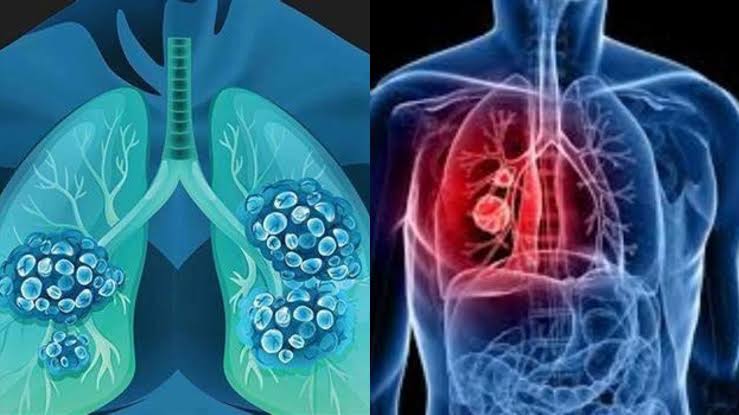
Approximately 57% of lung cancers in the United States are diagnosed only after the cancer has spread to distant organs — Stage IV disease, where five-year survival is approximately 7 to 10%. By contrast, lung cancer diagnosed at Stage I — when the tumor is small and confined to the lung — has a five-year survival rate of 77 to 92%. Surgery performed at Stage I is often curative. At Stage IV, treatment extends life but rarely achieves cure.
This gap is the central problem of lung cancer, and lung cancer early detection is its most powerful solution. The tragedy is that the technology to find lung cancer early exists and works — a low-dose CT (LDCT) scan can shift diagnoses from mostly Stage IV to mostly Stage I — but the majority of eligible people in the USA are not getting screened.
This guide covers what the evidence for lung cancer screening shows, who qualifies, what symptoms should trigger urgent evaluation, what actually happens during an LDCT, and what new approaches to early detection are emerging beyond the scan.
Why Stage at Diagnosis Changes Everything
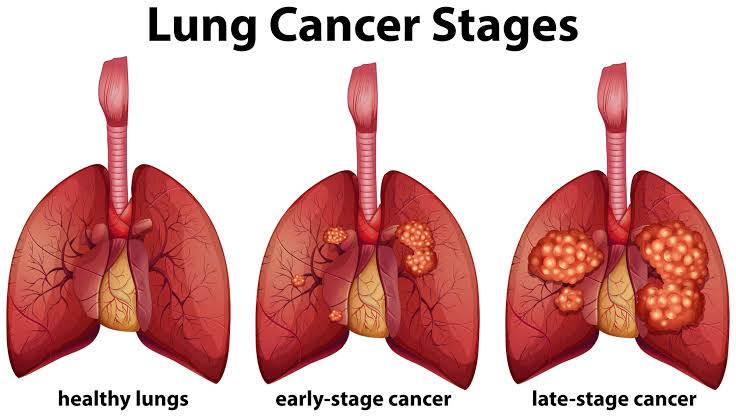
The relationship between stage at diagnosis and survival in lung cancer is among the starkest in oncology. Stage IA — the smallest, most localized tumors — has a five-year survival of approximately 77 to 92%. Stage IB (larger but still localized) survives at around 68%. At Stage II (regional lymph node involvement), survival drops to 53 to 60%. By Stage III (mediastinal involvement), the five-year rate falls to 13 to 36%. At Stage IV (distant metastasis), five-year survival is approximately 7 to 10%.
Without screening, most lung cancers are diagnosed after symptoms appear — and symptoms usually appear late. Approximately 57% of lung cancers in the USA are diagnosed at Stage IV; only about 17% are diagnosed at Stage I or II. If this distribution could be reversed — if 60% were caught at Stage I instead of Stage IV — thousands of additional deaths would be prevented every year. That reversal is precisely what low-dose CT screening achieves in the populations that receive it.
LDCT Screening — The Evidence
Two landmark randomized controlled trials established LDCT screening as effective. The National Lung Screening Trial (NLST), published in the New England Journal of Medicine in 2011, enrolled 53,454 current and former heavy smokers aged 55 to 74 and randomly assigned them to annual LDCT or annual chest X-ray for three years. The result: a 20% relative reduction in lung cancer mortality and a 6.7% reduction in all-cause mortality in the LDCT group.
The NELSON trial (de Koning et al., NEJM 2020) enrolled approximately 15,789 Europeans and compared LDCT screening to no screening, confirming and extending the NLST: a 24% reduction in lung cancer mortality for men and 33% for women. The larger female benefit is thought to reflect higher screening compliance and the biology of lung cancer in women, which features more adenocarcinoma — a subtype particularly amenable to early detection.
Stage shift is the mechanism that saves lives. In the NLST, approximately 60 to 70% of screen-detected lung cancers were at Stage I. In the unscreened population, only 17% of cancers are Stage I at diagnosis. This shift from late-stage to early-stage detection is what drives the mortality reduction.
One important caveat: an estimated 3 to 18% of screen-detected cancers may represent tumors that would never have caused symptoms or death during the patient’s lifetime — indolent cancers treated unnecessarily (overdiagnosis). The current consensus is that the mortality benefit clearly outweighs the overdiagnosis risk in the eligible population.
Who Should Get Screened?
The U.S. Preventive Services Task Force (USPSTF) 2021 guidelines recommend annual LDCT for adults who meet all three criteria:
- Age 50 to 80 years
- Smoking history of 20 or more pack-years (one pack-year = one pack per day for one year; 30 years at one pack per day = 30 pack-years)
- Currently smoke, or quit smoking within the past 15 years
These criteria apply regardless of symptoms. Screening is for people who appear healthy but are at elevated risk — not for diagnostic evaluation of people who already have symptoms (who should be evaluated regardless of whether they meet screening criteria).
Centers for Medicare and Medicaid Services (CMS) aligned with USPSTF 2021, covering annual LDCT for eligible Medicare beneficiaries. Coverage also requires a shared decision-making counseling visit before the first LDCT. Screening should be done at an ACR-accredited lung cancer screening center that meets quality standards for LDCT dose, image quality, and nodule tracking.
Screening should be stopped if: you have not smoked in more than 15 years; you reach age 80; or you develop a health condition that substantially limits life expectancy or makes curative lung cancer treatment inadvisable.
The screening gap is a major public health problem. Only approximately 4 to 15% of eligible Americans currently receive annual LDCT — compared to roughly 72% for colorectal cancer screening and 75% for mammography. Contributing factors include lack of physician-initiated discussion, patient anxiety about findings, and limited access to accredited centers in rural areas. For detail on the screening process and eligibility, see our guide on lung cancer screening.
Symptoms That Should Never Be Ignored in Smokers Aged 40 or Older
Early-Stage Lung Cancer Usually Has No Symptoms
A small peripheral adenocarcinoma — the most common early-stage subtype — may grow for years with no symptoms whatsoever. Waiting for symptoms to appear is waiting for the cancer to advance. Screening finds it before you feel it.
Symptoms do matter, however, as a reason to seek urgent evaluation even outside of a screening program. The following in a current or former smoker aged 40 or older should trigger prompt chest imaging per NICE NG12:
- A persistent cough lasting more than 3 weeks — especially a new cough or a change in character of an existing smoker’s cough
- Hemoptysis — any amount of blood in sputum, even once; the single most urgent respiratory red flag
- Unexplained weight loss — more than 5% of body weight without dietary explanation
- Hoarseness lasting more than 3 weeks — suggests left recurrent laryngeal nerve involvement by a mediastinal tumor
- New or progressive shortness of breath — without clear cardiac or COPD explanation in a heavy smoker
- Persistent bone pain — may indicate skeletal metastasis as a first sign of disease
- Neurological symptoms — persistent headache, new-onset seizure, or focal weakness may indicate brain metastasis
A normal chest X-ray does not close the case: approximately 25 to 40% of lung cancers are not visible on a plain chest film, and CT should be discussed even with a normal X-ray in high-suspicion presentations. For more detail on each symptom, see our lung cancer symptoms guide.
What Happens During LDCT Screening
An LDCT for lung cancer screening is quick and painless. The low-dose protocol delivers approximately 1.0 to 1.5 millisieverts — comparable to six months of background environmental radiation, and far less than a diagnostic CT (typically 7 to 8 mSv) or a PET/CT (14 to 25 mSv). There is no intravenous contrast. The patient raises their arms, takes a single deep breath, holds it for approximately 10 to 15 seconds, and the entire chest is acquired in under 30 seconds.
Results are reported using the Lung-RADS system. The majority of scans return category 1 or 2 — no clinically significant findings — with annual follow-up. Category 3 (probably benign) prompts a 6-month follow-up LDCT. Categories 4A and 4B trigger shorter-interval imaging, PET-CT, or biopsy. The false positive rate was approximately 96% in the NLST — most “positive” scans are benign but require follow-up, which is why the shared decision-making visit prepares patients for this possibility.
For technical detail on how the scan works and what Lung-RADS means in practice, see our guide on low dose CT lung cancer screening. For what happens when a nodule is found, see our lung nodule guide.
Beyond LDCT — Emerging Detection Approaches
Annual LDCT remains the only guideline-recommended modality for lung cancer early detection. Several emerging approaches are being evaluated as potential complements.
Liquid biopsy (circulating tumor DNA). Tests such as the Galleri multi-cancer early detection test detect circulating tumor DNA shed by cancers into the bloodstream. For lung cancer specifically, sensitivity for Stage I is approximately 25 to 30% — too low for standalone screening but potentially useful as a complement to LDCT. Not FDA-approved specifically for lung cancer screening as of 2025–2026, but large trials (including the NHS-Galleri trial in the UK) are evaluating its role. The promise: detecting cancers across multiple organs from a single blood draw.
AI-assisted LDCT interpretation can analyze CT images to quantify nodule risk more precisely and consistently than unaided human reading, potentially reducing false positive rates and improving risk stratification. AI assistance does not replace the radiologist but may sharpen the accuracy of the overall process.
Incidental CT findings represent a real-world secondary net — CTs done for unrelated reasons increasingly capture early lung cancers. Sputum and airway biomarkers (bronchial gene expression classifiers) are under active research as a way to identify high-risk individuals, but are not yet in routine clinical use.
Frequently Asked Questions
I’m a heavy smoker but under 50 — should I get screened?
Current USPSTF guidelines begin eligibility at age 50. If you are under 50 with a very heavy smoking history or additional risk factors (family history, occupational exposure to asbestos or radon), a conversation with your physician about earlier evaluation is reasonable. Your individual risk should guide shared decision-making even when guidelines do not yet cover your age group.
I quit smoking 12 years ago — am I still eligible for screening?
Yes. Under USPSTF 2021 criteria, you remain eligible if you quit within the past 15 years and have at least 20 pack-years of smoking history. Lung cancer risk decreases after quitting but remains elevated for decades. Former smokers who quit 10 to 15 years ago still benefit substantially from annual LDCT.
Does a negative LDCT mean I don’t have lung cancer?
A negative LDCT (Lung-RADS 1 or 2) is very reassuring but not a guarantee. LDCT has high but not perfect sensitivity. Annual scanning catches the vast majority of clinically significant cancers before they become advanced; a single negative scan is not a lifetime pass. Continue annual screening for as long as you remain eligible.
I’ve never smoked — can I still get lung cancer?
Yes. Approximately 15% of lung cancers occur in people who have never smoked, primarily from radon exposure, secondhand smoke, occupational carcinogens, and genetic susceptibility. Current LDCT screening guidelines apply only to individuals with significant smoking histories. Never-smokers with symptoms, a strong family history, or confirmed high radon exposure should speak to their physician about whether evaluation is appropriate. Understanding the relationship between lung cancer and smoking puts the risk in context.
Sources
- USPSTF — Lung cancer screening recommendation (2021)
- National Lung Screening Trial Research Team — Reduced lung cancer mortality with low-dose CT screening; N Engl J Med 2011;365:395–409
- de Koning HJ et al. (NELSON trial) — Reduced lung cancer mortality with volume CT screening; N Engl J Med 2020;382:503–513
- American Cancer Society — Lung cancer early detection and screening
- NICE NG12 (2023) — Suspected cancer: recognition and referral
- NCI SEER Program — Cancer statistics by stage
Related reading: Lung cancer screening — who qualifies | Low dose CT lung cancer screening | Lung nodule: what it is and when to worry | Lung cancer symptoms
Lung Cancer Treatment: An Overview of Therapeutic Options
Lung cancer treatment has undergone dramatic transformation over the past two decades, driven primarily by the identification of oncogenic driver mutations that define molecularly targeted therapy approaches and by the development of immune checkpoint inhibitors that harness the immune system against tumor cells. The treatment approach for a given patient depends on the stage of disease, the histological subtype (NSCLC vs. SCLC; adenocarcinoma vs. squamous cell carcinoma), and the molecular profile of the tumor.
Surgery: Surgical resection is the standard treatment for early-stage (I and II) non-small cell lung cancer (NSCLC). The standard operation is a lobectomy (removal of the involved lobe); pneumonectomy (removal of the entire lung) is occasionally necessary for centrally located tumors. Video-assisted thoracoscopic surgery (VATS) and robotic-assisted approaches allow minimally invasive lobectomy with faster recovery compared to open thoracotomy. Stereotactic body radiation therapy (SBRT), also called stereotactic ablative radiotherapy (SABR), is an alternative to surgery for early-stage NSCLC in patients who are not surgical candidates.
Radiation therapy: For locally advanced NSCLC (Stage III), concurrent chemoradiation (chemotherapy given simultaneously with radiation) is the standard approach. Durvalumab (Imfinzi), a PD-L1 checkpoint inhibitor, is given as consolidation immunotherapy after chemoradiation in Stage III patients who have not progressed, based on the PACIFIC trial, which showed significantly improved overall survival.
Targeted therapy: Approximately 50–60% of lung adenocarcinomas have an oncogenic driver mutation for which a targeted oral therapy is available. EGFR mutations (15–35% of adenocarcinomas in Western populations; higher in East Asian populations) are treated with EGFR tyrosine kinase inhibitors: osimertinib (Tagrisso) is the preferred first-line agent. ALK rearrangements (3–7% of adenocarcinomas) are treated with ALK inhibitors: alectinib (Alecensa) or brigatinib are preferred first-line agents. KRAS G12C mutations (about 13% of adenocarcinomas) are now actionable with sotorasib (Lumakras) or adagrasib (Krazati). Other actionable alterations include ROS1, MET exon 14, RET, NTRK, BRAF V600E, and HER2 mutations. Molecular profiling of all newly diagnosed metastatic lung adenocarcinomas is essential to identify actionable alterations before initiating treatment.
Immunotherapy: PD-1/PD-L1 checkpoint inhibitors — pembrolizumab (Keytruda), atezolizumab (Tecentriq), nivolumab (Opdivo), cemiplimab (Libtayo) — have transformed treatment for NSCLC without targetable driver mutations. Pembrolizumab monotherapy is preferred first-line for patients with PD-L1 ≥50% and no EGFR/ALK mutation. Pembrolizumab plus platinum-doublet chemotherapy is first-line for patients with any PD-L1 expression. Nivolumab plus ipilimumab (dual checkpoint blockade) is another approved first-line option.
For authoritative information on lung cancer treatment options, the NCCN Non-Small Cell Lung Cancer Guidelines are the most widely used clinical reference in the United States, updated regularly to incorporate the latest trial data. The American Cancer Society’s lung cancer resource provides comprehensive patient-friendly guides. The National Cancer Institute’s lung cancer PDQ offers detailed evidence summaries updated by oncology experts. For information about lung cancer symptoms that often prompt initial evaluation, see our guide to lung cancer symptoms. For information about the recommended screening approach to detect lung cancer before symptoms develop, see our guide to lung cancer screening. For information about the low-dose CT scan used for lung cancer screening, see our article on low-dose CT for lung cancer screening.
Risk Reduction and Lung Cancer Prevention
While lung cancer cannot always be prevented, the majority of cases are attributable to modifiable risk factors — most importantly cigarette smoking — meaning that population-level and individual-level risk reduction strategies can meaningfully reduce the incidence of this disease. Understanding the risk factors and the evidence for risk reduction helps patients and healthcare providers make informed decisions about preventive behaviors and screening.
Smoking cessation: Smoking cessation is the most impactful intervention for reducing lung cancer risk. The risk of lung cancer begins to decline within years of cessation, and former smokers who quit for 10 or more years have approximately half the lung cancer risk of current smokers — though former smokers never fully return to the baseline risk of lifetime never-smokers. The benefit of cessation is present at any age: even smokers who quit in their 60s reduce their lung cancer risk meaningfully. Smoking cessation also reduces risk for cardiovascular disease, COPD, and several other cancers simultaneously, making it the single highest-impact preventive health intervention available. Effective cessation strategies include nicotine replacement therapy (NRT — patch, gum, lozenge, inhaler, nasal spray), prescription medications (varenicline/Chantix and bupropion/Wellbutrin), behavioral counseling, and combinations of pharmacotherapy with behavioral support. The most effective approach combines pharmacotherapy with behavioral support rather than either alone.
Radon mitigation: Radon is the second leading cause of lung cancer in the United States, responsible for an estimated 21,000 deaths per year (EPA estimates). Radon is a naturally occurring radioactive gas that forms from the decay of uranium in soil and rock; it can accumulate in homes, particularly in basements and ground floors in areas with uranium-rich geology. Testing home radon levels is simple (do-it-yourself kits are available from hardware stores for $15–$30) and inexpensive. Mitigation — typically sub-slab depressurization, a system that draws radon from beneath the home and vents it outdoors — is effective and typically costs $800–$2,500. The EPA recommends testing all homes and mitigating if levels exceed 4 pCi/L.
Occupational exposures: Several workplace carcinogens substantially increase lung cancer risk, including asbestos (synergistic with smoking), arsenic, chromium, nickel, beryllium, diesel exhaust, silica dust, and ionizing radiation. Workers in mining, construction, shipbuilding, automotive repair, and chemical manufacturing are at elevated occupational risk. Appropriate use of personal protective equipment, engineering controls (ventilation, enclosure), and substitution of less hazardous materials reduces occupational lung cancer risk.
Air quality: Outdoor air pollution — classified as a Group 1 carcinogen for lung cancer by IARC — contributes to lung cancer risk, particularly in areas with high particulate matter (PM2.5) concentrations. While individual-level control of outdoor air quality is limited, actions such as using air quality index (AQI) data to reduce outdoor activity on high-pollution days, using HEPA air purifiers indoors, and avoiding tobacco smoke exposure in enclosed spaces meaningfully reduce personal exposure.
Diet and supplements: Contrary to earlier observational data suggesting a protective effect of beta-carotene supplementation for lung cancer, randomized controlled trials (CARET, ATBC) demonstrated that beta-carotene supplementation significantly increased lung cancer risk in smokers. High-dose antioxidant supplements should not be used for lung cancer prevention, particularly in smokers. A diet rich in fruits and vegetables is associated with modestly lower lung cancer risk in observational studies, likely through the combined effects of multiple nutrients and phytochemicals rather than any single compound.