
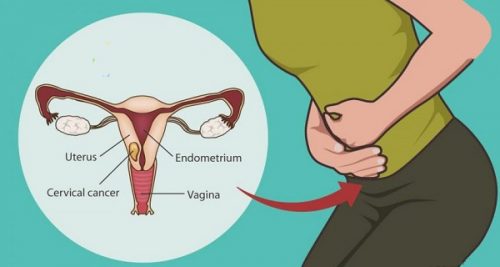
HPV and Cervical Cancer: Understanding the Link
Human papillomavirus (HPV) is the cause of virtually every case of cervical cancer in the world. This relationship — confirmed through decades of epidemiological research and molecular biology — has transformed cervical cancer from a mysterious disease into one of the most scientifically well-understood and preventable cancers in existence. Identifying HPV as the causative agent of cervical cancer opened the door to two powerful prevention strategies: HPV vaccination, which prevents initial infection, and HPV-based cervical cancer screening, which detects persistent infections before they progress to cancer.
Harald zur Hausen, the German virologist who first identified the link between HPV and cervical cancer in the 1970s and 1980s, was awarded the Nobel Prize in Physiology or Medicine in 2008 for this work. His discovery fundamentally changed our understanding of how a sexually transmitted virus could cause cancer and set the stage for the development of the first vaccines designed specifically to prevent cancer by preventing a viral infection.
Understanding how HPV causes cervical cancer — and why the process is slow, predictable, and interceptable — provides the scientific foundation for understanding why cervical cancer screening is so effective and why HPV vaccination is among the most impactful public health interventions available for cancer prevention.
How HPV Infects Cervical Cells
HPV is a small, non-enveloped double-stranded DNA virus that infects epithelial cells — the surface cells lining skin and mucous membranes throughout the body. Genital HPV infection occurs through skin-to-skin or mucosa-to-mucosa contact during sexual activity, including vaginal, anal, and oral sex. The virus enters basal epithelial cells (the deepest layer of the cervical epithelium) through micro-abrasions in the surface tissue that expose the basal cell layer to viral particles.
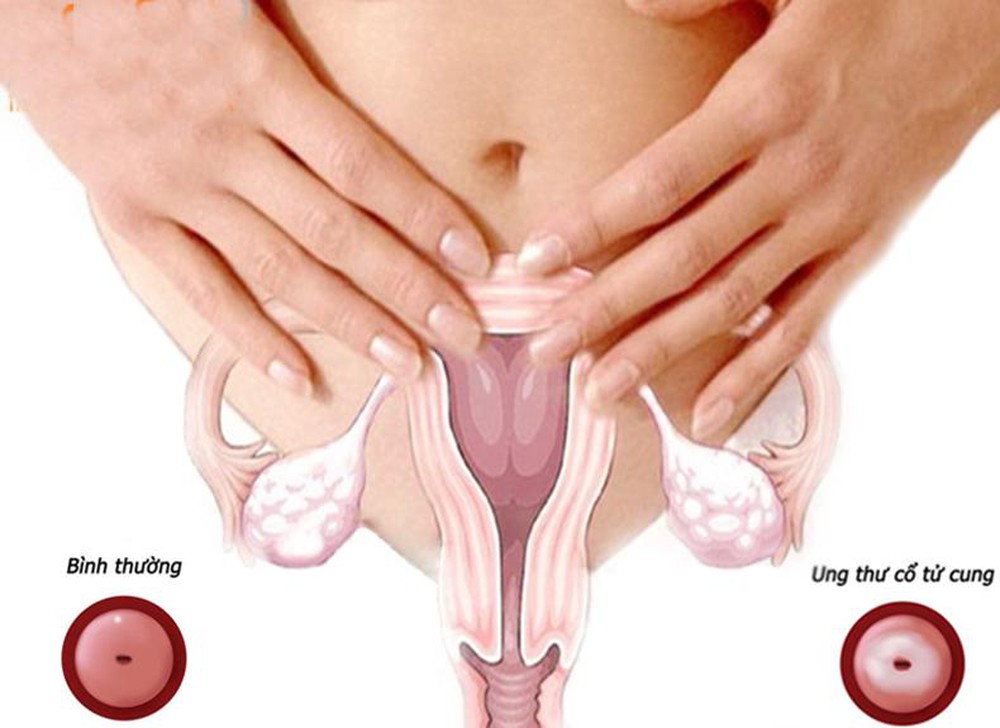
The cervical site most vulnerable to HPV infection is the transformation zone (also called the squamocolumnar junction), the area where the columnar glandular cells lining the endocervical canal meet the squamous cells covering the outer cervix (ectocervix). In this transition zone, cells are actively dividing and differentiating — properties that make them particularly susceptible to HPV infection and to the molecular disruptions that HPV oncoproteins cause. The transformation zone is also the primary location where cervical pre-cancerous changes (cervical intraepithelial neoplasia, or CIN) develop, and where the majority of invasive cervical cancers originate.
After entering basal epithelial cells, HPV maintains itself as a circular episomal (extrachromosomal) plasmid that replicates along with the host cell’s DNA. In most infections, the virus remains episomal and is cleared by the immune system as infected cells differentiate and mature to the surface of the epithelium, where they are shed. In a minority of persistent infections, the HPV genome integrates into the host cell’s chromosomal DNA — an event that disrupts normal viral gene regulation and unleashes the full oncogenic potential of the viral oncoproteins E6 and E7.
The Role of HPV Oncoproteins E6 and E7
The carcinogenic mechanism of high-risk HPV types centers on two viral proteins: E6 and E7. These oncoproteins interfere with the cell’s fundamental tumor suppressor mechanisms, removing the normal brakes on cell division and allowing abnormal cells to proliferate unchecked.
HPV E6 oncoprotein: The E6 protein of high-risk HPV strains binds to and accelerates the degradation of p53, one of the most important tumor suppressor proteins in human cells. p53 is often called the “guardian of the genome” because it responds to DNA damage by halting the cell cycle to allow DNA repair or, if repair is impossible, triggering apoptosis (programmed cell death). By degrading p53, high-risk HPV E6 eliminates this critical quality-control checkpoint — allowing cells with damaged DNA to continue dividing rather than dying. Mutations accumulate in these cells over time, progressively driving them toward malignancy. (Note: low-risk HPV types such as HPV 6 and 11 also express an E6 protein, but it does not degrade p53, which is why low-risk types do not cause cancer.)
HPV E7 oncoprotein: The E7 protein binds to and inactivates the retinoblastoma protein (Rb), another critical tumor suppressor. Rb normally restrains cell division by inhibiting the E2F family of transcription factors that drive cell cycle progression. When E7 binds Rb, it releases E2F, pushing cells into continuous proliferation. Additionally, E7-expressing cells upregulate p16 (CDKN2A), a cell cycle inhibitor that normally responds to Rb inactivation by trying to compensate — which is why p16 immunostaining is used as a biomarker to identify cells in which HPV E7 is functionally active. High p16 expression in cervical biopsy specimens is a marker of clinically significant HPV-driven CIN.
Together, E6-mediated p53 degradation and E7-mediated Rb inactivation create a cellular environment in which normal mechanisms for detecting and correcting DNA damage are disabled, cells proliferate continuously, and mutations accumulate with each cell division. This multi-hit carcinogenic process explains why the timeline from initial HPV infection to invasive cervical cancer spans years to decades — multiple genetic events are required — and why the immune system can clear most infections before this cascade progresses.
Most HPV infections do not cause cancer. Approximately 90% of all HPV infections — including infections with high-risk types — are cleared by the immune system within one to two years without causing lasting cellular changes. Cancer risk arises from the small fraction of infections that persist for years and progress through the pre-cancerous stages. Understanding this helps contextualize a positive HPV test result: it identifies a viral infection that requires monitoring, not a cancer diagnosis.
Which HPV Types Cause Cervical Cancer
The International Agency for Research on Cancer (IARC) classifies 12 HPV types as definite (Group 1) human carcinogens for cervical cancer: HPV 16, 18, 31, 33, 45, 52, 58, 35, 39, 51, 56, and 59. Two additional types — HPV 66 and 68 — are classified as probably carcinogenic (Group 2A). Together, these 14 types are targeted by FDA-approved cervical HPV tests used in clinical practice.
The risk distribution is not uniform across these 14 types:
- HPV 16: The most oncogenic HPV type, responsible for approximately 50–60% of all cervical squamous cell carcinomas. HPV 16 is also the predominant HPV type in oropharyngeal (throat) cancer, anal cancer, and other HPV-related malignancies. A woman with a persistent HPV 16 infection has a substantially higher risk of developing CIN 3 and invasive cancer than a woman with persistent infection from most other high-risk types.
- HPV 18: Responsible for approximately 10–15% of cervical cancers, but disproportionately associated with cervical adenocarcinoma — the glandular cell cancer that originates in the endocervical canal. Adenocarcinoma is more difficult to detect by Pap smear cytology than squamous cell carcinoma, which partly explains why adenocarcinoma incidence has not declined as dramatically as squamous cell carcinoma incidence over the past several decades despite widespread Pap screening.
- HPV 45: The third most common high-risk type in cervical cancers, accounting for approximately 5–8% of cases. Like HPV 18, HPV 45 is disproportionately associated with adenocarcinoma.
- HPV 31, 33, 52, 58: Together account for most of the remaining ~30% of cervical cancers not attributable to HPV 16, 18, or 45. All are targeted by the 9-valent HPV vaccine (Gardasil 9).
The Natural History: From HPV Infection to Cervical Cancer
The progression from initial HPV infection to invasive cervical cancer, when it occurs, follows a predictable multi-stage pathway that typically unfolds over 10 to 15 years — a timeline that is central to understanding why cervical cancer screening is so effective at preventing cancer deaths.
Stage 1 — Initial HPV infection: HPV infects basal epithelial cells of the transformation zone during sexual activity. Most women have no symptoms and are unaware of the infection. The immune system mounts a response; in ~90% of women, the infection is cleared within 1–2 years. A small proportion of infections — particularly those with HPV 16, which has immune evasion mechanisms more potent than other high-risk types — persist.
Stage 2 — Productive infection / low-grade intraepithelial lesion: In women with persistent infection, HPV replication in superficial cells produces visible cytological changes. These are classified as CIN 1 (cervical intraepithelial neoplasia, grade 1) histologically, or as LSIL (low-grade squamous intraepithelial lesion) on cytology. CIN 1 is considered a manifestation of active HPV infection rather than true pre-cancer — approximately 60% of CIN 1 lesions regress spontaneously, 30% persist, and only 10% progress to higher-grade disease.
Stage 3 — Pre-cancer (CIN 2 and CIN 3): In women whose infection does not clear and whose cellular changes progress, higher-grade pre-cancerous lesions develop. CIN 2 represents a transitional lesion — approximately 40% regress, 40% persist, and 20% progress to CIN 3 or cancer. CIN 3 (also called carcinoma in situ or cervical high-grade squamous intraepithelial lesion, or cHSIL) is the true precursor of invasive cervical cancer. Without treatment, approximately 30–50% of CIN 3 lesions progress to invasive cancer over 10–30 years. CIN 3 is the primary target of cervical cancer screening — treating CIN 3 effectively prevents the development of invasive cervical cancer.
Stage 4 — Invasive cervical cancer: When CIN 3 progresses, cancer cells invade through the basement membrane into the cervical stroma, becoming invasive cervical cancer. Early invasive cancer (Stage IA) may be asymptomatic and detectable only through biopsy. More advanced invasive cancer typically causes cervical cancer symptoms including abnormal vaginal bleeding (particularly post-coital bleeding), abnormal vaginal discharge, and pelvic pain.
This slow, multi-step progression — typically spanning 10 to 15 years from initial persistent infection to invasive cancer — is precisely what makes cervical cancer screening effective: there are multiple time points over more than a decade during which an HPV test or Pap smear can detect abnormality and trigger intervention to prevent cancer.
Risk Factors for HPV Persistence and Progression
Since most HPV infections clear spontaneously, understanding which factors increase the risk of persistence — and therefore cancer risk — helps identify women who may benefit from more vigilant screening or risk reduction.
- HPV genotype: HPV 16 is more likely than other high-risk types to persist and progress to CIN 3 and cancer. A woman with persistent HPV 16 infection has a substantially higher 5-year risk of CIN 3+ than a woman with persistent other-HR-HPV infection.
- Immunosuppression: Women with HIV infection, organ transplant recipients, and women on chronic immunosuppressive medications have impaired cellular immunity that reduces the ability to clear HPV. These groups have higher rates of HPV persistence, faster progression to CIN 2/3, and higher lifetime cervical cancer risk — which is why they require more intensive cervical cancer screening.
- Cigarette smoking: Smoking is a well-established cofactor in cervical carcinogenesis. Tobacco carcinogens are found in the cervical mucus of smokers and appear to directly damage cervical epithelial cell DNA. Smoking also impairs local immune surveillance, reducing the ability of Langerhans cells (local antigen-presenting cells) to identify and eliminate HPV-infected cells. Smokers have approximately twice the risk of cervical cancer compared to non-smokers with comparable HPV exposure.
- High parity: Having multiple full-term pregnancies is associated with increased cervical cancer risk, possibly due to hormonal effects on the transformation zone (which is more exposed during pregnancy) and the immunological alterations of pregnancy.
- Long-term oral contraceptive use: Women who have used oral contraceptives for 5 or more years have a modestly increased cervical cancer risk. The mechanism may involve hormonal effects on the cervical transformation zone or on HPV gene expression. Risk declines after stopping oral contraceptives.
- Chlamydia infection: A history of chlamydial infection has been associated with elevated cervical cancer risk in epidemiological studies, possibly due to cervical inflammation that facilitates HPV persistence.
Two Main Types of Cervical Cancer
Squamous cell carcinoma (SCC): The most common type, accounting for approximately 70% of cervical cancers. SCC originates from the squamous cells of the ectocervix and transformation zone. HPV 16 is the predominant type associated with SCC. Squamous cell carcinomas develop from high-grade squamous intraepithelial lesions (HSIL / CIN 3) and are effectively detected by both Pap smear cytology and HPV testing.
Adenocarcinoma: Accounting for approximately 20–25% of cervical cancers, adenocarcinoma originates from glandular cells of the endocervical canal. HPV 18 and HPV 45 are particularly associated with adenocarcinoma. Importantly, adenocarcinoma is more difficult to detect by conventional Pap smear because the glandular cells deep in the endocervical canal are less reliably sampled during routine cervical cytology. This is one reason the ACS now recommends primary HPV testing — which detects both HPV 16 and HPV 18 — as the preferred screening approach, and why adenocarcinoma incidence has declined less dramatically than squamous cell carcinoma since the introduction of Pap screening.
Preventing HPV-Related Cervical Cancer: A Two-Strategy Approach
The near-total causal relationship between HPV and cervical cancer means that preventing HPV infection or detecting and treating its consequences is a highly effective strategy for eliminating cervical cancer. The two main prevention strategies work at different stages of the HPV-to-cancer pathway:
HPV vaccination (primary prevention): By preventing initial HPV infection with the most oncogenic viral types, HPV vaccination prevents the entire cascade from infection through pre-cancer to cancer. The 9-valent HPV vaccine (Gardasil 9) covers HPV types 16, 18, 31, 33, 45, 52, and 58 — types collectively responsible for approximately 90% of HPV-related cervical cancers. Vaccination is most effective when given before first sexual exposure to HPV (ideally at ages 9–12, with catch-up vaccination through age 26). Countries that have achieved high vaccination rates — including Australia, the United Kingdom, and Scandinavian countries — have begun to observe dramatic declines in CIN 2/3 and even early invasive cervical cancer incidence in vaccinated cohorts.
Cervical cancer screening (secondary prevention): Screening through HPV testing, Pap smear cytology, or co-testing detects either the virus itself or the pre-cancerous cellular changes it causes, enabling treatment before invasive cancer develops. Because HPV-to-cancer progression takes 10–15 years and passes through multiple detectable pre-cancerous stages (CIN 1, CIN 2, CIN 3), regular screening provides multiple opportunities to detect and intervene at curable stages. The combination of high-sensitivity HPV testing with periodic Pap smear or colposcopy surveillance after abnormal results forms the backbone of modern cervical cancer prevention programs. See our guide to cervical cancer screening for a detailed explanation of recommended screening approaches and intervals.
Together, these two strategies — vaccination to prevent new HPV infections and screening to detect and treat pre-cancerous changes in those already infected — have the potential to eliminate cervical cancer as a public health problem. The World Health Organization’s 2020 Global Strategy to Accelerate the Elimination of Cervical Cancer sets targets of 90% HPV vaccination coverage, 70% cervical cancer screening coverage, and 90% of women with cervical disease receiving treatment, with the goal of reducing cervical cancer incidence below 4 per 100,000 women in all countries.
Frequently Asked Questions
If I have HPV, will I definitely get cervical cancer?
No. The great majority of HPV infections — even infections with high-risk types that cause cervical cancer — clear on their own within one to two years without causing pre-cancerous changes. Only a small fraction of women with high-risk HPV infection develop CIN 2 or CIN 3, and only a fraction of those develop invasive cancer. Regular screening ensures that if pre-cancerous changes do develop, they are detected and treated before cancer occurs.
Can HPV be transmitted without sexual intercourse?
Yes, though it is less common. HPV is primarily transmitted through skin-to-skin genital contact during sexual activity, including activities that do not involve penetration. Non-sexual transmission of genital HPV (such as through sharing towels or from a mother to infant during childbirth) is rare. Condoms significantly reduce (but do not eliminate) the risk of HPV transmission because they do not cover all areas of potentially infected genital skin.
Can men be tested for HPV?
There is no FDA-approved HPV test for men recommended for routine cancer screening. While HPV causes anal, oropharyngeal, and penile cancers in men, no validated screening test has been shown to reduce cancer mortality in the general male population. Men can protect themselves against HPV-related cancers through HPV vaccination, which is recommended through age 26 for all men, and through age 45 for some men who may not have been vaccinated at younger ages in consultation with their healthcare provider.
Does having a normal Pap smear mean I do not have HPV?
No. A normal Pap smear (NILM result) means that no abnormal cells were detected in the cervical sample — but it does not test for HPV directly. A woman can have a normal Pap smear result and still have an HPV infection that has not yet caused visible cellular changes. For this reason, co-testing (HPV test plus Pap smear) or primary HPV testing is more sensitive than Pap smear alone, and the ACS now recommends primary HPV testing as the preferred cervical cancer screening approach starting at age 25. Learn more about the Pap smear and how it differs from HPV testing.
Sources
- Walboomers JM, et al. Human papillomavirus is a necessary cause of invasive cervical cancer worldwide. J Pathol. 1999;189(1):12–19.
- World Health Organization. Human Papillomavirus (HPV) and Cervical Cancer. WHO Fact Sheet.
- National Cancer Institute. Cervical Cancer Screening.
- American Cancer Society. What Causes Cervical Cancer?
- Centers for Disease Control and Prevention. Human Papillomavirus (HPV).
Cervical cancer is one of the few cancers for which we know the primary cause, have a vaccine to prevent that cause, and have screening tests to detect its consequences before cancer develops. Used together — HPV vaccination in adolescence and regular cervical cancer screening in adulthood — these strategies can prevent the overwhelming majority of cervical cancer cases. For women who have already been exposed to HPV or who were not vaccinated as adolescents, cervical screening through the HPV test, Pap smear, or co-testing remains the primary tool for preventing cervical cancer deaths by detecting pre-cancerous changes when they are still highly treatable.
Came across this while researching hpv and cervical cancer: how the for a family member. What I liked most was that the article didn’t just say what to avoid — it also gave alternatives. I wish I had found this article when I was first diagnosed — would have saved a lot of confusion.
I shared this article on hpv and cervical cancer: how the with my doctor and they appreciated the level of detail. The practical tips at the end made this immediately actionable, not just theoretical. Will definitely be coming back to this site for more health information.
My cardiologist recommended I look into hpv and cervical cancer: how the and this article covered it perfectly. I especially valued the explanation of why these recommendations exist, not just what they are. Forwarding this to others in my support group who are dealing with similar issues.
This breakdown of hpv and cervical cancer: how the is exactly what patients need before a specialist appointment. I appreciate that the article is careful about distinguishing between what is known and what is still being researched. Keep up this kind of thorough health journalism — it genuinely helps patients like me.
Bookmarked this article on hpv and cervical cancer: how the immediately — going to reference it regularly. What I liked most was that the article didn’t just say what to avoid — it also gave alternatives. Thank you for making complex medical information accessible without dumbing it down.
Bookmarked this article on hpv and cervical cancer: how the immediately — going to reference it regularly. The section on managing this condition day-to-day was especially useful for planning. Shared this with three friends who are dealing with related issues. Very useful resource.