
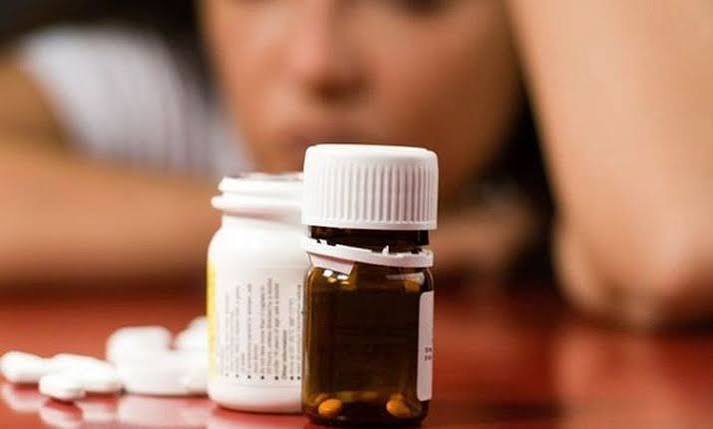
One of the most dangerous decisions a cardiac patient can make is to stop a heart medication on their own — without consulting their prescriber. Whether motivated by side effects, cost concerns, feeling better and wondering if the drug is still needed, or simply forgetting and running out, abruptly discontinuing cardiovascular medications is a leading cause of preventable cardiac emergencies worldwide. The reason you should not stop heart medication suddenly is not abstract: each major class of cardiac drug produces specific physiological adaptations that, when the drug is withdrawn abruptly, trigger dangerous rebound reactions that can cause heart attacks, strokes, severe arrhythmias, and acute heart failure decompensation within hours to days.
Why Heart Medications Cannot Simply Be Stopped
Many patients operate under the intuition that taking a medication is an addition to their physiology, and stopping it simply returns their body to baseline. For most cardiac medications, this intuition is wrong in a clinically important way. The cardiovascular system adapts to the presence of the drug over weeks of treatment — receptor numbers and sensitivity change, hormonal pathways upregulate or downregulate in response, and the heart and vasculature develop a new equilibrium that depends on the drug being present. When the drug is suddenly removed, the body is left with these drug-induced adaptations but without the drug’s counterbalancing effect — producing an overshoot in the opposite direction that is often worse than the original untreated disease.
This is distinct from dependence or addiction. It is a normal pharmacological phenomenon called physiological withdrawal or rebound, and it occurs with many cardiovascular drug classes regardless of how the patient feels subjectively. A patient who feels entirely well on their beta blocker has no way of knowing that the adrenergic system has upregulated in response to beta blockade — until the beta blocker is stopped and the now-supersensitive adrenergic system triggers a dangerous rebound.
Beta Blockers: The Rebound Danger
Beta blocker withdrawal syndrome is one of the best-documented rebound phenomena in cardiovascular medicine. During beta blocker therapy, beta-adrenergic receptors in the heart and vasculature increase in number (upregulate) as a compensatory response to chronic receptor blockade. When the beta blocker is stopped abruptly, these upregulated receptors are suddenly exposed to normal circulating catecholamines (adrenaline and noradrenaline), producing a hypersensitized response: reflex tachycardia (often dramatic — heart rates jumping to 110 to 130 bpm within 24 to 48 hours), hypertension, increased myocardial oxygen demand, and in patients with coronary artery disease, severe angina exacerbation or frank myocardial infarction.
Multiple case reports and clinical studies have documented myocardial infarctions occurring within 24 to 72 hours of abrupt beta blocker discontinuation, particularly in patients with established coronary disease or known angina. The ACC/AHA guidelines explicitly state that beta blockers should never be discontinued abruptly in patients with coronary artery disease or heart failure — they should be tapered over at least one to two weeks, with dose reductions of approximately 50% every one to two weeks. During the taper, patients should monitor their resting heart rate and blood pressure, limit physical exertion, and have a plan to contact their prescriber immediately if angina worsens.
Statins: The Statin Holiday Risk
Patients who stop their statin — whether intentionally (due to muscle aches, concern about side effects, or feeling “healthy enough”) or unintentionally (running out, changing pharmacy) — do not simply return to their pre-treatment cholesterol level gradually. Instead, they may experience a rapid rebound in both LDL cholesterol and arterial inflammation that exceeds their pre-treatment baseline. Within one to two weeks of statin discontinuation, LDL levels begin rising and markers of vascular inflammation (high-sensitivity CRP, adhesion molecules) increase — reflecting the withdrawal of statins’ anti-inflammatory pleiotropic effects on the arterial wall.
In patients who have recently had an acute coronary syndrome (heart attack or unstable angina), statin discontinuation is associated with dramatically worse outcomes. Studies of patients hospitalized for acute coronary syndrome who had their statin stopped in-hospital found that in-hospital mortality was substantially higher than in matched patients who continued their statin. The biological explanation is that statins stabilize atherosclerotic plaques through anti-inflammatory and endothelial-protective effects independent of their LDL lowering — withdrawal of these effects can destabilize previously stable plaques, increasing the risk of a new coronary event. This is why statins are considered a medication that should essentially never be stopped in patients with established cardiovascular disease without a very compelling clinical reason and a physician’s explicit decision.
Anticoagulants: Stroke Risk Surges Within Days
In patients with atrial fibrillation, the risk of stroke without anticoagulation depends on the CHA2DS2-VASc score — patients with scores of 2 or above have a significant annual stroke risk that anticoagulants are prescribed to prevent. When anticoagulants (warfarin, apixaban, rivaroxaban, dabigatran) are stopped abruptly, the blood returns to its baseline hypercoagulable state within 24 to 72 hours (for direct oral anticoagulants, whose half-lives are 12 to 24 hours) to a few days (for warfarin, which takes 3 to 5 days to clear). In high-risk patients, this brief anticoagulant-free period is sufficient to allow thrombus formation in the left atrial appendage — the primary source of cardioembolic stroke in AF. Multiple registries of AF patients have documented that stokes occur disproportionately in patients who recently stopped their anticoagulant, confirming that even short-term gaps in therapy create meaningful risk.

Heart Failure Medications: Decompensation Within Days
In patients with heart failure with reduced ejection fraction (HFrEF), the neurohormonal systems suppressed by their medications — primarily the renin-angiotensin-aldosterone system (suppressed by ACE inhibitors, ARBs, and mineralocorticoid antagonists) and the sympathetic nervous system (suppressed by beta blockers) — reactivate rapidly when the drugs are withdrawn. This reactivation accelerates cardiac remodeling, increases vascular resistance and afterload on the failing heart, promotes sodium and water retention through aldosterone, and triggers the progressive hemodynamic deterioration that characterizes decompensated heart failure. In patients with advanced HFrEF (ejection fraction below 25-30%), stopping multiple heart failure medications simultaneously can precipitate acute pulmonary edema and cardiogenic shock within 24 to 72 hours.
Even in patients with milder HFrEF, stopping loop diuretics abruptly without medical supervision allows fluid to reaccumulate rapidly — the same volume load that the diuretic has been continuously removing. Patients can gain several liters of fluid and develop significant breathlessness within 2 to 3 days of stopping their diuretic. This is why the dose of loop diuretics should be titrated to the lowest effective dose rather than stopped abruptly, and why any planned reduction in heart failure medication should occur gradually with close monitoring of weight, symptoms, and, when possible, repeat echocardiographic assessment.
The Right Way to Consider Stopping a Heart Medication
If you are considering stopping a heart medication — because of side effects, cost, a new symptom you think may be drug-related, or because you feel better and wonder if you still need it — the correct approach is to raise the concern directly with your prescriber, not to stop the medication on your own. Your prescriber can: assess whether the side effect is drug-related or coincidental; switch to an alternative drug in the same class (e.g., switching from an ACE inhibitor causing cough to an ARB); arrange a tapering schedule and monitoring plan for medications that cannot be stopped abruptly; evaluate whether your current disease state still requires all your current medications (deprescribing review); and address cost barriers by prescribing a generic equivalent or initiating a patient assistance program.
If you accidentally miss one or two doses of a heart medication — running out before refilling, forgetting to take a dose — the appropriate action for most medications is to restart at the next scheduled dose time (not to double-dose to compensate). For beta blockers in particular, if you have missed more than two or three consecutive doses, do not restart the full dose immediately — contact your prescriber, as a brief taper back to full dose may be advisable to avoid rebound effects in reverse. For anticoagulants, if you have missed doses, contact your care team promptly, particularly if you are taking warfarin (which may require an INR check) or if you missed more than one dose of a DOAC in a high-risk AF patient.
Sources: ACC/AHA Beta Blocker Withdrawal Guidelines; ESC Heart Failure Guidelines (2021); AHA Statin Discontinuation Risk Evidence; FDA Anticoagulant Discontinuation Guidance; Journal of the American College of Cardiology polypharmacy data.
Long-Acting Nitrates: Tolerance and Withdrawal
Long-acting nitrates — isosorbide mononitrate, isosorbide dinitrate, and nitroglycerin patches — are prescribed for chronic angina management in patients with coronary artery disease who have ongoing chest pain symptoms despite beta blockers and calcium channel blockers. Like beta blockers, long-acting nitrates should not be stopped abruptly, though for a different reason: the primary concern is not receptor rebound but rather the phenomenon of nitrate tolerance and the vasospasm that can occur when nitrates are withdrawn from a coronary vascular system that has adapted to their continuous presence.
Nitrate tolerance — the progressive loss of effectiveness with continuous exposure — is managed by prescribing nitrates with an 8 to 12 hour nitrate-free window each day. For isosorbide mononitrate, this means taking the last dose no later than mid-afternoon; for transdermal nitroglycerin patches, removing the patch at bedtime and applying a new one in the morning. When nitrates are stopped entirely without tapering, particularly in patients with significant coronary artery disease, some patients experience angina on exertion or even at rest in the first few days — a withdrawal-associated increase in anginal threshold reduction that can be clinically significant. This is less well-documented than beta blocker rebound but is recognized in clinical practice, and nitrate dosing changes should be made with prescriber guidance.
ACE Inhibitors and ARBs: The Fluid Retention Rebound
ACE inhibitors and ARBs act on the renin-angiotensin-aldosterone system to suppress angiotensin II production or action. Angiotensin II promotes vasoconstriction and aldosterone release (which drives sodium and water retention). When these drugs are stopped, angiotensin II activity rebounds, causing vasoconstriction (blood pressure rises), sodium retention (fluid accumulates), and in heart failure patients, worsening of the neurohormonal activation that drives disease progression. The rebound is not as dramatic or as rapidly life-threatening as beta blocker rebound in coronary disease, but in patients with severe heart failure or poorly controlled hypertension, blood pressure spikes within a few days of stopping can be substantial and require urgent re-treatment.
ACE inhibitors are also the drugs most commonly stopped by patients themselves due to the side effect of persistent dry cough — which occurs in 10 to 20% of patients taking ACE inhibitors and is caused by the accumulation of bradykinin (a peptide that ACE normally degrades). This is a legitimate reason to stop an ACE inhibitor, but the correct response is not to simply discontinue without discussion: ACE inhibitor cough does not occur with ARBs, which block the angiotensin receptor without affecting bradykinin metabolism. Switching from an ACE inhibitor to an ARB (e.g., from lisinopril to losartan) achieves the same cardiovascular benefit without the cough — and this switch should be made under physician supervision, not by stopping the ACE inhibitor unilaterally and hoping the underlying condition resolves on its own.
What to Do If You Have Already Stopped
If you have already stopped a heart medication suddenly — for whatever reason — the most important thing is not to restart the medication without telling your prescriber, and not to ignore the situation. The specific action depends on which medication was stopped and how long ago:
- Beta blockers stopped within the past 24 to 48 hours: Contact your prescriber immediately. Do not restart the full dose on your own — your prescriber may want to restart at a lower dose and taper back up, or may want to see you first to assess blood pressure and heart rate. If you develop chest pain, call emergency services.
- Anticoagulants (warfarin or DOAC) stopped for more than 24 hours: Contact your prescriber or cardiologist urgently, particularly if you have atrial fibrillation with a high stroke risk score. For warfarin, an INR check may be needed before restarting if you are also taking other medications that affect INR.
- Statins stopped for days to weeks: Restart your statin as soon as possible — missing a week of statins is less dangerous than abrupt beta blocker withdrawal, but restarting promptly in post-ACS patients is important. Inform your prescriber so they know there was a gap.
- Heart failure medications stopped for more than 2 to 3 days: Contact your care team. They will want to assess your current fluid status (weight, symptoms of breathlessness) before deciding how to restart and in what sequence. Do not restart all medications simultaneously without guidance, as the hemodynamic effects of multiple drugs resuming at once can cause blood pressure drops.
- All other cardiac medications: Contact your prescriber before restarting. For most medications — calcium channel blockers, thiazide diuretics, nitrates — restarting the regular dose is generally safe, but your prescriber should know there was a gap and may want to check specific parameters (blood pressure, electrolytes) before resuming.
Common Reasons Patients Stop Medications and Better Alternatives
“I feel well — I don’t think I need it anymore.” This is the most common misconception about cardiac medications. Feeling well is the medication working. The underlying disease — hypertension, atherosclerosis, heart failure, atrial fibrillation — does not go away; it is being managed by the medication. Stopping because you feel well is equivalent to stopping taking insulin because blood sugar is well-controlled: the feeling of wellness is the medication’s success, not evidence that the medication is no longer needed. The appropriate question is not “Do I feel well enough to stop?” but “What happens to my disease if I stop this drug?” — and that question requires a physician to answer.
“I’m having side effects.” Side effects are the most legitimate reason to contact your prescriber about a medication. But the solution is almost never simply stopping — it is switching to an alternative in the same class (cough from ACE inhibitor: switch to ARB; leg swelling from amlodipine: switch to diltiazem; muscle aches from simvastatin: switch to rosuvastatin at a lower dose or try a different statin). Stopping without an alternative leaves the underlying cardiovascular condition unmanaged while your prescriber is unaware that there is a problem.
“I can’t afford it.” Cost is a real and significant barrier to cardiac medication adherence, and one that prescribers can often help address. Most essential cardiac medications — ACE inhibitors, ARBs, beta blockers, thiazide diuretics, and generic statins — are available for under $10 to $15 per month as generics. If cost is the reason for stopping a medication, the prescriber should be told so they can prescribe a generic equivalent, check whether a patient assistance program is available through the manufacturer, or identify the most essential drugs to continue if the full regimen is financially impossible to maintain.
“I forgot to refill.” Running out of a medication is an adherence problem that a pill organizer, pharmacy auto-refill programs, and 90-day prescriptions can all prevent. If you are approaching the end of a supply, refill the prescription before you run out — most pharmacies can dispense a small emergency supply to bridge a gap while a prescription is renewed. For warfarin, running out on a Friday afternoon without a prescription refill is a safety situation that warrants contacting the prescriber for an emergency refill or bridge.
Related Topics on Horizon Health Guide
- Medication Safety for Heart Patients — comprehensive guide to drug interactions, over-the-counter medication risks, polypharmacy management, and building safe medication routines
- Beta Blockers: A Simple Patient Guide — how beta blockers work, why gradual titration matters in heart failure, and the specific rebound risks of abrupt discontinuation in coronary disease
- Blood Thinners: Why They Are Used — anticoagulant and antiplatelet drugs that carry high thromboembolic risk when stopped suddenly, with guidance on managing therapy around surgery and illness
- Common Heart Medications Explained — overview of all eight cardiovascular drug classes including statins, beta blockers, ACE inhibitors, and diuretics with their mechanisms and evidence
- Cholesterol Medications: What Adults Should Know — statin evidence, side effects, and what happens to cardiovascular risk when statin therapy is discontinued in patients with established disease
Clinical References and Further Reading
- Medication Non-adherence in Cardiovascular Disease — NEJM 2012: comprehensive review linking non-adherence to beta blockers, statins, and anticoagulants with significantly higher cardiovascular event rates and mortality
- Statin Discontinuation Post-ACS — JAMA Internal Medicine 2014: analysis of 5-year outcomes in post-ACS patients who stopped versus continued their statin — statin discontinuation associated with significantly higher re-infarction and cardiovascular mortality
- COMPASS Trial — Lancet 2017: antiplatelet and anticoagulant therapy continuation in stable cardiovascular disease — the importance of consistent adherence to antithrombotic regimens for cardiovascular event prevention
The Bigger Picture: Medication Continuity as a Life Skill
Living with heart disease means living with long-term medication therapy — often for decades. The evidence is unambiguous: consistent, uninterrupted adherence to evidence-based cardiovascular medications is one of the most powerful determinants of long-term survival and quality of life in cardiac patients. The drugs work when taken. They stop working — and sometimes trigger dangerous rebound — when stopped. Understanding not just what your medications do, but what happens when you stop them, is a fundamental component of cardiac patient education that protects you from one of the most preventable forms of cardiovascular harm. If a medication seems unnecessary, unaffordable, or too burdensome in its side effects, the answer is always the same: talk to your prescriber, not the internet, and not the medication bottle’s trash can.
This is one of the clearest explanations of why you should not stop heart I have found. What I liked most was that the article didn’t just say what to avoid — it also gave alternatives. Thank you for making complex medical information accessible without dumbing it down.
This is one of the clearest explanations of why you should not stop heart I have found. What I liked most was that the article didn’t just say what to avoid — it also gave alternatives. This gave me real confidence going into my next specialist appointment.
I never fully understood why you should not stop heart until I read this. I especially valued the explanation of why these recommendations exist, not just what they are. Looking forward to reading more articles from this website.