
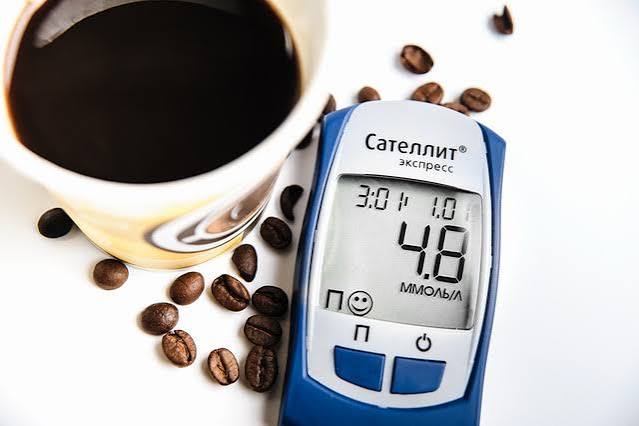
The relationship between coffee and blood sugar is one of the most paradoxical and extensively researched in nutritional epidemiology — habitual coffee consumption is associated with significantly lower Type 2 diabetes risk in large prospective cohort studies, yet acute coffee intake (particularly caffeinated coffee consumed before or with meals) transiently raises blood glucose in adults with established Type 2 diabetes. This apparent contradiction resolves when the mechanisms are understood: coffee’s chlorogenic acids and other polyphenols provide long-term benefits to insulin sensitivity and hepatic glucose metabolism that accumulate over weeks and months of regular consumption, while caffeine’s acute effect on cortisol and adrenaline produces short-term glucose elevation that may temporarily worsen postprandial glucose in people with already-compromised insulin secretion. Understanding which aspects of the coffee and blood sugar relationship apply to long-term diabetes prevention versus acute blood glucose management in people with existing diabetes — and how coffee preparation and additions affect both — allows adults to make informed decisions about coffee consumption that are consistent with their specific metabolic situation and blood glucose management goals. The epidemiological evidence is striking: a meta-analysis of 28 prospective studies found that habitual coffee consumption was associated with 25–30% lower Type 2 diabetes risk at 3–4 cups per day, with both caffeinated and decaffeinated coffee showing significant protective associations — suggesting that caffeine is not the primary mechanism behind coffee’s diabetes prevention benefit and that coffee’s polyphenol content is driving the long-term protective effect.
A meta-analysis of 28 prospective cohort studies including over 1 million adults found that each additional cup of coffee consumed daily was associated with a 6% lower risk of Type 2 diabetes, with both caffeinated and decaffeinated coffee providing independent benefit. Adults consuming 6 or more cups daily had approximately 33% lower diabetes risk compared to non-coffee drinkers, though this level of consumption is generally not recommended due to other health considerations.
How Coffee Reduces Long-Term Diabetes Risk: The Chlorogenic Acid Mechanism
The primary mechanism behind the coffee and blood sugar protective association is well-characterized at the molecular level — coffee is the single largest dietary source of chlorogenic acids in Western diets, and these polyphenols have multiple complementary mechanisms that improve insulin sensitivity and reduce glucose metabolism dysfunction:
- Hepatic glucose-6-phosphatase inhibition: Chlorogenic acids inhibit glucose-6-phosphatase — the enzyme that catalyzes the final step of hepatic glucose production (gluconeogenesis and glycogenolysis). Reduced hepatic glucose production is one of the primary mechanisms targeted by metformin (the most widely prescribed diabetes medication), and coffee’s chlorogenic acids produce a pharmacologically similar effect through direct enzyme inhibition. This hepatic glucose production reduction explains why regular coffee consumption reduces fasting glucose as well as postprandial glucose — by limiting the liver’s contribution to blood glucose independent of the meal’s glycemic load.
- GLUT4 upregulation and improved peripheral glucose uptake: Chlorogenic acids activate AMPK — the same cellular energy sensor activated by exercise and metformin — in skeletal muscle cells. AMPK activation increases GLUT4 glucose transporter expression and membrane localization, improving insulin-independent glucose uptake in muscle tissue. This peripheral glucose uptake improvement is the same mechanism targeted by exercise for blood sugar management, making coffee a beverage that provides a modest pharmacological analog of exercise’s muscle glucose uptake benefit through its chlorogenic acid content.
- Gut microbiome modification: Coffee is a significant prebiotic food — its polyphenols reach the colon largely intact (due to low absorption in the small intestine) and are fermented by gut bacteria, selectively supporting the growth of beneficial bacterial populations including Bifidobacterium species associated with improved insulin sensitivity. Regular coffee consumption consistently modifies gut microbiome composition in ways associated with better metabolic outcomes in observational studies — an effect likely contributing to the long-term diabetes risk reduction beyond the direct chlorogenic acid mechanisms.
- Magnesium content: Coffee provides meaningful magnesium (approximately 7mg per 8oz cup), and habitual coffee drinkers consuming 4–6 cups daily receive 28–42mg of magnesium from coffee alone — contributing to daily magnesium intake that supports insulin receptor function. The magnesium contribution from regular coffee consumption may account for part of the diabetes prevention association, particularly given that magnesium deficiency is independently associated with higher Type 2 diabetes risk.
Caffeine’s Acute Effect on Blood Sugar in Established Diabetes
While regular coffee consumption is associated with lower long-term diabetes risk, the acute effect of caffeine on blood glucose in people with existing Type 2 diabetes represents the complicating side of the coffee and blood sugar relationship. Caffeine stimulates the release of adrenaline (epinephrine) and cortisol — stress hormones that trigger hepatic glucose release (glucagon-like action) and reduce insulin sensitivity in muscle tissue (opposing insulin’s action). In people with normal insulin secretion capacity, this acute caffeine-induced blood glucose elevation is rapidly corrected by compensatory insulin secretion; in people with Type 2 diabetes whose insulin secretion is already impaired, the caffeine-induced glucose elevation may persist longer and contribute to higher postprandial glucose peaks when caffeinated coffee is consumed with or shortly before meals:
- Magnitude of the acute effect: A systematic review of caffeine’s acute blood glucose effects found that caffeine equivalent to 2–3 cups of coffee raised blood glucose by approximately 8–10 mg/dL on average in adults with Type 2 diabetes, with significant individual variation. Some individuals show minimal acute response to caffeine while others show 20–30 mg/dL elevations — reflecting variation in caffeine metabolism rate (determined primarily by CYP1A2 enzyme activity, which is genetically variable) and insulin secretion capacity.
- Context dependency: The acute caffeine effect on blood glucose is most pronounced when caffeine is consumed before or during a carbohydrate-containing meal — where it adds to the meal’s already-elevated postprandial glucose response. Black coffee consumed 2–3 hours after a meal, when blood glucose has already returned toward fasting levels, produces a much smaller clinical impact on blood glucose management than the same coffee consumed with breakfast. Adults who notice higher postprandial glucose after their morning coffee with breakfast may benefit from shifting coffee consumption to between meals (mid-morning, mid-afternoon) when glucose is closer to fasting levels and the caffeine effect on hepatic glucose release has less additive impact on postprandial peaks.
- Decaffeinated coffee as an alternative: Decaffeinated coffee retains nearly all of the chlorogenic acid content responsible for coffee’s long-term diabetes risk reduction and acute hepatic glucose production inhibition, while eliminating caffeine’s acute cortisol and adrenaline stimulation. Adults with Type 2 diabetes who observe significant postprandial glucose elevations after caffeinated coffee may find that switching to decaffeinated coffee maintains the polyphenol benefits while eliminating the caffeine-mediated acute glucose increase — capturing the protective mechanism while removing the problematic one. The decaf option is also relevant for adults who are caffeine-sensitive for sleep, cardiovascular, or anxiety reasons, since the diabetes prevention benefits of coffee do not require caffeinated coffee.
Coffee Additions That Undermine Blood Sugar Management
While black coffee is associated with lower diabetes risk and minimal acute blood glucose impact, the additions most people make to coffee can dramatically undermine the coffee and blood sugar management equation:
- Flavored coffee syrups and sweeteners: Commercial coffee syrups (vanilla, caramel, hazelnut, pumpkin spice) contain 5g of sugar per pump, with most specialty coffee drinks receiving 3–5 pumps — adding 15–25g of sugar per beverage. A large flavored latte with 4 pumps of syrup provides 20g of added sugar alongside its milk’s natural lactose — comparable to eating a candy bar alongside your coffee. Sugar-free syrup versions replace sugar with artificial sweeteners (discussed in our article on artificial sweeteners and blood sugar) that avoid the immediate glucose spike but carry their own metabolic considerations.
- Sweetened creamers and flavored milks: Commercial coffee creamers (Coffee-Mate, International Delight) contain 1.5–5g of sugar per tablespoon from corn syrup and added sugars, and most people add 2–4 tablespoons per cup — adding 6–20g of sugar per serving. Flavored dairy creamers (hazelnut, vanilla, caramel) have similar sugar profiles. Plain whole milk or unsweetened plant milk (almond, oat, soy) adds minimal sugar alongside meaningful protein or fat that does not substantially impair coffee’s blood sugar benefit when used in moderate quantities (2–4 tablespoons per cup).
- Specialty coffee drinks (lattes, Frappuccinos, mochas): Specialty coffee beverages from chain coffee shops often contain 40–80g of sugar — more than most people consume across an entire meal — from sweetened syrups, sweetened milk, chocolate sauce, whipped cream, and flavored bases. A medium Frappuccino, a sweetened latte, or a mocha from a major coffee chain typically provides blood sugar impacts equivalent to eating 2–3 servings of dessert, entirely negating coffee’s intrinsic blood sugar benefit. Adults managing blood sugar who enjoy specialty coffee should request unsweetened preparations (no syrup, plain espresso and milk) or switch to black coffee or espresso to capture coffee’s actual metabolic benefits without the added sugar load. The ADA’s nutrition resources, the NIDDK’s diabetes eating guidance, and the CDC’s diabetes prevention eating guidance all identify added sugar in beverages as a key contributor to blood glucose disruption for adults managing metabolic disorders — making coffee preparation the critical variable that determines whether coffee benefits or harms blood sugar management for individual adults. The complete beverage landscape for blood sugar management — including the effects of coffee, tea, sugary drinks, and other beverages on glucose metabolism — is integrated in our diabetes diet beginner’s guide.
How Many Cups of Coffee Per Day Optimize Blood Sugar Benefit?
The prospective cohort evidence on coffee and blood sugar shows a dose-response relationship — each additional daily cup of black coffee is associated with progressively lower Type 2 diabetes risk up to approximately 4–6 cups per day, with the most substantial risk reductions at 3–4 cups daily. For adults with existing Type 2 diabetes, the appropriate amount is more nuanced because caffeine’s acute blood glucose elevation must be balanced against the chlorogenic acid benefit for each individual, and because caffeine’s other effects (sleep disruption, increased heart rate, blood pressure elevation) become more significant at higher consumption levels in adults with diabetes-associated comorbidities:
- For adults without diabetes (prevention): The evidence supports 3–4 cups of unsweetened black coffee or decaffeinated coffee daily as associated with meaningful Type 2 diabetes risk reduction. This quantity provides approximately 600–900mg of chlorogenic acids per day — near the dose range associated with significant hepatic glucose-6-phosphatase inhibition in mechanistic studies. Adults who currently drink little or no coffee and who are specifically motivated by diabetes prevention may benefit from adding 1–2 cups of unsweetened coffee daily, though the epidemiological associations are for habitual long-term consumption rather than short-term supplementation.
- For adults with existing Type 2 diabetes: The appropriate coffee quantity is more individualized. Adults who observe significant postprandial glucose elevations after caffeinated coffee (measurable with glucose monitoring) may benefit from limiting to 1–2 cups daily or switching to decaffeinated coffee to maintain the polyphenol benefit without caffeine’s acute glucose effect. Adults who observe no significant acute glucose elevation from coffee and who tolerate caffeine well for sleep and cardiovascular reasons can benefit from consuming 2–3 cups of black coffee daily — the dose associated with the most consistent reduction in hepatic glucose production and long-term insulin sensitivity improvement in clinical research.
- Timing strategy for minimizing caffeine’s acute blood glucose impact: For adults with Type 2 diabetes who choose to continue caffeinated coffee, timing coffee consumption between meals (mid-morning between breakfast and lunch, or mid-afternoon between lunch and dinner) rather than with meals reduces the additive glucose elevation that occurs when caffeine’s cortisol-mediated hepatic glucose release coincides with the postprandial glucose rise from eating. Black coffee consumed 1.5–2 hours after a meal, when blood glucose is declining toward fasting levels, produces a much smaller net glucose elevation than the same coffee consumed with a carbohydrate-containing breakfast.
Coffee and Blood Sugar: Individual Variation and Monitoring
Perhaps the most important practical guidance in coffee and blood sugar management for adults with existing diabetes is the recognition that individual responses to caffeine vary substantially — and that blood glucose monitoring provides the definitive personal answer about whether and how much caffeinated coffee affects an individual’s glucose management. The systematic variation in caffeine metabolism determined by CYP1A2 enzyme activity (faster metabolizers clear caffeine more quickly, with shorter duration of caffeine effects including blood glucose elevation; slower metabolizers have longer caffeine duration and potentially more prolonged glucose impact) means that population-level averages are a poor guide for individual behavior. A practical protocol for determining personal coffee-blood glucose response:
- Test caffeinated vs. decaffeinated on identical mornings: Consume a standardized breakfast without coffee on two mornings, measuring blood glucose at fasting, 1 hour, and 2 hours post-meal. On two subsequent identical mornings (same breakfast), add a standardized cup of black caffeinated coffee consumed with breakfast. Compare the 1-hour and 2-hour postprandial glucose values across caffeinated and non-caffeinated mornings — the difference quantifies caffeine’s acute blood glucose effect for that individual’s metabolism and insulin secretion capacity.
- Test timing effects: After establishing the acute effect, test coffee consumed 2 hours after breakfast rather than with breakfast — measuring whether the same glucose elevation occurs in the between-meal period where the glucose response to caffeine’s hepatic glucose release is not additive with meal-related glucose.
- Use CGM for continuous insight: Adults with access to continuous glucose monitoring can observe their complete glucose trajectory around coffee consumption across multiple days, identifying both the magnitude and duration of any caffeine-mediated glucose elevation and the most favorable consumption timing for their individual response pattern. This monitoring-guided personalization is far more accurate than population-level recommendations for individual blood glucose management optimization. The complete picture of how different beverage choices — coffee, tea, sugary drinks, and plain water — affect blood sugar outcomes across the day is integrated in our guide on sugary drinks and diabetes risk, which covers the beverages most detrimental to blood glucose on the opposite end of the spectrum from coffee. The relationship between tea and blood glucose provides a complementary perspective covered in our tea and blood sugar guide — tea provides many of coffee’s polyphenol mechanisms (EGCG and theaflavins as analogs to chlorogenic acids) without caffeine’s acute blood glucose elevation in most adults. The complete dietary framework that positions coffee within the full spectrum of food and beverage choices for comprehensive blood sugar management is covered in our diabetes diet beginner’s guide and our best foods for blood sugar control guide.
Cold Brew, Espresso, and Filtered Coffee: Does Preparation Method Matter for Blood Sugar?
Different coffee preparation methods extract different quantities of chlorogenic acids and other bioactive compounds, producing variations in coffee and blood sugar benefit at equivalent caffeine doses:
- Cold brew (higher chlorogenic acid extraction): Cold brew coffee — made by steeping coarsely ground coffee in cold water for 12–24 hours — extracts chlorogenic acids highly efficiently due to the extended contact time, potentially providing more of the diabetes-protective polyphenols per cup than equivalent hot-brewed coffee. Cold brew also produces a less acidic beverage that some adults find easier to tolerate gastrointestinally. The blood sugar management implication is that cold brew made from the same coffee quantity may provide greater chlorogenic acid benefit than hot-brewed coffee, though direct comparative data on blood glucose outcomes is limited.
- Espresso (concentrated chlorogenic acids in small volume): Espresso provides 50–70mg of chlorogenic acids per shot despite its small volume (1–2 oz), making it a concentrated source of coffee’s protective polyphenols without the fluid volume of a full cup of drip coffee. Americanos (espresso diluted with hot water) and double espressos provide similar chlorogenic acid doses as drip coffee at equivalent roast levels. Espresso preparation (high pressure, brief extraction) efficiently extracts polyphenols while producing a distinctive flavor profile preferred by many coffee drinkers.
- Filtered vs unfiltered coffee (cafestol and cholesterol): Unfiltered coffee preparations — French press, percolated coffee, Turkish coffee, and boiled coffee — contain cafestol and kahweol, diterpene compounds in coffee oil that raise LDL cholesterol by inhibiting cholesterol regulation in the small intestine. Standard paper-filtered drip coffee removes these compounds (they are trapped by the paper filter), providing the chlorogenic acid benefit without the LDL-raising diterpenes. For adults with Type 2 diabetes who already have elevated cardiovascular risk, paper-filtered drip coffee, pour-over, or espresso preparations are preferable to French press or Turkish coffee specifically for the LDL cholesterol management reason — the chlorogenic acid benefit is equivalent across preparation methods, but the cardiovascular risk from cafestol is preparation-method-specific.
Coffee Roast Level and Blood Sugar: Does Dark or Light Roast Differ?
The relationship between roast level and coffee and blood sugar benefit is counter-intuitive for many adults who associate darker roasts with “stronger” coffee and therefore assume higher bioactive content. In reality, the roasting process degrades chlorogenic acids — lighter roasts retain significantly more chlorogenic acids than darker roasts because they have undergone less heat exposure during roasting. Light roast coffee provides approximately 50% more chlorogenic acid content per cup than dark roast coffee roasted from the same beans, while dark roast coffee provides more melanoidins — compounds formed during the extended roasting Maillard reaction that have prebiotic effects on gut microbiome composition and may contribute to coffee’s metabolic benefit through a different mechanism than chlorogenic acids. Medium roast coffee represents a compromise that retains meaningful chlorogenic acid content while developing the flavor complexity most coffee drinkers prefer over very light roasts. The practical blood sugar implication: adults specifically consuming coffee for its metabolic benefit may prefer light to medium roast preparations that retain more chlorogenic acids per cup, while adults who prefer darker roasts still receive meaningful benefit from melanoidins and from the chlorogenic acid content that survives at reduced concentrations despite the roasting degradation. Both roast levels provide benefits consistent with the diabetes prevention associations found in prospective research — the long-term epidemiological studies did not control for roast level, meaning that habitual coffee drinkers at all roast preferences show the protective association. The comparison between coffee and tea as complementary beverage choices for blood sugar management — with different polyphenol profiles and mechanisms but overlapping metabolic benefits — is explored in our tea and blood sugar guide, which covers green tea’s EGCG and black tea’s theaflavins as distinct polyphenol mechanisms that can be combined with coffee consumption for broader polyphenol coverage across the day.
Sources: American Diabetes Association — beverage choices and blood sugar management; NIDDK — diabetes diet guidance; Ding et al. meta-analysis of coffee consumption and Type 2 diabetes risk; research on caffeine’s acute effects on blood glucose in Type 2 diabetes; chlorogenic acid mechanisms of hepatic glucose-6-phosphatase inhibition and AMPK activation; decaffeinated coffee and insulin sensitivity research.
Came across this while researching coffee and blood sugar for a family member. This is the kind of evidence-based writing that actually changes how people approach their health. This is exactly why I prefer this website over generic health platforms.
Finally a resource that explains coffee and blood sugar in plain language. I have tried following advice from several sources but this is most consistent with what my specialist told me. Appreciate the effort that went into researching and writing this — it shows.
Came across this while researching coffee and blood sugar for a family member. The article answered questions I didn’t even know I had until I started reading. Will definitely be coming back to this site for more health information.