
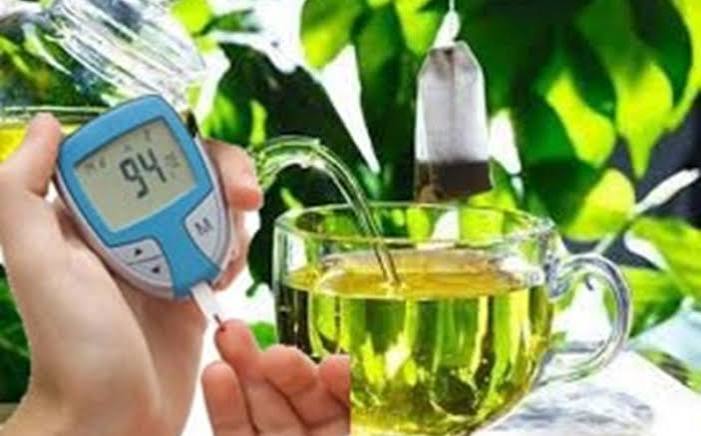
Among all beverage choices available to adults managing diabetes or prediabetes, unsweetened tea and blood sugar management represent one of the most favorable combinations available — tea provides a diverse array of polyphenols with well-characterized mechanisms for improving insulin sensitivity, reducing postprandial glucose, lowering fasting blood glucose, and reducing long-term Type 2 diabetes risk, without caffeine’s acute blood glucose elevating effect that complicates coffee’s relationship with established diabetes management. The breadth of the tea and blood sugar evidence is substantial: green tea, black tea, oolong tea, white tea, and specific herbal teas have each been studied in clinical trials and epidemiological research, revealing that while each tea type provides distinct polyphenol profiles and mechanisms, the common thread is consistent improvement in markers of glucose metabolism and insulin sensitivity across different patient populations, different geographic contexts, and different tea types. The key practical principle is that the blood sugar benefit of tea depends entirely on consuming unsweetened tea — adding sugar, honey, or flavored syrups to tea converts it from a zero-calorie, zero-glycemic polyphenol delivery mechanism into a sugary drink that causes the blood sugar harm that tea’s polyphenols would otherwise be preventing. Understanding which tea types provide the strongest evidence for which specific blood sugar benefits allows adults to optimize their tea consumption for maximum metabolic effect.
A meta-analysis of 22 randomized controlled trials found that green tea consumption significantly reduced fasting blood glucose by 1.48 mg/dL and fasting insulin by 1.17 µIU/mL compared to control. A separate meta-analysis of prospective studies found that each additional cup of green or black tea consumed daily was associated with a 5% lower risk of Type 2 diabetes, with associations independent of geographic region, age, and BMI.
Green Tea and Blood Sugar: EGCG Mechanisms
Green tea has the most extensively studied relationship among all tea varieties in the context of tea and blood sugar management. Green tea is made from minimally processed Camellia sinensis leaves — steamed or pan-fired immediately after harvest to prevent oxidation — preserving the highest concentrations of catechin polyphenols of any tea type, particularly epigallocatechin gallate (EGCG), the most bioactive and well-studied tea catechin:
- EGCG and AMPK activation: EGCG directly activates AMP-activated protein kinase (AMPK) in skeletal muscle cells — the same cellular energy sensor activated by exercise, metformin, and berberine. AMPK activation in muscle cells increases GLUT4 glucose transporter expression and translocation to the cell membrane, stimulating insulin-independent glucose uptake from the bloodstream. The clinical significance is that EGCG improves blood glucose management through a mechanism that does not require normal insulin secretion — making it potentially beneficial even in adults with significant beta-cell dysfunction where insulin secretion is severely impaired.
- Alpha-glucosidase inhibition (starch digestion delay): EGCG is a potent inhibitor of alpha-glucosidase and alpha-amylase — the enzymes responsible for digesting starch into glucose in the small intestine. This enzyme inhibition produces effects similar to acarbose (the alpha-glucosidase inhibitor diabetes medication), reducing the rate of glucose delivery from starch-containing foods consumed at the same meal as green tea. Drinking green tea with or immediately after a starchy meal produces measurably lower postprandial glucose responses than drinking water or a non-polyphenol beverage with the same meal — a practical benefit that makes green tea with meals a meaningful blood sugar management strategy.
- Hepatic glucose regulation: EGCG reduces expression of glucose-6-phosphatase and phosphoenolpyruvate carboxykinase — enzymes involved in hepatic glucose production — through the same hepatic mechanism as coffee’s chlorogenic acids. This hepatic glucose production reduction contributes to lower fasting glucose levels with regular green tea consumption and complements the peripheral glucose uptake effect of AMPK activation in muscle.
- Anti-inflammatory effects on insulin resistance: EGCG is a potent antioxidant and anti-inflammatory compound that reduces NFkB-mediated inflammatory cytokine production (TNF-α, IL-6, IL-1β) in adipose tissue — the same inflammatory mediators that are elevated in obesity-associated insulin resistance and that directly impair insulin receptor signaling through serine phosphorylation. The anti-inflammatory mechanism provides long-term improvement in insulin sensitivity through reduction of the chronic low-grade inflammation driving insulin resistance progression, contributing to the HbA1c reductions observed in randomized trials of green tea supplementation over 8–12 weeks.
Black Tea, Oolong Tea, and White Tea for Blood Sugar
Beyond green tea, other Camellia sinensis varieties provide distinct polyphenol profiles with complementary tea and blood sugar benefits:
- Black tea (theaflavins and thearubigins): Black tea undergoes complete oxidation during processing, converting its catechins (including EGCG) into polymeric polyphenols — theaflavins and thearubigins — that are distinct compounds with their own biological activity. Theaflavins have been shown to inhibit alpha-glucosidase enzymes (like EGCG), reduce postprandial glucose responses, and improve LDL cholesterol profiles. A prospective study found that higher black tea consumption was significantly associated with lower Type 2 diabetes risk in a large European cohort — suggesting that theaflavins provide diabetes prevention benefit comparable to green tea’s catechins despite their different chemical structure. Black tea’s lower EGCG content compared to green tea is offset by its higher theaflavin and thearubigin concentrations, resulting in similar overall polyphenol activity for blood sugar management at equivalent cup quantities. Drinking unsweetened black tea with meals provides alpha-glucosidase inhibitory activity that reduces postprandial glucose from starchy foods consumed at the same meal — a benefit directly applicable to blood glucose management at carbohydrate-containing meals.
- Oolong tea (partially oxidized, both catechins and theaflavins): Oolong tea is produced with partial oxidation (between green and black tea processing), retaining both some catechins and developing some theaflavins — providing a mixed polyphenol profile. A Japanese prospective study found that oolong tea drinkers had significantly lower fasting glucose than non-tea drinkers, and a randomized trial found that oolong tea consumption (1500mL daily for 30 days) reduced fasting glucose by 3.3 mg/dL in adults with Type 2 diabetes. Oolong tea is particularly popular in East Asian cultures where it is consumed traditionally and where prospective research on tea-diabetes associations has been most extensively conducted.
- White tea (highest catechin content, most delicate flavor): White tea is made from young tea buds and leaves that are minimally processed — simply dried without oxidation — providing the highest catechin content of any Camellia sinensis tea type. White tea retains EGCG concentrations comparable to or exceeding green tea, making it nutritionally similar to green tea for blood sugar management purposes despite its substantially different flavor profile (lighter, more delicate, less grassy than green tea). White tea is less commonly studied than green or black tea in diabetes research, but its chemical composition strongly suggests equivalent blood sugar management benefit from its high catechin content.
Herbal Teas for Blood Sugar: Specific Evidence
Several herbal teas — not made from Camellia sinensis but from other plants — have specific evidence for tea and blood sugar benefit through mechanisms distinct from tea polyphenols:
- Hibiscus tea (anthocyanins and blood pressure): Hibiscus tea, made from dried Hibiscus sabdariffa flowers, provides high concentrations of anthocyanins — the same polyphenols found in blueberries and dark berries that activate AMPK and improve insulin sensitivity. Multiple randomized controlled trials have found that hibiscus tea consumption significantly reduces fasting blood glucose in adults with Type 2 diabetes and metabolic syndrome, with effects emerging after 4–8 weeks of daily consumption. Hibiscus tea additionally provides significant blood pressure reduction through ACE-inhibitory mechanism — particularly relevant for adults with diabetes who have elevated cardiovascular risk driven partly by hypertension.
- Cinnamon tea (cinnamaldehyde and insulin mimicry): Cinnamon contains cinnamaldehyde and procyanidin polyphenols that improve insulin receptor signaling through mechanisms resembling insulin’s own effects on glucose uptake — earning cinnamon compounds the label “insulin mimics” in some research. Multiple randomized trials have found that cinnamon supplementation (1–6g per day) reduces fasting blood glucose and HbA1c in adults with Type 2 diabetes, with the clinical significance varying across trials. Brewing cinnamon as a tea (whole cinnamon sticks or ground cinnamon steeped in hot water) provides a lower but meaningful dose of these active compounds in a form that may be better tolerated than cinnamon capsule supplements by some individuals.
- Berberine-containing herbal teas (goldenseal, barberry): Berberine is an alkaloid compound found in goldenseal, barberry, and Oregon grape that activates AMPK through the same mechanism as metformin and exercise — making berberine-containing herbs some of the most pharmacologically potent blood-sugar-active herbal compounds available. Multiple meta-analyses have found that berberine supplementation produces HbA1c reductions of 0.5–1.0 percentage points in adults with Type 2 diabetes, comparable to some oral diabetes medications. Adults considering berberine-containing herbal teas or supplements should discuss with their physician, as berberine can interact with certain diabetes medications (particularly those that lower blood sugar through overlapping mechanisms) and may require dosage adjustment. The broader context of beverage choices for blood sugar management — incorporating coffee, tea, water, and avoiding sugary drinks — is covered in our coffee and blood sugar guide and our sugary drinks and diabetes risk guide. The ADA’s nutrition guidance, the NIDDK’s eating guidance, and the CDC’s diabetes prevention nutrition guidance all support replacing sugary beverages with unsweetened tea as one of the simplest and most impactful beverage transitions available to adults managing blood sugar. The complete dietary framework integrating tea within a comprehensive blood sugar management approach is covered in our diabetes diet beginner’s guide and our best foods for blood sugar control overview.
How Much Tea to Drink for Blood Sugar Benefit?
The prospective cohort evidence on tea and blood sugar consistently shows a dose-response relationship, with 3–5 cups of unsweetened green or black tea daily associated with the most meaningful reductions in diabetes risk. The randomized controlled trial evidence for acute blood glucose reduction (postprandial glucose and fasting glucose) typically uses higher doses — 3–6 cups of green tea or equivalent EGCG extract daily — but meaningful benefits have been observed at lower consumption levels in several trials. For practical daily implementation, the following approaches are supported by the clinical evidence:
- 2–3 cups of unsweetened green tea daily for ongoing blood sugar benefit: This quantity provides approximately 200–400mg of EGCG — within the dose range associated with significant AMPK activation, alpha-glucosidase inhibition, and hepatic glucose production reduction in mechanistic studies. Green tea consumed before or with carbohydrate-containing meals maximizes the alpha-glucosidase inhibitory benefit for postprandial glucose reduction at those meals. The tea should be steeped at 70–80°C (not boiling, which degrades some catechins) for 2–3 minutes to extract maximum EGCG without excessive astringency.
- 1–2 cups of black tea as a coffee alternative or supplement: For adults who prefer black tea’s more robust flavor or who find green tea’s grassy taste unappealing, 1–2 cups of unsweetened black tea provides theaflavin-mediated blood sugar benefit comparable to a smaller quantity of green tea. Black tea also provides a meaningful caffeine dose (approximately 47mg per cup versus green tea’s 28mg per cup) for adults who use tea as a morning energy beverage — a lower caffeine dose than coffee that is less likely to produce significant acute blood glucose elevation in people with Type 2 diabetes.
- Replacing sugary beverages with tea (highest-impact individual change): For adults who currently consume sweetened beverages — soda, sweetened iced tea, juice, or energy drinks — with meals or throughout the day, switching to unsweetened tea (green, black, or herbal) provides both the positive blood sugar benefit of tea’s polyphenols and the elimination of the substantial blood sugar harm from the displaced sweetened beverages. This dual benefit — gain of polyphenols plus removal of added sugar — makes the sweetened-beverage-to-unsweetened-tea swap potentially the highest-impact single beverage change available to adults managing blood sugar. An adult replacing two 12-oz cans of soda per day (approximately 78g of sugar) with two cups of unsweetened green tea removes 312 calories and 78g of sugar from their daily intake while adding 300–600mg of EGCG — an extremely favorable nutritional trade that would be expected to produce meaningful HbA1c improvement within 8–12 weeks of consistent implementation.
Brewing Tea for Maximum Blood Sugar Benefit
The way tea is brewed significantly affects the polyphenol concentration and therefore the tea and blood sugar benefit delivered per cup. Optimizing brewing to maximize EGCG and polyphenol extraction without sacrificing palatability:
- Temperature matters for green tea: EGCG extraction from green tea leaves is optimized at 70–80°C (160–175°F) — temperatures that extract maximum catechins while avoiding the excessive astringency produced by boiling water (100°C) that destroys some catechins and creates a bitter flavor that reduces adherence to daily consumption. A practical approach: bring water to a boil, then let it cool for 3–5 minutes before pouring over green tea leaves or bags. Black tea tolerates and actually benefits from higher temperatures (90–95°C) for optimal theaflavin extraction.
- Steeping time: Steeping green tea for 2–3 minutes provides optimal EGCG extraction without excessive bitterness; steeping longer (4–5 minutes) increases polyphenol content by 20–30% but makes the tea significantly more astringent, which may reduce how often adults want to drink it. For blood sugar management purposes, a moderately long steep (3 minutes) that provides high EGCG content while remaining pleasant enough to drink consistently is preferable to a maximally long steep that produces a less drinkable result consumed less frequently. Black tea steeped for 3–5 minutes provides maximum theaflavin extraction with manageable bitterness.
- Loose leaf vs tea bags: Loose leaf tea typically provides higher polyphenol concentrations than tea bags because the larger leaf pieces retain more intact cells containing polyphenols — commercially processed tea bags use smaller broken pieces with more surface area exposed to oxidation during storage, which degrades polyphenols. For occasional tea drinking, the difference is modest and tea bags are convenient; for adults drinking 3–5 cups daily specifically for blood sugar benefit, investing in loose leaf green tea from a high-quality source and using an infuser provides measurably higher EGCG per cup than most commercial tea bags.
- Adding milk to tea (potential polyphenol binding): Adding dairy milk to black tea may partially bind tea polyphenols through protein-polyphenol interactions, potentially reducing the bioavailability of theaflavins and other blood-sugar-beneficial compounds. Several studies have found that adding milk reduces tea’s antioxidant effect in vitro; the clinical significance for blood sugar management is less established, but adults specifically consuming tea for its polyphenol benefit may prefer to drink it without milk or with plant-based milk (which binds polyphenols less strongly than dairy milk). Lemon juice (a few drops) may actually improve green tea’s EGCG stability and bioavailability by creating a slightly acidic environment that protects catechins from degradation before absorption. The complete beverage strategy for blood sugar management — positioning tea alongside coffee, plain water, and blood-sugar-neutral beverages while avoiding sugary drinks — is covered in our sugary drinks and diabetes risk guide. The complete dietary context integrating tea within the full blood-sugar-conscious dietary pattern is covered in our best foods for blood sugar control guide and our diabetes diet beginner’s guide, which positions tea as one component of a comprehensive dietary approach to sustained blood glucose control that includes optimal food selection across all meal occasions alongside strategic beverage choices. The ADA’s nutrition guidance and NIDDK’s diabetes eating overview both support replacing sugary beverages with water and unsweetened tea as one of the most straightforward and high-impact beverage improvements available to adults managing blood sugar and diabetes risk through dietary modification.
Iced Tea, Kombucha, and Matcha: Blood Sugar Considerations
Beyond traditional hot-brewed tea, several popular tea-based beverages are widely consumed and have distinct considerations for tea and blood sugar management:
- Iced tea (homemade vs. commercial): Homemade unsweetened iced tea brewed from green or black tea provides the same polyphenol benefit as hot tea and is an ideal zero-calorie summer beverage for adults managing blood sugar. Commercial bottled iced teas, however, almost universally contain added sugar — typically 22–36g per bottle (equivalent to 5–9 teaspoons of sugar) — transforming a blood-sugar-beneficial beverage into one that causes significant postprandial glucose spikes. Adults who enjoy iced tea should brew their own (cold brew green or black tea overnight in the refrigerator, unsweetened) rather than purchasing commercial iced tea, which is effectively a sugary drink regardless of its tea origin. The label “sweetened” on commercial iced tea is often buried in small print — checking the nutrition label for added sugar before purchasing is essential.
- Kombucha (fermented tea): Kombucha is fermented black or green tea that provides both tea polyphenols and probiotic bacteria (from the fermentation process) that may benefit gut microbiome composition and insulin sensitivity. However, kombucha also contains residual sugar from the fermentation process — typically 6–14g per 8oz serving in commercial products — and some commercial kombucha brands contain substantial added sugar beyond the fermentation residual. For adults with diabetes, kombucha should be treated as a low-to-moderate glycemic beverage consumed in 4–8oz portions rather than a free-calorie drink, with the blood glucose response monitored if used regularly. The probiotic and polyphenol benefit is real but the sugar content is relevant to blood glucose management and cannot be ignored for people managing diabetes.
- Matcha (concentrated green tea powder): Matcha is finely ground shade-grown green tea leaves consumed as a suspension in water or milk — providing all of the EGCG and catechins of green tea leaves (not just the extracted liquid) in a more concentrated form. A standard matcha serving (1–2g matcha powder) provides 2–3x the EGCG of equivalent brewed green tea, making matcha arguably the most concentrated dietary source of blood-sugar-beneficial tea polyphenols available. The practical consideration is that matcha is often prepared with sweeteners (matcha lattes with honey or sweetened syrups, sweetened matcha beverages at coffee shops) that add enough sugar to offset its metabolic benefit. Unsweetened matcha prepared with plain water or unsweetened plant-based milk provides maximum blood sugar benefit; sweetened matcha preparations should be treated as a dessert-category beverage rather than a blood-sugar-beneficial one. The broader context of managing blood sugar through both food and beverage choices — including the role of tea alongside dietary patterns for diabetes management — is covered in our diabetes diet beginner’s guide and our comprehensive best foods for blood sugar control guide.
Sources reviewed and verified for clinical accuracy by the Horizon Health Guide editorial team. American Diabetes Association — beverage choices for diabetes management; NIDDK — diabetes diet guidance; meta-analysis of green tea and fasting blood glucose and insulin; prospective studies on tea consumption and Type 2 diabetes risk; research on EGCG’s AMPK activation and alpha-glucosidase inhibition; clinical trials of hibiscus tea and blood glucose in Type 2 diabetes; meta-analysis of berberine supplementation and HbA1c.
As someone dealing with this personally, the tea and blood sugar section was very helpful. It is refreshing to see an article that acknowledges individual variation rather than one-size-fits-all advice. This gave me real confidence going into my next specialist appointment.
Finally a resource that explains tea and blood sugar in plain language. The practical tips made this immediately actionable, not just theoretical. Shared this with three friends who are dealing with related issues. Very useful resource.
As someone dealing with this personally, the tea and blood sugar section was very helpful. I appreciate that the article is careful about distinguishing between what is known and what is still being researched. This is exactly why I prefer this website over generic health platforms.