
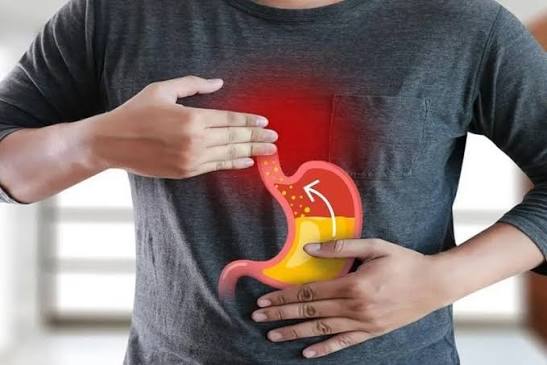
Acid reflux is among the most common digestive experiences in adults — estimated to affect approximately 20 percent of the US adult population on a weekly basis. It is also one of the most frequently misnamed. “Acid reflux,” “heartburn,” and “GERD” are used interchangeably in everyday speech, but they describe different things: acid reflux is the physical event — stomach acid moving backward into the esophagus. Heartburn is the most common symptom of acid reflux — the burning sensation in the chest or throat. GERD (gastroesophageal reflux disease) is the clinical diagnosis applied when acid reflux causes troublesome symptoms or tissue damage. Understanding this distinction matters because treatment and evaluation are calibrated to the condition, not just the symptom. For context on heartburn specifically, see heartburn: what adults should know.
Symptoms of Acid Reflux
Acid reflux produces a range of symptoms — some classic, some atypical. Recognizing the full symptom picture is important because atypical reflux symptoms are frequently attributed to other causes, delaying diagnosis.
Classic symptoms: heartburn (burning in the chest or lower throat, typically after eating or when lying down), regurgitation (sour or bitter fluid rising into the throat or mouth), and a sensation of food or liquid coming back up. Regurgitation is a more specific indicator of acid reflux than heartburn, because heartburn can have other causes (esophageal spasm, cardiac disease), while the sensation of fluid rising from the stomach is mechanically specific to reflux. Atypical symptoms: chronic cough (especially nocturnal cough or cough that worsens after meals), hoarseness (particularly in the morning, from laryngeal acid exposure overnight), frequent throat-clearing, a globus sensation (persistent feeling of a lump in the throat), dental erosion (from chronic acid exposure to tooth enamel), and nausea in the morning or after eating. Laryngopharyngeal reflux (LPR) is a distinct pattern in which acid reaches the larynx and pharynx — producing predominantly throat and voice symptoms rather than chest symptoms. Many adults with LPR do not experience classic heartburn at all. Throat-clearing, hoarseness, cough, and globus that do not respond to allergy treatment or postnasal drip management, and that are worse in the morning or after large meals, may be LPR. Diagnosis typically requires laryngoscopy showing posterior laryngeal inflammation and/or esophageal pH monitoring. Chest pain: acid reflux produces chest discomfort that can be difficult to distinguish from cardiac chest pain — both can be left-sided, pressure-like, and may radiate to the jaw or arm. New chest pain should always be evaluated to exclude cardiac disease before attributing it to reflux.
What Causes Acid Reflux
Acid reflux occurs when the lower esophageal sphincter (LES) — the ring of smooth muscle at the gastroesophageal junction — allows gastric contents to move upward into the esophagus. Several factors determine when and how often this happens.
Transient LES relaxations (TLESRs) are the dominant mechanism of reflux in most patients. These are physiologically normal events — the LES relaxes briefly to allow gas to vent from the stomach (belching), but in people with frequent reflux, the frequency and duration of TLESRs is abnormally high, allowing acid to escape with each relaxation. This mechanism is triggered primarily by gastric distension after eating — large meals increase the frequency of TLESRs. Hiatal hernia contributes to reflux by displacing the LES upward through the diaphragm, removing the diaphragmatic pressure that augments the LES’s barrier function. Hiatal hernia is present in approximately 15 to 20 percent of adults and is more prevalent with age and obesity. Not all hiatal hernias produce GERD, but large ones (particularly paraesophageal hernias) significantly increase reflux risk. Dietary factors that reduce LES tone or increase gastric volume include fat (delays gastric emptying, pooling more acid), chocolate (methylxanthines relax the LES), caffeine, alcohol, and peppermint/mint (all reduce LES pressure). Acidic foods themselves do not cause reflux mechanically but make refluxed content more irritating to the esophageal mucosa. Delayed gastric emptying — from diabetic gastroparesis, post-surgical anatomy, or medications that slow gut motility — increases the volume of gastric contents available for reflux for longer after a meal. For context on how acid reflux connects to the broader spectrum of upper GI conditions, see indigestion: symptoms, causes, and relief options and common digestive problems in adults.
Risk Factors That Increase Acid Reflux
Several factors consistently increase the frequency and severity of acid reflux beyond the baseline LES function. Understanding these helps prioritize which modifiable risks are most impactful for a given individual.
Obesity is the strongest modifiable risk factor for GERD. Visceral adiposity — intra-abdominal fat — increases intra-abdominal pressure, which pushes the stomach upward and increases the pressure gradient that promotes reflux. The relationship between BMI and GERD is dose-dependent: the higher the BMI, the more frequent and severe the reflux. Conversely, weight loss in overweight adults produces clinically meaningful reductions in reflux frequency — a 10 percent reduction in body weight is associated with significant improvement in both symptoms and objective pH monitoring findings. Smoking reduces LES tone, decreases saliva production (saliva normally buffers and helps clear acid from the esophagus), and impairs esophageal motility. Smokers have significantly higher rates of GERD and esophageal adenocarcinoma than non-smokers — a relationship that exists independently of weight. Smoking cessation produces measurable improvements in reflux symptoms within weeks. Pregnancy creates two pro-reflux conditions simultaneously: progesterone reduces LES tone throughout pregnancy, and the expanding uterus increases intra-abdominal pressure progressively through the second and third trimesters. Heartburn affects approximately 30 to 50 percent of pregnant women and typically resolves after delivery. Safe management options include alginate-based antacids (such as Gaviscon), which form a physical raft on gastric contents that prevents reflux, and are safe in pregnancy. Head-of-bed elevation and avoiding late meals are particularly effective positional strategies during pregnancy. Medications that worsen reflux include calcium channel blockers (used for hypertension and angina), nitrates, benzodiazepines, anticholinergics, and theophylline — all reduce LES pressure. NSAIDs and aspirin can worsen esophagitis directly through mucosal irritation. If reflux worsens after starting a new medication, reviewing alternatives with a prescribing physician is appropriate.
When Acid Reflux Becomes GERD — Complications to Know
Occasional acid reflux is normal — virtually everyone experiences it. GERD is defined by the Montreal Consensus as reflux causing troublesome symptoms or complications, independent of frequency. The complications of untreated or inadequately treated GERD are the reason chronic reflux warrants clinical attention.
Esophagitis develops when repeated acid exposure inflames the esophageal lining — ranging from mild grade A to severe grade D with confluent ulceration and bleeding. Severe untreated esophagitis can progress to stricture formation that causes dysphagia. Barrett’s esophagus — intestinal metaplasia of the distal esophagus replacing normal squamous epithelium — develops in approximately 10 to 15 percent of patients with chronic GERD. It is a pre-malignant condition that significantly increases esophageal adenocarcinoma risk. The ACG recommends one-time screening endoscopy for GERD patients with multiple risk factors for Barrett’s: male sex, age over 50, obesity, long-duration symptoms (over 5 years), smoking, and family history of Barrett’s or esophageal adenocarcinoma. Esophageal adenocarcinoma is currently the fastest-rising GI malignancy by incidence in the United States, driven primarily by the increase in obesity and GERD. Prognosis at advanced stage is poor; prognosis when found at Barrett’s-with-dysplasia stage and treated endoscopically is excellent. This is the reason surveillance matters. The NIDDK acid reflux and GERD guide outlines both the complication landscape and the evaluation pathway. For relevant lab values and screening benchmarks, see liver and digestive health numbers every adult should know.
Prevention — What Actually Reduces Acid Reflux
Prevention of acid reflux is highly actionable for most adults. The most effective preventive strategies address the root causes of increased LES relaxation and increased gastric volume — not just symptom suppression.
Meal size and timing are among the most practical and impactful targets. Eating smaller meals reduces gastric distension and the resulting frequency of TLESRs. Not eating within 2 to 3 hours of lying down prevents a full stomach from pooling acid against the LES during horizontal positioning. Moving the largest meal from dinner to lunch — for those whose schedule allows it — reduces the gastric acid load present when sleeping. Left-side sleep position is associated with significantly fewer nocturnal reflux episodes than right-side or supine positioning, based on pH monitoring studies. When lying on the left side, the gastroesophageal junction sits above the level of most gastric contents, making reflux physically less likely. Head-of-bed elevation of 6 to 8 inches using a wedge pillow or bed risers keeps the esophagus above stomach level throughout sleep. This is distinct from simply propping the head up with extra pillows — which tilts only the neck and may actually increase abdominal pressure. Weight management is the most durable lifestyle intervention for overweight adults with reflux. Even 5 to 10 pounds of weight loss produces measurable symptom reduction; 10 percent of body weight loss is consistently associated with substantial improvement in both subjective symptoms and objective pH monitoring. Dietary trigger identification through a food and symptom diary — rather than blanket elimination of all commonly cited trigger foods — is more targeted, more sustainable, and produces better adherence. The ACG acid reflux resource provides guidance on the lifestyle strategies with the strongest evidence base. Smoking cessation reduces reflux through multiple mechanisms: improved LES tone, increased saliva production, and improved esophageal clearance. The benefit appears within weeks of cessation. Reviewing medications that reduce LES tone with a prescribing physician — and considering alternatives where available — can meaningfully reduce reflux in patients who have started or increased such medications coincidentally with worsening reflux.
Treating Acid Reflux and When to Seek Evaluation
For most adults with occasional to moderate acid reflux, OTC options are appropriate starting points. Antacids (calcium carbonate, magnesium hydroxide) provide rapid but brief neutralization. Alginate-based antacids (Gaviscon) form a floating raft on gastric contents that physically prevents reflux — particularly useful for post-meal symptoms and during pregnancy. H2 receptor blockers (famotidine) reduce acid production for 8 to 12 hours; taking famotidine 30 to 60 minutes before a meal that typically causes reflux is a practical preventive strategy. OTC PPIs (omeprazole, lansoprazole) are the most effective acid-suppressing agents for frequent reflux — best taken 30 to 60 minutes before breakfast for maximum efficacy. OTC labeling restricts to 14-day courses; ongoing use beyond 14 days warrants physician guidance.
Evaluation by a clinician is indicated when: reflux occurs more than twice per week despite OTC treatment; symptoms include dysphagia, weight loss, or GI bleeding; reflux persists during pregnancy despite positional and alginate-based measures; age is 55 or over with new or significantly worsening reflux; or multiple Barrett’s esophagus risk factors are present. The Mayo Clinic’s GERD overview provides a clear patient-oriented evaluation framework. For adults interested in the full picture of digestive health as they age, see common digestive problems in adults for a broader framework of GI conditions and when they warrant attention.
Frequently Asked Questions
What is the fastest way to stop acid reflux?
For immediate relief, antacids work fastest — calcium carbonate (Tums) neutralizes acid in minutes. Sitting upright and walking briefly after a meal helps by improving gastric emptying. Chewing gum for 30 minutes after eating stimulates saliva production (which buffers acid) and swallowing frequency (which helps clear refluxed acid from the esophagus). Drinking water helps dilute and clear esophageal acid. Lying down or bending over worsens reflux — avoiding these positions while symptomatic is important.
What foods trigger acid reflux most commonly?
The most consistently reported dietary triggers are fatty and fried foods, chocolate, caffeine, alcohol, peppermint, carbonated beverages, tomatoes and tomato products, and citrus. However, individual variation is significant — personal triggers should be identified through a food diary rather than assumed based on generic lists. Some adults with GERD find that specific foods on the common-trigger list do not affect them, while other foods not on any list are reliable triggers for them.
Does stress cause acid reflux?
Stress does not directly cause the LES to relax, but it influences reflux through several mechanisms: stress increases gastric acid secretion, alters esophageal motility, amplifies the perception of symptoms (through visceral hypersensitivity), and is associated with behaviors (eating quickly, eating more, drinking more alcohol, sleeping poorly) that independently worsen reflux. Many adults notice that their reflux frequency and severity increases during high-stress periods — this reflects a real physiological relationship rather than a purely psychological phenomenon.
Is it safe to take a PPI every day?
PPIs are among the most widely used medications globally and have a well-established safety profile for long-term use in patients with documented indications. The concerns about long-term PPI use — associations with magnesium deficiency, B12 absorption, bone density, and infection — are real but modest in magnitude and generally manageable with monitoring in patients who require ongoing therapy. For patients with confirmed GERD, Barrett’s esophagus, or chronic esophagitis, the benefit of continued therapy typically outweighs these risks. Self-stopping a PPI without medical guidance can cause rebound acid hypersecretion that worsens symptoms temporarily.
When does acid reflux require surgery?
Surgical options (laparoscopic Nissen fundoplication, LINX magnetic sphincter augmentation, transoral incisionless fundoplication) are considered for patients with confirmed GERD on objective testing who prefer not to take indefinite medication, have refractory symptoms despite maximal medical therapy, have large hiatal hernias contributing to symptoms, or have significant regurgitation that is not controlled by acid suppression alone. Surgery requires thorough pre-operative evaluation including esophageal manometry and pH monitoring. It is not a first-line intervention but has excellent outcomes in appropriately selected patients.
Sources: National Institute of Diabetes and Digestive and Kidney Diseases (NIDDK); American College of Gastroenterology (ACG) GERD Guidelines; American Gastroenterological Association (AGA); Montreal Consensus on GERD; Lyon Consensus (2018); Mayo Clinic.
Understanding Acid Reflux by the Numbers
Acid reflux is one of the most prevalent GI conditions in the United States, yet its scope and variability are often underappreciated. Epidemiological data help clarify who is most at risk, how the condition typically progresses over a lifetime, and at what point the burden of untreated disease becomes clinically significant.
Prevalence and frequency data: Approximately 20 percent of US adults experience heartburn or regurgitation at least weekly — placing GERD among the most common chronic conditions managed in primary care. Between 40 and 60 percent of adults experience at least occasional reflux symptoms. However, only a fraction of those with symptoms seek evaluation, and only a subset of those who seek care receive objective testing to confirm the diagnosis. This gap between symptom burden and objective assessment contributes to both undertreatment (continuing symptoms despite available therapy) and overtreatment (prescribing PPIs long-term without documented indications).
Barrett’s esophagus estimates: Approximately 10 to 15 percent of patients with chronic GERD develop Barrett’s esophagus — intestinal metaplasia replacing the normal squamous esophageal lining. An estimated 1 to 2 percent of the general adult population in Western countries has Barrett’s esophagus, with the majority undiagnosed because they either have no GERD symptoms or have not been screened. Barrett’s without dysplasia carries an annual progression risk to adenocarcinoma of approximately 0.2 to 0.5 percent — a risk that approximately doubles with low-grade dysplasia and rises sharply with high-grade dysplasia. Endoscopic eradication therapy has transformed the management of Barrett’s with dysplasia, achieving complete remission rates above 90 percent in appropriately selected patients.
Weight loss and symptom reduction: Clinical studies of weight loss interventions in overweight patients with GERD consistently show dose-dependent symptom improvement. A systematic review published in the American Journal of Gastroenterology found that losing 10 to 15 percent of body weight reduced GERD symptoms by 40 percent or more in the majority of participants. For patients with obesity-related GERD, bariatric surgery — particularly Roux-en-Y gastric bypass — not only reduces symptoms but produces complete GERD remission in approximately 80 percent of patients, significantly outperforming long-term PPI therapy for this specific population.
PPI use and discontinuation: PPIs are among the ten most-prescribed medication classes globally. Studies of PPI prescribing consistently find that a substantial proportion — estimates range from 25 to 70 percent depending on the setting — of long-term PPI users lack a documented indication that meets guideline criteria for ongoing therapy. The risk of rebound acid hypersecretion following PPI discontinuation (a temporary increase in acid secretion after stopping treatment, producing worsened symptoms for 2 to 4 weeks) explains much of the difficulty patients have stopping treatment once started, and underscores the importance of establishing the indication before initiating therapy.
Surgical outcomes: Laparoscopic Nissen fundoplication achieves GERD remission (defined as off PPIs with no significant symptoms) in approximately 85 to 90 percent of appropriately selected patients at 5 years. The LINX magnetic sphincter augmentation device shows similar outcomes at 5 years, with a slightly better dysphagia profile in most comparative studies. Transoral incisionless fundoplication (TIF) has a less established long-term evidence base but shows favorable short-to-medium-term outcomes in patients with small hiatal hernias. Choosing between surgical options requires individualized assessment of anatomy, symptom pattern, and patient preference — and should be conducted at centers experienced in anti-reflux surgery and pre-operative evaluation.
When to escalate from OTC to prescription management: The clinical decision point for moving from OTC to prescription management is typically: more than twice-weekly symptoms requiring antacid or OTC PPI use; symptoms that impair sleep or daily functioning; symptoms that persist despite 4 to 8 weeks of OTC PPI use; any alarm features (dysphagia, unintentional weight loss, hematemesis, melena, persistent vomiting, or new symptoms in a patient aged 55 or older). At that point, upper endoscopy is frequently recommended — both to document the presence and severity of esophagitis or Barrett’s and to guide the intensity and duration of therapy. Empiric PPI therapy without endoscopy is appropriate for young patients with typical symptoms and no alarm features, but endoscopy should not be deferred indefinitely for patients with long-duration symptoms or Barrett’s risk factors.
Acid Reflux and Sleep — A Practical Guide
Nocturnal acid reflux is a particularly disruptive pattern, and one that often drives patients to seek medical evaluation. During sleep, swallowing frequency drops markedly — from approximately once per minute while awake to roughly once every four to five minutes during non-REM sleep. Salivary production also decreases significantly overnight. Both changes reduce the esophagus’s natural acid-clearance mechanisms, meaning that acid that refluxes during the night remains in contact with the esophageal mucosa far longer than it would during waking hours.
This prolonged contact time explains why nocturnal GERD is disproportionately associated with esophagitis, Barrett’s esophagus, and LPR symptoms (hoarseness and morning throat soreness) compared with purely daytime reflux. Patients with predominantly nocturnal symptoms — waking with heartburn, sour taste, or coughing — often benefit from targeted nocturnal strategies even if their daytime symptoms are mild or absent.
Positional interventions for nocturnal reflux: Head-of-bed elevation of 6 to 8 inches reduces nocturnal acid exposure time by approximately 50 percent in pH monitoring studies. Left lateral decubitus positioning reduces reflux episodes further, and combining both — sleeping elevated on the left side using a wedge pillow — provides the greatest reduction in nocturnal acid exposure of any non-pharmacological intervention. Standard pillow stacking elevates the head but not the torso and does not produce the same benefit; a wedge pillow that elevates from the waist upward is required. For patients with severe nocturnal GERD, an evening dose of an H2 blocker (famotidine 20mg) added to a morning PPI produces better nocturnal acid control than PPI alone, since PPIs taken in the morning do not adequately suppress the overnight acid secretion peak in many patients.
Eating before sleep: The gastric acid pool — the layer of highly acidic gastric juice that pools at the gastroesophageal junction in the supine position — is largest approximately one to two hours after eating. Avoiding food for at least three hours before lying down substantially reduces the gastric acid available for nocturnal reflux. Moving the largest meal of the day to midday rather than the evening, where schedule allows, is a further strategy with supporting evidence from pH monitoring studies.
The section on nocturnal reflux was genuinely eye-opening. I’ve been dealing with morning hoarseness for over a year and my ENT attributed it to post-nasal drip — but after reading the LPR description here, I think I need to bring acid reflux into the conversation. The detail about LPR presenting without classic heartburn explains so much.
Thank you, Rachel — the LPR overlap is something many adults miss precisely because it presents so differently from classic heartburn. The morning hoarseness, chronic throat-clearing, and globus sensation are all worth raising with a clinician even when heartburn isn’t the main complaint. A laryngoscopy or pH monitoring study can often clarify the picture when symptoms don’t respond to typical treatments. Worth bringing up at your next appointment.
Really appreciate the clarity on Barrett’s esophagus. I’ve been on a PPI for four years for GERD and my doctor mentioned Barrett’s as a reason to continue, but I didn’t fully understand what the surveillance was for or what the actual cancer risk looked like. The 0.2 to 0.5 percent annual progression rate puts it in perspective — still worth watching, but not the immediate threat I’d imagined.