
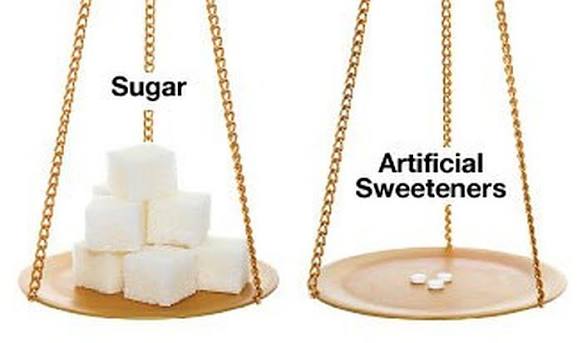
The relationship between artificial sweeteners and blood sugar is more nuanced than the simple zero-calorie narrative that has long been used to market these products to people with diabetes. While non-nutritive sweeteners eliminate the immediate glucose spike caused by regular sugar — they provide sweet taste without the carbohydrate that triggers postprandial blood glucose elevation — the research on their broader metabolic effects reveals a complicated picture involving cephalic-phase insulin release, gut microbiome disruption, appetite dysregulation, and potential paradoxical associations with long-term metabolic harm in some studies. For adults managing diabetes or prediabetes, understanding how different sweeteners compare for artificial sweeteners and blood sugar management — which ones have the cleanest evidence of safety, which have concerning signals, and what the practical guidance from major diabetes organizations is — allows more informed decisions about whether and how to incorporate them into a blood-sugar-conscious diet. The core practical message is that non-nutritive sweeteners are almost certainly preferable to regular sugar for blood glucose management in adults with diabetes — the immediate glycemic harm of sugar is well-established and the concerns about sweeteners, while real, are less severe — but they are not metabolically neutral and should not be consumed without limit under the assumption that “zero calories” means “zero metabolic effect.”
A 2022 randomized controlled trial (Nature) found that saccharin, sucralose, and stevia each altered gut microbiome composition and produced measurable changes in glycemic responses in healthy adults, with saccharin and sucralose producing the most significant microbiome disruption. The researchers concluded that non-nutritive sweeteners are not metabolically inert, even at approved daily consumption levels. These findings represent an important update to the traditional view of artificial sweeteners as completely neutral for blood sugar management.
How Artificial Sweeteners May Affect Blood Sugar Indirectly
While artificial sweeteners and blood sugar don’t interact through the direct mechanism of carbohydrate digestion and glucose absorption, several indirect mechanisms have been identified through which non-nutritive sweeteners may affect glucose metabolism:
- Cephalic-phase insulin release (sweet taste triggers insulin): The cephalic-phase insulin response is a reflexive insulin secretion triggered by the taste, smell, and anticipation of food — including sweet taste from artificial sweeteners — before any food is absorbed. The sweet taste of non-nutritive sweeteners on tongue receptors signals to the pancreas (via the vagus nerve) that sugar is incoming, triggering a modest preemptive insulin release. This cephalic-phase response evolved to prepare the body for glucose absorption when sweets were consumed, but artificial sweeteners trigger the insulin release without providing glucose — potentially creating a mild hypoglycemic tendency if the insulin release exceeds the blood glucose available to metabolize. Most research suggests the cephalic-phase response to non-nutritive sweeteners is smaller than to regular sugar, but it is not zero — particularly for sweeteners like saccharin and sucralose that have stronger sweet receptor affinity than stevia or monk fruit.
- Gut microbiome disruption and downstream insulin resistance: Sweet taste receptors (T1R2/T1R3) are expressed not only on the tongue but throughout the gastrointestinal tract, where they help regulate glucose absorption, GLP-1 secretion, and gut motility. Non-nutritive sweeteners interact with these intestinal sweet taste receptors without providing the expected glucose, potentially disrupting normal gut signaling. More significantly, several artificial sweeteners — particularly saccharin and sucralose at high doses — have been shown to alter gut microbiome composition in ways that may increase intestinal glucose absorption and reduce butyrate-producing bacterial populations associated with healthy insulin sensitivity. The gut microbiome disruption mechanism explains why some artificial sweetener studies show paradoxical associations with worse glycemic outcomes in observational data despite their zero-calorie nature.
- Appetite dysregulation and compensatory overeating: A consistent concern with non-nutritive sweeteners in observational research is the association between high artificial sweetener consumption and higher total calorie intake, body weight, and metabolic disorder prevalence — despite the calorie-free nature of the sweeteners. The proposed mechanism is that consuming sweet taste without caloric content disrupts the normal conditioning relationship between sweet taste and caloric intake, potentially increasing overall appetite and reducing satiety signals, leading to compensatory overeating at subsequent meals. Whether this appetite dysregulation mechanism is causal (sweeteners cause increased eating) or confounded (people who eat more also consume more diet products) remains debated — but the concern is real enough that major health organizations advise against treating artificial sweeteners as a weight loss or metabolic management tool without broader dietary changes.
- Insulin resistance promotion via glucose intolerance induction: The landmark 2014 Nature paper by Suez et al. found that saccharin consumption induced glucose intolerance in mice through gut microbiome dysbiosis, and that fecal transplants from saccharin-consuming mice could transfer the glucose intolerance phenotype to germ-free mice — establishing a causal mechanism. The human arm of the same study found that 7 days of saccharin consumption at the FDA Acceptable Daily Intake level produced significant increases in blood glucose response to oral glucose tolerance testing in a subset of human participants, correlated with microbiome changes. This research significantly raised concern about saccharin specifically, though the broader implications for other sweeteners and for long-term clinical outcomes in people with diabetes remain under investigation.
Stevia and Monk Fruit: The Safest Options for Blood Sugar
Among the available non-nutritive sweeteners, stevia and monk fruit have the strongest evidence of safety for artificial sweeteners and blood sugar management — particularly for people with diabetes who want to reduce sugar intake without the concerns associated with synthetic sweeteners:
- Stevia (rebaudioside A from Stevia rebaudiana): Stevia is derived from the leaves of Stevia rebaudiana — a South American plant that has been used as a sweetener for centuries in Paraguay and Brazil. The active sweet compounds are steviol glycosides (rebaudioside A being the primary purified form used commercially), which are approximately 200–400x sweeter than sugar by weight. Multiple randomized controlled trials have found that stevia consumption does not raise blood glucose or insulin levels — producing a flat glucose and insulin response compared to sucrose’s significant glucose spike. Stevia also shows evidence of beneficial effects on blood pressure and modest anti-inflammatory properties in some studies. The 2022 Nature study found that stevia produced the smallest gut microbiome changes of the four sweeteners tested (saccharin, sucralose, aspartame, stevia), making it the most microbiome-neutral option among the tested sweeteners. For adults with diabetes who want to use a non-nutritive sweetener, stevia represents the best-evidenced choice for minimal metabolic risk.
- Monk fruit sweetener (luo han guo): Monk fruit sweetener is derived from the Chinese Siraitia grosvenorii fruit, with its sweet taste coming from mogrosides — compounds approximately 150–200x sweeter than sugar. Like stevia, monk fruit produces no blood glucose or insulin response and has not been associated with gut microbiome disruption in available research. Monk fruit is a newer addition to the sweetener market (FDA GRAS designation in 2010) with less long-term research than stevia, but its mechanism of action (mogrosides are not metabolized by mammalian enzymes and pass through the gut largely intact) suggests it is unlikely to have significant metabolic effects. Monk fruit is often blended with erythritol (a sugar alcohol with very low glycemic impact) in commercial products, which maintains the minimal blood sugar impact while improving the texture profile of the blend. Adults seeking a clean-label, plant-derived sweetener alternative to sugar for blood sugar management can use monk fruit as confidently as stevia based on current evidence.
- Erythritol (sugar alcohol with unique properties): Erythritol is a sugar alcohol that is approximately 70% as sweet as sugar with only 0.24 calories per gram (compared to 4 calories per gram for sugar) and negligible glycemic impact — approximately 5% of consumed erythritol is converted to glucose during absorption, with the remainder excreted unchanged in urine. Unlike other sugar alcohols (sorbitol, maltitol, xylitol), erythritol is largely absorbed in the small intestine before reaching the colon, dramatically reducing the fermentation-associated digestive discomfort (gas, bloating, diarrhea) that limits consumption of other sugar alcohols. Erythritol has been the subject of recent cardiovascular safety concerns following a 2023 observational study associating higher blood erythritol levels with increased cardiovascular event risk, though the study measured endogenous erythritol produced by the body under oxidative stress conditions (which are elevated in people with diabetes) rather than dietary erythritol intake — making the causal direction of the association unclear. Until further research clarifies this question, moderate erythritol consumption (as one component of a sweetener blend rather than the primary sweetener) appears reasonable while awaiting longer-term data.
Aspartame, Sucralose, and Saccharin: What the Evidence Shows
The three most widely used synthetic artificial sweeteners have more extensive safety data (due to longer market history) but also more concerning signals in recent research for artificial sweeteners and blood sugar management:
- Aspartame (Equal, NutraSweet): Aspartame is composed of two amino acids (aspartic acid and phenylalanine) and is approximately 180–200x sweeter than sugar. It produces no blood glucose response because it is metabolized to amino acids rather than glucose. The 2022 Nature study found that aspartame produced intermediate gut microbiome changes — less disruption than saccharin or sucralose but more than stevia. The most significant recent development for aspartame is the WHO’s International Agency for Research on Cancer (IARC) classification of aspartame as “possibly carcinogenic to humans” (Group 2B) in 2023, based on limited evidence from observational studies of an association with hepatocellular carcinoma. The FDA and major regulatory agencies maintain that aspartame is safe at approved consumption levels, and the evidence for cancer risk remains classified as “limited” rather than established — but the classification has reasonably prompted consumers to seek alternatives like stevia or monk fruit that do not carry even an uncertain cancer classification. For blood sugar management specifically, aspartame appears no worse than sucralose or saccharin and better evidenced than both for microbiome neutrality, but the cancer classification provides motivation to prefer plant-derived alternatives.
- Sucralose (Splenda): Sucralose is made by chlorinating sucrose molecules at three hydroxyl positions, creating a compound approximately 600x sweeter than sugar that is largely not absorbed and passes through the gut. While sucralose was initially believed to be metabolically inert, research has challenged this view — the 2022 Nature study found sucralose produced significant gut microbiome changes, and a 2023 study raised concerns about sucralose-6-acetate (a breakdown product formed during sucralose digestion and cooking) as a potential genotoxic compound. Sucralose is heat-stable (unlike aspartame), making it widely used in baking and cooking — but this heat stability also means it forms chlorinated compounds at high temperatures that may have additional concerns. For adults with diabetes using sucralose in cooking and baking, the evidence is not alarming enough to suggest immediate cessation, but choosing stevia or monk fruit where possible is a reasonable precaution given the emerging research on sucralose’s metabolic effects.
- Saccharin (Sweet’N Low): Saccharin is the oldest artificial sweetener still in common use (discovered in 1879) and has the most concerning evidence profile among the synthetic sweeteners for blood sugar management. The 2014 Suez et al. study found that saccharin produced the most significant glucose intolerance in both mice and humans, and the 2022 Nature study confirmed saccharin produced the largest gut microbiome changes among the four tested sweeteners. Additionally, saccharin produces the strongest cephalic-phase insulin response among commonly used sweeteners due to its strong sweet receptor affinity. Given that superior alternatives (stevia, monk fruit) are widely available and have minimal metabolic concerns, saccharin appears to be the worst choice among available sweeteners for adults specifically managing blood sugar — both from the microbiome disruption evidence and the glucose intolerance induction research. The American Diabetes Association’s nutrition guidance, the NIDDK’s diabetes eating guidance, and the CDC’s diabetes prevention nutrition resources all note that non-nutritive sweeteners can help reduce added sugar intake when used judiciously, while recommending that unsweetened beverages and foods are generally preferable to either sugar or sweetener-containing alternatives for the best long-term metabolic outcomes. The complete dietary context for using sweeteners within a blood-sugar-conscious eating pattern is covered in our diabetes diet beginner’s guide and our best foods for blood sugar control overview, with the role of beverages — including artificially sweetened drinks versus unsweetened alternatives — covered in our sugary drinks and diabetes risk guide.
Practical Guidelines: How Much Artificial Sweetener Is Safe for Diabetes?
Major food regulatory agencies set Acceptable Daily Intake (ADI) levels for each approved artificial sweetener — the amount that can be consumed every day for a lifetime without appreciable health risk based on animal toxicology data divided by a 100-fold safety factor. Understanding these ADI limits in practical terms helps adults with diabetes contextualize how much sweetener consumption is within the established safety envelope:
- Aspartame ADI (50mg/kg body weight in the US; 40mg/kg in the EU): For a 70kg (154lb) adult, the US ADI for aspartame is 3,500mg per day — equivalent to approximately 19 cans of diet soda or 97 packets of Equal per day. No adult consuming aspartame at normal dietary levels approaches the ADI, making aspartame toxicity from typical consumption essentially impossible. The relevant concerns for aspartame are not acute toxicity (which requires far more than anyone would consume) but the 2023 IARC cancer classification and the 2022 gut microbiome research, which raise questions about cumulative effects at lower long-term doses that the ADI system was not designed to address.
- Sucralose ADI (5mg/kg body weight): For a 70kg adult, the ADI for sucralose is 350mg per day — equivalent to approximately 28 packets of Splenda or 9 cans of diet soda. Again, typical consumption falls well below the ADI for most adults. The concerns about sucralose relate to the formation of sucralose-6-acetate at body temperature and the gut microbiome findings from the 2022 Cell study, rather than acute toxicity from high consumption.
- Stevia ADI (4mg/kg body weight for steviol equivalents): For a 70kg adult, the ADI for stevia steviol equivalents is 280mg per day — approximately 40 packets of stevia sweetener. Given stevia’s minimal metabolic concerns compared to synthetic sweeteners, most adults with diabetes who use stevia moderately (3–5 servings per day in coffee, tea, or cooking) are well within the ADI while avoiding the microbiome disruption signals associated with saccharin and sucralose.
- Practical recommendation for sweetener selection hierarchy: Based on the cumulative evidence, adults with diabetes who use non-nutritive sweeteners for blood sugar management should prioritize: (1) stevia as the first choice — best evidence of microbiome safety, no glucose response, plant-derived; (2) monk fruit as an equivalent alternative; (3) erythritol in moderate amounts within sweetener blends; (4) aspartame if preferred (the cancer classification is uncertain and disputed); (5) sucralose if cooking applications require heat-stable sweetener; (6) avoid saccharin where possible given its combination of the strongest microbiome disruption signals and the best available alternatives making continued preference for saccharin unnecessary. The complete integrated approach to reducing added sugar — using appropriate sweetener alternatives within a broader dietary pattern that emphasizes whole foods and limits processed food intake — is covered in our diabetes diet beginner’s guide.
Artificially Sweetened Beverages vs. Sugary Drinks: What the Evidence Compares
One of the most clinically relevant comparisons for artificial sweeteners and blood sugar management is whether diet beverages (artificially sweetened) are meaningfully better for glycemic outcomes than regular sweetened beverages — or whether the indirect metabolic effects of artificial sweeteners erode most of the benefit gained from eliminating the sugar. The prospective cohort evidence provides a clear hierarchy:
- Regular sugar-sweetened beverages: clearly harmful for blood sugar. The evidence that regular consumption of sugar-sweetened beverages (soda, juice, sweetened tea, energy drinks) significantly increases Type 2 diabetes risk and worsens blood glucose management in people with existing diabetes is overwhelming and consistent across dozens of prospective studies, meta-analyses, and randomized trials. Each additional serving of sugar-sweetened beverages per day is associated with approximately 13% higher Type 2 diabetes risk in meta-analyses. The glycemic harm from regular sweetened beverages is direct, well-established, and large — making any comparison with artificially sweetened alternatives start from a position where the artificial sweetener version is clearly better for blood sugar from the carbohydrate elimination alone.
- Diet beverages: better than sugary drinks but not metabolically neutral. Adults who switch from regular soda to diet soda consistently show improved blood glucose markers in interventional studies compared to continued regular soda consumption. However, large prospective studies also show that high diet beverage consumption is associated with increased cardiometabolic risk compared to no sweetened beverage consumption — suggesting that while diet beverages are better than regular sugary drinks, they are not as good as water, unsweetened tea, or unsweetened coffee for long-term metabolic health. The hierarchy from best to worst for blood sugar outcomes: water and unsweetened beverages > diet beverages > sugar-sweetened beverages.
- The substitution recommendation: replace sugary drinks with unsweetened beverages, not just diet versions. The American Diabetes Association, NIDDK, and CDC diabetes prevention guidelines all recommend replacing sugar-sweetened beverages with water, unsweetened tea, and unsweetened coffee as the primary beverage change for improving blood sugar outcomes — not specifically recommending switching to diet soda as the primary improvement. Adults who switch from regular soda directly to water or unsweetened tea achieve better metabolic outcomes than those who switch to diet soda, while still eliminating the substantial glycemic harm of the original sugar-sweetened beverages. For adults who find the transition from regular sweetened beverages to completely unsweetened beverages difficult, diet beverages may serve as a transitional step while maintaining the elimination of the direct glucose harm from sugar — but the goal is ultimately unsweetened beverages as the long-term default. Our sugary drinks and diabetes risk guide covers the harm from regular sweetened beverages in detail, providing context for understanding why even imperfect alternatives like diet beverages represent a meaningful improvement over the status quo of high sugar-sweetened beverage consumption that is common in adults with Type 2 diabetes. Our tea and blood sugar guide and our coffee and blood sugar guide cover the evidence for unsweetened tea and coffee as superior alternatives to both sugary drinks and artificially sweetened beverages for long-term blood sugar management. The ADA’s complete nutrition guidance and the NIDDK’s dietary guidance for diabetes provide the authoritative framework within which sweetener use should be understood as one tool among many for comprehensive blood glucose management, not as a standalone solution.
Sources: American Diabetes Association — non-nutritive sweetener guidance; NIDDK — diabetes eating guidance; Suez et al. 2014 (Nature) — saccharin and gut microbiome-mediated glucose intolerance; Suez et al. 2022 (Cell) — four non-nutritive sweeteners and gut microbiome changes; research on cephalic-phase insulin release from sweet taste; stevia randomized trials and blood glucose response; monk fruit sweetener safety and glycemic impact data; WHO IARC 2023 aspartame classification; erythritol cardiovascular association study 2023.
I have been reading about artificial sweeteners and blood sugar for weeks and this is the most thorough guide I found. I especially valued the explanation of why these recommendations exist, not just what they are. I wish I had found this article earlier — would have saved a lot of confusion.
This breakdown of artificial sweeteners and blood sugar is exactly what patients need before a specialist appointment. The specific numbers and thresholds mentioned are exactly what I needed to understand my results. I wish I had found this article earlier — would have saved a lot of confusion.
Came across this while researching artificial sweeteners and blood sugar for a family member. It is refreshing to see an article that acknowledges individual variation rather than one-size-fits-all advice. Keep up this kind of thorough health journalism — it genuinely helps patients like me.