
Diet is the most immediate and most powerful lever patients with fatty liver disease can pull — the liver receives nutrient signals directly from the portal circulation within hours of eating, and the composition of what you eat has measurable effects on hepatic fat, inflammation, and metabolic function that show up in blood tests within weeks of a sustained change. Unlike many chronic diseases where dietary changes are supportive but secondary to pharmacotherapy, in MASLD the diet is the primary treatment for the majority of patients, and the evidence base for specific dietary approaches is both robust and clinically actionable. This practical guide translates the evidence from clinical trials and nutritional epidemiology into specific, daily food choices — explaining not only what to eat and avoid, but why specific foods have the effects they do on the MASLD liver, so that patients can make informed decisions rather than following an opaque list of rules.
What the MASLD Liver Needs to Reduce Fat
Hepatic steatosis in MASLD accumulates through three converging pathways: excess dietary carbohydrate (particularly fructose and refined carbohydrates) drives hepatic de novo lipogenesis (DNL) — the conversion of glucose and fructose to triglycerides in the liver; dietary fat (particularly saturated fat) contributes directly to hepatic triglyceride accumulation when fat intake exceeds the liver’s capacity for oxidation and export; and insulin resistance impairs the suppression of adipose tissue lipolysis, leading to elevated free fatty acid (FFA) flux to the liver from peripheral fat stores. Of these three, de novo lipogenesis driven by excess dietary carbohydrate — and particularly fructose — is quantitatively the most important dietary driver of MASLD in the modern Western diet. This is why dietary interventions targeting carbohydrate and sugar reduction consistently produce the largest and most rapid reductions in hepatic fat in MASLD trials. A diet designed to reduce hepatic fat should therefore prioritise: reducing dietary fructose and added sugar (the primary substrate for hepatic DNL); reducing refined carbohydrate intake (white bread, white rice, processed cereals, biscuits, cakes, crackers — rapidly digested glucose that elevates portal insulin and drives hepatic lipogenesis); shifting fat intake from saturated fat to monounsaturated and omega-3 polyunsaturated fats (which reduce hepatic triglyceride synthesis rather than promoting it); and increasing dietary fibre from vegetables, legumes, and wholegrains (which slows glucose absorption, reduces portal insulin spikes, and improves gut microbiome composition). These principles map directly onto the Mediterranean dietary pattern, which is why the Mediterranean diet has the strongest evidence base for MASLD in clinical guidelines.
Foods to Prioritise in a Fatty Liver Diet
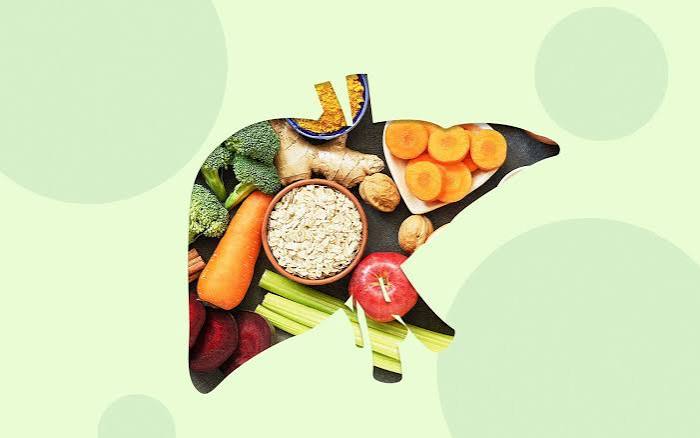
The following food groups have specific evidence of hepatic benefit in MASLD, either through direct reduction of liver fat in clinical trials or through mechanistic evidence of reduced hepatic lipogenesis, inflammation, or insulin resistance: Olive oil: The cornerstone of the Mediterranean dietary pattern, extra virgin olive oil is rich in oleic acid (a monounsaturated fatty acid that reduces hepatic de novo lipogenesis) and polyphenols (oleocanthal, oleacein, hydroxytyrosol) that reduce hepatic oxidative stress and NF-κB-mediated inflammation. Clinical trials have demonstrated that substituting olive oil for saturated fat reduces liver fat and improves metabolic markers in MASLD patients. Use as the primary cooking and dressing fat, targeting two to four tablespoons per day. Oily fish: Salmon, sardines, mackerel, herring, and trout provide long-chain omega-3 fatty acids (EPA and DHA) that directly reduce hepatic triglyceride synthesis through PPAR-alpha activation, reduce hepatic inflammation, and improve insulin sensitivity. Two to three portions per week produce measurable improvements in hepatic fat markers in MASLD trials. Non-starchy vegetables: Broccoli, cauliflower, spinach, kale, cucumber, courgette, peppers, tomatoes, and leafy greens provide dietary fibre (improving gut microbiome and reducing portal LPS influx), polyphenols with anti-inflammatory effects, and cruciferous glucosinolates (in broccoli and cauliflower) that activate Nrf2-mediated hepatic antioxidant defences. High vegetable intake is consistently associated with lower MASLD prevalence and severity in cohort studies. Aim for five or more portions per day. Legumes: Lentils, chickpeas, black beans, kidney beans, and other pulses provide a combination of fibre, resistant starch, and plant protein that reduces postprandial insulin spikes, feeds beneficial gut bacteria producing short-chain fatty acids, and reduces hepatic lipogenic gene expression. Meta-analyses show that legume consumption is inversely associated with MASLD risk and with hepatic fat content in cross-sectional studies. Aim for three to four portions per week. Nuts and seeds: Walnuts (particularly high in alpha-linolenic acid, the plant precursor of EPA and DHA), almonds, flaxseeds, chia seeds, and other nuts and seeds provide monounsaturated and polyunsaturated fats, dietary fibre, magnesium, and polyphenols with hepatoprotective effects. A small randomised trial demonstrated that twenty-eight grams of walnuts per day significantly reduced hepatic steatosis in MASLD patients after six months. Wholegrains: Oats, quinoa, barley, brown rice, and wholegrain bread provide complex carbohydrates digested more slowly than their refined equivalents, reducing postprandial insulin spikes and providing soluble fibre (particularly beta-glucan in oats) with hepatoprotective effects. Coffee: Two to four cups of filtered or instant coffee per day is independently associated with lower MASLD prevalence, slower fibrosis progression, and lower hepatocellular carcinoma risk in multiple large cohort studies — an association robust enough to be acknowledged in EASL guidelines. The mechanism involves coffee polyphenols reducing hepatic oxidative stress and inflammation.
Foods to Reduce or Avoid in MASLD
The dietary changes that produce the largest and fastest reductions in hepatic fat in MASLD trials are reductions in the following food categories: Added sugar and sugary beverages: Sugar-sweetened drinks (cola, fruit juice, sports drinks, energy drinks), confectionery, pastries, cakes, biscuits, and table sugar are the highest-impact dietary targets in MASLD. Fructose — present in table sugar (fifty percent fructose) and high-fructose corn syrup — is preferentially metabolised by the liver into triglycerides through hepatic de novo lipogenesis, with estimates that thirty to forty percent of dietary fructose is converted to hepatic fat in MASLD patients. Clinical trials in which fructose consumption is reduced by substituting water for sugary drinks demonstrate hepatic fat reductions detectable on MRI within six to eight weeks. Eliminating sugary beverages is the single most impactful dietary change most MASLD patients can make. Refined carbohydrates: White bread, white rice, white pasta, processed breakfast cereals, crackers, and other rapidly digested carbohydrates stimulate postprandial insulin surges that drive hepatic lipogenesis and impair adipose tissue lipolysis suppression. Replacing refined carbohydrates with high-fibre alternatives (wholegrain bread, brown rice, oats, legumes) reduces hepatic fat through improved glycaemic and insulin profiles. Saturated fat: Red meat, processed meat, full-fat dairy, butter, and tropical oils (coconut oil, palm oil) provide saturated fatty acids that contribute directly to hepatic triglyceride accumulation. This does not mean eliminating these foods entirely, but reducing their frequency and portion size while shifting toward unsaturated fat sources (olive oil, nuts, oily fish) produces measurable liver benefit. Ultra-processed foods: Packaged snacks, ready meals, fast food, and highly processed products contain combinations of refined carbohydrates, saturated fat, added sugar, and food additives (emulsifiers, artificial sweeteners) that independently impair gut barrier integrity, dysregulate appetite, and drive caloric excess beyond the effects of their macronutrient content. Reducing ultra-processed food intake — not just for caloric reasons but for these independent mechanistic effects — is a key component of the fatty liver diet. Alcohol: Any alcohol consumption accelerates liver injury in the context of existing hepatic steatosis, even at levels below the thresholds for alcoholic liver disease. MASLD patients should minimise alcohol to two to three units per week at most, and those with fibrosis F2 or above should abstain entirely.
Sample Day of Eating: A Practical Fatty Liver Meal Plan
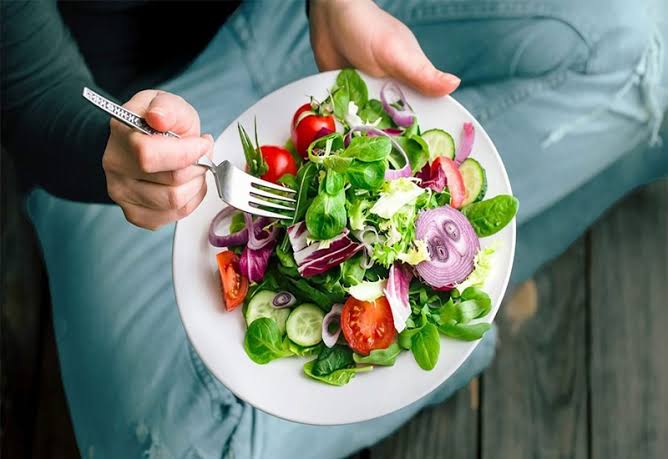
Translating the dietary principles above into a practical day of eating produces the following example — not a prescription, but an illustration of how the evidence-based recommendations look in real food terms: Breakfast: Porridge oats made with skimmed milk or plant milk, topped with a tablespoon of ground flaxseeds, a handful of blueberries, and a small handful of walnuts. Black coffee or green tea, no sugar. Oats provide soluble fibre (beta-glucan) that reduces postprandial glucose, flaxseeds provide omega-3 alpha-linolenic acid, blueberries provide hepatoprotective anthocyanins, and walnuts provide polyunsaturated fats. Lunch: A large mixed salad with chickpeas, cucumber, tomatoes, red onion, leafy greens, and tinned sardines in olive oil, dressed with extra virgin olive oil and lemon juice, with a slice of wholegrain rye bread. This provides omega-3s from sardines, legume fibre from chickpeas, monounsaturated fat from olive oil, and complex carbohydrate from rye bread. Dinner: Baked salmon fillet with roasted broccoli, cauliflower, and sweet potato, drizzled with olive oil and garlic. Brown rice as the carbohydrate base. This provides EPA and DHA from salmon, cruciferous glucosinolates from broccoli and cauliflower, and complex carbohydrate with beta-carotene from sweet potato. Snacks: A small handful of mixed nuts (almonds, walnuts, Brazil nuts); natural full-fat yoghurt with no added sugar; an apple or pear with skin intact for fibre. Drinks: Water as the primary beverage; two to three cups of coffee (no sugar); herbal tea. No sugary drinks, no fruit juice, no alcohol. This pattern provides approximately thirty to forty grams of dietary fibre (twice the average Western intake), substantial omega-3 fatty acids, high polyphenol content from olive oil and berries, and minimal added sugar or refined carbohydrate — meeting the key dietary targets for MASLD in a practically achievable framework.
Frequently Asked Questions
Do I need to cut out carbohydrates entirely to improve fatty liver?
No — but reducing refined carbohydrates and added sugar is the most impactful dietary change most MASLD patients can make. The evidence does not support complete carbohydrate elimination — low-carbohydrate diets reduce hepatic fat rapidly in trials, but so does the Mediterranean diet, which includes wholegrains, legumes, and fruits as moderate carbohydrate sources. The key distinction is between high-glycaemic, fibre-depleted refined carbohydrates (white bread, white rice, sugary cereals) and low-glycaemic, fibre-rich complex carbohydrates (legumes, oats, wholegrains) — the former drive hepatic lipogenesis while the latter provide fibre that benefits the gut microbiome and reduces portal insulin spikes. Eliminating the first category and emphasising the second produces substantial liver benefit without requiring total carbohydrate restriction. Regular liver function tests and FibroScan assessments will show whether the dietary changes are producing the intended liver improvement over three to six months.
Is fruit bad for fatty liver because of fructose?
Whole fruit is not harmful to the MASLD liver in normal dietary quantities (two to three portions per day) because the fructose in whole fruit is accompanied by dietary fibre, water, and cell wall structures that slow absorption significantly, blunting the hepatic fructose load compared with liquid fructose. The problem is concentrated fructose consumed rapidly in liquid form — fruit juice (which removes the fibre), sugar-sweetened beverages, and refined sugars — which delivers a hepatic fructose bolus that overwhelms the liver’s fructose metabolising capacity and drives de novo lipogenesis. Whole fruit is part of a healthy MASLD diet; fruit juice is not. Dried fruit has a higher fructose density and should be limited to small portions. GGT levels in particular are sensitive to dietary sugar and alcohol, and often improve rapidly with concentrated fructose reduction.
Sources: EASL–EASD–EASO — MASLD Clinical Practice Guidelines · AASLD — Liver Disease Clinical Guidance · NIDDK — NAFLD and NASH
Low-Carbohydrate Diets for MASLD: Evidence and Considerations
Low-carbohydrate dietary patterns — typically defined as less than one hundred grams of total carbohydrate per day, or the stricter ketogenic diet below fifty grams per day — have demonstrated the most rapid reductions in hepatic fat of any dietary approach in short-term MASLD trials (six to twelve weeks). The mechanism is direct: reducing dietary carbohydrate, and particularly fructose and glucose, removes the primary substrates for hepatic de novo lipogenesis, producing rapid decreases in hepatic triglyceride synthesis and measurable reductions in liver fat on MRI within two to four weeks. In a landmark randomised controlled trial comparing the Mediterranean diet with a low-carbohydrate diet in MASLD patients over eighteen months, both produced significant hepatic fat reduction — but the low-carbohydrate arm produced greater early-phase fat reduction. The considerations for low-carbohydrate diets in MASLD include: the rapid early hepatic benefit is partly driven by hepatic glycogen depletion alongside fat reduction, meaning that some of the initial MRI-detectable hepatic fat reduction reflects glycogen water loss rather than true lipid reduction; the cardiovascular lipid effects require monitoring — some patients experience rises in LDL cholesterol on low-carbohydrate diets, particularly if saturated fat intake increases, which may be inappropriate in MASLD patients who already face elevated cardiovascular risk; and long-term adherence to low-carbohydrate diets is challenging for many patients, and the liver benefit is only maintained if the dietary change is sustained. For patients who find strict carbohydrate restriction unsustainable, the Mediterranean diet approach (which reduces refined carbohydrates and added sugar without eliminating wholegrains, legumes, and fruits) produces comparable liver outcomes over longer periods with greater adherence rates. The practical recommendation is: both approaches work, choose the one you can sustain. The greatest hepatic harm comes not from which diet you follow but from returning to the MASLD-promoting dietary pattern after a period of restriction — the liver fat rebounds rapidly when added sugar and refined carbohydrate intake is restored.
Intermittent Fasting and Time-Restricted Eating in MASLD
Intermittent fasting — specifically time-restricted eating patterns such as the 16:8 protocol (sixteen hours of fasting, eating within an eight-hour window) — has been studied in MASLD with promising but not yet definitive results. The proposed mechanisms of benefit include: improved insulin sensitivity through extended fasting-period insulin suppression; improved circadian metabolic regulation (eating in alignment with the active period of the circadian clock, typically daytime, is associated with better metabolic outcomes than equivalent caloric intake consumed in the evening); activation of hepatic autophagy during the fasting period, which promotes liver cell renewal and lipid mobilisation; and caloric restriction through reduced eating window, which produces the same weight loss effects as conventional caloric restriction. Small randomised trials in MASLD patients have demonstrated significant reductions in liver fat, liver enzymes, and metabolic markers with sixteen to eighteen hours of daily fasting compared with standard eating patterns. The practical approach for interested MASLD patients is to try a twelve-hour fasting window first (eating between seven am and seven pm, for example), progressing to fourteen to sixteen hours if this is well-tolerated, and ensuring that the eating window contains the nutrient-dense Mediterranean-pattern foods described above rather than using the eating window as permission to consume processed foods. Time-restricted eating does not substitute for dietary quality — the liver benefits most when the restricted eating window is filled with hepatoprotective foods rather than simply fewer hours of the same unhealthy diet.
Supplements and the MASLD Diet: What the Evidence Shows
Several dietary supplements have been tested in MASLD, with varying degrees of evidence: Vitamin E: High-dose vitamin E (800 IU per day of alpha-tocopherol) is the only dietary supplement with a recommendation in major MASLD clinical guidelines — the PIVENS trial demonstrated significant MASH resolution and ALT reduction in non-diabetic adults with MASH. However, vitamin E at this dose has potential risks including increased all-cause mortality in some meta-analyses and possible increased prostate cancer risk in men — making it a specialist-initiated intervention for MASH, not a routine supplement. Omega-3 fatty acids: Fish oil supplementation at two to four grams of EPA/DHA per day reduces hepatic triglycerides and blood triglycerides in MASLD, though effects on histological endpoints (steatosis grading, fibrosis) have been modest in trials. For patients who cannot consume two to three portions of oily fish per week, omega-3 supplementation is a reasonable adjunct, particularly for managing elevated triglycerides. Probiotics and synbiotics: Small randomised trials of specific probiotic strains have shown modest improvements in liver enzymes and steatosis markers in MASLD, but the evidence is insufficient for a standard guideline recommendation. Dietary approaches to gut microbiome improvement (fibre, fermented foods) are preferred. Curcumin: Curcumin (from turmeric) has shown hepatoprotective effects in animal models and some small human trials, with one meta-analysis showing modest ALT reduction. It is not recommended in guidelines but is generally safe at culinary doses. Magnesium: Magnesium deficiency is common in insulin-resistant patients and is associated with higher MASLD prevalence in epidemiological studies. Dietary magnesium from leafy greens, nuts, and seeds is preferred over supplementation, but supplementation at one to two hundred milligrams per day is safe and may improve insulin sensitivity in deficient patients. The general principle is that dietary patterns produce liver benefit through the combined effect of multiple nutrients working synergistically — supplementing one micronutrient cannot replicate the effects of a whole dietary pattern, and the evidence base for supplements is consistently weaker than the evidence base for Mediterranean-pattern dietary change. Supplements should complement, not substitute for, fundamental dietary improvements.
Putting the fatty liver diet into practice requires focusing on the changes that will produce the largest hepatic benefit for the least disruption to daily life. The highest-impact starting point for most MASLD patients is eliminating sugary beverages and reducing refined carbohydrates — changes that produce measurable reductions in hepatic de novo lipogenesis within weeks without requiring a complete dietary overhaul. Building on this foundation by gradually increasing olive oil, oily fish, vegetables, and legumes while reducing ultra-processed food gradually shifts the overall dietary pattern toward the Mediterranean ideal. Monitoring progress through regular liver function tests and, where fibrosis is present, periodic FibroScan assessments, provides objective feedback on whether the dietary changes are producing the intended hepatic improvement — and the evidence consistently shows that they will, when maintained.
The question of dietary sustainability is ultimately more important than dietary perfection. A patient who achieves seventy to eighty percent adherence to a Mediterranean-pattern fatty liver diet for twelve months will achieve substantially greater liver benefit than one who follows a strict low-carbohydrate protocol for eight weeks and then returns to their previous eating pattern. The clinical evidence consistently shows that liver fat responds rapidly to both dietary restriction and restoration — meaning that the benefit is only maintained when the dietary change is. Building a sustainable dietary framework means identifying the five to six dietary changes that produce the largest impact (eliminating sugary beverages, replacing refined carbohydrates with wholegrains and legumes, adding two to three oily fish portions per week, increasing vegetable portions, using olive oil as the primary fat, and reducing alcohol) and maintaining these as durable habits rather than temporary restrictions. For patients with MASLD, understanding the biological mechanism behind each dietary recommendation — as detailed in this guide — transforms these recommendations from arbitrary dietary rules into rational, evidence-based interventions that patients can prioritise, adapt, and maintain according to their individual circumstances and preferences.
The section explaining WHY fructose in fruit juice is different from fructose in whole fruit finally made this click for me. I’ve been avoiding fruit because I thought the fructose was the problem. Understanding that the fibre changes the hepatic fructose delivery completely changes how I’m thinking about my diet. I’ll keep eating whole fruit and focus on eliminating the juice and sugary drinks instead — which is the actual problem.
Thank you Claire — you’ve identified exactly the right distinction. The hepatic fructose problem in MASLD is almost entirely driven by liquid fructose — particularly sugar-sweetened beverages (thirty to forty grams of fructose per can of cola), commercial fruit juices (equivalent fructose to soft drinks), and concentrated sweet foods consumed rapidly. Whole fruit at two to three portions per day delivers fructose embedded in a fibre and water matrix that slows absorption significantly and produces a hepatic fructose load a fraction of the equivalent liquid volume. The clinical trials that linked fructose to MASLD progression were largely driven by beverage consumption data. Cutting sugary drinks is the single most impactful change most MASLD patients can make, and your focus there is exactly right.
The practical meal plan section is exactly what I needed. Most MASLD dietary advice is too abstract — ‘eat Mediterranean’, ‘avoid processed food’ — without translating it into what a day of eating actually looks like. The specific breakfast, lunch, dinner, and snack options here are something I can actually implement this week. Thank you for making this concrete.