
Hepatitis B is one of the most consequential infectious diseases in the world — yet it remains dramatically underdiagnosed, undertreated, and underappreciated in terms of its global health impact. Approximately 296 million people are living with chronic hepatitis B virus (HBV) infection globally, and each year it causes an estimated 820,000 deaths from cirrhosis and hepatocellular carcinoma. The hepatitis B vaccine — available since 1982 — is one of the most effective vaccines ever developed, providing over ninety percent protection after a three-dose course and preventing both HBV infection and its primary complication, liver cancer. Yet despite this, hundreds of millions of people living with chronic HBV were infected before vaccines were available or accessible, and the majority remain undiagnosed. For adults — whether newly diagnosed, monitoring a known infection, or assessing their vaccination status — understanding hepatitis B in depth is the foundation for making informed decisions about their liver health.
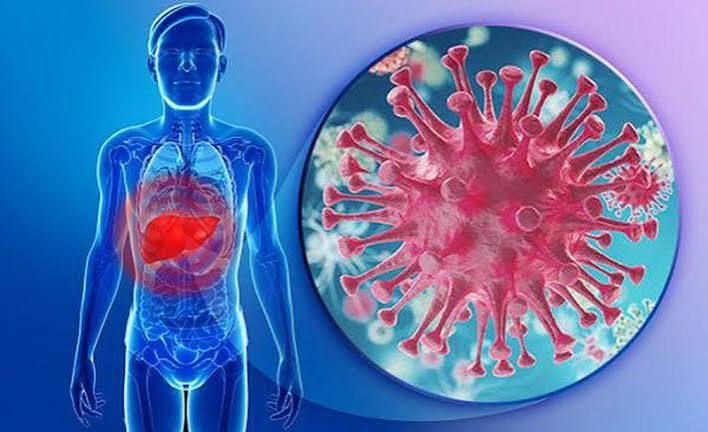
How Hepatitis B Spreads
Hepatitis B virus is transmitted through contact with infected blood, semen, vaginal secretions, and other body fluids — but not through casual contact such as hugging, sharing food, coughing, or sneezing. The three main transmission routes are: Perinatal (mother-to-child) transmission: The most epidemiologically important route globally, particularly in high-prevalence regions of sub-Saharan Africa and Asia. An HBsAg-positive mother transmits HBV to her newborn during delivery in approximately ten to forty percent of cases if the mother has low viral load (HBeAg-negative), and in sixty to ninety percent of cases if the mother has high viral load (HBeAg-positive). Newborns infected perinatally have a ninety percent probability of developing chronic HBV — the highest chronicity rate of any age group. Neonatal vaccination plus hepatitis B immunoglobulin (HBIG) within twenty-four hours of birth reduces perinatal transmission by over ninety percent. Sexual transmission: HBV is fifty to one hundred times more infectious than HIV and is efficiently transmitted sexually. Unprotected sex with an HBV-positive partner carries significant transmission risk, particularly for receptive partners. Multiple sexual partners and lack of vaccination are the primary sexual risk factors. Blood-to-blood transmission: Sharing needles or other injecting drug equipment with an HBV-positive individual; tattooing or body piercing with non-sterile equipment; needle-stick injuries in healthcare settings; and (historically) blood transfusions before routine HBV screening was implemented in the 1970s. HBV is extraordinarily stable outside the human body — it survives on environmental surfaces for up to seven days at room temperature, making indirect transmission through contaminated surfaces a theoretical but real risk in settings with inadequate infection control. HBV is not transmitted through breast milk — breastfeeding is safe for infants born to HBV-positive mothers who have received timely neonatal prophylaxis.
Acute vs Chronic Hepatitis B: What Happens After Infection
The clinical outcome after HBV infection depends fundamentally on the age at which infection occurs — a relationship that explains much of the global epidemiology of chronic HBV: Neonatal and early childhood infection: Ninety percent of perinatally acquired HBV infections and twenty-five to fifty percent of infections acquired in early childhood progress to chronic infection. This is because the immature immune system of infants and young children establishes immune tolerance to the virus rather than clearing it, allowing persistent HBV replication. Adult-acquired infection: Over ninety-five percent of immunocompetent adults who acquire HBV clear the infection within six months and develop protective immunity. Less than five percent develop chronic infection. However, adults with weakened immune systems — those receiving chemotherapy, on immunosuppressive therapy, or with HIV co-infection — have substantially higher rates of chronicity. Acute hepatitis B: The acute phase of HBV infection in adults is symptomatic in approximately thirty percent of cases — with jaundice, fatigue, right upper quadrant pain, nausea, dark urine, and pale stools. The remaining seventy percent have subclinical infection without recognised illness. Fulminant acute hepatitis B — acute liver failure — occurs in less than one percent of acute HBV cases but carries high mortality. Chronic hepatitis B phases: Chronic HBV infection progresses through recognised phases that reflect the balance between viral replication and immune response — immune tolerant (high viral load, minimal inflammation, common in perinatally infected young adults); immune active (high viral load, active liver inflammation, rising ALT); immune control (low viral load, minimal inflammation, normalised ALT — the goal of natural immune control); and reactivation (return to active replication, which can occur spontaneously or in the context of immunosuppression). The phase of chronic HBV infection influences treatment decisions and the intensity of monitoring required.
Understanding Your Hepatitis B Blood Tests
Hepatitis B serology is more complex than hepatitis A or C, because multiple antigens and antibodies are measured to determine infection status, immunity, and phase of disease. The core markers: HBsAg (hepatitis B surface antigen): The primary screening marker for HBV infection. A positive HBsAg indicates current infection — either acute or chronic. HBsAg that persists beyond six months of first detection defines chronic hepatitis B. Anti-HBs (antibody to hepatitis B surface antigen): A positive anti-HBs in the absence of HBsAg indicates either successful clearance of acute HBV (with protective immunity) or vaccination-induced immunity. Anti-HBs levels above ten mIU/mL indicate protective immunity. Anti-HBc (antibody to hepatitis B core antigen): Anti-HBc IgM indicates acute or recent HBV infection. Anti-HBc IgG indicates past infection — either cleared infection (with residual immune memory) or current chronic infection. Anti-HBc IgG positivity with negative HBsAg and positive anti-HBs indicates resolved past infection. HBeAg (hepatitis B e antigen) and anti-HBe: HBeAg positivity generally indicates high-level viral replication and higher infectivity. Anti-HBe positivity (with HBeAg negativity) indicates lower viral replication in most patients — though HBeAg-negative chronic hepatitis B (with mutations in the pre-core or basal core promoter regions) can still have significant viral replication despite HBeAg negativity. HBV DNA (viral load): Quantitative HBV DNA measured by PCR provides the most direct measure of viral replication. HBV DNA is used to determine treatment eligibility, monitor treatment response, and assess reactivation risk. Understanding these markers helps patients engage meaningfully with their monitoring results. ALT and liver function tests provide the complementary inflammatory picture alongside the virological markers.
Treatment for Chronic Hepatitis B
Chronic hepatitis B cannot currently be fully cured — the virus integrates its genetic material into hepatocyte DNA and maintains a reservoir of covalently closed circular DNA (cccDNA) in infected cells that current antivirals cannot eliminate. However, suppressive antiviral therapy can maintain viral load at undetectable levels indefinitely, preventing the ongoing liver injury that drives fibrosis progression and hepatocellular carcinoma. The currently recommended first-line antiviral agents for chronic HBV are: Tenofovir disoproxil fumarate (TDF) or tenofovir alafenamide (TAF): Both are nucleotide reverse transcriptase inhibitors with high potency, excellent safety profiles, and very low rates of resistance development. TAF has a more favourable renal and bone safety profile compared with TDF and is preferred for patients with renal impairment or osteoporosis risk. Entecavir: A guanosine nucleoside analogue with high potency and a similarly low resistance rate in treatment-naive patients. Entecavir is an alternative first-line agent and is preferred in some guidelines for patients with significant renal impairment. Treatment is initiated based on a combination of HBV DNA level, ALT elevation, fibrosis stage (assessed by FibroScan), age, and phase of chronic infection. Not all patients with chronic HBV require immediate antiviral therapy — those in the immune tolerant or immune control phases with low viral load and no significant fibrosis may be monitored without treatment. For patients who do start treatment, antivirals are typically continued indefinitely — stopping therapy carries significant risk of HBV reactivation and can precipitate severe acute hepatitis flares. The goal of antiviral therapy is HBV DNA suppression to undetectable levels, leading to ALT normalisation, reduced liver inflammation, and regression of fibrosis over time.
Hepatitis B and Liver Cancer Risk
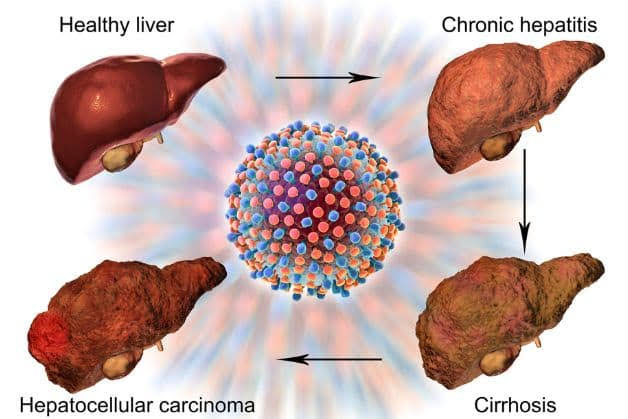
Chronic HBV infection is the most common cause of hepatocellular carcinoma (HCC) globally — accounting for approximately fifty to sixty percent of HCC cases worldwide. The risk of HCC in chronic HBV is substantially elevated even before cirrhosis develops — unlike hepatitis C and most other liver diseases, HBV can cause HCC through direct integration of viral DNA into hepatocytes and activation of oncogenic pathways, not solely through the cirrhotic transformation. The factors most strongly associated with HCC risk in chronic HBV include: high HBV DNA levels; male sex; older age; presence of cirrhosis; family history of HCC; African ethnicity (associated with perinatally acquired HBV); alcohol co-consumption; and co-infection with HCV or HIV. HCC surveillance — six-monthly liver ultrasound and serum AFP (alpha-fetoprotein) — is recommended for all patients with chronic HBV and cirrhosis, and for non-cirrhotic HBV patients with additional risk factors (family history of HCC, African patients over twenty, Asian men over forty, Asian women over fifty). Antiviral therapy with tenofovir or entecavir reduces HCC risk substantially — by approximately fifty to seventy percent in long-term cohort studies — but does not eliminate it, making surveillance important even in well-treated patients. For patients with FibroScan-confirmed advanced fibrosis or cirrhosis, the surveillance interval remains six-monthly regardless of viral suppression status on treatment.
Frequently Asked Questions
If I have chronic hepatitis B, can I still have a normal life?
Yes — the large majority of people with chronic hepatitis B who are monitored and treated appropriately live normal lifespans with minimal liver-related complications. Antiviral therapy with tenofovir or entecavir is safe for long-term use and well-tolerated by most patients. The key elements of maintaining good health with chronic HBV are: regular monitoring with liver function tests and HBV DNA every three to six months; FibroScan for fibrosis staging every one to two years; antiviral therapy when treatment criteria are met; HCC surveillance if indicated; alcohol avoidance or strict minimisation; hepatitis A vaccination if not already immune; and hepatitis A and B vaccination for household contacts and sexual partners who are not immune.
Should my family members be tested for hepatitis B?
Yes — this is one of the most important recommendations for anyone with chronic HBV. Household contacts (particularly sexual partners and children born before universal vaccination was introduced) should be tested for HBsAg, anti-HBs, and anti-HBc to determine their status. Those who test negative (not infected, not immune) should be offered vaccination. Those who test HBsAg-positive should be referred for hepatology assessment. The GGT test guide and liver function tests guide provide further context for understanding the blood tests used in HBV monitoring.
Sources: WHO — Hepatitis B Fact Sheet · NIDDK — Hepatitis B · EASL — Hepatitis B Clinical Practice Guidelines
HBV Reactivation: A Critical Risk to Understand
One of the most clinically important and underappreciated aspects of hepatitis B is the risk of reactivation — a sudden increase in HBV replication that can occur in patients who appear to have resolved their infection or who have controlled chronic infection, when their immune system is suppressed. HBV reactivation can occur in three categories of patients: Patients with resolved HBV (HBsAg-negative, anti-HBc positive): Despite apparent clearance of the surface antigen, HBV cccDNA persists in hepatocytes indefinitely. Profound immunosuppression — from chemotherapy, rituximab or other anti-CD20 therapy, solid organ transplant immunosuppression, high-dose corticosteroids, or biological therapies — can reactivate this latent viral reservoir, sometimes causing severe acute hepatitis flares with liver failure. Patients with chronic HBV who are not on antiviral therapy: Immunosuppression triggers active replication from an already-present viral reservoir. Patients with chronic HBV on antiviral therapy who stop treatment: Discontinuation of tenofovir or entecavir without medical supervision can trigger severe reactivation flares. The clinical implication is that any patient with known past or current HBV infection who is being considered for immunosuppressive therapy — including corticosteroids at doses above twenty milligrams per day for more than four weeks, any chemotherapy, rituximab, or any biological therapy — should be assessed for HBV reactivation risk and offered prophylactic antiviral therapy where indicated. All patients undergoing chemotherapy or biological therapy should be screened for HBsAg and anti-HBc before treatment begins. HBV reactivation without antiviral prophylaxis carries up to thirty percent mortality in some series — a preventable complication when risk is identified and managed proactively.
Hepatitis B in Pregnancy
Pregnancy management for women with chronic hepatitis B requires careful coordination between obstetric and hepatology teams to prevent perinatal transmission and manage maternal liver disease. The key considerations: Antenatal screening: All pregnant women should be screened for HBsAg at the first antenatal appointment. This is standard practice in the UK, US, and most high-income countries, but women born in high-prevalence countries who had their pregnancies elsewhere may not have been screened under the same protocols. Assessing transmission risk: Women with HBeAg positivity and high HBV DNA (above two hundred thousand IU/mL) have substantially higher perinatal transmission rates despite neonatal prophylaxis. Current guidelines recommend antiviral therapy in the third trimester for women with HBV DNA above two hundred thousand IU/mL to reduce transmission risk — tenofovir disoproxil fumarate is the preferred agent as it is safe in pregnancy with extensive safety data. Neonatal prophylaxis: All infants born to HBsAg-positive mothers require hepatitis B immunoglobulin (HBIG) and the first hepatitis B vaccine dose within twenty-four hours of birth, followed by completion of the vaccine series. This combination reduces perinatal transmission by over ninety percent. Breastfeeding: Breastfeeding is safe for infants of HBsAg-positive mothers who have received appropriate prophylaxis. Post-partum monitoring: Women who started antiviral therapy solely for prevention of perinatal transmission (rather than because they met treatment criteria themselves) require careful post-partum monitoring, as stopping antivirals after delivery carries reactivation risk and requires medical supervision.
Vaccination: Who Needs It and When
The hepatitis B vaccine is a recombinant protein vaccine containing HBsAg — it cannot cause HBV infection and is safe for all age groups including pregnant women and immunocompromised individuals (though the immune response may be attenuated in the latter group). Standard vaccination schedules: Universal infant vaccination: Three doses at zero, one, and six months (or alternative schedules depending on national programme). Neonates of HBsAg-positive mothers receive the vaccine alongside HBIG within twenty-four hours. Catch-up vaccination for unvaccinated adults: Three-dose schedule over six months (zero, one, six months) or an accelerated schedule (zero, seven, twenty-one days, with a booster at twelve months) for rapid protection before high-risk exposure. Two-dose adult schedule: HEPLISAV-B (available in the US) provides protection in two doses given one month apart, with higher seroprotection rates in adults over forty and immunocompromised individuals than the standard three-dose vaccine. Groups recommended for vaccination: Healthcare workers; sexual contacts of HBsAg-positive individuals; people who inject drugs; men who have sex with men; travellers to intermediate or high endemic regions; prisoners; people with chronic liver disease (including MASLD, chronic HCV, alcoholic liver disease) who are not already immune; and anyone who requests protection. Post-vaccination antibody testing (anti-HBs level) is recommended four to eight weeks after the final dose for healthcare workers and other high-risk individuals to confirm protective response. Non-responders (anti-HBs below ten mIU/mL) should receive a repeat three-dose course, after which approximately fifty percent of initial non-responders will seroconvert.
Lifestyle Considerations With Chronic Hepatitis B
For people living with chronic HBV, specific lifestyle factors significantly influence disease progression and complication risk: Alcohol: Alcohol consumption accelerates fibrosis progression in chronic HBV through additive hepatotoxic mechanisms — synergistic effects on liver cell damage, oxidative stress, and impaired immune surveillance. Abstinence or strict minimisation is recommended. Body weight: Metabolic-associated steatotic liver disease (MASLD) co-occurring with chronic HBV compounds liver injury and accelerates fibrosis — maintaining healthy body weight through diet and exercise is an important secondary prevention measure. Medications and supplements: Many medications are hepatically metabolised and carry increased hepatotoxicity risk in the context of chronic HBV — paracetamol should be used at the minimum necessary dose, NSAIDs used cautiously, and all herbal and complementary supplements disclosed to the treating hepatologist, as many are hepatotoxic. Hepatitis A vaccination: Superimposed acute hepatitis A in a patient with chronic HBV carries much higher risk of fulminant hepatic failure than in immunocompetent individuals without liver disease — vaccination against HAV (if not already immune) is strongly recommended for all patients with chronic HBV. HIV co-infection: HIV-HBV co-infection is associated with faster HBV fibrosis progression, higher HCC risk, and more complex management. Antiretroviral regimens for HIV co-infected patients should include drugs with anti-HBV activity (tenofovir plus emtricitabine) rather than HIV regimens that leave HBV untreated. Disclosure and relationships: Sexual partners of HBsAg-positive individuals who are not immune should be vaccinated. Household members should be screened and vaccinated if not immune. The emotional and relational dimensions of living with a chronic bloodborne infection require sensitive discussion — stigma remains a significant barrier to care-seeking and disclosure in many communities, and connecting patients with peer support resources and community organisations can meaningfully improve engagement with care and quality of life.
The trajectory of chronic hepatitis B has been transformed by antiviral therapy over the past two decades. What was once a condition that inevitably progressed to cirrhosis and liver cancer in a significant proportion of patients is now, with appropriate monitoring and treatment, a manageable chronic condition compatible with normal life expectancy for most patients. The key to that transformation is diagnosis — and for the estimated two hundred million people living with undiagnosed chronic HBV globally, that first step of testing remains the most important intervention available. For anyone who has not been tested and has risk factors for HBV — birth in a high-prevalence region, unvaccinated status, history of injection drug use, sexual contact with an HBV-positive partner — discussing hepatitis B screening with a GP is the most important liver health action they can take. Regular liver function tests and FibroScan assessments form the backbone of ongoing monitoring for those already diagnosed.
Emerging therapies for chronic HBV are an active area of clinical research aimed at achieving what current antivirals cannot — functional cure, defined as sustained HBsAg loss after a finite treatment course. Multiple novel mechanisms are under investigation, including: capsid assembly modulators (CAMs), which disrupt HBV replication by preventing formation of the viral capsid; RNA interference (RNAi) therapies targeting HBV RNA; antisense oligonucleotides reducing HBcAg and HBsAg; and immune modulators (therapeutic vaccines, checkpoint inhibitors, TLR agonists) designed to restore the immune response that controls HBV in natural clearance. Several combination regimens are currently in Phase 2 and Phase 3 clinical trials, and functional cure rates — HBsAg loss at twenty-four weeks after treatment — of ten to thirty percent have been reported in some studies. While functional cure remains an aspirational goal rather than a current clinical reality for most patients, the rapid pace of HBV therapeutic development over the past five years suggests that finite curative therapy may become available within the next decade — a prospect that reinforces the importance of identifying and engaging all patients with chronic HBV in care now, so they are connected to specialist services when more definitive treatment options become accessible. Patients with chronic HBV who want to understand the research landscape should ask their hepatologist about available clinical trials. The ALT guide and the FibroScan guide explain the monitoring tools that will remain central to HBV management regardless of which treatment approach is used.
Really thorough explanation of the different phases of chronic HBV infection. I’ve had a family member diagnosed with hepatitis B for years and never fully understood why his doctor keeps monitoring without treating. The immune tolerant phase section finally made that click for me. Thank you for writing this so clearly.
Thank you, Sandra — that’s exactly the kind of context that makes a real difference. The immune tolerant phase is genuinely counterintuitive: high viral replication but normal liver enzymes, which means many patients (and sometimes even clinicians) wonder why no treatment is being started. The monitoring period is active clinical management, not inaction — it’s watching for the transitions that change the treatment calculation. Wishing your family member well with his ongoing care.
The section on HBV reactivation risk during chemotherapy is something I wish I had read before my own treatment. Nobody warned me to get screened beforehand. Articles like this are genuinely valuable for patients who need to advocate for themselves with their care team.