
Gamma-glutamyl transferase — universally abbreviated as GGT — is a liver enzyme that appears on most standard blood panels alongside ALT, AST, and ALP, yet is among the least understood of the liver function markers by patients who receive results showing it is elevated. GGT occupies a unique position in liver testing: it is exquisitely sensitive to hepatobiliary disease of almost any kind, rising early and in virtually all forms of liver and bile duct pathology, yet it lacks the specificity that makes a single elevated value definitively diagnostic. This combination — high sensitivity, modest specificity — makes GGT most useful as a confirmatory marker alongside other liver tests, particularly as the key test for confirming that an elevated alkaline phosphatase (ALP) is arising from the liver rather than bone. Understanding what GGT measures, why it rises in so many different conditions, and how to interpret an isolated or combined GGT elevation gives patients and clinicians the context to make sense of this frequently abnormal but often incompletely explained blood result.
GGT is an enzyme found on the surface of cells lining the bile ducts (cholangiocytes), hepatocytes, kidney tubular cells, and pancreatic cells, where it plays a role in glutathione metabolism — the cellular antioxidant and detoxification system. In liver health specifically, GGT’s clinical relevance comes from three distinct contexts: its role as the confirmatory marker for hepatic origin of ALP elevation, its role as a sensitive — if non-specific — marker of alcohol consumption and hepatotoxic exposures, and its role as an early indicator of hepatobiliary disease in patients whose ALT and ALP are still within normal limits. Each of these uses requires a different interpretive framework, and understanding which context applies to a given patient is the key to translating a GGT number into a clinically actionable conclusion.
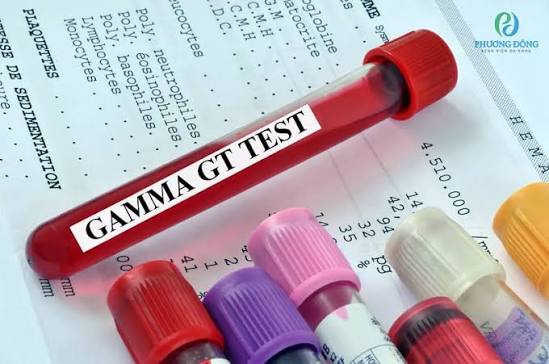
What GGT Measures and Normal Ranges
Normal GGT ranges differ by sex: in most laboratories, the upper limit of normal is approximately 45–65 IU/L in men and 35–45 IU/L in women, reflecting the influence of body composition, hormonal factors, and alcohol metabolism patterns on baseline GGT levels. Men have consistently higher GGT values than women at every point along the distribution, including at normal ranges. GGT rises with age in both sexes — the upper limit of normal for a 20-year-old woman and a 65-year-old woman are meaningfully different, and some clinicians use age- and sex-adjusted reference ranges rather than a single population threshold. GGT is also elevated physiologically in newborns (due to hepatocyte maturation and biliary flux), gradually normalising through infancy. Certain ethnic groups have modestly different average GGT distributions, though clinical reference ranges in the United States are typically not ethnicity-stratified.
The degree of GGT elevation provides some guidance on the likely cause. Mild elevation — one to three times the upper limit of normal — is the most common pattern and encompasses the broadest differential: MASLD (metabolic fatty liver disease), regular alcohol consumption without significant liver injury, medications and supplements, thyroid disease, and incidental elevation in otherwise healthy individuals. Moderate elevation — three to ten times normal — is more likely to indicate significant biliary disease (cholestasis from any cause), active hepatocellular disease with a biliary component (such as alcoholic hepatitis), or ongoing drug-induced hepatotoxicity. Marked elevation — more than ten times normal — is characteristic of biliary obstruction (stones, strictures, cholangiocarcinoma), primary biliary cholangitis with active inflammation, and severe alcoholic hepatitis. Very high GGT values (sometimes fifty to one hundred times normal) can occur in primary or secondary hepatic malignancy, infiltrative liver diseases (sarcoidosis, lymphoma), and advanced biliary obstruction. The articles on dark urine and liver disease and pale stool and bile duct obstruction cover the clinical symptoms that accompany marked GGT elevation from cholestatic causes.
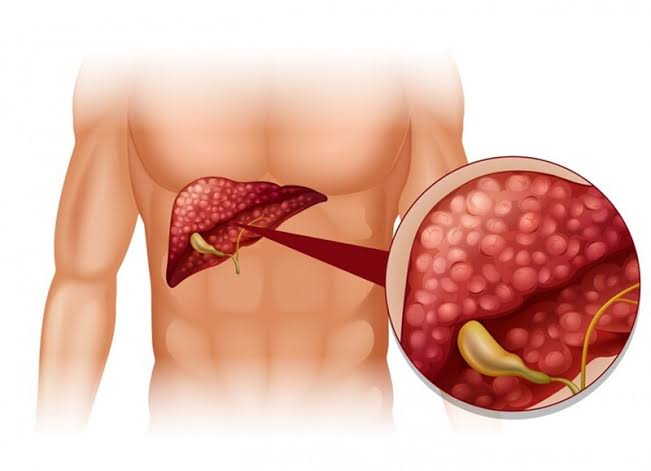
GGT and Alcohol — Sensitivity as an Abstinence Marker
Among all routine blood markers, GGT is the most sensitive laboratory indicator of regular heavy alcohol consumption in the absence of advanced liver disease. Regular alcohol intake — defined in most studies as more than fourteen units per week in women or twenty-one units per week in men — elevates GGT through multiple mechanisms: direct induction of GGT gene expression in hepatocytes by ethanol, oxidative stress on hepatocyte membranes increasing GGT release, and microsomal enzyme induction that upregulates the glutathione pathway in which GGT participates. The magnitude of elevation correlates roughly with the duration and volume of alcohol consumption rather than with any single drinking episode, and GGT elevation from alcohol can develop within days of a binge or can be a stable finding reflecting months or years of regular consumption. The specificity of GGT for alcohol is limited — MASLD, medications, and cholestasis all elevate GGT — but in a patient with no other liver test abnormalities, no identified biliary disease, and no hepatotoxic drug history, an isolated GGT elevation in the range of two to five times normal is predominantly alcohol-related until proven otherwise.
GGT’s most practical application as an alcohol biomarker lies in monitoring abstinence. In a patient who abstains from alcohol, GGT typically normalises within two to six weeks — sometimes faster in lighter drinkers, sometimes slower in those with co-existing fatty liver. This half-life in the bloodstream following abstinence (estimated at two to three weeks for GGT) makes it a useful serial marker for tracking compliance with abstinence in liver disease management, alcohol treatment programmes, and occupational health settings. A GGT that falls predictably with abstinence and rises again during periods of relapse provides an objective biochemical correlate of drinking behaviour. For patients with alcohol-related liver disease — including alcoholic fatty liver, alcoholic hepatitis, and alcohol-related cirrhosis — GGT monitoring alongside other liver function tests provides a combined picture of treatment response and drinking behaviour. The clinical assessment of liver disease progression in this context intersects with the article on easy bruising as a marker of liver synthetic function decline in alcohol-related liver disease.
GGT as the Confirmatory Marker for Hepatic ALP Elevation
One of GGT’s most clinically useful applications is as the gatekeeper test for confirming that an elevated alkaline phosphatase (ALP) is arising from the liver rather than bone. ALP is produced by bile duct cells, bone osteoblasts, placenta, and intestine — and distinguishing which tissue is the source requires a co-marker that is specific to the liver side of the equation. GGT is that co-marker: it is co-elevated in virtually all hepatobiliary causes of ALP elevation (bile duct obstruction, primary biliary cholangitis, primary sclerosing cholangitis, drug-induced cholestasis, hepatocellular carcinoma), and it is NOT elevated in bone disease (Paget’s disease, bone metastases, healing fractures, hyperparathyroidism) or in the physiological ALP elevation of pregnancy. The rule is therefore: elevated ALP with elevated GGT = hepatic origin; elevated ALP with normal GGT = bone or non-hepatic origin. This simple rule prevents thousands of unnecessary hepatobiliary investigations annually and redirects patients toward appropriate bone workup when the ALP elevation is non-hepatic.
In practice, GGT is measured automatically alongside ALP on most liver function panels in the United States and United Kingdom, making the co-interpretation straightforward. When both are elevated, the pattern of their relative magnitudes provides additional information: very high GGT with modestly elevated ALP in an asymptomatic patient with metabolic risk factors points toward MASLD or alcohol-related liver disease; markedly elevated ALP with proportionally elevated GGT and rising bilirubin points toward biliary obstruction; elevated GGT and ALP in a middle-aged woman with pruritus and fatigue raises the question of primary biliary cholangitis (PBC) and warrants anti-mitochondrial antibody (AMA) testing. The article on itchy skin and cholestatic liver disease covers the clinical presentation of PBC and other cholestatic conditions that produce the characteristic GGT-ALP pattern.
GGT in Metabolic Liver Disease and Cardiovascular Risk
In patients with metabolic syndrome — the cluster of obesity, insulin resistance, hypertension, and dyslipidaemia — GGT elevation is a common finding that reflects hepatic steatosis (fatty liver) and oxidative stress. GGT participates directly in the metabolism of glutathione, the primary cellular antioxidant, and its elevation in metabolic liver disease reflects the increased oxidative burden imposed by lipid accumulation in hepatocytes and the resulting cellular stress response. In MASLD, GGT elevation correlates with the degree of hepatic inflammation and fibrosis more closely than ALT in some studies — making GGT a useful marker of MASH (metabolic dysfunction-associated steatohepatitis) activity even when ALT is only mildly elevated. Epidemiological studies have found that elevated GGT in the general population — even within the so-called normal reference range — is independently associated with increased risk of type 2 diabetes, cardiovascular disease, metabolic syndrome progression, and all-cause mortality after adjustment for other risk factors. This association likely reflects GGT’s role as a marker of oxidative stress and systemic inflammation rather than a direct causal role in cardiovascular pathology, but it supports the clinical utility of GGT as a metabolic risk marker beyond its hepatobiliary applications. For context on how liver health connects to the systemic signs of metabolic liver disease, see the article on fatigue as an early manifestation of liver disease.
Frequently Asked Questions About the GGT Test
My GGT is elevated but all my other liver tests are normal — what does that mean?
Isolated GGT elevation — with normal ALT, AST, ALP, bilirubin, and albumin — is a common finding and in most cases indicates one of three things: regular alcohol consumption (the most common cause), hepatic steatosis (fatty liver from metabolic causes), or medication/supplement induction. In a patient without other liver test abnormalities, without symptoms of liver disease, and without any of the alarm features that warrant urgent investigation (jaundice, dark urine, pale stool, weight loss, abdominal pain), isolated GGT elevation is usually managed conservatively: alcohol reduction, lifestyle modification for metabolic risk factors, review of hepatotoxic medications and supplements, and repeat testing in six to twelve weeks to assess whether the GGT normalises. If GGT persists elevated despite alcohol cessation and lifestyle changes, further investigation including liver ultrasound and full liver autoimmune panel is reasonable to exclude biliary disease or early MASLD. The key reassurance is that isolated GGT elevation without other liver test abnormalities very rarely reflects serious biliary obstruction or acute liver injury — those conditions virtually always produce co-elevation of ALP, bilirubin, or aminotransferases.
How long does it take for GGT to return to normal after stopping alcohol?
GGT typically normalises within two to six weeks of complete alcohol abstinence in patients without significant structural liver disease. The rate of normalisation depends on baseline GGT level and duration of drinking: lighter drinkers with modest elevation (one to two times normal) may normalise within two to three weeks, while heavy long-term drinkers with higher GGT values (three to five times normal) may take four to eight weeks. Patients with co-existing MASLD, alcoholic hepatitis, or early cirrhosis may normalise GGT more slowly or incompletely even with abstinence, as the underlying structural liver disease contributes independently to GGT elevation beyond the alcohol-induction effect. If GGT remains substantially elevated after eight to twelve weeks of confirmed abstinence, investigation for other hepatobiliary causes — biliary disease, PBC, PSC, drug-induced cholestasis — is warranted rather than attributing the persistent elevation to alcohol alone. Monitoring GGT as an abstinence marker works most reliably in conjunction with clinical assessment, carbohydrate-deficient transferrin (CDT) levels where available, and patient-reported alcohol history, since no single biomarker can replace a thorough clinical evaluation of alcohol use. The article on when digestive symptoms require medical evaluation provides broader context for when liver-related findings need urgent versus routine assessment.
Sources: NIDDK — Liver Blood Tests · AASLD — Liver Disease Guidelines · Mayo Clinic — Liver Function Tests
Medications and Supplements That Elevate GGT
Drug-induced GGT elevation — without necessarily causing significant liver injury — is one of the most common reasons for an isolated GGT rise in clinical practice, and a thorough medication review is therefore essential in evaluating any patient with unexplained elevated GGT. The most clinically significant drug inducers of GGT are enzyme-inducing anticonvulsants: phenytoin, carbamazepine, valproate, and phenobarbital all induce hepatic cytochrome P450 enzymes and the glutathione pathway, producing GGT elevation (sometimes two to four times normal) without clinically significant liver injury. This elevation is an expected pharmacological consequence of the drug’s mechanism and does not require drug cessation in the absence of other liver test abnormalities or symptoms. Rifampicin — the antituberculosis and antibiotic agent — is a potent enzyme inducer that consistently elevates GGT and to a lesser extent ALP during treatment courses, producing biochemical changes that must be interpreted knowing the patient’s medication history to avoid unnecessary investigation for biliary disease.
Oestrogen-containing medications — combined oral contraceptives, hormone replacement therapy, and high-dose oestrogen therapy — can elevate GGT through cholestatic mechanisms in susceptible individuals, particularly those with underlying genetic variants affecting bile acid transport (ABCB4, FIC1). Statins produce mild transaminase elevation in a small proportion of patients (primarily ALT and AST) and less commonly GGT elevation; persistent statin-related GGT elevation above three times normal warrants liver ultrasound and specialist review, but isolated mild GGT rise on statins in the absence of ALT elevation or symptoms is usually not an indication to stop the statin. Proton pump inhibitors — widely used for acid reflux management — have been associated in some population studies with modest GGT elevation, likely through microbiome effects rather than direct hepatotoxicity. Herbal supplements are an under-recognised cause of GGT elevation: green tea extract, kava, black cohosh, and traditional herbal medicines containing pyrrolizidine alkaloids can elevate GGT as an early sign of hepatotoxicity before ALT elevation develops. In any patient presenting with unexplained GGT elevation, the complete drug and supplement history — including over-the-counter products, protein powders, herbal teas, and traditional remedies taken over the prior six months — should be obtained before concluding that investigations for structural liver or biliary disease are required. The article on jaundice as a sign of significant liver or biliary disease provides context on when drug-induced GGT elevation progresses to a clinically visible stage.
GGT in Liver Disease Monitoring and Fibrosis Assessment
In established chronic liver disease, GGT provides information that complements ALT and albumin in monitoring disease trajectory. In MASLD, GGT tends to track more closely with the degree of hepatic inflammation and oxidative stress than ALT alone — a patient with stable MASLD and consistently normal ALT but persistently elevated GGT (two to three times normal) may have more significant steatohepatitis activity than a patient with a similar ALT. GGT is incorporated into some non-invasive fibrosis assessment tools: the APRI score uses AST and platelets, while the FibroTest (FibroSure in the United States) uses GGT alongside alpha-2 macroglobulin, haptoglobin, apolipoprotein A1, total bilirubin, and ALT, providing a validated composite estimate of fibrosis stage. In primary biliary cholangitis (PBC), GGT tracks alongside ALP as the primary biochemical response marker during ursodeoxycholic acid (UDCA) therapy, and GGT normalization or substantial reduction is a positive indicator of biochemical response. In alcohol-related liver disease, persistently elevated GGT despite reported abstinence should prompt reassessment of alcohol intake, as carbohydrate-deficient transferrin (CDT) — another abstinence biomarker with complementary sensitivity — can be added to the monitoring panel to improve confidence in the assessment.
Non-alcoholic fatty liver disease (MASLD) is the most prevalent cause of mildly elevated GGT in the general adult population in developed countries, reflecting the high prevalence of obesity, insulin resistance, and metabolic syndrome. In patients with MASLD, GGT elevation correlates with hepatic insulin resistance and oxidative burden, and falls with successful lifestyle intervention — weight loss reducing GGT roughly in proportion to the weight lost and the degree of hepatic steatosis reduction confirmed on ultrasound. The combination of lifestyle intervention producing simultaneously falling GGT, falling ALT, and improving metabolic parameters (HbA1c, triglycerides, waist circumference) provides a multi-pronged confirmation of therapeutic response that is more reassuring than any single marker. For patients engaging in lifestyle change for liver health, understanding what GGT represents and why it should fall with weight loss provides a meaningful target and motivational marker for behaviour change, connecting the abstract number to the tangible biochemical consequences of improved metabolic health.
GGT in Biliary and Cholestatic Liver Disease
In cholestatic liver disease — conditions where bile flow is impaired from intrahepatic or extrahepatic causes — GGT elevation is a consistent and often early finding that reflects the induction of bile duct cell GGT by accumulated bile acids and the direct injury to cholangiocytes. In primary biliary cholangitis (PBC), GGT may be the first liver test to rise above normal, preceding ALP elevation by months to years, making it a sensitive early marker in patients who are screened because of a family history of PBC or because anti-mitochondrial antibody (AMA) positivity has been detected incidentally. Primary sclerosing cholangitis (PSC) — the bile duct stricturing disease strongly associated with inflammatory bowel disease — produces both GGT and ALP elevation alongside characteristic imaging findings on MRCP; GGT often rises disproportionately to ALP in PSC, particularly during flares of biliary inflammation. Drug-induced cholestasis from amoxicillin-clavulanate, flucloxacillin, and other cholestatic agents produces a pattern of co-elevated GGT and ALP with rising bilirubin that typically begins within one to eight weeks of drug initiation and resolves over weeks to months after cessation. In extrahepatic biliary obstruction from common bile duct stones or malignancy, GGT rises alongside ALP and bilirubin in the characteristic obstructive pattern, and its presence alongside rising bilirubin and ALP should trigger urgent liver ultrasound to assess for bile duct dilation.
GGT’s role in the full liver function panel is perhaps best understood as a clinical amplifier: it amplifies the significance of other liver test elevations when co-elevated, confirming their hepatic origin (in the case of ALP) or pointing toward biliary involvement (in conditions where ALT elevation might otherwise be attributed to purely hepatocellular causes). It provides the earliest warning signal in several conditions where ALP and ALT remain normal for a period before they rise. And it provides an objective, serially measurable biochemical marker for tracking the response to treatment — whether that treatment is alcohol cessation, antiretrovirals for hepatitis B or C, UDCA for PBC, or lifestyle modification for MASLD. In a comprehensive liver health assessment, GGT — interpreted in the context of the full panel, clinical history, imaging, and temporal trends — is an indispensable component of understanding what the liver is doing, how it is being stressed, and how it is responding to intervention. The full liver function panel framework, including how GGT fits alongside ALT, AST, bilirubin, albumin, and ALP, is covered in the companion article on liver function tests explained.
I’ve been on carbamazepine for five years and my GGT has always been around 3x normal. Every time a new doctor sees it they want to investigate my liver further. This article explaining that enzyme-inducing anticonvulsants routinely elevate GGT as a pharmacological effect — without causing liver injury — would have saved me a lot of anxiety if I’d read it years ago.
Laura, you’ve identified something that is genuinely a gap in how medication effects on liver tests get communicated to patients. Carbamazepine, phenytoin, and valproate are well-established GGT inducers, and the elevation is a pharmacological consequence of how these drugs work — not a sign of liver damage. If you haven’t already, asking your neurologist or GP to add a note in your records explaining that your elevated GGT is medication-related would help prevent repeat unnecessary investigation each time a new clinician sees the result.
Good explanation of the GGT-ALP relationship. As a GP I find this combination the most commonly misunderstood pairing in liver tests — patients come in worried about ‘liver problems’ when actually their ALP is from Paget’s and GGT is normal. Having a clear plain-English resource to direct them to is genuinely useful.