
Fatty liver disease and high cholesterol frequently occur together, and the relationship between them is more complex than simple co-occurrence. Both conditions share insulin resistance as a primary driver, but the relationship extends beyond this shared origin: the liver is the central organ in cholesterol and lipid metabolism, and when it becomes steatotic (fatty), its lipid-handling capacity is impaired in ways that directly contribute to dyslipidaemia — the abnormal blood lipid profile characterised by elevated triglycerides, low HDL cholesterol, and abnormal LDL particle characteristics. Understanding the link between MASLD (metabolic dysfunction-associated steatotic liver disease) and dyslipidaemia is important for patients managing either or both conditions, particularly because it informs the choice of lipid-lowering therapy and because the cardiovascular risk implications of the two conditions together are greater than either alone.
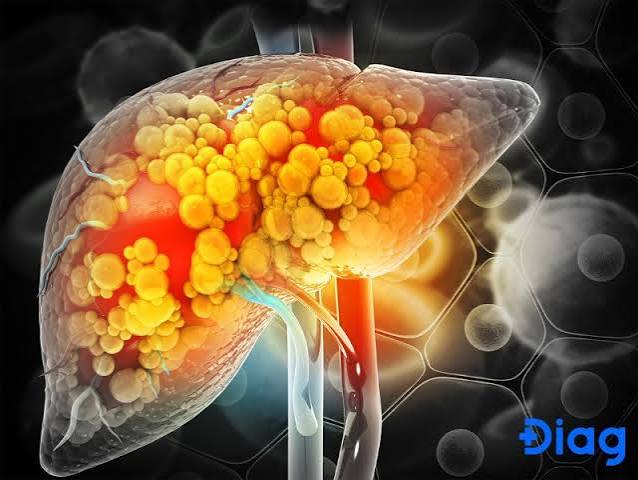
How the Liver Regulates Cholesterol and Lipids
The liver is the primary site of cholesterol synthesis, cholesterol catabolism (conversion to bile acids), and lipoprotein production and clearance. Approximately seventy to eighty percent of total body cholesterol is produced by the liver through de novo cholesterol synthesis (via the HMG-CoA reductase pathway — the target of statin drugs). The liver also clears LDL particles from the circulation via hepatic LDL receptors, produces HDL precursors, synthesises and secretes VLDL particles (which carry triglycerides from the liver to peripheral tissues), and converts cholesterol to bile acids for excretion. In a metabolically healthy liver, these processes are tightly regulated to maintain plasma lipid homeostasis. When the liver becomes steatotic and insulin-resistant, several of these regulatory mechanisms are disrupted: VLDL secretion may initially increase (as the liver attempts to export accumulated lipid) but eventually becomes impaired with progressive hepatocyte damage; hepatic LDL receptor expression may be reduced, impairing LDL clearance; and bile acid synthesis is altered. These changes collectively contribute to the dyslipidaemia pattern consistently seen in MASLD — elevated triglycerides, low HDL cholesterol, and LDL particles that are qualitatively abnormal (small and dense, more atherogenic than the large, buoyant LDL particles seen in familial hypercholesterolaemia). Understanding the liver’s central role in lipid metabolism explains why MASLD-associated dyslipidaemia cannot be fully addressed with lipid-lowering medication alone — treating the underlying hepatic metabolic dysfunction is an integral part of lipid management in these patients.
The Specific Dyslipidaemia Pattern in MASLD
The lipid profile associated with MASLD has a characteristic pattern that differs from isolated hypercholesterolaemia and carries its own cardiovascular risk implications. The key features are: Elevated triglycerides: Hypertriglyceridaemia (fasting triglycerides above 1.7 mmol/L) is among the most consistent dyslipidaemia findings in MASLD, reflecting increased hepatic VLDL secretion driven by insulin resistance and the elevated portal free fatty acid delivery that accompanies visceral adiposity. Triglycerides above 2.3 mmol/L are associated with significantly increased MASLD prevalence and severity. Low HDL cholesterol: Reduced HDL (below 1.0 mmol/L in men, below 1.3 mmol/L in women) is associated with MASLD both because of impaired reverse cholesterol transport and because high triglyceride levels promote the exchange of triglycerides for HDL cholesterol esters via CETP (cholesteryl ester transfer protein), progressively depleting HDL. Normal to mildly elevated LDL, but abnormal LDL particle size: Total LDL cholesterol is often not dramatically elevated in MASLD — in some patients it is even normal — but the LDL particles are characteristically small and dense. Small dense LDL particles penetrate the arterial wall more easily than large buoyant LDL particles and are more susceptible to oxidation, making them substantially more atherogenic per unit of cholesterol mass than the large LDL particles that dominate in non-metabolic hypercholesterolaemia. Standard lipid panels measure LDL cholesterol (mass) but do not characterise particle size — meaning that patients with MASLD may have apparently “normal” LDL but a highly atherogenic LDL particle profile. Elevated non-HDL cholesterol and ApoB: Non-HDL cholesterol (total cholesterol minus HDL cholesterol) and ApoB (apolipoprotein B, present on all atherogenic lipoprotein particles) are more informative cardiovascular risk markers in MASLD than LDL cholesterol alone, as they capture both VLDL and LDL atherogenicity.
Are Statins Safe in Fatty Liver Disease?
Historically, there was concern that statins — which are metabolised by the liver and can occasionally cause liver enzyme elevation as a side effect — might be harmful in patients with pre-existing liver disease including MASLD. This concern led to statins being withheld or stopped in many MASLD patients with elevated liver enzymes, depriving them of substantial cardiovascular protection. The evidence base now clearly contradicts this historical caution: Statins are safe in MASLD — multiple prospective studies and meta-analyses have confirmed that statins do not cause progressive liver disease or liver failure in patients with MASLD, and that the transient liver enzyme elevations seen in a minority of statin users (approximately one to three percent) are mild, non-progressive, and resolve with dose reduction or discontinuation. Statins may be beneficial for MASLD beyond their LDL-lowering effect: observational studies suggest that statin use in MASLD patients is associated with reduced liver fibrosis and reduced risk of HCC compared with non-statin users, plausibly through anti-inflammatory and anti-fibrotic mechanisms. Statins are contraindicated in decompensated cirrhosis (where synthetic liver function is impaired and the risk of statin-related myopathy and rhabdomyolysis is increased) but are generally safe in compensated cirrhosis with appropriate monitoring. The current guidance from major hepatology and cardiology societies is unambiguous: patients with MASLD who have elevated cardiovascular risk should receive statin therapy. Withholding statins from MASLD patients because of liver disease concerns is not justified by the evidence and exposes patients to avoidable cardiovascular events. Liver function tests should be checked at baseline and after four to twelve weeks of statin initiation, primarily to establish a baseline and detect drug-induced liver injury early, but modest enzyme elevations (below three times the upper limit of normal) in the absence of symptoms do not require statin discontinuation.
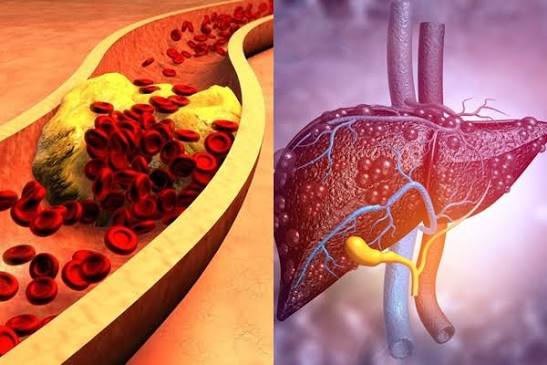
Non-Statin Lipid-Lowering Therapies in MASLD
Beyond statins, several additional lipid-lowering agents have relevance for MASLD patients with dyslipidaemia: Omega-3 fatty acids (high-dose): Prescription omega-3 preparations (icosapentaenoic acid — EPA — and docosahexaenoic acid — DHA, at doses of two to four grams daily) reduce triglycerides significantly (by thirty to fifty percent in hypertriglyceridaemia) and have anti-inflammatory hepatic effects. VASCEPA (icosapentaenoic acid, 4 g/day) demonstrated significant cardiovascular outcome reduction in the REDUCE-IT trial in patients with elevated triglycerides despite statin therapy. Omega-3s are particularly relevant in the MASLD context because of their combined triglyceride-lowering and hepatic anti-inflammatory effects. Fibrates: PPAR-alpha agonists (fenofibrate, bezafibrate) reduce triglycerides and raise HDL but have limited LDL-lowering effect. They are appropriate second-line agents for severe hypertriglyceridaemia in MASLD patients not achieving triglyceride targets with dietary modification and omega-3 supplementation. Bezafibrate has been investigated as a potential anti-fibrotic agent in primary biliary cholangitis and has shown some signal for benefit in MASLD in observational studies, though RCT evidence is limited. Ezetimibe: A cholesterol absorption inhibitor that reduces LDL cholesterol by fifteen to twenty percent through inhibiting intestinal cholesterol absorption. Some evidence suggests ezetimibe may have modest hepatic steatosis reduction effects in MASLD beyond its LDL-lowering action, possibly through reduced intestinal cholesterol delivery to the liver. It is useful as an add-on to statin therapy in patients not reaching LDL targets. PCSK9 inhibitors: Monoclonal antibodies (evolocumab, alirocumab) that inhibit PCSK9 and dramatically reduce LDL cholesterol by fifty to sixty percent — appropriate for high-cardiovascular-risk MASLD patients not reaching LDL targets despite maximal statin and ezetimibe therapy.
Lifestyle Changes That Target Both MASLD and Dyslipidaemia
Several lifestyle modifications address both MASLD and dyslipidaemia simultaneously — making them particularly high-value interventions in patients with both conditions: Weight loss: A five to ten percent reduction in body weight reduces triglycerides significantly, raises HDL cholesterol, reduces hepatic steatosis, and lowers ALT and AST. Dietary carbohydrate reduction: Reducing refined carbohydrate intake (white bread, white rice, sugar, sweet drinks) reduces triglycerides through suppression of hepatic de novo lipogenesis — one of the most effective dietary interventions for hypertriglyceridaemia and for hepatic steatosis. Substituting complex carbohydrates (vegetables, legumes, whole grains) for refined carbohydrates reduces both triglycerides and post-meal insulin secretion. Mediterranean dietary pattern: Associated with LDL reduction (through replacement of saturated fat with monounsaturated fat from olive oil), triglyceride reduction, HDL increase, and hepatic steatosis reduction in clinical trials. Aerobic exercise: Regular aerobic exercise reduces triglycerides, raises HDL, reduces hepatic fat, and improves insulin sensitivity — with each of these effects contributing to the combined MASLD-dyslipidaemia risk reduction. Alcohol reduction: Alcohol is the most potent dietary driver of hypertriglyceridaemia (even moderate drinking significantly raises triglycerides through hepatic VLDL overproduction), and reducing alcohol has an immediate and significant triglyceride-lowering effect. For patients with MASLD and hypertriglyceridaemia, alcohol reduction is one of the most impactful single interventions available. GGT elevation in the context of MASLD and elevated triglycerides should always trigger an alcohol history review, as alcohol-driven MASLD (MetALD) has a worse prognosis than metabolic MASLD alone.
Frequently Asked Questions
My doctor stopped my statin because I have fatty liver — was that the right decision?
In most cases, no — stopping statins in patients with MASLD because of elevated liver enzymes is not evidence-based unless the enzymes are severely elevated (above five to ten times the upper limit of normal) or the patient has decompensated cirrhosis. Mildly or moderately elevated liver enzymes in MASLD are not a contraindication to statin therapy. The cardiovascular benefit of statins in MASLD patients with elevated cardiovascular risk is substantial, and withholding them exposes patients to preventable cardiovascular events. If your statin was stopped because of a fatty liver diagnosis and your cardiovascular risk is elevated, this decision is worth discussing with your GP or cardiologist, with reference to the current EASL and ESC guidelines that both recommend statin therapy in MASLD.
Can treating my cholesterol help my liver?
Statins may have modest direct liver benefits beyond LDL lowering — observational data associate statin use with reduced fibrosis and HCC risk in MASLD. Omega-3 fatty acids at prescription doses reduce triglycerides and have hepatic anti-inflammatory effects. However, the most important lipid-related intervention for MASLD is treating the underlying metabolic dysfunction that produces both the dyslipidaemia and the hepatic steatosis simultaneously — weight loss, dietary modification, and physical activity reduce both hepatic fat and lipid abnormalities more effectively than any lipid-lowering medication acting in isolation. A FibroScan and liver function tests assessment will establish your current hepatic status and guide whether lipid-lowering therapy needs to be supplemented with liver-specific interventions.
Sources: EASL–EASD–EASO — MASLD Clinical Practice Guidelines · AASLD — Liver Disease Clinical Guidance · NIDDK — NAFLD and NASH
Cardiovascular Risk in MASLD and Dyslipidaemia
The combination of MASLD and dyslipidaemia — particularly the combination of hepatic steatosis, elevated triglycerides, and low HDL characteristic of metabolic syndrome — carries a cardiovascular risk that substantially exceeds either condition alone. MASLD is now recognised as an independent cardiovascular risk factor in major cardiology and hepatology guidelines, meaning that a fatty liver diagnosis should trigger formal cardiovascular risk assessment even in the absence of other traditional risk factors. The mechanisms linking MASLD directly to cardiovascular disease include: systemic low-grade inflammation (driven by hepatic cytokine production and adipose tissue dysfunction); atherogenic dyslipidaemia (elevated triglycerides, low HDL, small dense LDL); endothelial dysfunction (driven by insulin resistance and oxidative stress); prothrombotic state (the liver produces coagulation factors, and MASLD is associated with elevated fibrinogen and platelet aggregation); and impaired nitric oxide bioavailability. In the context of dyslipidaemia, the cardiovascular risk associated with MASLD is not simply additive — patients with both MASLD and atherogenic dyslipidaemia have coronary artery disease burden that exceeds prediction by standard cardiovascular risk tools that do not incorporate MASLD status. Subclinical atherosclerosis (measured by carotid intima-media thickness or coronary calcium scoring) is more prevalent and more advanced in MASLD patients than in metabolically matched controls without MASLD, independent of traditional cardiovascular risk factors. The clinical implication is that the assessment and management of cardiovascular risk in MASLD patients with dyslipidaemia should be proactive and systematic — statin therapy where indicated by cardiovascular risk calculation, non-HDL cholesterol and ApoB targets rather than LDL alone, triglyceride management (omega-3s, fibrates if necessary), and blood pressure treatment according to guidelines. The liver ultrasound and FIB-4 assessment that stages hepatic fibrosis risk should be complemented by formal cardiovascular risk scoring (QRISK3 in the UK, PCE in the US) to ensure that cardiovascular protection is optimised in parallel with hepatic management.
The FIB-4 Index and Lipid Management — What the FIB-4 Reveals About Liver and Cardiovascular Risk
The FIB-4 index (calculated from age, ALT, AST, and platelet count) is the primary non-invasive fibrosis risk stratification tool in MASLD, and it is increasingly recognised that FIB-4 also provides prognostic information relevant to cardiovascular risk beyond its hepatic fibrosis prediction. A high FIB-4 in MASLD patients is associated with greater degrees of insulin resistance, greater visceral adiposity, and more severe dyslipidaemia than a low FIB-4 in MASLD patients with equivalent BMI — reflecting the fact that FIB-4 captures cumulative metabolic burden as well as fibrosis probability. In patients with MASLD, dyslipidaemia, and an elevated FIB-4, the priority management objectives are: liver-specific management (FibroScan staging, hepatology referral if F2 or above, consideration of pharmacological MASLD therapy if MASH with significant fibrosis is confirmed); cardiovascular risk reduction (statins, blood pressure management, antiplatelet therapy where indicated); metabolic risk factor management (weight loss, glycaemic control, triglyceride reduction through dietary carbohydrate reduction and omega-3s); and alcohol assessment (GGT elevation in MASLD with elevated triglycerides should always prompt an alcohol history, as alcohol is the most potent acute trigger of hypertriglyceridaemia and worsens hepatic fibrosis). The FIB-4 calculation and lipid panel together provide a comprehensive metabolic risk snapshot that guides both the intensity of hepatic and cardiovascular management, making them the two most valuable first-line investigations in a patient presenting with MASLD and dyslipidaemia.
Patients who have been told they have both fatty liver disease and high cholesterol — or who have had a statin stopped or not started because of liver concerns — should ensure they have had a recent FIB-4 calculation, a current lipid panel, and a discussion with their GP about whether statin therapy is appropriate given their cardiovascular risk profile. The evidence base is clear: for patients with MASLD and elevated cardiovascular risk, statin therapy reduces MACE, is safe in the presence of hepatic steatosis and mildly elevated liver enzymes, and may provide additional liver benefit. Declining statins on the basis of a fatty liver diagnosis is no longer justified by current evidence, and patients who have concerns about statin safety in the context of MASLD should seek clarification from their GP or hepatologist with reference to the EASL and ESC guidelines that now explicitly address this question.
Understanding Your Lipid Panel Results in MASLD
Interpreting a lipid panel in the context of MASLD requires understanding which parameters are most informative and what target levels are appropriate. Standard lipid panels report total cholesterol, LDL cholesterol, HDL cholesterol, and triglycerides. In MASLD-associated dyslipidaemia, the most clinically informative parameters are: Triglycerides: A fasting level above 1.7 mmol/L (150 mg/dL) is elevated; above 2.3 mmol/L (200 mg/dL) is moderately elevated and warrants dietary and pharmacological attention; above 5.6 mmol/L (500 mg/dL) requires urgent management due to pancreatitis risk. In MASLD, the first-line intervention for elevated triglycerides is dietary carbohydrate and alcohol reduction, followed by omega-3s if needed, with fibrates reserved for severe cases. HDL cholesterol: Below 1.0 mmol/L in men (below 40 mg/dL) and below 1.3 mmol/L in women (below 50 mg/dL) is low. HDL is raised most effectively by aerobic exercise, alcohol reduction, and weight loss — pharmacological HDL raising with niacin has not demonstrated cardiovascular outcome benefit. LDL cholesterol: In patients with established cardiovascular disease or high cardiovascular risk, LDL targets are below 1.8 mmol/L (70 mg/dL) or a fifty percent reduction from baseline; in moderate cardiovascular risk patients, below 2.6 mmol/L (100 mg/dL). In MASLD patients with metabolic syndrome and no established CVD, cardiovascular risk scoring (QRISK3 or equivalent) determines the LDL target and whether statin therapy is indicated. Non-HDL cholesterol: A more comprehensive atherogenicity marker in MASLD patients with elevated triglycerides than LDL alone — target levels are approximately 0.8 mmol/L above the LDL target for each risk category. ApoB: If available, ApoB below 0.8 g/L in high-risk patients and below 1.0 g/L in moderate-risk patients represents appropriate atherogenic lipoprotein burden reduction. Patients with MASLD who have not had a fasting lipid panel in the last twelve months should discuss with their GP whether one is due, particularly if they have not had cardiovascular risk scoring performed.
The relationship between fatty liver disease and cholesterol abnormalities is one of the most clinically actionable aspects of MASLD management, because it provides a direct rationale for both hepatic and cardiovascular interventions that can be pursued simultaneously. The patient who addresses their visceral adiposity, reduces their dietary refined carbohydrate and sugar intake, increases their aerobic exercise, and starts statin therapy where indicated is simultaneously improving their liver steatosis, their triglyceride level, their HDL, and their cardiovascular risk — all through interventions that share the same metabolic foundation. Liver blood tests and the lipid panel, reviewed together at each GP appointment, provide a comprehensive metabolic health snapshot that guides the intensity and direction of treatment for both conditions together.
Resmetirom — the liver-targeted MASLD pharmacotherapy approved by the FDA in 2024 — has a notable secondary lipid benefit that is particularly relevant for patients with MASLD and dyslipidaemia. As a thyroid hormone receptor-beta agonist, resmetirom increases hepatic LDL receptor expression and promotes hepatic cholesterol catabolism, producing significant reductions in LDL cholesterol (approximately twenty to thirty percent in the MAESTRO-NASH trial) and triglycerides alongside its MASH and fibrosis effects. For patients with MASLD, MASH, and elevated LDL — particularly those who are statin-intolerant or not achieving LDL targets on maximal statin therapy — resmetirom offers a treatment approach that addresses both the hepatic disease and the lipid abnormality simultaneously. This convergence of hepatic and lipid benefits in a single agent reflects the deep connection between MASLD and dyslipidaemia at the level of hepatic lipid metabolism, and reinforces that the most effective management approach for patients with both conditions is one that targets the shared hepatic metabolic dysfunction rather than each condition in isolation. For further investigation of your liver status in the context of dyslipidaemia, the FibroScan guide and the liver function tests guide in this series provide detailed explanations of what to expect and how to interpret the results.
My cardiologist stopped my statin last year because my liver tests were slightly elevated and I have MASLD. This article explains why that decision needs revisiting. The evidence you’ve cited is clear that statins are safe in this context. I’ll be going back to ask about restarting it — my LDL has been rising since it was stopped.
Thank you Lena — you are raising exactly the right question. The 2023 EASL guidelines and the ESC/EAS dyslipidaemia guidelines both clearly state that statins are safe in MASLD and that liver enzyme elevation in MASLD is not a contraindication to statin use. A baseline liver function test before starting and a check at four to twelve weeks is appropriate, but mildly elevated ALT in MASLD does not require statin discontinuation unless it rises above five times the upper limit of normal. The cardiovascular benefit of statins in patients with MASLD and elevated LDL is well-established, and the risk of not treating exceeds the risk of the medication. Definitely worth raising with your GP and asking for the decision to be reviewed in light of current guidance.
The distinction between LDL cholesterol as a number and small dense LDL particles as the actual atherogenic risk was new to me. My LDL looks normal on my standard panel but I have MASLD and metabolic syndrome. I’ll ask about ApoB or non-HDL being measured at my next test.