
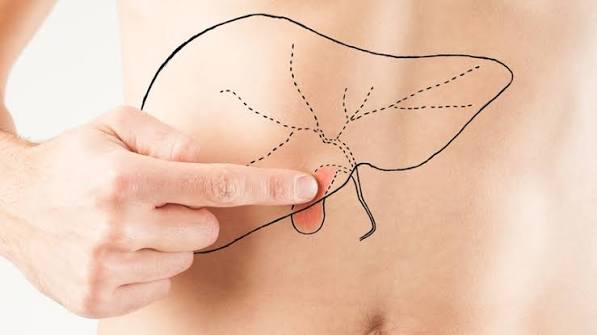
Gallbladder Pain: What It Feels Like
Gallbladder pain is notoriously easy to mistake for something else. It has been confused with indigestion, back pain, a pulled muscle, acid reflux, and even a heart attack — and many patients with gallstones live with recurrent unexplained pain for months or years before the cause is identified. The reason for this diagnostic confusion is that gallbladder pain radiates to unexpected places, occurs at unexpected times, and often resolves completely between episodes, making it seem less serious than it is. Understanding what gallbladder pain actually feels like — its precise location, character, timing, radiation pattern, and associated features — is the key to recognising it and knowing when to act.
The Character of Gallbladder Pain
Gallbladder pain arising from gallstones — known as biliary colic — has a distinctive set of characteristics that, when recognised together, are highly specific for gallbladder disease. The pain is almost never dull or mild at its peak: patients consistently describe it as severe, often ranking it among the worst pain they have experienced. It has a cramping or squeezing quality, as though something is being gripped or twisted in the upper abdomen. Some patients describe it as a deep, building pressure rather than a sharp or stabbing pain.
Location. The primary location of gallbladder pain is the right upper quadrant — the area beneath the right ribcage, roughly below the right breast and above the navel. However, many patients feel the pain most prominently in the epigastrium — the central upper abdomen, directly beneath the breastbone — rather than in the classic right-sided position. This is because the gallbladder has a dual nerve supply: visceral pain fibres from the gallbladder run to the coeliac plexus and are perceived in the midline/epigastric region, while somatic fibres are more right-sided. Many patients point to both areas simultaneously. Pain located solely in the left upper abdomen or lower abdomen is unlikely to be gallbladder in origin.
Radiation. One of the most characteristic and diagnostically useful features of gallbladder pain is its tendency to radiate to the right shoulder or right shoulder blade (scapula), or between the shoulder blades in the interscapular region. Some patients describe the pain as passing through the abdomen to the back — “like a band squeezing around the upper right side.” This upward and backward radiation distinguishes biliary colic from most causes of simple upper abdominal pain and is a key clinical red flag that should prompt investigation.
Timing and triggers. Gallbladder pain typically begins thirty to ninety minutes after a meal — particularly a fatty, heavy, or rich meal, which is the strongest stimulus for cholecystokinin (CCK) release and gallbladder contraction. Pizza, fried chicken, creamy sauces, pastries, and fatty meat are classically reported triggers. However, the relationship with food is not always apparent — some patients develop attacks without a clear dietary trigger, and some attacks occur at night, waking the patient from sleep several hours after dinner.
Duration and resolution. A defining feature of biliary colic is that it resolves — completely, within one to four hours in most cases. Between attacks, patients feel entirely normal with no residual pain or tenderness. This complete resolution, combined with the episodic nature of attacks, is one of the features that most strongly suggests gallbladder disease rather than other causes of abdominal pain. Pain that does not resolve within six hours, or that is worsening rather than resolving after the initial hours, is a warning sign that acute cholecystitis (persistent obstruction and inflammation) may be developing.
Why Gallbladder Pain Radiates to the Shoulder
The shoulder and interscapular radiation of gallbladder pain is one of its most puzzling features for patients — and understanding it helps confirm the diagnosis when it occurs. The explanation is referred pain via the phrenic nerve.
The phrenic nerve arises from cervical spinal cord levels C3, C4, and C5 — the same levels that supply sensation to the skin of the right shoulder and neck. The phrenic nerve also carries sensory fibres from the right hemidiaphragm (the muscular sheet separating the chest from the abdomen), which lies directly above the liver and gallbladder. When the gallbladder is distended or inflamed, it presses against and irritates the underside of the right hemidiaphragm, which sends pain signals via the phrenic nerve to the spinal cord at C3–C5. The brain — which has no direct experience of gallbladder pain — interprets these signals as coming from the shoulder and neck skin, which is supplied by the same spinal cord levels. The result is right shoulder pain that feels like a muscle ache, a knot between the shoulder blades, or a deep ache in the right side of the neck.
This mechanism is the same one responsible for the left arm and jaw pain of cardiac ischaemia (heart pain referred via T1–T4 to the arm and jaw), and for the shoulder tip pain of a ruptured ectopic pregnancy (blood irritating the diaphragm). Understanding that referred pain is a reliable indicator of the organ generating the pain — not a sign that the organ is somewhere it is not — is clinically valuable. When someone describes severe upper abdominal pain radiating to the right shoulder blade, the gallbladder must be at the top of the differential diagnosis.
Biliary Colic vs Acute Cholecystitis: A Critical Distinction
The two most important manifestations of gallstone-related pain — biliary colic and acute cholecystitis — share many features but have a crucial clinical difference: biliary colic resolves; acute cholecystitis does not. Making this distinction determines whether a patient needs elective outpatient investigation or urgent hospital admission.
In biliary colic, a gallstone temporarily lodges in the cystic duct, the gallbladder contracts against it, and severe pain results. When the stone dislodges — back into the gallbladder or forward into the common bile duct — the pain rapidly eases and resolves completely. The gallbladder is not inflamed; there is no fever; the abdomen is non-tender between attacks; blood tests are usually normal. After an attack, patients may feel exhausted and nauseated, but the pain itself resolves.
In acute cholecystitis, the gallstone remains lodged in the cystic duct and the sustained obstruction causes the gallbladder wall to become inflamed — first by chemical injury from concentrated bile, and later by bacterial infection in over half of cases. The pain is the same location and character as biliary colic, but it does not ease. Instead, it builds and becomes more intense over hours, with localised tenderness developing in the right upper quadrant. Murphy’s sign becomes positive: when the examiner presses in the right upper quadrant and the patient takes a deep breath, the inflamed gallbladder descends onto the examiner’s hand, causing a sudden sharp pain and inspiratory arrest. Fever typically develops — usually 38 to 39°C — and blood tests show elevated white blood cells and CRP indicating infection and inflammation. Acute cholecystitis requires hospital admission, usually followed by cholecystectomy.
Right upper quadrant pain lasting more than six hours without resolution; fever (above 38°C) combined with abdominal pain; yellowing of the skin or eyes (jaundice); very dark urine alongside pain; confusion with fever and jaundice. These indicate possible cholecystitis, bile duct obstruction, or cholangitis — all requiring urgent hospital assessment. Do not wait for the pain to resolve on its own.
What Gallbladder Pain Feels Like: Patient Descriptions
Clinical descriptions of gallbladder pain can feel abstract until they are grounded in how patients actually describe the experience. Common patient descriptions that are highly consistent with biliary colic include:
“It felt like something was squeezing the right side of my ribcage from the inside.” This visceral, pressure-like quality — rather than a sharp or stabbing sensation — is characteristic of biliary colic. “I thought I was having a heart attack. The pain was that severe and it radiated up to my chest and right shoulder.” This description captures the intensity and the upward radiation that makes biliary colic alarm patients (and sometimes clinicians) about cardiac causes. “I woke up at 3 in the morning with severe pain under my ribs on the right. I couldn’t find a comfortable position. After about two hours it just disappeared.” Nocturnal biliary colic, with the characteristic complete resolution, is highly specific for gallstone disease. “I thought it was indigestion for months. I’d get it after big meals, feel sick, and then it would go away. It wasn’t until the pain was unbearable that I went to get checked.” This slow recognition pattern — misattributing biliary colic to indigestion — is the most common reason for delayed diagnosis.
What gallbladder pain does not typically feel like: a generalised ache across the whole abdomen; a constant low-grade pain present every day; pain located in the lower abdomen; or pain that is relieved by antacids or bowel movements. These features suggest other diagnoses (IBS, inflammatory bowel disease, gastritis) rather than gallbladder disease.
Gallbladder Pain at Night
Nocturnal biliary colic — a gallbladder attack that wakes the patient from sleep — is a well-recognised and diagnostically important pattern. It typically occurs between midnight and 4 AM, several hours after the evening meal. The mechanism involves two factors: the delayed CCK response to a rich evening meal, which may trigger gallbladder contraction hours later; and a circadian rhythm in gallbladder motility, with higher contractile activity in the early hours of the morning in some individuals.
Nocturnal attacks are particularly important to report to a clinician because they are less likely to be dismissed as indigestion — most indigestion does not wake people at 3 AM with severe upper abdominal pain — and they often lead more directly to appropriate investigation with ultrasound. The complete resolution of the pain within a few hours, with return to normal sleep, is characteristic. If gallbladder pain is waking you regularly at night, this is an indication for urgent investigation and likely cholecystectomy, regardless of whether daytime attacks are mild.
Conditions That Can Mimic Gallbladder Pain
Because gallbladder pain radiates to the right shoulder and sometimes to the chest, and because it occurs in the upper abdomen, several other conditions can produce similar or overlapping presentations. Understanding these differential diagnoses helps clarify which features most specifically point toward the gallbladder.
Cardiac pain is the most important condition to exclude in any patient with upper abdominal pain and radiation to the shoulder or chest. Cardiac ischaemia typically produces pain in the centre of the chest (retrosternal), with radiation to the left arm, jaw, or left shoulder — contrasting with gallbladder pain’s right-sided location and right shoulder radiation. However, in elderly patients, women, and those with diabetes, cardiac pain may be atypical, presenting as epigastric discomfort without clear left-sided features. An ECG and cardiac enzymes should be obtained in any patient with severe upper abdominal pain where cardiac disease is a possibility. Liver function tests help distinguish biliary from cardiac causes when obstructive features are present.
Peptic ulcer disease (gastric or duodenal ulcer) causes epigastric pain that can be severe and post-meal in timing. However, duodenal ulcer pain is typically relieved by eating (food buffers acid) and worsens 2 to 3 hours after a meal when acid surges again — the opposite of biliary colic’s post-meal onset. Gastric ulcer pain is worsened by eating. Neither typically radiates to the right shoulder blade, and neither resolves as completely and rapidly as biliary colic. Upper GI endoscopy differentiates.
Renal colic (kidney stone pain) is severe, colicky (truly wave-like), and radiates from the loin (flank) downward to the groin and sometimes the genitalia — a loin-to-groin radiation that is essentially opposite to gallbladder pain’s upward and right-shoulder radiation. Renal colic is associated with haematuria (blood in the urine) in approximately 80% of cases. CT KUB (kidney, ureter, bladder) is diagnostic.
Appendicitis typically begins as periumbilical (central) pain that migrates over several hours to the right lower quadrant (lower right abdomen) — not the upper right abdomen. Rebound tenderness at McBurney’s point (one-third of the way from the right anterior superior iliac spine to the navel) is characteristic of appendicitis. Murphy’s sign (upper right, with the patient breathing in) is a gallbladder sign, not an appendix sign — the anatomical distinction matters in clinical examination. Right lower lobe pneumonia can occasionally refer pain to the right upper abdomen via intercostal and phrenic nerve pathways, but will be accompanied by respiratory symptoms (cough, breathlessness, fever), an abnormal chest auscultation, and an abnormal chest X-ray.
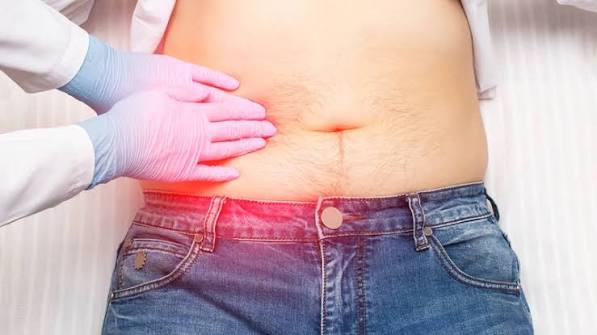
Pain After Gallbladder Removal
Most patients who undergo laparoscopic cholecystectomy experience complete resolution of their gallbladder pain. However, approximately 10 to 15% develop what is collectively called post-cholecystectomy syndrome — a term for persistent or recurrent upper abdominal symptoms after gallbladder removal. The pain types and causes within this syndrome vary:
Retained or recurrent common bile duct stones — stones not identified or not fully removed at the time of cholecystectomy, or de novo stone formation in the bile ducts — can cause RUQ pain, jaundice, and obstructive liver test changes identical to pre-surgical presentations. MRCP and ERCP are used to diagnose and treat these. Sphincter of Oddi dysfunction (SOD) — spasm or impaired relaxation of the sphincter at the junction of the bile duct and duodenum — can cause biliary-type pain without gallstones, typically occurring after meals and sometimes with elevated liver enzymes. It is more common after cholecystectomy and can be difficult to diagnose and treat. Functional biliary pain — pain with a biliary character in the absence of any identifiable structural cause — accounts for a proportion of post-cholecystectomy pain and is managed similarly to functional dyspepsia. Bile acid diarrhoea — looser and more frequent stools after meals due to continuous bile acid delivery to the colon — is the most common post-cholecystectomy change and does not typically cause pain, but the associated bloating and cramping can be uncomfortable.
Any new right upper quadrant pain, jaundice, or abnormal liver blood tests after cholecystectomy should prompt investigation to exclude retained bile duct stones or other biliary pathology before attributing symptoms to functional causes.
When to See a Doctor
If you have experienced any episode of severe right upper quadrant or epigastric pain lasting more than fifteen minutes — particularly if it occurred after a meal, radiated to the right shoulder or back, and resolved completely — you should arrange an appointment with your GP for investigation. A right upper abdominal ultrasound and basic liver function blood tests are the appropriate first investigations and are widely available in primary care. Most people with biliary colic will have an entirely normal physical examination between attacks — a normal examination does not exclude gallstone disease.
More information about gallstone causes and complications and gallbladder treatment options is available in the dedicated guides.
Frequently Asked Questions
Where exactly is gallbladder pain located?
Gallbladder pain is primarily located in the right upper quadrant — the area beneath the right ribcage, roughly under the right breast and above the navel. Many patients feel it most strongly in the epigastrium (central upper abdomen, directly below the breastbone) because the gallbladder’s visceral nerve supply refers pain to the midline as well as the right side. The pain typically radiates to the right shoulder blade or between the shoulder blades. Pain located in the lower abdomen, left side, or without any upper right component is unlikely to be gallbladder in origin.
Can gallbladder pain be mistaken for a heart attack?
Yes, and this is clinically important. Biliary colic can produce severe upper abdominal pain that radiates upward to the chest and right shoulder, and the intensity can be alarming. In some patients — particularly elderly women and people with diabetes, who may experience atypical cardiac presentations — the distinction between gallbladder pain and a cardiac event is not always obvious on symptoms alone. If you have severe chest or upper abdominal pain that is sudden in onset, particularly if you have risk factors for heart disease, call emergency services. An ECG is needed to exclude a cardiac cause. The right-sided (rather than left-sided) radiation and the post-meal timing of biliary colic are helpful distinguishing features, but they cannot be relied upon in isolation when the stakes are high.
How long does a gallbladder attack last?
A typical biliary colic attack lasts between one and four hours before resolving. Attacks shorter than fifteen minutes are unusual for biliary colic — very brief attacks of RUQ pain may have other causes. Attacks lasting more than six hours should raise concern for acute cholecystitis rather than uncomplicated biliary colic, and medical assessment should be sought. After the attack resolves, patients typically feel exhausted and tender, but the severe pain itself should be gone. Attacks that recur in rapid succession (two or three attacks in a single day) are also an indication for urgent surgical assessment.
Does gallbladder pain get worse after eating?
Yes — fatty or heavy meals are the most common trigger for biliary colic, because fat is the most potent stimulus for CCK release and gallbladder contraction. The pain does not typically begin while eating but rather thirty to ninety minutes after the meal, once CCK has been released and the gallbladder begins to contract. Very low fat meals or light snacks may not trigger attacks at all, which is why some patients notice that their pain is intermittent and related to meal type. Conversely, if you have gallstones, a very fatty meal may predictably produce an attack.
Can gallbladder pain come and go for months?
Yes. Biliary colic is episodic by nature, and some patients have infrequent attacks — perhaps one every few weeks or months — over a prolonged period before a diagnosis is made. The pattern is typically stable for extended periods and then escalates in frequency or severity. The inter-attack interval varies considerably: some patients have attacks almost weekly, while others have only two or three attacks per year. Any patient with recurrent episodes consistent with biliary colic — right upper quadrant pain after meals, shoulder blade radiation, complete resolution — should be investigated with ultrasound regardless of the time elapsed between attacks or the infrequency of episodes.
What makes gallbladder pain better?
Biliary colic resolves on its own when the stone dislodges — nothing the patient does reliably shortens the attack. However, some practical measures may provide partial symptomatic relief during an attack: lying still in a comfortable position (unlike renal colic, where patients typically writhe and cannot get comfortable, biliary colic allows patients to lie still even if it does not make the pain better); applying heat to the right upper abdomen; and avoiding any further food intake during the attack. Over-the-counter NSAIDs (ibuprofen, diclofenac) have analgesic and antispasmodic effects that can reduce the severity of biliary colic, though they do not resolve the underlying cause. In a hospital setting, intramuscular diclofenac or IV morphine are used for acute pain relief.
Can gallbladder pain feel like back pain?
Yes, frequently. The referred pain of biliary colic to the right subscapular region (right shoulder blade) and the interscapular area (between the shoulder blades) can feel exactly like muscular back pain — a deep ache or tightness between or around the shoulder blades. This is one of the most common reasons gallbladder disease is initially assessed as a musculoskeletal problem. The key features that distinguish referred gallbladder pain from true musculoskeletal back pain are: the simultaneous presence of upper abdominal discomfort (gallbladder pain is felt in the abdomen and referred to the back, not in the back alone); the post-meal timing; the episodic nature with complete resolution; and the absence of positional worsening (musculoskeletal pain is usually worse with movement, while biliary colic pain is not position-dependent).
References and Further Reading
This article draws on: NHS — Gallstones and Biliary Colic; NICE CG188 — Gallstone Disease; Mayo Clinic — Gallstones; ACG — Biliary Tract Disorders; Trowbridge RL, Rutkowski NK, Shojania KG. Does this patient have acute cholecystitis? JAMA. 2003;289(1):80–6; Lammert F et al. EASL Clinical Practice Guidelines on gallstones. J Hepatol. 2016;65(1):146–81.
Sources: NHS, NICE CG188, Mayo Clinic, ACG, JAMA, EASL
I spent six months thinking my right shoulder blade pain was from sitting at a desk all day. It wasn’t until I woke up at 2 AM with terrible pain under my right ribs — along with the shoulder blade pain — that I finally went to A&E. Gallstones. The explanation of referred pain via the phrenic nerve in this article is the clearest I’ve seen anywhere. I genuinely didn’t know the shoulder pain was coming from my abdomen.
Your experience is one we hear very often, Carla — the shoulder blade pain is frequently attributed to posture or muscle strain for months before the abdominal connection is made. The nocturnal attack that wakes someone from sleep is often the moment that finally prompts the right investigation, because it is much harder to attribute to desk work or tension at 2 AM. The phrenic nerve mechanism is genuinely counterintuitive until it is explained — the shoulder is simply where the brain thinks the pain is coming from, because the spinal cord levels serving the gallbladder and the right shoulder share the same segment. Glad the article helped clarify it.
The section on what gallbladder pain is NOT is just as useful as the description of what it IS. I had been told my symptoms might be IBS. The key differences you describe — the shoulder radiation, the post-meal timing, the complete resolution — helped me push for an ultrasound. Turned out to be a large single stone.