
Fatty liver disease is now recognised as an independent cardiovascular risk factor — not merely a condition that co-occurs with other heart disease risk factors, but one that directly increases cardiovascular disease risk through mechanisms that operate beyond and above those accounted for by obesity, diabetes, and dyslipidaemia. This recognition has been formalised in recent major guidelines from both the European Association for the Study of the Liver (EASL) and the European Society of Cardiology (ESC), which now explicitly acknowledge the bidirectional relationship between MASLD (metabolic dysfunction-associated steatotic liver disease) and cardiovascular disease. For patients with fatty liver disease, understanding why the heart is also at risk — and what can be done to protect it — is one of the most clinically important messages in MASLD management. Most patients with MASLD will not die of liver disease — they will die of cardiovascular disease if the underlying metabolic risk is not adequately managed.
Why MASLD Is a Cardiovascular Risk Factor
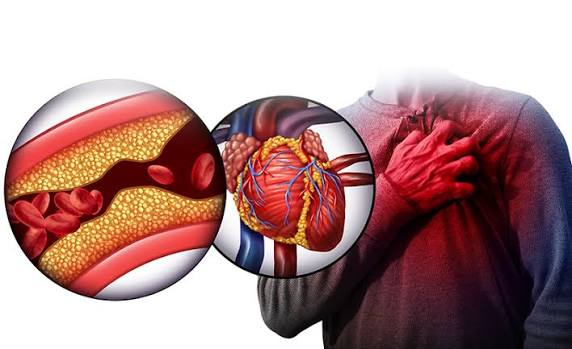
Multiple large prospective cohort studies and meta-analyses have established that MASLD is associated with elevated risks of cardiovascular events — myocardial infarction, stroke, heart failure, and cardiovascular death — that are not fully explained by the traditional cardiovascular risk factors (age, sex, smoking, blood pressure, LDL cholesterol, diabetes) that cluster with MASLD. The excess cardiovascular risk associated with MASLD, after statistical adjustment for traditional risk factors, ranges from approximately twenty to sixty percent in different cohort studies — a clinically meaningful independent effect. The mechanisms through which MASLD exerts this independent cardiovascular effect include: Systemic inflammation: The steatotic and inflamed liver produces elevated circulating levels of CRP (C-reactive protein), IL-6, TNF-alpha, and fibrinogen — markers and mediators of cardiovascular risk that drive endothelial dysfunction and atherogenesis independently of LDL cholesterol. Atherogenic dyslipidaemia: As discussed in the fatty liver and cholesterol article, MASLD produces elevated triglycerides, low HDL, and small dense LDL particles — a lipid profile that predicts cardiovascular events more accurately in metabolic syndrome patients than total or LDL cholesterol alone. Insulin resistance and endothelial dysfunction: Insulin resistance impairs nitric oxide production by endothelial cells, increasing arterial stiffness, promoting platelet aggregation, and contributing to the endothelial dysfunction that precedes atherosclerotic plaque formation. Activation of the renin-angiotensin system (RAS): MASLD is associated with upregulated hepatic RAS activity, contributing to hypertension and directly promoting cardiac fibrosis and hypertrophy through angiotensin II receptor signalling. Hypercoagulability: The liver produces coagulation factors, and both the increased coagulation factor production and reduced anticoagulant protein synthesis in MASLD contribute to a prothrombotic state that increases the risk of coronary and cerebrovascular thrombosis. Subclinical atherosclerosis: Imaging studies consistently show greater carotid intima-media thickness (cIMT) and higher coronary artery calcium (CAC) scores in MASLD patients compared with non-MASLD controls matched for traditional risk factors — direct evidence of accelerated atherosclerosis in MASLD independent of its metabolic comorbidities.
The Most Common Cause of Death in MASLD
One of the most important and often underappreciated statistics in MASLD management is that cardiovascular disease — not liver disease — is the leading cause of death in MASLD cohort studies across all fibrosis stages. In a landmark meta-analysis by Dulai and colleagues published in Gastroenterology, cardiovascular disease accounted for the majority of deaths in MASLD patients at every fibrosis stage, including F3 and F4. Liver-related mortality becomes the dominant cause only at F4 (cirrhosis), and even in cirrhotic patients cardiovascular events remain a major competing cause of death. The implication is stark: a patient with MASLD who is focused exclusively on their liver without addressing their cardiovascular risk is misallocating their clinical attention. The management of MASLD without systematic cardiovascular risk assessment and treatment is incomplete. For patients at F0–F2 fibrosis — the majority of MASLD patients — the probability of dying from a cardiovascular event in the next decade is substantially higher than the probability of dying from liver disease, meaning that cardiovascular protection is the highest-priority medical intervention in their management plan. This does not mean liver disease should be ignored — early identification of fibrosis and prevention of progression remain important clinical goals — but it does mean that GPs and hepatologists managing MASLD patients should be routinely assessing cardiovascular risk, initiating statins where indicated, managing blood pressure, and screening for type 2 diabetes, rather than viewing MASLD as a purely hepatic condition.
MASLD and Heart Failure
Beyond coronary artery disease and stroke, MASLD is increasingly recognised as an independent risk factor for heart failure — including both heart failure with reduced ejection fraction (HFrEF) and, particularly, heart failure with preserved ejection fraction (HFpEF). HFpEF — in which the heart muscle is stiff and relaxes abnormally despite maintaining adequate contractile function — is strongly associated with metabolic syndrome, obesity, and diabetes, the same cluster of conditions that drives MASLD. The mechanism connecting MASLD to HFpEF includes: systemic inflammation promoting myocardial fibrosis and diastolic dysfunction; insulin resistance impairing cardiac energy metabolism; atherogenic dyslipidaemia contributing to microvascular coronary disease; and direct hepatic-cardiac crosstalk through altered bile acid and fibroblast growth factor 21 (FGF-21) signalling. Diastolic dysfunction (impaired myocardial relaxation) is more prevalent in MASLD patients than in non-MASLD controls at the same cardiovascular risk level, and progresses to clinically evident HFpEF at higher rates. The SGLT2 inhibitors — which benefit MASLD by reducing hepatic fat and improving insulin sensitivity — have also demonstrated significant cardiovascular outcome benefits in both HFrEF (empagliflozin, dapagliflozin in the EMPEROR-Reduced and DAPA-HF trials) and HFpEF (empagliflozin in EMPEROR-Preserved) — making them particularly valuable agents for patients with MASLD who also have established or at-risk heart failure.
How to Protect the Heart With Fatty Liver Disease
The cardiovascular protection strategy for patients with MASLD follows the same principles as cardiovascular risk management in metabolic syndrome patients, with specific additional considerations arising from the MASLD diagnosis: Cardiovascular risk scoring: All patients with MASLD should have formal cardiovascular risk calculated — QRISK3 in the UK, PCE in the US — at diagnosis and at regular intervals. MASLD is an independent risk enhancer that may justify upstaging risk category in borderline cases. Statin therapy: For patients with MASLD who meet cardiovascular risk thresholds for statin therapy, the historical concerns about statin hepatotoxicity in MASLD have been refuted — statins are safe and indicated. Liver function tests should be checked at baseline and at four to twelve weeks, but mildly elevated liver enzymes in MASLD do not contraindicate statin use. Blood pressure management: Hypertension is both a MASLD risk factor and a cardiovascular risk factor — targets below 130/80 mmHg in patients with MASLD and diabetes, and below 140/90 mmHg in those without diabetes, are appropriate according to current guidelines. RAS inhibitors (ACE inhibitors and ARBs) are preferred in MASLD patients with hypertension given their potential anti-fibrotic hepatic effects. GLP-1 receptor agonists and SGLT2 inhibitors: In patients with MASLD and type 2 diabetes or obesity, these agents provide combined hepatic, glycaemic, and cardiovascular protection — GLP-1 agonists reducing MACE in patients with established cardiovascular disease (LEADER, SUSTAIN-6), and SGLT2 inhibitors reducing heart failure hospitalisation and cardiovascular death. Weight management: The ten percent weight loss target that produces MASH resolution and fibrosis improvement also reduces blood pressure, improves dyslipidaemia, and reduces cardiovascular events — making weight management the single highest-yield intervention for simultaneous hepatic and cardiovascular risk reduction. Physical activity: Aerobic exercise of one hundred and fifty minutes per week reduces cardiovascular events, reduces hepatic steatosis, lowers blood pressure, and improves insulin sensitivity — with cardiovascular benefits that extend beyond what weight loss alone explains. Smoking cessation: Smoking accelerates atherosclerosis, worsens insulin resistance, and increases cardiovascular risk multiplicatively with MASLD — cessation support should be offered to all MASLD patients who smoke. Antiplatelet therapy: Low-dose aspirin for secondary cardiovascular prevention in patients with established cardiovascular disease is appropriate in MASLD — the historical concern about aspirin-related hepatotoxicity in liver disease is not relevant to compensated MASLD.
Monitoring Cardiac Health in MASLD Patients
Beyond the routine cardiovascular risk scoring and lipid management described above, MASLD patients with higher fibrosis stages or multiple cardiovascular risk factors may benefit from more detailed cardiac assessment: ECG: A baseline electrocardiogram detects arrhythmias (atrial fibrillation, prolonged QTc) that are more prevalent in metabolic syndrome patients and may be exacerbated by some MASLD-related medications. Echocardiography: For patients with suspected diastolic dysfunction (symptoms of exertional breathlessness or exercise intolerance out of proportion to MASLD severity), echocardiography detects structural cardiac changes, left ventricular hypertrophy, and diastolic dysfunction that predict heart failure risk. Coronary artery calcium (CAC) scoring: In patients where cardiovascular risk is borderline — where the ten-year risk calculation is intermediate and the decision about statin therapy is uncertain — CAC scoring provides additional discriminating information. A CAC score above one hundred in a patient with MASLD and borderline risk justifies statin initiation. Liver blood tests and FibroScan assessments should be integrated into a broader metabolic and cardiovascular review at each specialist appointment, rather than treated as isolated liver assessments — reflecting the systemic nature of the metabolic syndrome that underlies both conditions. For patients being monitored for MASLD in primary care, the annual review should include cardiovascular risk recalculation alongside the FIB-4 liver fibrosis risk assessment, ensuring that both the hepatic and cardiovascular dimensions of the metabolic disease are systematically addressed at every clinical contact.
Frequently Asked Questions
I have fatty liver disease — should I be worried about my heart?
Yes — not in a way that justifies alarm, but in a way that justifies systematic cardiac risk assessment and management. MASLD is an independent cardiovascular risk factor, and the majority of patients with MASLD will face greater risk of cardiovascular events than liver complications in the medium term. The appropriate response is proactive risk assessment (QRISK3 scoring, GGT and fasting lipid panel review, blood pressure monitoring), active risk factor management where thresholds are met, and lifestyle interventions (weight management, physical activity, dietary change) that benefit both the liver and the heart simultaneously. Fatty liver disease should be understood as a metabolic disease with multiple organ consequences — liver, heart, kidney — not a liver-only condition.
Can improving my liver improve my heart health?
Yes — substantially. The same metabolic interventions that reduce hepatic steatosis and fibrosis progression also reduce cardiovascular risk. Weight loss of five to ten percent reduces both hepatic fat and blood pressure, triglycerides, and LDL. Regular aerobic exercise reduces liver stiffness on FibroScan and reduces cardiovascular events. GLP-1 receptor agonists reduce MASLD severity and reduce major adverse cardiovascular events. SGLT2 inhibitors reduce liver fat and reduce heart failure hospitalisation. The metabolic interventions that benefit the liver and the heart are not competing — they are the same interventions, targeting the same underlying insulin resistance, producing benefits that extend across all the affected organ systems simultaneously.
Sources: EASL–EASD–EASO — MASLD Clinical Practice Guidelines · AASLD — Liver Disease Clinical Guidance · NIDDK — NAFLD and NASH
Atrial Fibrillation and MASLD
Atrial fibrillation (AF) — the most common cardiac arrhythmia and a major risk factor for stroke — is more prevalent in patients with MASLD than in the general population, even after adjusting for the AF risk factors that cluster with MASLD, such as hypertension, obesity, sleep apnoea, and diabetes. The mechanisms linking MASLD to AF include: atrial myocardial fibrosis driven by systemic inflammation; electrophysiological remodelling secondary to autonomic nervous system dysregulation; pericardial fat accumulation (which is independently associated with AF); and diastolic dysfunction causing left atrial enlargement and increased atrial wall stress. A meta-analysis published in the European Heart Journal demonstrated that MASLD was associated with a thirty-four percent higher odds of AF compared with controls, independent of traditional AF risk factors. For MASLD patients with palpitations, unexplained breathlessness, or exercise intolerance, AF screening with a resting ECG and, where appropriate, ambulatory cardiac monitoring is warranted. Anticoagulation decisions in MASLD patients with AF follow standard CHA₂DS₂-VASc scoring — compensated MASLD does not contraindicate direct oral anticoagulants (DOACs), and the modern DOACs (rivaroxaban, apixaban, edoxaban) are preferred over warfarin in MASLD patients given their more predictable pharmacokinetics and lower monitoring burden.
The Role of Visceral Fat in the Liver-Heart Connection
Visceral adiposity — intra-abdominal fat surrounding the liver, intestines, and mesentery — is the shared pathological substrate driving both MASLD and cardiovascular disease. Unlike subcutaneous fat, visceral fat is metabolically highly active, releasing free fatty acids directly into the portal circulation and producing elevated levels of pro-inflammatory adipokines (TNF-alpha, IL-6, resistin) while reducing cardioprotective adiponectin. The liver is the first organ exposed to the portal FFA flux from visceral fat, making hepatic steatosis the direct downstream consequence of visceral adiposity. Simultaneously, the systemic circulation of inflammatory mediators from visceral fat promotes endothelial dysfunction, atherogenesis, and myocardial inflammation — the cardiac consequences of the same visceral fat depot. This explains why waist circumference — the clinical surrogate for visceral adiposity — is a stronger predictor of both MASLD and cardiovascular events than BMI alone, and why the same individuals develop fatty liver and atherosclerosis together. It also explains why interventions that specifically reduce visceral fat — very low calorie diets, aerobic exercise, GLP-1 agonists — produce disproportionately large improvements in both hepatic and cardiovascular risk markers relative to the total body weight loss achieved. For MASLD patients, measuring waist circumference (not just BMI) at each clinical review provides a more accurate assessment of the visceral fat driving both their hepatic and cardiovascular risk, and monitoring its reduction provides a more sensitive indicator of successful metabolic risk reduction than the scale alone.
MASLD, Chronic Kidney Disease, and the Cardiorenal-Metabolic Syndrome
MASLD is increasingly understood not merely as a liver-heart connection but as one manifestation of a cardiorenal-metabolic syndrome — a clustering of liver disease, cardiovascular disease, and chronic kidney disease (CKD) driven by shared pathological substrates of insulin resistance, visceral adiposity, and systemic inflammation. CKD, like MASLD, is both a consequence of metabolic syndrome and an amplifier of cardiovascular risk — patients with MASLD and CKD face substantially higher cardiovascular event rates than patients with either condition alone. The SGLT2 inhibitors are particularly valuable in this cardiorenal-metabolic context: they reduce hepatic fat, cardiovascular events (EMPEROR-Reduced, DAPA-HF, CREDENCE, DAPA-CKD trials), and CKD progression — a simultaneous three-organ benefit from a single drug class that makes them the agents of choice for patients with MASLD, type 2 diabetes, and established or at-risk CKD or heart failure. GLP-1 receptor agonists (semaglutide, liraglutide) similarly provide combined benefits in MASLD, cardiovascular disease, and CKD — with the FLOW trial (semaglutide) demonstrating significant renoprotective effects in addition to the established cardiovascular outcome data. The concept of the cardiorenal-metabolic syndrome reinforces that MASLD management in 2025 requires a multisystem perspective — liver function, cardiovascular risk, and renal function should all be assessed and managed as part of a unified metabolic health strategy rather than as separate organ-specific problems.
The Impact of Fibrosis Stage on Cardiovascular Risk
Although cardiovascular disease is the leading cause of death across all MASLD fibrosis stages, the relationship between fibrosis severity and cardiovascular risk is not linear in the way that fibrosis relates to liver-related mortality. Some studies suggest that advanced fibrosis (F3–F4) is associated with higher cardiovascular mortality, potentially because: advanced fibrosis reflects more severe and prolonged insulin resistance; patients with higher fibrosis stages have greater visceral adiposity and more severe metabolic syndrome; and liver stiffness itself may have direct cardiovascular effects through altered hepatic haemodynamics and systemic neurohormonal activation. For individual MASLD patients, knowing their fibrosis stage — via FibroScan or FIB-4 score — provides useful information not only about liver prognosis but also about the intensity of metabolic management warranted. A patient with F0 steatosis alone needs monitoring and lifestyle intervention; a patient with F3 bridging fibrosis needs aggressive cardiovascular risk management, active consideration of pharmacological therapy (GLP-1 agonists, SGLT2 inhibitors), and cardiology referral if QRISK3 exceeds the statin treatment threshold.
Integrating Cardiovascular and Hepatic Care
The optimal management of MASLD in 2025 requires integration of hepatic and cardiovascular care — a goal that is challenging in healthcare systems where hepatology and cardiology operate in separate clinical pathways. Practically, this integration begins in primary care: the GP reviewing a patient’s ALT result should simultaneously be reviewing QRISK3 and considering statin therapy; the hepatologist recommending weight loss should be reinforcing the cardiovascular rationale alongside the hepatic one. For patients with both MASLD and established cardiovascular disease (or high cardiovascular risk), combined specialist review — whether through a joint hepatology-cardiology clinic or coordinated management with shared records — is the clinical gold standard, enabling treatment decisions that simultaneously address both organ systems rather than sequentially managing each in isolation. The EASL MASLD guidelines explicitly endorse this integrated approach, recommending that all patients with MASLD have cardiovascular risk assessment and management as part of their standard of care, not as an optional adjunct. For patients reading this guide who have been diagnosed with fatty liver disease and have not had their cardiovascular risk formally assessed — through QRISK3 scoring, a fasting lipid panel, blood pressure measurement, and HbA1c — discussing this with their GP represents the single most important clinical conversation arising from their MASLD diagnosis.
The convergence of cardiovascular and hepatic risk in MASLD patients is not a coincidence but a consequence of shared pathophysiology. Insulin resistance, visceral adiposity, chronic low-grade inflammation, and atherogenic dyslipidaemia simultaneously injure both the liver and the cardiovascular system through overlapping molecular mechanisms. For the patient, this means that the diagnosis of fatty liver disease is not a liver problem with cardiovascular complications — it is a metabolic disease that expresses itself in multiple organ systems simultaneously, of which the liver and heart are the two most clinically prominent targets. The most clinically effective frame for managing MASLD is accordingly a metabolic one: treating the underlying insulin resistance, reducing visceral fat, correcting atherogenic dyslipidaemia, and managing blood pressure protects both organs simultaneously and more effectively than any liver-specific or heart-specific intervention pursued in isolation. Patients who understand this metabolic framing are more likely to make the sustained lifestyle changes — dietary improvement, regular aerobic exercise, weight management — that produce durable improvements in both hepatic steatosis and cardiovascular risk, because they understand that each lifestyle decision has simultaneous consequences for both organ systems rather than facing competing demands from two separate conditions managed by two separate medical teams with two separate agendas.
Emerging research also points to the gut microbiome as a mediator of both hepatic and cardiovascular risk in MASLD. Gut dysbiosis — altered composition and reduced diversity of the intestinal bacterial community — is present in MASLD patients and contributes to increased intestinal permeability, elevated portal endotoxin (LPS) flux to the liver, and systemic immune activation that drives both hepatic inflammation and endothelial dysfunction. Trimethylamine N-oxide (TMAO), a gut bacterial metabolite of dietary choline and carnitine, is elevated in MASLD patients and has been independently associated with increased cardiovascular event risk in prospective cohort studies. Dietary interventions that improve the gut microbiome — Mediterranean diet patterns, increased dietary fibre, reduced ultra-processed food intake — thus provide a further mechanistic pathway through which nutrition shapes both liver and cardiovascular health simultaneously.
I’ve had fatty liver disease for three years and nobody ever mentioned my cardiovascular risk. My GP just monitors my liver enzymes every six months and says to lose weight. After reading this I realise I’ve never had a formal QRISK3 calculation done and I don’t know whether I should be on a statin. This is exactly the kind of information patients need — that fatty liver isn’t just a liver problem.
Thank you Sophie — you’re raising a very valid point that unfortunately reflects a common gap in MASLD care. The 2023 EASL MASLD Clinical Practice Guidelines explicitly recommend cardiovascular risk assessment as a standard component of MASLD management, including formal risk scoring (QRISK3 or equivalent) at diagnosis and at regular intervals. If you have MASLD and have not had a QRISK3 calculated, it is entirely appropriate to ask your GP for this at your next appointment and to ask specifically whether your MASLD should be considered as an independent cardiovascular risk enhancer when interpreting the result. If your ten-year cardiovascular risk is above ten percent (NICE threshold for statin therapy in the UK), statin initiation should be discussed. Your instinct that cardiovascular risk management should be part of your MASLD care is correct — and advocating for it with your GP is exactly the right step.
The section on HFpEF and diastolic dysfunction was new to me. I have MASLD and mild diastolic dysfunction on my echocardiogram — my cardiologist mentioned it but didn’t connect it to my liver disease. The explanation of the shared mechanisms here — visceral fat, systemic inflammation, insulin resistance — makes the connection very clear. I’ll be asking my hepatologist whether the SGLT2 inhibitor I’ve been prescribed might be beneficial for the diastolic dysfunction as well.