
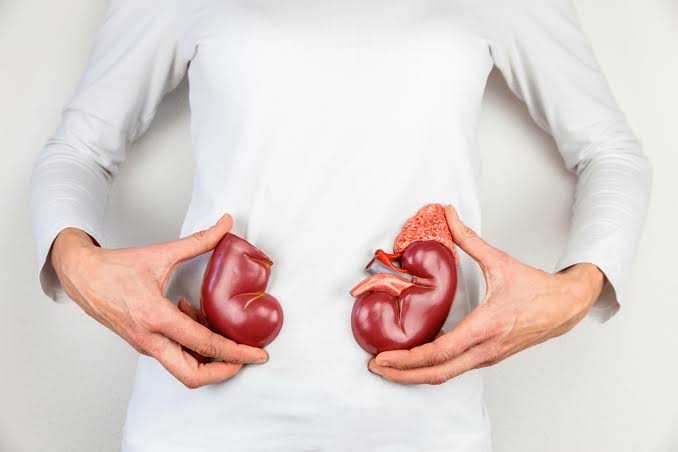
Most people understand that obesity raises the risk of diabetes, heart disease, and high blood pressure. Fewer understand that excess body weight is also an independent cause of chronic kidney disease — one that operates through its own distinct pathways, entirely separate from the kidney damage that diabetes and hypertension cause. A person can have perfectly normal blood sugar and blood pressure and still develop significant kidney disease from obesity alone.
This distinction matters because it changes the urgency of weight management. For someone with kidney disease or at risk for it, achieving and maintaining a healthy weight is not about appearance or general wellness — it is a clinical intervention with direct, documented effects on kidney function, proteinuria, and the rate of CKD progression. The evidence is compelling enough that intentional weight loss is now a recognized therapeutic strategy in nephrology, not merely a lifestyle recommendation.
How Excess Weight Damages the Kidneys
Obesity damages the kidney through several overlapping mechanisms, which is part of why its effects on kidney function can be difficult to separate from the metabolic conditions that typically accompany it.
The primary mechanical injury is glomerular hyperfiltration. Obesity raises cardiac output and increases blood flow to the kidneys. At the same time, excess adipose tissue activates the renin-angiotensin-aldosterone system (RAAS), which constricts the efferent arteriole (the vessel leaving the glomerulus) and elevates pressure inside the glomerular capillary loops. The kidneys filter more blood under more pressure — a state called hyperfiltration that, sustained over years, scars the glomeruli and reduces kidney function. This is the same process that damages kidneys in diabetes, and it operates in obesity regardless of whether diabetes is present.
Fat tissue is not metabolically inert. It functions as an endocrine organ, secreting hormones called adipokines that act throughout the body — including in the kidneys. In obese individuals, leptin (produced in proportion to fat mass) is chronically elevated. Leptin promotes glomerulosclerosis and activates TGF-β1, the principal driver of kidney fibrosis. Simultaneously, adiponectin — which in normal-weight individuals has kidney-protective, anti-inflammatory effects — is substantially reduced. This shift in the adipokine balance creates a sustained pro-inflammatory, pro-fibrotic environment in the kidney.
Insulin resistance, which is driven by visceral adiposity even in people without diagnosed diabetes, adds another layer of injury. Compensatory hyperinsulinemia (elevated insulin in response to insulin resistance) directly stimulates renal sodium reabsorption, expanding blood volume and raising blood pressure. Insulin resistance also activates the sympathetic nervous system, further increasing renal vasoconstriction and filtration pressure.
Finally, obstructive sleep apnea — present in the majority of severely obese individuals — causes repeated nocturnal episodes of hypoxia and surges in blood pressure during apnea events. These overnight pressure surges are particularly damaging to glomeruli and are entirely missed by daytime blood pressure measurements. Sleep apnea’s contribution to kidney disease in obese patients is often underappreciated precisely because it happens while the patient is asleep and unmonitored.
How Much Weight Loss Protects Kidney Function
The kidney-protective effect of weight loss is dose-dependent: more weight loss produces more benefit, and benefits appear even with modest reductions from baseline.
Studies in overweight and obese individuals with Type 2 diabetes consistently find that a 10% reduction in body weight reduces urine albumin excretion (UACR) by approximately 30%. Proteinuria reduction of this magnitude is independently associated with slower eGFR decline — meaning weight loss protects the kidney partly through reducing the proteinuria that drives tubular injury and fibrosis.
The Look AHEAD trial provided the largest randomized evidence base. Over ten years, participants randomized to intensive lifestyle weight loss (achieving an average 8.6% weight loss vs. 0.7% in the control group) had significantly lower rates of CKD development and slower eGFR decline. The benefit persisted even as some weight was regained in later years — suggesting that the kidney-protective effect of early weight loss has some durability. A full summary of this evidence is available through the National Institute of Diabetes and Digestive and Kidney Diseases.
Bariatric surgery produces the most dramatic and well-documented kidney benefits. Multiple studies show that Roux-en-Y gastric bypass and sleeve gastrectomy produce substantial reductions in proteinuria, and in some patients, complete remission of obesity-related kidney disease. eGFR initially decreases after surgery — reflecting resolution of hyperfiltration, which is actually a sign of kidney improvement — and then stabilizes at a higher level than pre-surgery trajectory would have predicted.
Even a 5% reduction in body weight produces measurable kidney benefits: lower blood pressure, reduced proteinuria, improved insulin sensitivity. This is clinically significant because 5% weight loss is an achievable target for most people through diet and activity changes, without requiring medications or surgery.
Obesity-Related Glomerulopathy — A Specific Kidney Disease
Obesity-related glomerulopathy (ORG) is a distinct kidney disease that has received increasing attention as obesity rates have risen. Its prevalence has increased approximately tenfold since 1986 — a trajectory that tracks directly with the obesity epidemic. ORG is characterized on kidney biopsy by focal segmental glomerulosclerosis (FSGS) with a specific adaptive pattern: enlarged glomeruli with segmental scarring, reflecting the structural consequences of sustained hyperfiltration.
ORG typically presents with proteinuria — often in the sub-nephrotic range (1–3.5 grams per day), though it can reach nephrotic levels — in an obese individual without another identifiable cause of kidney disease. eGFR is often normal or only mildly reduced at presentation, which can delay recognition. Unlike primary FSGS, ORG does not typically respond to immunosuppressive therapy — its driver is mechanical and metabolic, not immunological.
The most effective treatment for ORG is weight loss. Studies have documented partial and complete remission of proteinuria following significant weight loss — particularly after bariatric surgery. ACE inhibitors or ARBs are prescribed concurrently to reduce intraglomerular pressure and proteinuria while weight loss is pursued. The National Kidney Foundation addresses the relationship between obesity and CKD in detail, including management guidance for patients at risk.
BMI, Body Composition, and Kidney Risk
Body mass index (BMI) is widely used to classify weight status, but it has important limitations as a predictor of kidney risk. BMI does not distinguish between fat mass and muscle mass — a muscular athlete and a sedentary person with the same amount of fat tissue may have identical BMIs, but very different kidney risks. Visceral adiposity — fat stored around the abdominal organs rather than subcutaneously — is more directly linked to RAAS activation, insulin resistance, and kidney injury than total body weight or BMI.
Waist circumference is a better proxy for visceral adiposity than BMI. Target waist circumferences for metabolic risk reduction are below 94 cm (37 inches) for men and below 80 cm (31.5 inches) for women per International Diabetes Federation criteria. A person with a BMI of 27 (overweight range) but a waist circumference of 105 cm carries more kidney risk than a person with a BMI of 30 and a waist circumference of 88 cm, despite the lower absolute BMI.
In people with existing CKD, body composition matters for an additional reason: sarcopenic obesity — the combination of low muscle mass and high fat mass — is common and carries worse outcomes than either condition alone. Creatinine-based eGFR equations underestimate kidney function in sarcopenic patients (less creatinine produced from low muscle mass), making it appear that kidney function is better than it is. The goal of weight management in CKD is not simply weight reduction but improving body composition — reducing fat mass while preserving or building muscle through resistance exercise and adequate protein intake within kidney-safe limits.
Diet Strategies for Weight Loss and Kidney Health
The dietary approach that achieves the most weight loss is, in the most direct sense, the best diet for kidney protection — because the kidney benefits of weight loss are driven more by the amount lost than by the specific foods avoided. That said, certain dietary patterns compound the weight loss benefit with direct kidney-protective properties.
The Mediterranean diet — high in vegetables, legumes, olive oil, fish, and whole grains; low in processed foods, red meat, and refined carbohydrates — supports weight management and independently reduces CKD risk and progression. Its low inflammatory load, high fiber content, and predominantly plant-based protein sources benefit the kidney through mechanisms beyond caloric balance alone.
One important caution for people trying to lose weight while protecting their kidneys: very high-protein diets — popular for weight loss because protein is highly satiating — increase glomerular filtration pressure and accelerate proteinuria in people with existing CKD or glomerular vulnerability. The kidney-protective approach to weight loss does not eliminate protein, but it avoids the high-protein (1.5–2+ g/kg/day) targets common in aggressive weight-loss programs. A moderate protein intake of 0.8 g/kg/day is consistent with both weight management and kidney protection for most CKD patients not on dialysis.
For blood pressure as well as weight, combining DASH-style principles (low sodium, high produce, limited saturated fat) with caloric restriction produces dual benefits — both blood pressure reduction and weight loss. Reducing ultra-processed food consumption is one of the most practical and impactful single dietary changes: processed foods are simultaneously the primary source of excess sodium, refined carbohydrates, and excess calories in most people’s diets.
Physical Activity and Weight Management for Kidneys
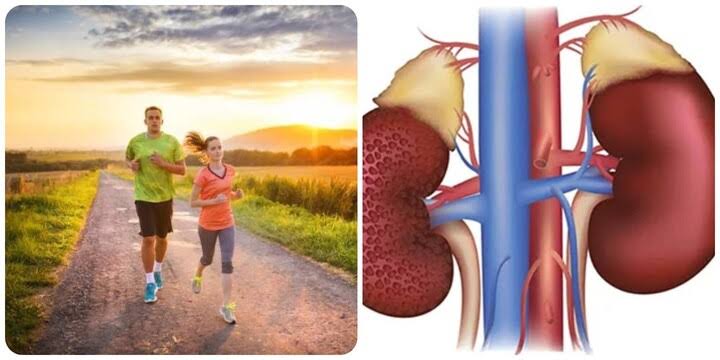
Physical activity is essential for healthy weight maintenance, and its benefits for kidney health extend beyond the weight it helps control. Exercise reduces visceral adiposity specifically — even with minimal change in total body weight — and directly reduces insulin resistance, blood pressure, and systemic inflammation, all of which protect the kidney.
The recommended target for weight management is at least 150 minutes per week of moderate-intensity aerobic activity, combined with two to three sessions of resistance training per week. Resistance training is particularly important in the context of CKD and weight loss because it preserves muscle mass during caloric restriction — critical for avoiding the sarcopenic obesity pattern. Muscle loss during aggressive weight loss without exercise can worsen body composition even as the scale number goes down.
For patients with CKD who have been sedentary, starting with 20–30 minutes of walking three to four days per week and gradually increasing duration and intensity is a safe and evidence-supported approach. Exercise intensity limits depend on CKD stage and cardiovascular status — patients with eGFR below 30 or significant cardiovascular disease should consult a physician before beginning or intensifying an exercise program. The upcoming article on kidney disease prevention addresses the broader lifestyle picture for kidney health.
Medications for Weight Loss — What’s Safe in CKD
Several FDA-approved medications for weight loss require specific consideration in the context of kidney disease.
GLP-1 receptor agonists (semaglutide at weight-loss doses, liraglutide 3 mg) are the preferred pharmacological approach to weight loss in patients with CKD. They produce 10–15% body weight reduction in trials, while simultaneously providing kidney protection through mechanisms independent of weight loss — reducing glomerular hyperfiltration, lowering blood pressure, and directly reducing albuminuria. The FLOW trial demonstrated significant kidney protection with semaglutide in people with CKD and diabetes; ongoing research is extending this evidence to non-diabetic CKD populations. GLP-1 agonists can be used safely down to eGFR of approximately 15.
Orlistat (a fat absorption inhibitor) carries specific kidney risks: it significantly increases urinary oxalate excretion, which can cause calcium oxalate kidney stones and, in some cases, oxalate nephropathy — a serious cause of kidney injury. It should be used with caution in people with CKD or a history of kidney stones, and adequate hydration is essential if it is prescribed.
Phentermine/topiramate (Qsymia) contains topiramate, a carbonic anhydrase inhibitor that promotes metabolic acidosis and increases urine citrate and calcium levels, raising kidney stone risk. Metabolic acidosis independently accelerates CKD progression. This combination is generally not recommended in patients with existing CKD.
Bariatric Surgery and Kidney Health
For patients with severe obesity (BMI ≥40, or ≥35 with obesity-related comorbidities including CKD), bariatric surgery represents the most powerful evidence-based weight loss intervention — and its kidney benefits are substantial.
Multiple prospective studies and large registry analyses show that Roux-en-Y gastric bypass and sleeve gastrectomy dramatically reduce proteinuria in patients with obesity-related nephropathy, often producing complete remission. In patients with CKD caused or worsened by obesity, bariatric surgery can reverse CKD stage in a subset of patients — an outcome almost never achieved by any other intervention.
The Look AHEAD trial, while not a bariatric surgery trial, established the principle that intensive, sustained weight loss produces durable kidney-protective benefits over a decade. Surgery produces faster and larger weight loss, compressing those benefits into a shorter timeframe.
Patients with CKD considering bariatric surgery should have pre-operative nephrology consultation. Risks specific to CKD include acute kidney injury from dehydration in the immediate post-operative period (aggressive hydration protocols are used to mitigate this), and the need to avoid NSAIDs for post-operative pain management (NSAIDs are nephrotoxic in CKD). Long-term, kidney function outcomes after bariatric surgery are generally favorable in obese CKD patients who do not have advanced structural kidney damage from other causes.
Frequently Asked Questions
What BMI is safe for kidney health?
A BMI of 18.5 to 24.9 is generally considered the healthy range and is associated with the lowest kidney disease risk. However, BMI is imperfect — waist circumference and body composition matter as much as BMI for kidney risk assessment. For people who are currently obese or overweight, even partial reduction toward the normal range produces kidney benefit; the target is improvement from baseline, not necessarily perfect BMI achievement.
Can weight loss reverse CKD?
In cases where CKD is primarily driven by obesity — particularly obesity-related glomerulopathy — significant weight loss can produce partial or complete remission of proteinuria, and some patients recover kidney function. In CKD caused by other factors (diabetic nephropathy with long-standing structural damage, IgA nephropathy, hereditary causes), weight loss improves the trajectory but rarely reverses established damage. Early intervention — before significant glomerulosclerosis — offers the best potential for meaningful reversal.
Is a high-protein weight loss diet safe with kidney disease?
No. High-protein diets (above 1.0–1.2 g/kg/day) increase intraglomerular pressure and accelerate proteinuria in people with CKD or glomerular vulnerability. The recommended approach is moderate protein intake (0.6–0.8 g/kg/day for non-dialysis CKD) while achieving weight loss through caloric restriction from fats and refined carbohydrates rather than protein. A renal dietitian can help design a weight-loss diet that is kidney-safe.
How fast should I lose weight with CKD?
A rate of 0.5 to 1 kg per week is safe and sustainable for most people with CKD. Faster weight loss (more than 1–1.5 kg/week) through severe caloric restriction can cause muscle loss, electrolyte disturbances, and in extreme cases, acute kidney injury from dehydration. Bariatric surgery produces faster initial weight loss under medical supervision with specific post-operative protocols to manage these risks.
Does losing weight help if I already have CKD?
Yes. Weight loss benefits the kidney at all CKD stages, though the magnitude of benefit depends on how much of the CKD is driven by obesity-related mechanisms. In early CKD (Stages 1–3), weight loss can significantly slow progression. In more advanced CKD (Stages 4–5), weight loss reduces metabolic burden and cardiovascular risk — both of which affect quality of life and survival — even if eGFR recovery is limited. For a broader overview of proven kidney protection strategies, the Blood Sugar Control and Kidney Protection guide covers the metabolic side of kidney health in depth.
Healthy weight is one of the most modifiable factors in kidney health — not a permanent given, not a genetic sentence, and not secondary to other interventions. Every point of BMI lost, every centimeter off the waist, translates into measurable reductions in glomerular pressure, proteinuria, and kidney disease risk. The trajectory of kidney function responds to body weight, and that response begins with the first meaningful weight loss — however it is achieved.
The Role of Visceral Fat vs. Subcutaneous Fat in Kidney Disease
Not all body fat carries the same kidney risk. Where fat is stored matters as much as how much is stored — and this distinction has direct implications for how to prioritize weight loss efforts and assess kidney risk in a given patient.
Visceral fat — stored deep in the abdominal cavity, surrounding the intestines, liver, and kidneys — is metabolically active and directly harmful. It releases free fatty acids into the portal circulation, contributes disproportionately to adipokine dysregulation, activates the RAAS, and drives insulin resistance. High visceral fat is associated with proteinuria and CKD even in people with a normal or only modestly elevated BMI. This is sometimes called the “metabolically obese normal weight” phenotype — individuals who appear to be a healthy weight by BMI standards but carry dangerous levels of visceral fat.
Subcutaneous fat — stored under the skin in the arms, thighs, and buttocks — is metabolically less harmful. It acts partly as a buffer that stores lipids away from the organs. In some research, higher subcutaneous fat relative to visceral fat is associated with a lower metabolic risk profile, though excess subcutaneous fat is not without its own health implications.
The clinical implication is that waist circumference or waist-to-height ratio — measures that specifically reflect abdominal girth and thus visceral fat — are better screening tools for kidney risk than BMI alone. A person with a normal BMI of 23 but a waist circumference of 98 cm (men) or 88 cm (women) may carry significant kidney risk that BMI would miss. Conversely, a well-muscled person with a BMI of 27 and a waist circumference of 88 cm may have relatively low kidney-specific metabolic risk despite being classified as overweight.
Aerobic exercise reduces visceral fat preferentially — even in the absence of significant total weight loss. Studies consistently show that people who exercise regularly have less visceral fat per unit of total body fat compared to sedentary individuals matched for BMI. This means that adding 150 minutes of moderate aerobic activity per week benefits kidney health through visceral fat reduction regardless of what the scale shows — an important motivator for patients who are exercising but not losing weight.
Practical Weight Management Steps for Kidney Protection
For someone managing their weight specifically to protect kidney function, the following framework provides a practical structure that integrates with rather than conflicts with kidney health goals:
- Set a realistic initial target: A 5–10% reduction from current body weight. For a 90-kg person, that is 4.5–9 kg. This target is achievable within 3–6 months through diet and exercise and produces measurable kidney benefits without requiring drastic restriction.
- Prioritize dietary quality over extreme restriction: Eliminate ultra-processed foods, reduce sodium and refined carbohydrates, and shift toward plant-forward eating. Do not dramatically cut protein below 0.6 g/kg/day without nephrologist guidance — adequate protein is needed to prevent muscle loss, especially during active weight loss.
- Combine aerobic and resistance exercise: Aerobic exercise (walking, cycling, swimming) reduces visceral fat; resistance exercise (weights, resistance bands) preserves muscle. Both are needed for kidney-protective body composition improvement.
- Monitor waist circumference alongside weight: Track both. Waist circumference is a more direct measure of kidney-relevant fat change than scale weight, and it provides motivational feedback when fat is being lost even if muscle is being gained.
- Discuss GLP-1 agonists with your physician: For patients with obesity and CKD, semaglutide or liraglutide at weight-loss doses offer dual benefits — weight reduction and direct kidney protection. This combination deserves consideration regardless of whether diabetes is present.
Weight management in the context of kidney disease is not about achieving an idealized number on the scale. It is about reducing the metabolic and mechanical burden on the kidney’s filtration units — consistently, over time — through any combination of dietary change, physical activity, medication, and, for those who qualify, surgical intervention.
Sources: National Kidney Foundation — Obesity and CKD · NIDDK — Overweight and Kidney Disease · Look AHEAD Trial, NEJM
Pingback: Exercise and Kidney Health - Horizon Health Guide
My doctor recommended I look into healthy weight and kidney health and this article covered it perfectly. I have tried following advice from several sources but this is most consistent with what my specialist told me. This is going into my health folder that I bring to every doctor’s visit.
Thank you for covering healthy weight and kidney health so thoroughly without being overly technical. It is refreshing to see an article that acknowledges individual variation rather than one-size-fits-all advice. Forwarding this to others in my support group who are dealing with similar issues.
Finally a resource that explains healthy weight and kidney health in plain language. I especially valued the explanation of why these recommendations exist, not just what they are. Will definitely be coming back to this site for more health information.