
The foundation of the renal diet is built in the grocery store. Every meal, snack, and dietary choice made at home begins with what gets put in the shopping cart — and for people with chronic kidney disease (CKD), that shopping experience is substantially more complex than it is for the general population. A typical supermarket is stocked with thousands of products, most of which are not labeled with CKD patients in mind. The Nutrition Facts panel, which most people rely on for health decisions, does not capture the full mineral picture: phosphate additives contribute to the phosphorus burden but are listed only as ingredients, not as milligrams; potassium chloride appears as a sodium substitute in many products and represents a hidden potassium source; and serving sizes on labels are often smaller than what people actually consume.
This grocery shopping guide for kidney health bridges the gap between dietary recommendations and supermarket reality. It provides a practical framework for navigating the grocery store with CKD — which sections and product categories are safest, which are most problematic, how to read labels for the mineral content the Nutrition Facts panel misses, and how to build a reusable shopping list that keeps your weekly purchases consistently within your kidney diet targets. The guide also covers fresh versus frozen versus canned options, how to shop on a budget while maintaining renal diet quality, and how to handle the transition from general healthy eating to CKD-specific grocery choices.
How the Renal Diet Differs from General Healthy Eating
Understanding why kidney-healthy grocery shopping differs from general healthy eating is the starting point for making better choices in the store. Many of the items that fill “healthy eating” grocery lists are problematic for CKD patients — and conversely, some foods that seem nutritionally modest are the best options for kidney health.
Whole grains vs. refined grains: General nutrition guidelines recommend whole grains over refined grains for fiber content and glycemic control. In CKD, this recommendation is partially reversed — white rice, white bread, and white pasta are often preferable to their whole-grain equivalents because whole grains contain significantly more phosphorus (stored in the bran as phytic acid). A half-cup of cooked brown rice contains 80 mg of phosphorus; the same amount of cooked white rice contains 35 mg. For patients with phosphorus restrictions, this difference is meaningful across an entire day of eating.
Beans and legumes: These are recommended as healthy protein alternatives in general nutrition guidance. In CKD, beans, lentils, and chickpeas are high in both potassium and phosphorus — one of the few food categories that simultaneously elevates both minerals. While small amounts of rinsed canned beans are acceptable in early CKD, they are typically limited or avoided in Stages 3–5 because the combined mineral burden is too high for the kidneys to regulate efficiently.
Nuts and seeds: Consistently recommended for heart health in general guidelines. In CKD, nuts and seeds are high in phosphorus — a quarter-cup of almonds contains 200 mg of phosphorus — and should be strictly limited or avoided in CKD Stages 3–5. The cardiovascular benefits that apply to the general population do not override the phosphorus burden for patients whose kidneys cannot efficiently excrete it.
Dark leafy greens: Spinach, kale, Swiss chard, and beet greens are powerhouses of general nutrition but are also among the highest-potassium vegetables available. A half-cup of cooked spinach contains 420 mg of potassium; a cup of raw kale contains 300 mg. In CKD with potassium restriction, these vegetables are either limited or avoided entirely. Lower-potassium alternatives — cabbage, green beans, cauliflower — provide different but still valuable nutritional profiles without the potassium burden.
Understanding these differences in advance prevents the frustration of shopping for “healthy” foods that are actually problematic for your specific condition. The renal diet is not simply a more restrictive version of general healthy eating — it operates by different principles in several key food categories.
Reading Nutrition Labels for CKD
Label reading is the core skill of grocery shopping with CKD. Two specific types of information — phosphate additives in the ingredient list and potassium chloride as a sodium substitute — are not accurately captured by the Nutrition Facts panel and require separate attention to the ingredient list.
Finding phosphate additives: Phosphate additives are used to extend shelf life, retain moisture in processed meats, enhance texture in processed cheeses, and act as leavening agents in baked goods. They are present in most packaged processed foods. Their critical property in CKD is that they are absorbed at 90–100% efficiency, compared to 40–60% for naturally occurring phosphorus in whole foods. This means that a food with 100 mg of phosphorus from additives delivers approximately twice the absorbed phosphorus of a food with 100 mg of naturally occurring phosphorus.
Scan the ingredient list of every packaged product for any of the following: sodium phosphate, disodium phosphate, monosodium phosphate, potassium phosphate, monocalcium phosphate, tricalcium phosphate, dicalcium phosphate, phosphoric acid, sodium hexametaphosphate, sodium pyrophosphate, tetrasodium pyrophosphate, or sodium acid pyrophosphate. The presence of any compound ending in “phosphate” or containing “phosphoric” is a red flag — the more of these listed, the higher the additive phosphorus burden. Products with multiple phosphate additives in the ingredient list should be avoided regardless of what the Nutrition Facts panel shows.
Finding potassium chloride: Potassium chloride is used as a sodium substitute in products labeled “low sodium,” “reduced sodium,” or “heart healthy.” From a general health standpoint, it helps reduce sodium without removing the salty taste. For CKD patients, however, it creates a hidden potassium source that the Nutrition Facts panel will show in the “Potassium” row — but many patients do not check potassium on the label if they have selected a product specifically because of its reduced sodium claim.
Any product with potassium chloride in its ingredient list should be evaluated for total potassium using the Nutrition Facts panel, not assumed to be acceptable because of its reduced sodium status. Some “low sodium” soups, crackers, and snack foods substitute potassium chloride so extensively that they contain more potassium per serving than their full-sodium equivalents did. The rule is simple: check both sodium and potassium on the label, and check both the Nutrition Facts panel and the ingredient list for phosphate compounds.
The NIDDK nutrition guidance for CKD provides authoritative context for label reading in the setting of kidney disease, while the USDA FoodData Central database allows you to look up detailed mineral content for specific foods and brands when labels are unclear or unavailable.
The Safest Grocery Store Sections for CKD
Grocery stores are organized by food category, and different sections carry substantially different risks and opportunities for CKD patients. Understanding which sections to spend most of your time in — and which to move through quickly — is a practical navigation strategy that simplifies the shopping experience.
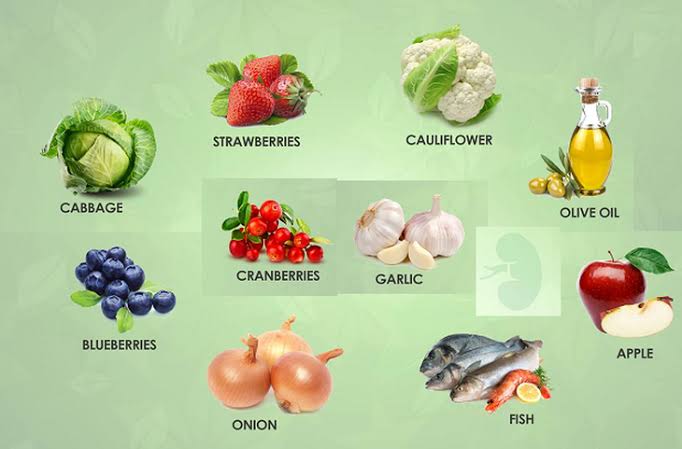
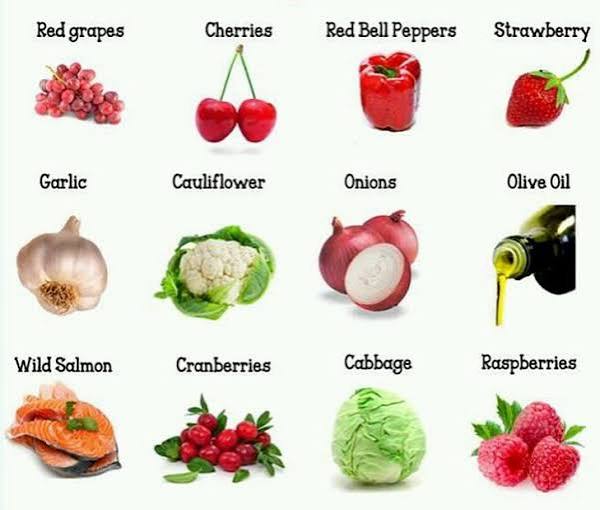
Fresh produce: The produce section is the safest grocery section for CKD patients, provided you select within the appropriate potassium range. Low-potassium vegetables — cabbage, cauliflower, green beans, bell peppers, cucumber, radishes, iceberg lettuce — are available year-round. Low-potassium fruits — apples, blueberries, grapes, pineapple, cranberries — are also reliably available. These items contain naturally occurring nutrients, no phosphate additives, and can be purchased in the exact quantities you need without shelf-life concerns. Fresh produce requires the least label reading of any section.
Fresh meat and seafood counter: Fresh (not pre-marinated, not pre-seasoned) proteins are safer than packaged deli meats and processed proteins. Plain chicken breast, plain turkey breast (roasted, not sliced deli-style), cod, tilapia, flounder, and halibut are all low-phosphorus, low-potassium proteins when purchased fresh without marinade or seasoning. The fresh counter gives you control over preparation that packaged proteins do not.
Dry goods and staples: White rice, plain white pasta, plain couscous, and plain white flour are the staple grain purchases for the renal diet. These are consistently available, inexpensive, store well, and require no label reading beyond verifying that no phosphate additives are included (most plain bulk grains are clean). Plain cooking oils (olive oil, vegetable oil), plain vinegar, and fresh herbs and spices (garlic, lemon, rosemary, thyme, parsley) round out the dry goods purchases that enable flavor without mineral burden.
Canned fish: Water-packed canned tuna, water-packed canned salmon (in small amounts for non-dialysis patients, larger for dialysis patients), and water-packed sardines are useful for quick protein. Rinse canned fish thoroughly before eating to remove approximately 30% of the sodium. Check ingredient lists — canned fish with added broth, seasoning, or flavoring often contains phosphate preservatives.
Grocery Sections to Navigate Carefully
The following sections require the most careful label reading and the most frequent product rejection for CKD patients. They are not entirely off-limits, but they require active evaluation of every product you consider purchasing.
Deli and processed meats: This section is among the most problematic for CKD. Virtually all sliced deli meats — turkey, ham, roast beef, chicken — are injected with phosphate-containing solutions to retain moisture and extend shelf life. A 2-ounce serving of deli turkey might show 40 mg of phosphorus on the Nutrition Facts panel (based on natural turkey phosphorus), but the actual phosphorus from injected phosphate additives is not included in that number. Additionally, sodium content in deli meats is typically 400–600 mg per 2-ounce serving. The safe choice is plain, freshly roasted protein from the fresh meat counter rather than deli-sliced processed meats.
Dairy and dairy alternatives: Full-fat milk, hard cheeses, Greek yogurt, and processed cheese products are high in phosphorus. American cheese slices and processed cheese spreads contain both natural dairy phosphorus and phosphate additives. For CKD shopping, limit dairy purchases to: plain cream cheese (smaller phosphorus contribution than hard cheeses), small amounts of unsalted butter (minimal phosphorus), and rice milk (lowest-phosphorus dairy alternative at 100 mg per cup). Almond milk is moderately low in phosphorus but higher than rice milk; soy milk is higher still due to soy’s natural phosphorus content.
Snacks and chips aisle: This is the highest-phosphorus, highest-sodium aisle in the supermarket. The safest strategy is to have a specific list of approved snack products before entering this aisle and to purchase only those items. If you browse without a plan, the density of problematic options makes accidental poor choices very likely. Plain rice cakes (without flavoring), plain unsalted popcorn kernels (for home air-popping), and plain water crackers without phosphate additives are the only reliable options in most snack aisles.
Condiments and sauces: Bottled sauces — soy sauce, Worcestershire, teriyaki, barbecue, ketchup, hot sauce, salad dressings — are consistently high in sodium (often 200–400 mg per tablespoon) and many contain phosphate additives or tomato-based ingredients high in potassium. Safe condiment purchases include: plain white vinegar, apple cider vinegar, plain mayonnaise (moderate sodium but minimal phosphate additives in most brands), fresh herbs and spices, and garlic powder, onion powder, and other single-ingredient dry spices without salt blends.
Fresh vs. Frozen vs. Canned: What to Choose
The fresh-frozen-canned decision varies by food category in CKD shopping. There is no universal rule — the best choice depends on what you are buying, how you plan to use it, and what your budget and storage constraints are.
Vegetables: Fresh and plain frozen vegetables (without sauces, seasoning, or added ingredients) are equivalent in mineral content. Frozen vegetables are often lower in cost, have longer storage life, and are just as nutritious as fresh — they are harvested at peak ripeness and frozen quickly, which preserves most nutrients. The critical rule for frozen vegetables in CKD is “plain only” — avoid frozen vegetable mixes with butter, cheese sauce, or any seasoning packet. Canned vegetables are acceptable when rinsed (rinsing reduces sodium by approximately 30–40%), but they are higher in sodium than fresh or plain frozen and should be a secondary choice rather than the primary vegetable purchase.
Fruits: Fresh is preferred for most low-potassium fruits. Frozen plain fruit (no sugar, no syrup added) is an acceptable alternative for blueberries and other small fruits. Canned fruit in juice (rinsed) is acceptable when fresh is unavailable; canned fruit in syrup adds excessive sugar and should be avoided. Canned fruit in heavy syrup often also contains added potassium from natural fruit concentration and should be avoided.
Protein: Fresh protein is the gold standard for CKD shopping — no additives, no phosphate injection, and full control over seasoning at home. Frozen plain protein (chicken breast without marinade, fish fillets without breading or seasoning) is an acceptable and often more affordable alternative. Check the ingredient list of any frozen protein: “chicken breast” should contain only chicken breast; if the list includes sodium phosphate, “water added,” or seasoning blends, it has been processed and should be avoided. Canned protein (tuna, salmon) is useful for quick meals but should always be rinsed and purchased in water-pack only.
Grains: Plain dried grains (white rice, white pasta, couscous) are the preferred purchase — they store for months, cook simply, and contain no additives. Instant or pre-flavored grain products (flavored rice packets, instant ramen, seasoned pasta sides) almost universally contain phosphate additives, high sodium, and often potassium-containing flavoring agents. The additional convenience of these products is not worth the mineral cost.
A Kidney-Friendly Grocery Shopping List
The following is a template shopping list organized by grocery store section. It covers the core purchases for a week of kidney-friendly eating across breakfast, lunch, dinner, and snacks. Adjust quantities based on your household size and frequency of shopping.
Produce: Cauliflower (1 head), green beans (1 lb fresh or frozen plain), cabbage (half head, green or red), bell peppers (2–3, red or yellow), cucumber (2–3), apples (4–6), blueberries (1 pint), grapes (1 lb), pineapple (fresh or canned in juice), iceberg lettuce (1 head), fresh parsley, fresh dill, lemons (4–6).
Protein: Chicken breast (1.5–2 lbs, plain, no marinade), cod fillets or tilapia (1 lb, plain), eggs (1 dozen, for egg whites), canned water-pack tuna (3–4 cans, no added broth or seasoning), water-pack firm tofu (1 block).
Grains and starches: White rice (2 lb bag), white pasta (1 lb), couscous (1 lb), plain rice cakes (1 bag, no flavoring), plain water crackers or flatbread (verify no phosphate additives), white bread or plain white pita (1 loaf or package), plain white flour tortillas.
Dairy and refrigerated: Plain cream cheese (1 small package), unsalted butter (1 stick), rice milk or plain unsweetened rice-based beverage (1 carton).
Pantry and seasonings: Olive oil (good bottle), plain white vinegar, apple cider vinegar, plain mayonnaise (check ingredient list for phosphate additives — most regular mayonnaise is clean), garlic powder, onion powder, dried rosemary, dried thyme, dried dill, dried parsley, sea salt (small amount — you will use much less than typical), black pepper, sesame oil (small bottle for flavor).
Shopping on a Budget with CKD
A common concern about the renal diet is cost — avoiding convenient and packaged foods and relying on fresh proteins and produce can seem expensive. In practice, the most kidney-friendly foods are also among the most affordable items in the grocery store, and several strategies reduce cost further without compromising diet quality.
Buy dry grains in bulk: White rice, plain pasta, and couscous purchased from bulk bins or in large packages (5 lb bags) are significantly cheaper per serving than packaged grain products or pre-seasoned alternatives. A 5 lb bag of white rice typically costs less per serving than any packaged convenience grain product and stores for months without quality loss.
Choose frozen plain vegetables over fresh: Plain frozen vegetables — green beans, cauliflower, and mixed low-potassium vegetable blends without sauce — are typically 40–60% cheaper than fresh equivalents, waste less (you use only what you need), and are nutritionally equivalent. A 12-ounce bag of frozen plain cauliflower provides 4–6 servings for the cost of less than one head of fresh cauliflower in many markets.
Buy chicken in family packs and freeze portions: Chicken breast purchased in large family packs is typically 30–50% cheaper per pound than individual packages. Portion the chicken into 3-ounce servings (the appropriate CKD serving size), wrap each portion separately, and freeze them. You can then thaw individual portions as needed without having to use the entire purchase at once.
Use eggs (egg whites) as a cost-effective protein: Eggs are among the cheapest high-quality protein sources available. Egg whites contain high-quality protein with minimal phosphorus, potassium, and sodium. A dozen eggs costs a fraction of the price of equivalent protein from fish or chicken and provides 24 egg whites — enough for 8 protein servings of 3 egg whites each. Separating whites from yolks takes about 2 minutes per batch and can be done in advance and refrigerated for 2 days.
Prioritize canned tuna over fresh fish for weekday meals: Fresh fish is preferable when possible, but water-pack canned tuna (rinsed before use) provides acceptable protein at a fraction of the cost. A can of water-pack tuna purchased in bulk costs a fraction of the price of fresh cod per equivalent protein serving. Use canned tuna for quick weekday lunches and save fresh fish for dinner when you have time to cook it properly.
Adjusting Grocery Shopping by CKD Stage
What you buy at the grocery store should reflect your current CKD stage and most recent lab values, not a static template that applies uniformly across all stages. The following adjustments are stage-appropriate starting points — your renal dietitian should review your specific purchases and lab values to personalize further.
In CKD Stages 1–2, the main shopping adjustment is reducing processed food purchases and increasing whole foods. Phosphate-additive avoidance is the most important rule at this stage — buy fresh proteins, plain grains, and unprocessed produce. Potassium restriction is not typically necessary unless your lab values specifically show elevated potassium. Most fresh produce is acceptable.
In CKD Stage 3 (eGFR 30–59), add potassium selection to your shopping criteria — choose lower-potassium produce options by default, even if strict restriction has not been prescribed. Sodium reduction becomes important for blood pressure management; limit purchases of high-sodium packaged items. Phosphate-additive avoidance remains critical as kidneys increasingly struggle to regulate phosphorus.
In CKD Stage 4 (eGFR 15–29), all four restrictions apply to grocery selections. Stick closely to the kidney-friendly shopping list above. Protein purchases should reflect your specific protein target (typically 0.6–0.8 g/kg body weight per day) — your dietitian or nephrologist should have provided this number. Avoid buying foods that present high potassium or phosphorus risk, even in small quantities, because Stage 4 patients have very little buffer in their daily mineral budgets.
For dialysis patients, protein requirements increase substantially, and protein purchases should reflect this. Buy more protein per week and consider egg whites, fresh fish, and chicken in higher quantities. Phosphorus and potassium restrictions remain in place, but dialysis removes some of these between sessions — the timing of meals relative to dialysis sessions affects how much of a given meal’s mineral load actually accumulates. Your dialysis care team should guide session-specific dietary timing.
Practical Grocery Shopping Tips for CKD
Shop with a written list: Entering the grocery store without a specific list leads to browsing, which means encountering high-risk food categories without a plan. A written list built from the template above — personalized for your stage and labs — keeps shopping efficient and prevents impulse purchases of familiar but problematic products.
Shop the perimeter first: The perimeter of most grocery stores contains fresh produce, fresh proteins, and dairy — the most kidney-friendly departments. The interior aisles contain most of the processed and packaged products with the highest phosphate additive burden. Completing your perimeter shopping first ensures you get the most important items before potentially time-consuming label-reading in interior aisles.
Download your grocery store app: Many supermarket chains offer apps that allow you to search product ingredient lists, filter by sodium content, and access nutritional data for store-brand products before your shopping trip. Using this in advance — building your list digitally and flagging approved products — reduces in-store label-reading time significantly.
Choose the same approved products consistently: Once you have identified products that meet your criteria — a specific brand of rice cakes, a specific brand of plain water crackers, a specific brand of canned tuna — stick with them rather than exploring new options each week. The label-reading investment pays off most when it identifies reliable repeatable purchases. Reserve label reading for evaluating new products when your existing choices are unavailable.
The kidney-friendly breakfast ideas guide, kidney-friendly lunch ideas guide, kidney-friendly dinner ideas guide, and kidney-friendly snacks guide all provide meal-specific food choices that translate directly into the shopping list categories above. Using those guides alongside this shopping reference creates a complete daily eating and shopping system for CKD. The phosphorus and kidney disease guide covers phosphate additive identification in additional depth, and the National Kidney Foundation’s nutrition resources provide downloadable food lists and phosphorus tracking tools useful for building your personal shopping criteria.
Conclusion
Grocery shopping for kidney health is fundamentally a label-reading and category-navigation skill. The renal diet’s unique requirements — white grains over whole grains, low-potassium produce over nutritionally dense greens, fresh proteins over deli-processed options, and vigilant phosphate-additive avoidance — run counter to general healthy eating guidance in several key areas, which is why specific CKD grocery guidance matters.
The skills and strategies in this guide — scanning ingredient lists for phosphate compounds, identifying potassium chloride in reduced-sodium products, prioritizing fresh and plain frozen options over packaged alternatives, building a weekly list from the core kidney-friendly categories, and adjusting purchases by CKD stage — form a reusable system that improves with practice. The more consistently these habits are applied, the less mental effort each shopping trip requires, and the more reliably your meals will stay within your kidney diet targets.
For complete dietary guidance, your renal dietitian remains the most important resource — they can review your specific lab values, provide stage-appropriate mineral targets, and evaluate your grocery habits against your most recent results. The practical knowledge in this guide prepares you for productive, informed conversations with your care team about how your daily food choices support your kidney health goals.
Sources: NIDDK — Eating and Nutrition for CKD · National Kidney Foundation — Nutrition · USDA FoodData Central