
Cranberry products — juice, capsules, tablets, and extracts — are among the most widely used supplements for urinary tract health, with an estimated 30–40% of women reporting use for urinary tract infection (UTI) prevention. The popularity is understandable: UTIs are among the most common bacterial infections in adults, recurrent UTIs are distressing and sometimes treatment-resistant, and a natural preventive approach with minimal side effects is genuinely appealing. But the evidence for cranberry’s effectiveness at preventing UTIs is more nuanced than popular perception suggests — and for patients with kidney disease, the safety profile requires specific consideration. This article reviews how cranberry is proposed to work, what the research actually shows about its effectiveness for UTI prevention and treatment, the specific safety concerns in kidney disease patients, who is most likely to benefit, and how cranberry fits into a broader approach to urinary tract health. For patients interested in the broader landscape of natural supplements and urinary/kidney health, the companion article on supplements for kidney health covers the full safety framework for supplement use in CKD patients, and the article on probiotics and urinary health covers a complementary approach to microbiome-based urinary health.
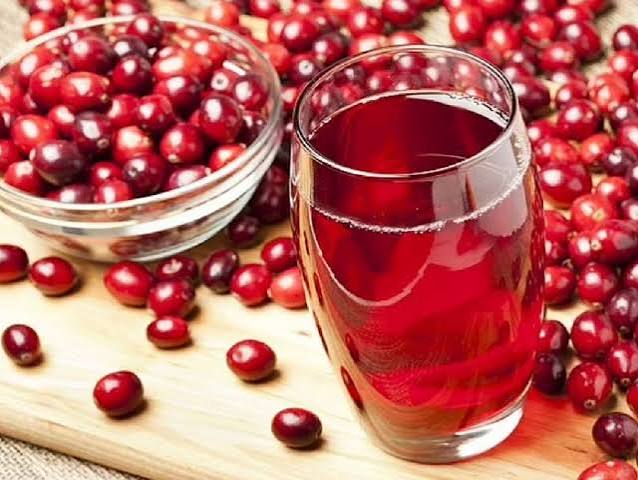
How Cranberry Is Thought to Prevent UTIs: The Mechanism
The popular belief that cranberry prevents UTIs by “acidifying the urine” — making it too acidic for bacteria to survive — is not supported by current evidence. Urine acidification from typical amounts of cranberry juice or supplements is minimal, transient, and insufficient to inhibit bacterial growth. The current scientific understanding centers on a different mechanism involving specific compounds called proanthocyanidins (PACs). Type A proanthocyanidins and anti-adhesion activity: cranberries contain a unique form of proanthocyanidins called type A PACs (also written as A-PACs), which are distinct from the more common type B PACs found in most other foods and berries. Type A PACs are found in meaningful concentrations primarily in cranberries and a few related plants. The proposed mechanism is that A-PACs bind to surface proteins (type 1 and P fimbriae) on the surface of Escherichia coli bacteria, which are responsible for approximately 80% of uncomplicated UTIs. By coating the fimbriae, cranberry PACs are theorized to prevent E. coli from adhering to the urothelial cells lining the bladder and urinary tract — bacteria that cannot adhere are washed away with normal urine flow and never establish an infection. This anti-adhesion mechanism explains why cranberry would need to be consumed regularly (to maintain a protective concentration of PACs in the urine) rather than taken only when symptoms begin. It also explains why cranberry would not be expected to treat an active infection — killing or flushing out bacteria already established in the bladder wall requires antibiotics, not anti-adhesion compounds. PAC content varies widely across products: the critical practical implication of this mechanism is that the effectiveness of any cranberry product depends on its type A PAC content — and PAC content varies enormously across products. Cranberry juice cocktails (the standard commercially available juice, which is typically only 25–30% cranberry juice diluted with water and sweetened with sugar or other juice) contain very low PAC concentrations per serving. Clinical trials that have shown benefit have typically used specific cranberry products standardized to contain at least 36 mg of type A PACs per daily dose. Many commercial cranberry supplements on the market do not disclose their PAC content or use different PAC assay methods, making comparison difficult. What PAC standardization means for product selection: patients who want to try cranberry for UTI prevention should look for products that: specify type A PAC content per dose; are standardized to at least 36 mg type A PAC per daily dose (based on the most commonly used dose in positive clinical trials); and have been independently tested for PAC content. Products that list “cranberry extract” without specifying PAC content are of uncertain potency. The NIDDK patient information on UTI prevention is at the NIDDK UTI in adults page.
What the Research Shows: Effectiveness of Cranberry for UTI Prevention
The clinical evidence for cranberry’s role in UTI prevention has been extensively studied, with dozens of randomized controlled trials and multiple systematic reviews and meta-analyses. The overall picture is more nuanced than either enthusiastic advocacy or complete dismissal would suggest. The Cochrane review: the 2023 Cochrane systematic review of cranberry products for preventing UTIs, which included 50 randomized controlled trials with over 8,800 participants, concluded that cranberry products likely reduce the risk of symptomatic UTIs in women with recurrent UTIs (roughly 26% relative risk reduction), in children, and in people who use catheters. The review found that the evidence was weakest (and least consistent) for older adults in care facilities, people with bladder-emptying problems, pregnant women, and patients with conditions causing urinary tract abnormalities. The review noted important heterogeneity across trials — different cranberry products, doses, and PAC contents make direct comparison difficult. Who appears to benefit most: the clearest evidence supports cranberry use in women with anatomically normal urinary tracts who experience recurrent uncomplicated UTIs (two or more UTIs per year). In this population, regularly consuming a standardized cranberry supplement or juice with adequate PAC content appears to modestly reduce UTI frequency — not eliminating infections, but reducing how often they occur. The benefit is preventive, not therapeutic: cranberry does not treat an active UTI and should not replace antibiotics when an infection is present. Where evidence is weaker: for men with UTIs (often caused by anatomical or prostate-related factors rather than bacterial adhesion), for patients with catheter-associated UTIs (where the pathophysiology is different from uncomplicated UTIs), for patients with recurrent UTIs caused by bacteria other than E. coli (PACs specifically target E. coli fimbriae), and for treating rather than preventing UTIs, the evidence base is much weaker. Post-menopausal women with recurrent UTIs may have additional factors (vaginal atrophy, estrogen deficiency, pelvic floor dysfunction) driving their infections that cranberry does not address; vaginal estrogen or D-mannose may be more appropriate interventions in this group. D-mannose as a comparison: D-mannose is a simple sugar that competitively inhibits E. coli adhesion to urothelial cells through a similar anti-adhesion mechanism to cranberry PACs. Several clinical trials have found D-mannose to be as effective as low-dose antibiotic prophylaxis in preventing recurrent E. coli UTIs, with fewer antibiotic side effects. D-mannose is generally safe and does not significantly raise blood sugar (it is rapidly excreted in urine). For CKD patients who want a non-antibiotic UTI prevention strategy, D-mannose may be worth discussing with the care team as an alternative or complement to cranberry. The NKF patient resource on urinary tract infections is at the NKF UTI resource page.

Cranberry Safety in Kidney Disease and Practical Use Guidance
For patients with kidney disease considering cranberry products for UTI prevention, specific safety considerations apply that differ from the general population. Oxalate content of cranberry: cranberries contain moderate amounts of oxalate — approximately 7–10 mg per 100g of fresh cranberries, and potentially higher amounts in concentrated extracts. In patients with a history of calcium oxalate kidney stones (the most common type of kidney stone, affecting approximately 80% of stone formers), oxalate intake is a relevant concern that generally warrants limiting cranberry products or discussing appropriate quantities with the urologist or nephrologist. In CKD patients without a history of oxalate stones, modest cranberry intake is generally not a concern, but concentrated cranberry extract supplements taken at high doses represent a more concentrated oxalate load than whole cranberries or diluted juice. Potassium in cranberry products: cranberry juice and whole cranberries contain potassium — approximately 50–80 mg per 100 mL of juice and 80–100 mg per 100g of berries. A full serving of cranberry juice cocktail (240 mL) contains roughly 100–200 mg of potassium. For CKD patients with strict potassium restriction (those with persistent hyperkalemia), the potassium contribution from regular cranberry juice should be accounted for in the overall daily potassium budget. Standardized cranberry capsule supplements typically contain far less potassium per dose than juice and may be preferable for potassium-restricted patients. Drug interactions: cranberry may interact with warfarin (anticoagulation with coumarin derivatives) — several case reports describe elevated INR values in patients combining regular cranberry juice with warfarin. The mechanism is thought to involve cranberry flavonoids inhibiting CYP2C9, the liver enzyme responsible for warfarin metabolism. CKD patients on warfarin should discuss cranberry use with their care team and have more frequent INR monitoring if they choose to use cranberry regularly. Who should avoid cranberry in CKD: patients with a history of calcium oxalate nephrolithiasis (kidney stones) should limit concentrated cranberry products; patients with strict potassium restriction should account for juice potassium content; patients on warfarin should have INR monitoring. Patients with severe CKD (stage 4–5) should discuss any new supplement with their nephrologist before starting. Practical guidance for cranberry use: patients who want to try cranberry for UTI prevention should choose a product standardized to type A PAC content (at least 36 mg per day); start with the lowest effective dose; use capsule/tablet forms rather than high-sugar juice cocktails (which provide minimal PACs and add sugar and potassium); inform their care team if on warfarin; and continue for a meaningful trial period (at least 6 months) before evaluating effectiveness. Cranberry is a preventive, not a treatment — patients should continue to seek prompt medical attention for UTI symptoms rather than attempting to treat infections with cranberry alone. For CKD patients who frequently struggle with UTIs alongside their kidney disease, the article on kidney disease and long-term monitoring covers how urinary health fits into the overall CKD monitoring framework. The StatPearls reference on UTI prevention is at the StatPearls UTI prevention resource. Recurrent UTIs in patients with kidney disease or structural urinary tract abnormalities should be evaluated by a urologist — the cause of recurrence may be amenable to specific treatment beyond dietary measures.
Sources: NIDDK UTI in Adults · National Kidney Foundation · StatPearls: UTI Prevention · KDIGO CKD Guidelines
Cranberry vs. Antibiotics: Understanding the Role of Each
One of the most important clinical messages about cranberry is the clear boundary between its appropriate preventive role and the continuing necessity of antibiotics for treating active UTI infections. Understanding this boundary helps patients avoid both underuse and overreliance on cranberry products. Why cranberry cannot treat an active UTI: once bacteria have adhered to the urothelial lining of the bladder and begun multiplying, the anti-adhesion mechanism of cranberry PACs cannot dislodge them. The bacteria are already attached — PACs work upstream of that step, preventing initial adhesion. An active UTI with symptoms of painful urination, frequency, urgency, or cloudy urine requires antimicrobial treatment to eliminate the established infection. Attempting to “treat” an active UTI with cranberry juice or supplements while withholding antibiotics can allow the infection to worsen, ascend to the kidneys (causing pyelonephritis), or — in immunocompromised patients and those with CKD — progress to sepsis. UTI symptoms in any patient with kidney disease should prompt prompt medical evaluation, not self-treatment with cranberry. The antibiotic resistance concern and why it matters for cranberry’s role: recurrent UTIs in women have traditionally been managed with long-term prophylactic antibiotic regimens — typically a low daily dose of trimethoprim-sulfamethoxazole, nitrofurantoin, or a fluoroquinolone taken for 6–12 months. These regimens are effective but contribute to antibiotic resistance in the patient’s own microbiome and, through excretion, in the broader environment. The appeal of cranberry as a preventive strategy is specifically that it may reduce UTI frequency in recurrent sufferers through a mechanism that does not drive antibiotic resistance — it does not kill bacteria, so it does not select for resistance. Several randomized trials have compared standardized cranberry supplements to low-dose antibiotic prophylaxis in women with recurrent UTIs, with some trials showing comparable efficacy and others showing antibiotics to be superior. A reasonable clinical interpretation is that for women who want to reduce antibiotic exposure, cranberry is a worthwhile first-line preventive strategy, while antibiotic prophylaxis remains an appropriate second-line approach when cranberry is insufficient or not tolerated. Post-coital UTI prevention: one specific preventive scenario where both cranberry and single-dose antibiotics are used is post-coital UTI prevention in women whose recurrences are consistently associated with sexual intercourse. Taking a single post-coital dose of a urinary antibiotic is effective for this pattern. Cranberry consumption before or after intercourse is sometimes recommended as a non-antibiotic alternative, though head-to-head evidence comparing the two strategies in this specific population is limited. For women with intercourse-related UTIs who prefer non-antibiotic prevention, discussing both cranberry and behavioral strategies (post-coital urination, adequate hydration, hygiene practices) with their clinician is appropriate. When to seek medical care rather than using cranberry: fever above 38°C (100.4°F) with urinary symptoms, flank pain (suggesting kidney involvement), symptoms that don’t improve within 48–72 hours, symptoms in a person with a single kidney or transplanted kidney, symptoms during pregnancy, and symptoms in a man or child all warrant prompt medical evaluation rather than cranberry self-treatment. The presence of kidney disease is itself a reason to have a lower threshold for seeking medical evaluation with UTI symptoms, as the kidney’s reduced capacity to fight infection and clear bacterial products increases the stakes of untreated or undertreated UTI.
Choosing, Dosing, and Monitoring Cranberry Products
For patients who have decided — in consultation with their care team — to try cranberry for UTI prevention, practical guidance on product selection, dosing, and monitoring can improve the likelihood of using an effective product at an appropriate dose. Product selection: the key variable distinguishing potentially effective from potentially ineffective cranberry products is type A PAC (proanthocyanidin) content, specifically measured by the BL-DMAC assay (the most commonly used standardized PAC assay method). Products that disclose their PAC content per serving using BL-DMAC methodology and are standardized to at least 36 mg type A PAC per daily dose match the doses used in the positive clinical trials. Products marketed as “cranberry extract” without PAC disclosure, products standardized by weight of cranberry fruit (e.g., “500 mg cranberry fruit equivalent”) without PAC assay, and conventional cranberry juice cocktails (which are substantially diluted and sweetened) are less reliably effective. Third-party tested products (NSF International, USP Verified, ConsumerLab, or similar) provide additional assurance of label accuracy, which is important because supplement labeling accuracy is not FDA-regulated. Dosing guidance: the most commonly used dose in clinical trials showing benefit is 36 mg type A PAC per day, often delivered as one or two capsules of a standardized cranberry extract. Some trials have used twice-daily dosing (36 mg twice daily) with similar or modestly better results. There is no established dose-response relationship that would support using very high doses (above 72–100 mg PAC/day), and high-dose concentrated extracts carry a higher oxalate load — relevant for patients at risk for kidney stones. Taking cranberry with adequate fluid intake is sensible, as hydration itself is protective against UTIs by maintaining urine flow and reducing bacterial concentration. Duration before evaluating effectiveness: recurrent UTIs typically occur monthly or several times per year, so a meaningful trial period is at least 3–6 months. Patients who experience a UTI during the first 1–2 months of cranberry use should not immediately conclude that cranberry is ineffective — they should evaluate UTI frequency over the full trial period compared to their historical UTI rate before starting cranberry. Keeping a simple log of UTI episodes (date, symptoms, whether a urine culture was done) before and during cranberry use makes this assessment much more concrete. Monitoring needs in CKD patients: CKD patients starting cranberry should have their routine electrolytes (including potassium) checked at their next scheduled nephrology or primary care visit to ensure the potassium contribution from regular cranberry use is not causing hyperkalemia. Patients on warfarin should have an INR check within 2–4 weeks of starting regular cranberry use to detect any interaction. If potassium rises or INR becomes unstable, cranberry product form (switching from juice to low-potassium capsules, or reducing dose) should be adjusted in consultation with the care team. When to stop cranberry: cranberry use should be discontinued if it causes gastrointestinal upset (which some people experience from high-dose concentrated extracts), if potassium management becomes more difficult, if INR becomes unstable on warfarin, or if after a full 6-month trial UTI frequency has not improved. The absence of benefit after a proper trial with a standardized product is informative — it may indicate that the patient’s recurrent UTIs are caused by bacteria other than E. coli, or by anatomical or functional factors that cranberry cannot address, and further urological evaluation may be warranted. For patients whose UTIs continue despite cranberry, the broader urinary health evaluation framework described in the kidney disease and long-term monitoring article includes triggers for urology referral as part of CKD management. The KDIGO guidelines for CKD management provide the clinical framework within which UTI prevention strategies are considered — the full guidelines are at KDIGO CKD evaluation and management.
Integrating Cranberry Into a Broader UTI Prevention Strategy
Cranberry products work best as one component of a comprehensive UTI prevention strategy rather than a standalone solution. For women with recurrent uncomplicated UTIs, the evidence-based behavioral measures that complement cranberry include adequate daily fluid intake (at least 1.5–2 liters of fluid per day, primarily water — urine dilution and frequent voiding reduce bacterial colonization time in the bladder); voiding after sexual intercourse (post-coital urination within 15–30 minutes reduces UTI risk in women whose infections are intercourse-related); avoiding prolonged urine retention (voiding every 3–4 hours rather than “holding” reduces contact time between bacteria and bladder epithelium); and avoiding irritants that may compromise bladder mucosal defenses in some women, including harsh soaps, bubble baths, and spermicides. For post-menopausal women, vaginal atrophy from estrogen deficiency is a major driver of recurrent UTIs — the acidic vaginal pH and normal lactobacillus flora that protect against UTI colonization are estrogen-dependent, and their loss with menopause shifts the vaginal and urethral environment toward one more hospitable to uropathogens. Topical vaginal estrogen (cream, ring, or tablet) has strong evidence for reducing recurrent UTI frequency in post-menopausal women and is considered systemic-risk-free compared to oral hormone therapy, since vaginal estrogen has minimal systemic absorption. For post-menopausal women with recurrent UTIs and vaginal atrophy symptoms, topical vaginal estrogen is worth discussing with the gynecologist or primary care clinician as an evidence-based option. Probiotics — specifically lactobacillus strains targeted at restoring vaginal flora — are discussed in the companion article on probiotics and urinary health, and may be particularly relevant for post-menopausal women alongside vaginal estrogen. Cranberry, behavioral measures, vaginal estrogen (where appropriate), and probiotics together represent a multi-pronged non-antibiotic approach to recurrent UTI prevention that is worth exploring systematically with a clinician — both because the combined approach is likely more effective than any single strategy alone, and because each component carries its own risk-benefit profile that should be individualized for the patient’s specific situation, age, kidney function, and other health conditions.
I’ve been dealing with recurrent UTIs for about three years — sometimes 5 or 6 per year — and I’ve been drinking cranberry juice cocktail almost every day thinking I was protecting myself. Reading this article was a revelation. The section on PAC content explains so much: the juice I’ve been drinking is 25% cranberry and mostly sugar water. I had no idea that the type A PAC standardization was the key thing to look for. Switching to a standardized supplement immediately.
Sandra, you’ve identified one of the most common and frustrating mismatches in UTI prevention: spending years on a product that doesn’t contain an effective dose of the active compound. Standard cranberry juice cocktail (25–30% cranberry, heavily diluted and sweetened) delivers very little type A PAC per serving compared to what the clinical trials used. The switch to a standardized capsule with disclosed BL-DMAC PAC content is exactly the right move. Give it a full 3–6 month trial to properly evaluate the benefit against your historical UTI rate.
The warfarin interaction warning is critical information that I suspect most cranberry supplement users on blood thinners don’t know about. I’m on warfarin for a heart valve issue and also have stage 3 CKD. My INR has been unstable for the past few months and I’ve been taking cranberry capsules without telling my cardiologist. After reading this I immediately called my cardiologist’s office. Please keep covering drug-supplement interactions — they are genuinely underreported.