
A blood pressure log for kidney health is more than a record-keeping exercise — it is a clinical tool that transforms home blood pressure readings from isolated numbers into interpretable trends, enabling both patients and their care teams to make more informed decisions about treatment, medication, and lifestyle management. For the majority of CKD patients, hypertension is either the cause or a direct consequence of kidney disease, and its management is the primary modifiable factor in slowing CKD progression. Yet blood pressure management in CKD depends entirely on the quality of blood pressure data available — a quarterly office measurement is a snapshot, while a well-maintained daily log is a longitudinal dataset. This article covers how to build, maintain, and use a blood pressure log specifically for kidney health — including what to record, how to interpret the patterns, and how to bring the log into productive use in clinical care. For the broader framework of what to track at home across all monitoring categories, see the article on home kidney health monitoring: what to track. For the clinical evidence connecting blood pressure control to kidney protection, see the article on blood pressure control and kidney protection. For understanding the underlying relationship between high blood pressure and kidney disease, see high blood pressure and kidney health.
What to Record in a CKD Blood Pressure Log
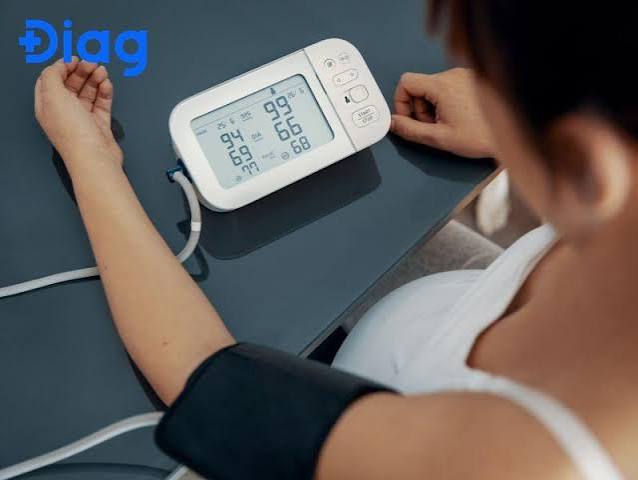
A complete blood pressure log entry captures more than the two numbers on the cuff display. Context columns distinguish between clinically meaningful readings and readings that require explanation — and they are what elevate a home log from a list of numbers to a genuinely useful clinical document. Core measurements to record every entry: date and time; systolic blood pressure (the higher number); diastolic blood pressure (the lower number); pulse rate (many validated BP monitors display this automatically). These four fields are the minimum viable blood pressure log entry. Medication context column: record whether antihypertensive medications were taken on time before the reading, taken late, or missed entirely. A morning reading taken before an antihypertensive dose has been absorbed is a pre-medication baseline — useful data, but different from a reading taken one hour after the dose. A reading on a day when a dose was missed is not a reflection of medication effectiveness. Without this column, a care team reviewing the log cannot distinguish between adequately controlled blood pressure that is performing as expected, and inadequately controlled blood pressure that is masked by good adherence on most days. Sodium and diet context column: note any departure from the usual diet on the prior evening — a restaurant meal, processed food, high-sodium food, or unusual caffeine intake. Dietary sodium is one of the most powerful short-term blood pressure modulators, and a single high-sodium meal can elevate systolic blood pressure by 5–10 mmHg in the 24 hours following consumption. CKD patients on sodium restriction who see an unexplained reading spike can often trace it to a dietary departure the day before — the log makes this connection visible. Sleep and stress notes: a brief 1–3 word note about sleep quality (poor/fair/good) or notable stress (work deadline, difficult news, conflict) on the prior night explains readings that would otherwise appear anomalous. Blood pressure is significantly higher after poor sleep and during psychological stress — these are normal physiological responses, not evidence of treatment failure. Physical activity note: note exercise on the prior day, and avoid measuring within 30 minutes of vigorous physical activity, as exercise significantly alters blood pressure in both directions (elevation immediately after exertion, then reduction during the post-exercise recovery period). Weight note: adding daily weight to the blood pressure log creates a two-variable record that makes the connection between fluid retention and blood pressure elevation visible. Days with higher weights often correspond with higher blood pressures in CKD patients whose hypertension has a volume-dependent component — a pattern that the nephrologist and renal dietitian can use to guide fluid and sodium management. The KDIGO 2024 blood pressure target recommendations for CKD are summarized in the KDIGO CKD evaluation and management guidelines.
Measurement Technique: Getting Accurate Readings Every Time
The clinical value of a blood pressure log depends entirely on the accuracy of the readings it contains. Poorly conducted home measurements — using an incorrect cuff size, measuring immediately after exercise, having the arm unsupported, or measuring over clothing — introduce errors that can make well-controlled blood pressure appear elevated (falsely elevated) or can miss genuine blood pressure concerns. Consistent technique is what makes home readings comparable to each other and to clinic readings. Device selection: use a validated upper-arm automated blood pressure monitor. Wrist monitors are significantly less accurate in CKD patients because arterial stiffness, which is common in CKD and increases with age, affects wrist readings more than upper-arm readings. Look for a device that has been validated against a reference standard — the American Medical Association’s validated device list or the UK’s BIHS validated device list includes devices tested for accuracy. Cuff size is important: the bladder of the cuff should encircle at least 80% of the upper arm. Patients with larger arms who use a standard adult cuff will get falsely elevated readings. Large adult and extra-large adult cuffs are readily available. Pre-measurement preparation: sit quietly for five minutes before measuring — this is the most frequently skipped step and one of the most important. Blood pressure in the first minute after sitting down is measurably higher than after five minutes of quiet rest. Empty the bladder before measuring (a full bladder elevates blood pressure). Avoid caffeine for 30 minutes, smoking for 30 minutes, and vigorous exercise for 30 minutes before measuring. These are standard American Heart Association measurement guidelines. Measurement posture: sit in a chair with back supported; feet flat on the floor, not crossed; arm resting on a flat surface at heart level with the cuff at mid-upper arm, not forearm; do not talk during the measurement. All of these factors are documented to affect blood pressure readings and are responsible for the “white coat” amplification that makes hurried office measurements consistently higher than measured properly at home. Double readings: for patients on active medication titration or with variable blood pressure, taking two readings separated by one minute and averaging them reduces single-measurement variability. Record both readings and the average. The NIDDK guidance on self-monitoring blood pressure in CKD is at the NIDDK CKD management page. The NKF patient resource on blood pressure and kidney protection is at the NKF CKD patient resource page.
Reading the Patterns: What the Log Tells You Over Time
The value of a blood pressure log compounds with time. Two weeks of readings reveal day-to-day variability; two months reveal medication effectiveness and dietary sensitivity; six months reveal whether blood pressure is genuinely controlled over seasonal changes, medication adjustments, and variations in diet and lifestyle. Learning to read the patterns in a home blood pressure log — rather than reacting to individual readings — is a skill that significantly improves how patients communicate with their care teams and how productively treatment decisions get made. Establishing the personal baseline: the first two weeks of consistent logging establish the patient’s personal baseline range — the typical systolic and diastolic range under usual conditions. Any reading 10+ mmHg above the personal baseline warrants investigation through the context columns (diet, sleep, stress, medication timing) before attributing it to blood pressure worsening. Medication timing patterns: patients on twice-daily antihypertensives often show a predictable pre-dose vs. post-dose pattern — readings are higher just before the next dose (trough, when medication levels are lowest) and lower two to four hours after the dose (peak effect). If trough readings are consistently above target, the dosing interval may need adjustment. If peak readings are very low (causing dizziness or fatigue), the dose itself may be too high. These patterns are only visible in a log that captures multiple readings per day and notes medication timing. Dietary sodium sensitivity pattern: patients with volume-dependent hypertension — common in CKD because of impaired sodium excretion — often show a clear relationship between high-sodium meals and elevated readings the following morning. Systematically reviewing the log for this pattern (high sodium evening → elevated morning reading) can identify patients who are highly sodium-sensitive, justifying aggressive sodium restriction. Upward trend detection: three or more days of readings that are consistently above the personal baseline, without an obvious dietary or lifestyle explanation, suggest that treatment needs re-evaluation. This pattern, visible in the log before it appears in a quarterly GFR measurement, allows earlier clinical intervention. CKD patients who bring their log to a nephrology appointment and can point to the start of a concerning upward trend — along with the context columns — give their care team a much clearer picture than a verbal description of “my blood pressure has been higher recently.” The structured approach to bringing home monitoring data to clinical appointments is covered in the companion article on doctor visit checklist for kidney health. For patients managing blood pressure specifically in the context of a broader kidney care plan, the article on long-term kidney care plan provides the organizational framework. The StatPearls clinical reference on hypertension management in CKD is at the StatPearls CKD reference.
Sources: NIDDK CKD Management · National Kidney Foundation · KDIGO CKD Guidelines · StatPearls: Hypertension in CKD
Target Blood Pressure in CKD: What the Log Should Be Working Toward
A blood pressure log for kidney health is only useful if the patient and care team have a clear understanding of the target range the readings should be working toward. Blood pressure targets in CKD are more stringent than in the general population, and they have evolved over time as evidence from large trials has clarified the relationship between blood pressure control and kidney outcomes. Current KDIGO target for most CKD patients: the KDIGO 2024 guidelines recommend a target systolic blood pressure below 120 mmHg for most patients with CKD, particularly those with high cardiovascular risk or significant proteinuria. This is based primarily on evidence from the SPRINT trial and subsequent analyses showing that more intensive systolic blood pressure control significantly reduces the risk of major cardiovascular events and slows eGFR decline in CKD patients. This target is stricter than older guidance, and many patients being managed under older protocols may have been targeting systolic below 130–140 mmHg — a range that current evidence suggests is insufficient for optimal kidney protection in many CKD patients. Individualized targets: the 120 mmHg systolic target applies to most CKD patients, but clinical judgment modifies it in specific situations. Elderly patients (typically above 75–80 years) with multiple comorbidities, orthostatic hypotension, or frailty may be managed at a higher systolic target to avoid fall risk and syncope. Patients with bilateral renal artery stenosis may tolerate lower perfusion pressures poorly. Patients with severe diastolic dysfunction may need the diastolic kept above a minimum threshold. The specific target for an individual patient should be established and communicated clearly by the nephrologist — the home log should be oriented toward that specific number. The gap between target and achievement: a significant proportion of CKD patients with hypertension are not at blood pressure target — estimates from real-world registries suggest that 40–60% of CKD patients with hypertension remain above target despite treatment. The home blood pressure log is one of the most effective tools for identifying this gap, because office readings systematically underestimate the true 24-hour blood pressure burden in many patients. A patient whose quarterly office reading is 128/76 mmHg may be consistently measuring 142/84 mmHg at home during morning readings — a finding that would prompt medication adjustment if the care team saw the home log but is invisible without it. What to do when readings are consistently above target: the log’s purpose is not just documentation but clinical action. A patient who notices consistent above-target readings for two or more weeks — confirmed by good measurement technique, full medication adherence, and no obvious dietary or lifestyle explanation — should contact the care team to discuss whether medication adjustment is needed. Waiting for the next scheduled quarterly appointment to act on persistently elevated readings means months of blood pressure above the target that was set specifically to slow kidney progression. The log provides both the evidence of the problem and the context needed to guide the solution. The NIDDK guidance on blood pressure management goals in CKD is at the NIDDK CKD management page. The clinical framework for blood pressure medications used in CKD is covered in the article on blood pressure medications and kidney protection.
How to Present Your Blood Pressure Log at a Kidney Appointment
Bringing a blood pressure log to a nephrology appointment is only useful if the log is presented in a way that allows the care team to quickly extract the clinically relevant information. Nephrologists and nephrology nurses see many patients per session; a well-organized log that highlights the key findings is far more likely to be reviewed and acted upon than a raw list of numbers. Summarize before presenting: before the appointment, spend five minutes reviewing the log for the preceding month and identifying the key patterns. Calculate the average morning systolic and diastolic over the past 30 days; note the highest and lowest readings and their dates; note whether readings have been trending up, down, or stable; and identify any consistent patterns (time-of-day variation, post-dietary-sodium spikes, readings around medication timing). A brief handwritten summary attached to the front of the log — “average morning BP last 30 days: 128/78; highest reading 148/90 on 9/2 (prior evening high-sodium meal); trend: stable” — takes two minutes to prepare and enormously increases the probability that the care team will engage with the data. Highlight anomalies and ask specific questions: mark any readings or periods in the log that you don’t understand or that concerned you. Specific questions based on documented observations — “my readings are consistently 10 points higher on Tuesday and Wednesday — I can’t find a pattern in the context columns” — are far more productive than general questions like “is my blood pressure okay?” A question with evidence attached is a question the care team can actually answer. Share digitally if possible: if the nephrology practice uses a patient portal with home monitoring integration (Epic MyChart BP tracking, Cerner patient engagement tools, or dedicated patient health apps), entering readings directly into the portal allows the care team to review trends remotely and may prompt proactive outreach if a concerning trend develops between appointments. If digital sharing is not available, a photographed or scanned copy of the paper log sent through the portal messaging system is an effective alternative. Ask for the log to be incorporated into the chart: some practices will incorporate blood pressure trends from home monitoring into the clinical note — ask whether this is possible, as it creates a longitudinal record within the health record rather than relying on the patient to carry the paper log to every appointment. Request a target reminder: at each appointment, confirm the current blood pressure target with the care team. Targets may change as CKD stage progresses, medications are adjusted, or new evidence is incorporated into practice guidelines. A patient who is monitoring at home toward an outdated target is monitoring less effectively than one whose target is current and understood. For patients who want to use their blood pressure log as part of a broader structured appointment preparation, the companion article on doctor visit checklist for kidney health provides a complete appointment framework. For organizing blood pressure management within the long-term CKD care structure, the article on long-term kidney care plan provides the broader management framework. The NKF patient resource on blood pressure and kidney health is at the NKF CKD patient resource page.
Special Considerations: Orthostatic Hypotension and Nocturnal Hypertension in CKD
Two blood pressure phenomena that are particularly common in CKD patients deserve specific attention in any blood pressure log: orthostatic hypotension and nocturnal hypertension. Both are clinically important, both are underdetected by standard clinic readings, and both become visible through systematic home monitoring. Orthostatic hypotension: a drop in systolic blood pressure of 20 mmHg or more (or diastolic by 10 mmHg or more) within three minutes of standing from a sitting or lying position. It is common in CKD patients — particularly those on multiple antihypertensive medications, those with autonomic neuropathy from diabetes, and elderly patients — and it is a significant fall risk. Patients who have never checked for orthostatic hypotension can do a simple home assessment: take a seated blood pressure reading, stand up and wait three minutes, then take another reading. A consistent drop of 20+ mmHg systolic on multiple days indicates orthostatic hypotension that should be discussed with the care team. Logging any episodes of dizziness, lightheadedness, or near-fainting on standing — with the associated blood pressure reading if available — gives the care team documented evidence of symptomatic orthostatic hypotension. Orthostatic hypotension influences medication management: a patient with orthostatic hypotension on aggressive antihypertensive therapy may need the regimen adjusted rather than intensified. Nocturnal hypertension and the non-dipping pattern: in healthy individuals, blood pressure drops 10–20% during sleep — the normal “dipping” pattern. In CKD patients, this nocturnal dip is frequently absent or reversed (blood pressure remains high or rises during sleep) — the “non-dipping” and “reverse-dipping” patterns. Non-dipping is associated with increased cardiovascular risk and faster CKD progression. Home blood pressure monitoring cannot directly capture sleep blood pressure (which requires ambulatory BP monitoring), but a pattern of morning readings that are consistently higher than evening readings — combined with poor sleep quality noted in the context column — can suggest a non-dipping pattern worth bringing to the nephrologist’s attention for formal ambulatory BP monitoring assessment. Requesting an ambulatory blood pressure monitor study is a reasonable clinical step when the home log shows morning-dominant hypertension that is disproportionate to evening readings. Blood pressure variability: high visit-to-visit and day-to-day blood pressure variability — even with an acceptable average — is independently associated with adverse kidney and cardiovascular outcomes in CKD. A log that shows a wide range of readings (e.g., systolic ranging from 108 to 156 on different days under similar conditions) flags variability as a clinical concern separate from the average level. Sharing the full log rather than just the average gives the care team visibility into this variability that a simple average conceals. The article on high blood pressure as a kidney warning sign covers the clinical significance of blood pressure patterns in CKD progression. The StatPearls reference on hypertension management in CKD is at the StatPearls CKD hypertension page.
The sodium sensitivity pattern section is eye-opening. I have been frustrated for months because my blood pressure seemed fine most of the time but occasionally spiked for no apparent reason. After reading this I went back through my log and found that every high morning reading followed a day when I had eaten out or had processed food. The connection was there in my own data the whole time — I just hadn’t been comparing the sodium column to the BP column. My nephrologist confirmed I’m very salt-sensitive and we’ve since made that the focus of dietary management.
Carol, the sodium-to-next-morning-reading connection is one of the most consistent patterns in volume-dependent hypertension — and it’s one that is very difficult to identify without a log that records both variables side by side. The fact that it was in your own data all along, but invisible without the cross-column comparison, is exactly why the context columns in a blood pressure log matter as much as the readings themselves. Your care team can now target sodium restriction specifically as a blood pressure lever rather than as a general dietary recommendation.
The cuff size note is something my cardiologist mentioned but I never took seriously until a home health nurse showed me the difference. I was using a standard adult cuff on a large arm and my readings were running 10-15 points higher than the clinic’s automated cuff. Once I got a large adult cuff my home readings matched my clinic readings much better. If you’re getting consistently high home readings and haven’t checked whether your cuff is the right size, that’s worth investigating first before adjusting medications.