
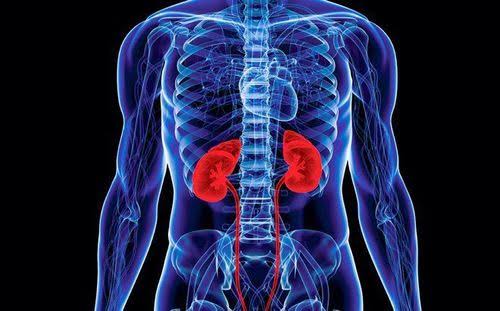
High blood pressure and kidney disease are bound together in one of medicine’s most consequential vicious cycles: each condition worsens the other, and together they are responsible for the majority of kidney failure in adults worldwide. High blood pressure damages the kidneys by injuring the delicate blood vessels inside them, leading to progressive scarring and loss of function. And failing kidneys drive blood pressure higher by retaining fluid, activating hormonal systems that constrict blood vessels, and impairing the mechanisms that normally keep pressure in check. The result is a self-reinforcing spiral of organ damage that, if not broken by treatment, leads to dialysis or transplant.
Hypertension is the second leading cause of kidney failure in the United States after diabetic nephropathy, and it is present in approximately 70 to 80 percent of all people with chronic kidney disease. In many patients, these two conditions are inseparable — hypertension is simultaneously a cause and a consequence of CKD. Understanding this relationship is essential because blood pressure control in kidney disease is one of the most powerful modifiable interventions for slowing CKD progression, reducing the risk of cardiovascular events, and preserving quality of life.

How the Kidneys Control Blood Pressure
The kidneys are the body’s master regulators of blood pressure, responsible for fine-tuning it through mechanisms that operate continuously, day and night. The most fundamental is sodium and water balance: the kidneys determine how much sodium is retained or excreted in the urine, and because sodium holds water in the body, the volume of fluid in the blood vessels — and therefore blood pressure — depends directly on the kidneys’ sodium handling. When sodium intake exceeds what the kidneys can excrete, fluid accumulates, blood volume rises, and pressure increases.
The renin-angiotensin-aldosterone system (RAAS) is the kidneys’ primary hormonal blood pressure control mechanism. When kidney perfusion pressure falls, specialized cells in the kidney release renin, which initiates a cascade culminating in angiotensin II — a potent vasoconstrictor — and aldosterone, which causes sodium retention. Both effects raise blood pressure. This system is critical for CKD hypertension management: ACE inhibitors and angiotensin receptor blockers (ARBs) block this system and are the cornerstone of blood pressure treatment in proteinuric CKD. According to the National Institute of Diabetes and Digestive and Kidney Diseases, controlling blood pressure is one of the most important steps in slowing CKD progression.
How High Blood Pressure Damages the Kidneys
The kidney’s filtration units — the glomeruli — are particularly vulnerable to sustained high blood pressure. When systemic blood pressure is chronically elevated, the pressure transmitted to the glomerular capillaries exceeds their normal operating range — a state called intraglomerular hypertension. This high pressure damages the capillary walls, triggers inflammation, and causes progressive glomerulosclerosis — permanent scarring that eliminates individual nephrons from the functioning pool.
The early marker of this damage is proteinuria — the leakage of protein through the damaged capillary wall into the urine. Proteinuria is not merely a marker of damage but an active driver of further injury: albumin that enters the tubular fluid activates inflammatory responses that promote interstitial fibrosis. Hypertensive nephrosclerosis — the pattern of kidney damage from chronic hypertension — is characterized by arteriolar thickening that reduces blood supply to kidney tissue. The guide on kidney health numbers every adult should know explains how creatinine, GFR, and urine protein measurements quantify and track this kidney damage over time.
How Kidney Disease Causes High Blood Pressure
As kidney function declines, several mechanisms cooperate to drive blood pressure higher, often creating hypertension that is resistant to standard treatment and requires multiple medications to control. Volume retention is the most direct mechanism: damaged kidneys have impaired capacity to excrete dietary sodium; the sodium retained draws water with it, expanding extracellular fluid volume and raising pressure. This is why sodium restriction is universally recommended for CKD patients, and why the swelling visible as swollen feet in kidney disease reflects the same volume accumulation that elevates blood pressure.
RAAS upregulation becomes self-reinforcing in CKD. As kidney function declines, the RAAS is inappropriately activated even without true volume depletion, producing sustained high angiotensin II and aldosterone levels that raise blood pressure and further stress remaining nephrons. Increased sympathetic nervous system activity — driven by uremic toxins and baroreceptor dysfunction — adds an additional vasoconstrictive drive. Impaired production of nitric oxide, a potent vasodilator, reduces the kidneys’ ability to counterbalance these vasoconstrictive mechanisms.
Blood Pressure Targets in Kidney Disease
The blood pressure target for most adults with CKD has been revised downward as evidence has accumulated that lower is better. The 2021 KDIGO blood pressure guidelines recommend a target systolic blood pressure of less than 120 mm Hg for most adults with CKD, driven by SPRINT trial data showing significant reductions in cardiovascular events and mortality with the lower target in high-risk populations. In patients with proteinuric CKD, achieving tight blood pressure control with an ACE inhibitor or ARB reduces both intraglomerular pressure and proteinuria. The National Kidney Foundation emphasizes that in proteinuric CKD, achieving both blood pressure and proteinuria targets is essential for kidney protection.
Medications That Protect the Kidneys
ACE inhibitors and ARBs are the cornerstone of blood pressure treatment in CKD, particularly when proteinuria is present. By blocking angiotensin II, they selectively dilate the efferent arteriole of the glomerulus, reducing intraglomerular pressure more than systemic blood pressure reduction alone achieves. This slows proteinuria and nephron loss. They may cause a modest rise in serum creatinine when started — an expected effect of reduced intraglomerular pressure, not kidney injury — and may raise potassium (requiring monitoring). ACE inhibitors and ARBs should never be combined.
Loop diuretics (furosemide, torsemide) are necessary for volume control in advanced CKD where thiazides lose effectiveness below GFR 30 mL/min. The American Heart Association recognizes loop diuretics as essential components of blood pressure management in advanced kidney disease. Calcium channel blockers such as amlodipine are well-tolerated across all CKD stages without dose adjustment or electrolyte effects. Finerenone (Kerendia), FDA-approved in 2021 for CKD associated with type 2 diabetes, showed significant reductions in CKD progression and cardiovascular events in the FIDELIO-DKD and FIGARO-DKD trials, with careful potassium monitoring required.
When Hypertension Suggests a Kidney Problem
Certain features should prompt evaluation for kidney disease or renovascular hypertension: new-onset hypertension in a young adult with no family history; resistant hypertension (uncontrolled on three or more medications); hypertension with elevated creatinine or urine protein; sudden worsening of previously controlled BP (may indicate renal artery stenosis); and a creatinine rise greater than 30 percent after starting an ACE inhibitor or ARB, which can indicate bilateral renal artery stenosis. According to the Mayo Clinic, secondary hypertension accounts for about 5 to 10 percent of all hypertension cases. The foundational overview of kidney disease stages and causes is at the article on what is chronic kidney disease.
Home Blood Pressure Monitoring in CKD
Home blood pressure monitoring is particularly important in CKD because of masked hypertension — blood pressure normal in the office but elevated at home, which leads to undertreatment and continued organ damage. Measuring in the morning (before medications) and in the evening, with a properly sized arm cuff, after five minutes of quiet rest provides the most useful data. Bringing a log of home readings to each appointment allows the clinician to distinguish masked hypertension from true control and adjust therapy accordingly. The guide on kidney health numbers every adult should know includes blood pressure among the key values to track in CKD management.
Frequently Asked Questions
Does high blood pressure cause kidney disease?
Yes. Chronic high blood pressure is the second most common cause of kidney failure in the United States. It damages the kidneys through intraglomerular hypertension — elevated pressure inside the filtration units — and through arteriolar sclerosis that reduces blood supply to kidney tissue. The damage is cumulative and largely irreversible once glomerular scarring occurs, which is why early detection and treatment are essential.
What blood pressure is safe with kidney disease?
Current KDIGO 2021 guidelines recommend a systolic blood pressure target below 120 mm Hg for most adults with CKD, more aggressive than the previous 130/80 mm Hg threshold. The specific target should be individualized — elderly patients or those with orthostatic hypotension may require a less aggressive target to prevent falls and hypotension-related complications.
What is the best blood pressure medication for CKD?
ACE inhibitors and ARBs are first-line for CKD patients with proteinuria because they lower blood pressure and reduce intraglomerular pressure and proteinuria. For CKD with type 2 diabetes, finerenone (Kerendia) provides additional kidney and cardiovascular protection. Loop diuretics manage volume overload. Calcium channel blockers are safe add-on medications. The combination is tailored to each patient based on proteinuria, potassium, residual kidney function, and comorbidities.
Can treating high blood pressure reverse kidney damage?
Blood pressure treatment cannot reverse established glomerulosclerosis or interstitial fibrosis — these structural changes are permanent. However, aggressive blood pressure control and proteinuria reduction can significantly slow the rate of further nephron loss, potentially preserving kidney function for years longer than without treatment. In some patients with earlier-stage CKD, very aggressive treatment may allow partial recovery of GFR.
How do I know if my high blood pressure is causing kidney damage?
The standard evaluation includes serum creatinine, GFR, and a urine albumin-to-creatinine ratio (ACR). The ACR is more sensitive than a urine dipstick for detecting early glomerular injury. If high blood pressure has been present for many years without treatment, kidney function evaluation is appropriate even without symptoms. The presence of protein in the urine signals glomerular damage and indicates a need for kidney-protective blood pressure management with ACE inhibitor or ARB therapy. The fatigue and other symptoms that develop as CKD progresses are covered in the guides on fatigue and kidney disease and nausea and kidney problems.
Proteinuria: The Bridge Between High Blood Pressure and Kidney Damage
Proteinuria — protein appearing in the urine — is the most important intermediary in the relationship between hypertension and CKD progression. In a healthy kidney, the glomerular filtration barrier is highly selective: it allows water, small solutes, and waste products to pass through for filtration while retaining albumin and other large proteins in the bloodstream. When high intraglomerular pressure damages the filtration barrier, albumin begins to leak into the filtrate and appear in the urine.
Even small amounts of urinary albumin — microalbuminuria, defined as a urine albumin-to-creatinine ratio (ACR) between 30 and 300 mg/g — signal that the glomerular barrier is beginning to break down and that vascular injury is underway. At this stage, aggressive blood pressure control with ACE inhibitors or ARBs can substantially slow the progression to overt proteinuria (ACR greater than 300 mg/g) and the downstream nephron loss and fibrosis that follows. Macroalbuminuria (ACR greater than 300 mg/g), once established, marks a more advanced stage of glomerular damage where progression to kidney failure is more likely without active intervention.
The dual action of ACE inhibitors and ARBs in proteinuric kidney disease is one of the most important concepts in nephrology. These medications lower blood pressure (benefiting the whole cardiovascular system) and simultaneously reduce intraglomerular pressure by dilating the efferent arteriole (benefiting the kidney specifically). The reduction in glomerular mechanical stress directly reduces the amount of albumin leaking through the filtration barrier, slowing proteinuria. Achieving a meaningful reduction in proteinuria — ideally greater than 50 percent from baseline — is one of the strongest predictors of preserved kidney function over the subsequent years, more predictive than blood pressure alone.
Secondary Aldosteronism in CKD Hypertension
A frequently underappreciated driver of blood pressure in CKD is secondary aldosteronism — the excess production of aldosterone driven by the inappropriately activated RAAS in kidney disease. Aldosterone causes sodium retention and potassium excretion in the kidney, promotes myocardial and vascular fibrosis, and contributes to endothelial dysfunction. These effects explain in part why blood pressure in CKD is often resistant to standard treatment that does not include RAAS blockade: diuretics remove volume, but without addressing the aldosterone-driven inflammation and fibrosis in blood vessel walls, the structural abnormalities that sustain high pressure persist.
Mineralocorticoid receptor antagonists (MRAs) — medications that block the aldosterone receptor — have been recognized as important additions to CKD blood pressure management. The traditional MRAs spironolactone and eplerenone carry significant hyperkalemia risk in CKD and have been used cautiously. The newer non-steroidal MRA finerenone (Kerendia), approved by the FDA in 2021 specifically for CKD associated with type 2 diabetes, has a more favorable potassium safety profile than the steroidal MRAs and demonstrated significant reductions in both kidney disease progression and cardiovascular events in the FIDELIO-DKD and FIGARO-DKD trials. It represents a meaningful advance in the pharmacological management of the hypertension-CKD cycle, directly targeting the aldosterone-driven component that ACE inhibitors and ARBs do not fully suppress.
Managing Hypertension Across CKD Stages
The approach to hypertension management changes as CKD progresses through its stages, because the kidney’s ability to respond to medications, handle electrolytes, and excrete drug metabolites changes with declining GFR.
In early CKD (stages 1-3), the kidneys retain considerable residual function. ACE inhibitors or ARBs are initiated for proteinuric patients and provide both blood pressure control and kidney protection. Thiazide diuretics — the standard first-line diuretics for essential hypertension — remain effective at GFR above 30 mL/min/1.73m2 and can be combined with ACE inhibitors or ARBs for additive blood pressure reduction. Dietary sodium restriction to 2 g per day reduces the volume load on the kidneys, making blood pressure easier to control with lower medication doses.
In advanced CKD (stages 4-5), the management shifts significantly. Thiazide diuretics lose their effectiveness below GFR of 30 mL/min because they depend on secretion into the tubular lumen to act — which is impaired when tubular function is severely reduced — and loop diuretics (furosemide, torsemide) become the diuretic of choice. Volume overload becomes more prominent and may require large doses of loop diuretics to control, with blood pressure often tracking the patient’s fluid volume closely. Potassium monitoring becomes more frequent because hyperkalemia — from impaired potassium excretion — is a major safety issue, particularly when ACE inhibitors, ARBs, or MRAs are part of the regimen. The fatigue and swelling that accumulate in advanced CKD are addressed in the companion guides on fatigue and kidney disease and swollen feet and kidney problems.
In dialysis patients, blood pressure management adds unique complexity. Blood pressure in hemodialysis patients fluctuates dramatically during and between sessions: predialysis hypertension from volume accumulation, intradialytic hypotension during rapid fluid removal, and interdialytic blood pressure patterns that depend on sodium and fluid intake, residual kidney function, and antihypertensive medication timing. Many antihypertensive medications are removed by dialysis and must be timed appropriately — typically taken after the dialysis session, not before. The nausea and other symptoms associated with poor blood pressure and volume control in dialysis patients are addressed in the guide on nausea and kidney problems.
Lifestyle Changes That Support Blood Pressure Control in CKD
Medications are the backbone of blood pressure management in CKD, but lifestyle modifications amplify their effect and reduce the doses required to achieve targets. The most impactful lifestyle change in CKD hypertension is dietary sodium restriction. Sodium is the primary driver of fluid retention in CKD, and reducing sodium intake to 2 grams per day — from an average U.S. intake of 3.5 grams — significantly reduces blood volume and blood pressure. Practical strategies include avoiding processed and packaged foods (which contain most dietary sodium), not adding salt to food at the table or in cooking, and reading nutrition labels to identify high-sodium items. Bread, soup, canned goods, and restaurant food are the leading sources of hidden sodium in the American diet.
Weight management is the second most modifiable risk factor for blood pressure after sodium. Each 10 kg of excess body weight is associated with approximately 5 to 7 mm Hg of blood pressure elevation, and weight loss of even 5 to 10 percent of body weight produces meaningful reductions in both blood pressure and proteinuria in CKD patients. In overweight or obese CKD patients, working with a registered dietitian with expertise in renal nutrition — who can optimize the dietary prescription for both caloric reduction and kidney-friendly electrolyte management (low sodium, controlled potassium and phosphorus) — is the recommended approach.
Physical activity, when tolerated, consistently lowers blood pressure by improving vascular endothelial function, reducing sympathetic nervous system tone, and supporting healthy weight. In CKD patients, aerobic exercise — walking, cycling, swimming at a moderate pace — has shown blood pressure reduction and improved functional capacity in multiple trials. Exercise capacity should be assessed with a nephrologist before starting a program, particularly in patients with cardiac disease or severe anemia, but for most CKD patients, moderate activity is both safe and beneficial. Smoking cessation is an additional priority: tobacco use accelerates vascular injury, worsens hypertension and endothelial dysfunction, and increases CKD progression risk independent of blood pressure. The foundational article at what is chronic kidney disease provides context on how lifestyle factors interact with CKD progression, and the guide on kidney health numbers every adult should know explains which laboratory measurements and vital signs track treatment response most reliably over time.
Cardiovascular Risk in CKD Hypertension
Hypertension in kidney disease carries cardiovascular risks that extend beyond kidney failure itself. CKD patients with uncontrolled blood pressure have dramatically elevated rates of myocardial infarction, stroke, heart failure, and sudden cardiac death — a consequence of the combined effects of arterial stiffening, left ventricular hypertrophy, endothelial dysfunction, and dyslipidemia that accompany advanced CKD. In dialysis patients, cardiovascular disease is the leading cause of death, accounting for approximately 40 to 50 percent of all-cause mortality in the ESRD population.
This cardiovascular risk burden means that managing blood pressure in CKD is not only about preserving kidney function — it is equally about reducing the risk of a fatal cardiac event that may occur before kidney failure does. The medications that most benefit the kidney — ACE inhibitors, ARBs, and now finerenone — have also demonstrated cardiovascular outcome benefits in major clinical trials, providing dual protection that makes them the rational first choice in CKD hypertension management. Patients who understand that their blood pressure medication is protecting both their kidneys and their hearts are often more motivated to maintain consistent adherence, which is ultimately what determines whether the treatment achieves its intended benefit over years and decades.
Sources: National Institute of Diabetes and Digestive and Kidney Diseases (NIDDK) — High Blood Pressure and Kidney Disease; National Kidney Foundation — Hypertension and CKD; American Heart Association — Blood Pressure and Kidney Disease; Mayo Clinic — High Blood Pressure (Hypertension); KDIGO 2021 Blood Pressure Guidelines; SPRINT Trial; FIDELIO-DKD and FIGARO-DKD trials (finerenone)
Came across this while researching high blood pressure as a kidney for a family member. This is the kind of evidence-based writing that actually changes how people approach their health. I wish I had found this article earlier — would have saved a lot of confusion.
Really well-written article on high blood pressure as a kidney. The practical tips made this immediately actionable, not just theoretical. This gave me real confidence going into my next specialist appointment.
This breakdown of high blood pressure as a kidney is exactly what patients need before a specialist appointment. It is refreshing to see an article that acknowledges individual variation rather than one-size-fits-all advice. I wish I had found this article earlier — would have saved a lot of confusion.