
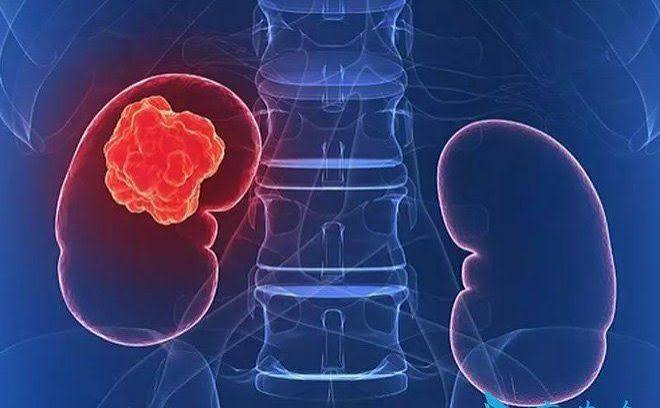
Chronic kidney disease is a long-term condition in which the kidneys gradually and permanently lose their ability to filter blood, balance fluids, and regulate essential chemistry in the body. Unlike a kidney infection or injury that resolves with treatment, chronic kidney disease persists for months and years — and in most cases, does not reverse. Approximately 37 million adults in the United States have chronic kidney disease, yet the NIDDK estimates that around 90 percent of them do not know it. The disease causes no symptoms in its early stages, progresses silently for years, and is often discovered only when a routine blood or urine test reveals an abnormality. This guide explains what chronic kidney disease is, how it is staged and diagnosed, what causes it, how it progresses, and what treatments slow or prevent its advance.
The Medical Definition of Chronic Kidney Disease
Chronic kidney disease is formally defined by the KDIGO (Kidney Disease Improving Global Outcomes) organization as either an estimated glomerular filtration rate (eGFR) below 60 mL/min/1.73m² — or the presence of markers of kidney damage — persisting for three months or longer. Both conditions must be documented over at least two separate measurements separated by at least three months before a diagnosis of CKD is confirmed.
The three-month duration requirement is what clinically distinguishes chronic kidney disease from acute kidney injury (AKI). An AKI can reduce eGFR sharply and cause alarming lab values, but if the kidneys recover within three months, the episode is classified as acute rather than chronic. Chronic kidney disease implies that the structural or functional change is lasting — the nephrons (the filtering units of the kidney) have been permanently damaged or their number has been permanently reduced.
Markers of kidney damage that fulfill the CKD definition include persistent albuminuria (urine albumin-to-creatinine ratio above 30 mg/g), abnormalities on urine microscopy (red blood cell casts, white cell casts), structural changes visible on kidney imaging (shrunken kidneys, cortical scarring, polycystic kidneys), or a history of kidney transplantation. A person can meet the CKD definition with a normal eGFR if they have significant and persistent albuminuria — meaning kidney damage is occurring before filtration capacity has declined to the point where eGFR crosses the threshold.
The Five Stages of CKD — Understanding the Progression Scale
CKD is staged using eGFR and albuminuria together. The eGFR staging (G1 through G5) reflects filtration capacity; the albuminuria staging (A1 through A3) reflects the integrity of the filtration barrier.
eGFR stages: G1 represents eGFR at 90 mL/min/1.73m² or above — normal or high filtration, but with damage markers present. G2 is eGFR 60 to 89 — mildly decreased, still often asymptomatic. G3a covers eGFR 45 to 59 (mild to moderately decreased); G3b covers eGFR 30 to 44 (moderately to severely decreased). G4 is eGFR 15 to 29 — severely decreased, with preparation for kidney replacement therapy typically beginning. G5 is eGFR below 15, classified as kidney failure requiring kidney replacement therapy to sustain life.
Albuminuria categories: A1 is a UACR below 30 mg/g — normal to mildly increased. A2 is 30 to 300 mg/g — microalbuminuria, an early marker of glomerular damage. A3 is above 300 mg/g — macroalbuminuria, reflecting significant ongoing protein leakage.
The KDIGO heat map combines eGFR and UACR into a risk grid. A person with eGFR 55 (G3a) and UACR 15 mg/g (A1) carries lower risk than someone with eGFR 72 (G2) and UACR 250 mg/g (A3). This dual-axis framework guides monitoring frequency and management intensity at every stage of the disease.
What Causes Chronic Kidney Disease
Diabetes mellitus accounts for approximately 44 percent of new cases of end-stage kidney disease in the United States. Sustained high blood glucose damages glomeruli through multiple mechanisms — thickening the glomerular basement membrane, expanding mesangial tissue, and promoting inflammatory and fibrotic changes. The process begins as microalbuminuria, progresses to macroalbuminuria, and eventually to progressive eGFR loss. SGLT-2 inhibitors and GLP-1 receptor agonists have transformed the management of diabetic kidney disease in the past decade by providing kidney protection beyond glycemic control.
Hypertension accounts for approximately 28 percent of new ESRD cases. Elevated systemic blood pressure transmits into the glomerular capillaries, causing glomerulosclerosis — progressive scarring of individual glomeruli. The relationship is bidirectional: hypertension damages kidneys, and damaged kidneys cause and worsen hypertension through fluid retention and RAAS activation.
Glomerulonephritis encompasses immune-mediated diseases that directly damage glomeruli. IgA nephropathy is the most common primary glomerular disease worldwide, characterized by IgA deposits in mesangial cells and presenting with hematuria and variable proteinuria. Focal segmental glomerulosclerosis (FSGS), membranous nephropathy, and lupus nephritis are other significant causes requiring biopsy for diagnosis.
Polycystic kidney disease (PKD) is the most common hereditary kidney disease, with autosomal dominant PKD (ADPKD) affecting approximately 1 in 400 to 1,000 people. Cysts progressively replace normal kidney tissue, impairing filtration. Other causes include recurrent pyelonephritis, obstructive uropathy from kidney stones or enlarged prostate, reflux nephropathy, and chronic analgesic overuse (NSAIDs, acetaminophen).
How CKD Is Diagnosed
Diagnosis requires two separate measurements documenting either eGFR below 60 mL/min/1.73m² or significant albuminuria (UACR above 30 mg/g), separated by at least three months. A single abnormal result is insufficient for a CKD diagnosis.
eGFR is calculated from serum creatinine using the CKD-EPI 2021 equation, incorporating age and sex (race removed in the 2021 update). Cystatin C provides a more accurate eGFR estimate in people with unusual muscle mass. UACR from a spot morning urine sample is the standard albuminuria screen — confirm on two of three collections before clinical decisions, due to natural variability of up to 50 percent between specimens.
Urinalysis can reveal red blood cell casts (glomerulonephritis), white cell casts (pyelonephritis), protein, or granular casts. Kidney imaging by ultrasound assesses kidney size, cortical echogenicity, obstruction, and cysts. Kidney biopsy is indicated when the cause is unclear and result changes management — typically in suspected glomerulonephritis or rapidly declining eGFR without explanation.
Symptoms of Chronic Kidney Disease by Stage
One of the most important and dangerous aspects of CKD is its silence. The kidneys have enormous reserve capacity — remaining nephrons increase filtration to compensate for those being lost, so a person can lose 50 to 60 percent of kidney function and still feel entirely well.
Stages G1 and G2 produce no symptoms. CKD at these stages is invisible without testing and is detected only through blood and urine screening — which is why routine testing for adults with diabetes, hypertension, or a family history of kidney disease is the only reliable detection method.
Stage G3 (eGFR 30–59) begins producing subtle symptoms: fatigue, mildly reduced urine output, nocturia, mildly elevated blood pressure, and ankle edema. Anemia may begin in G3a due to declining EPO production.
Stage G4 (eGFR 15–29) produces more pronounced symptoms: worsening fatigue, nausea, loss of appetite, worsening edema, muscle cramps, and pruritus from uremic toxin accumulation. Metabolic acidosis becomes clinically significant, and hyperkalemia may require dietary restriction or medication.
Stage G5 (eGFR below 15) produces uremia — severe nausea and vomiting, mental fogginess, severe pruritus, decreased or absent urine output, fluid overload, and if untreated, pericarditis, encephalopathy, and death. Kidney replacement therapy becomes necessary.
Complications of Chronic Kidney Disease
Anemia of CKD results from inadequate erythropoietin production as nephron mass is lost — typically from Stage G3a onward. It is normocytic and normochromic, contributes to fatigue and cardiovascular strain, and is treated with iron optimization and erythropoiesis-stimulating agents when hemoglobin falls below 10 g/dL. Target hemoglobin is 10–12 g/dL — over-correction above 13 g/dL increases cardiovascular risk.
Cardiovascular disease is the leading cause of death in CKD patients at every stage. Even in G2 and G3, adults with CKD have significantly elevated rates of coronary artery disease, heart failure, and arrhythmia compared to adults with matched traditional risk factors and normal kidney function.
CKD-mineral and bone disorder (CKD-MBD) refers to the complex of abnormalities in calcium, phosphorus, PTH, and vitamin D metabolism beginning in Stage G3. As kidneys lose the ability to activate vitamin D and excrete phosphorus, secondary hyperparathyroidism develops. Untreated, this leads to renal osteodystrophy and vascular calcification. Management includes phosphate binders, active vitamin D analogues, and calcimimetics.
Metabolic acidosis occurs when bicarbonate falls below 22 mEq/L. Acidosis accelerates muscle breakdown, worsens bone disease, raises potassium, and independently accelerates CKD progression. Sodium bicarbonate supplementation has been shown in randomized trials to slow progression. Hyperkalemia (potassium above 5.0 mEq/L) results from reduced tubular excretion and can cause life-threatening arrhythmias — managed with dietary restriction, loop diuretics, and potassium binders.
How Chronic Kidney Disease Is Treated
Blood pressure control is the cornerstone of CKD management, with a target below 130/80 mmHg for all adults with CKD. For adults with CKD and UACR above 30 mg/g, ACE inhibitors or ARBs are first-choice antihypertensives — reducing intraglomerular pressure beyond what blood pressure lowering alone achieves. The REIN, RENAAL, and IDNT trials established this benefit definitively.
SGLT-2 inhibitors (dapagliflozin, empagliflozin, canagliflozin) have transformed CKD care since the CREDENCE (2019) and DAPA-CKD (2020) trials demonstrated significant reduction in kidney failure and cardiovascular death in adults with CKD, with or without type 2 diabetes. KDIGO 2022 recommends SGLT-2 inhibitors for adults with CKD and eGFR above 20 mL/min/1.73m².
Dietary management: low sodium (below 2 g/day), protein restriction to 0.6–0.8 g/kg/day for Stage G4–5, phosphorus and potassium restriction as appropriate. NSAID avoidance is critical — even short-term use can cause acute kidney injury superimposed on CKD and accelerate long-term progression.
When to See a Nephrologist
Nephrology referral is appropriate for: eGFR below 30 mL/min/1.73m²; eGFR declining faster than 5 mL/min/1.73m²/year; UACR above 300 mg/g; CKD of unclear cause; suspected glomerulonephritis; or difficult-to-control hypertension in the setting of CKD. Early nephrology involvement allows for anticipatory planning — including transplant evaluation, arteriovenous fistula creation, and peritoneal dialysis education — before kidney failure arrives. For context on what the early warning signs of kidney problems look like before CKD is diagnosed, see our article on early signs of kidney problems.
Chronic Kidney Disease and End-Stage Kidney Failure
When eGFR falls below 15 mL/min/1.73m² and uremic symptoms develop, kidney replacement therapy is required. The three options are hemodialysis (3 times weekly at a center or at home), peritoneal dialysis (daily at home using the peritoneal membrane), and kidney transplantation. Transplantation provides the best survival and quality of life among all options. Preemptive transplantation — performed before dialysis begins — carries the best outcomes. Waitlist times in the United States average 3 to 5 years for deceased donor kidneys, making early transplant referral (at eGFR below 25–30) critical.
Living with Chronic Kidney Disease
Managing CKD long-term requires monitoring at a schedule appropriate to stage — more frequent checks (every 3 months) at higher risk stages, and annually for stable lower-risk stages. Monitoring includes eGFR, UACR, electrolytes, bicarbonate, hemoglobin, phosphorus, and blood pressure at each visit. Physical activity is safe and beneficial — it reduces cardiovascular risk and may slow progression. Smoking significantly accelerates CKD progression and cessation is among the highest-yield lifestyle interventions. Weight management reduces glomerular hyperfiltration in obesity. Depression rates in CKD are two to three times the general population rate — psychological support is a valuable component of comprehensive CKD care.
For a broader foundation on what kidney health means, see our guide on what is kidney health and our article on kidney health numbers every adult should know. For the full range of kidney conditions, see our overview of common kidney problems in adults.
CKD vs Acute Kidney Injury — Why the Distinction Matters
Chronic kidney disease and acute kidney injury (AKI) are fundamentally different conditions, though both involve impaired kidney function. AKI is a rapid decline in kidney function over hours to days — caused by severe dehydration, sepsis, nephrotoxic drugs, or obstructed urinary flow — and is often reversible if the cause is identified and treated promptly. CKD is a slow, progressive loss of function over months and years, with structural changes (scarring, nephron loss) that do not reverse. The clinical consequence of confusing them is significant: treating a CKD-related creatinine rise as an AKI can lead to unnecessary fluid overload; conversely, missing AKI superimposed on CKD — which is common and further accelerates CKD progression — can lead to avoidable, permanent damage. When eGFR falls rapidly in a known CKD patient, determining whether an AKI has developed (from contrast dye, an NSAID, a blood pressure drop, or a urinary obstruction) is critical and time-sensitive. Reversing an AKI superimposed on CKD can partially recover eGFR to its previous baseline, preserving function that would otherwise be permanently lost.
How Fast Does CKD Progress — and What Determines the Rate
CKD progression is not uniform across individuals. The average physiological decline in eGFR from aging alone is approximately 1 mL/min/1.73m²/year after age 40 — so a decline of 1 to 2 mL/min/year in an older adult without albuminuria may reflect healthy aging rather than active disease. In contrast, a decline of 5 mL/min/year or more is classified as rapid progression and is a key indicator for intensified management and nephrology referral regardless of the current eGFR level.
Factors that predict faster CKD progression include: higher UACR at baseline (more albuminuria = faster decline); poorly controlled blood pressure; uncontrolled diabetes (HbA1c above 8%); active glomerulonephritis; use of nephrotoxic medications including NSAIDs; recurrent AKI episodes; and smoking. Conversely, factors associated with slower progression include RAAS blockade in albuminuric CKD, SGLT-2 inhibitor therapy, blood pressure below 130/80 mmHg, smoking cessation, and weight normalization. Tracking your own eGFR trajectory over 2 to 3 years — rather than interpreting each result in isolation — is the most informative way to assess whether CKD is stable or progressing.
The Role of Diet in Slowing Chronic Kidney Disease
Diet is one of the most powerful modifiable factors in CKD management, but the recommendations evolve as kidney function declines. A low-sodium diet — below 2 grams of sodium per day (about 5 grams of table salt) — reduces blood pressure, reduces proteinuria, and reduces the risk of cardiovascular events in CKD. High sodium intake directly counteracts the blood-pressure-lowering effects of ACE inhibitors and ARBs, reducing their kidney-protective benefit.
Dietary protein restriction to 0.6 to 0.8 grams per kilogram of body weight per day is typically recommended for Stage G4 and G5, where reducing the urea and uremic toxin load generated from protein metabolism provides measurable benefit. Earlier protein restriction in G1 through G3 is not clearly beneficial and carries the risk of protein-calorie malnutrition, which itself worsens outcomes in CKD. Plant-based protein sources — particularly legumes, tofu, and low-phosphorus grains — are preferred over animal protein in advanced CKD because they generate less acid load and less uremic toxin precursors.
Phosphorus restriction is important from Stage G3 onward. The primary target is phosphorus additives in processed foods — inorganic phosphate in soft drinks, processed meats, and packaged snacks is absorbed nearly completely, unlike the organic phosphorus in unprocessed whole foods, which is absorbed at only 40 to 60 percent. Potassium restriction is individualized based on serum potassium — not all CKD patients are hyperkalemic, and unnecessary potassium restriction can deprive a person of nutrient-dense vegetables and fruits without benefit. Fluid restriction is generally not needed until Stage G4 or G5, when the kidneys can no longer maintain fluid balance.
Planning for Kidney Replacement Therapy — Earlier Is Better
One of the most consequential decisions in CKD management is when to begin planning for kidney replacement therapy. Current guidelines recommend that KRT planning begin at eGFR 20 to 30 mL/min/1.73m² — well before the need becomes urgent. Starting this conversation early allows time for informed decision-making about which modality (hemodialysis, peritoneal dialysis, or transplant) is most appropriate for the individual’s lifestyle, living situation, and health status; time for a surgical arteriovenous fistula to mature (typically requiring 3 to 6 months from creation) before hemodialysis begins; time for transplant evaluation and waitlisting before eGFR reaches the level requiring dialysis; and time for peritoneal dialysis training.
Arriving at kidney failure without prior planning — as emergency dialysis — is associated with significantly worse outcomes, greater psychological distress, and more complications than planned initiation. Emergency dialysis is still common in the United States, often because CKD was not identified early or because the rate of progression exceeded expectations. Adults with CKD at Stage G3 or beyond should have a direct conversation with their provider about what to expect if function continues to decline, what options are available, and what the timeline for planning should be. Transplant evaluation is the first step whenever the patient is a potential transplant candidate — waitlisting early can mean the difference between receiving a kidney preemptively (before dialysis) or years into dialysis.
Protecting Your Kidneys Before CKD Advances
The most effective window for slowing CKD is before it reaches Stage G4. At earlier stages, the actions that matter most are well-defined: keep blood pressure consistently below 130/80 mmHg; use an ACE inhibitor or ARB if UACR is above 30 mg/g; start an SGLT-2 inhibitor if eligible; maintain HbA1c below 7% if you have diabetes; stop smoking; minimize NSAID use; and stay current with kidney monitoring at the intervals your stage requires. These are not complex interventions — they are achievable with existing medications, dietary changes, and consistent medical follow-up. What makes the difference is acting on them systematically, before each missed opportunity permanently forecloses a stage of protection that cannot be recovered. The kidneys cannot regenerate lost nephrons. What remains is what must be protected. Every eGFR measurement you act on early is worth more than a more aggressive intervention applied later.
For a complete picture of how kidneys function and what it means for them to work well, see our article on signs of healthy kidney function. Understanding CKD in the broader context of all kidney problems is covered in our guide on common kidney problems in adults.
Monitoring Schedule by CKD Stage
KDIGO recommends monitoring frequency based on combined eGFR and UACR risk category. Low-risk stable CKD (G1–G2 with A1): annual monitoring of eGFR, UACR, electrolytes, blood pressure, and hemoglobin. Moderately increased risk (G3a or A2): every 6 months. High risk (G3b with A2, G4 with A1): every 3 to 4 months. Very high risk (G4–G5, or any stage with A3): every 1 to 3 months, with nephrology co-management. Monitoring more frequently than these intervals does not improve outcomes in stable disease; monitoring less frequently risks missing accelerated decline that could otherwise be intercepted. Knowing your monitoring schedule — and keeping to it — is itself a meaningful form of kidney protection.
Sources: National Institute of Diabetes and Digestive and Kidney Diseases (NIDDK), niddk.nih.gov; National Kidney Foundation, kidney.org; American Kidney Fund, kidneyfund.org. KDIGO CKD Guidelines 2012/2024; USRDS Annual Data Report 2022.
Pingback: What Is Acute Kidney Injury?
Pingback: Chronic Kidney Disease vs Acute Kidney Injury
Pingback: What Causes Kidney Disease?
Pingback: Diabetes and Kidney Health
Pingback: High Blood Pressure and Kidney Health
Pingback: Heart Disease and Kidney Health
Pingback: Obesity and Kidney Disease Risk
This breakdown of what is chronic kidney disease? is exactly what patients need before a specialist appointment. The practical tips made this immediately actionable, not just theoretical. Forwarding this to others in my support group who are dealing with similar issues.
Came across this while researching what is chronic kidney disease? for a family member. I have tried following advice from several sources but this is most consistent with what my specialist told me. Keep up this kind of thorough health journalism — it genuinely helps patients like me.
Bookmarked this article on what is chronic kidney disease? immediately — going to reference it regularly. I appreciated how the article addressed both the clinical side and the practical adjustments. I wish I had found this article earlier — would have saved a lot of confusion.