
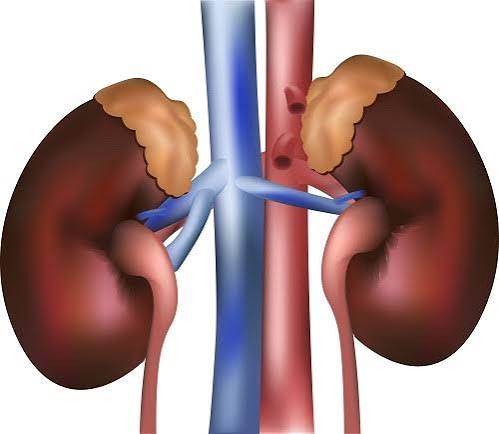
Common kidney problems in adults cover a surprisingly wide range — from kidney stones that cause acute, intense pain to chronic kidney disease that silently progresses for years with no symptoms at all. The kidneys are two fist-sized organs that filter roughly 200 liters of blood every day, and when something goes wrong, the consequences ripple outward into blood pressure, bone health, red blood cell production, and cardiovascular risk. Understanding the most common kidney problems in adults helps you recognize warning signs early, advocate for appropriate screening, and make choices that protect your kidney function over the long term.

Why Kidney Problems Are So Easy to Miss
The kidneys have enormous functional reserve. You can lose half your kidney function and still have no symptoms and a creatinine level that looks normal on a standard blood panel. This is why nine out of ten adults with chronic kidney disease don’t know they have it, according to the National Institute of Diabetes and Digestive and Kidney Diseases (NIDDK). The kidneys compensate quietly — adjusting what they excrete, modifying blood pressure, shifting hormonal output — until the point where that compensation begins to fail.
This built-in resilience is valuable, but it creates a detection gap. Most kidney problems don’t announce themselves until they are advanced. What catches kidney disease early isn’t symptoms; it’s targeted lab testing — specifically the estimated glomerular filtration rate (eGFR) from a blood draw and the urine albumin-to-creatinine ratio (UACR) from a urine sample. Understanding what these numbers mean and when to request them is the foundation of kidney health awareness. If you’d like a broader overview of what healthy kidneys do before exploring what goes wrong, our guide on how the kidneys work explains structure, function, and filtration in detail.
Chronic Kidney Disease — The Most Common Kidney Problem in Adults
Chronic kidney disease (CKD) is the single most prevalent kidney condition among adults, affecting approximately 37 million Americans — about 15 percent of the adult population, per NIDDK 2024 data. It is defined not by symptoms but by lab findings: an eGFR below 60 mL/min/1.73m² persisting for more than three months, or evidence of kidney damage (most commonly albuminuria, meaning protein in the urine) regardless of the eGFR level. Both conditions can be present simultaneously, and together they form the diagnostic framework established by the Kidney Disease: Improving Global Outcomes (KDIGO) guidelines.
CKD is staged by eGFR: Stage 1 (eGFR ≥90), Stage 2 (60–89), Stage 3a (45–59), Stage 3b (30–44), Stage 4 (15–29), and Stage 5 (below 15, or kidney failure). The higher the stage number, the less kidney function remains. Most people with CKD are in Stages 1–3, where kidney function is sufficient to maintain normal blood chemistry and where symptoms are virtually absent.
What causes CKD? Diabetes is the leading cause, responsible for approximately 44 percent of new kidney failure cases in the United States, according to the U.S. Renal Data System (USRDS) 2023 Annual Data Report. High blood pressure is the second most common cause, responsible for roughly 28 percent. The mechanism in both cases involves damage to the small blood vessels (glomerular capillaries) that perform filtration. In diabetes, chronically elevated blood glucose inflames and stiffens these vessels; in hypertension, sustained elevated pressure physically damages the glomerular walls. Other causes include chronic glomerulonephritis, polycystic kidney disease, recurring kidney infections, and long-term use of nephrotoxic medications.
The practical challenge with CKD is that it has no reliable symptoms until Stage 4 or late Stage 3b. Fatigue, fluid retention, shortness of breath, and nausea — the textbook features of kidney disease — are features of kidney failure, not early kidney disease. This makes routine lab monitoring essential, especially if you have diabetes, hypertension, a family history of kidney disease, or are over age 60. Our article on why kidney health matters after age 40 covers the screening timeline and risk factors in detail.
Kidney Stones — Painful and Preventable
Kidney stones are one of the most common kidney problems in adults that do cause symptoms — and they cause them dramatically. Affecting approximately one in eleven Americans, kidney stones generate nearly 500,000 emergency department visits annually, making them among the most frequent urological emergencies in the country.
Kidney stones form when minerals in the urine become concentrated enough to crystallize. The most common type — accounting for roughly 80 percent of all stones — is calcium oxalate. Uric acid stones (approximately 10 percent) form in highly acidic urine and are more common in people with gout, obesity, or type 2 diabetes. Struvite stones (about 5 percent) form in the presence of certain urinary tract infections. Cystine stones are rare and occur in people with an inherited disorder affecting amino acid reabsorption.
Risk factors for kidney stones include chronically low fluid intake (less than 2 liters per day), a high-sodium diet (which increases calcium excretion), a diet high in oxalate-rich foods (spinach, nuts, chocolate), obesity, a sedentary lifestyle, and a personal or family history of stones. Once you’ve had one stone, the recurrence risk is approximately 50 percent within five years without preventive intervention.
Symptoms are typically unmistakable: severe, cramping pain in the flank (the side of the back between the lower ribs and hip), often radiating toward the groin — a pattern called renal colic. The pain often comes in waves and may be accompanied by nausea, vomiting, and blood in the urine (hematuria). Fever suggests an accompanying infection, which requires urgent evaluation.
Prevention centers on hydration — aiming for urine that is pale yellow rather than amber — and dietary modification tailored to the type of stone you form. A 24-hour urine collection after an initial stone event can identify specific metabolic risk factors and guide targeted dietary and pharmacological prevention.
Acute Kidney Injury — When Kidneys Fail Suddenly
Acute kidney injury (AKI) is a rapid, abrupt decline in kidney function — distinct from the gradual deterioration of chronic kidney disease. The KDIGO definition requires at least one of the following: a rise in serum creatinine of 0.3 mg/dL or more within 48 hours, a rise to 1.5 times the baseline level or greater within seven days, or a urine output below 0.5 mL/kg/hour for six or more consecutive hours.
AKI is not a single disease; it is a clinical syndrome with multiple causes. The three broad categories are pre-renal AKI (reduced blood flow from dehydration, blood loss, or heart failure), intrinsic AKI (direct kidney tissue damage from ischemia, NSAIDs, contrast dye, or aminoglycoside antibiotics), and post-renal AKI (obstruction from an enlarged prostate, large kidney stone, or bilateral ureteral blockage).
Treatment requires identifying and removing the cause. Pre-renal AKI often responds quickly to fluid resuscitation; intrinsic AKI may require days to weeks for recovery, and some patients do not fully recover. The one-year mortality rate after a significant AKI episode is approximately 20 to 25 percent — elevated not just from the AKI itself but from its role as a marker of systemic illness. People who survive AKI also carry an elevated risk of subsequently developing CKD.
Kidney Infections — When Bacteria Reach the Kidneys
A kidney infection, medically termed pyelonephritis, occurs when bacteria (most commonly Escherichia coli) ascend through the urethra and bladder, travel up the ureters, and infect the kidney tissue itself. This distinguishes it from a simple lower urinary tract infection (UTI), which involves only the bladder and urethra.
Pyelonephritis is more common in women than men, primarily because of anatomical differences — the female urethra is shorter, providing bacteria a shorter path to the bladder. Additional risk groups include pregnant women, adults with diabetes, people with structural abnormalities of the urinary tract, individuals with urinary catheters, and adults with compromised immune systems.
Symptoms of pyelonephritis are typically more severe than those of a lower UTI and include high fever (often above 38.5°C), chills, nausea, vomiting, and pain in the flank or upper back on the side of the affected kidney. Lower urinary symptoms (painful, frequent urination) are often also present.
Treatment typically involves antibiotics for 7 to 14 days, with the specific agent guided by culture results. Uncomplicated cases in otherwise healthy adults can usually be managed outpatient. Complicated cases — involving pregnancy, men, structural abnormalities, or severe illness — typically require hospitalization and intravenous antibiotics. Recurrent or inadequately treated kidney infections can cause renal scarring that permanently reduces kidney function and contributes to CKD over time.
Polycystic Kidney Disease — The Most Common Inherited Kidney Condition
Polycystic kidney disease (PKD) is the most common genetic cause of kidney failure in adults. The dominant form — autosomal dominant PKD (ADPKD) — affects approximately 1 in 400 to 1,000 people worldwide. Mutations in the PKD1 gene (chromosome 16) account for about 85 percent of cases; PKD2 mutations account for most of the rest. PKD1 disease tends to progress faster, with a median age of kidney failure around 54 years; PKD2 disease is slower, with median kidney failure around 74 years.
The core pathology involves the growth of fluid-filled cysts throughout the kidney tissue. These cysts gradually enlarge over decades, replacing functional nephrons, distorting kidney architecture, and eventually compressing remaining normal tissue. The kidneys become massively enlarged — in advanced disease they can weigh several pounds each, compared to the normal 5–6 ounces. Beyond the kidneys, PKD also causes liver cysts (in the majority of adults with ADPKD), intracranial aneurysms (in approximately 8 to 12 percent), and hypertension that often appears before significant eGFR loss.
Treatment changed significantly with the FDA approval in 2018 of tolvaptan (Jynarque), a vasopressin V2 receptor antagonist that slows kidney cyst growth and eGFR decline in adults at risk of rapid progression. Blood pressure management remains central throughout all stages.
Glomerulonephritis — Inflammation at the Filter Level
The glomeruli are the microscopic filtration units within each kidney — tiny clusters of capillaries where blood is filtered and waste products begin their journey out of the body. Glomerulonephritis refers to inflammation of these structures, which disrupts filtration and allows substances that normally stay in the blood (red blood cells, proteins) to leak into the urine.
There are many distinct types. IgA nephropathy (Berger’s disease) is the most common form worldwide, characterized by IgA antibody deposits in the glomeruli; it often presents with episodic hematuria following respiratory infections. Focal segmental glomerulosclerosis (FSGS) causes scarring of parts of the glomeruli and is a leading cause of nephrotic syndrome in adults. Membranous nephropathy is a common cause of significant protein loss and edema in middle-aged adults. Lupus nephritis affects approximately 50 percent of people with systemic lupus erythematosus and requires aggressive immunosuppression.
Common symptoms include tea-colored or cola-colored urine from blood, foamy urine from protein loss, edema (swelling around the eyes and ankles), and high blood pressure. Diagnosis requires a kidney biopsy in most cases — lab tests and imaging can suggest glomerulonephritis, but determining the specific type requires tissue examination. Treatment varies substantially by type and may involve corticosteroids, calcineurin inhibitors, cyclophosphamide, rituximab, or other immunosuppressive agents.
Diabetic Nephropathy — When Diabetes Damages the Kidneys
Diabetic nephropathy is the leading cause of kidney failure in the United States, accounting for 44 percent of new end-stage renal disease cases according to USRDS 2023 data. Approximately one in three adults with either type 1 or type 2 diabetes will develop some degree of kidney involvement during their lifetime.
The progression follows a recognizable pattern: early glomerular hyperfiltration, followed by microalbuminuria (UACR 30–300 mg/g), then macroalbuminuria (UACR above 300 mg/g), and finally a progressive eGFR decline toward kidney failure. Without intervention, this sequence unfolds over 10 to 20 years.
The American Diabetes Association 2024 Standards of Care recommend annual UACR and eGFR testing for all adults with type 1 diabetes (after 5 years of diagnosis) and all adults with type 2 diabetes (from the time of diagnosis). Key protective strategies include tight glycemic control (HbA1c below 7%), blood pressure control below 130/80 mmHg using ACE inhibitors or ARBs when UACR exceeds 30 mg/g, and SGLT-2 inhibitors (empagliflozin, dapagliflozin, canagliflozin), which have demonstrated approximately 30 to 40 percent reductions in the risk of kidney failure in major clinical trials independent of blood glucose effects. For more on how kidney and urinary conditions relate and differ, see our guide on kidney health vs. urinary health.
Warning Signs That May Indicate a Kidney Problem
Because most early kidney disease is asymptomatic, symptoms tend to reflect moderate to advanced disease — or specific acute problems like stones or infections. Signs that warrant evaluation include:
- Edema: swelling in the ankles, feet, legs, or around the eyes from excess fluid retention as kidney function declines.
- Fatigue and weakness: reduced EPO production by failing kidneys leads to anemia, causing persistent tiredness that doesn’t improve with rest.
- Foamy or frothy urine: persistent foam in the toilet bowl is a sign of protein in the urine (proteinuria), one of the earliest kidney damage markers.
- Blood in urine: hematuria can signal kidney stones, infections, glomerulonephritis, PKD, or kidney cancer — always warrants evaluation.
- Decreased urine output: oliguria may indicate AKI or severely advanced CKD.
- High blood pressure: both a cause and consequence of kidney disease.
- Nausea, poor appetite, metallic taste: uremic toxins accumulate in advanced kidney failure, causing digestive symptoms and taste changes.
- Persistent itching (pruritus): another feature of advanced uremia from accumulated waste products.
- Muscle cramps and restless legs: electrolyte disturbances (potassium, phosphorus) and uremia affect nerve and muscle function.
Most of these symptoms appear only in CKD Stage 4 or 5. In the earlier stages — where treatment is most effective — there are typically no symptoms at all. This is the central reason why lab screening matters more than waiting for the body to signal a problem.
Tests Used to Detect Kidney Problems
The two most important kidney function tests are simple, inexpensive, and widely available. The eGFR (estimated glomerular filtration rate) is derived from a blood creatinine measurement and estimates how many milliliters of blood the kidneys filter per minute. An eGFR of 60 or above is generally considered normal; age-related eGFR decline means it naturally decreases approximately 1 mL/min/year after age 40. The UACR (urine albumin-to-creatinine ratio) measures protein leakage; normal is below 30 mg/g, while 30–300 mg/g indicates early kidney damage and above 300 mg/g indicates significant damage.
Additional tests include urinalysis (dipstick and microscopy for blood, protein, and infection markers), blood urea nitrogen (BUN), cystatin C (an alternative GFR marker less affected by muscle mass), kidney ultrasound (evaluates size, cysts, and obstruction), CT scan (gold standard for kidney stones and tumors), and kidney biopsy (required for specific diagnosis of glomerulonephritis or unexplained eGFR decline).
When to See a Doctor About Kidney Health
Seek same-day or emergency evaluation for severe flank pain, fever combined with flank pain, complete stoppage of urine output, or significantly bloody urine without another explanation. Schedule an appointment soon for persistent foamy urine, new lower extremity edema, or abnormal creatinine, eGFR, or urinalysis results.
Request annual kidney labs — eGFR and UACR — if you have type 1 or type 2 diabetes, high blood pressure, a family history of CKD or PKD, cardiovascular disease, obesity combined with metabolic risk factors, or are over age 60. For adults with established risk factors, this testing is the standard of care, not optional surveillance. Our overview of what is kidney health provides a broader framework for understanding kidney function and monitoring over time.
Kidney Cancer — A Less Common but Serious Kidney Problem
Kidney cancer is far less common than CKD or kidney stones, but it represents an important kidney problem in adults to be aware of — particularly because early-stage kidney cancer typically produces no symptoms. Approximately 81,000 new kidney cancer cases are diagnosed in the United States each year, according to the American Cancer Society’s 2024 data. Renal cell carcinoma (RCC) — which arises from the cells lining the kidney tubules — accounts for roughly 90 percent of all kidney cancers. Within RCC, clear cell carcinoma is the most common subtype.
Risk factors for kidney cancer include cigarette smoking (which approximately doubles the risk), obesity (higher BMI is associated with increased risk in a dose-dependent manner), hypertension, a family history of kidney cancer, and certain hereditary syndromes such as von Hippel-Lindau (VHL) disease. Chronic dialysis patients also have an elevated risk of acquiring renal cystic disease that can become malignant.
The classic symptom triad — flank pain, blood in the urine, and a palpable abdominal mass — was once considered the hallmark of kidney cancer, but it now represents late-stage disease and is seen in fewer than 10 percent of patients at diagnosis. Most kidney cancers today are detected incidentally on CT scans or ultrasounds ordered for unrelated reasons. This incidental detection pattern has shifted the presentation toward smaller, more localized tumors that carry a much better prognosis than those found through symptoms.
Treatment depends on stage and patient factors. Small localized tumors (T1, below 7 cm) are commonly managed with partial nephrectomy (nephron-sparing surgery) or, in selected cases, active surveillance or ablative therapies. Larger or metastatic tumors require systemic therapy — typically combinations of immune checkpoint inhibitors (pembrolizumab, nivolumab) and VEGF pathway inhibitors (sunitinib, cabozantinib).
How Common Kidney Problems Affect the Rest of the Body
Kidney disease does not confine its effects to the kidneys themselves. As kidney function declines — from any cause — the consequences extend throughout the body in ways that directly affect cardiovascular health, bone strength, blood counts, and brain function.
Cardiovascular effects are among the most clinically significant. Adults with CKD have cardiovascular mortality rates several times higher than the general population at any level of eGFR; even Stage 3a CKD roughly triples cardiovascular risk compared to those with normal kidney function. The mechanisms are multiple: chronic inflammation from uremia, accelerated arterial stiffness, anemia (which stresses the heart), fluid overload (which raises blood pressure and cardiac filling pressures), and electrolyte disturbances that create arrhythmia risk. Most adults with early CKD die of cardiovascular disease before they reach kidney failure — which is why CKD management focuses heavily on cardiovascular risk reduction, not just preserving eGFR.
Bone disease (renal osteodystrophy) develops when the kidneys lose the ability to activate vitamin D (which requires the kidney enzyme 1-alpha-hydroxylase) and to excrete phosphorus. The resulting secondary hyperparathyroidism accelerates bone resorption, increasing fracture risk. Monitoring parathyroid hormone (PTH), calcium, phosphorus, and 25-OH vitamin D is part of routine CKD care from Stage 3b onward.
Anemia from CKD results primarily from reduced erythropoietin (EPO) production — EPO is the hormone that stimulates red blood cell production in the bone marrow. As kidney tissue is lost, EPO output falls, leading to normocytic anemia that causes fatigue, reduced exercise capacity, and increased cardiovascular stress. Treatment in moderate to advanced CKD includes iron repletion and, when needed, erythropoiesis-stimulating agents (ESAs).
Understanding these systemic consequences explains why managing common kidney problems in adults requires a whole-body approach — not just attention to eGFR and UACR, but active management of blood pressure, blood glucose, lipids, bone metabolism, and anemia as kidney disease progresses.
Sources: National Institute of Diabetes and Digestive and Kidney Diseases (NIDDK), niddk.nih.gov; National Kidney Foundation, kidney.org; American Kidney Fund, kidneyfund.org. KDIGO CKD Guidelines 2012/2024; USRDS Annual Data Report 2023; ADA Standards of Medical Care 2024.
Pingback: Kidney Health Numbers Every Adult Should Know
Pingback: What Is Chronic Kidney Disease?
Pingback: What Is Acute Kidney Injury?
Pingback: What Causes Kidney Disease?
Really well-written article on common kidney problems in adults. It is refreshing to see an article that acknowledges individual variation rather than one-size-fits-all advice. I wish I had found this article earlier — would have saved a lot of confusion.
I never fully understood common kidney problems in adults until I read this. The article answered questions I didn’t even know I had until I started reading. This gave me real confidence going into my next specialist appointment.
Came across this while researching common kidney problems in adults for a family member. This is the kind of evidence-based writing that actually changes how people approach their health. Keep up this kind of thorough health journalism — it genuinely helps patients like me.