
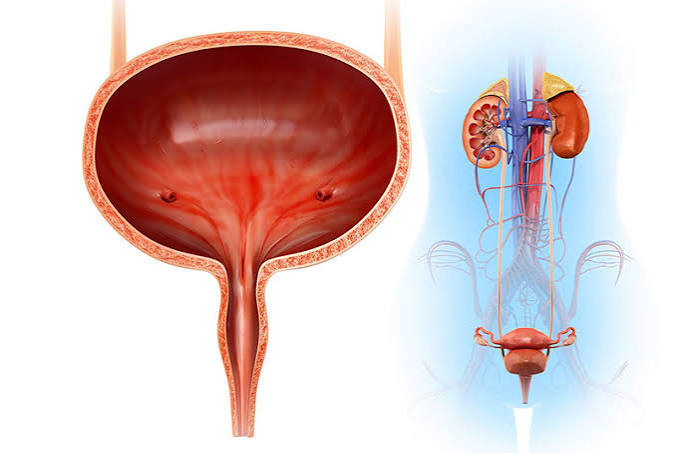
Common urinary problems in adults are widespread enough that many people assume occasional symptoms are simply part of getting older — but they rarely need to be. From urinary tract infections that affect more than half of all women at some point in their lives, to benign prostatic hyperplasia that disrupts sleep for millions of older men, to blood in the urine that can indicate anything from a minor infection to early bladder cancer, the urinary system generates a broad range of conditions that deserve both understanding and appropriate medical attention. This guide covers the most important common urinary problems in adults, what causes them, how they’re diagnosed, and what treatment looks like.
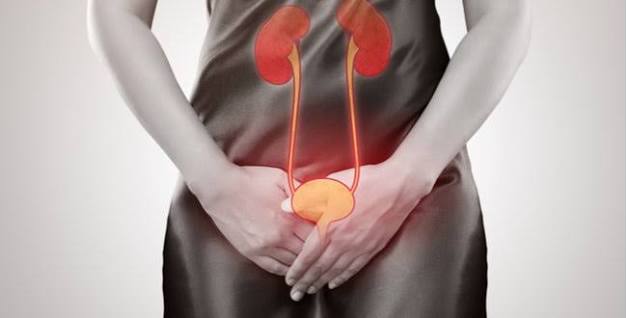
Urinary Tract Infections — The Most Frequent Urinary Problem in Adults
Urinary tract infections (UTIs) are the most common urinary problem in adults by a substantial margin. In the United States alone, they account for approximately 8 million doctor visits annually. Across a lifetime, roughly 50 to 60 percent of women will experience at least one UTI, and about 25 percent will experience recurrent infections — defined as two or more UTIs within six months or three or more within a year.
The overwhelming majority of uncomplicated UTIs are caused by Escherichia coli, which accounts for 80 to 85 percent of cases. E. coli typically originates from the gastrointestinal tract and colonizes the urethra before ascending to the bladder. The anatomy of the female urethra — shorter and closer to the anal region than in men — explains why UTIs are far more common in women. Other risk factors include sexual activity (which can introduce bacteria into the urethra), menopause (lower estrogen levels thin the urethral lining and reduce protective lactobacilli), urinary catheter use, diabetes (impaired immune response plus glucose in urine providing a bacterial growth medium), and structural abnormalities of the urinary tract.
Symptoms of a lower UTI (cystitis) include burning or pain on urination (dysuria), urgency, frequency, a feeling of incomplete emptying, and sometimes blood in the urine. Systemic symptoms — fever above 38°C, chills, nausea, vomiting, flank pain — suggest that infection has spread to the kidneys (pyelonephritis), which is a more serious condition requiring different management.
Diagnosis is confirmed by urinalysis and urine culture. Treatment of uncomplicated UTI is typically a short antibiotic course: nitrofurantoin (5 days), trimethoprim-sulfamethoxazole (3 days), or fosfomycin (single dose). For women with recurrent UTIs, management options include post-coital antibiotic prophylaxis, low-dose continuous prophylaxis, and vaginal estrogen for postmenopausal women to restore normal urethral flora.
Urinary Incontinence — More Common Than Most Realize
Urinary incontinence — the involuntary leakage of urine — affects approximately 25 to 30 percent of adult women and 5 to 10 percent of adult men, with prevalence rising significantly with age. Despite being common, incontinence is underreported; many adults assume it is a normal part of aging and don’t mention it to their doctors. It is not inevitable, and effective treatments exist for all types.
Stress incontinence involves leakage during activities that increase abdominal pressure — coughing, sneezing, laughing, lifting, or exercise. It results from weakened pelvic floor muscles and urethral sphincter, often following pregnancy and childbirth, or with age-related muscle laxity. Urge incontinence involves a sudden, intense urge to urinate followed by involuntary leakage before reaching the toilet, resulting from overactivity of the detrusor muscle. Mixed incontinence combines elements of both, and is particularly common in older women. Overflow incontinence occurs when the bladder fails to empty completely, leading to frequent or constant dribbling — more common in men with BPH or neurological conditions.
Treatment begins with behavioral approaches: pelvic floor muscle training (Kegel exercises), bladder training, fluid management, and eliminating bladder irritants (caffeine, alcohol, carbonated beverages). Supervised pelvic floor physical therapy produces improvement in 70 percent or more of women with stress or mixed incontinence. For urge incontinence specifically, pharmacologic options include anticholinergics (oxybutynin, tolterodine) and mirabegron (a β3-adrenergic receptor agonist that relaxes the detrusor muscle without the dry-mouth side effects of anticholinergics).
Benign Prostatic Hyperplasia — The Most Common Urinary Problem in Older Men
Benign prostatic hyperplasia (BPH) — non-cancerous enlargement of the prostate gland — is the most common urinary problem specific to men. It affects approximately 50 percent of men aged 51 to 60 and up to 90 percent of men by age 80, according to American Urological Association (AUA) guidelines. The prostate surrounds the urethra at the bladder outlet, and as it enlarges, it compresses the urethra and disrupts normal urinary flow.
The resulting lower urinary tract symptoms (LUTS) include a weak or intermittent urinary stream, hesitancy (difficulty starting urination), straining, sensation of incomplete bladder emptying, frequency, urgency, and nocturia (waking at night to urinate). These are classified by the AUA Symptom Score (AUASS): 0 to 7 is mild, 8 to 19 is moderate, and 20 to 35 is severe. BPH is benign — it does not cause or become prostate cancer — but in severe cases can lead to urinary retention, bladder stones, recurrent infections, and rarely kidney damage from chronic urinary backpressure.
Treatment follows a stepwise approach. Alpha-1 adrenergic blockers (tamsulosin, alfuzosin, silodosin) relax smooth muscle in the prostate and bladder neck, improving flow within days to weeks — these are first-line for moderate to severe symptoms. 5-alpha-reductase inhibitors (finasteride, dutasteride) block DHT production, reducing prostate volume by 20 to 30 percent over 6 to 12 months, and are most beneficial when the prostate is significantly enlarged. Surgical options — including transurethral resection of the prostate (TURP) and minimally invasive procedures (Urolift, Rezum) — are offered when medications fail or complications have developed.
Overactive Bladder — Urgency, Frequency, and Nocturia
Overactive bladder (OAB) is defined by the presence of urinary urgency — a sudden, compelling desire to urinate that is difficult to defer — usually accompanied by increased daytime urinary frequency (8 or more voids per day) and nocturia (2 or more voids per night). It affects approximately 33 million Americans, according to the Urology Care Foundation, and is more prevalent with advancing age.
OAB is driven by involuntary contractions of the detrusor muscle. It can exist with urgency incontinence (wet OAB) or without it (dry OAB). Contributing factors include neurological conditions (Parkinson’s disease, multiple sclerosis, stroke), bladder irritants (caffeine, alcohol, acidic foods), urinary tract infections, bladder outlet obstruction, and obesity.
Behavioral management is first-line: bladder training, timed voiding, fluid management, dietary modification, and pelvic floor exercises to suppress urgency. When behavioral approaches are insufficient, pharmacologic therapy with anticholinergics or mirabegron is added. For refractory OAB, options include intradetrusor botulinum toxin A injection (effective in approximately 60 to 70 percent of cases), percutaneous tibial nerve stimulation (PTNS), and sacral neuromodulation (an implanted device that modulates bladder control pathways).
Urinary Retention — When the Bladder Cannot Empty
Urinary retention — the inability to fully empty the bladder — is classified as either acute or chronic. Acute urinary retention is a sudden, complete inability to urinate and represents a urologic emergency, typically presenting with severe suprapubic pain and distress. It occurs most commonly in older men with BPH. Treatment is immediate bladder decompression via catheterization, followed by identification and management of the underlying cause.
Chronic urinary retention is more insidious: the bladder empties incompletely with each void, leaving progressively larger post-void residual (PVR) volumes. When PVR exceeds 300 mL consistently, the risk of recurrent UTIs, bladder dysfunction, and kidney damage from backpressure increases significantly. Beyond BPH, medications are a frequently overlooked cause — anticholinergics (including many antihistamines and tricyclic antidepressants), alpha-agonists in decongestants (pseudoephedrine), and opioid analgesics can all impair bladder emptying, particularly in older men with already compromised outflow.
Blood in the Urine — When to Take It Seriously
Blood in the urine (hematuria) is a symptom that always warrants evaluation, regardless of how brief or mild it appears. Hematuria can be gross (visible, making urine pink, red, or cola-colored) or microscopic (only detectable on urinalysis, defined as 3 or more red blood cells per high-power field on microscopy). Causes range from benign to serious: UTIs, kidney stones, strenuous exercise, benign prostatic hyperplasia, glomerulonephritis, and cancers of the bladder, kidney, or urethra.
Bladder cancer is the fourth most common cancer in American men, with approximately 83,000 new cases diagnosed in the United States annually (American Cancer Society 2024). Blood in the urine — particularly painless gross hematuria — is the presenting symptom in 80 to 90 percent of bladder cancer cases. The 2020 AUA guidelines on hematuria recommend that any episode of gross hematuria in an adult warrants evaluation, including cystoscopy (direct visualization of the bladder) and upper tract imaging (CT urogram or renal ultrasound). Microscopic hematuria in adults aged 35 or older with any risk factors for urothelial cancer also warrants full evaluation. The message is direct: hematuria should not be attributed to another cause without first ruling out malignancy.
Interstitial Cystitis and Bladder Pain Syndrome
Interstitial cystitis/bladder pain syndrome (IC/BPS) is a chronic condition characterized by bladder pain or pressure, often with urinary urgency and frequency, persisting for more than six weeks in the absence of infection or other identifiable cause. It predominantly affects women (approximately 90 percent of diagnosed cases) and is estimated to affect 3 to 8 million women in the United States. IC/BPS is a diagnosis of exclusion — other causes must be ruled out first, including recurrent UTI, bladder cancer, and overactive bladder.
Common dietary triggers include caffeine, alcohol, citrus fruits, tomatoes, artificial sweeteners, and carbonated beverages. Treatment options include oral pentosan polysulfate sodium (Elmiron), bladder instillations, low-dose amitriptyline, physical therapy targeting pelvic floor dysfunction, and neuromodulation for refractory cases.
Nocturia — Nighttime Urination That Disrupts Sleep
Nocturia — waking from sleep to urinate two or more times per night — affects approximately 50 million adults in the United States and becomes more prevalent with age. While one nighttime void is generally considered normal, two or more consistently disrupts sleep in a way that accumulates significant health consequences: daytime fatigue, impaired cognitive function, and in older adults, an increased risk of falls during nighttime bathroom trips.
Nocturia is not a disease itself but a symptom with multiple possible causes. Nocturnal polyuria — producing more urine at night than during the day — is the most common cause in older adults, resulting from shifts in fluid distribution (venous insufficiency, heart failure) or decreased antidiuretic hormone production. Reduced bladder capacity from OAB, BPH, or IC/BPS produces nocturia through a different mechanism — the bladder fills to capacity faster at night, not because more urine is produced. Sleep apnea also causes nocturnal polyuria through atrial natriuretic peptide release triggered by respiratory events.
Evaluation uses a bladder diary over 3 days to distinguish nocturnal polyuria from reduced capacity. For nocturnal polyuria, reducing evening fluid intake and elevating legs in the afternoon is first-line. Desmopressin (a synthetic ADH analog) is FDA-approved for nocturia from nocturnal polyuria, but requires sodium monitoring in adults over 65 due to hyponatremia risk.
How Urinary and Kidney Problems Overlap
The urinary and kidney systems share anatomy and function, which means problems in one often have implications for the other. A UTI that ascends to the kidneys becomes pyelonephritis; repeated pyelonephritis can cause renal scarring and contribute to CKD. Hematuria can originate anywhere from the kidney glomeruli to the urethra. Urinary retention — particularly chronic retention with high post-void residual — can create backpressure in the ureters and ultimately affect kidney function.
Understanding where a urinary symptom originates — and whether it signals a kidney problem, a bladder problem, or both — is one reason the distinction between urinary health and kidney health matters clinically. For more detail on the overlap and the differences, see our article on kidney health vs. urinary health: what is the difference and our overview of what is urinary health. For context on the kidney side, see our guides on what is kidney health and common kidney problems in adults.
When to See a Urologist vs. a Primary Care Provider
Most initial urinary problems can be evaluated and managed by a primary care provider. UTIs, mild OAB, initial BPH evaluation, and mild stress incontinence all fall comfortably within primary care scope. Referral to urology is appropriate when hematuria requires cystoscopy or upper tract imaging, UTIs are recurrent and require structural evaluation, BPH produces complications (retention, bladder stones, recurrent infection, kidney impairment), incontinence fails to respond to first-line behavioral and pharmacologic treatment, IC/BPS diagnosis is suspected, or nocturia evaluation requires specialized management.
Seek same-day or emergency evaluation for acute urinary retention (inability to urinate despite strong urge), gross hematuria (bright red or cola-colored urine), and severe flank pain with fever suggesting kidney infection. Schedule an appointment within days for any episode of gross hematuria — even if it resolved — and for recurrent UTIs, new incontinence significantly affecting quality of life, or persistent microscopic hematuria found incidentally on labs.
When Common Urinary Problems Become Chronic
Many common urinary problems in adults that begin as acute, treatable episodes can evolve into chronic conditions when underlying causes are not addressed — or when anatomical, hormonal, or neurological changes make recurrence inevitable without ongoing management. Understanding this trajectory helps adults and their providers shift from reactive to proactive care.
Recurrent urinary tract infections are among the most common chronic urinary situations women face. When UTIs recur frequently despite standard short-course antibiotic treatment, a structural evaluation is warranted — cystoscopy to rule out bladder lesions, and imaging to assess the upper urinary tract for obstruction, stones, or reflux. In postmenopausal women, restoring vaginal and urethral health with topical estrogen significantly reduces recurrence by rebuilding the protective epithelium that atrophies with estrogen loss. Long-term antibiotic prophylaxis (low-dose daily or post-coital) remains an option when other measures fail, though it carries increasing concern about antibiotic resistance and microbiome disruption.
Urge incontinence and overactive bladder are inherently chronic conditions for most adults — the underlying detrusor overactivity doesn’t resolve with a single course of medication. This means long-term management is necessary: ongoing behavioral strategies, medication adjustments (switching between anticholinergics and mirabegron based on tolerance and response), and escalation to procedures (botulinum toxin, neuromodulation) when first-line approaches provide insufficient control. The most important shift is recognizing OAB as a manageable condition rather than an inevitable inconvenience — and committing to the behavioral component, which requires consistent practice to produce lasting improvement.
BPH progression in men is also predictable: prostate volume tends to increase with age, and symptoms that are mild at 55 may become moderate or severe by 65 without treatment. Alpha-blockers provide rapid symptom relief but don’t slow prostate growth; 5-ARIs reduce the long-term risk of urinary retention and the need for surgery when started while the prostate is still enlarged and the patient is symptomatic. The decision between managing BPH medically and pursuing surgical correction depends on symptom severity, prostate volume, presence of complications, and patient preference — and should be revisited annually rather than made once and left unchanged.
Nocturia from nocturnal polyuria tends to worsen with conditions that accumulate with age — heart failure, venous insufficiency, sleep apnea — making it a condition that improves when its contributing causes are managed, not just when bladder symptoms are treated in isolation. A patient with nocturia from untreated obstructive sleep apnea will not achieve lasting improvement from OAB medications alone; treating the sleep apnea often substantially reduces nighttime voiding frequency without any urological intervention.
Lifestyle Factors That Affect Urinary Health in Adults
Several modifiable lifestyle factors have direct, well-documented effects on the most common urinary problems in adults — and making targeted changes in these areas can meaningfully reduce symptom burden, recurrence rates, and long-term progression.
Fluid intake and timing affect virtually every common urinary problem. Total daily fluid intake matters: too little concentrates the urine, irritating the bladder and increasing stone risk; too much can worsen urge incontinence and nocturia. Most adults benefit from a daily total of 1.5 to 2.5 liters of non-irritating fluids (water, herbal tea), distributed across the day with a reduction in the two to three hours before bedtime to reduce nocturia. Caffeinated beverages — coffee, tea, many sodas — are bladder irritants that increase urgency and frequency in susceptible adults; reducing or eliminating them is often one of the most effective single interventions for OAB and IC/BPS.
Body weight has a significant relationship with several urinary conditions. Obesity increases intra-abdominal pressure, which worsens stress incontinence; clinical trials demonstrate that weight loss of 5 to 10 percent of body weight produces clinically meaningful reductions in urinary leakage episodes. Obesity is also an independent risk factor for OAB, kidney stones (particularly uric acid stones), bladder cancer, and progression of BPH. Even modest weight reduction produces measurable improvement across multiple urinary conditions simultaneously.
Smoking is an underappreciated urinary health risk. Beyond its role as the strongest modifiable risk factor for bladder cancer, smoking contributes to chronic cough that repeatedly stresses the pelvic floor — worsening stress incontinence — and the nicotine in tobacco is itself a bladder irritant. Smoking cessation reduces bladder cancer risk progressively over years, and reduces cough-related stress incontinence within months of stopping.
Physical activity helps in multiple directions: it reduces obesity (and its downstream effects on incontinence, stones, and OAB), and regular moderate exercise reduces the risk of BPH progression in men. High-impact exercise — particularly distance running — can cause transient exercise-induced hematuria from bladder wall microtrauma, which typically resolves within 72 hours and does not require evaluation if consistently tied to exercise and never accompanied by pain, clots, or persistence beyond 72 hours. Pelvic floor exercises (Kegels), done correctly and consistently, remain the most evidence-supported behavioral intervention for stress and mixed urinary incontinence — but many adults perform them incorrectly; supervised pelvic floor physical therapy produces substantially better outcomes than self-directed exercise alone.
Tracking Your Urinary Health Over Time
One practical step that helps both patients and providers is keeping a bladder diary — a 3-day record of when you void, how much you produce (measured with a toilet insert hat for accuracy, or estimated), and any episodes of leakage or urgency. A bladder diary converts vague descriptions like “I go a lot” into specific data — average void volume, total daily output, nocturnal urine ratio — that directly shapes diagnosis and treatment choice. Many adults are surprised to discover that what felt like constant urgency is actually 9 to 10 voids per day, not the 18 to 20 they estimated; or that their nocturia is producing nearly half their daily urine output at night, strongly suggesting nocturnal polyuria rather than bladder overactivity. This distinction matters because the treatments are entirely different. Your provider can supply a printed diary template, and several free smartphone apps provide the same function digitally. Three representative days — ideally including one weekend day — are sufficient to characterize your pattern accurately. Bringing that data to your appointment transforms a 10-minute conversation into a clinically productive one.
Sources: National Institute of Diabetes and Digestive and Kidney Diseases (NIDDK), niddk.nih.gov; Urology Care Foundation, urologyhealth.org; American Kidney Fund, kidneyfund.org. AUA BPH Guidelines 2021; AUA Hematuria Guidelines 2020; ACS Cancer Facts 2024.
Bookmarked this article on common urinary problems in adults immediately — going to reference it regularly. I have tried following advice from several sources but this is most consistent with what my specialist told me. Appreciate the effort that went into researching and writing this — it shows.
Came across this while researching common urinary problems in adults for a family member. This is the kind of evidence-based writing that actually changes how people approach their health. Looking forward to reading more articles from this website.
I have been reading about common urinary problems in adults for weeks and this is the most thorough guide I found. This is the kind of evidence-based writing that actually changes how people approach their health. Shared this with three friends who are dealing with related issues. Very useful resource.