
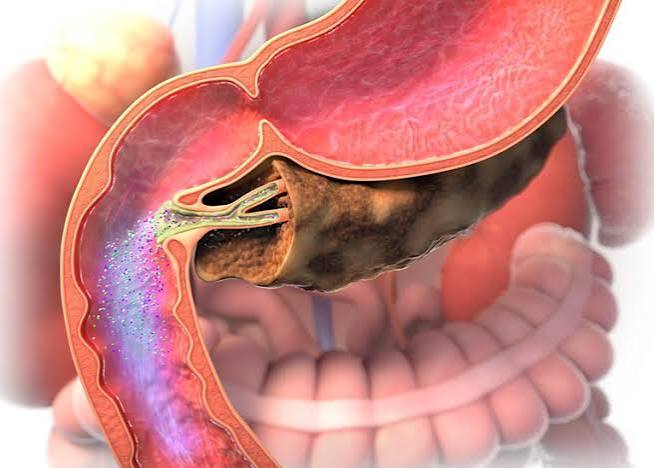
You are eating normally — perhaps even more than usual — but losing weight. Your stools have changed: pale, oily, difficult to flush, with an unusually strong smell. Your abdomen is frequently bloated and gassy after meals, and you bruise more easily than you used to. These are the signs of exocrine pancreatic insufficiency (EPI): a condition in which the pancreas can no longer produce sufficient digestive enzymes to break down food properly. Calories and fat-soluble nutrients that should be absorbed are instead passing through the gut undigested, leading to progressive malnutrition that can affect every system in the body.
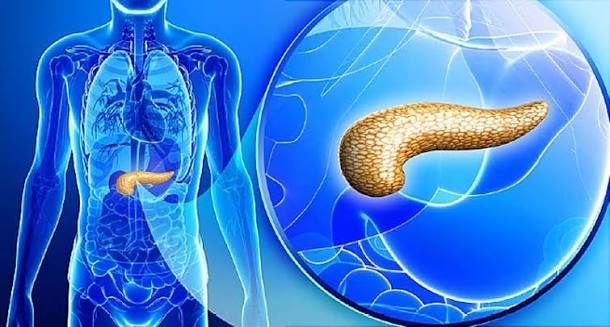
EPI is underdiagnosed — largely because its symptoms (steatorrhoea, weight loss, bloating) are shared with many other digestive conditions, and because the pancreas has a large functional reserve that means symptoms only appear once enzyme output has fallen to less than ten percent of normal capacity. By the time the condition becomes clinically obvious, significant pancreatic damage has usually already occurred. Understanding the causes, the diagnostic tests, and the treatment options is essential for anyone living with chronic pancreatitis, cystic fibrosis, or a recent diagnosis of a pancreatic condition. For a foundation-level explanation of how the pancreas normally produces digestive enzymes, see our guide on pancreas and digestive health.
What Is Exocrine Pancreatic Insufficiency?
The exocrine pancreas produces a suite of digestive enzymes — lipase (for fat), amylase (for carbohydrate), and proteases including trypsin, chymotrypsin, and elastase (for protein) — that are essential for normal digestion. These are released in response to eating, mix with food in the duodenum, and enable the absorption of macronutrients and fat-soluble vitamins through the intestinal wall.
EPI is defined as insufficient enzyme secretion to maintain normal digestion and absorption. Critically, the pancreas has an enormous functional reserve: clinical symptoms of malabsorption only develop when enzyme output falls below approximately 10% of normal capacity. This threshold means that progressive damage — from chronic pancreatitis, for example — can accumulate for years before any digestive symptoms appear. Once the threshold is crossed, however, the consequences accelerate quickly and affect nutrition, weight, bone density, and immune function.
Fat malabsorption is the most clinically prominent consequence of EPI, because fat digestion is the most enzyme-dependent of the three macronutrient categories. Starch digestion, for example, is partially assisted by salivary amylase and by brush-border enzymes in the intestinal wall; protein digestion receives some assistance from gastric pepsin. Fat digestion, however, depends almost entirely on pancreatic lipase. When lipase is insufficient, dietary fat passes through the small intestine largely unabsorbed — causing steatorrhoea, caloric loss, and deficiency of the fat-soluble vitamins (A, D, E, and K) that rely on fat absorption for their uptake.
What Causes Exocrine Pancreatic Insufficiency?
EPI is caused by any process that destroys exocrine acinar cells, blocks the pancreatic duct, or disrupts the hormonal signals that trigger enzyme secretion.
Chronic Pancreatitis
Chronic pancreatitis is the most common cause of EPI in adults, accounting for 70–80% of cases. Progressive fibrotic scarring replaces functional acinar tissue over years — typically 5–10 years of disease before EPI becomes clinically significant. By 25 years of chronic pancreatitis, approximately 85% of patients have some degree of EPI. The rate of progression is accelerated by continued alcohol use and smoking. For a detailed explanation of how chronic pancreatitis develops and its range of consequences, see our article on pancreatitis: symptoms and warning signs.
Cystic Fibrosis
Cystic fibrosis (CF) is the most common hereditary cause of EPI. The CFTR gene mutation causes abnormally thick, sticky mucus that blocks the pancreatic ducts from early in life. In approximately 85% of CF patients, this ductal obstruction prevents enzymes from reaching the duodenum, causing progressive acinar destruction and severe EPI. CF-related EPI typically requires higher PERT doses than other causes because of additional challenges with duodenal pH and mucus-related barriers to enzyme release.
Pancreatic Cancer and Surgery
Pancreatic cancer can cause EPI either by destroying exocrine tissue directly or by obstructing the pancreatic duct. Pancreatic surgery — particularly the Whipple procedure (pancreaticoduodenectomy) for pancreatic head cancer, and distal pancreatectomy — removes substantial exocrine tissue, and the altered anatomy disrupts the timing of enzyme mixing with food in the duodenum. Up to 80% of patients with pancreatic cancer develop some degree of EPI during their illness.
Secondary Causes
Several conditions cause EPI indirectly by disrupting the hormonal signals that stimulate enzyme secretion. Coeliac disease damages the duodenal mucosa that produces cholecystokinin (CCK), the primary hormone that triggers pancreatic enzyme release — reduced CCK means reduced enzyme stimulus even in a structurally normal pancreas. Crohn’s disease involving the small bowel has a similar effect. Gastrectomy alters the timing and volume of gastric emptying, desynchronising enzyme release from food arrival in the duodenum. Zollinger-Ellison syndrome (gastrinoma) produces excess gastric acid that overwhelms pancreatic bicarbonate secretion, keeping the duodenum at a pH that inactivates digestive enzymes before they can work.
Recognising Exocrine Pancreatic Insufficiency Symptoms
- Pale, greasy, or oily stools that float or are difficult to flush
- Unusually foul-smelling stools
- Unexplained weight loss despite maintaining or increasing food intake
- Abdominal bloating, excessive gas, and cramping after meals
- Frequent loose bowel movements or alternating loose and normal stools
- Easy bruising or prolonged bleeding from minor cuts (vitamin K deficiency)
- Bone pain, fractures, or a diagnosis of osteoporosis (vitamin D deficiency)
- Night blindness or deteriorating vision in low light (vitamin A deficiency)
- Muscle weakness or wasting (prolonged malnutrition)
Steatorrhoea is the most characteristic symptom of EPI and the one most likely to prompt investigation. The stools are pale (lacking the brown pigment that normally comes from bile) and have a greasy, fatty consistency — patients often describe them as oily, smearing the inside of the toilet, and floating due to their fat content. The smell is notably foul, caused by bacterial fermentation of unabsorbed fatty acids. Steatorrhoea is defined clinically as faecal fat excretion exceeding 7 grams per day on a standard diet.
Weight loss in EPI is insidious and can be significant — losses of 5–10 kg are common by the time a diagnosis is made, because the condition is frequently present for months before it is identified. A person eating adequate or generous quantities of food but still losing weight should raise the possibility of malabsorption of any cause, with EPI being an important consideration when there is a background of pancreatic disease.
Nutritional deficiency symptoms reflect the specific fat-soluble vitamins being lost. Vitamin D deficiency causes bone pain, muscle weakness, and — in prolonged cases — osteomalacia or osteoporosis with fracture risk. Vitamin K deficiency impairs the clotting cascade, causing easy bruising and slow-to-stop bleeding from minor cuts. Vitamin A deficiency causes night blindness, dry eyes, and impaired immune function. Vitamin E deficiency, rare but possible in severe long-standing EPI, can cause ataxia (loss of coordination) and peripheral neuropathy.
How EPI Is Diagnosed
Diagnosing EPI involves identifying both the presence of exocrine insufficiency and, where possible, its underlying cause. The two questions are answered by different investigations.
Faecal Elastase-1 Test
The faecal elastase-1 (FE-1) test is the most widely used clinical investigation for EPI. Pancreatic elastase-1 is secreted by the pancreas and passes through the entire gastrointestinal tract without being broken down, making its concentration in stool a reliable reflection of pancreatic secretory capacity. Normal levels exceed 200 micrograms per gram of stool. A level between 100 and 200 indicates moderate insufficiency; below 100 indicates severe insufficiency.
The test has important limitations. It requires a formed stool sample — in patients who have watery diarrhoea from any cause, the increased stool water dilutes the elastase concentration, producing falsely low (falsely severe) results. A patient with functional diarrhoea or coeliac disease may appear to have severe EPI on FE-1 testing when the pancreas is actually normal. Results should therefore always be interpreted alongside clinical context, and — in patients with loose stools — a repeat test on a formed sample or an alternative investigation may be needed.
72-Hour Faecal Fat Collection
The gold standard test for steatorrhoea is the 72-hour faecal fat collection, in which a patient eats exactly 100 grams of fat per day for three days while collecting all stool produced, which is then analysed for total fat content. Excretion above 7 grams per day confirms steatorrhoea. This test is highly accurate but practically burdensome — requiring a metabolic diet, complete stool collection, and laboratory analysis — and is now rarely performed outside specialist research settings.
Therapeutic Trial of PERT
When test results are equivocal or a definitive test is impractical, a therapeutic trial of pancreatic enzyme replacement therapy is a pragmatic diagnostic approach. Significant improvement in stool consistency, frequency, and weight — typically over 4–8 weeks at adequate doses — provides strong indirect evidence that enzyme insufficiency was the cause of the patient’s symptoms.
Imaging for Underlying Cause
CT scan or MRCP is performed to assess the pancreatic anatomy — looking for the calcifications and ductal changes of chronic pancreatitis, for pancreatic atrophy, or for a mass lesion. EUS offers the highest sensitivity for early chronic pancreatitis changes. Identifying the underlying cause is important because it affects the overall management — including the cancer surveillance required in chronic pancreatitis.
Pancreatic Enzyme Replacement Therapy — The Main Treatment
Pancreatic enzyme replacement therapy (PERT) is the cornerstone of EPI treatment. PERT capsules contain porcine-derived pancreatic extract — lipase, amylase, and protease — enclosed in enteric-coated microspheres or minispheres that dissolve at the pH found in the duodenum (above approximately 5.5), protecting the enzymes from destruction by gastric acid during their passage through the stomach.
For a broader understanding of what digestive enzymes do and why their timing matters, see our article on digestive enzymes: what they do.
Dosing
PERT doses are expressed in units of lipase activity, because lipase is the most critical and dose-limiting enzyme for fat digestion. A standard starting dose is 25,000–40,000 lipase units per main meal. This is titrated upward based on symptomatic response — reduction in steatorrhoea, stabilisation or improvement in weight — until the effective dose is found. Typical effective doses for a main meal range from 40,000 to 75,000 lipase units; snacks require approximately half the meal dose. There is no universally fixed dose: dosing is individualised and adjusted at each clinical review.
When to Take PERT — The Critical Factor
The most important practical principle of PERT use is timing. Capsules must be taken during the meal — not before eating and not after finishing. The reason is mechanical: for the enzymes to work, they must be mixed with the food bolus in the duodenum at the same time as the food arrives. If taken before the meal, enzymes may pass through the duodenum before the food arrives; if taken after, the food bolus has already moved beyond the zone of peak enzyme activity. For long meals, splitting the dose — half at the start of the meal, half midway through — improves mixing further.
Capsules should be swallowed whole without chewing. Chewing damages the enteric coating and exposes the enzymes to stomach acid, inactivating them before they can reach the duodenum. For people who cannot swallow capsules, the contents can be opened and sprinkled onto a small amount of acidic food such as apple sauce — but the mixture must not be kept or heated, and should be swallowed immediately without chewing.
PPI Co-Therapy
Even with enteric coating, the release of PERT microspheres is pH-dependent — and in some patients, particularly those with extensive pancreatic damage (who produce less bicarbonate to neutralise gastric acid in the duodenum), the duodenal pH may remain too low for optimal enzyme release. Adding a proton pump inhibitor (PPI) reduces gastric acid production, raises the duodenal pH, and improves the conditions for enzyme release and activity. This combination is recommended when PERT alone is producing suboptimal symptom control and there is no contraindication to PPI therapy.
Nutritional Support and Vitamin Supplementation
PERT significantly improves macronutrient absorption and reduces steatorrhoea, but it does not fully normalise fat absorption in all patients — and even optimally dosed PERT may not correct pre-existing fat-soluble vitamin deficiencies without supplementation. Vitamins A, D, E, and K all require dietary fat and functioning lipase for their absorption. The same malabsorption that causes steatorrhoea impairs the uptake of these vitamins simultaneously.
Vitamin D deficiency deserves particular attention because of its consequences for bone health. People with EPI — especially those with chronic pancreatitis, who may already have reduced mobility and reduced sunlight exposure — are at elevated risk of osteoporosis and fragility fractures. Baseline bone density measurement (DEXA scan) and annual reassessment of vitamin D levels are recommended as part of long-term EPI monitoring. Vitamin K deficiency affects coagulation and should be corrected before any surgical procedures.
In patients who struggle to maintain adequate caloric intake despite PERT, a dietitian can advise on energy-dense foods, medium-chain triglycerides (MCTs) as a fat source that is more readily absorbed without lipase, and — in severe cases — specialist nutritional supplements. The goal of nutritional support in EPI is not only to prevent deficiency but to reverse the muscle wasting and functional decline that prolonged malabsorption causes. A stable or improving weight trend is the most clinically meaningful marker of treatment success.
The role of bile salts in fat-soluble vitamin absorption also means that co-existing liver or biliary disease further complicates EPI management — reduced bile flow impairs fat emulsification even when enzyme supply is adequate. For patients with both biliary and pancreatic disease, managing both simultaneously is essential. Our guide on gallbladder health provides context on how the biliary and digestive systems interact.
Living Well With EPI — Practical Guidance
EPI is a manageable condition with appropriate treatment, but it requires consistent adherence to a daily PERT regimen and ongoing monitoring. The following practical principles apply to most people with EPI:
Never skip PERT. Missing a dose with a meal means that meal’s fat is largely malabsorbed. Consistent adherence is more important than perfect dose optimisation. Carry PERT in a small container when eating out.
Smaller, more frequent meals are easier to manage than large infrequent ones. A standard western pattern of three large meals per day overwhelms residual enzymatic capacity more than five or six smaller meals with proportionally smaller PERT doses each time.
Avoid alcohol and smoking. In chronic pancreatitis-related EPI, both accelerate the progressive destruction of residual pancreatic tissue. Continuing to drink or smoke after an EPI diagnosis substantially shortens the time to complete exocrine failure and dramatically increases the risk of pancreatic cancer.
Annual reviews should include serum vitamin levels (A, D, E, K, B12 where relevant), nutritional markers (albumin, prealbumin), weight trend, and — in chronic pancreatitis — consideration of CA 19-9 and MRI/MRCP as part of cancer surveillance. Bone density should be reassessed every two years or more frequently if deficiency has been detected.
Frequently Asked Questions About EPI
How do I know if my PERT dose is working?
The most practical indicator is improvement in stool appearance and consistency — stools should become less pale, less greasy, less foul-smelling, and less difficult to flush within 2–4 weeks of an effective dose. Weight stabilisation or gain is the next marker, though it takes longer (weeks to months) as nutritional stores replenish. If steatorrhoea persists on your current dose, the dose likely needs increasing — discuss this at your next review rather than waiting until annual follow-up. A response trial at a higher dose (e.g. stepping up from 40,000 to 50,000–75,000 lipase units per meal) often clarifies whether underdosing is the issue.
Can I take PERT with a liquid meal or protein shake?
Yes — PERT should be taken with any meal or snack that contains fat, including liquid meals, protein shakes, and supplement drinks. High-calorie liquid supplements often contain significant fat to maximise caloric density, so PERT is needed. The dose for a liquid meal is typically the same as for a solid snack — approximately half the main meal dose — but this depends on the fat content. Check the nutrition label of your supplement: more than 5–10 grams of fat per serving generally warrants enzyme replacement.
Is EPI reversible if the underlying cause is treated?
It depends on the cause. In secondary EPI (coeliac disease, Zollinger-Ellison syndrome, or post-ERCP complications), treating the underlying condition can restore normal enzyme secretion. In EPI due to structural pancreatic disease — chronic pancreatitis, cystic fibrosis, or post-surgical anatomy — the exocrine insufficiency is not reversible, because the lost acinar tissue cannot regenerate. PERT then becomes a lifelong treatment. In cystic fibrosis, newer CFTR modulator therapies (such as elexacaftor/tezacaftor/ivacaftor) have shown some improvement in pancreatic function in certain genotypes, but most CF patients with established EPI still require ongoing PERT.
What happens if I eat a fat-free meal — do I still need PERT?
PERT is needed for fat digestion specifically, so a meal that is genuinely fat-free (plain boiled rice, plain fruit, sugar-free gelatin) requires less or no lipase replacement. However, truly fat-free meals are uncommon in practice, and most “low-fat” foods still contain several grams of fat per serving. Skipping PERT for any meal with detectable fat content risks steatorrhoea. For a genuinely fat-free snack (a piece of fruit, plain rice crackers), many patients choose to skip PERT — discuss this with your gastroenterologist or dietitian based on your specific situation and goals.
Why might EPI be missed or take a long time to diagnose?
Several factors contribute to delayed EPI diagnosis. The symptoms — steatorrhoea, bloating, weight loss — overlap with irritable bowel syndrome, coeliac disease, inflammatory bowel disease, and other conditions, and patients are sometimes treated for these alternatives before EPI is considered. The faecal elastase test can produce falsely low results in patients with diarrhoea, leading to diagnostic confusion. EPI is also genuinely underrecognised in conditions beyond chronic pancreatitis — including post-surgical states, diabetes, and coeliac disease — where clinicians may not routinely consider it. Raising EPI specifically with a gastroenterologist (rather than waiting for a general review) accelerates the diagnostic process.
Can EPI cause diabetes?
EPI itself does not cause diabetes directly — exocrine failure and endocrine failure are separate processes, but they share the same underlying cause in chronic pancreatitis: progressive destruction of pancreatic tissue. As the disease advances, the fibrosis that destroys exocrine acinar cells also eventually destroys the endocrine islets of Langerhans, causing Type 3c (pancreatogenic) diabetes. Around 30–40% of patients with chronic pancreatitis develop diabetes over their lifetime. EPI often precedes Type 3c diabetes because acinar cells constitute 85% of pancreatic mass and are therefore affected sooner; islet cells, though smaller in mass, are more resilient until late in the disease.
Are there any foods I should avoid with EPI?
EPI does not require any specific food to be permanently excluded, but some practical adjustments help. Very high-fat meals (fried foods, full-fat dairy, fatty meats) require higher PERT doses and can overwhelm even adequate enzyme replacement. Alcohol should be avoided entirely if EPI is caused by chronic pancreatitis, as it accelerates further pancreatic damage. During periods of active steatorrhoea before PERT is optimised, reducing fat intake temporarily can ease symptoms while the correct dose is established. Long-term, a balanced diet with adequate calories is more important than restriction — malnutrition, not fat intake per se, is the primary dietary risk in EPI.
References and Further Reading
- National Institute of Diabetes and Digestive and Kidney Diseases — Exocrine Pancreatic Insufficiency
- Cystic Fibrosis Foundation — Exocrine Pancreatic Insufficiency
- NHS — Chronic Pancreatitis Treatment (including enzyme replacement)
- Mayo Clinic — Exocrine Pancreatic Insufficiency
- United European Gastroenterology — Clinical Guidelines
Medically reviewed by the Horizon Health Guide editorial team. Last updated: September 2026.
I was diagnosed with EPI after years of symptoms my GP put down to IBS. The section on why fecal elastase can be falsely low with diarrhoea explains why my first test came back severe when my specialist thought it was probably moderate — I had quite loose stools at the time. The PERT timing advice is also something I wasn’t doing correctly — I was always taking it before I started eating. Within two weeks of changing to during the meal, the improvement was noticeable. This article is clearer than anything my pharmacist or gastro gave me.
Thank you, Karen. The timing issue is genuinely one of the most common practical problems with PERT — and it is rarely explained clearly at the point of prescription, which is why so many patients take it before meals without knowing why it matters. The physics of it is straightforward once you understand it: the enzymes need to be present in the duodenum at the same moment as the food bolus arrives, so that they can mix and work on the digested material together. Taking PERT 10–15 minutes before eating means the capsules may have already passed through the key mixing zone before the food arrives. Your specialist is right that the fecal elastase result should always be interpreted with the stool consistency in mind — a very loose sample will dilute the elastase enough to push a moderate result into the severe range, which is why the clinical picture matters as much as the number. Glad the timing change made a difference so quickly.
My mother has cystic fibrosis and has been on PERT her whole life, but she was always told just to take it ‘with food’ without any detail on timing or what happens if she chews the capsule. The explanation of the enteric coating and the pH-dependent release is something that will genuinely change how she manages her doses. Sharing this with her CF team.