
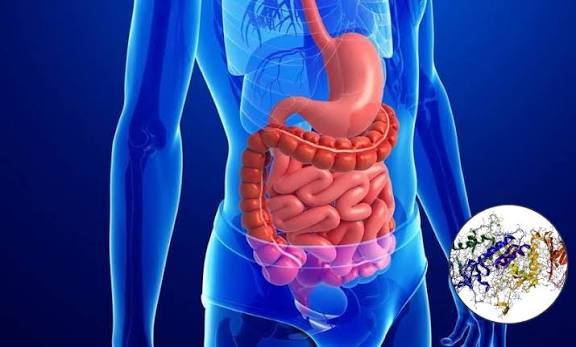
Every meal you eat — regardless of how nutritious it is — has to be completely dismantled at the molecular level before your body can use a single calorie of energy or a single building block of protein. The tools that do this work are digestive enzymes: highly specialised proteins produced throughout your gastrointestinal tract, each targeting a specific type of food molecule and breaking it down into units small enough to cross the intestinal wall and enter the bloodstream. Without them, even a carefully prepared, nutrient-dense meal passes through largely unused.
Understanding how digestive enzymes work — where they are made, what each one does, and what happens when they are missing or insufficient — is useful not just for people with specific digestive diagnoses, but for anyone who has experienced unexplained bloating, discomfort after eating, or is wondering whether an enzyme supplement might help. This guide covers the science clearly, including an honest assessment of when supplements add genuine value and when they do not.
What Are Digestive Enzymes?
Enzymes are proteins that act as biological catalysts — molecules that accelerate chemical reactions without being consumed in the process. Digestive enzymes specifically catalyse the hydrolysis of food macromolecules: they use water to break the chemical bonds holding large nutrient molecules together, splitting them into smaller, absorbable units.
Each enzyme is highly substrate-specific — it only works on one type of molecule. Amylase works on starch; lactase works on lactose (milk sugar); lipase works on triglycerides (dietary fat); trypsin and chymotrypsin work on proteins. This specificity means that if any one class of enzyme is missing or insufficient, the corresponding macronutrient is not properly digested — even if all other enzymes are working perfectly. It also means that “digestive enzyme” is not a single thing but a collection of many different proteins, each with a distinct role.
Digestion From Start to Finish: Where Each Enzyme Works
Digestion is not a single event that happens in one place. It is a coordinated process that unfolds across different sections of the gastrointestinal tract, with enzymes from different sources contributing at each stage. Understanding the geography of digestion makes it much easier to understand why specific enzyme deficiencies cause specific problems.
Enzymes in the Mouth and Stomach
Digestion begins in the mouth, not the stomach. The salivary glands secrete saliva containing salivary amylase (also called ptyalin), which begins breaking down starch into shorter chains (maltose and oligosaccharides) as soon as food is chewed. This is why bread and other starchy foods can taste slightly sweet after prolonged chewing — sugars are being released. However, salivary amylase is inactivated by the stomach’s acid environment, so its contribution is limited to the brief time food spends in the mouth.
The tongue also secretes a small amount of lingual lipase, which initiates fat digestion. In adults, this plays a minor role; in infants, it is more significant for digesting the medium-chain fats in breast milk.
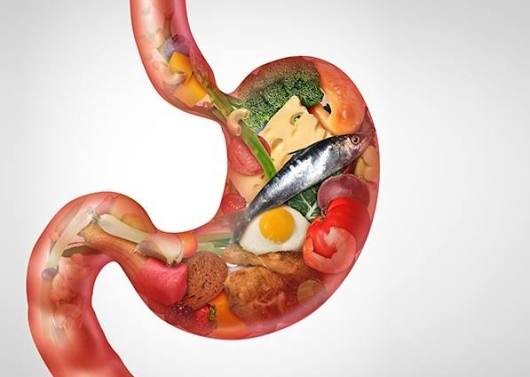
In the stomach, the dominant digestive enzyme is pepsin. Stomach cells (chief cells) secrete an inactive precursor called pepsinogen, which is converted to the active pepsin by the highly acidic environment (pH 1.5–3.5) of the stomach. Pepsin is an endopeptidase — it cuts protein chains at specific points within their length, producing smaller polypeptide fragments. It requires the acidic environment of the stomach to work, and is inactivated once it moves into the more alkaline duodenum. This is why adequate stomach acid production is important for protein digestion — conditions that reduce acid (such as long-term PPI use or atrophic gastritis) impair pepsin activation and can contribute to protein maldigestion.
The stomach also produces gastric lipase, which contributes approximately 20–30% of fat digestion in adults, working in the acidic gastric environment before fat is emulsified and fully processed in the small intestine.
The Pancreas: The Main Enzyme Factory
The pancreas is responsible for producing the majority of the body’s digestive enzymes, and its contribution is essential for normal digestion of all three macronutrients. For a comprehensive overview of pancreatic anatomy and function, see our guide on pancreas and digestive health.
Pancreatic amylase completes the starch digestion begun in the mouth, hydrolyising polysaccharides (starch, glycogen) into maltose and short oligosaccharides. Note that pancreatic amylase cannot break down cellulose (the structural fibre in plants), lactose, or sucrose — those require different enzymes.
Pancreatic lipase is the primary enzyme for fat digestion in the small intestine. Working alongside colipase (a cofactor that anchors lipase to the fat droplet surface after bile salts are present), it cleaves triglycerides into two fatty acids and one monoglyceride — the form in which dietary fat is absorbed. Phospholipase A2 and cholesterol esterase handle the digestion of dietary phospholipids and cholesterol esters respectively.
The pancreatic proteases — trypsin, chymotrypsin, elastase, and carboxypeptidases — continue the protein digestion begun by pepsin in the stomach. These are secreted as inactive zymogens (trypsinogen, chymotrypsinogen, proelastase, procarboxypeptidase) to prevent autodigestion of the pancreas itself. The critical first step is the activation of trypsinogen to trypsin by enterokinase, a brush-border enzyme in the duodenal wall. Trypsin then activates all the other pancreatic zymogens in a cascade. When this cascade is triggered inside the pancreas rather than the duodenum — as in pancreatitis — the result is destructive autodigestion. For more on this, see our article on pancreatitis: symptoms and warning signs.
When pancreatic enzyme production falls to below about 10% of normal capacity — whether from chronic pancreatitis, cystic fibrosis, pancreatic surgery, or other causes — the result is exocrine pancreatic insufficiency (EPI). Fat malabsorption is the most prominent consequence because fat digestion is most dependent on pancreatic lipase. For a detailed explanation of EPI and its treatment with pancreatic enzyme replacement therapy (PERT), see our article on exocrine pancreatic insufficiency explained.
Brush-Border Enzymes — The Final Step
The inner surface of the small intestine is lined with millions of microscopic finger-like projections called villi, each covered with even smaller projections called microvilli — collectively forming what is known as the “brush border” because of its appearance under a microscope. Embedded in this brush border are enzymes that complete the final stage of carbohydrate and protein digestion.
Lactase (also called beta-galactosidase) cleaves the disaccharide lactose into its two monosaccharide components — glucose and galactose — which can then be absorbed into the bloodstream. Lactase activity is highest in infancy, when breast milk or formula provides the primary caloric source. In most human populations, lactase activity naturally declines after early childhood (a process called lactase non-persistence), making some degree of lactose intolerance the global norm, not the exception. Approximately 65–75% of adults worldwide have reduced lactase activity. People of Northern European, Middle Eastern, and certain East African pastoral ancestry are the outliers — they retain lactase activity into adulthood due to a genetic mutation selected for in populations with long histories of dairy farming.
Sucrase-isomaltase cleaves sucrose (table sugar) and isomaltose (produced by amylase digestion of starch) into glucose and fructose. Hereditary sucrase-isomaltase deficiency is rare but important to recognise in children with intolerance to sugar and starch. More commonly, brush-border enzyme activity — including sucrase and lactase — is reduced secondary to small intestinal mucosal damage, as in coeliac disease or Crohn’s disease of the small bowel.
Maltase-glucoamylase cleaves maltose and longer glucose chains into individual glucose molecules ready for absorption. Enterokinase (enteropeptidase), produced by duodenal cells, is the critical enzyme that activates trypsinogen — a brush-border function that initiates the entire pancreatic protease cascade.
Bile Salts — Not Enzymes But Essential
Bile salts, produced by the liver and stored in the gallbladder, are not enzymes — they do not catalyse chemical reactions. But they are essential partners to lipase, because dietary fat must be emulsified (broken into tiny droplets suspended in water) before lipase can access it efficiently. Bile salts surround fat droplets and create a stable emulsion, dramatically increasing the surface area available for lipase action.
Without adequate bile salt delivery — as in bile duct obstruction, liver failure, or after cholecystectomy in some patients — fat absorption is impaired even when lipase is present in normal quantities. This is why conditions affecting the biliary system contribute to fat malabsorption even in the absence of pancreatic disease. For more on how the gallbladder and bile system work together with digestive enzymes, see our guide on gallbladder health.
What Can Disrupt Your Digestive Enzymes
- Exocrine pancreatic insufficiency (EPI): insufficient pancreatic enzyme production — from chronic pancreatitis, cystic fibrosis, pancreatic cancer, or surgery
- Lactase deficiency: reduced or absent lactase in small intestinal wall — the most common digestive enzyme deficiency globally
- Coeliac disease: immune-mediated mucosal damage reduces brush-border enzyme expression and CCK secretion (reducing pancreatic enzyme stimulation)
- Crohn’s disease: can damage the small intestinal mucosa and reduce brush-border enzyme activity
- Hypochlorhydria / achlorhydria: reduced stomach acid → pepsinogen not fully activated; PPIs, H. pylori atrophic gastritis, and pernicious anaemia can contribute
- Zollinger-Ellison syndrome: excess gastric acid overwhelms duodenal bicarbonate → acidic duodenum inactivates pancreatic enzymes
- Ageing: modest reduction in pancreatic secretory reserve, more significant reduction in gastric acid production in some older adults
Most of these conditions are manageable once identified. The key is recognising that persistent digestive symptoms — steatorrhoea, unexplained weight loss, bloating consistently after specific foods — warrant investigation rather than indefinite self-management with supplements whose benefit in untested deficiencies is uncertain.
Digestive Enzyme Supplements — What the Evidence Says
The digestive enzyme supplement market has grown substantially, with products marketed for everything from general digestive comfort to IBS relief. Understanding what these products actually contain, and where the evidence supports — or does not support — their use, is important for making informed choices.
Lactase Supplements — Well-Evidenced
Lactase enzyme supplements (such as Lactaid) are the best-supported class of digestive enzyme supplement. Taken with dairy-containing food, they provide the lactase that lactose-intolerant individuals lack, enabling lactose digestion and preventing symptoms. Multiple clinical trials confirm their effectiveness for confirmed lactose intolerance. This is straightforward supplementation of a specific, confirmed deficiency — the most rational use case for any enzyme supplement.
Alpha-Galactosidase — Reasonable Evidence for Gas
Alpha-galactosidase (the active ingredient in products like Beano) breaks down the non-digestible oligosaccharides found in legumes, cruciferous vegetables, and whole grains that otherwise reach the large intestine and are fermented by bacteria, producing gas. Several small trials support its effectiveness for reducing gas and bloating after meals high in these foods. It does not address malabsorption of fat, protein, or other carbohydrates.
Multi-Enzyme OTC Supplements — Limited Evidence
The broad-spectrum digestive enzyme supplements available over the counter — typically containing blends of amylase, lipase, protease, cellulase, and sometimes bromelain or papain (plant-derived proteases) — are widely marketed for general digestive comfort, IBS, and bloating. The evidence base for their use in people without a confirmed enzyme deficiency is limited: no large, well-designed randomised controlled trials have established consistent benefit for these broad indications. Some individuals report improvement in symptoms, but the effects appear modest and variable.
A Critical Distinction: OTC Supplements vs Prescription PERT
For people with exocrine pancreatic insufficiency, standard OTC enzyme supplements are not an adequate substitute for prescription-grade pancreatic enzyme replacement therapy (PERT). The key differences are significant: PERT products (such as Creon) are enteric-coated — the enzymes are protected from stomach acid and released specifically in the pH environment of the duodenum, where they are needed. OTC enzyme supplements are not enteric-coated and are largely inactivated by stomach acid before reaching the small intestine. PERT contains standardised, clinically validated doses of lipase (measured in international units); OTC supplements contain variable, typically much lower quantities. EPI is a medical condition that requires a medically supervised treatment — OTC supplements may produce a minor placebo or non-specific benefit but cannot replace the enzymatic capacity needed for adequate fat absorption.
Do You Need Digestive Enzyme Supplements?
The honest answer is: most people do not need them, and those who do need prescription-grade therapy rather than OTC supplements.
If you have been diagnosed with lactose intolerance, lactase supplements are a practical, evidence-supported option for occasions when you choose to consume dairy. If you regularly experience significant gas and bloating after meals high in legumes or cruciferous vegetables, alpha-galactosidase is worth trying. For both, confirming the specific intolerance before relying on supplements is worthwhile.
If you have persistent unexplained symptoms — significant steatorrhoea, weight loss despite adequate intake, or ongoing abdominal discomfort that does not relate clearly to specific foods — the appropriate step is clinical investigation rather than empirical supplementation. These symptoms may indicate EPI, coeliac disease, or another condition that requires medical diagnosis and specific treatment. An OTC multi-enzyme supplement taken without diagnosis may provide temporary comfort while an identifiable and treatable condition goes undetected.
If you are already on PERT for EPI, adjusting your prescription dose — in consultation with your gastroenterologist — is more effective than adding OTC supplements alongside it.
Frequently Asked Questions About Digestive Enzymes
Does chewing food longer really help digestion?
Yes, though the effect is more mechanical than enzymatic. Chewing breaks food into smaller particles, increasing the surface area available for enzyme contact — this is the same principle as why finely ground food is digested more efficiently than coarse chunks. Salivary amylase also has more time to work during prolonged chewing. More importantly, thorough chewing slows the rate of eating and may reduce the volume of food consumed per meal, both of which improve digestive comfort. The digestive benefit of careful chewing is real but modest for most people; it becomes more significant when digestive capacity is already reduced, as in EPI or after gastric surgery.
Can digestive enzymes be taken long-term safely?
Prescription PERT (for EPI) is taken lifelong without significant safety concerns at recommended doses. Lactase supplements are safe for long-term use. For OTC multi-enzyme supplements, no serious safety signal has emerged, but the safety data for long-term use is limited — and the efficacy case for long-term use without a confirmed deficiency is also limited. High-dose OTC lipase supplements carry a theoretical (but largely theoretical in practice) risk similar to the fibrosing colonopathy associated with very high PERT doses in cystic fibrosis patients, though this association was with far higher doses than typical OTC products contain. The main concern with long-term enzyme supplementation without diagnosis is missing an underlying treatable condition.
Does drinking water with meals dilute digestive enzymes?
This is a commonly repeated concern, but the evidence does not support it. The digestive system produces roughly 1.5–2 litres of enzyme-rich secretions per day (saliva, gastric juice, pancreatic juice, bile), and typical meal-time water consumption (one to two glasses) does not meaningfully dilute this volume or alter the pH environment significantly enough to impair enzyme function. Drinking excessive amounts of fluid immediately before a meal could theoretically dilute gastric acid transiently, but normal meal-time hydration has no clinically demonstrated adverse effect on digestion.
Why do I get bloated after eating certain vegetables but not others?
Bloating from specific vegetables is most commonly caused by fermentable oligosaccharides (FOS), disaccharides, monosaccharides, and polyols — collectively known as FODMAPs — that the small intestine cannot absorb. They pass intact into the large intestine where gut bacteria ferment them, producing gas. Cruciferous vegetables (broccoli, cabbage, Brussels sprouts), onions, garlic, and legumes are among the highest in these fermentable substrates. This is not strictly an enzyme deficiency — the human gut lacks the enzymes to digest these molecules by design. Alpha-galactosidase can help with legume-related gas specifically. For persistent bloating across a broader range of foods, a low-FODMAP dietary trial or investigation for underlying small bowel conditions may be more informative than enzyme supplementation.
Are plant-based digestive enzymes (bromelain, papain) effective?
Bromelain (from pineapple) and papain (from papaya) are cysteine proteases — they break down proteins, like pancreatic proteases, but through a different chemical mechanism. Both are used in OTC supplements and food processing. As protein digestive aids, they have some theoretical basis, and small studies show modest effects on protein digestion markers. However, they do not replace the full spectrum of pancreatic enzymes (including lipase for fat digestion), they are partially inactivated by stomach acid, and their clinical benefit for digestive symptoms in controlled trials is inconsistent. They are generally safe at typical supplement doses and may provide minor benefit for some people, but should not be relied on for medical digestive conditions.
What is the connection between digestive enzymes and the microbiome?
Digestive enzymes and the gut microbiome are intimately linked. Undigested or malabsorbed substrates that reach the large intestine become food for gut bacteria. When digestion is complete and efficient, the colon receives mainly indigestible fibre and resistant starch — which support a diverse, beneficial microbiome. When digestion is impaired — EPI, lactase deficiency, coeliac disease — undigested fat, protein, or carbohydrate reaches the colon in unusual quantities, altering the bacterial ecosystem in ways that are generally unfavourable: promoting gas-producing fermentation, potentially reducing bacterial diversity, and contributing to symptoms. Effective enzyme replacement in EPI has been shown to shift the gut microbiome composition toward a healthier profile.
Can stress affect digestive enzyme production?
Yes — stress activates the sympathetic nervous system and suppresses the parasympathetic “rest and digest” drive that normally stimulates digestive secretions. Under stress, salivary flow decreases, gastric acid secretion is altered (typically reduced in chronic stress, though acutely it may increase), and pancreatic enzyme output is reduced. This is one mechanism by which stress contributes to functional digestive symptoms — the term “stress belly” has a physiological basis in reduced secretory capacity. However, the reduction in enzyme output under stress is typically mild and temporary in otherwise healthy individuals, and does not cause the degree of malabsorption seen in structural enzyme deficiency conditions. Chronic high-stress states may contribute to subclinical digestive inefficiency over time.
References and Further Reading
- National Institute of Diabetes and Digestive and Kidney Diseases — Your Digestive System and How It Works
- Mayo Clinic — Digestive System Overview
- NHS — How to Digest Food Better
- International Foundation for Gastrointestinal Disorders
- MedlinePlus — Digestive Enzymes
Medically reviewed by the Horizon Health Guide editorial team. Last updated: September 2026.
The section on OTC supplements versus prescription PERT is something I really needed to read. My GP told me I had EPI but I was buying over-the-counter ‘digestive enzymes’ at the health food shop and wondering why they weren’t helping. The explanation of why the enteric coating matters — and why OTC products don’t have it — finally makes clear why PERT works and those supplements don’t. I’ve now discussed proper PERT dosing with my specialist. Thank you for explaining this distinction so clearly.
Thank you, Patricia. The enteric coating distinction is probably the single most important practical point for anyone navigating EPI treatment, and it is rarely explained clearly in pharmacies or even sometimes in clinic consultations. The core issue is that pancreatic lipase is a protein and stomach acid at pH 1.5-2 will denature it completely within minutes. An OTC supplement without enteric coating, taken with a meal, is essentially delivering inactive lipase to the duodenum by the time it gets there. PERT enteric microspheres are specifically designed to survive the acidic stomach environment and release the enzymes in the duodenal lumen where they are needed. The dose calibration is also clinical-grade. Glad you are now working with your specialist on the correct dosing.
The fact about lactase deficiency being the global norm rather than the exception is genuinely surprising to me. I’d always thought of lactose intolerance as a medical condition people have, not as a normal human state. The evolutionary context — that Northern Europeans are the outliers who retain lactase — puts it in a completely different frame. My wife is Korean and has had dairy issues her whole life but was told by a British GP that it was ‘just IBS’ for years. This explanation finally makes sense of it.