
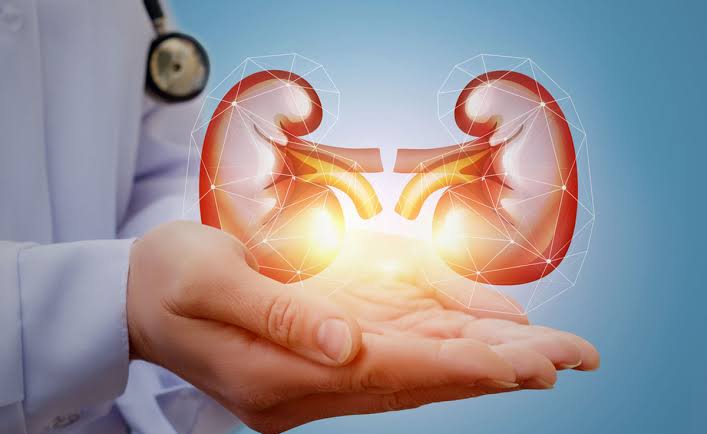
Kidney health is one of those topics most adults don’t think about until something shows up on a lab report. But the kidneys perform functions that no other organ replicates — filtering blood, regulating blood pressure, activating vitamin D, producing hormones that drive red blood cell production, and maintaining the fluid and electrolyte balance the rest of the body depends on. When kidney function declines, those systems begin to fail in ways that become progressively harder to reverse. Understanding what kidney health means — what healthy kidneys do, what good looks like in lab values, and what threatens kidney function — is useful for every adult, not just those already managing a kidney condition.
What Do Healthy Kidneys Actually Do?
The Filtration Function
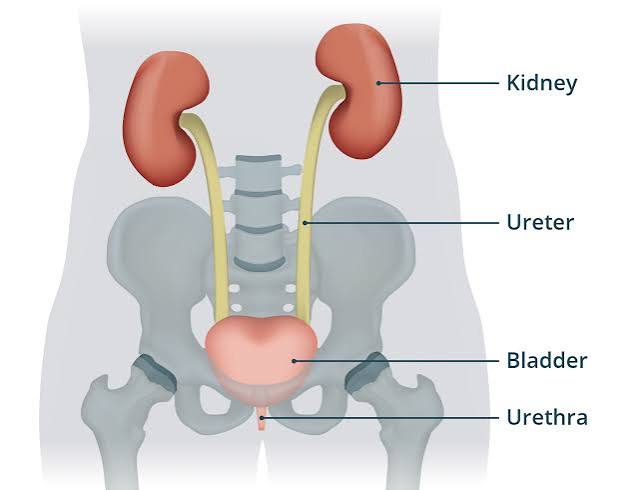
The kidneys are two bean-shaped organs, each roughly the size of a fist, located on either side of the spine just below the rib cage. Together, they filter approximately 200 liters of blood every day through tiny filtering units called glomeruli. The filtration process separates what the body needs from what it doesn’t: waste products, excess fluid, excess electrolytes, and drug by-products are excreted in urine, while nutrients and electrolytes in the right proportions are returned to circulation.
The waste products filtered by the kidneys include creatinine (a by-product of muscle metabolism), urea (from protein breakdown), uric acid, excess minerals like potassium and phosphorus, and thousands of other metabolic by-products. The efficiency of this filtration is what the clinical measure eGFR (estimated glomerular filtration rate) captures.
Healthy urine is pale yellow to clear, produced at a rate of about 1–2 liters per day, and largely odorless when fresh. Dark, concentrated urine typically signals dehydration. Foamy or bubbly urine can indicate protein in the urine — an early sign of kidney damage. Blood in the urine (hematuria) is always worth investigating.
Beyond Filtration — The Other Jobs Kidneys Do
Blood pressure regulation. The kidneys produce renin, initiating the renin-angiotensin-aldosterone system (RAAS) — a hormonal cascade that controls blood vessel tone and sodium retention. Damaged kidneys dysregulate this system, driving sustained hypertension — which, in turn, further damages the kidneys. Blood pressure and kidney health are bidirectionally linked.
Red blood cell production. The kidneys produce erythropoietin (EPO), a hormone that signals the bone marrow to produce red blood cells. When kidney function declines significantly, EPO production drops and anemia develops — one of the early complications of moderate-to-advanced chronic kidney disease.
Vitamin D activation. The kidneys convert vitamin D into its biologically active form (calcitriol). Without this activation step, vitamin D cannot be used for calcium absorption or bone mineralization. Chronic kidney disease is associated with vitamin D deficiency, secondary hyperparathyroidism, and increased fracture risk.
Acid-base balance. The kidneys regulate blood pH by excreting excess acid and reabsorbing bicarbonate, maintaining the narrow pH range (7.35–7.45) required for normal cellular function. Kidney disease impairs this capacity, leading to metabolic acidosis.
What Does “Kidney Health” Mean Clinically?
eGFR — The Primary Measure
Estimated glomerular filtration rate (eGFR) is the primary clinical measure of kidney function, calculated from serum creatinine, age, and sex. It estimates how many milliliters of blood the kidneys filter per minute per 1.73 m² body surface area. The KDIGO guidelines classify kidney function as: eGFR ≥90 (normal); 60–89 (mildly decreased); 45–59 (CKD Stage 3a); 30–44 (CKD Stage 3b); 15–29 (CKD Stage 4 — severely decreased); and below 15 (kidney failure).
An eGFR below 60, persisting for three or more months, defines chronic kidney disease (CKD) — regardless of cause. eGFR naturally declines with age — approximately 1 mL/min/1.73 m² per year after age 40 — so context and trend matter more than a single number.
UACR — The Early Warning Signal
The urine albumin-to-creatinine ratio (UACR) detects protein in the urine — specifically albumin, which healthy kidneys retain. When kidney damage occurs, albumin leaks through the damaged filtration membrane into the urine. This often precedes any decline in eGFR, making UACR a sensitive early warning signal. Normal UACR is below 30 mg/g. A UACR of 30–300 mg/g indicates early kidney damage (microalbuminuria). Above 300 mg/g indicates more significant damage (macroalbuminuria). For adults with diabetes, a UACR rising above 30 mg/g — even while eGFR remains normal — is the earliest clinical signal of diabetic kidney disease.
Other Kidney Labs Adults Should Know
Serum creatinine is the raw measurement that feeds into eGFR calculation. Normal ranges are approximately 0.6–1.2 mg/dL for women and 0.7–1.3 mg/dL for men. eGFR is the more clinically meaningful value, as creatinine varies with muscle mass. Blood urea nitrogen (BUN) — normal 7–20 mg/dL — measures another waste product the kidneys clear. Electrolytes (sodium, potassium, bicarbonate) are all kidney-regulated, and abnormal values in the context of borderline kidney labs suggest impaired regulatory function.
What Threatens Kidney Health?
The Big Two — Diabetes and Hypertension
Diabetes and hypertension together cause approximately 75% of new kidney failure cases in the United States (NIDDK, 2023). Diabetic kidney disease develops when sustained high blood glucose damages the glomeruli — the tiny filtration units — causing albumin to leak into the urine and, over years, progressive scarring and declining eGFR. Hypertensive kidney disease develops when chronically elevated blood pressure increases mechanical stress on glomerular capillaries, causing them to harden and scar over time.
Blood pressure control — to below 130/80 mmHg for adults with CKD — is the most evidence-supported kidney-protective intervention. For adults with diabetes, the ADA Standards of Care 2024 recommend annual UACR and eGFR screening, A1c control, and SGLT-2 inhibitors — a class of diabetes medications with demonstrated kidney-protective effects independent of glucose lowering.
Other Risk Factors
NSAIDs (ibuprofen, naproxen) reduce renal blood flow by inhibiting prostaglandins that help dilate the kidney’s feeding arteriole. Long-term NSAID use is associated with progressive kidney damage and should be discussed with a provider for those with any kidney health concerns. Obesity is an independent CKD risk factor, driving glomerular hyperfiltration and inflammation. Smoking reduces renal blood flow and accelerates CKD progression. Family history of kidney disease — particularly polycystic kidney disease (PKD) — significantly elevates individual risk. Recurrent kidney infections can cause progressive kidney scarring if untreated or frequently recurring.
Signs of Healthy Kidney Function
Kidney health in the absence of disease is characterized by: eGFR consistently at or above 60, UACR below 30 mg/g, serum creatinine within normal range, and electrolytes within normal limits. Blood pressure consistently below 120/80 mmHg is both a sign of and a contributor to good kidney health. Pale yellow to clear urine in volumes of 1–2 liters per day, at a frequency of 6–8 times daily, suggests adequate filtration and hydration.
Critically, the kidneys have substantial reserve capacity. Significant kidney damage — loss of 50–60% of functioning nephrons — can occur before any symptoms develop. This is why early-stage CKD is called a “silent disease” and why annual lab screening matters for adults with risk factors. By the time symptoms appear (fatigue, swelling, decreased urine output, nausea), significant and often irreversible damage has already occurred.
How to Support Kidney Health
Hydration
Adequate hydration is the most accessible kidney health intervention. The kidneys require sufficient fluid volume to dilute waste products and flush them through the filtration system efficiently. Concentrated urine increases the risk of kidney stone formation. A baseline of approximately 2–3 liters of total fluid per day is appropriate for most adults. Plain water is most beneficial; sugary beverages are associated with higher uric acid levels and kidney stone risk.
Blood Pressure and Blood Sugar Control
For adults with diabetes or hypertension, managing these conditions is the single most impactful kidney health intervention. Early, consistent control prevents the cumulative damage that leads to CKD. For adults with diabetes and CKD, the ADA Standards of Care 2024 recommend A1c control (typically below 7%) and SGLT-2 inhibitors for their demonstrated kidney-protective effects.
Diet and Lifestyle
For adults with healthy kidney function, reducing sodium intake — to below 2,300 mg/day — is the most consistently supported dietary intervention for both blood pressure control and kidney health. For adults with existing CKD Stage 3b and above, potassium and phosphorus management becomes more specific and should be individualized with a renal dietitian. Smoking cessation is one of the highest-impact lifestyle changes for kidney health.
Medications and Supplements
Routine long-term NSAID use is the most common modifiable medication risk for kidney health. Many herbal supplements carry underappreciated nephrotoxic risk: products containing aristolochic acid (found in some traditional herbal preparations) have been associated with acute kidney injury and chronic interstitial nephritis. High-dose antioxidant supplements and some weight loss products also carry kidney risk. Discuss any supplement use with your provider if you have existing kidney disease or risk factors.
When to Get Your Kidneys Checked
Adults in the following categories should have annual kidney function testing — eGFR from a blood draw and UACR from a urine sample: adults with Type 1 or Type 2 diabetes; adults with hypertension; adults aged 60 or older; adults with a family history of kidney disease; adults with obesity (BMI ≥30); and adults who have previously experienced acute kidney injury. Ask your provider specifically for both eGFR and UACR — not just creatinine, which alone can miss early kidney damage. When eGFR falls below 30, or when results are consistently abnormal without a clear explanation, referral to a nephrologist is appropriate.
For more detail on the structure and function of the kidneys, our how the kidneys work guide covers the anatomy and physiology in greater depth. For the urinary system’s role, our what is urinary health guide explains how the bladder, urethra, and kidneys work together. Our why kidney health matters after age 40 guide addresses the specific risks and screening needs that emerge in midlife. Our kidney health vs urinary health guide clarifies how these two closely related systems differ.
The NIDDK’s kidney disease resource center provides authoritative clinical information on kidney function, disease stages, and management. The CDC’s chronic kidney disease basics covers the prevalence data and public health significance of CKD. The National Kidney Foundation’s CKD overview provides accessible patient-facing information on stages, symptoms, and self-management.
Kidney Health Across Life Stages
In your 20s and 30s: Establish good hydration habits, manage blood pressure if it trends high, and avoid routine NSAID overuse for chronic pain. If you have a family history of polycystic kidney disease or other hereditary conditions, discuss early screening with your provider.
In your 40s and 50s: Screening becomes increasingly important as diabetes and hypertension prevalence rises. Annual blood pressure monitoring and blood glucose screening are standard. If either is elevated, adding annual eGFR and UACR testing is appropriate.
At 60 and beyond: Natural eGFR decline occurs with aging — typically accelerating after 70. Annual kidney function screening is standard. Medication review becomes important, as many drugs are cleared by the kidneys and may require dose adjustment when eGFR falls below 60 or 45.
During pregnancy: The kidneys work significantly harder — GFR increases approximately 50% above baseline. UTIs are more serious during pregnancy (higher risk of ascending to kidney infection). Pre-eclampsia involves kidney involvement and can have long-term kidney health implications.
Frequently Asked Questions
What is a good eGFR for my age?
eGFR naturally declines with age. An eGFR of 60 or above is the clinical threshold below which CKD is diagnosed, but in adults under 50, eGFR should typically be well above 60 (often 80–100+). In adults over 70, an eGFR of 60–70 may represent normal age-related decline, particularly if UACR is normal and there are no other risk factors. The trend over time is as important as any single value — discuss your specific number and how it compares to prior results with your provider.
Can kidney health be improved?
For healthy adults without existing CKD, maintaining kidney health through hydration, blood pressure control, blood sugar management, and avoiding nephrotoxic substances is achievable. For adults with early CKD (Stage 1–3a), the primary goal is slowing progression rather than reversing structural damage. Reducing proteinuria with ACE inhibitors or ARBs, controlling blood pressure and blood glucose, and stopping smoking can significantly slow the rate of eGFR decline. For Stage 3b–4 CKD, stabilizing function and managing complications is the realistic goal.
What foods are best for kidney health?
For adults with healthy kidneys, a generally healthy diet supports kidney function. Reducing sodium (below 2,300 mg/day) is the most impactful single dietary change. Adequate hydration, fruits and vegetables, whole grains, and lean protein sources are broadly beneficial. For adults with existing CKD Stage 3b and above, dietary restrictions on potassium and phosphorus become more specific and should be individualized with a renal dietitian — generalized “low-potassium” advice applied to early-stage CKD is often unnecessarily restrictive.
How do I know if my kidneys are healthy?
In most cases, you can’t tell from symptoms alone — particularly in early-stage kidney disease, which produces no symptoms. The only reliable way to assess kidney health is through lab tests: a blood test for eGFR and a urine test for UACR. These are typically part of a standard metabolic panel and urinalysis. If you have diabetes, hypertension, a family history of kidney disease, or are over 60, annual testing of both values is appropriate. If your most recent check-up included only creatinine, ask your provider to add eGFR and urine albumin testing.
What are the first signs that kidneys are not working properly?
Early kidney disease (CKD Stage 1–3a) typically produces no symptoms — which is why screening matters. As function declines further (Stage 3b–4), early symptoms may include: fatigue and decreased energy (from anemia and uremia); swelling in the ankles, feet, or hands (from reduced fluid and sodium excretion); foamy urine (from protein loss); and blood pressure that becomes more difficult to control. These symptoms appear late in the disease course. Lab changes in eGFR and UACR occur years before symptoms develop — which is the core argument for regular screening in at-risk adults.
Kidney health is not a specialty topic for patients with kidney disease — it is a foundational health concern relevant to every adult. Understanding what the kidneys do, what the key lab values mean, and what protects or threatens kidney function gives you the information to make relevant decisions now, before any symptoms appear. Annual screening for adults with risk factors is simple, inexpensive, and one of the highest-leverage preventive health investments available.
Understanding Your Kidney Health Numbers Over Time
A single eGFR or UACR result tells you where you are today. What matters more for most adults is the trend — whether kidney function is stable, slowly declining, or declining faster than expected for your age. Clinicians typically compare results over a span of at least three months (the KDIGO definition of CKD requires persistence for three months or longer), but tracking results over two to five years gives a much clearer picture of trajectory.
A useful practice is to keep a personal copy of your kidney labs. Each time you have bloodwork done, record your eGFR and note the date. If you also have a urine test, record your UACR. Over time, this log gives you an immediately interpretable picture of your trend — one that doesn’t require recalling a number from a test three years ago that you may not have written down. Many electronic health record patient portals (MyChart and similar systems) allow you to view this history and download a table or graph of trending values over time, which is worth using if your provider’s portal offers it.
eGFR declining more than 5 mL/min/1.73m² per year is considered rapid progression and warrants more urgent evaluation, according to KDIGO guidelines. A slower decline — 1–3 mL/min/year — may still be within the range of normal age-related change, particularly after age 65, but should still be monitored. An eGFR that increases between measurements (often seen after correcting dehydration or stopping a nephrotoxic medication) is generally a favorable sign, though it does not erase underlying structural damage if CKD was previously diagnosed.
UACR is similarly worth tracking as a trend. Reduction in UACR in response to treatment — particularly ACE inhibitors, ARBs, or SGLT-2 inhibitors in people with diabetes — is a recognized treatment goal and a marker that the intervention is protecting the kidneys. An increasing UACR over time, even if still within the “mild” range, should prompt a conversation with your provider about intervention timing.
Talking to Your Doctor About Kidney Health
Many adults learn they have a borderline or low eGFR incidentally — through bloodwork ordered for another reason — and receive little context about what it means or what to do about it. If this happens to you, a few specific questions are worth asking:
- “What is my UACR, and can we test it if we haven’t?” — eGFR alone does not capture early kidney damage; UACR fills that gap.
- “Has my eGFR changed compared to previous results?” — a downward trend is more significant than any single value.
- “Are any of my current medications hard on the kidneys?” — many commonly used drugs, from NSAIDs to some antibiotics, can be nephrotoxic or require dose adjustment when eGFR falls below 60.
- “Should I see a nephrologist?” — referral is generally appropriate when eGFR falls below 30, when the cause of kidney disease is unclear, or when kidney disease is progressing faster than expected.
- “What blood pressure target should I aim for to protect my kidneys?” — the target for adults with CKD is typically below 130/80 mmHg, which may differ from the target for adults without CKD.
If you have diabetes, ask specifically about SGLT-2 inhibitors and whether they are appropriate for your situation — the evidence for their kidney-protective effects is now strong enough that the ADA Standards of Care 2024 specifically recommend them for adults with diabetes and CKD, independent of glycemic control needs. If your blood pressure medication has not been reviewed recently and you have kidney disease, ask whether an ACE inhibitor or ARB is appropriate, as these reduce intraglomerular pressure and proteinuria beyond their blood pressure effects.
Sources: National Institute of Diabetes and Digestive and Kidney Diseases (2023); Centers for Disease Control and Prevention (2023); National Kidney Foundation (2023); KDIGO Clinical Practice Guidelines (2012); American Diabetes Association Standards of Care 2024.
Pingback: Kidney Health Numbers Every Adult Should Know
Pingback: What Is Chronic Kidney Disease?
Bookmarked this article on what is kidney health? a simple immediately — going to reference it regularly. I appreciated how the article addressed both the clinical side and the practical adjustments. Exactly the kind of evidence-based information that is hard to find in one place.
Thank you for covering what is kidney health? a simple so thoroughly without being overly technical. The practical tips made this immediately actionable, not just theoretical. This gave me real confidence going into my next specialist appointment.
This is one of the clearest explanations of what is kidney health? a simple I have found. The section on managing this condition day-to-day was especially useful for planning. Will definitely be coming back to this site for more health information.